Flexible Gas Supply in the OR: Pendant Systems for Oxygen, Air, N₂O, and CO₂

Share Article:
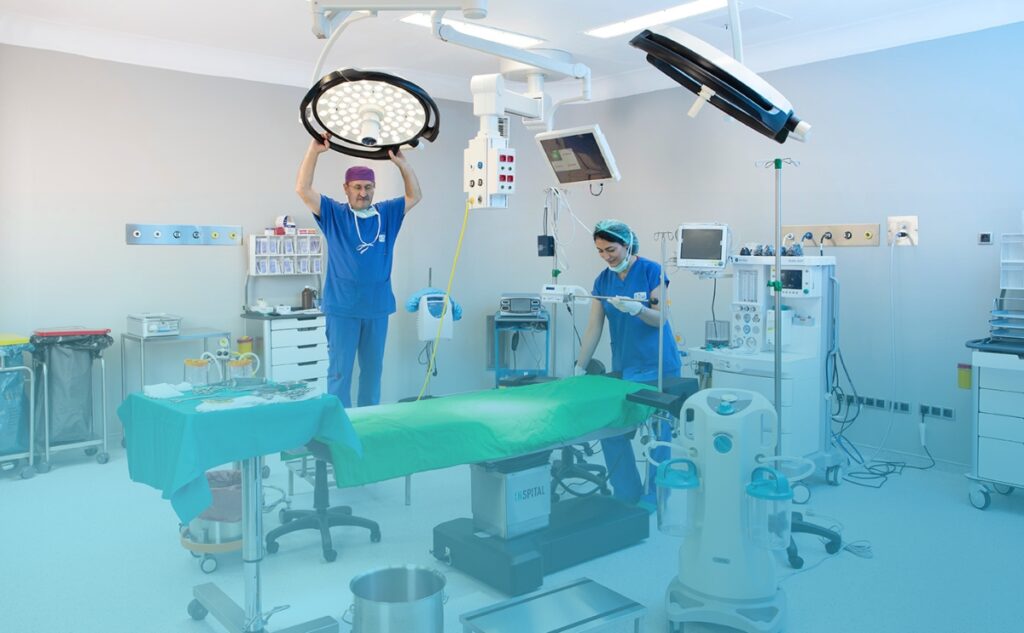
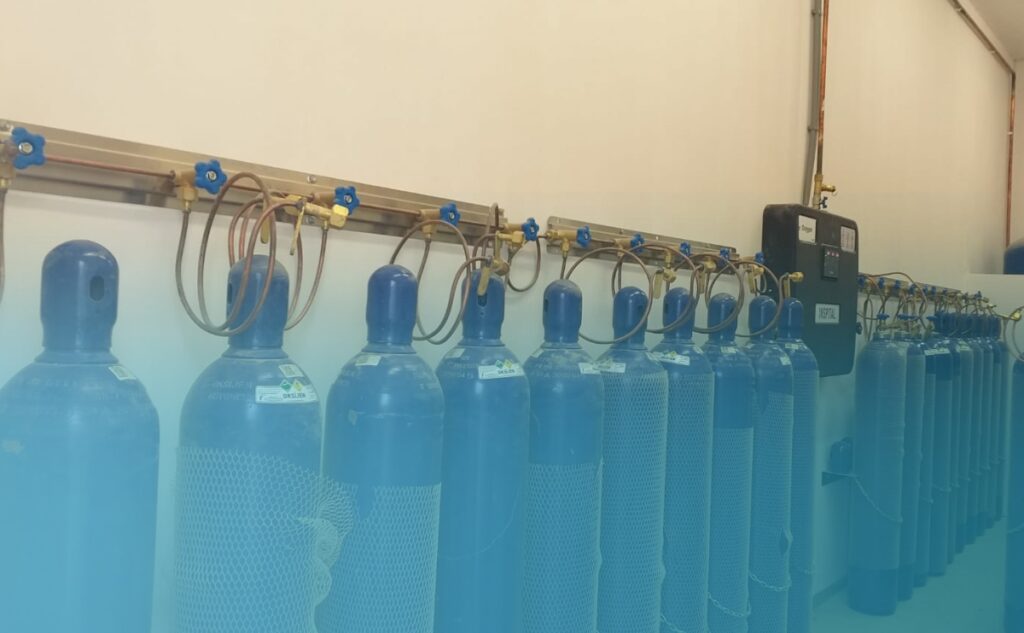
A modern operating room is far more than just a room with an operating table and lighting. It is a highly complex, technical ecosystem in which numerous devices, systems, and people must work together simultaneously. Every step is designed for precision, and any delay can disrupt the process – and, in the worst case, compromise patient safety. One of the often underestimated but central foundations of this system is the medical gas supply. Oxygen, medical compressed air, CO₂, or nitrous oxide must be available at all times reliably, safely, and in precisely metered doses. At the same time, their provision must not hinder the workflow or create additional risks. This is precisely where the limitations of classic wall connections become apparent. They are permanently installed, only accessible to a limited extent, and often force the OR team to compromise on positioning, freedom of movement, and ergonomics. In an environment that demands maximum flexibility, such rigid solutions increasingly seem like a relic of past OR concepts. Modern pendant systems offer a contemporary answer to these challenges – and change the way medical gases are provided and used in the OR.

Contents

The limitations of classic gas connections

Traditional wall connections fulfill their basic function, but they hardly meet the requirements of modern ORs. They are stationary, their position cannot be changed, and they are often difficult to access when the team is working under pressure or needs several devices at the same time. Long hose routes not only lead to tripping hazards, but also make it difficult to clean the OR floor and increase the risk of contamination.

In addition, many OR teams today work in an interdisciplinary and flexible manner. Different procedures require different device combinations, from anesthesia and ventilation systems to suction technology and endoscopic towers. Rigid wall connections cannot be quickly adapted to these changing requirements. Devices have to be repositioned, hoses extended, or additional extensions connected – an additional effort that costs time, lengthens working distances, and poses unnecessary risks. It becomes clear that modern ORs not only require medical precision, but also flexible infrastructure. Systems that adapt to the needs of the team while ensuring safety, hygiene, and ergonomics are crucial for efficient processes today.

Inspital Pendant Systems: Flexible gas supply where it is needed

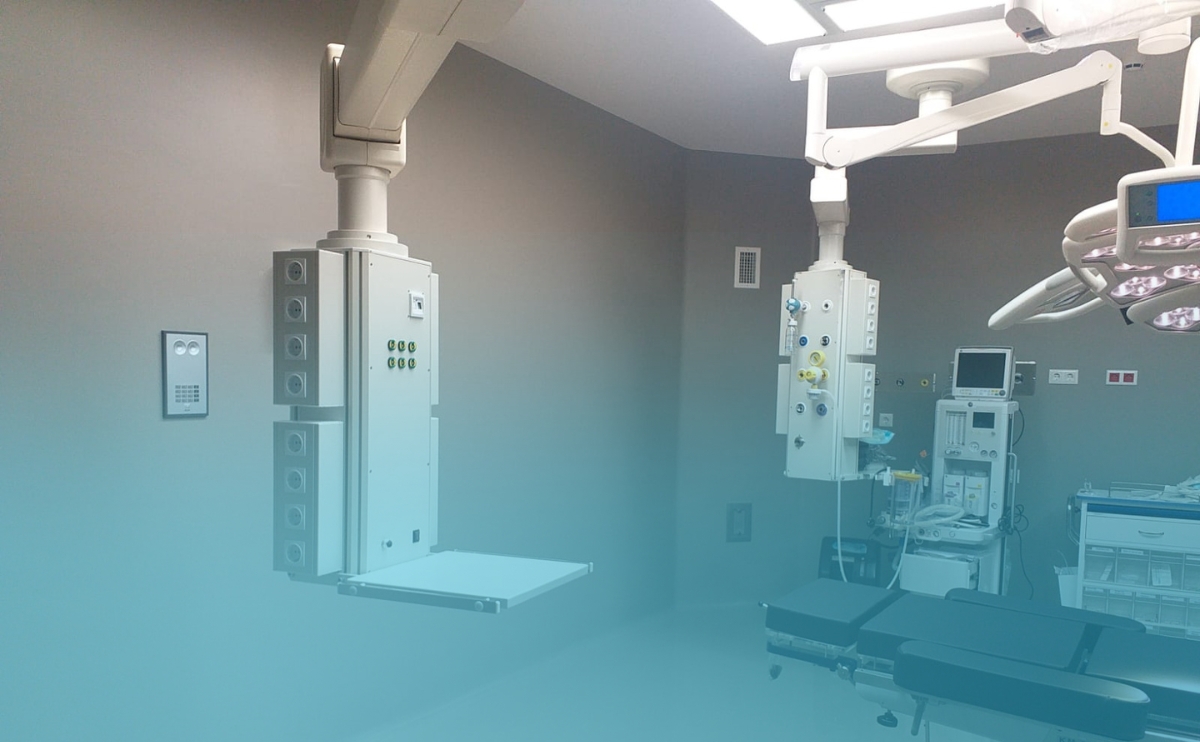
Pendant systems revolutionize the gas supply by integrating all connections into ergonomic, ceiling-mounted support systems. These can not only be adjusted in height, but also rotated, so that the team can place the supply units exactly where they are needed.

The advantages are obvious: working distances are shortened, tripping hazards due to cables or hoses are minimized, and the OR team can move more freely. Devices can be repositioned more quickly, different operating scenarios can be implemented without great effort, and concentration remains on the patient – not on the search for connections. Through this type of integration, the gas supply becomes a part of the workflow, not an obstacle. The flexibility of the pendant systems particularly supports the use of modern mobile devices and interdisciplinary collaboration without the need for additional technical adjustments.

Inspital Pendant Systems: Multifunctional supply centers

The pendant systems from Inspital, including models such as FX40.20D (Heavy Duty Double Joint Pendant) and FX40.20M (Heavy Duty Motorised Pendant), go far beyond the pure gas supply. They function as multifunctional supply centers that intelligently bundle power connections, lighting, network connections, and suspensions for medical devices. A crucial advantage is the modular design: hospitals can adapt the systems exactly to their requirements, from the number of gas connections to the gas combinations and power and data connections. Medical gases such as O₂, compressed air, N₂O, and CO₂ can be flexibly integrated. Color-coded connections, secure locks, and compliance with international standards such as DIN, BS, or NF guarantee maximum compatibility and safety – even when retrofitting existing ORs.

The systems are also equipped with pneumatic or electromagnetic braking systems, so that the carriers can be stably positioned even under high loads. Models with double joints enable a mobility that would otherwise only be conceivable with specially manufactured special solutions. Motorized versions allow stepless height adjustment at the touch of a button, which considerably simplifies everyday OR life.

Medical Gases: Precise, safe, and available at all times

A central advantage of Inspital pendant systems lies in the immediate availability of all required gases. Oxygen is essential for anesthesia and postoperative care, medical air serves as a carrier gas for ventilation systems, CO₂ is used in laparoscopic surgery, and nitrous oxide is mainly used for shorter procedures.

Inspital pendant systems use intelligent valve mechanisms, backflow preventers, and optional alarm systems to ensure that the gas supply is controlled and safe at all times. At the same time, the ceiling-mounted integration reduces the number of lines on the floor, facilitates cleaning, and minimizes the risk of contamination. The result is an optimal combination of safety, hygiene, and practicality, which directly affects the quality and efficiency of the procedures.

Ergonomics and Workflow Optimization: More than just comfort

Every movement counts in the OR. Every unnecessary action costs valuable seconds and increases the burden on the team. Pendant systems enable precise, individual alignment of all supply units, so that the team can fully concentrate on the patient.

Ergonomic optimization reduces physical strain, reduces stress, and increases concentration – crucial factors in an environment where seconds decide lives. At the same time, the clear structure of the OR, free of cables and improvised device arrangements, ensures clarity, reduces tripping hazards, and increases operative safety. The combination of flexibility, mobility, and ergonomic integration makes pendant systems an indispensable tool for modern ORs. They are not only technical solutions, but an active part of the workflow design, which directly increases efficiency and patient safety.

Conclusion: Investment in efficiency and sustainability

Hospitals that rely on Inspital pendant systems are not only investing in high-quality medical technology, but also in the sustainable optimization of their OR processes. The systems combine flexibility, safety, hygiene, and ergonomics in a unique way. They create a working environment that supports the OR team, minimizes errors, and covers modern OR requirements at the same time.

With these solutions, Inspital shows that true innovation arises where technical know-how meets a deep understanding of clinical processes. The pendant systems are therefore not only an upgrade of the gas supply, but a strategic instrument for increasing efficiency, patient safety, and long-term sustainability of hospitals.

Current News

Academy

Here, everything revolves around knowledge and continuing education.

News Press

Here you will find current news about trade fairs, congresses, PR and other relevant topics.