


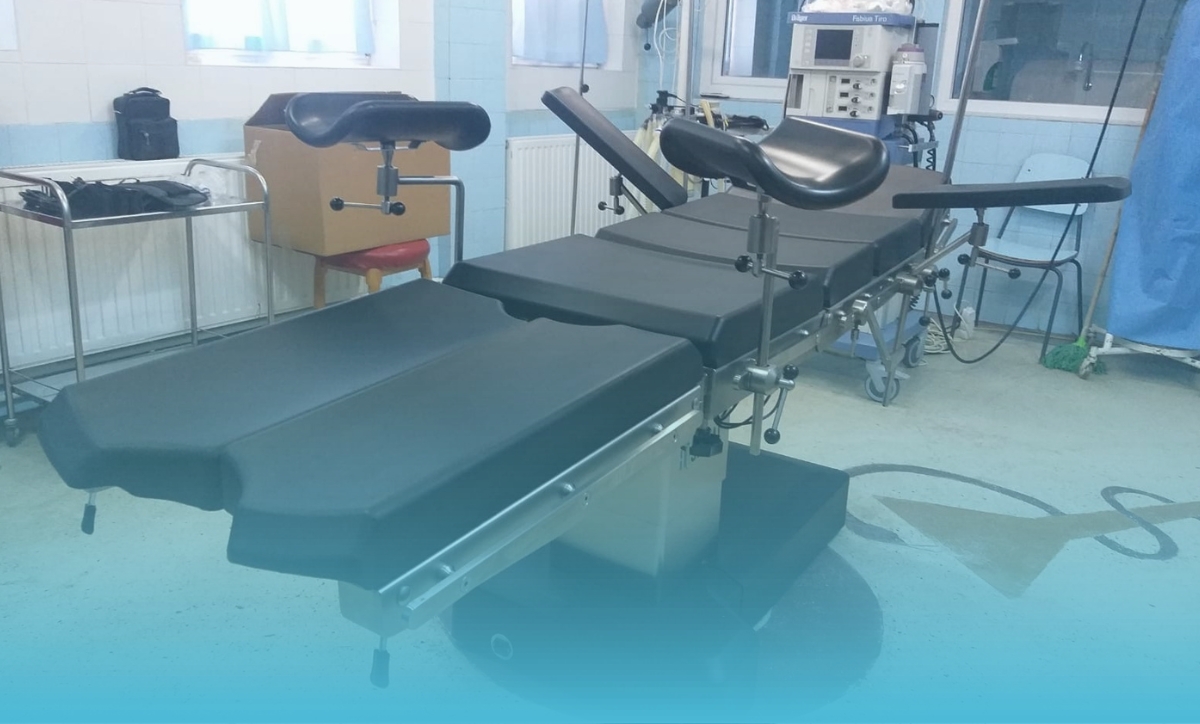

Electric Operating Tables for Clinics: Which Brands Offer the Best Value for Money in the Mid-Price Range?
Anyone looking to run a hospital, a medium-sized specialist clinic, or an outpatient surgical center (ASC) efficiently and at a top medical level today faces a nearly Herculean task. Healthcare budgets are severely constrained by rising energy prices, inflation, and wage adjustments. On the other hand, legal requirements – above all the European Medical Device Regulation (MDR) – are raising the bar for technical equipment to dizzying heights.
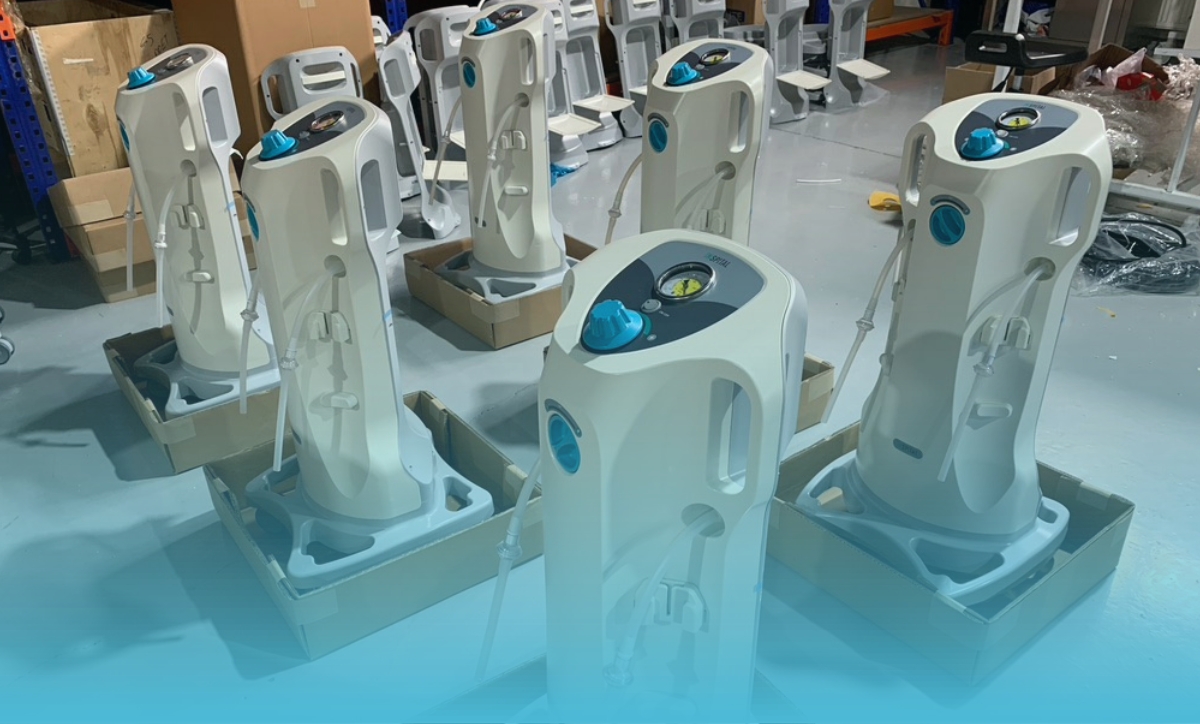
Life-Saving Devices in the Operating Room: Inspital GmbH’s MDR-Compliant Suction Devices from Neuss
In modern surgery, there are highly developed systems that operate silently in the background, yet their reliability can be a matter of life and death. Surgical suction devices undoubtedly belong to this category of critical infrastructure.
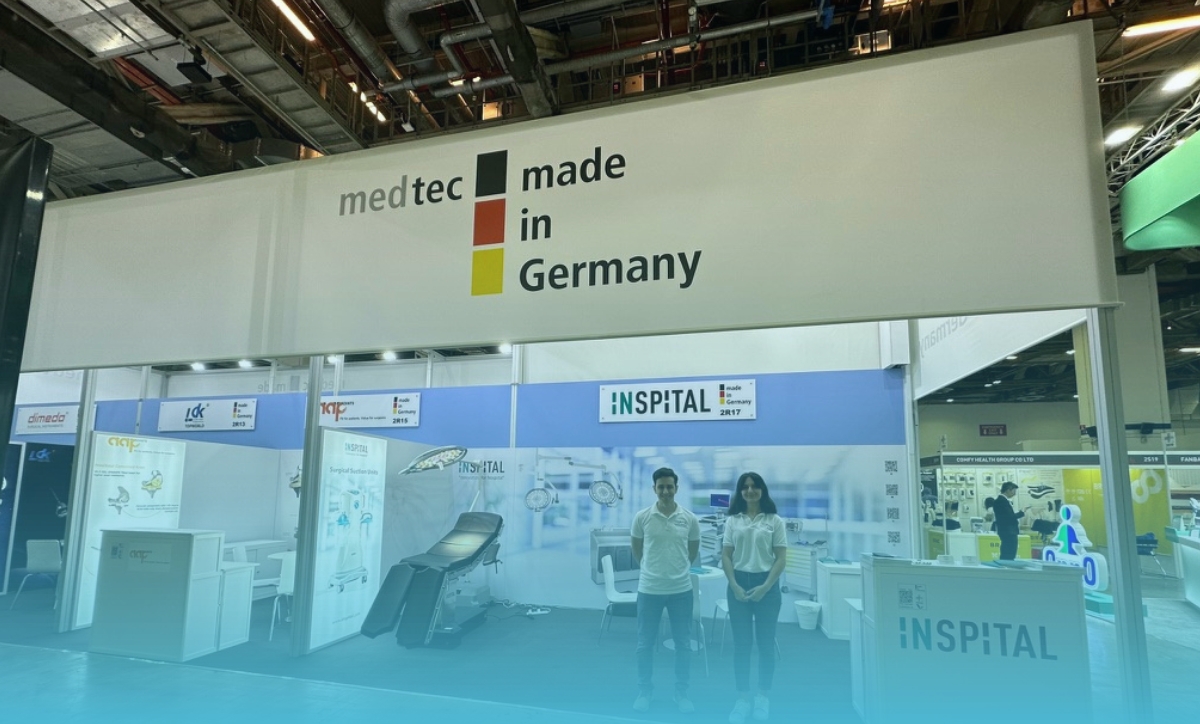
Made in Germany: Why Operating Tables from Inspital in Neuss Set the Global Standard
In the world of surgery, precision is not an optional luxury but the absolute prerequisite for treatment success. When the "Made in Germany" label meets an operating table, it carries a promise: German engineering excellence, uncompromising durability, and the highest safety standards.
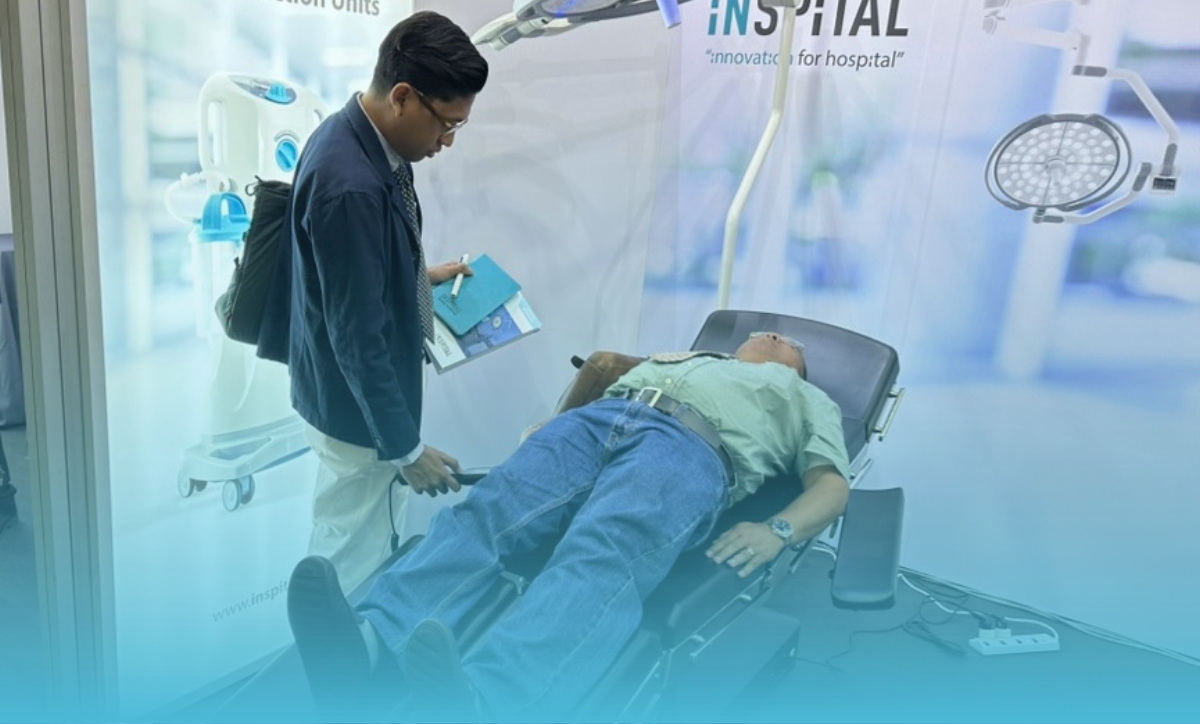
Safety and Precision in Bariatric Surgery: The Resilience of Modern Operating Table Systems
To ensure safety during bariatric procedures, an operating table must handle a dynamic load of at least 350 kg, feature electro-hydraulic control for smooth movements, and provide maximum stability in extreme positions like the Trendelenburg position through a stable column design.
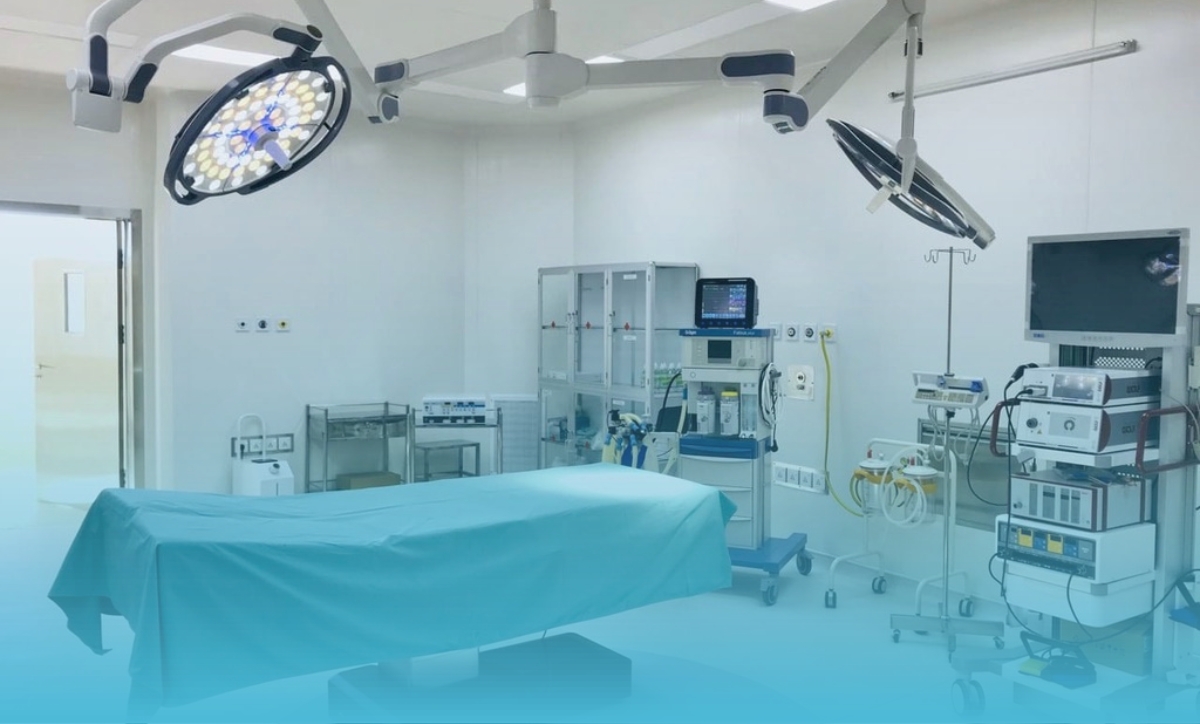
Outpatient OR Tables – Efficiency, Flexibility, and Precision for Modern Day Surgery
In recent years, outpatient surgery has developed into one of the most defining trends in modern healthcare. More and more medical procedures that were previously automatically associated with an inpatient stay are now being performed in specialized day clinics or outpatient surgical centers. This shift is driven not only by medical technology but also by organizational and economic motivations: shorter stays, lower costs, and higher patient satisfaction are at the heart of this movement.
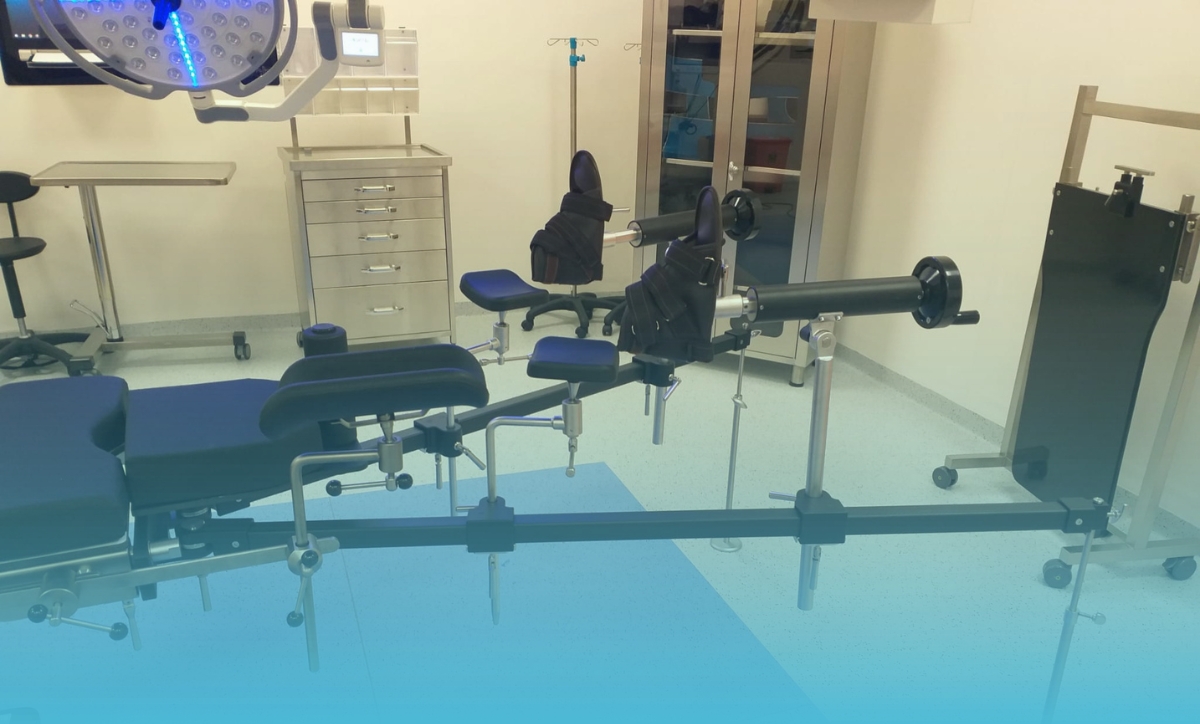
Universal Operating Table at Inspital – Flexibility and Precision for the Modern Operating Room
The demands on modern operating rooms have fundamentally changed in recent years. Where specialized individual solutions for specific disciplines often dominated in the past, a concept focused on flexibility, efficiency, and multifunctionality is increasingly gaining ground today. Precisely in this context, Inspital's universal operating table gains particular significance. It is not merely a medical device, but rather a central element of a dynamic OR infrastructure that must adapt to the diverse requirements of various surgical disciplines.
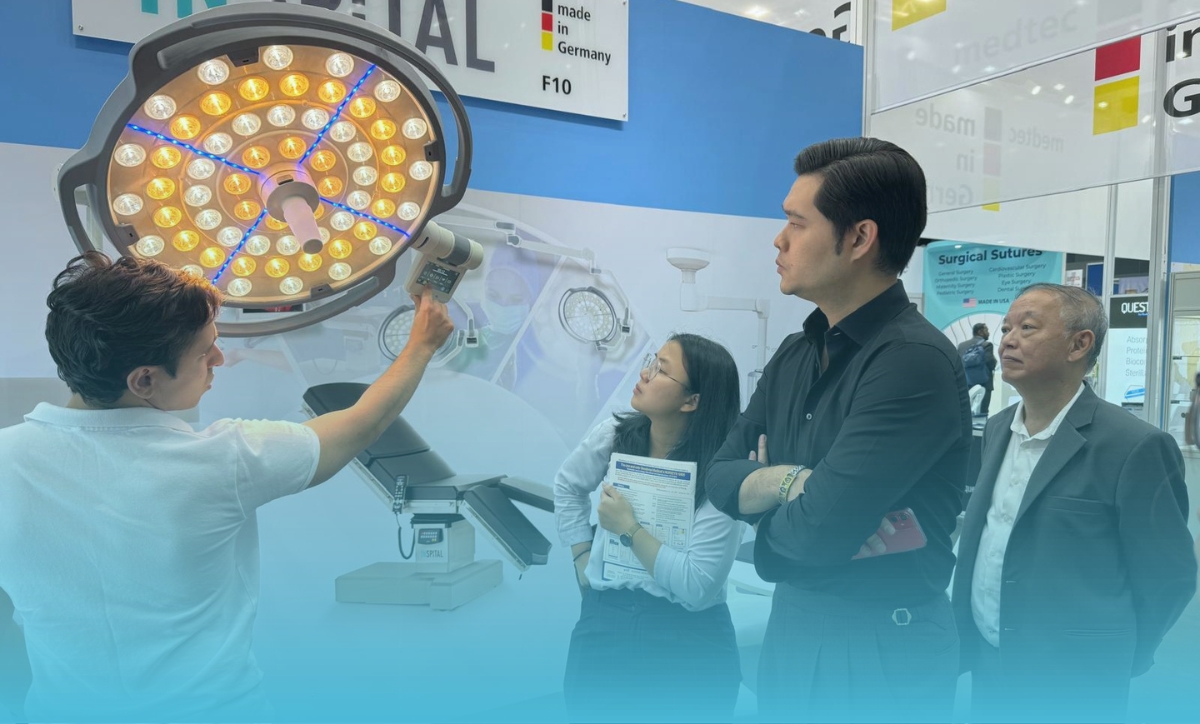
Hybrid ORs in Germany: Why flexible operating tables are indispensable for hospitals
In recent years, operating rooms in German hospitals have undergone fundamental change. The trend is clearly toward hybrid operating rooms, where traditional surgical procedures are combined with state-of-the-art imaging and interventional techniques. These rooms enable efficient collaboration between surgeons, radiologists, and nursing staff and significantly increase precision in complex procedures. At the same time, they improve patient safety, as intraoperative imaging supports immediate decisions and reduces patient transfers to a minimum.
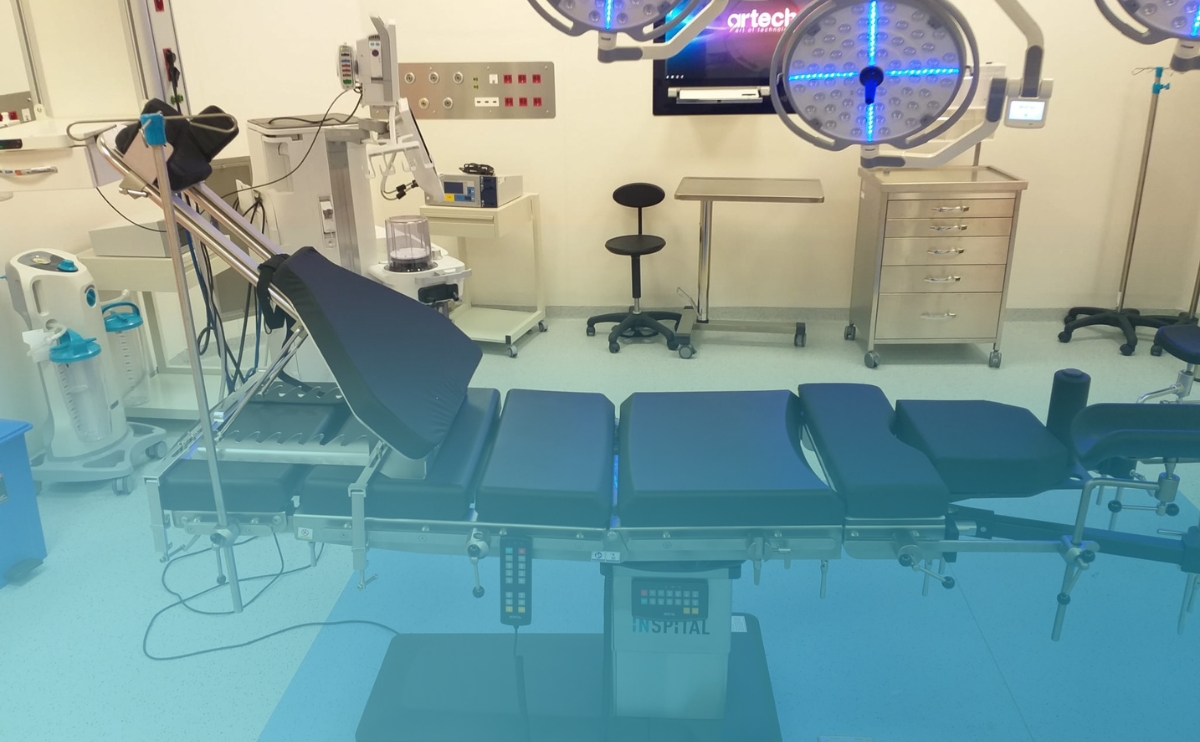
The Importance of Ergonomics in Operating Table Design
Ergonomics plays a central role in the design of operating tables. It ensures optimal support for both surgeons and patients during surgery. Through flexible and adaptable designs, physical strain is reduced, precision is increased, and safety is improved, leading to better outcomes and faster recovery.
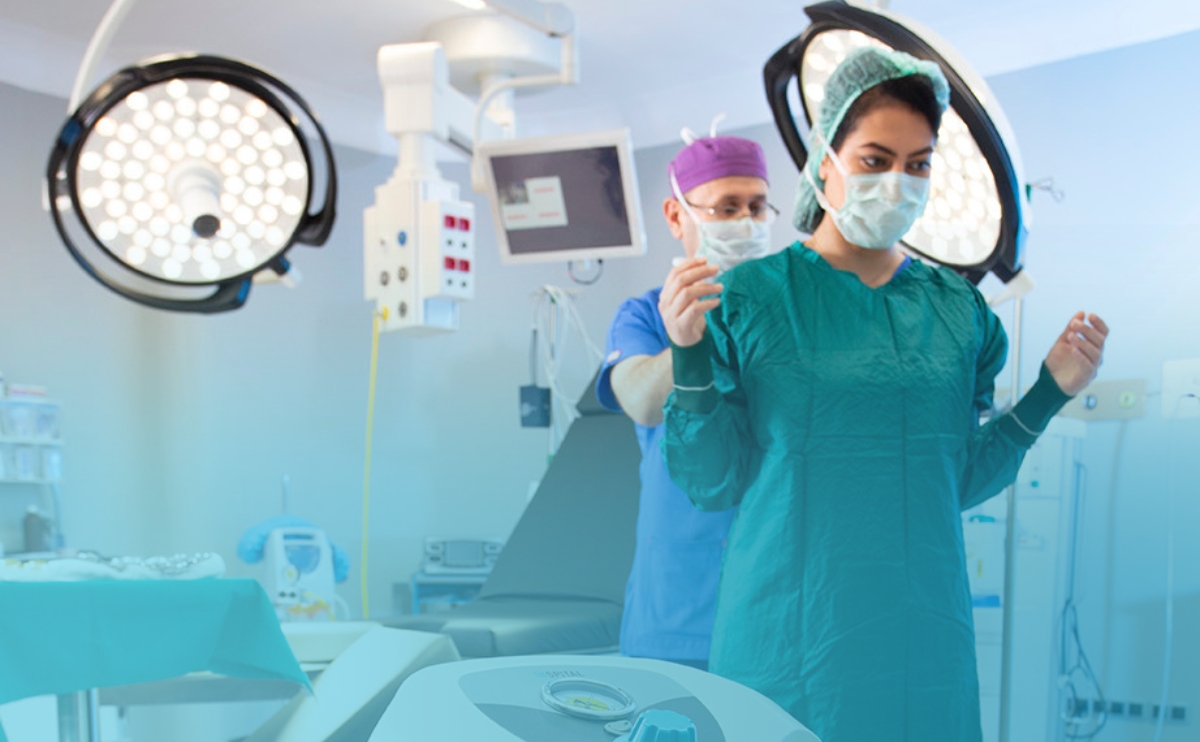
Emergency surgeries: Which equipment is essential? Devices that must not be missing in emergency operating rooms
In emergency situations, every second counts. Severely injured patients or life-threatening complications must be treated in the shortest possible time - often under enormous time pressure and challenging conditions. A well-equipped emergency operating room can make the difference between life and death in such moments.
But which devices are indispensable for performing emergency operations efficiently, safely, and successfully? In this article, we take a look at the essential equipment of an emergency operating room and show how Inspital offers the optimal solution for these critical areas of application with its high-quality medical technology.
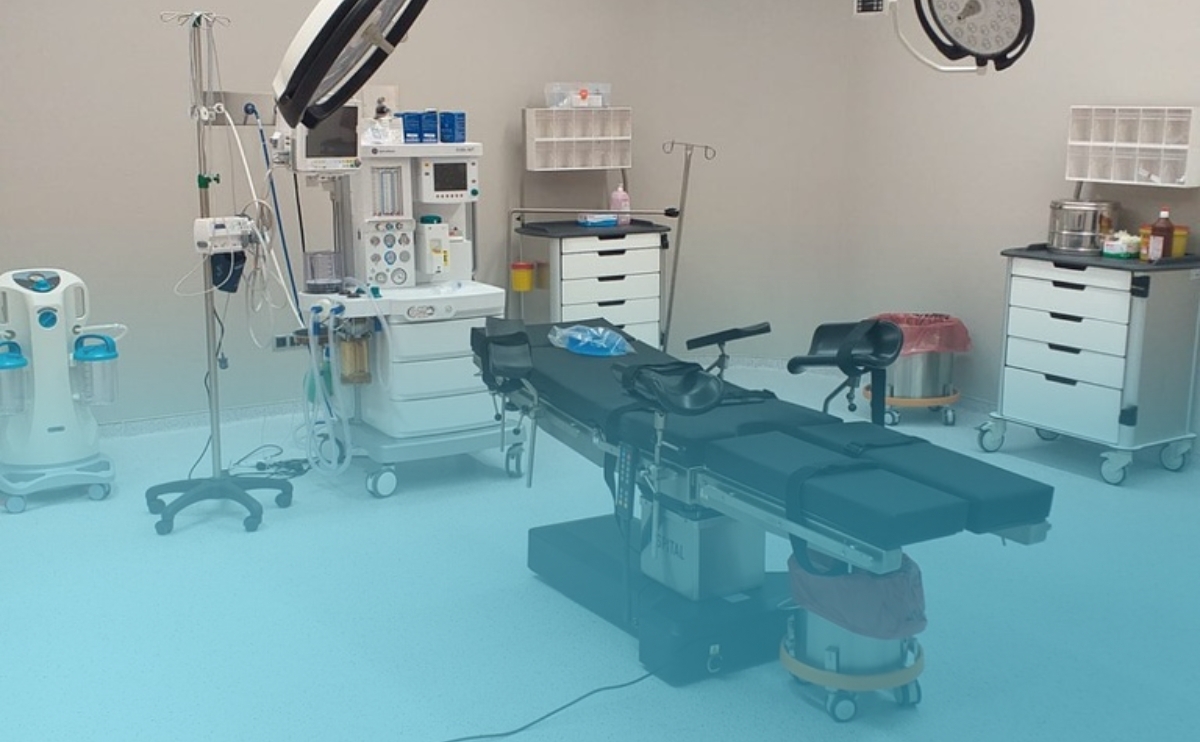
More Order and Safety in the OR: How Operating Tables and Modern Equipment Ensure Efficiency
A well-organized operating room is essential for the success of surgical procedures. Every movement must be precise, medical staff must be able to move freely, and all equipment must be optimally positioned. In this highly sensitive environment, operating tables play a central role - they must be flexible, stable, and ergonomically designed to offer the best possible comfort to both the patient and the surgical team. Complementary equipment such as surgical lights and well-thought-out supply structures contribute significantly to efficiency and safety in the operating room.