Outpatient OR Tables – Efficiency, Flexibility, and Precision for Modern Day Surgery

Share Article:
In recent years, outpatient surgery has developed into one of the most defining trends in modern healthcare. More and more medical procedures that were previously automatically associated with an inpatient stay are now being performed in specialized day clinics or outpatient surgical centers. This shift is driven not only by medical technology but also by organizational and economic motivations: shorter stays, lower costs, and higher patient satisfaction are at the heart of this movement.

Contents

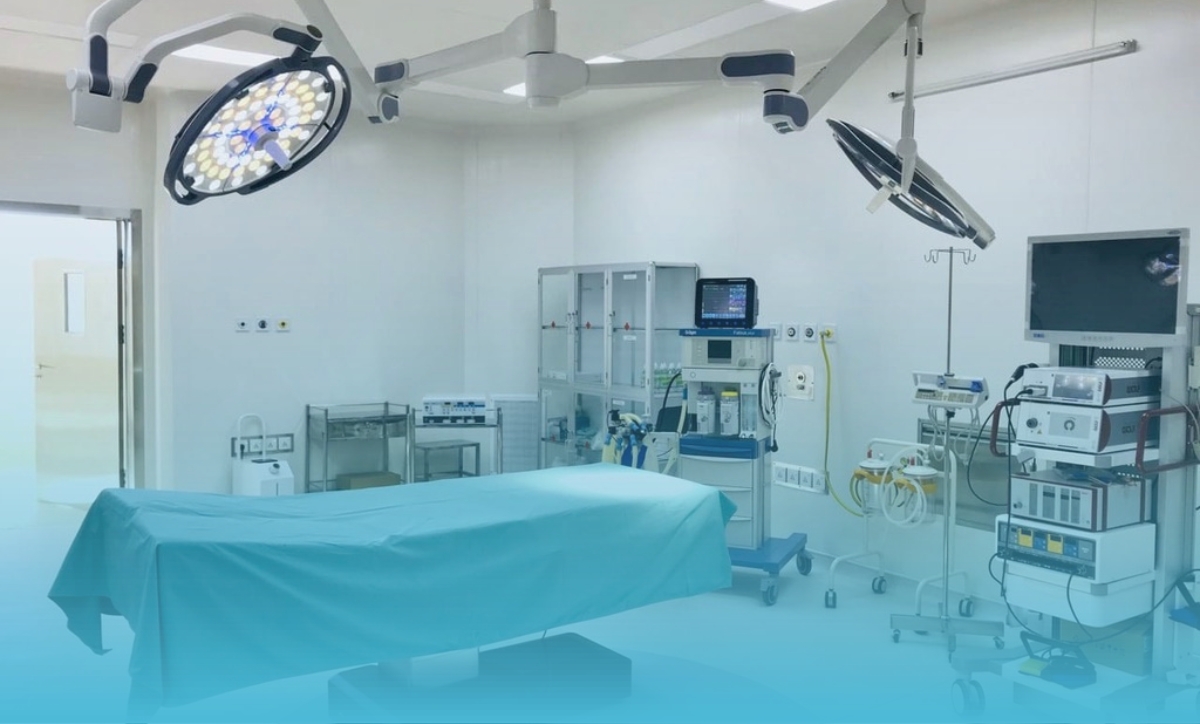
With this development, however, the importance of technical equipment in the OR is also changing fundamentally. In particular, the OR table is moving more into focus, as it no longer represents just a passive positioning surface in outpatient structures, but is an active control instrument for the entire treatment process. While traditional hospitals often have several specialized tables available for different departments, a single system in an outpatient setting must often cover a wide variety of different procedures. It is precisely this versatility that makes the outpatient OR table one of the most important elements in the entire care concept.

In addition, outpatient facilities are usually designed for high patient throughput. In practice, this means that not only must the actual operation run efficiently, but also all preparatory and downstream processes—from repositioning and positioning to cleaning and readiness for use again. The OR table is at the center of these processes and directly influences how quickly and smoothly a treatment cycle can be completed. This makes it a decisive factor for the performance of an entire facility.

Technical Requirements: Why outpatient OR tables must be uncompromisingly flexible

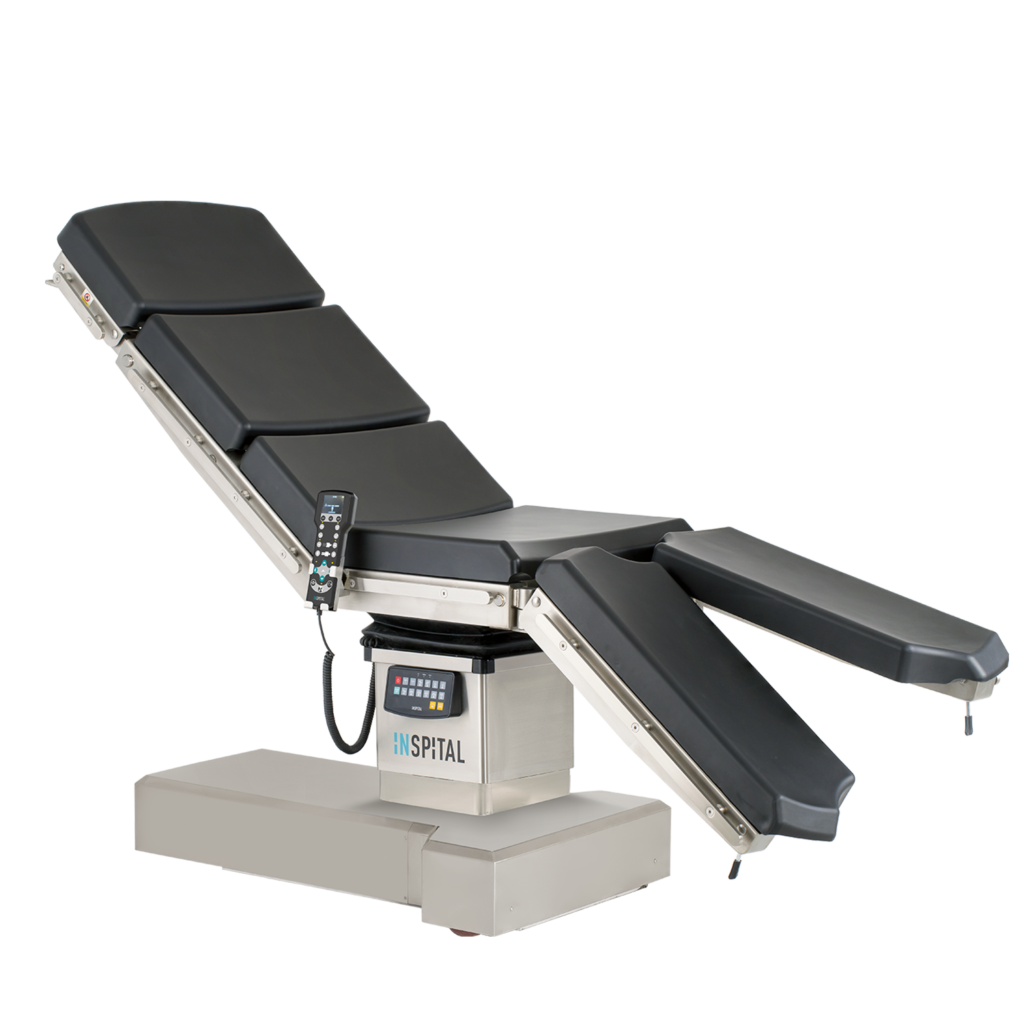
The technical requirements for an outpatient OR table differ significantly in many respects from those in inpatient hospital operations. While specialized and sometimes very complex table systems are often used there, the focus in the outpatient sector is on speed, simplicity, and versatility. A modern OR table must be able to be adapted to different procedures within a very short time, without complicated conversions or long downtimes.

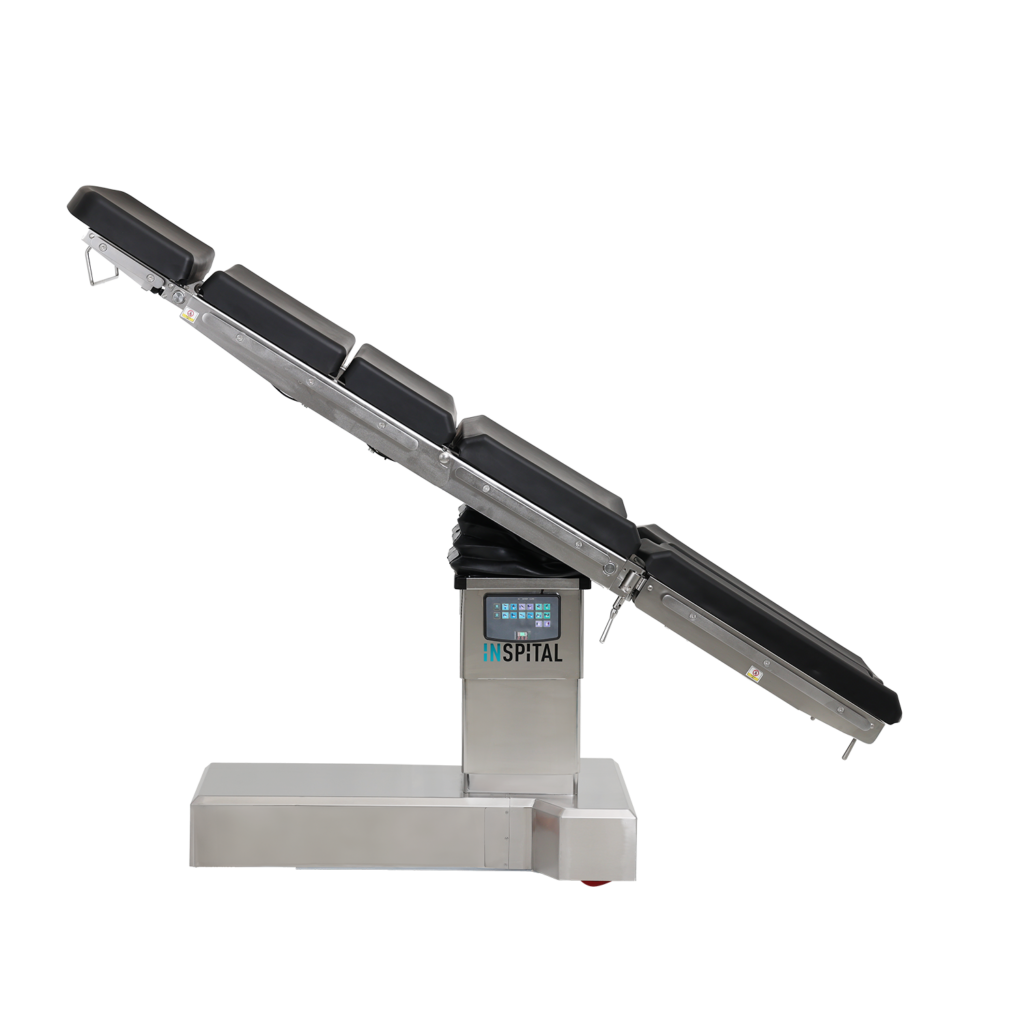
Intuitive operation is particularly important. Height adjustment, tilting functions, or position changes must be able to be carried out quickly and precisely, ideally through electronic or electro-hydraulic systems that allow the OR team exact control. Especially in outpatient facilities, where smaller teams often work, it is crucial that these functions can be mastered safely without extensive training.

Another central aspect is the mobility of the system. Many outpatient OR tables are designed so that they can be moved flexibly within the facility. This allows OR rooms to be used more efficiently and better utilized, especially when several procedures take place in parallel or in quick succession. At the same time, this mobility must not come at the expense of stability, as outpatient procedures also place the highest demands on safety and precision.

The challenge therefore consists in creating a balance between robustness and flexibility. The OR table must be stable enough to guarantee absolute safety even with demanding positioning, while at the same time remaining flexible enough to be seamlessly integrated into a wide variety of OR scenarios. It is precisely this combination that makes modern outpatient OR tables technically sophisticated and indispensable at the same time.

Ergonomics, Safety, and the Human Factor in the Outpatient OR

In addition to technical performance, ergonomics plays a decisive role in everyday outpatient OR life. Since many procedures are shorter than in the inpatient sector but are performed at a high frequency, a special burden is placed on medical personnel. A well-designed OR table helps to significantly reduce this burden by creating optimal working conditions and avoiding physically demanding positioning.

For patients, on the other hand, safe and comfortable positioning is the priority. Even if outpatient procedures are often performed under local anesthesia or light sedation, it is crucial that the patient is positioned stably and with pressure relief. Modern OR tables therefore feature specially developed padding systems that guarantee both comfort and medical stability. At the same time, precise fixation options ensure that no unwanted movements occur, even during longer or minimally invasive procedures.

Another important point is safety during repeated procedure cycles. In outpatient facilities, OR tables are often used several times a day, which places the highest demands on mechanical durability. Settings must be reproducible without the need for extensive readjustment after each procedure. This is the only way to ensure consistent processes that support both patient safety and the efficiency of the entire OR team.

Hygiene and Process Speed: The OR table as part of a well-thought-out system

In outpatient surgical centers, time is a particularly critical factor. There are often only short windows of time between two procedures in which the entire room must be cleaned, prepared, and made usable again for the next patient. The OR table plays a central role in this process, as it is one of the most intensively used and at the same time most sensitive areas of the entire OR infrastructure. Modern outpatient OR tables are therefore designed to allow for quick and effective cleaning. Smooth surfaces, low-joint transitions, and durable materials ensure that disinfection processes can be carried out efficiently without the need for complex dismantling. At the same time, care is taken to ensure that all components retain their material properties and stability even with frequent chemical cleaning.

Avoiding hard-to-reach areas where residues or germs could accumulate is also particularly important. Therefore, many modern systems rely on modular or removable elements that can be cleaned separately and then quickly reinserted. This approach supports not only hygiene but also process speed, as it significantly reduces cleaning times.

Economic Importance and strategic benefit in the outpatient sector

In addition to medical and technical requirements, the economic perspective also plays a decisive role in the equipment of outpatient surgical centers. The increasing shift of procedures to the outpatient sector means that facilities must work efficiently without compromising on quality. A modern outpatient OR table contributes directly to economic efficiency, as it can replace several specialized systems. Instead of keeping different tables for different departments, a universally applicable system allows for much better utilization of existing resources. At the same time, the organizational effort for maintenance, training, and inventory is reduced. Furthermore, the flexibility of the system directly affects the number of possible procedures per day. The faster an OR table is reconfigured and ready for use again, the higher the patient throughput—a decisive factor for the profitability of outpatient facilities.

In the long term, this creates a clear strategic advantage: facilities can not only reduce costs but also increase their performance and adapt better to fluctuating demand.

Conclusion: The outpatient OR table as a key to modern care concepts

Today, the outpatient OR table is far more than just a technical aid in the operating room. It is a central element of modern care concepts designed for efficiency, flexibility, and patient-oriented processes. Its importance continues to grow with the increasing shift of surgical procedures to the outpatient sector. This becomes particularly clear in the interplay of technical precision, ergonomic design, and economic efficiency. A well-developed OR table not only enables safe and stable positioning but also optimizes the entire workflow of a facility. This makes it a decisive factor for the quality and performance of modern outpatient medicine. As outpatient surgery continues to evolve, the role of the OR table will also gain further importance—as the interface between medical precision, organizational efficiency, and economic sustainability.

Current News

Academy

Here, everything revolves around knowledge and continuing education.

News Press

Here you will find current news about trade fairs, congresses, PR and other relevant topics.