


Safety and Precision in Bariatric Surgery: The Resilience of Modern Operating Table Systems
- Current News, Hospital Management, Operating Table
Contents
Inspital GmbH sets standards with the OT80.20 series by combining high-strength materials such as 1.4301 stainless steel with advanced sensor technology to meet the specific challenges of heavy patients in modern surgery.
Heavy-duty operating table: Mechanical integrity and dynamic load distribution under extreme conditions
The static load capacity of an operating table is an often misunderstood metric. While many standard tables can support high weights at rest, the real challenge lies in dynamic loading. In bariatric surgery, the table must be able to safely tilt, lift, or move a patient weighing over 300 kg into the Trendelenburg position during surgery. This exerts enormous leverage on the central lifting column and the joints of the tabletop. A bariatric operating table from Inspital GmbH, such as the OT80.20, is designed to absorb these point loads through reinforced hydraulics and a solid base. The physical load limit is defined not only by the patient's weight but by the torque generated when the body's center of gravity moves away from the vertical axis of the column during longitudinal shifting or tilting.
The engineering behind these systems utilizes the principles of load distribution to ensure that the motors and hydraulic pumps do not produce micro-stutters even at maximum capacity. Any abrupt movement could have fatal consequences in a bariatric procedure, as the patient's tissue and internal organs are under high pressure. Therefore, Inspital uses a dual drive system that guarantees smooth acceleration and deceleration of movements. This is particularly critical in the so-called "anti-Trendelenburg position," which is often used to improve respiratory mechanics in obese patients. Here, the table must hold the entire body weight against gravity without the braking mechanisms giving way. Compliance with the international standard IEC 60601-2-46 is not just a marketing promise, but the legally required foundation for patient safety. It ensures that the structural integrity of the table is maintained over its entire life cycle, often exceeding 10 years, even when operated daily at the limit of its specifications.
Furthermore, floor stability plays a decisive role. Obese patients shift the center of gravity so far that a conventional table could tip without a special locking system (floor lock). Inspital systems use a four-point hydraulic locking system that effectively welds the base of the table to the floor of the OR. This eliminates any play in the construction. For bariatric surgery, this means absolute stillness in the system—no vibrations, no swaying. This is the prerequisite for minimally invasive procedures (laparoscopy), where the surgeon relies on millimeter-precise stability while working with trocars in the abdominal cavity. If the table gives way by even a few millimeters, it could compromise the precision of the instrument and increase the risk of vascular injury.
High-quality operating table: Ergonomic positioning and diagnostic imaging for high patient volumes
Due to their body circumference and soft tissue distribution, bariatric patients have completely different positioning requirements than normal-weight patients. In clinical practice, this means that the surface of the operating table must be modularly expandable. Inspital GmbH has solved this through a system of side rail extensions that increase the effective width of the surface without restricting the OR team's access to the patient. Ergonomics for the surgeon are just as important as patient safety. If the surgeon is forced to work in an unnatural posture because the table is too wide or the column is in the way, the error rate due to fatigue increases. Therefore, bariatric tables from Inspital are designed to allow an extreme longitudinal shift (sliding top) of up to 300 mm. This allows the patient to be positioned so that the C-arm has unobstructed access for intraoperative imaging without the metal parts of the column obstructing the view.
The radiotranslucency of the tabletop is another critical element. In bariatric procedures, the position of anastomoses or probes must often be checked radiologically. The tabletops of the OT80.20 series consist of special high-performance laminates or optional carbon fiber, which exhibit minimal radiation absorption. This is essential, as obese patients already require a higher radiation dose to penetrate the tissue. Any obstruction by the operating table would degrade image quality and unnecessarily increase radiation exposure for the patient and staff. This demonstrates the integration of mechanics and clinical utility: the table must be solid enough to carry 350 kg, but simultaneously remain "invisible" to X-rays in the imaging area.
An often underestimated aspect of bariatric positioning is the flexion of the segments. In gastric bypass surgery, the upper body must often be elevated while the legs are positioned low (beach chair position or modified lithotomy position). The table joints must be able to hold these angles under full load. Inspital uses high-precision hydraulic cylinders for this, which are synchronized via software control. This prevents shear forces on the patient's skin that could occur during manual adjustment. Pressure ulcers (decubitus) are a high risk during long bariatric procedures. The padding of Inspital tables therefore consists of viscoelastic memory foam, which distributes weight evenly and minimizes pressure peaks at bony prominences. These pads are also seamlessly welded, which improves hygiene and prevents the penetration of fluids—a decisive factor in avoiding deep-seated infections.
Bariatric operating table: Materials science, hygiene management, and reliability
In a high-frequency operating room, time is the most valuable resource. The preparation of equipment between two procedures must be fast and efficient. Bariatric surgeries often involve a higher volume of cleaning fluids. Inspital consistently relies on 1.4301 (V2A) grade stainless steel. This material not only provides the necessary structural rigidity for heavy-duty operations but is also extremely resistant to the corrosive properties of modern disinfectants. Many purchasers look for the term "durability," and in a technical sense, this is achieved through the passivation of the steel. The smooth surfaces prevent the colonization of biofilms and multi-resistant germs. In bariatric surgery, where wound infections represent a greater risk due to poorer blood circulation in adipose tissue, this hygienic design is vital.
Technical reliability (redundancy) is the backbone of patient safety. What happens if the power supply fails or the electronic control locks up during an ongoing operation on a 350 kg patient? For this scenario, Inspital tables have integrated multi-stage safety systems. First, every table has a powerful battery backup system that allows autonomous operation for several hours or up to 100 adjustment cycles. Second, a manual foot pump system is integrated into the base. Should the electronics fail completely, the anesthesiologist or nursing staff can move the table into the necessary position purely mechanically.
Another aspect of safety is electromagnetic compatibility (EMC). A modern OR contains numerous highly sensitive devices: HF surgical units, monitors, ventilators, and navigation systems. The operating table must not emit interference signals and must simultaneously be insensitive to external signals. Inspital ensures through extensive shielding that the table's electronics remain stable even when high-frequency scalpels are used. This is particularly important in bariatrics, as higher power levels are often used in electrosurgery to effectively cut through thick adipose tissue and stop bleeding. The stability of the electronics under these conditions is a quality feature that often only becomes apparent in tough clinical daily life, but must already be proven in the planning phase through the appropriate certifications (CE, ISO 13485).
Decision criteria and modular accessories: A needs-oriented approach
The purchase of a bariatric operating table is an investment that must "grow" with the facility. Hospitals often face the dilemma of whether to buy a specialized bariatric table or a multifunctional system that can also be used for other disciplines. The OT80.20 system is an all-rounder due to its modularity. For a dedicated bariatric center, full equipment with special leg positioning systems certified for weights over 300 kg is recommended. These leg holders must have reinforced joints to safely spread and hold the patient's legs without the risk of material failure. A conventional leg holder for gynecological procedures would fail immediately under the load of a bariatric patient.
Choosing the right accessories is crucial for the workflow. Lateral support rollers, extra-wide fixation straps, and special head rests must fit seamlessly into the table's standard rails. Inspital ensures that all accessories have the same mechanical safety margin as the table itself. An often overlooked criterion is the clearance under the table for staff. In obese patients, the volume of the abdomen is often so large that the surgeon must stand very close to the table to work ergonomically. The slim column design and flat base of Inspital tables provide the necessary foot space. This massively reduces physical strain on the surgical team, which maintains concentration during procedures that can last several hours.
Finally, the Total Cost of Ownership (TCO) plays a role. A bariatric table is subject to higher mechanical wear. Inspital addresses this through a maintenance-friendly design. The hydraulic components are arranged so that they are easily accessible to technicians without having to completely disassemble the table. This shortens downtime. In addition, Inspital offers training programs for clinical staff to train in the correct handling of heavy-load patients. After all, the best technology is only as safe as its application. The combination of robust hardware, well-thought-out accessories, and excellent service makes the difference between a simple piece of furniture and a life-saving medical precision instrument. Investing in bariatric safety is an investment in the reputation of the clinic and the well-being of its patients.
Conclusion: Technical summary for decision-makers
| Feature | Specification (Inspital OT80.20) | Clinical Benefit |
|---|---|---|
| Dynamic Load | 350 kg | Full mobility for bariatric patients |
| Base/Column Material | Stainless steel 1.4301 (V2A) | Maximum hygiene & corrosion protection |
| Longitudinal Shift | 300 mm | Excellent intraoperative imaging |
| Backup System | Battery & Manual foot pump | 100% reliability in emergencies |
| Padding | Viscoelastic memory foam | Effective decubitus prophylaxis |
| Certification | IEC 60601-2-46, ISO 13485 | Proven international safety |
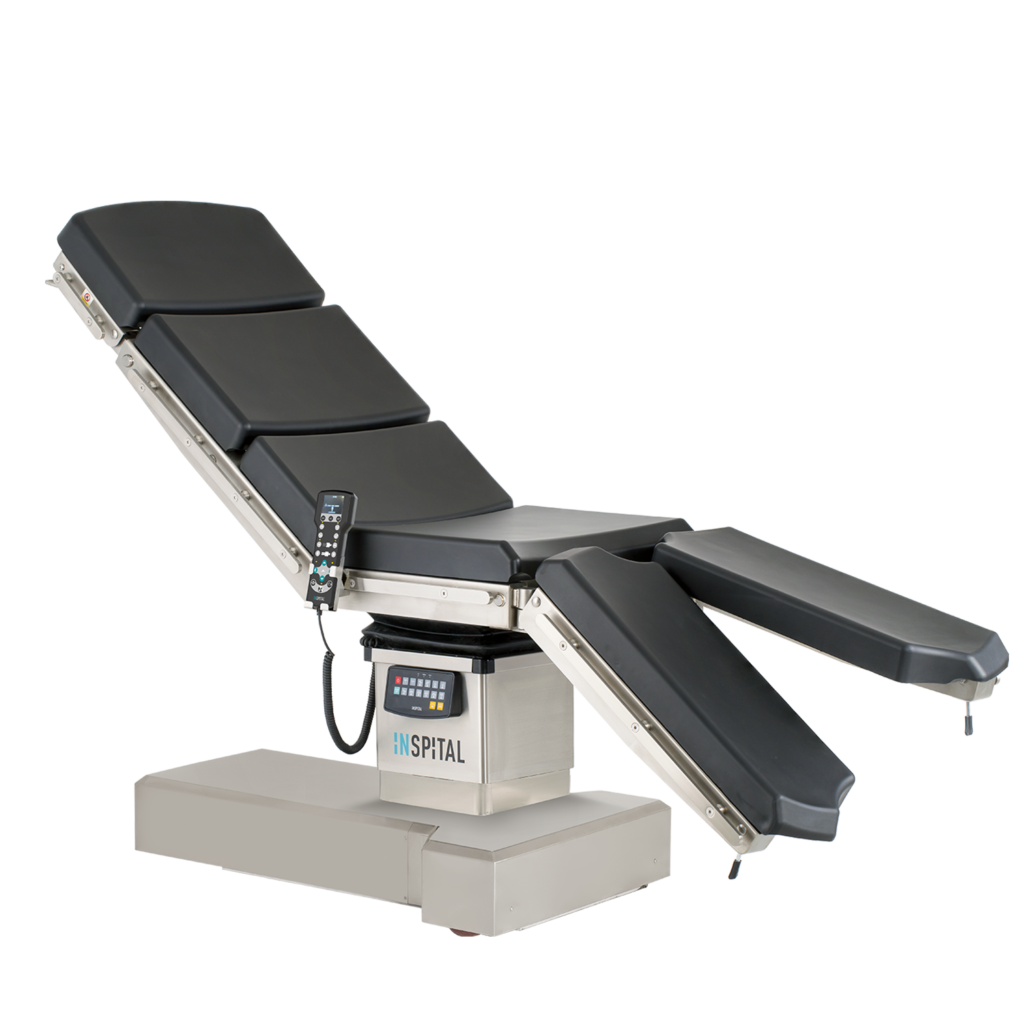
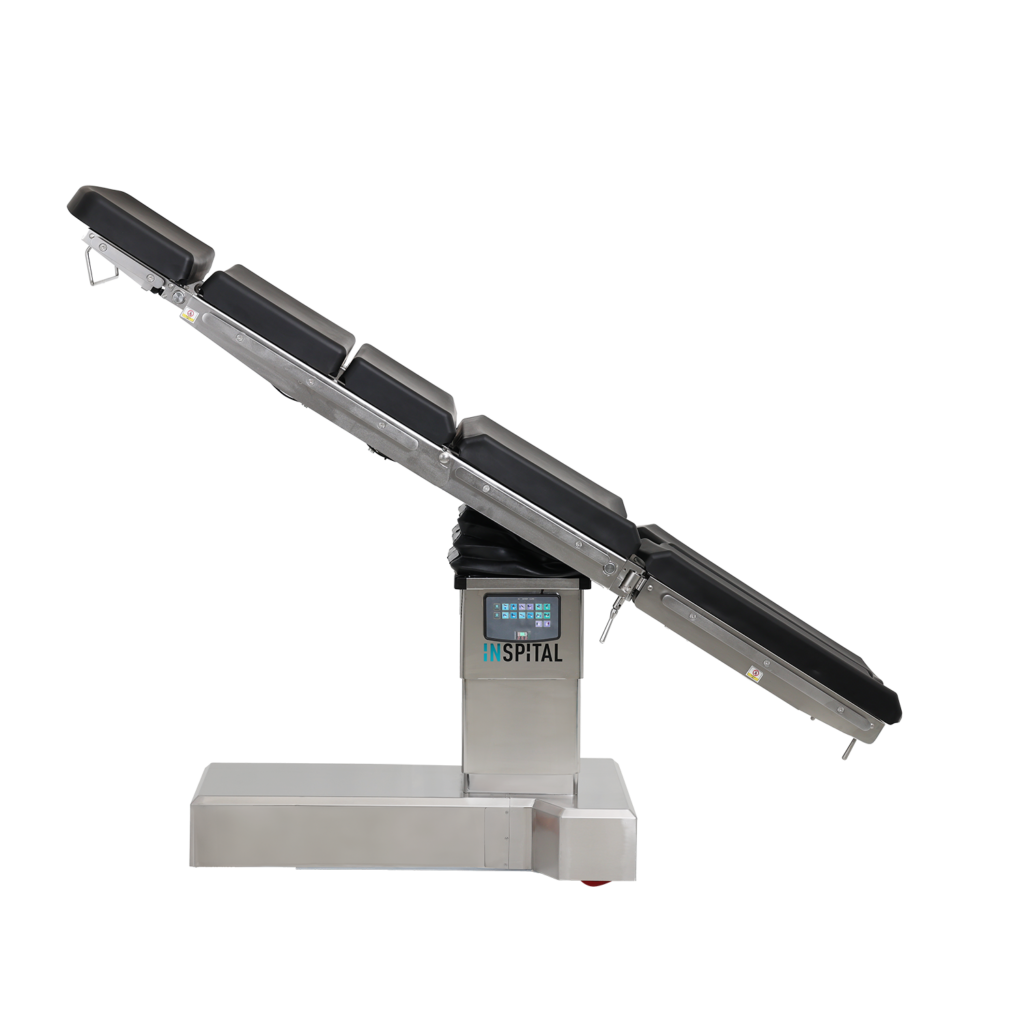
Operating Table OT80.20 NOVUS
Prices visible to registered customers only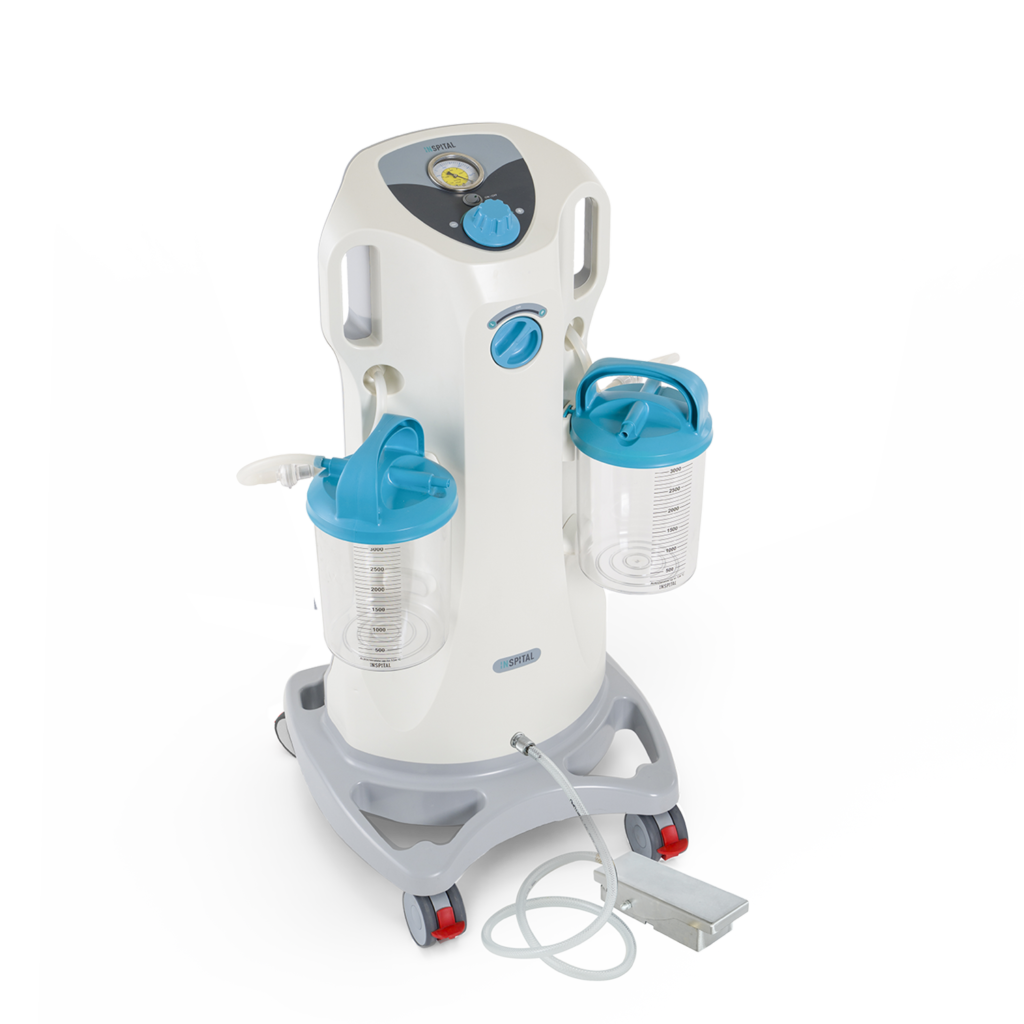
Surgical Suction Machine SU60.05
Prices visible to registered customers only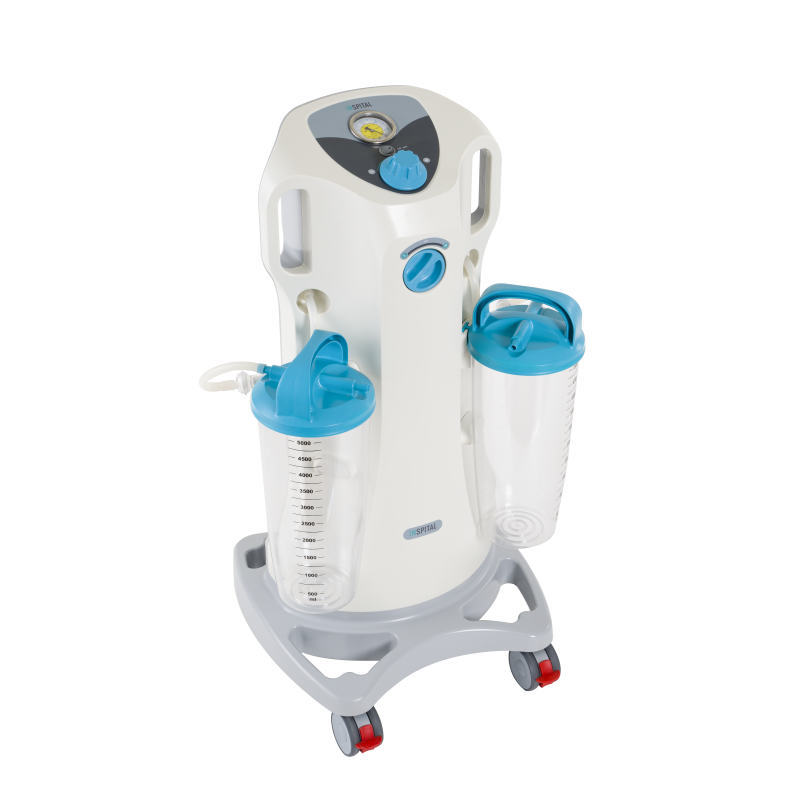
Surgical Suction Unit SU60.10
Prices visible to registered customers only
Surgical Suction Unit SU60.15
Prices visible to registered customers onlyCurrent News
- Current News, Hospital Management, Inspital Medical Technology

- Current News, Hospital Management, Inspital Medical Technology
- Current News, Hospital Management, Inspital Medical Technology

News Press
Here you will find current news about trade fairs, congresses, PR and other relevant topics.