Maintenance and Upkeep of Medical Devices: Tips for Clinical Staff

Share Article:
Medical devices are the backbone of every hospital or clinic. Their flawless function is crucial for patient safety and the efficiency of medical procedures. However, to ensure these devices operate reliably at all times, systematic maintenance and upkeep are essential. In this article, we provide you with practical tips on how to optimally maintain your medical devices while keeping legal requirements and daily clinical routines in mind.

Contents

Why is the maintenance of medical devices so important?

Medical devices form the backbone of every clinic, hospital, and many medical practices. They enable precise diagnoses, life-saving treatments, and efficient daily operations in clinical settings. Their flawless functioning is therefore crucial, not only for patient safety but also for the economic and organizational efficiency of the facility. Even minor malfunctions or breakdowns can have far-reaching consequences – from treatment delays and inaccurate diagnoses to costly emergency repairs.

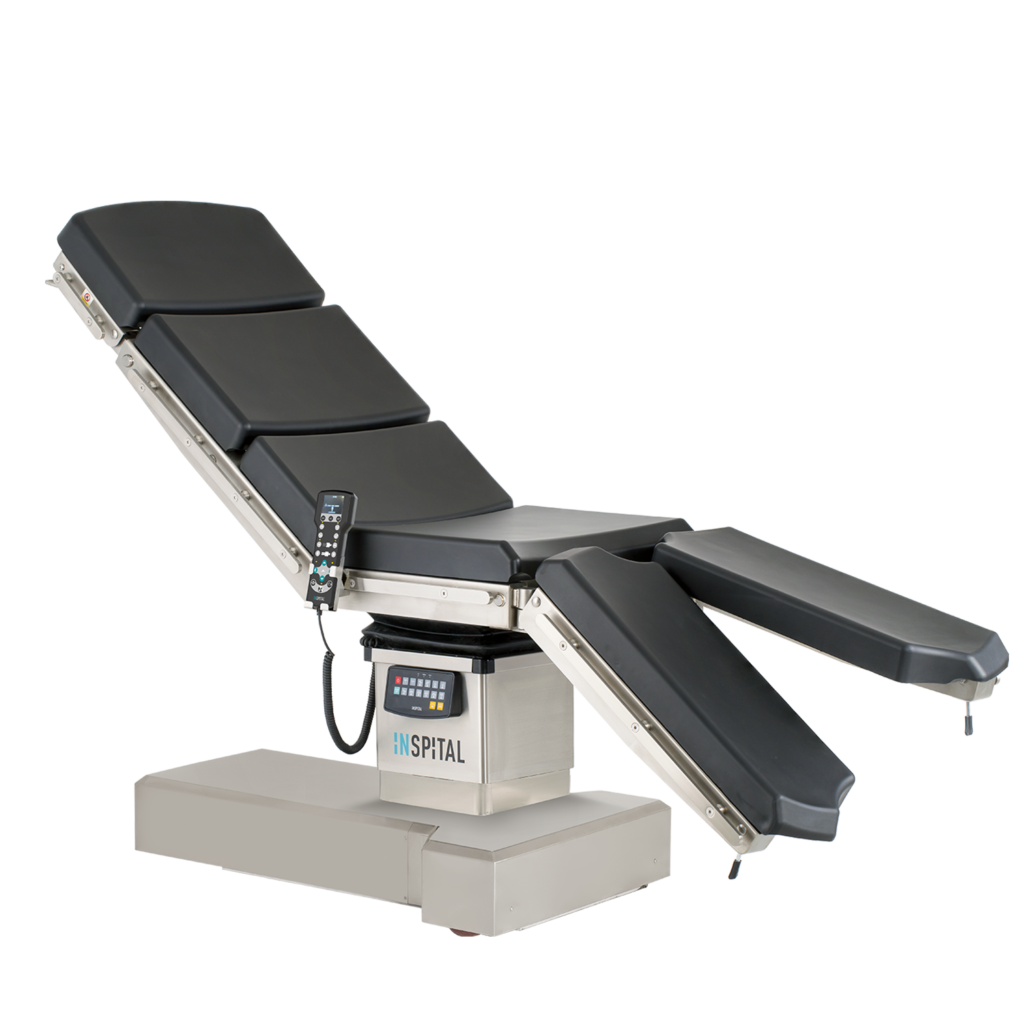
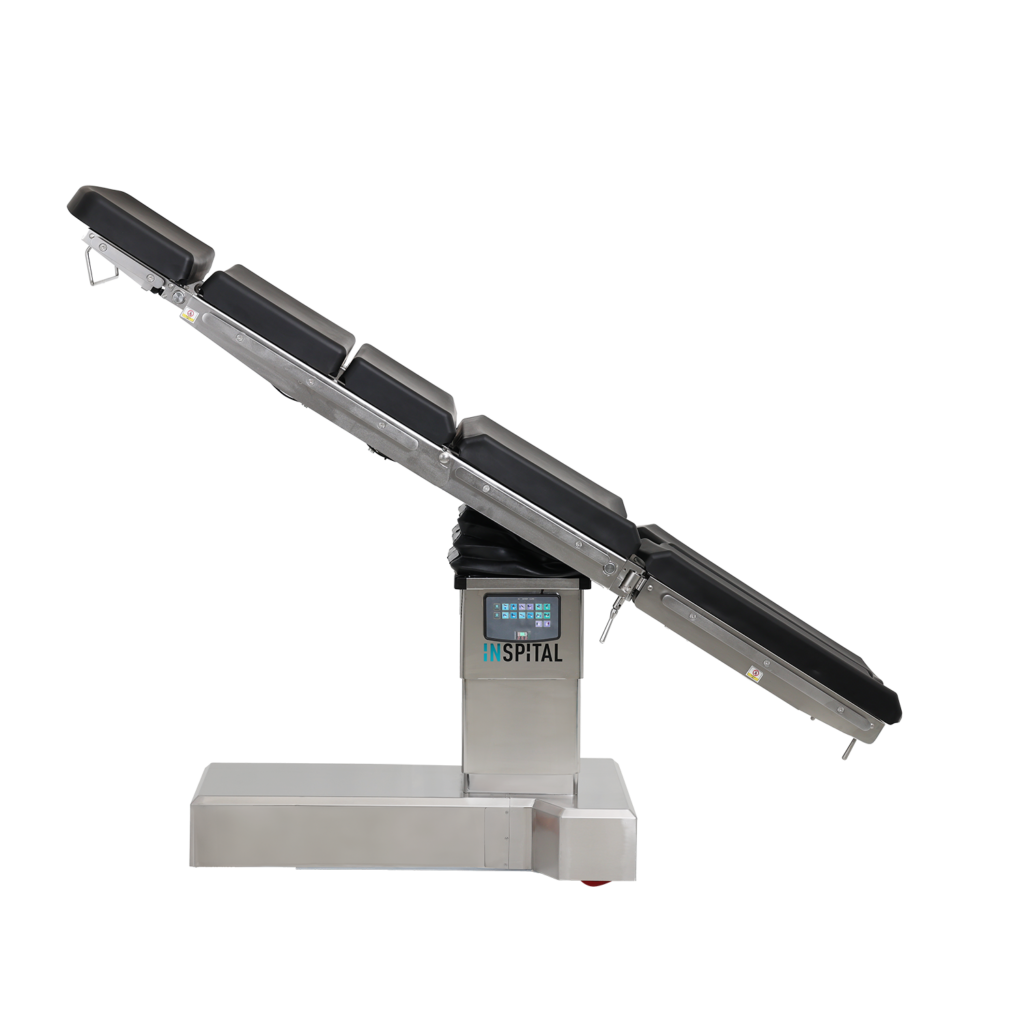
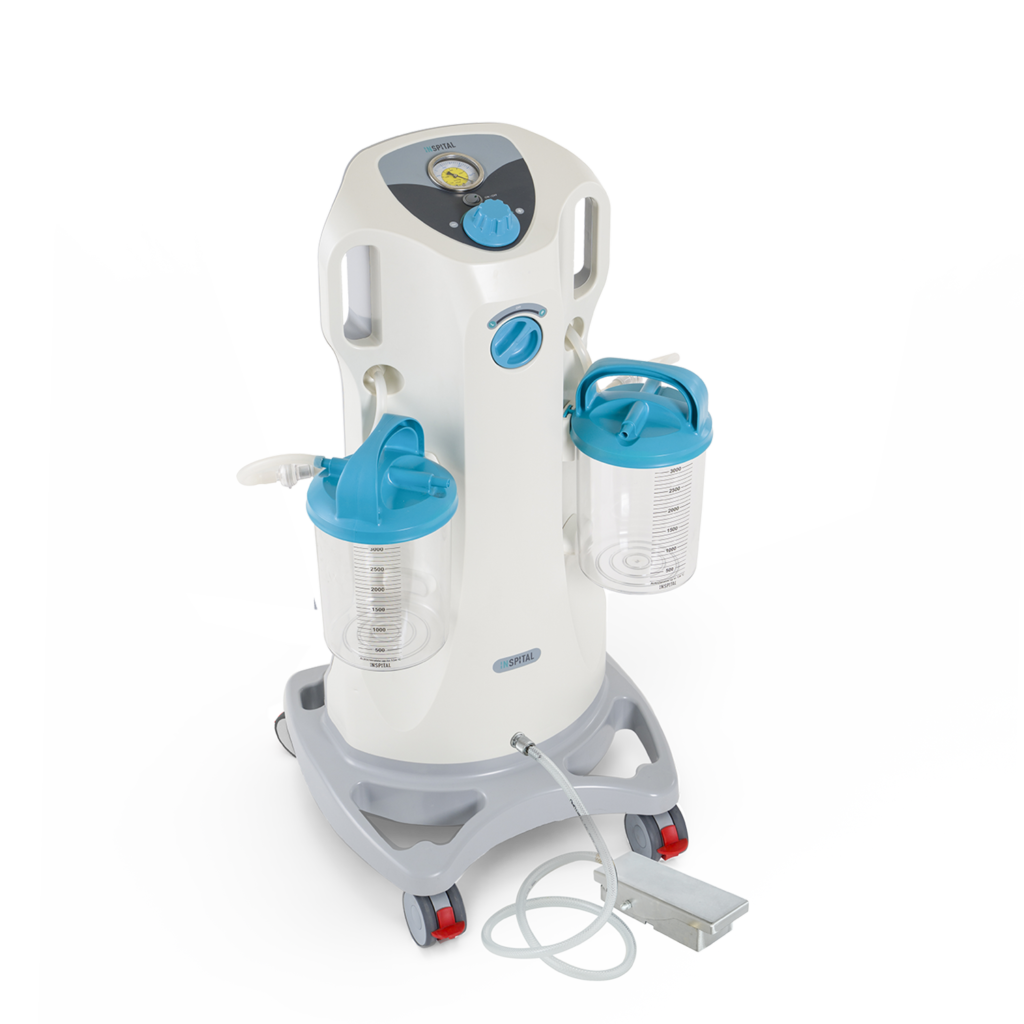
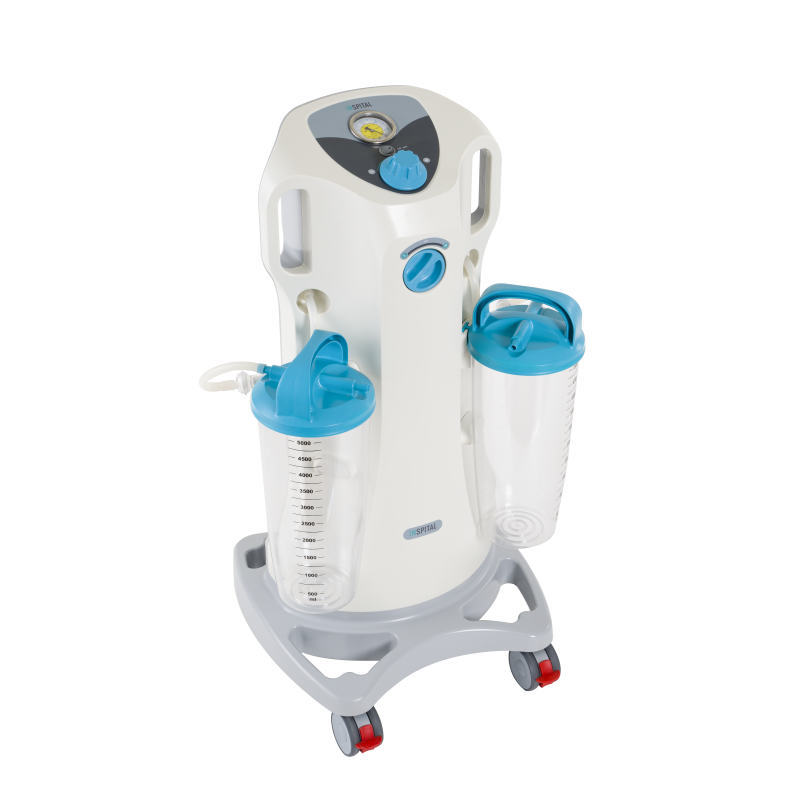
For devices to function reliably at all times, systematic maintenance and servicing are essential. Careful upkeep not only reduces downtime but also significantly extends the lifespan of the equipment. This applies particularly to critical medical devices such as ceiling supply units, operating tables, or suction systems for secretions, which are used directly on patients. Here, early detection of minor problems can prevent major emergencies and ensure smooth daily operations in clinical settings.

Regular maintenance of medical devices is not only a legal obligation but a crucial factor for patient safety. Defective or poorly maintained devices can have serious consequences, both for patients and for clinical staff. A failure of important equipment can not only delay diagnosis or impair treatment but also entail legal risks. Clinics that neglect maintenance often face high costs for emergency repairs or replacement devices.

The basics of medical device maintenance?

1. Creating a Maintenance Schedule

An effective maintenance process begins with a precise inventory of all devices in the facility. This should include not only the device type, manufacturer, and model but also the serial number, last maintenance intervals, due inspections, and the responsible contact person. Digital maintenance management systems offer significant advantages here. They allow maintenance protocols to be stored automatically, remind of due inspections in good time, and evaluate failure statistics. In this way, not only can costs be reduced, but compliance with legal requirements and internal quality standards can also be ensured.

The following information should be recorded:

  • Device type and serial number
  • Manufacturer and maintenance specifications
  • Last maintenance and next due inspection
  • Responsible personnel or maintenance service provider

2. Regular Visual and Functional Checks

In addition to documentation, regular visual and functional checks are crucial. Not every maintenance task requires a technician. Clinical staff can identify abnormalities through simple checks. These include damaged cables, worn parts, unusual noises, or error messages on the display. Such observations should be reported immediately to prevent larger failures. In many clinics, it has been shown that a brief daily check of just a few minutes per device can prevent significant long-term problems.

As a brief example:

  • Damaged cables or plugs
  • Signs of wear on moving parts
  • Unusual noises or error messages

Early reporting of such defects prevents major breakdowns.

3. Compliance with Legal Regulations

Compliance with legal regulations is another important aspect. In Germany, the Medical Device Operator Ordinance (MPBetreibV) stipulates that medical devices must undergo regular safety and metrological inspections. In addition, all maintenance measures must be documented to ensure traceability. Compliance with these regulations not only protects patients but also the facility itself from legal consequences and liability issues.

This includes, among other things:

  • Regular safety technical checks (STK)
  • Measurement technical checks (MTK)
  • Documentation requirements for traceability

Compliance with these regulations is not only mandatory but also an important part of quality assurance.

Practical Tips for Clinical Staff

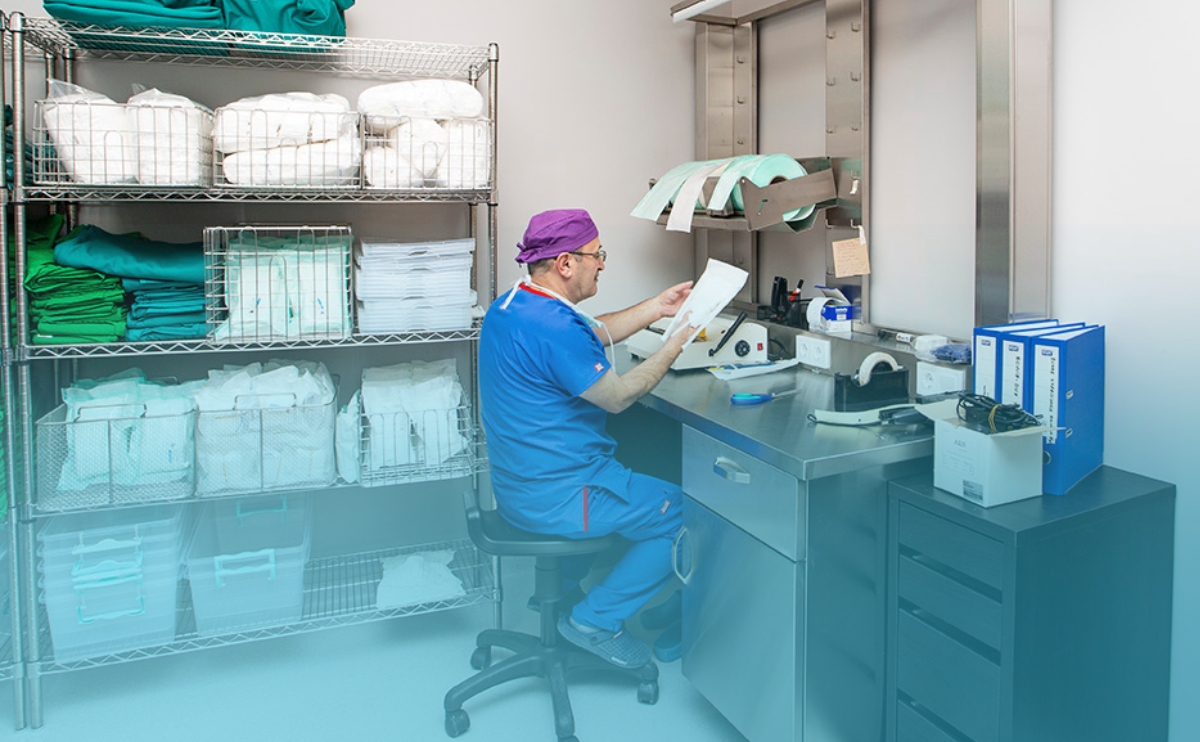
Regular staff training is crucial to raise awareness of the importance of device care. Employees should not only know how to operate devices but also how to identify and report potential problems early. This involves not only daily checks of the devices but also the correct handling of maintenance software, checklists, and emergency protocols.

Clear internal communication is just as important as the training itself. Reporting systems, whether digital or analog, accelerate the dissemination of information and ensure that technicians or external service providers can react quickly. In addition, a stock of important spare parts such as cables, fuses, or batteries should always be available. This way, minor repairs can be carried out immediately without having to wait long for external deliveries.

Furthermore, a well-thought-out organization of device storage and handling pays off. Dust-free, dry storage, protection from moisture and impacts, and proper handling by staff significantly contribute to extending the lifespan of the devices and preventing malfunctions.

Advanced Strategies for Long-Lasting Medical Devices

Many manufacturers offer service and maintenance contracts that cover regular inspections, repairs, and software updates. Clinics that use such contracts benefit from professional maintenance according to manufacturer standards and a noticeable relief for staff. At the same time, the digitalization of maintenance enables even more effective monitoring of devices. Digital protocols, automatic reminders, and evaluations help to identify error-prone devices early and initiate targeted measures.

In addition to these technical and organizational measures, staff training also plays a central role. Only employees who understand the importance of maintenance and handle the devices correctly can ensure that problems are identified early and that clinical operations run smoothly.

Conclusion: Proactive Maintenance Pays Off

Consistent maintenance and servicing of medical devices are central components for smooth clinical operations and patient safety. With a structured maintenance plan, trained staff, clear reporting channels, and digital protocols, costly failures can be avoided, and the lifespan of devices can be significantly extended.

Investing in maintenance therefore pays off multiple times: it protects patients, relieves staff, saves costs in the long term, and ensures that the clinic can operate efficiently at all times. Clinics that proactively invest in the care and monitoring of their medical devices secure a competitive advantage and simultaneously increase the quality of patient care.

Would you like to learn more about how you can optimize your maintenance processes? Contact us – we will advise you individually and practically!

Current News

Academy

Here, everything revolves around knowledge and continuing education.

News Press

Here you will find current news about trade fairs, congresses, PR and other relevant topics.