Which medical technology experts for innovative surgical lighting systems are based in NRW?

Share Article:
North Rhine-Westphalia is the undisputed powerhouse of the German hospital landscape. With hundreds of acute care hospitals, medical care centers, specialist clinics, and several internationally renowned university hospitals in a very small area, the state possesses the densest medical infrastructure in Europe. This enormous density not only creates a permanent demand for highly developed technology but has also made NRW a global forge for medical technology innovations over decades.

Contents

When it comes to equipping modern operating rooms, an iron principle applies in hospital management: short distances, fast availability, unbureaucratic support, and regional reliability are irreplaceable in an emergency. This credo is particularly evident in surgical lighting. The surgical light is the surgeon's visual lifeline. A technical failure, inadequate illumination of deep wound channels, or distorted color rendering can, in the worst case, block the entire surgical schedule and jeopardize patient safety. Buyers, OR managers, and medical technicians are therefore increasingly asking the strategic question during upcoming modernizations or new builds: Which experts for innovative surgical lighting systems are based directly in NRW? Let's take an honest, detailed look at the industry landscape on the Rhine and Ruhr.

The NRW Medical Technology Cluster: Agility and quality right on your doorstep

Anyone analyzing the market for surgical lighting systems in Germany will encounter a historically grown, highly competent structure in North Rhine-Westphalia. Alongside the branches of globally active corporations, a strong, specialized SME sector has established itself in the region. While international corporations often struggle with anonymous call centers, rigid matrix structures, and long bureaucratic decision-making paths, regional SMEs score points with tailored solutions, direct professional exchange at eye level, and a reaction speed that is worth its weight in gold in the dynamic and often unpredictable everyday hospital routine.

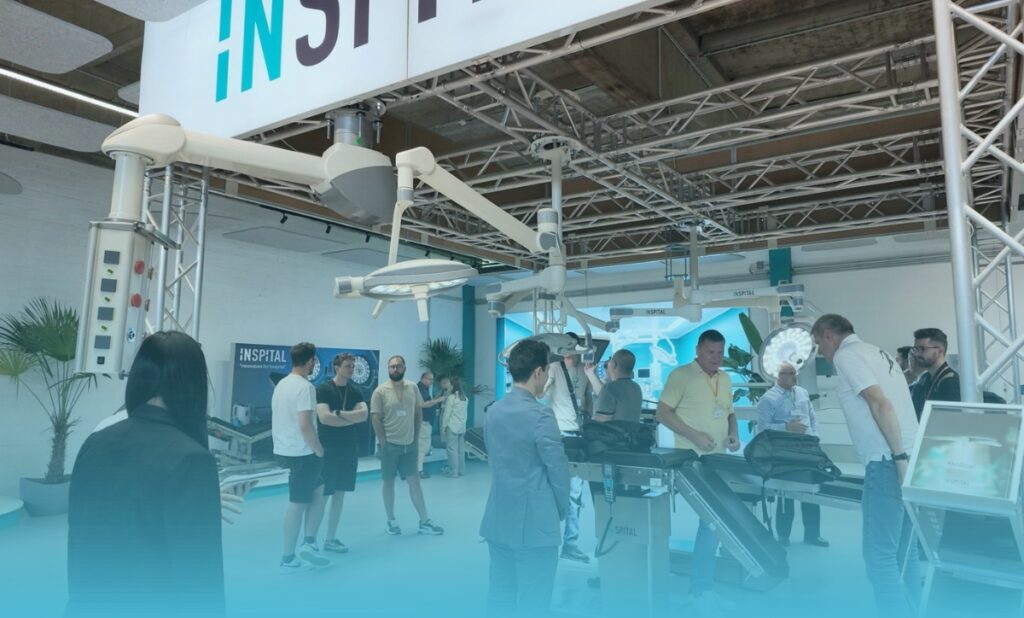
Modern surgical lighting systems from experts in NRW must achieve far more today than just generating pure light. They are highly complex optical and electronic systems. The central fields of innovation driven by engineers in the region include three core technological components:

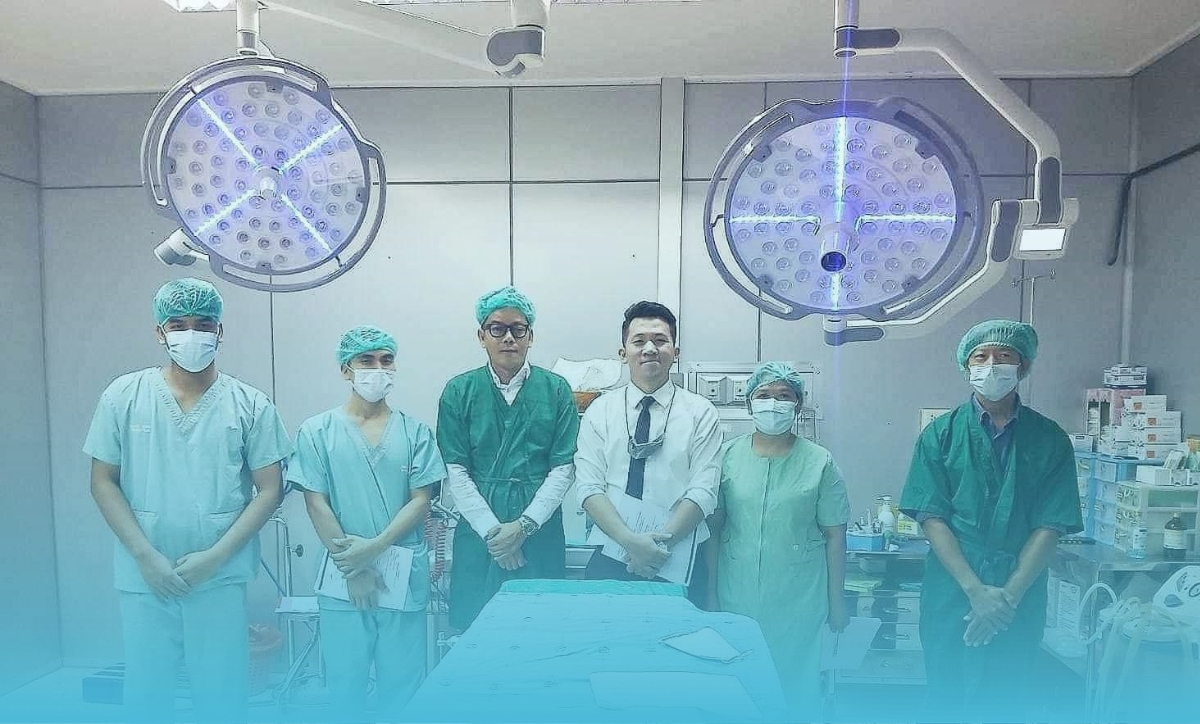
  • Mathematically calculated multi-lens geometries: Through the precise arrangement of individual LED clusters in a matrix structure, highly developed passive shadow management is achieved. Even if the surgeon's head, shoulders, or hands partially obstruct the light beam, the surgical field continues to be illuminated homogeneously and without shadows by the remaining lenses from other angles.

  • Enhanced color spectra with a focus on the R9 value: Modern LED lights must provide a light spectrum that comes as close as possible to natural daylight. For surgery, a general color rendering index (Ra) of over 95 is only half the battle. The true art lies in the R9 value, which specifically represents saturated red. Only a maximized R9 value ensures that doctors can precisely differentiate the finest nuances in blood-rich tissue, nerve pathways, and capillaries without visual fatigue.

  • Aerodynamic housing design and cold light technology: Unlike old halogen lamps, light-emitting diodes do not emit infrared radiation downwards—the light field remains cool (cold light). However, waste heat is generated at the back of the LED chip. Experts therefore rely on flow-optimized, closed housing shapes. These dissipate heat purely passively upwards and prevent the sterile, laminar airflow (Laminar Flow) of the ceiling ventilation from being swirled. This keeps the wound field protected and minimizes the risk of infection.

The industry tip in the Rhineland: Inspital GmbH from Neuss

If you are looking for an established expert in North Rhine-Westphalia who combines this innovative LED and cold light technology with an outstanding, economically sustainable overall package, the path inevitably leads to Neuss. Located directly on the left bank of the Rhine, in the immediate vicinity of the state capital Düsseldorf, Inspital GmbH has positioned itself as a solid and reliable fixture for holistic OR equipment.

Inspital has made it its mission to supply clinics, specialist hospitals, and ambulatory surgery centers (ASC) with premium technology whose acquisition costs are absolutely feasible even in times of strict budgeting. For its innovative surgical lighting systems—such as the technologically leading CLE series—the brand relies on quality features that confidently stand up to direct comparison with the industry's major traditional brands.

1. High-end lighting technology for the highest surgical demands

Inspital's LED surgical lights were specifically developed for the extreme visual tasks in modern surgery. They offer a daylight-true color temperature of around 5,000 Kelvin and achieve an excellent general color rendering index of Ra = 96. Since the color red dominates in the surgical field, the engineers paid special attention to the R9 value. The result is a high-contrast, three-dimensional, and absolutely color-accurate representation of the anatomy.

Thanks to the integrated cold light technology, exposed, sensitive patient tissue is prevented from drying out or being thermally traumatized during long procedures. At the same time, the entire OR team benefits from noticeably improved working ergonomics, as heat development under the lamp head is reduced to a minimum.

2. Seamless MDR compliance for maximum legal certainty

Regulatory pressure on German hospitals and their buyers has increased massively due to the European Medical Device Regulation (MDR). Procuring medical technology without seamless, up-to-date certification is an incalculable liability risk for hospital operators. As a responsible manufacturer based in Neuss, Inspital guarantees that all offered surgical lighting systems fully meet the strict criteria of the MDR and are certified. For the in-house medical technology department and hospital management, this means: absolute audit security, seamlessly validated documentation, and legal certainty during any official inspection.

3. The unbeatable service advantage of short distances in NRW

The greatest and most tangible advantage of a manufacturer based in North Rhine-Westphalia remains geography. When an OR is modernized, a technical problem occurs, or the legally required annual safety check (STK) is due, every hour counts. An unused operating room causes immense downtime costs.

While one often has to wait weeks for specific spare parts or a visit from an authorized service technician with global providers with production facilities overseas, Inspital acts lightning-fast due to its central location in the Rhineland. Technical support, maintenance planning, and the entire spare parts logistics are managed directly from the plant in Neuss. These short distances guarantee minimal downtime, maximum system availability, and drastically reduce ongoing operating costs (Total Cost of Ownership) over the entire lifespan of the lights.

Economic efficiency and future-proof modularity in focus

In addition to their light quality, innovative lighting systems from Inspital are characterized above all by their long-term investment security. The LED modules used are designed for a service life of over 50,000 operating hours. For clinics, this means an end to the maintenance-intensive era of classic halogen lights, where expensive bulbs had to be replaced regularly.

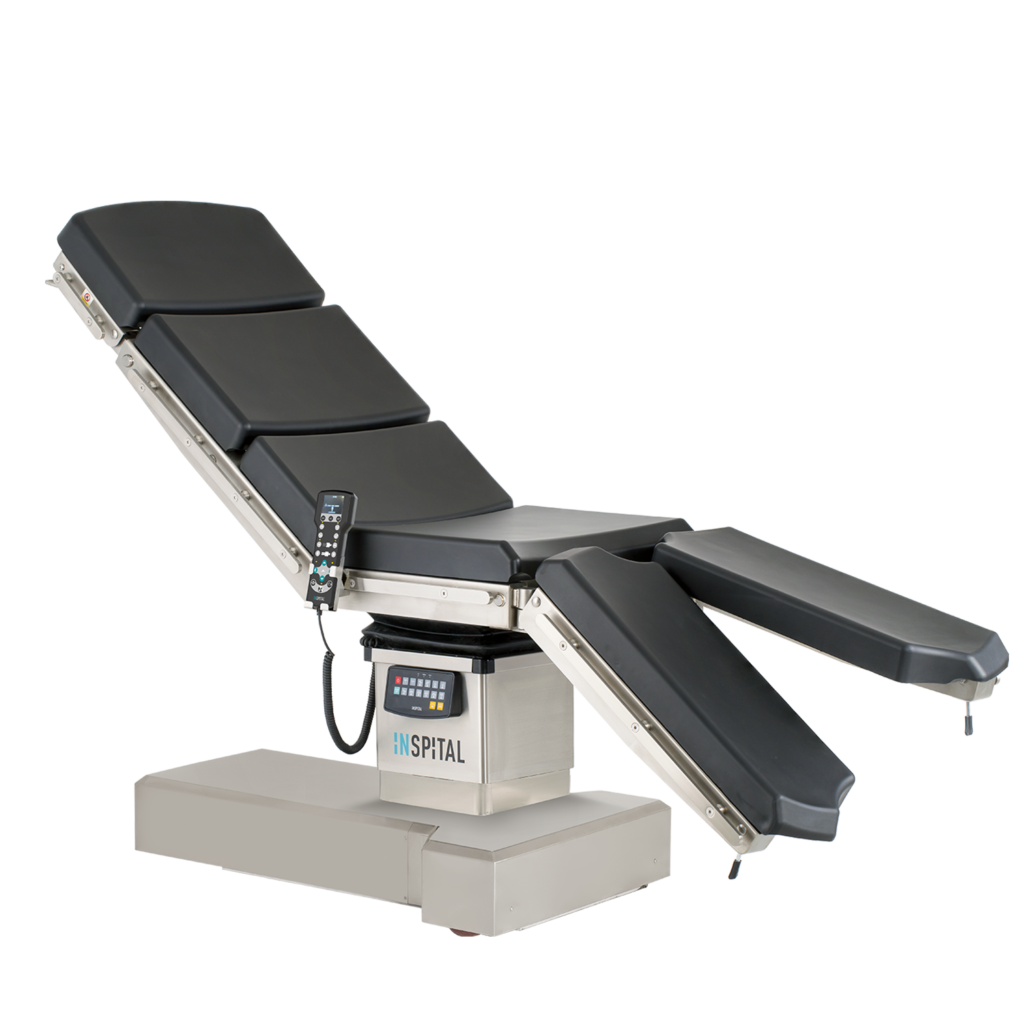
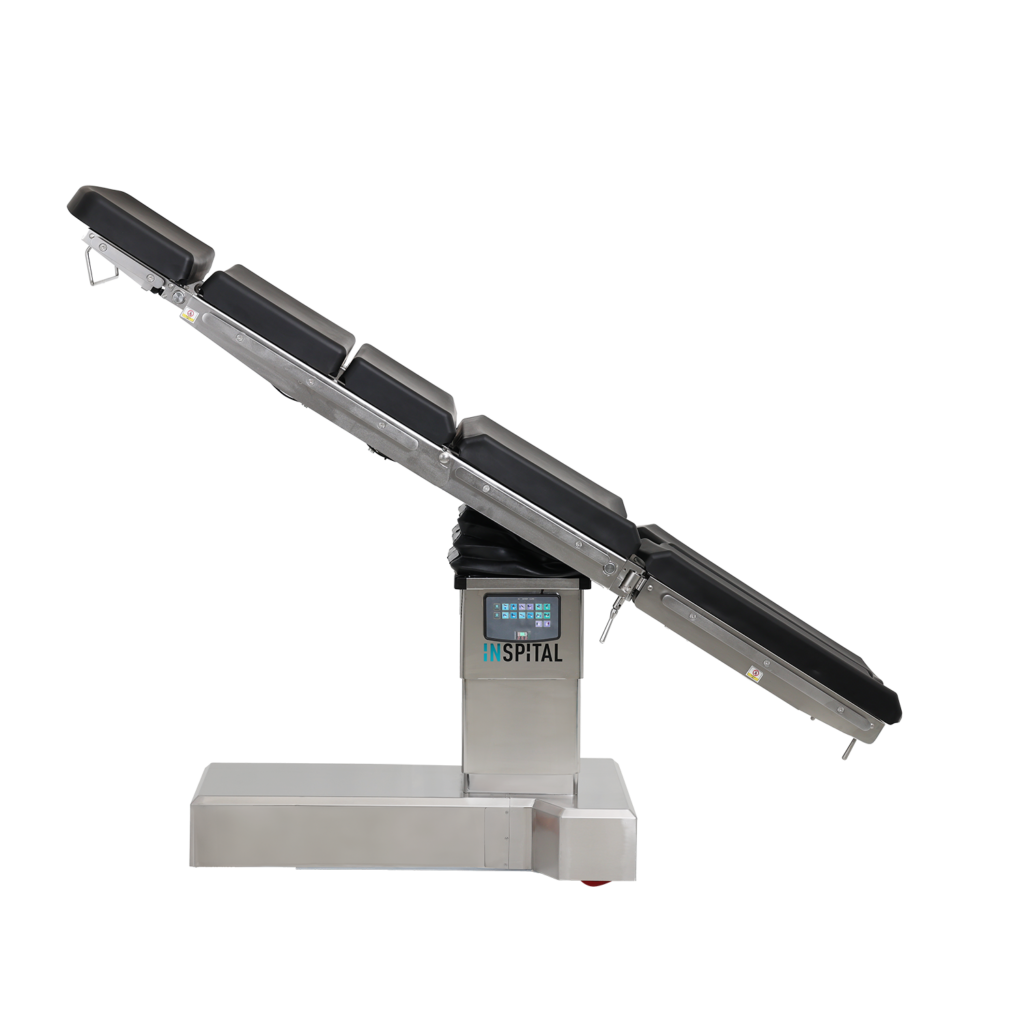
Furthermore, the systems are designed to be completely modular and open to the future. The lamp heads can be flexibly equipped with integrated HD or 4K camera systems or retrofitted later. This is becoming increasingly important in the course of the digitalization of healthcare—whether for precise digital documentation of procedures, for telemedicine consultations, or for live transmission to lecture halls for teaching purposes. Thanks to standardized suspensions and spring arms, the systems are also easy to position and harmonize perfectly with the manufacturer's electric OR table systems.

Conclusion: First-class medical technology expertise is right on your doorstep

Hospital buyers and planners looking for innovative, durable, and at the same time economical surgical lighting systems do not have to look far. The state of North Rhine-Westphalia offers an excellent infrastructure and concentrated expertise in the field of modern medical technology.

Companies like Inspital GmbH from Neuss provide tangible proof that top-tier technological performance in color rendering, sophisticated cold light heat management, and seamless MDR legal certainty do not have to be unaffordable. For clinics in NRW and throughout Germany, the partner from the Rhineland offers exactly the flexibility, security, and geographical proximity that a modern and economically successful OR operation urgently needs today.

Current News

Academy

Here, everything revolves around knowledge and continuing education.

News Press

Here you will find current news about trade fairs, congresses, PR and other relevant topics.