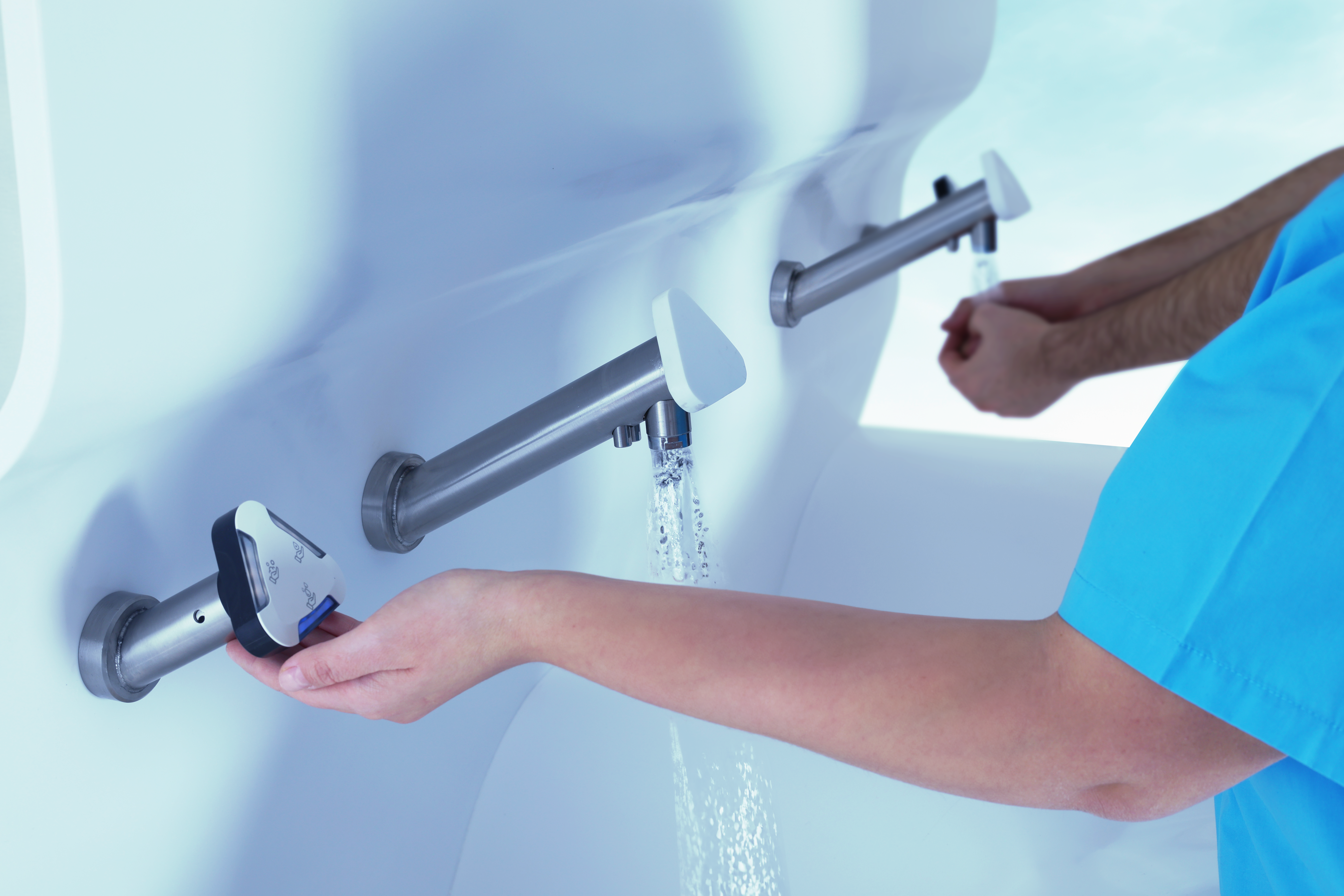
Antibacterial hospital furniture for sterile cleanroom areas
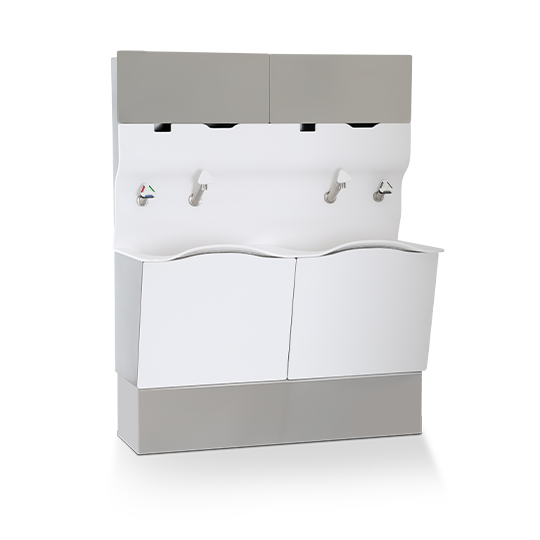
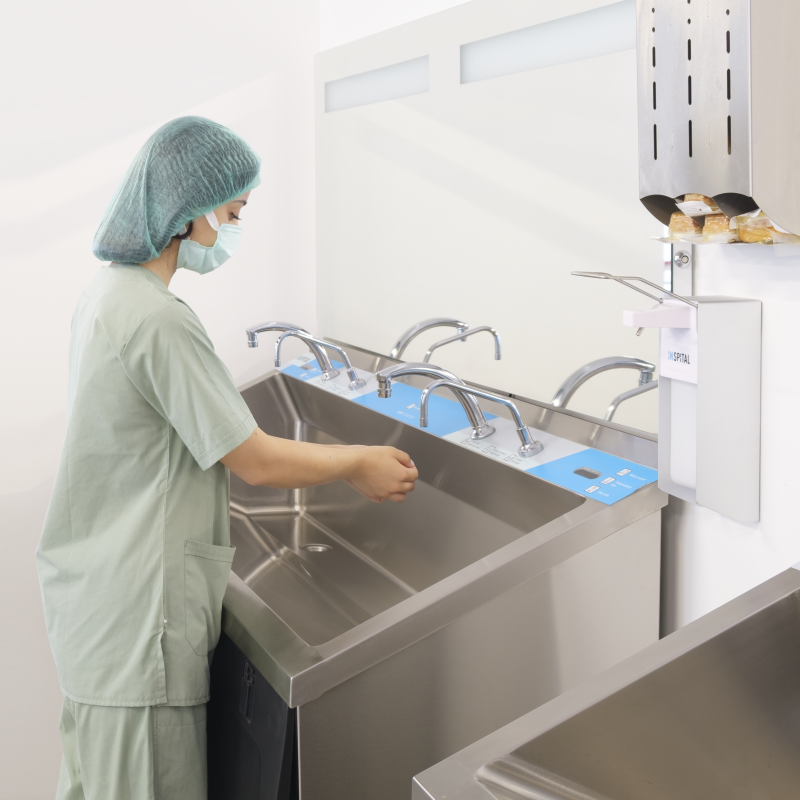
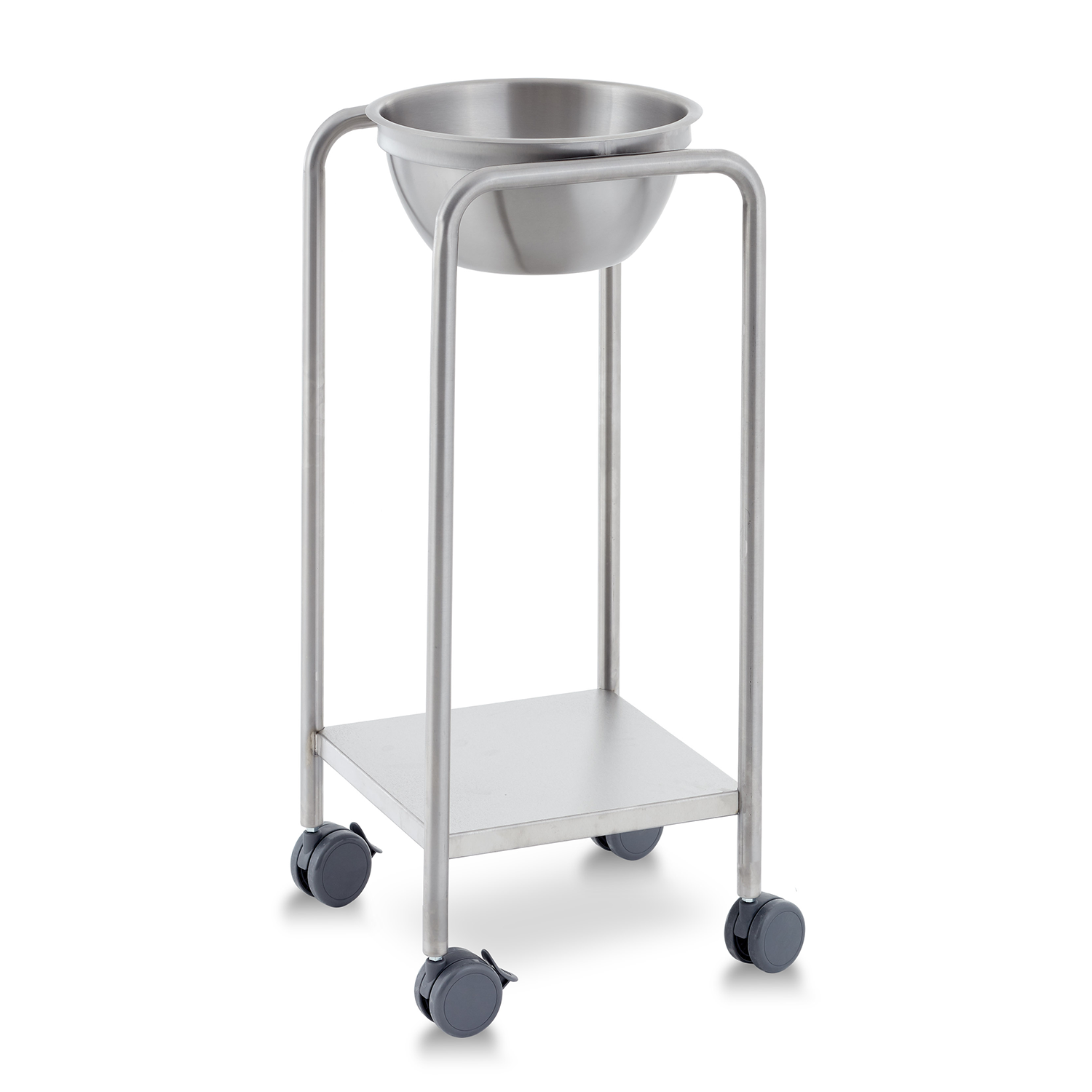
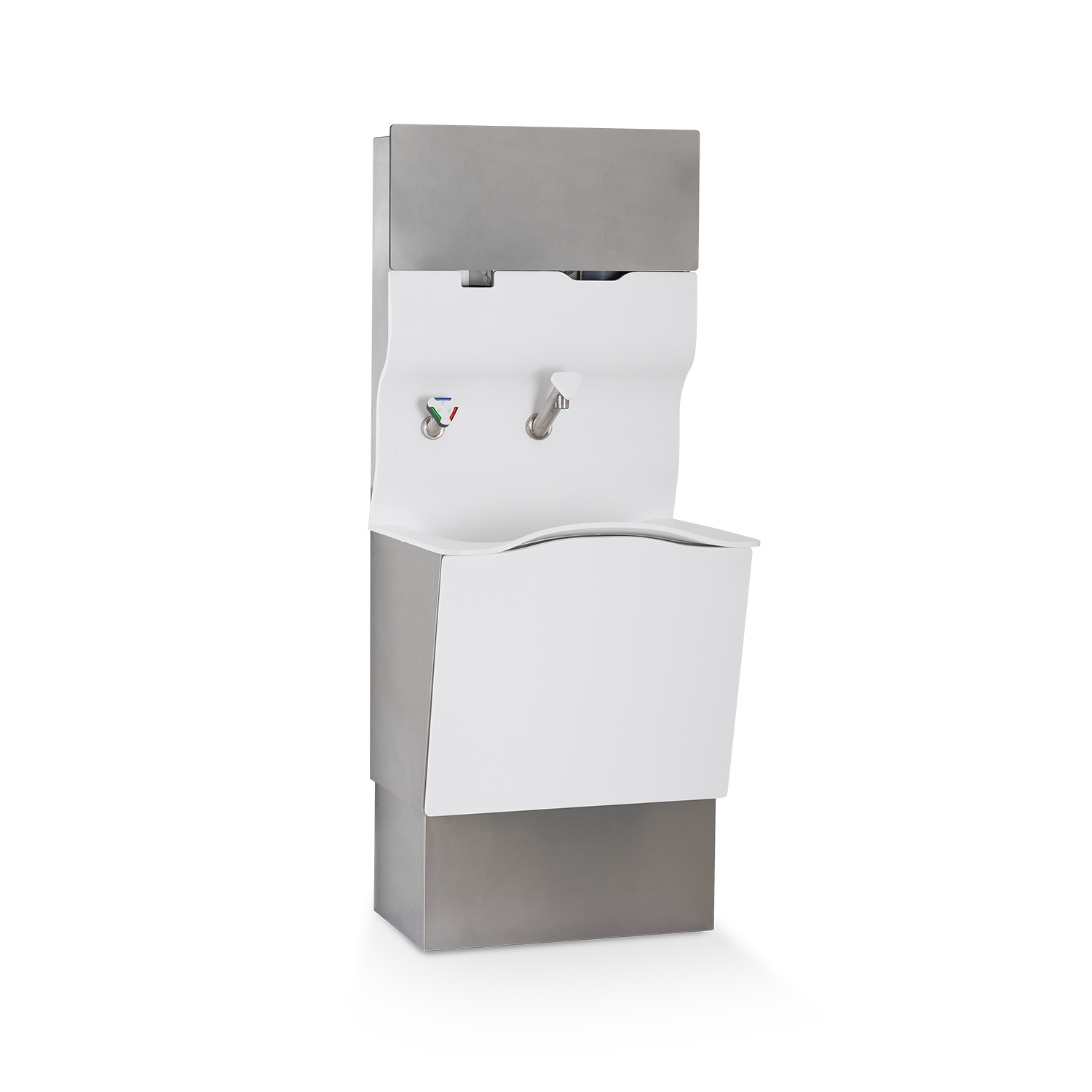
Single washbasin SK61.10
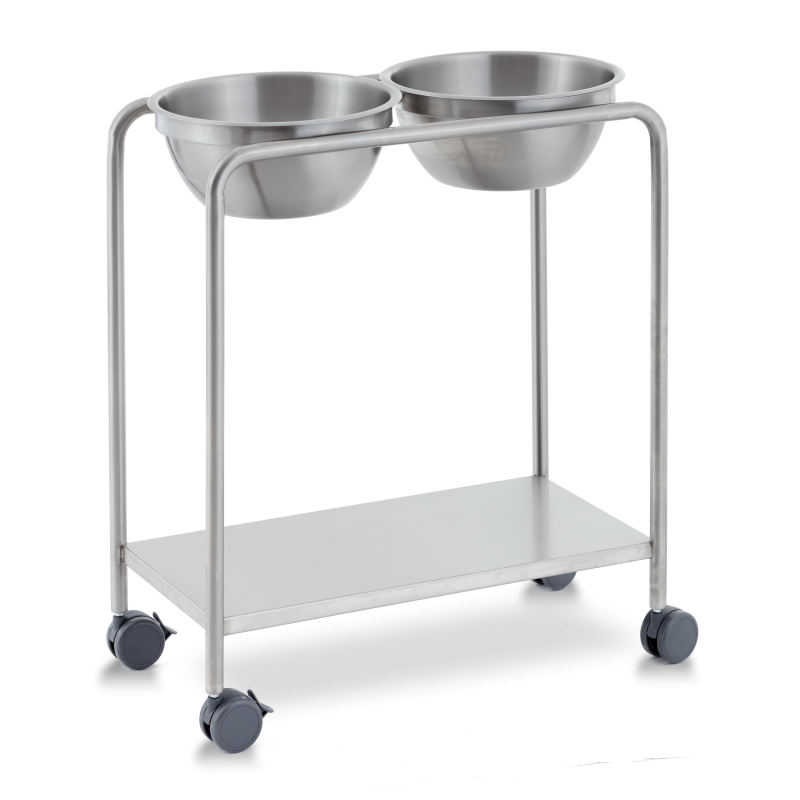
Prices visible to registered customers onlyDouble Sink SK61.20
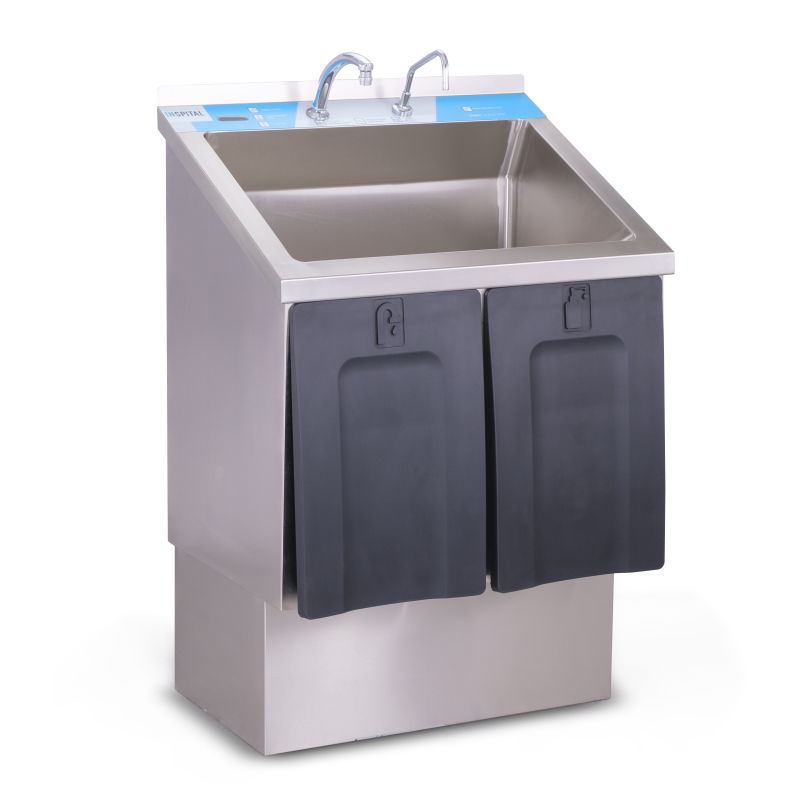
Prices visible to registered customers onlySingle Scrub Sink SK60.10
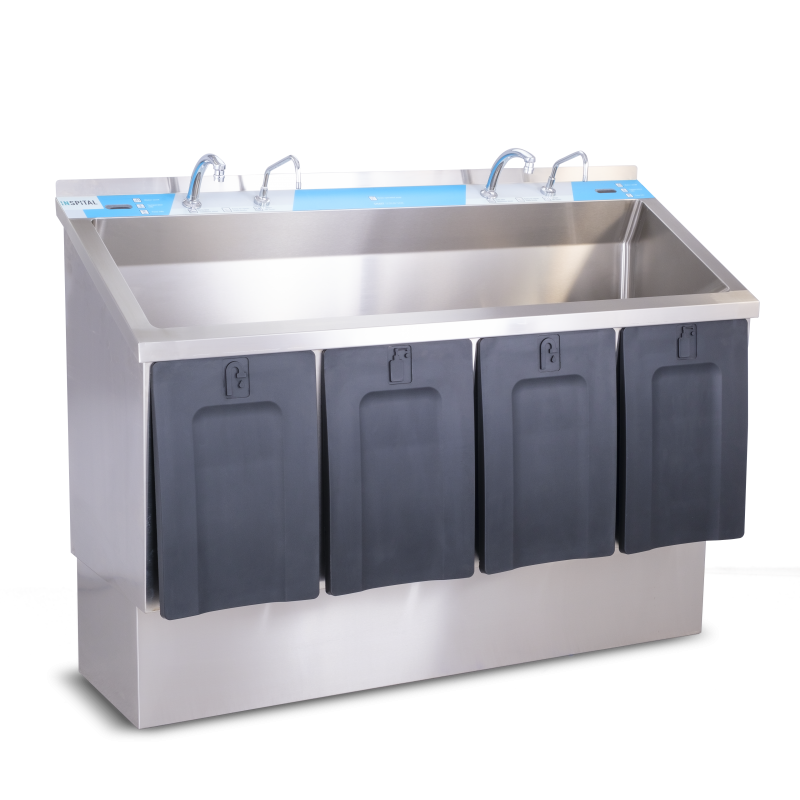
Prices visible to registered customers onlyDouble Scrub Sink SK60.20
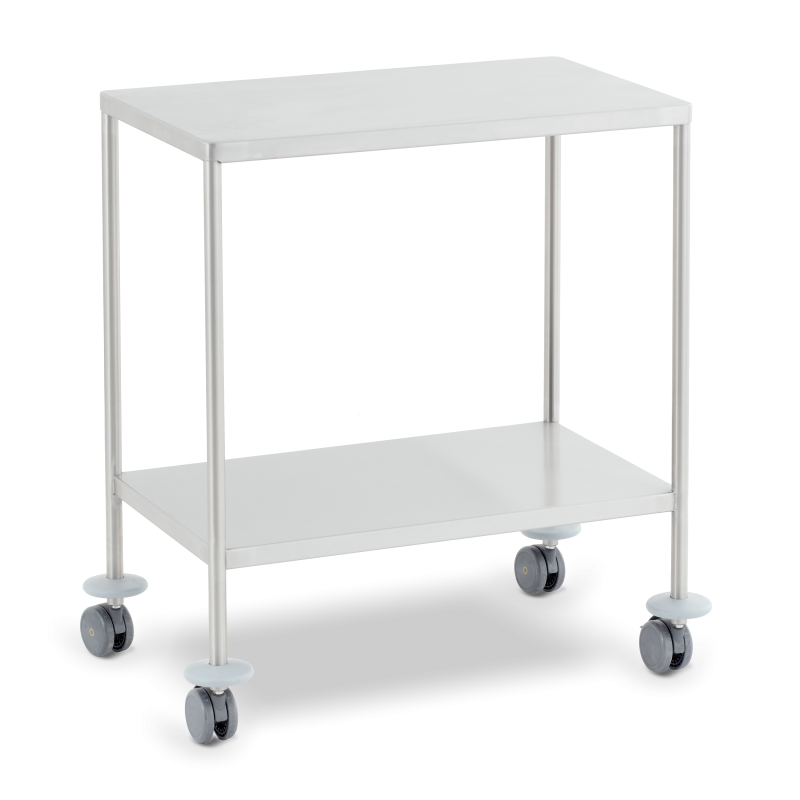
Prices visible to registered customers onlyInstrument Trolley AB00.21
Prices visible to registered customers onlyInstrument Trolley AB00.22
Prices visible to registered customers onlyInstrument Trolley AB00.23
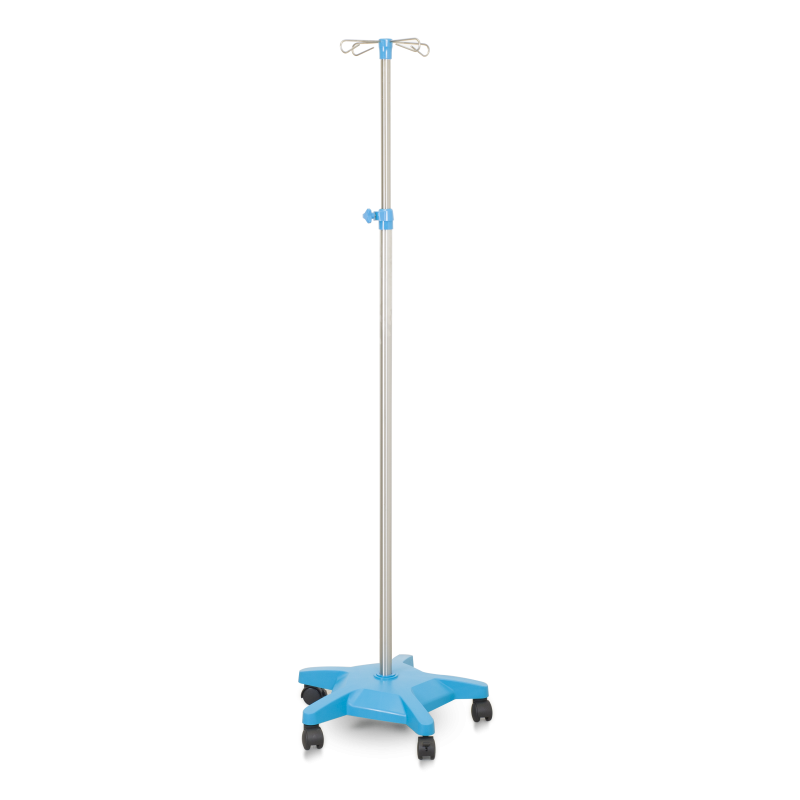
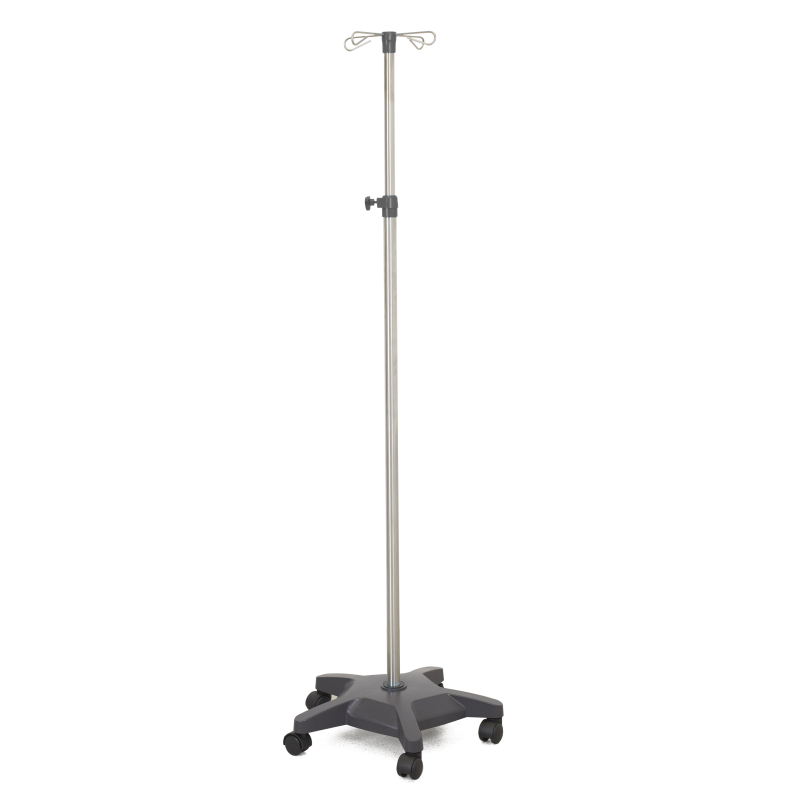
Prices visible to registered customers onlyIV Stands SR10.70
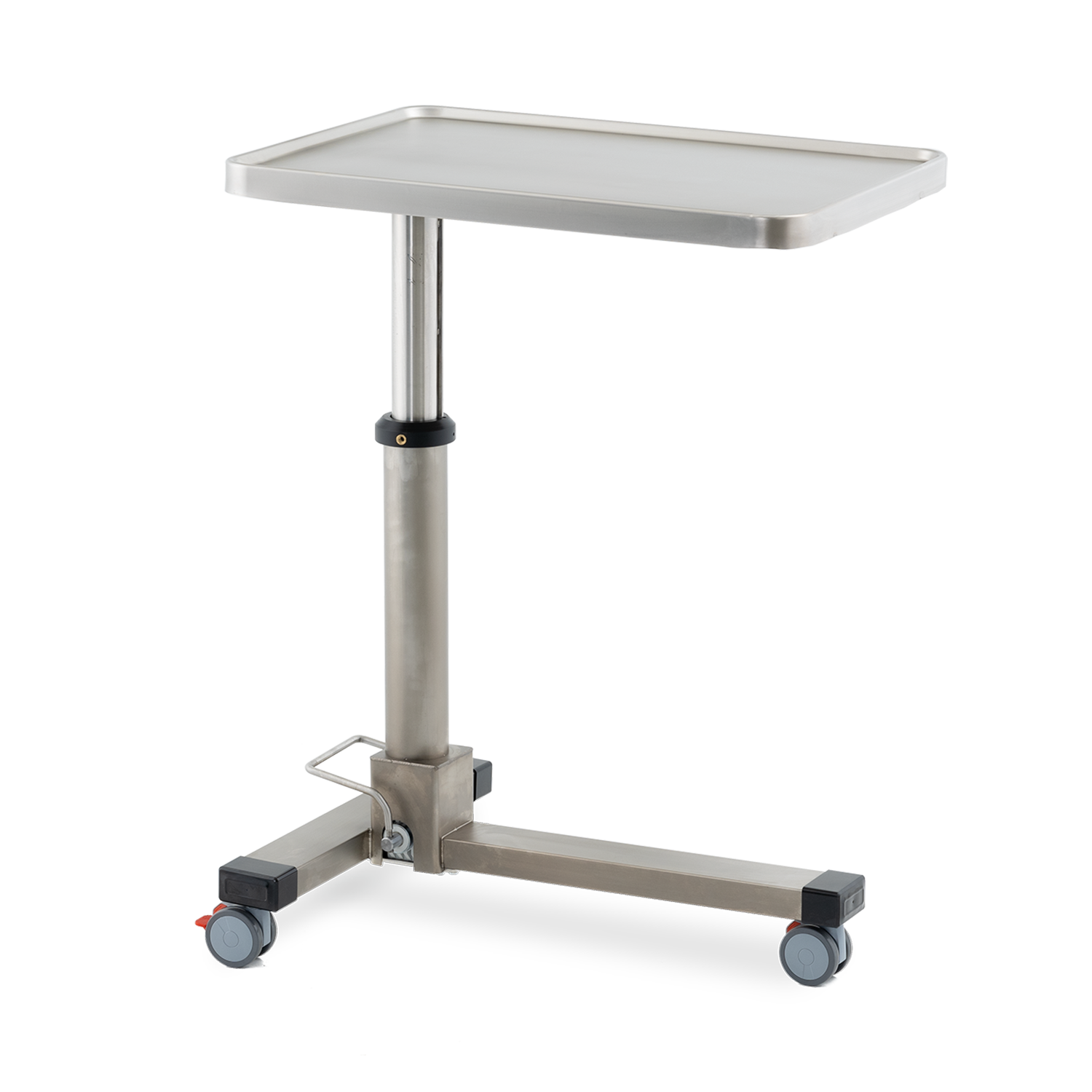
Prices visible to registered customers onlyHydraulic Mayo Table MS10.51
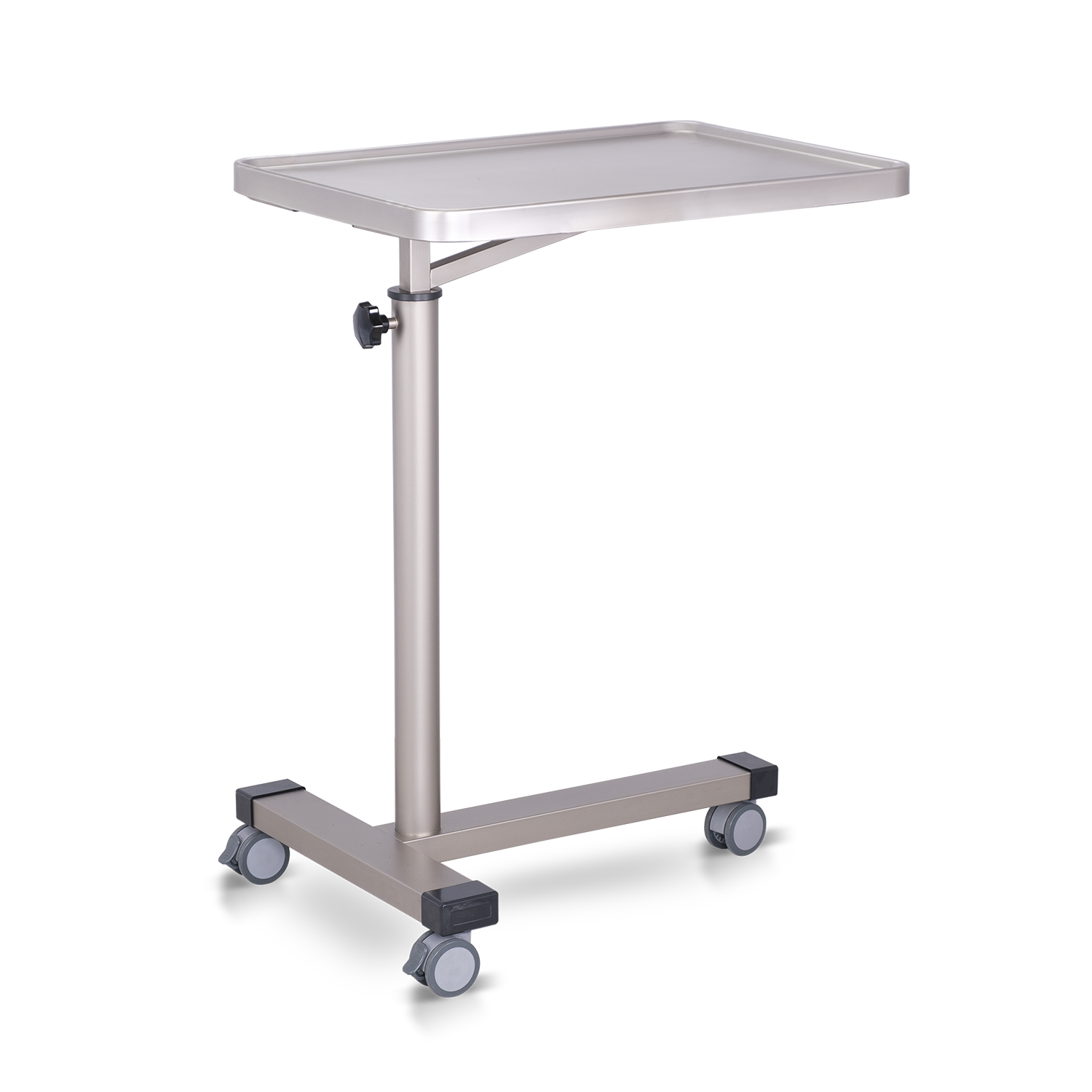
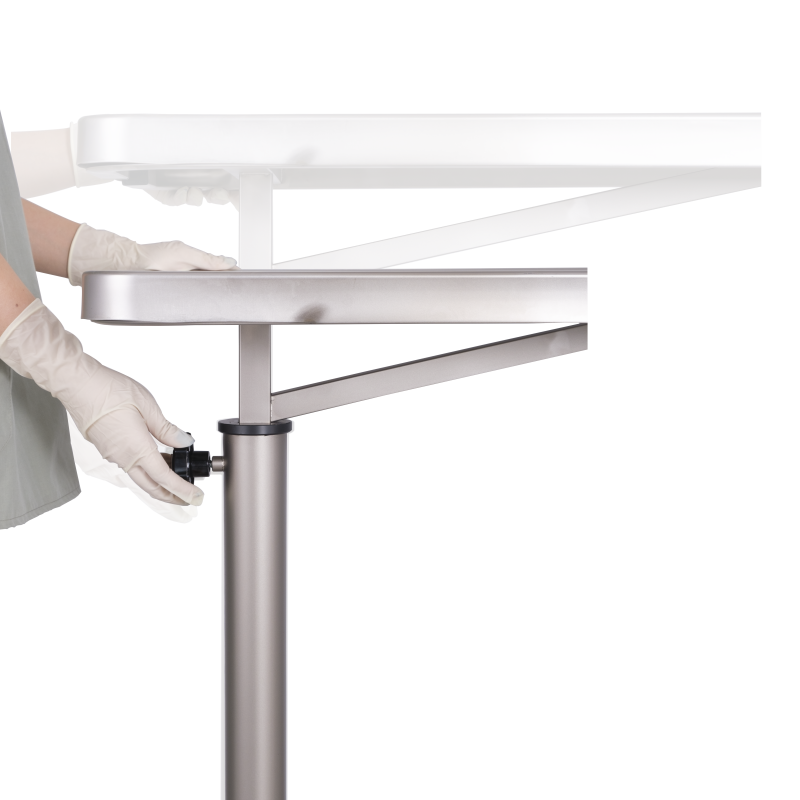
Prices visible to registered customers onlyMechanic Mayo Table MS10.50
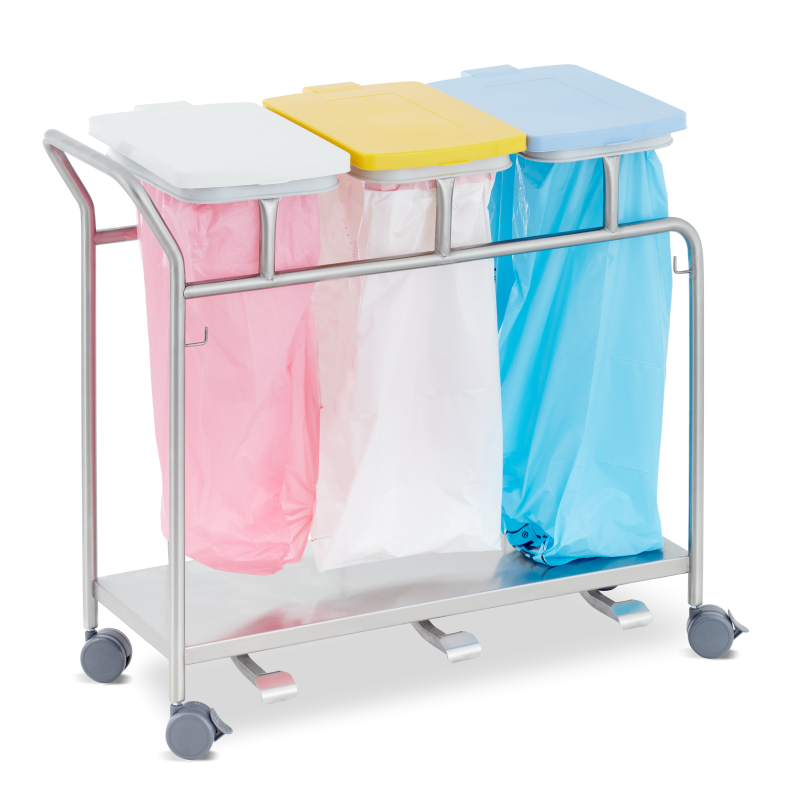
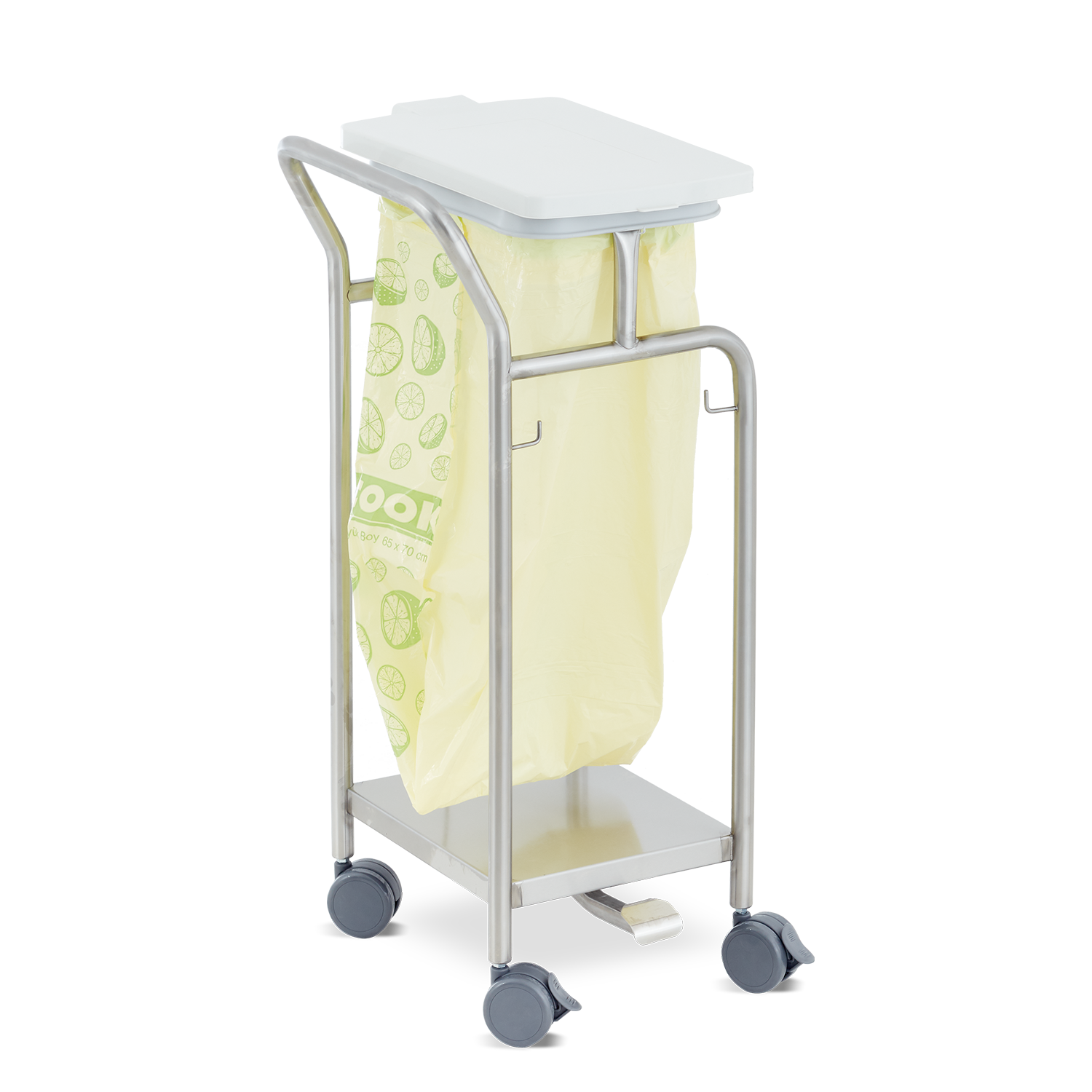
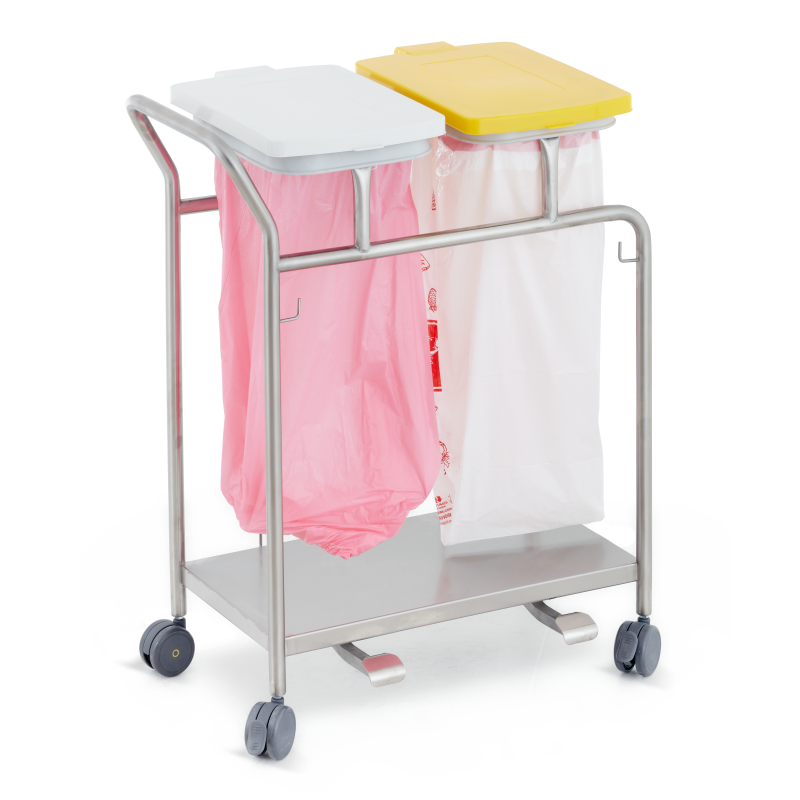
Prices visible to registered customers onlyHousekeeping Trolley AB90.99
Prices visible to registered customers onlyHousekeeping Trolley AB90.97
Prices visible to registered customers onlyHousekeeping Trolley AB90.98
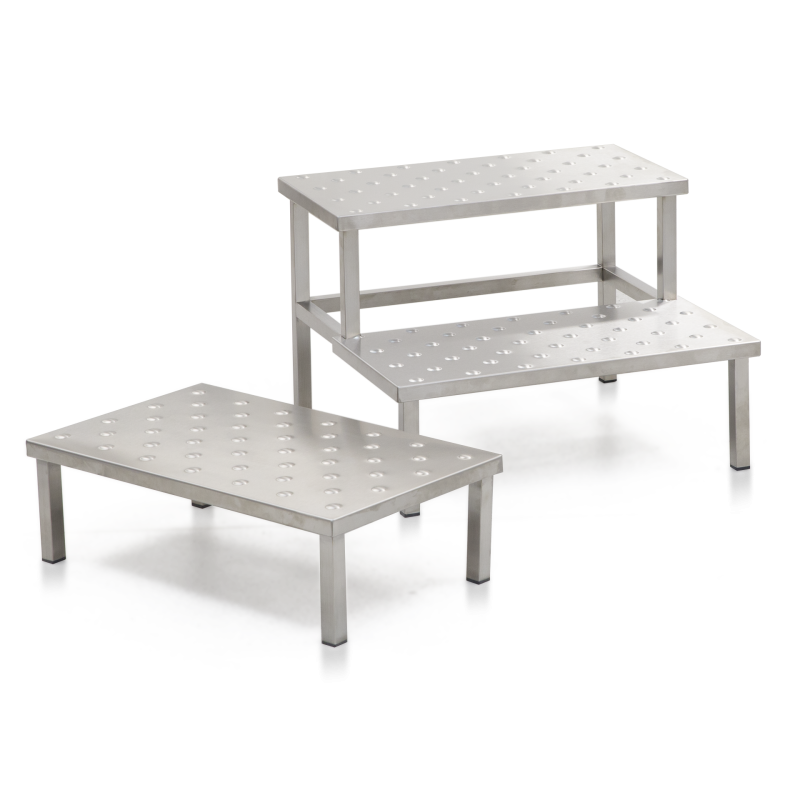
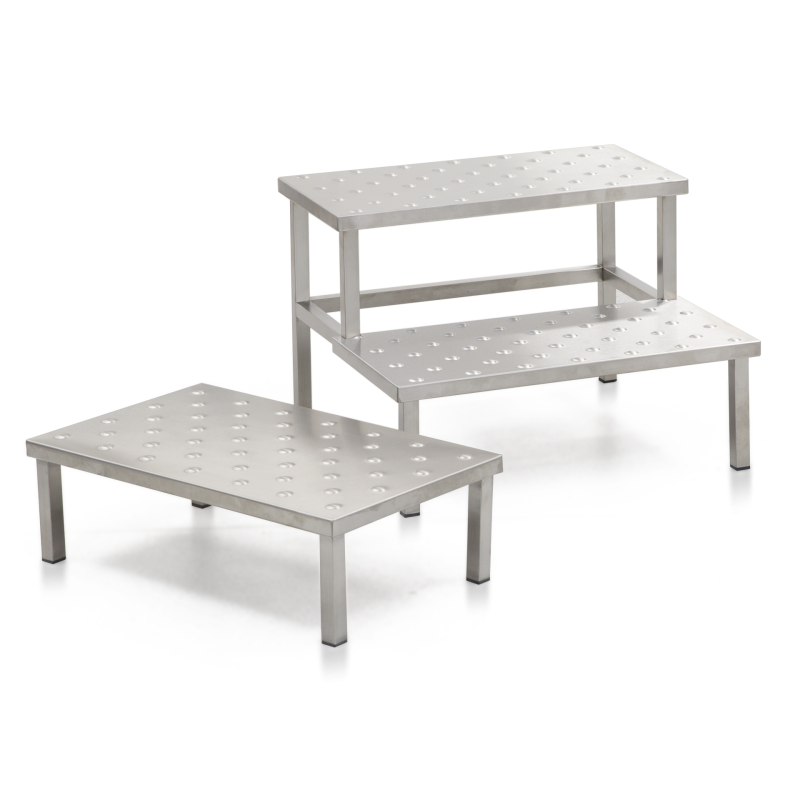
Prices visible to registered customers onlySurgeon Step Stool BS10.10
Prices visible to registered customers onlySurgeon Step Stool BS10.11
Prices visible to registered customers onlyBowl Stand, Double AB90.05
Prices visible to registered customers onlyBowl Stand, Single AB90.04
Prices visible to registered customers onlySurgeon’s Step Stool, Double BS10.20
Prices visible to registered customers onlyAntibacterial hospital furniture for sterile cleanroom areas: Why hygiene-compliant equipment is becoming increasingly important
Sterile cleanroom areas are among the most demanding work environments in healthcare. Operating theaters, reprocessing areas, and other sensitive medical zones are subject to high demands on cleanliness, organization, and the entire infrastructure. In addition to modern medical devices, the hospital furniture used also plays an important role. More and more facilities are therefore addressing the question of what properties antibacterial hospital furniture for sterile cleanroom areas should fulfill. Hospital furniture is used intensively daily and regularly cleaned and disinfected. Surfaces must therefore be robust, durable, and suitable for professional use in medical environments. At the same time, hospitals expect solutions that can be well integrated into existing hygiene and work concepts. Hygiene-compliant equipment supports structured workflows and helps to ensure that sensitive areas can be organized efficiently.
In modern clinics, hospital furniture is no longer selected solely based on functional aspects. Instead, decision-makers are increasingly focusing on holistic concepts that consider ergonomics, durability, and the requirements of hygienically sensitive areas. Furniture should support the daily work processes of medical staff while meeting the special conditions in cleanroom areas. Inspital GmbH, based in Neuss, offers solutions for modern hospital and operating room equipment. The company aligns its portfolio with the requirements of professional medical facilities and supports clinics, hospitals, and surgical centers in equipping demanding work environments. Especially in areas where high hygiene standards are required, the selection of suitable infrastructure components is becoming increasingly important.
When planning cleanroom areas, medical facilities today consider numerous factors. These include the material properties of the equipment, long-term economic efficiency, and suitability for regular cleaning and disinfection processes. At the same time, hospital furniture must have high stability and withstand the daily stresses of clinical operations. The demands on modern hospitals are continuously increasing. Patient safety, quality management, and efficient workflows are central themes in healthcare. In this context, antibacterial hospital furniture is increasingly seen as part of a comprehensive infrastructure plan. Facilities are therefore investing more in equipment developed for professional medical work environments that can be integrated into structured hygiene concepts.
Inspital GmbH supports medical facilities in implementing modern hospital and operating room concepts. By focusing on professional solutions for hospitals and medical care areas, the company offers facilities the opportunity to design their infrastructure according to their needs and in a future-oriented manner. Especially in sterile cleanroom areas, the importance of a well-thought-out combination of functionality, quality, and hygiene-compliant equipment for the long-term success of modern healthcare facilities becomes clear.
What requirements must antibacterial hospital furniture meet in cleanroom areas?
Now that the importance of hygiene-compliant equipment has become clear, the next question arises: What requirements must antibacterial hospital furniture for sterile cleanroom areas actually meet? The answer is complex, because in sensitive medical areas, high hygiene standards, organizational requirements, and economic aspects directly converge. Cleanroom areas in hospitals are designed to create controlled working conditions. This includes structured processes, regular cleaning measures, and a carefully planned infrastructure. Hospital furniture is an essential part of the overall room concept. Furniture must be suitable for daily use in demanding medical environments while supporting staff workflows.
A central criterion is ease of cleaning. Hospital furniture in sensitive areas is regularly cleaned and disinfected. Therefore, facilities place great importance on easy-to-clean surfaces and robust materials that can withstand the demands of daily clinical life in the long term. In addition, the workmanship and constructive design of the furniture play an important role, as these factors influence practical usability and long-term value retention.
Equally important is functionality. Hospital furniture must integrate into existing work processes and enable efficient use of available space. In operating areas and other sensitive zones, various professional groups work closely together. A well-planned infrastructure can help to clearly structure workflows and support organizational processes. In addition to hygienic requirements, ergonomics is also gaining increasing importance. Medical staff spend many hours in demanding work environments. Therefore, facilities value equipment that is functionally designed and meets the practical requirements of daily work.
Inspital GmbH in Neuss offers solutions for modern hospital and operating room equipment and focuses on the needs of professional medical facilities. The company supports hospitals, clinics, and surgical centers in planning and equipping work areas where quality, functionality, and hygiene-compliant infrastructure play a central role. The demands on hospital furniture are continuously evolving. Modern facilities today expect solutions that are not only functional and durable but can also be used economically in the long term. Investments in hospital furniture are often planned over many years. Therefore, the selection of high-quality and professionally designed equipment is gaining increasing strategic importance.
For hospitals and medical facilities, this means that hospital furniture today is far more than just furnishings. It is part of a holistic infrastructure concept that supports daily workflows, the organization of medical areas, and the long-term development of modern healthcare facilities. Inspital GmbH accompanies this development with solutions for professional hospital and operating room equipment and helps medical facilities design their cleanroom areas according to their needs and in a future-oriented manner.
Antibacterial hospital furniture as a component of modern hygiene concepts in clinics
Modern hospitals face the challenge of combining the highest hygiene standards with efficient workflows and a long-term economically viable infrastructure. Especially in sterile cleanroom areas, all components of the equipment must be carefully planned. In addition to medical devices and technical supply systems, antibacterial hospital furniture is also gaining increasing importance.
Hygiene in healthcare is a holistic concept. It is not limited exclusively to cleaning and disinfection measures but also includes the design of workspaces and the selection of suitable equipment components. Hospital furniture is used intensively daily and is permanently in an environment that places high demands on cleanliness, resilience, and functionality. Therefore, medical facilities are increasingly ensuring that the infrastructure used is suitable for professional hygiene concepts.
Especially in operating theaters and other sensitive areas, work processes must be clearly structured. Furniture serves not only as functional furnishing elements. It contributes to the organization of workflows and influences the usability of the available space. Well-planned furniture solutions can help to organize work areas clearly and support the daily requirements of medical staff. Another important factor is long-term economic efficiency. Hospitals are increasingly investing their resources in solutions that can be reliably used for many years. Therefore, robust materials, durable constructions, and easy-to-clean surfaces are the focus of many investment decisions. Facilities are looking for equipment that meets the high demands of daily clinical life and at the same time enables long-term planning security.
Inspital GmbH, based in Neuss, offers solutions for modern hospital and operating room equipment. The company aligns its portfolio with the requirements of professional medical facilities and supports hospitals, clinics, and medical care centers in designing functional work environments. The focus is on quality, practical suitability, and the needs of modern healthcare facilities. Especially in cleanroom areas, it becomes clear how closely hygiene and infrastructure are linked. Furniture must not only be functional but also integrate into the organizational and hygienic concepts of the respective facility. At the same time, medical facilities expect solutions that can be flexibly integrated into different room concepts.
The increasing demands in healthcare mean that hospital furniture is now considered much more strategically than just a few years ago. When planning, decision-makers are increasingly considering how infrastructure, workflows, and long-term quality goals can be meaningfully combined. Antibacterial hospital furniture is thus becoming an important component of modern hospital concepts. Inspital GmbH accompanies this development with solutions for professional hospital and operating room areas. By focusing on the requirements of medical facilities, the company supports hospitals in creating work environments that are functionally planned and geared towards the challenges of modern healthcare.
Why high-quality hospital furniture is indispensable in sterile cleanroom areas
Sterile cleanroom areas are among the most sensitive work areas within a hospital. Here, high hygiene standards, complex medical processes, and demanding daily work converge. For these areas to be operated efficiently, the entire infrastructure is of central importance. In addition to medical devices and supply systems, high-quality hospital furniture plays an essential role.
Hospital furniture in modern clinics is far more than just furnishings. Furniture influences the organization of workflows, supports the use of available space, and contributes to a structured work environment. In cleanroom areas, it must also meet the special requirements of sensitive medical areas. An essential aspect is resilience. Hospital furniture is used intensively daily and regularly cleaned and disinfected. Therefore, medical facilities place great importance on robust and durable solutions. The selection of suitable materials and high-quality workmanship is becoming increasingly important.
Furthermore, functionality plays an important role. Work areas in hospitals must be designed so that medical staff can work efficiently. Well-planned furniture concepts support the organization of the workplace and can help to clearly structure work processes. Economic efficiency is also a decisive factor. Clinics often invest in their infrastructure for the long term. Therefore, many facilities prefer solutions that enable long-term use and can be flexibly adapted to different requirements. High-quality hospital furniture is therefore increasingly seen as an investment in the future viability of medical facilities.
Inspital GmbH, based in Neuss, offers solutions for modern hospital and operating room equipment. The company supports medical facilities in planning and equipping professional work areas and aligns its offerings with the requirements of hospitals, clinics, and medical care centers.
Especially in sterile cleanroom areas, the importance of well-thought-out infrastructure concepts becomes particularly clear. Here, all components of the equipment must be coordinated. Furniture should integrate into existing workflows while meeting the high demands of sensitive medical areas. The increasing specialization of healthcare means that hospitals are planning their infrastructure more strategically. In addition to medical devices, furniture concepts are therefore moving more into the focus of long-term investment decisions. Facilities are looking for solutions that combine functionality, quality, and the requirements of hygienically sensitive work areas.
Inspital GmbH accompanies this development with solutions for professional hospital and operating room equipment. By focusing on the needs of modern healthcare facilities, the company supports hospitals in designing work environments that meet the challenges of modern and high-quality patient care.
Functionality and hygiene in harmony: Hospital furniture for sterile cleanroom areas
In modern hospitals, the combination of functionality and hygiene is a central success factor. Especially in sterile cleanroom areas, all components of the equipment must be precisely coordinated to ensure smooth workflows and high safety standards. Hospital furniture plays a key role here, as it directly influences both the organization of the work environment and hygienic processes.
Antibacterial hospital furniture is often considered a component of modern infrastructure concepts in this context. It is designed to support the requirements of sensitive medical areas where cleanliness, structure, and efficiency are top priorities. This involves not only material properties but also how furniture can be integrated into daily workflows.
In cleanroom areas, furniture must be regularly cleaned and disinfected. Therefore, hospitals look for surfaces that are easy to clean and can withstand intensive hygienic requirements. At the same time, the construction plays an important role, as hard-to-reach areas can make cleaning difficult. Modern hospital furniture is therefore developed to support easy and thorough cleaning.
Inspital GmbH, based in Neuss, offers solutions for professional hospital and operating room equipment and targets facilities that value well-thought-out and functional work environments. The company supports hospitals, clinics, and medical care centers in planning and equipping modern medical areas.
Another important aspect is ergonomic design. Medical staff often work under high pressure and in time-critical situations. Well-designed hospital furniture can help to structure work processes and facilitate daily work. The focus is not only on function but also on the efficient use of available space.
In addition to functionality, long-term economic efficiency is gaining increasing importance. Hospitals must carefully plan investments and rely on sustainable solutions. Furniture that is robust, durable, and flexibly usable helps to reduce long-term costs while ensuring high quality of use.
The demands on modern cleanroom areas are constantly evolving. New medical standards, increasing hygiene regulations, and organizational changes mean that hospital furniture must be continuously rethought. Facilities are therefore looking for solutions that meet both current and future requirements. Inspital GmbH accompanies this development with a focus on professional hospital and operating room equipment. By combining functional solutions and an understanding of the requirements of medical facilities, the company helps to support modern and hygiene-compliant work environments in healthcare.
Professional hospital equipment for sensitive medical areas
The equipment of hospitals is a central component of modern healthcare. Especially in sensitive areas such as sterile cleanroom areas, operating theaters, or reprocessing units, all elements of the infrastructure must meet the highest requirements. In addition to medical devices, hospital furniture plays a decisive role, as it directly influences daily workflows and is also part of the overall hygiene concept.
Hospital furniture in these areas must do much more than just fulfill basic functional tasks. It serves to structure work processes, supports medical staff in organizing complex procedures, and contributes to efficiency within the respective work environment. In sterile areas, it is particularly important that furniture is designed to allow for easy cleaning and disinfection while remaining robust against intensive use.
The demands on modern hospital equipment have changed significantly in recent years. Hospitals are under increasing economic and organizational pressure, while at the same time the demands on hygiene and patient safety are rising. This increases the need for well-thought-out infrastructure concepts that are both functional and durable.
Inspital GmbH, based in Neuss, offers solutions for professional hospital and operating room equipment and specifically targets medical facilities that value structured, practice-oriented, and hygiene-compliant work environments. The focus is on products and concepts that meet the requirements of modern clinics and medical care centers.
An essential component of modern hospital equipment is the integration of furniture into existing work processes. Furniture must be designed to seamlessly fit into the workflows within a hospital. This includes aspects such as ergonomics, space optimization, and supporting efficient work paths.
Especially in cleanroom areas, the choice of materials is of particular importance. Surfaces must be smooth, resistant, and easy to clean to support compliance with high hygiene standards. At the same time, constructions must be stable enough to withstand the daily stresses of clinical routine.
Another important aspect is long-term planning security. Hospitals often invest in their infrastructure over many years. Therefore, durable and low-maintenance solutions are particularly in demand. Hospital furniture is increasingly seen as a strategic investment that contributes to the future viability of medical facilities.
Inspital GmbH supports this approach by providing solutions for modern hospital and operating room areas that are tailored to the requirements of professional medical work environments. This gives facilities the opportunity to design their infrastructure sustainably and according to their needs.
Antibacterial hospital furniture as part of the modern hospital infrastructure of the future
The future of modern hospitals will be significantly shaped by increasing quality requirements, more efficient processes, and a stronger focus on hygiene. In this context, antibacterial hospital furniture is gaining increasing importance, especially in sterile cleanroom areas where the highest hygienic standards must be maintained.
Hospital furniture is no longer just a functional furnishing element but an integral part of the entire infrastructural concept of a hospital. It influences workflows, supports the organization of medical processes, and contributes to compliance with hygiene standards. In cleanroom areas, this role is particularly pronounced, as every component of the equipment contributes to safety and efficiency here.
The demands on modern medical facilities are continuously increasing. In addition to patient safety, aspects such as economic efficiency, flexibility, and long-term usability are also coming into focus. Hospitals today must be able to adapt their infrastructure to new medical developments and organizational changes.
Antibacterial hospital furniture is often considered part of a holistic hygiene concept in this context. It supports facilities in creating structured and controlled work environments where cleaning, organization, and functionality are optimally combined.
Inspital GmbH, based in Neuss, offers solutions for professional hospital and operating room equipment and targets medical facilities that want to implement modern and functional infrastructure concepts. The focus is on practical solutions that meet the demands of daily clinical life.
A decisive factor for the future viability of hospitals is the integration of equipment solutions that meet both hygienic and organizational requirements. Hospital furniture must therefore be designed to be flexibly usable and integrable into different room and usage concepts.
Furthermore, durability plays a central role. Investments in hospital equipment are long-term, which is why robust materials and well-thought-out constructions are becoming increasingly important. Facilities are paying more attention to ensuring that their infrastructure can withstand future requirements.
Inspital GmbH supports medical facilities in this development by offering solutions for modern hospital and operating room areas that are geared towards quality, functionality, and practical use in daily medical life. In this way, the company helps hospitals design their cleanroom areas efficiently, hygienically, and in a future-oriented manner.
Overall, it is clear that antibacterial hospital furniture is an important component of modern hospital planning and contributes significantly to sustainably meeting the increasing demands in healthcare.