


Securely Connected: Cyber Security and Software Validation according to MDR in the Modern OR
- Current News, Hospital Management, Inspital Medical Technology
Contents
With the entry into force of the Medical Device Regulation (MDR) EU 2017/745, European legislators have responded to this threat situation. As soon as medical technology uses software or has digital interfaces, the draconian requirements for “Software as a Medical Device” (SaMD) apply. Inspital GmbH, based in Neuss, is meeting this challenge with an uncompromising security architecture. In this article, we take an exclusive look behind the scenes of our software development in Neuss and explain to IT managers and medical technicians how Inspital effectively protects its firmware-controlled systems against unauthorized access while guaranteeing absolute MDR compliance.
The MDR and the Principle of “Software as a Medical Device” (SaMD)
For a long time, software in medical technology was regarded as a mere accessory. Those days are finally over under the MDR. Annex I of the regulation states unequivocally that software used to control or influence medical devices is subject to independent and strict validation cycles. For Inspital's sophisticated, motorized OR tables and control systems, this means that every single line of code must withstand the same quality and safety tests as the physical mechanics themselves.
The regulatory risk for clinics is high: if a software component in the networked OR is not seamlessly validated according to harmonized standards (in particular EN 62304 for medical software life cycle processes), the entire system loses its operating license in the event of an emergency. In our development department in Neuss, we therefore view software as a critical core component from the very first minute. Every update, every new control function for patient positioning, and every digital interface undergoes automated and manual validation processes. This ensures that system conflicts are excluded and that the software operates stably, predictably, and absolutely tamper-proof for years to come.
Cyber Security in the Hospital: The OR as a Critical Target
Hospitals belong to the critical infrastructure (KRITIS) and are under permanent digital fire. Ransomware attacks that encrypt entire clinic networks and paralyze OR operations for days have become a real, existential threat. Unauthorized access to the controls of an OR table during a surgical procedure or the sabotage of the power and data supply via a ceiling pendant unit would have catastrophic consequences for the patient's life. The MDR therefore requires proof of IT security according to the current state of the art in the chapter on general safety and performance requirements.
Inspital has placed this threat situation at the center of its risk management. Our systems developed in Neuss are based on the principle of “Security by Design”. This means that IT security is not a feature added later, but forms the foundation of the entire system architecture. We meticulously analyze potential attack vectors: Which interfaces are open? How is data transmitted? Through strict encapsulation of critical firmware from external communication networks, we ensure that even if the higher-level hospital network is compromised, the vital basic functions of Inspital devices in the OR continue to run autonomously and protected at all times.
Firmware Protection: How Inspital Medical Technology Defends Against IT Attacks
Firmware is the software directly on a device's microcontroller – it controls, for example, the precise hydraulic movements of an Inspital OR table during extreme Trendelenburg positioning. To protect these systems from manipulation, unauthorized reading, or the installation of malicious software (malware), Inspital implements state-of-the-art cryptographic processes. Every firmware image that is installed in our production facility in Neuss or updated as part of maintenance is digitally signed and encrypted.
The device only accepts an update if the signature can be mathematically verified with precision. An attacker attempting to inject modified code via a service interface will fail at this barrier. Furthermore, we use hardware-based security modules (Trusted Platform Modules / Secure Elements) that store cryptographic keys securely in the silicon. For medical technology departments in clinics, this means that the integrity of the devices is guaranteed physically and digitally. Inspital products independently fend off unauthorized access attempts at the device level before they can cause any damage.
Interface Security in Ceiling Supply Units (CSUs)
Inspital's FX series ceiling supply units are the physical and digital hubs of the modern OR. They carry monitors, forward high-resolution video signals, and are often directly connected to the hospital LAN or dedicated OR integration systems. However, this bundling of lines carries the risk of electromagnetic or data-related interactions. The MDR requires strict separation and validation of all combined systems here to exclude mutual interference.
Our engineers in Neuss have developed a strict zone concept for the CSU systems. Medical data streams, gas supply control, and general clinic IT run via physically and logically separate channels within the supply heads. In addition, all communication protocols running via the supply unit interfaces are encrypted according to current industry standards (such as TLS 1.3). This prevents so-called “eavesdropping” (interception of patient data) and the injection of harmful control commands via supposedly harmless network sockets on the pendant arm. With Inspital, your networked operating room remains a digital fortress.
Life Cycle Management: Continuous Security Updates According to MDR
A major difference of the MDR compared to the old legislation is the obligation for continuous market surveillance after purchase (Post-Market Surveillance). In the context of IT security, this means: a medical device is not permanently secure just because it corresponded to the state of the art at the time of approval. New security gaps in software libraries are discovered daily. Under the MDR, manufacturers are obliged to monitor these vulnerabilities throughout the product's entire life cycle and close them proactively.
Inspital GmbH has established a dedicated Vulnerability Management system in Neuss for this purpose. We continuously monitor global security databases for relevant vulnerabilities that could affect our systems. Should a potential gap be identified, our software team in Neuss immediately develops validated security patches. These updates are made available to the clinics' medical technology departments along with a detailed risk analysis and installation instructions. In this way, we ensure that your investment in Inspital OR tables or lighting systems still meets the highest IT security standards even after five or ten years in service and passes every clinic cyber security audit without any problems.
The Neuss Location Advantage: Fast Help with IT Audits and Validation Questions
Implementing IT security requirements in hospitals requires close and trustful cooperation between medical technology, hospital IT, and the manufacturer. When implementing networked operating rooms, clinics often encounter complex bureaucratic and technical hurdles – for example, when creating the legally required risk report according to the IEC 80001-1 standard (risk management for IT networks incorporating medical devices). Here, Inspital GmbH's location in Neuss proves to be an invaluable regional advantage.
Our IT and validation experts are directly accessible to clinics in North Rhine-Westphalia and throughout Germany. We do not offer standardized hotline processing from overseas, but direct, professional support from person to person. If your IT department requires specific documentation for certification according to the IT Security Act or for an MDR audit, we provide customized data sheets and architecture descriptions directly from Neuss. Due to our central location in the Rhine-District of Neuss, we can also conduct joint on-site workshops in your clinic to plan the network integration of our OR systems correctly, securely, and in compliance with MDR from the very beginning.
Conclusion: Future-Proof OR Infrastructure through Digital Sovereignty with Inspital
The digitalization of the operating room is unstoppable and offers massive advantages for patient safety and clinical efficiency. However, it must never come at the expense of cyber security. The strict MDR requirements for software validation and IT security are not unnecessary bureaucratic dead weight, but a vital safety rail in an increasingly threatening digital world. Clinics investing in new OR equipment today must make the manufacturer's IT security architecture a primary selection criterion.
With Inspital GmbH, you choose a partner that perfectly combines the worlds of precision mechanics and high-security software. Our software solutions for OR tables, ceiling supply units, and lighting, developed in Neuss and validated in compliance with MDR, offer you the certainty that your critical infrastructure is optimally protected against cyber attacks. We assume regulatory responsibility for the entire software life cycle, so that your IT managers and medical technicians can concentrate on their core tasks with peace of mind. Rely on digital sovereignty and certified security – Made in Germany by Inspital.
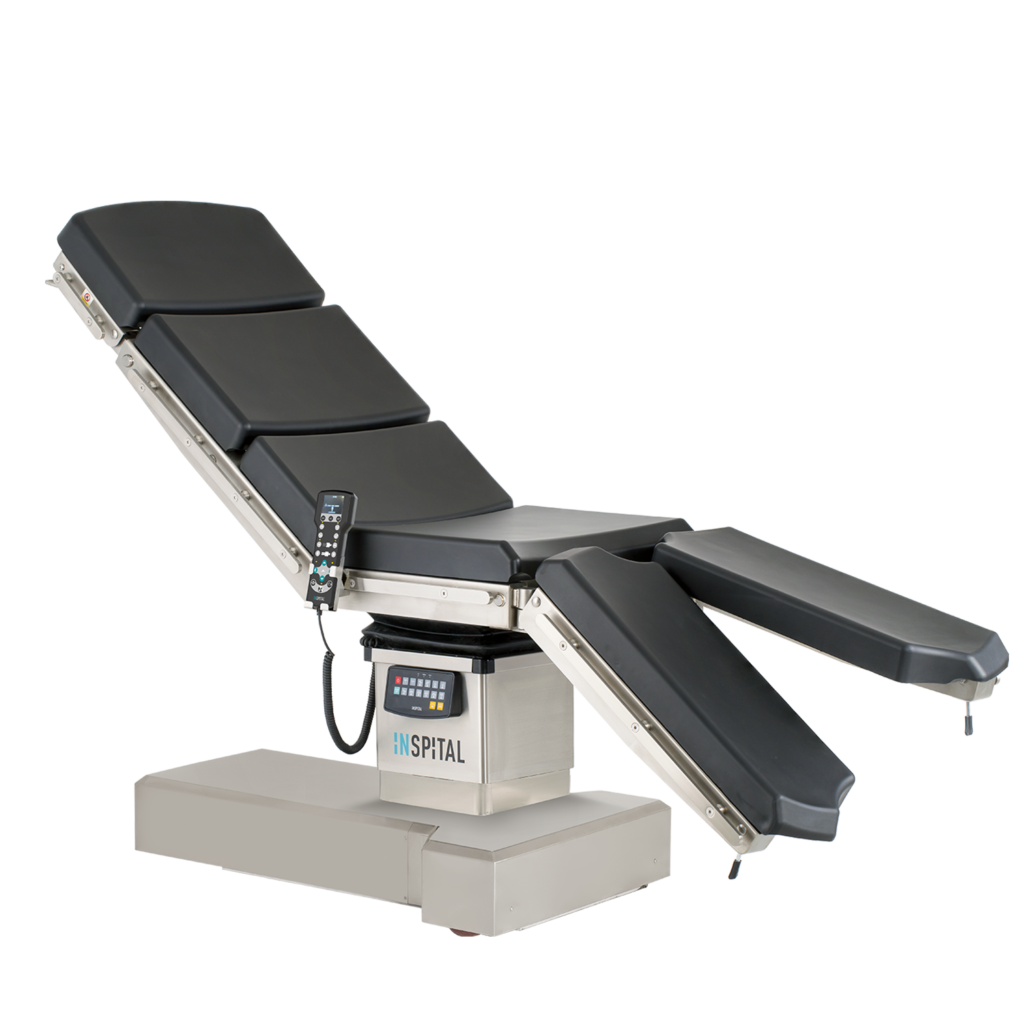
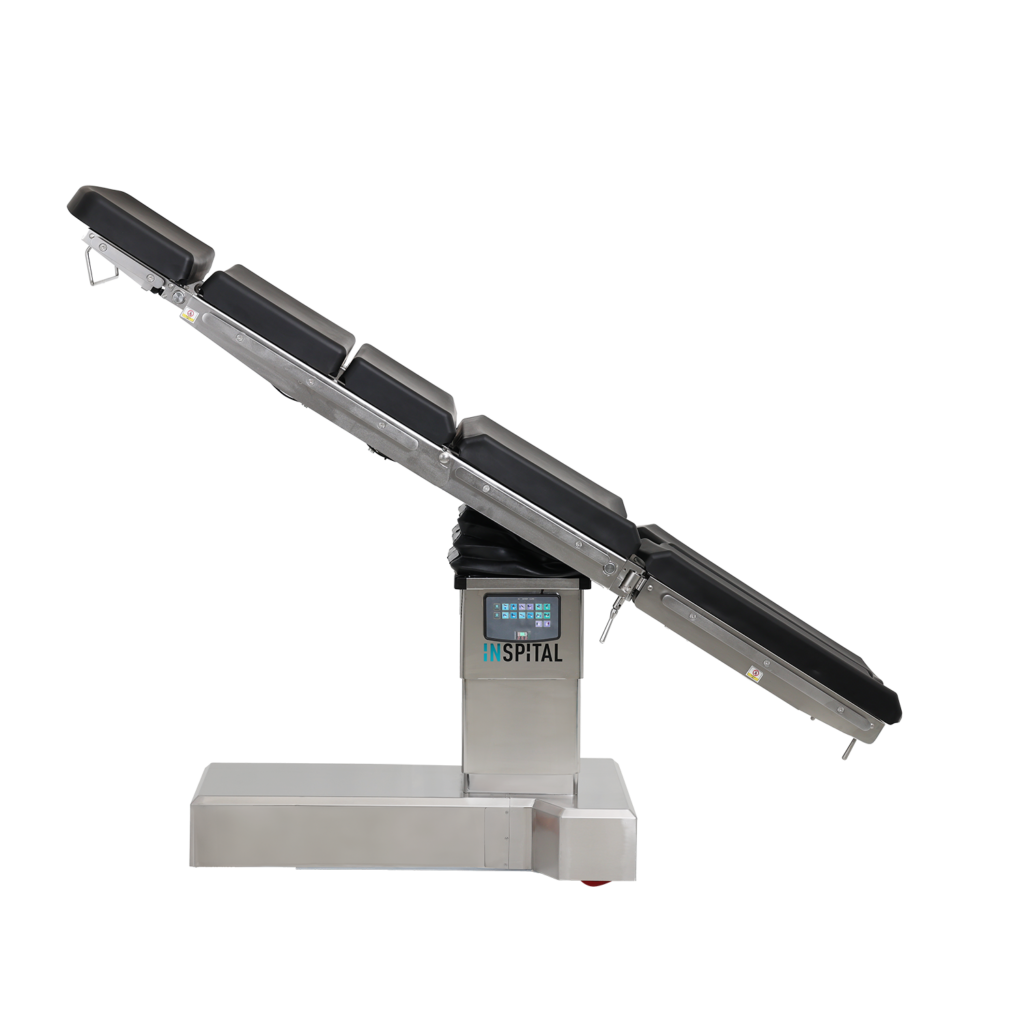
Operating Table OT80.20 NOVUS
Prices visible to registered customers only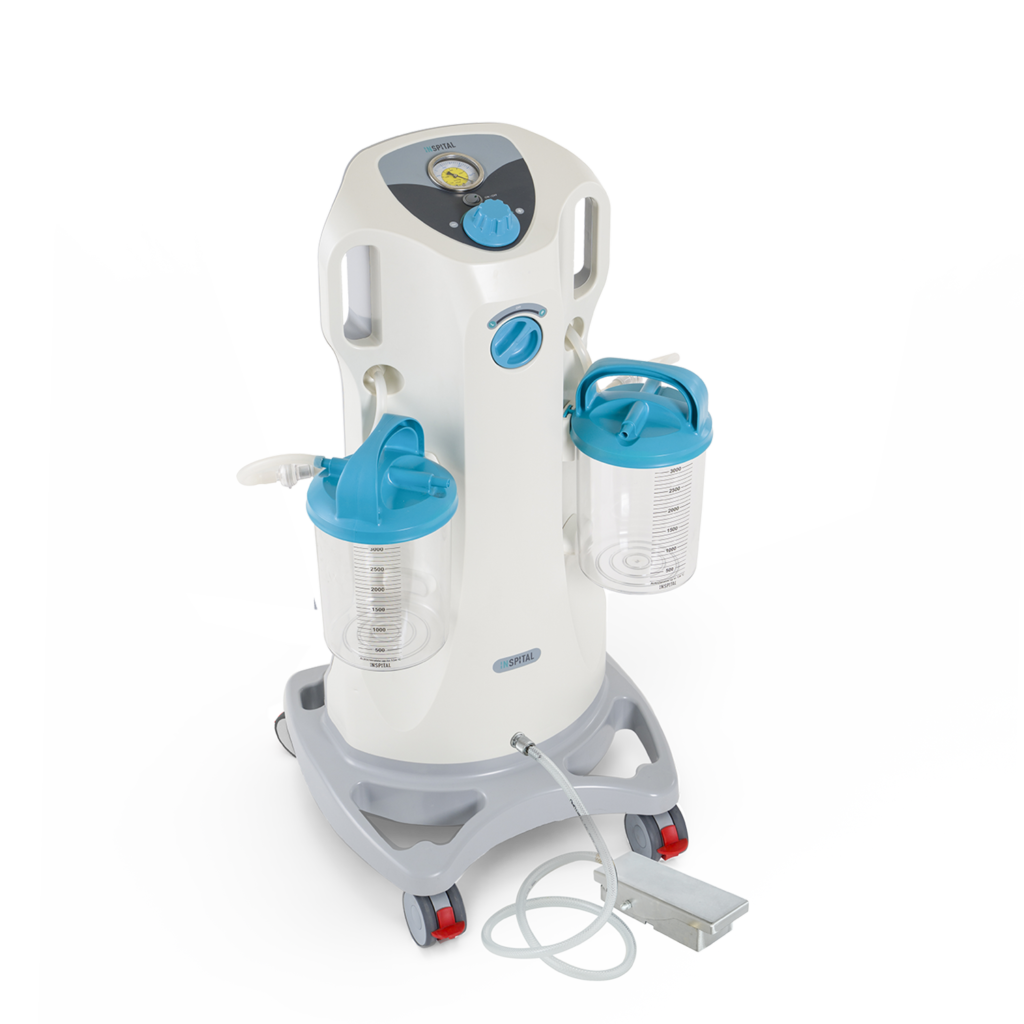
Surgical Suction Machine SU60.05
Prices visible to registered customers only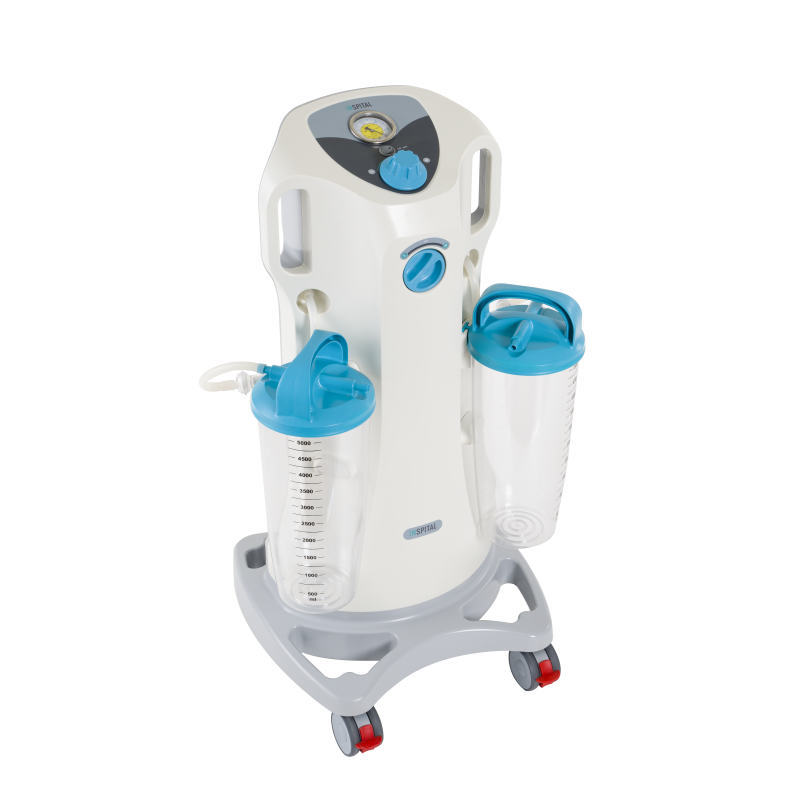
Surgical Suction Unit SU60.10
Prices visible to registered customers only
Surgical Suction Unit SU60.15
Prices visible to registered customers onlyCurrent News
- Current News, Hospital Management, Inspital Medical Technology
- Current News, Hospital Management, Inspital Medical Technology
- Current News, Hospital Management, Inspital Medical Technology

News Press
Here you will find current news about trade fairs, congresses, PR and other relevant topics.