Optimal patient positioning in the OR: Which fixation systems prevent pressure sores and nerve damage?

Share Article:
In modern surgery, the success of a procedure is determined not only by surgical technique but also by a factor that is often underestimated: patient positioning. Precise and secure positioning is essential to create optimal access conditions for the surgical team, but also to reliably prevent complications such as pressure ulcers, positioning injuries, and nerve irritations. Especially in an era where efficiency, patient safety, and legal protection are equally important, sophisticated positioning systems are no longer optional accessories – but a central element of any OR infrastructure. Inspital offers a wide range of positioning aids, gel pads, and fixation systems that integrate seamlessly into daily surgical practice and meet the high demands of modern operating departments.

Contents

The Challenge: Passive Tissue, Active Responsibility

During an operation, the patient is under anesthesia. This means that the body's natural protective function – yielding to pressure, reflexively repositioning – is switched off. Skin, nerves, and vessels are highly susceptible to damage during this phase due to:

  • Localized pressure
  • Shear stress
  • Prolonged immobility
  • Inadequate padding

These risks increase with the duration of the procedure and the positioning. Particularly vulnerable areas include the sacrum, heels, elbows, lateral thigh (in lateral positioning), and sensitive nerve pathways such as the N. ulnaris, N. ischiadicus oder N. peroneus communis.

The good news: With the right positioning systems, almost all of these complications can be avoided.

Fixation Systems from Inspital:

Inspital's extensive portfolio offers the right solution for every positioning requirement – from simple supine positions to complex special positions:

  1. Gel pads and positioning cushions: Made from viscoelastic polymer gel, they provide optimal pressure distribution – even over many hours. Their anatomical design protects particularly vulnerable areas and reliably prevents ischemia. Whether heel pads, head rings, lumbar cushions, or full-body mats – Inspital gel pads are available in numerous variations.
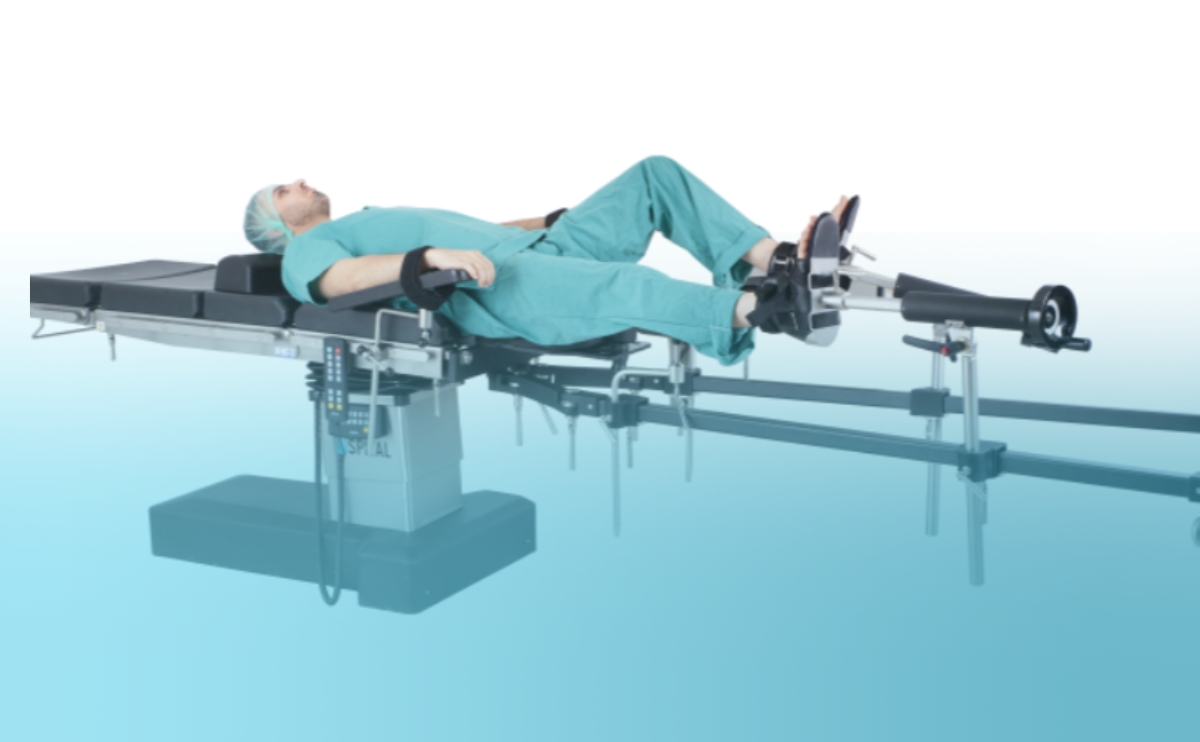
  2. Modular fixation systems: For positioning arms, legs, or the upper body, Inspital offers a wide selection of adjustable arm supports, leg supports, shoulder supports, and lateral positioning systems. They can be quickly adjusted and provide secure hold – without restricting movement or risking pressure points.
  3. Special positioning for specific surgical positions: Procedures in the prone position, beach chair position, or Trendelenburg position require specific padding and fixation systems. Inspital offers suitable abdominal pads with free abdominal positioning, padded knee holders, vacuum-stabilized positioning cushions, and headrests with facial openings – for absolute stability and safety even in difficult positions.

Hygiene, Reusability, and Investment Security

Inspital relies on robust, disinfection-resistant materials for all its products. The gel pads are airtight, anti-slip, seamless, or have sealed seams. This allows for thorough cleaning and minimizes the risk of cross-contamination – a must in every OR. At the same time, the products are durable: even after hundreds of uses, they retain their shape stability and cushioning effect. This provides a dual benefit for clinics: maximum patient safety with economically sustainable use.

More than Products: Inspital as a Partner for Positioning Expertise

Technology alone is not enough – how it is applied is crucial. Inspital therefore offers not only products but also training, consulting, and evaluation of positioning processes. Together with the surgical team, it is assessed which positioning aids suit the respective specialties, patient groups, and spatial conditions. Furthermore, Inspital supports the documentation and standardization of positioning pathways – an important component of quality management and legal protection. Because: incorrect positioning can have serious legal consequences.

New Requirements, New Solutions: Inspital as a Partner for Positioning Expertise

Surgical practice is constantly evolving – longer procedures, minimally invasive techniques, robot-assisted operations. These developments also change the demands on patient positioning. Systems today must be:

- Quickly adaptable - Ergonomically operable

- stable and durable - comfortable for the patient

Conclusion: Patient Positioning is Part of Surgical Quality

A successful operation begins with correct positioning. Inspital's fixation systems and positioning aids ensure that patient safety, surgical comfort, and process reliability are harmonized – with high-quality, well-designed, and clinically proven products.

Current News

Academy

Here, everything revolves around knowledge and continuing education.

News Press

Here you will find current news about trade fairs, congresses, PR and other relevant topics.