


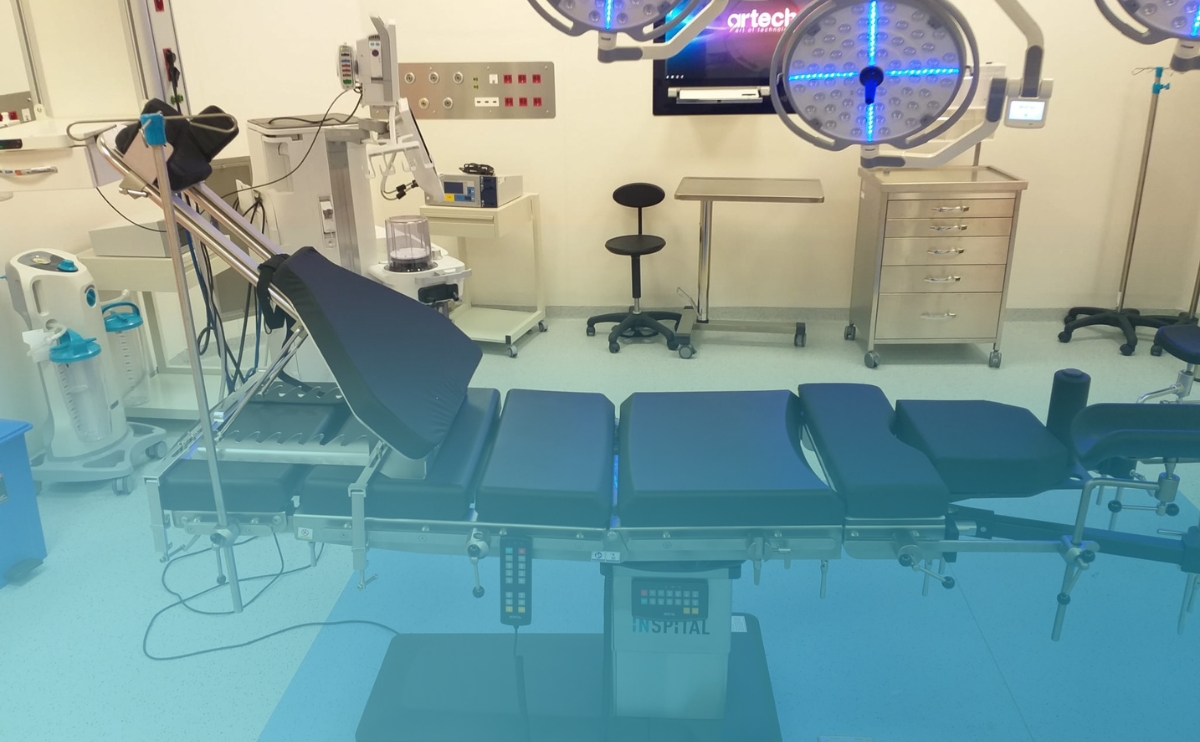

The Importance of Ergonomics in Operating Table Design
Ergonomics plays a central role in the design of operating tables. It ensures optimal support for both surgeons and patients during surgery. Through flexible and adaptable designs, physical strain is reduced, precision is increased, and safety is improved, leading to better outcomes and faster recovery.
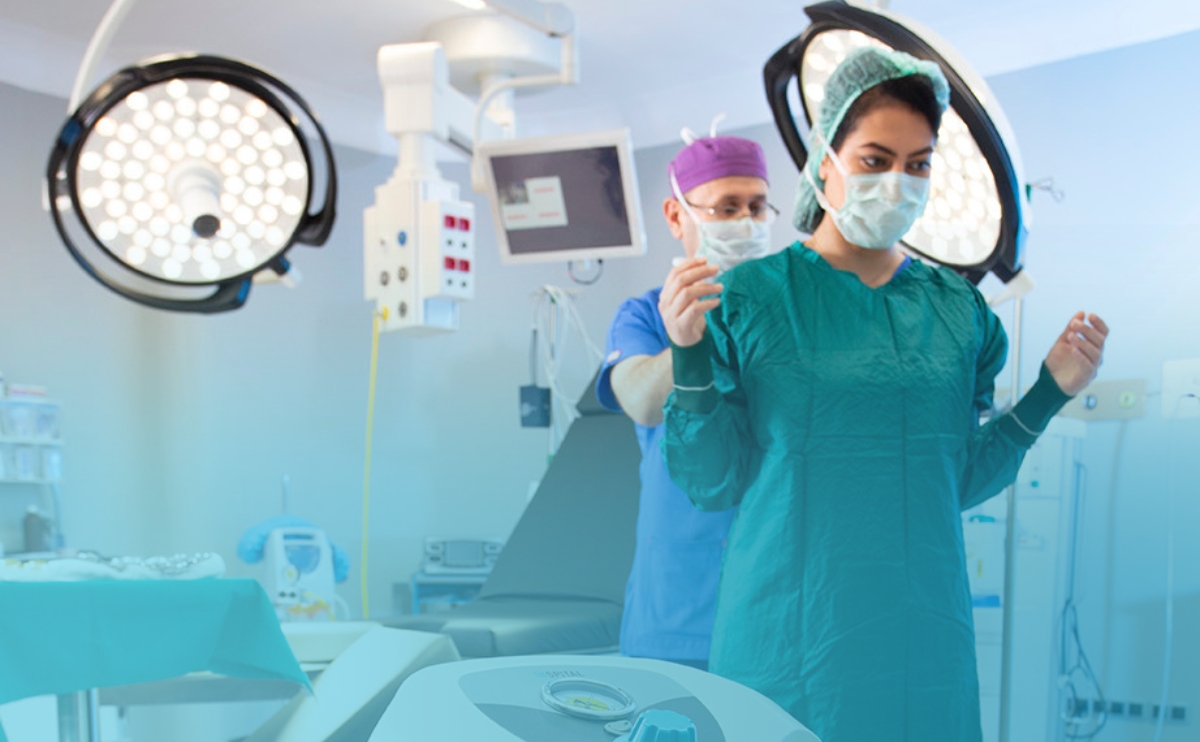
Emergency surgeries: Which equipment is essential? Devices that must not be missing in emergency operating rooms
In emergency situations, every second counts. Severely injured patients or life-threatening complications must be treated in the shortest possible time - often under enormous time pressure and challenging conditions. A well-equipped emergency operating room can make the difference between life and death in such moments.
But which devices are indispensable for performing emergency operations efficiently, safely, and successfully? In this article, we take a look at the essential equipment of an emergency operating room and show how Inspital offers the optimal solution for these critical areas of application with its high-quality medical technology.
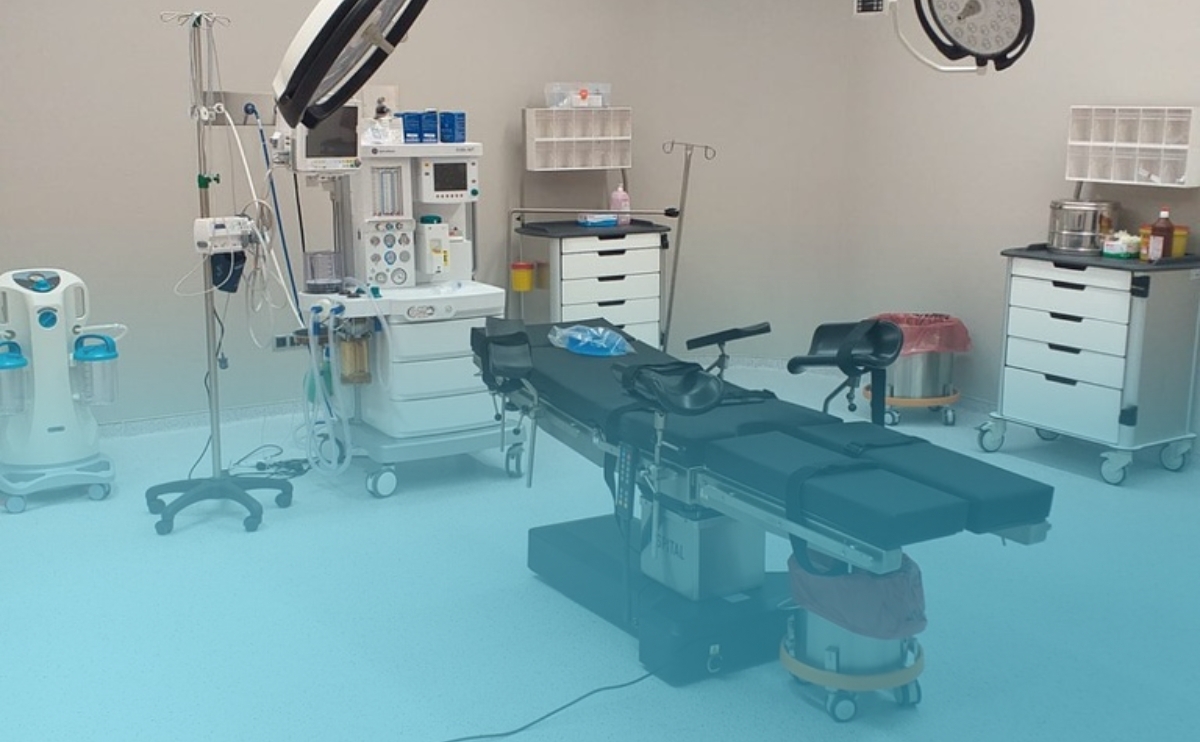
More Order and Safety in the OR: How Operating Tables and Modern Equipment Ensure Efficiency
A well-organized operating room is essential for the success of surgical procedures. Every movement must be precise, medical staff must be able to move freely, and all equipment must be optimally positioned. In this highly sensitive environment, operating tables play a central role - they must be flexible, stable, and ergonomically designed to offer the best possible comfort to both the patient and the surgical team. Complementary equipment such as surgical lights and well-thought-out supply structures contribute significantly to efficiency and safety in the operating room.
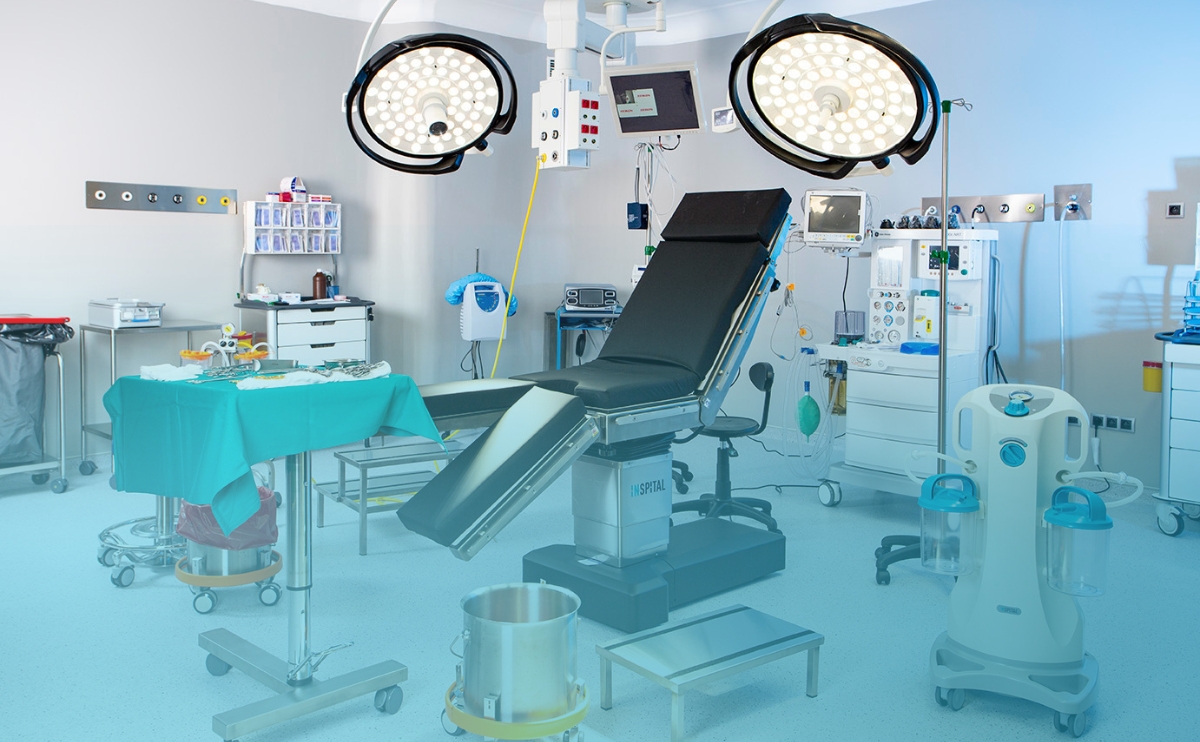
Mobile operating tables: More flexibility in the operating room – advantages, areas of application, and differences from stationary operating tables.
Modern operating rooms are highly complex work environments where efficiency, ergonomics, and patient safety are top priorities. Operating tables play a central role, not only ensuring patient comfort but also influencing the work methods of the surgical team. Mobile operating tables, in particular, offer high flexibility and are a sensible alternative to stationary operating tables in many medical fields. But what are the differences, and what advantages do mobile operating tables offer in daily clinical practice?
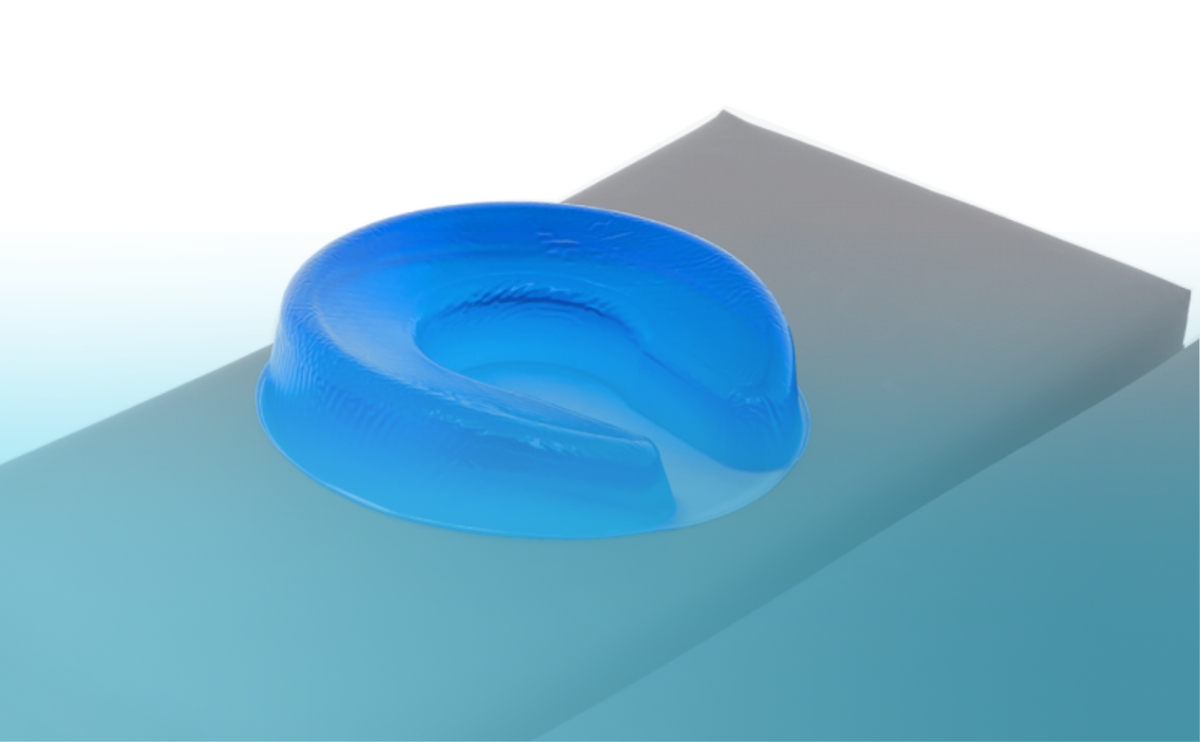
Gel Pads for OR Tables: Pressure Relief and Patient Comfort
In modern surgery, optimal patient positioning during surgical procedures is crucial for treatment success and patient safety. Inadequate positioning can lead to pressure points, nerve damage, or other complications. To prevent these risks, Inspital offers a comprehensive range of gel-based positioning aids that both enhance patient comfort and facilitate the work of medical personnel.
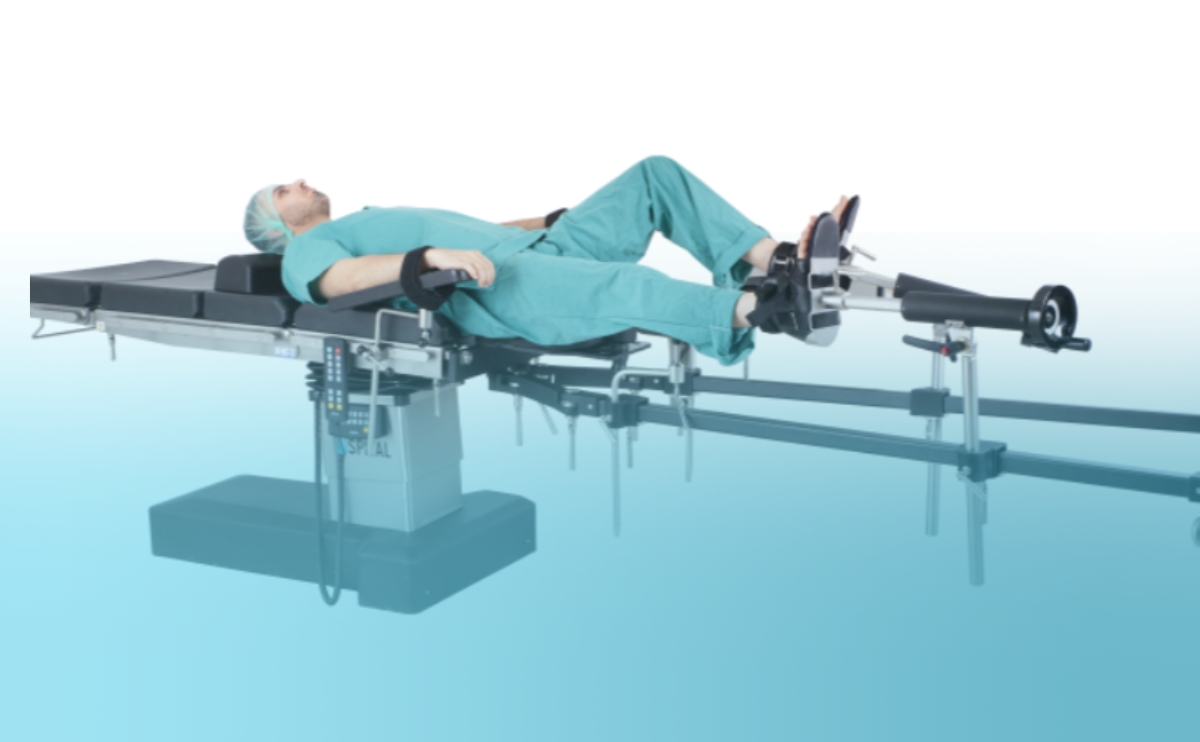
Optimal patient positioning in the OR: Which fixation systems prevent pressure sores and nerve damage?
In modern surgery, the success of a procedure is determined not only by surgical technique but also by a factor that is often underestimated: patient positioning. Precise and secure positioning is essential to create optimal access conditions for the surgical team, but also to reliably prevent complications such as pressure ulcers, positioning injuries, and nerve irritations.
Especially in an era where efficiency, patient safety, and legal protection are equally important, sophisticated positioning systems are no longer optional accessories – but a central element of any OR infrastructure. Inspital offers a wide range of positioning aids, gel pads, and fixation systems that integrate seamlessly into daily surgical practice and meet the high demands of modern operating departments.
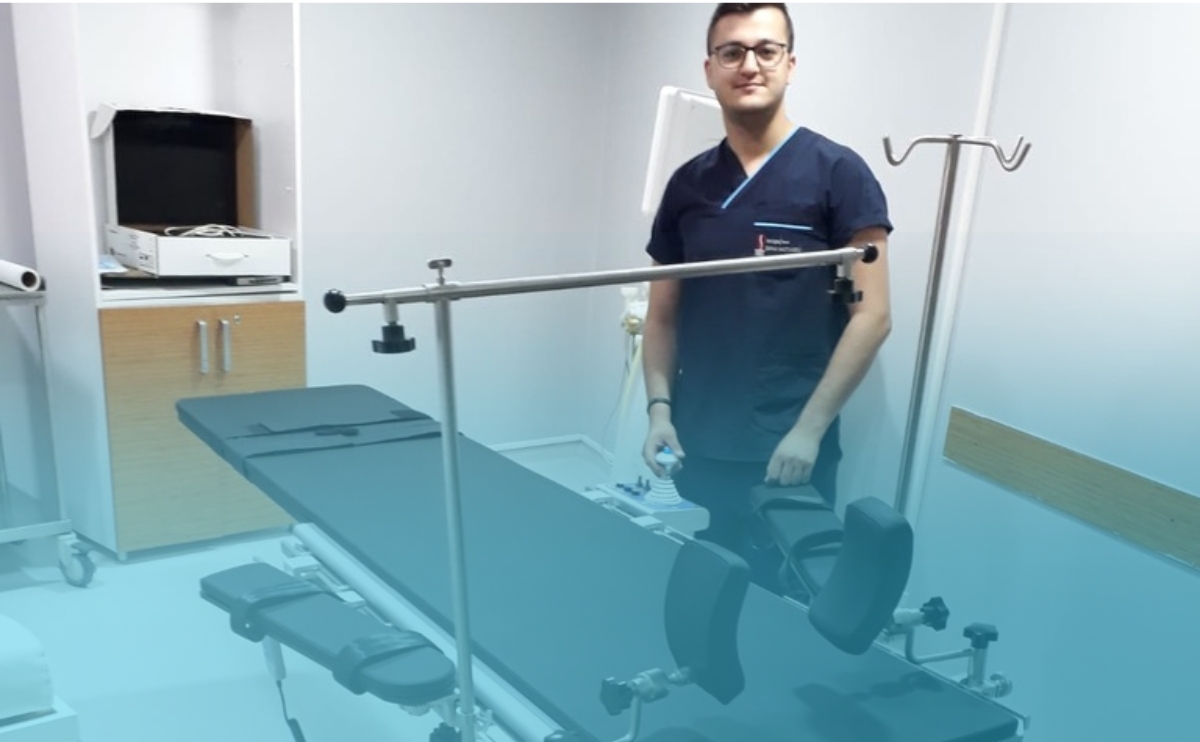
Radiolucent Operating Tables: Revolutionizing Modern Surgery!
The surgical world has changed. In an era where millimeters decide fates, being “good enough” is no longer sufficient. Precision is not an option - it's a necessity. Image-guided procedures, minimally invasive techniques, and intraoperative diagnostics require not only a skilled surgeon but also an infrastructure that thinks ahead. Radiolucent operating tables are an often overlooked but crucial component.
Imagine a patient lying on the operating table, time is pressing, the team is ready - and then the procedure must be interrupted because the image isn't clear enough. Because the table distorts the X-ray image. Because repositioning is necessary. This is where the story of Inspital's radiolucent operating tables begins - specially developed for the OR.
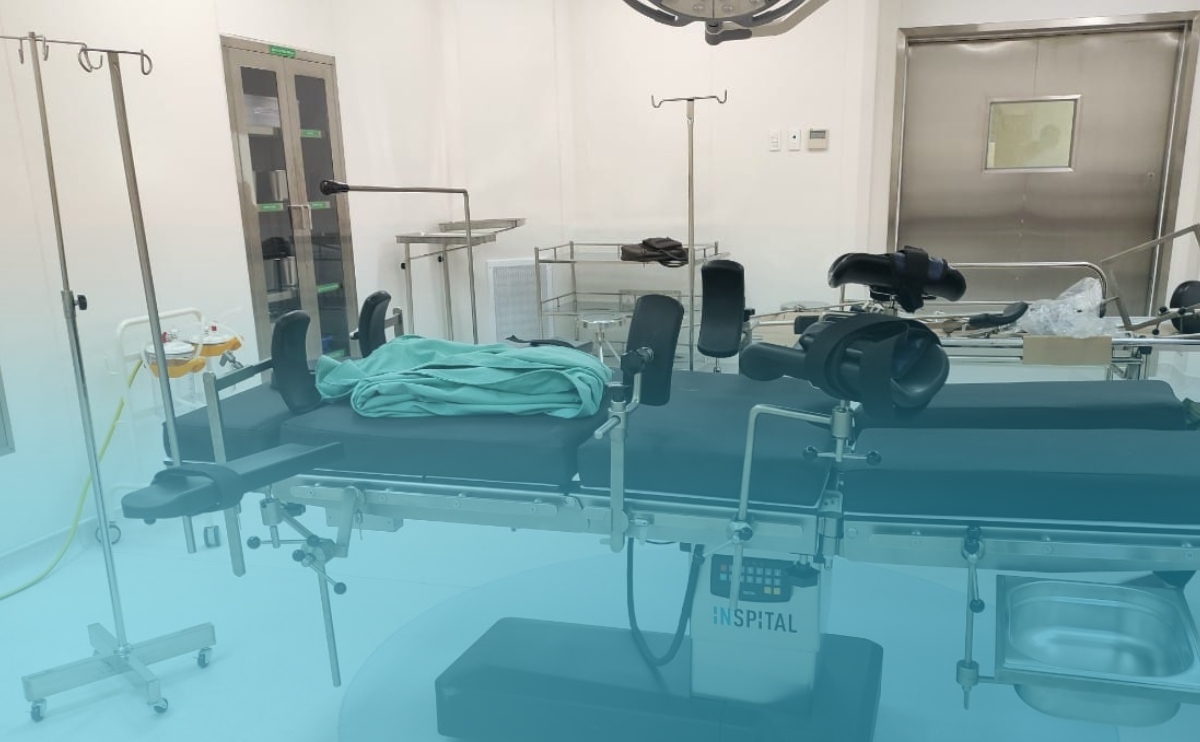
Fixations, Neck Cushions, and Leg Holders for Operating Tables: Ergonomics and Safety
The correct positioning of the patient during surgery is a crucial factor for the success of the procedure. Improper positioning can not only negatively affect the surgical outcome but also have serious health consequences for the patient, including pressure sores, nerve damage, or circulatory disorders.
As a leading provider of high-quality operating room equipment, Inspital Medizintechnik offers a wide range of fixations, neck cushions, and leg holders for operating tables that combine optimal comfort for the patient with maximum support for medical personnel. But what exactly is the role of these elements and how do they contribute to a safe and efficient operating environment?
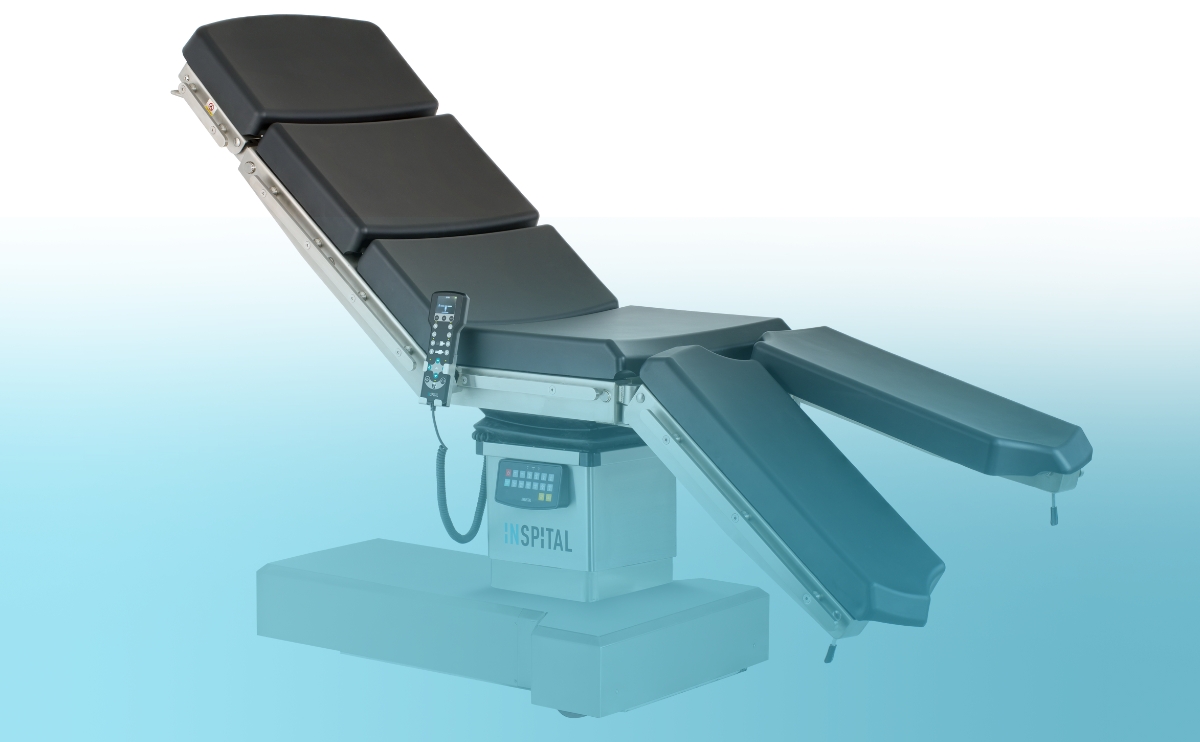
Inspital Operating Table OT80.20 NOVUS: The Journey from Idea to Product – Development
Modern operating tables are essential for efficient and safe surgical procedures. The OT80.20 NOVUS operating table from Inspital was specifically developed to ensure maximum flexibility, ergonomics, and stability in the operating room (OR). But how is such an innovative medical technology product created? The development process is complex and requires interdisciplinary expertise, cutting-edge technology, and close collaboration with medical professionals. Inspital combines these factors with a pronounced quality consciousness and a deep understanding of the needs of surgical teams.
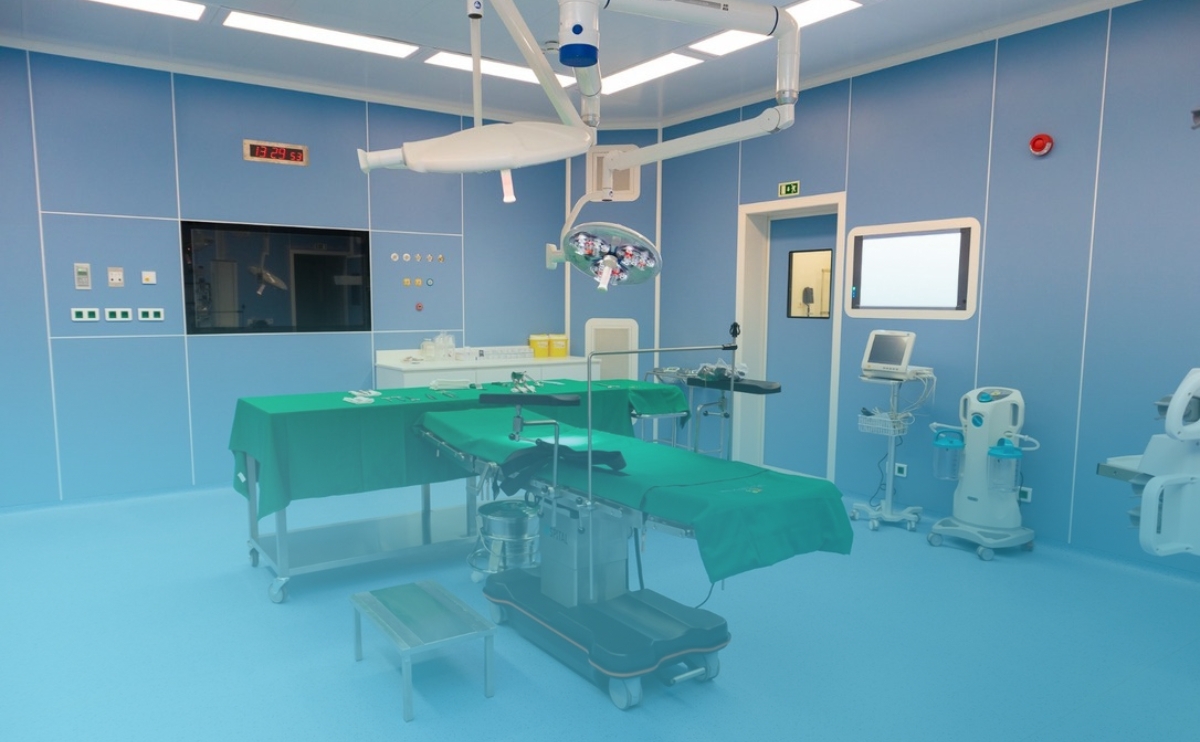
Space constraints in the OR? The advantages of modular OR solutions
In recent years, the operating room has evolved into a technology-intensive work environment. The demands on modern ORs are constantly growing, both in terms of the technology used and the number and complexity of medical devices employed. Especially in urban hospitals or during renovations of existing buildings, many facilities are confronted with acute space shortages in the OR.
But how can hospitals meet these challenges without compromising the quality of patient care? The modular solutions from Inspital Medizintechnik are specifically designed to meet the requirements of a modern OR without overcrowding the space.