


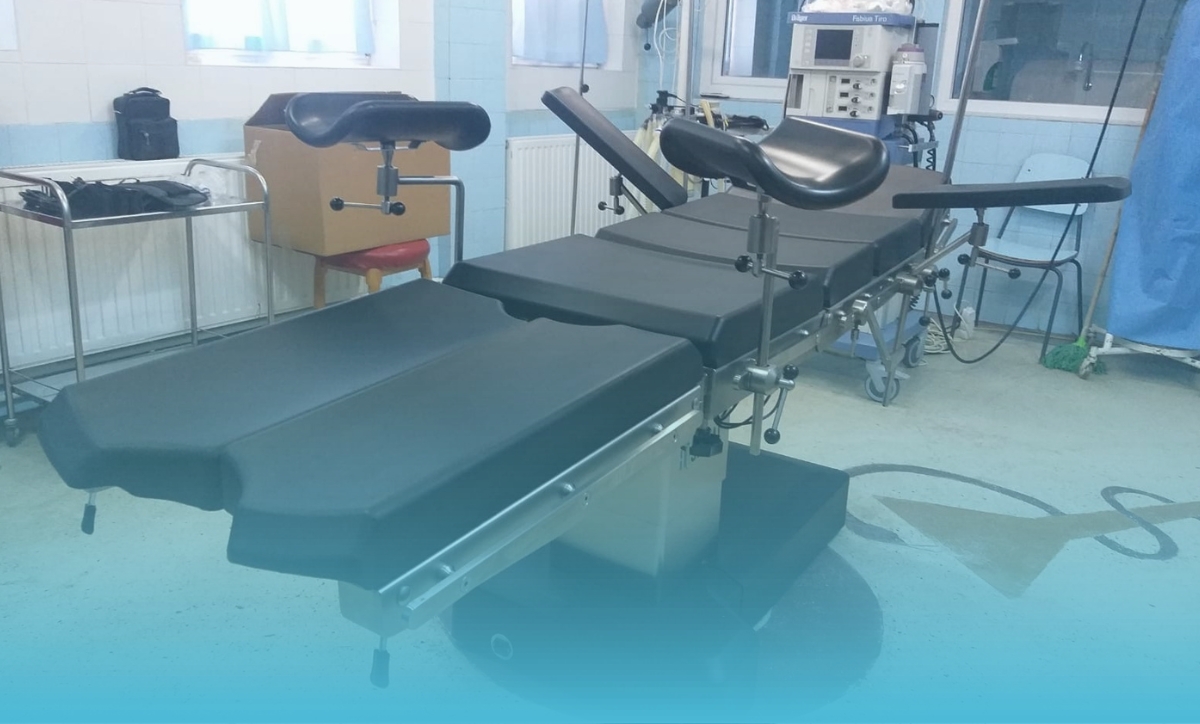

Electric Operating Tables for Clinics: Which Brands Offer the Best Value for Money in the Mid-Price Range?
Anyone looking to run a hospital, a medium-sized specialist clinic, or an outpatient surgical center (ASC) efficiently and at a top medical level today faces a nearly Herculean task. Healthcare budgets are severely constrained by rising energy prices, inflation, and wage adjustments. On the other hand, legal requirements – above all the European Medical Device Regulation (MDR) – are raising the bar for technical equipment to dizzying heights.
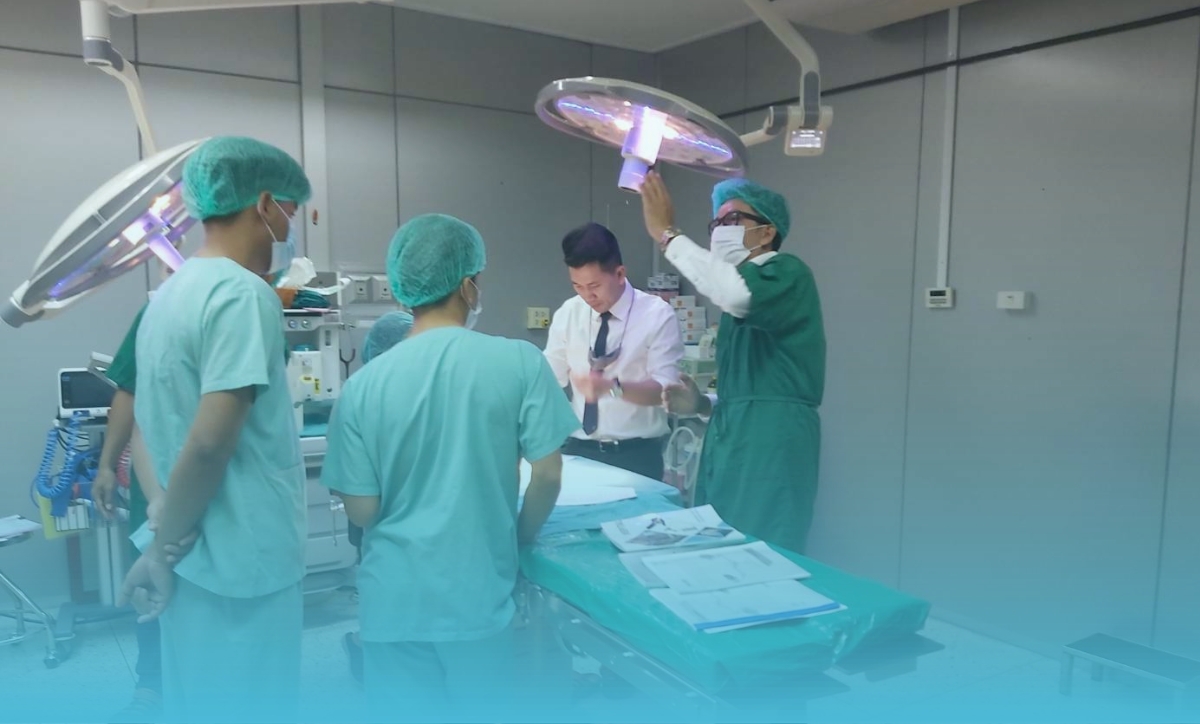
Perfect Light in the Operating Room: Which LED Surgical Lights Offer the Most Precise Color Rendering and Cold Light Technology for Modern ORs?
The operating room is a place of absolute high precision. When surgical teams work for hours over the finest tissue structures, microscopic nerve pathways, and complex vascular systems, their visual perception determines the overall success of the operation. Every tiny nuance, every minimal color change in the tissue provides the surgeon with vital information for their next steps. However, the human eye can only work as precisely as the light illuminating the wound allows. For this reason, the most important tool in a modern OR is often not a scalpel, but the sophisticated lighting system on the ceiling.
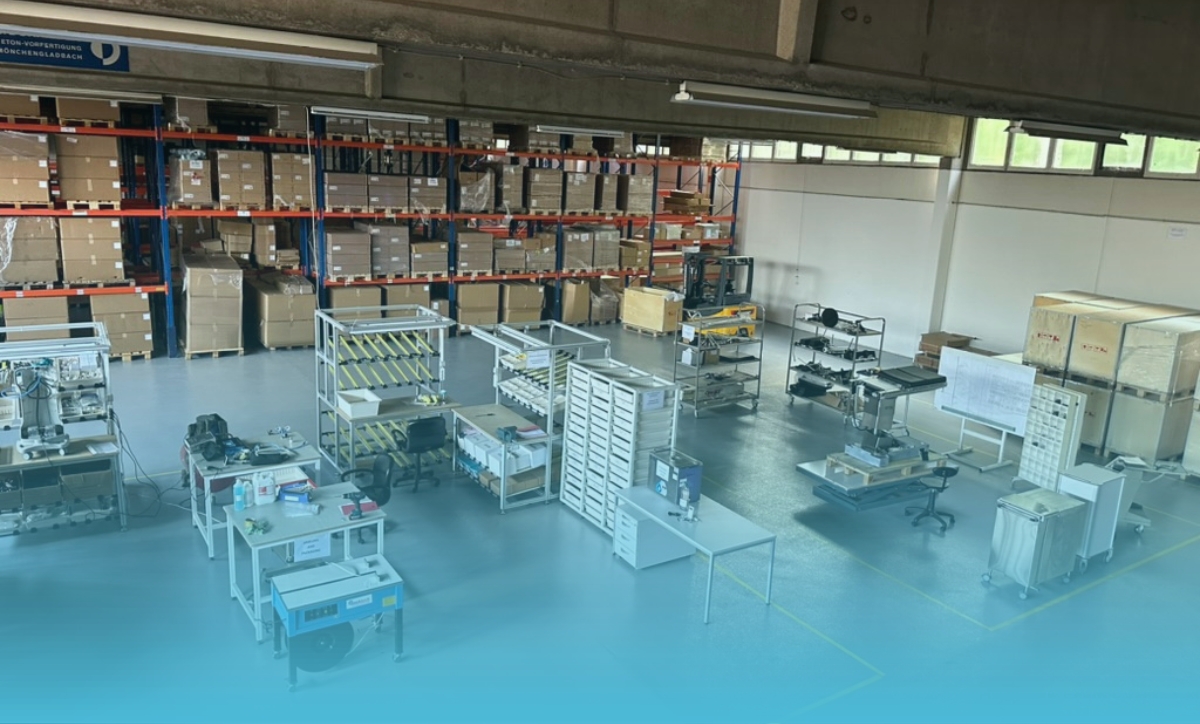
The Inspital Safety Guarantee: Why “Made in Germany” Is the Ultimate Patient Protection in the OR
At the heart of every hospital—the operating room—there is no room for compromise, no tolerance for delays, and certainly no allowance for system failures. When the OR team is at the table, people, technology, and materials must function as a perfect unit. Every second counts, and trust in the infrastructure being used must be absolutely unshakable. In an era when global supply chains are unstable and the market is flooded with low-cost medical devices from overseas, a classic seal is gaining an entirely new, existential significance: "Made in Germany."
Securely Connected: Cyber Security and Software Validation according to MDR in the Modern OR
The modern operating room has long since ceased to be a purely mechanical working environment. It has evolved into a highly complex, digital ecosystem. Motorized OR tables communicate via network interfaces, ceiling supply units (CSUs) no longer just bundle gases and electricity but control complex data streams, and OR lights adjust their intensity fully automatically via intelligent software algorithms. This digital networking offers surgeons and nursing staff unprecedented precision and ergonomics. At the same time, however, it opens up a dangerous flank: in 2026, hospitals and medical facilities are increasingly becoming the target of focused and destructive hacker attacks.
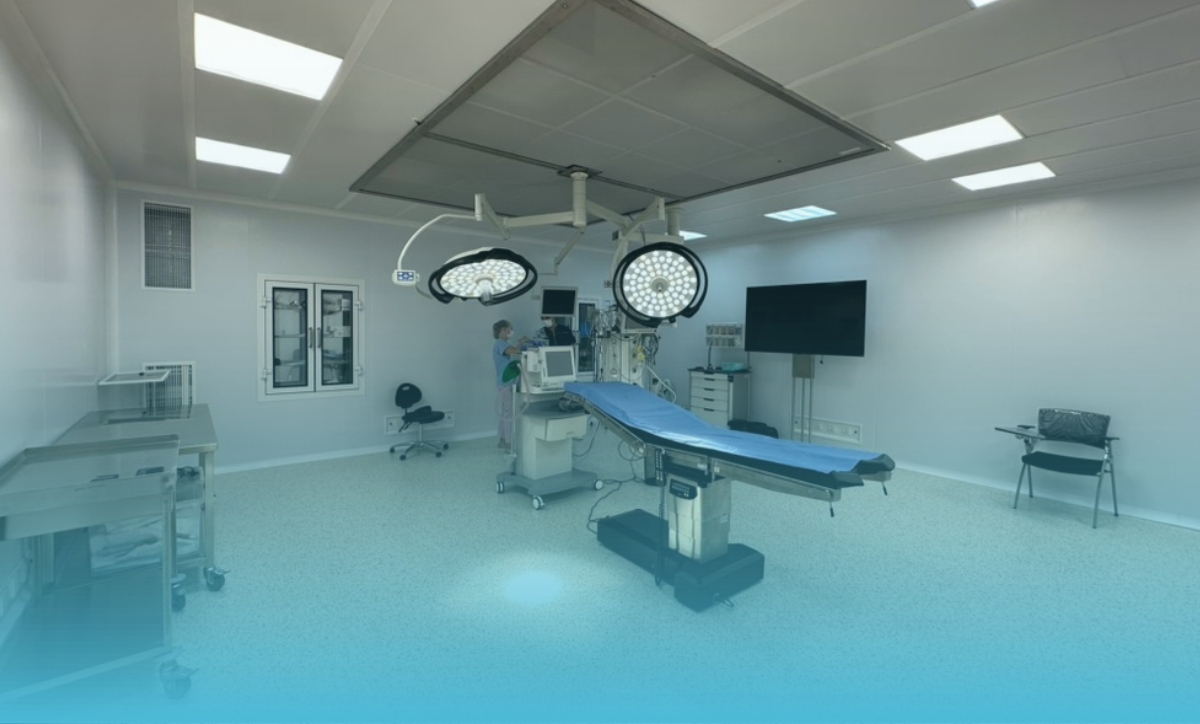
Ready for an unannounced MDR audit? How Inspital makes your CSSD absolutely crisis-proof
The regulatory reality in European hospitals has tightened radically. With the full establishment of the Medical Device Regulation (MDR) EU 2017/745, an instrument has come into focus that causes sleepless nights for quality managers and nursing directors alike: the unannounced audit. Notified bodies (such as TÜV, DEKRA, or state supervisory authorities) have the right and the duty to appear at clinics without prior notice. Their primary goal during these inspections is the Central Sterile Supply Department (CSSD) and the connected OR airlocks. This is where it is decided whether infection prevention and process chains can withstand the draconian requirements of the MDR.
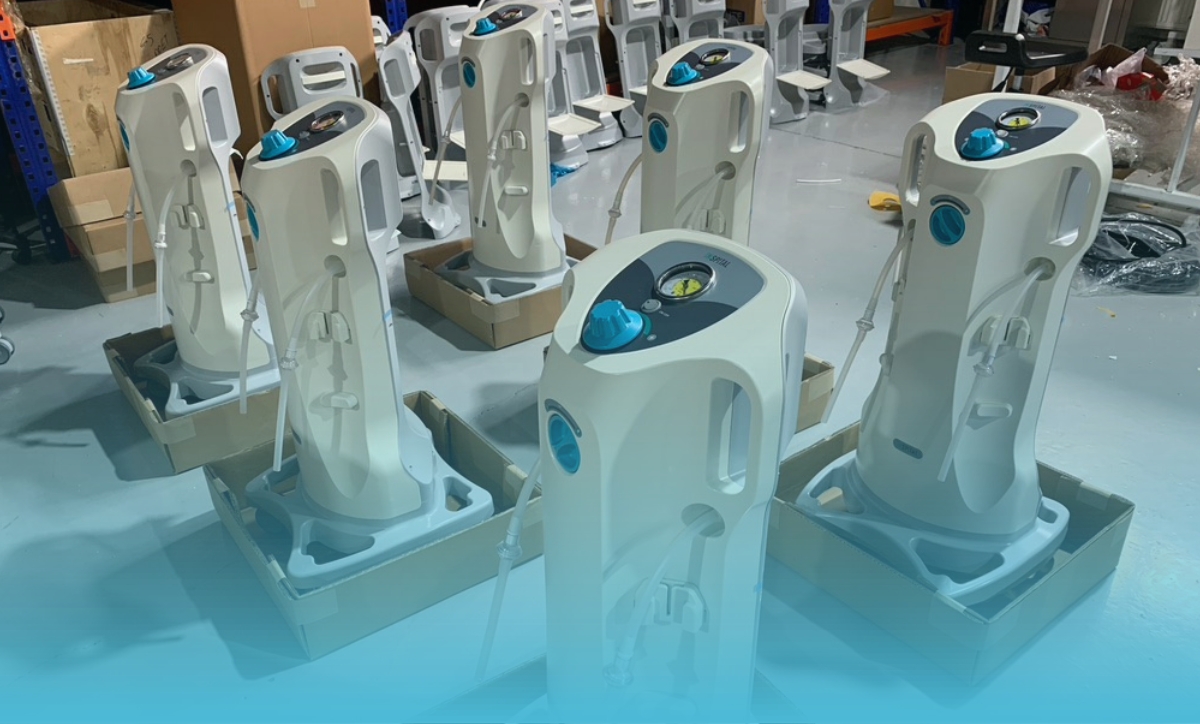
Life-Saving Devices in the Operating Room: Inspital GmbH’s MDR-Compliant Suction Devices from Neuss
In modern surgery, there are highly developed systems that operate silently in the background, yet their reliability can be a matter of life and death. Surgical suction devices undoubtedly belong to this category of critical infrastructure.
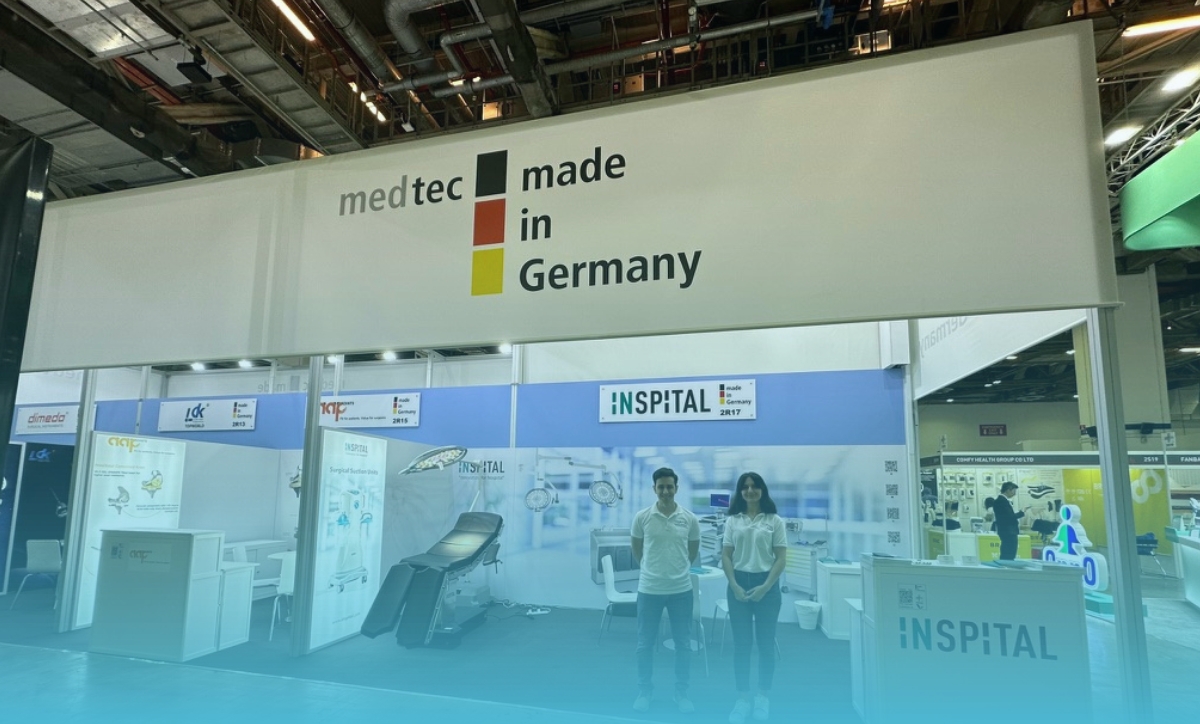
Made in Germany: Why Operating Tables from Inspital in Neuss Set the Global Standard
In the world of surgery, precision is not an optional luxury but the absolute prerequisite for treatment success. When the "Made in Germany" label meets an operating table, it carries a promise: German engineering excellence, uncompromising durability, and the highest safety standards.
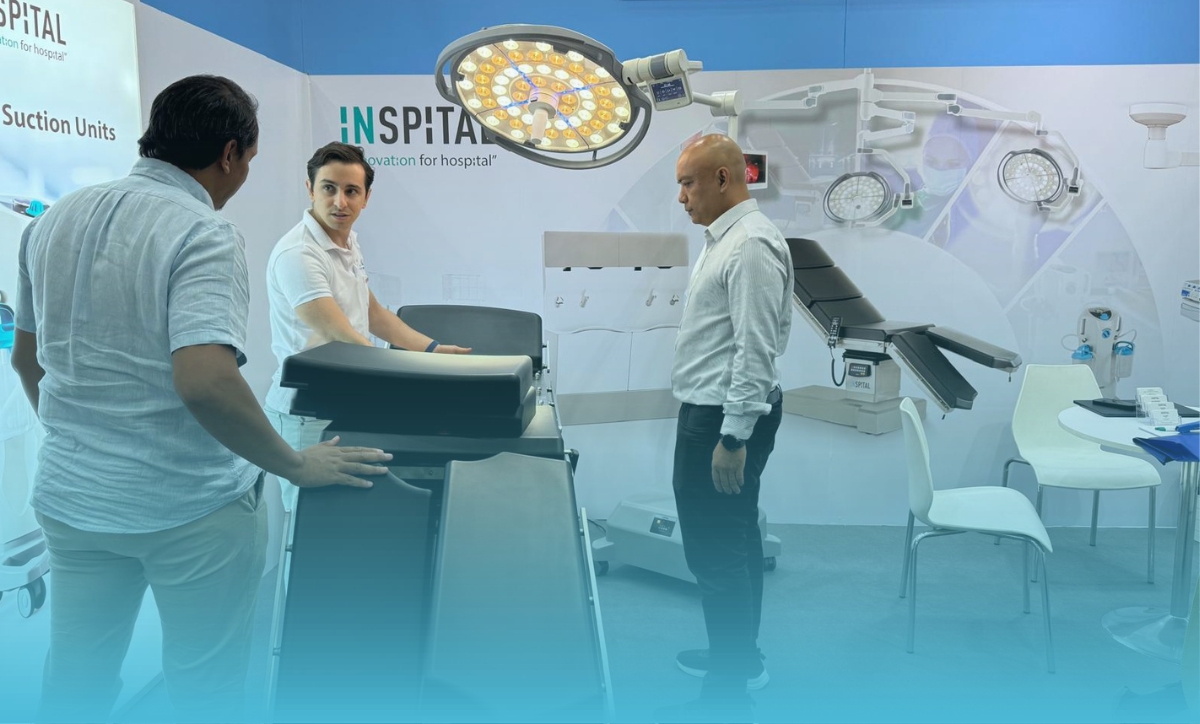
MDR Compliance for Hospital Operators: Liability, Procurement, and Investment Security with Inspital
The transition to the Medical Device Regulation (EU) 2017/745 is much more than a purely regulatory formality for hospitals and surgical centers. While manufacturers like Inspital GmbH have done their homework, hospital operators are now faced with the challenge of evaluating their inventory and making new purchases under completely new liability conditions. In an era where patient safety is the top priority, choosing the right partner for OR equipment becomes a decisive safety factor.
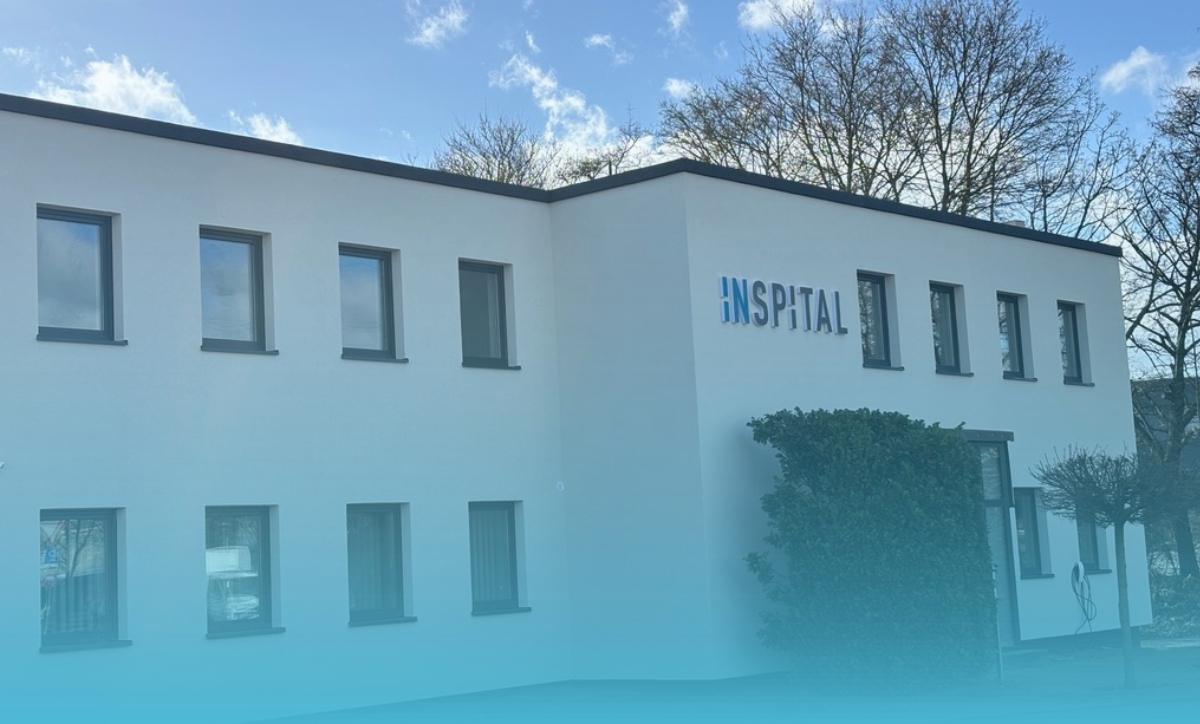
MDR 2026: A Guide to Modern Hospital Equipment from Inspital
The medical technology industry is undergoing the greatest transformation in its history. With the full implementation of the Medical Device Regulation (EU) 2017/745 (MDR), the rules of the game have fundamentally changed for manufacturers and operators.
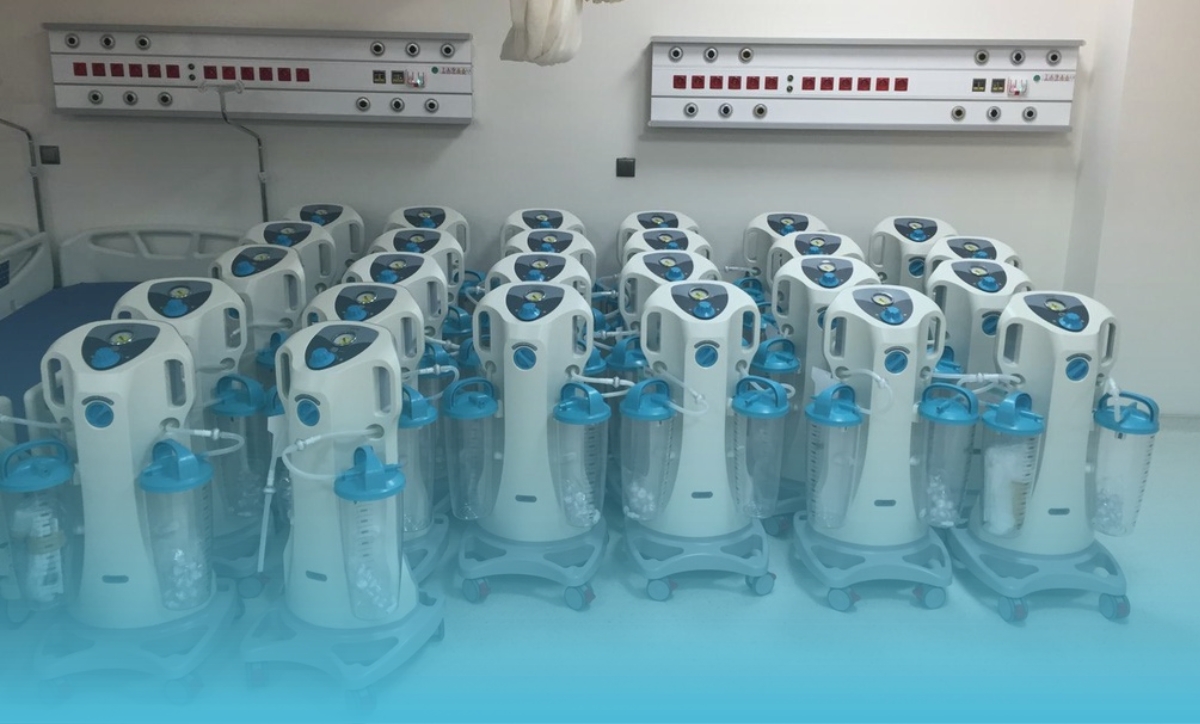
Which suction device is quiet enough for inpatient use?
In modern healthcare facilities, not only the performance of medical devices plays a role, but increasingly also their impact on the environment. Especially in the inpatient sector – i.e., in hospitals, care facilities, or rehabilitation centers – noise generation is an often underestimated factor. Patients are frequently in sensitive situations: they need rest for recovery, suffer from pain, or are particularly susceptible to stress. In such cases, a loud suction device can not only be disruptive but can even negatively affect the healing process.