


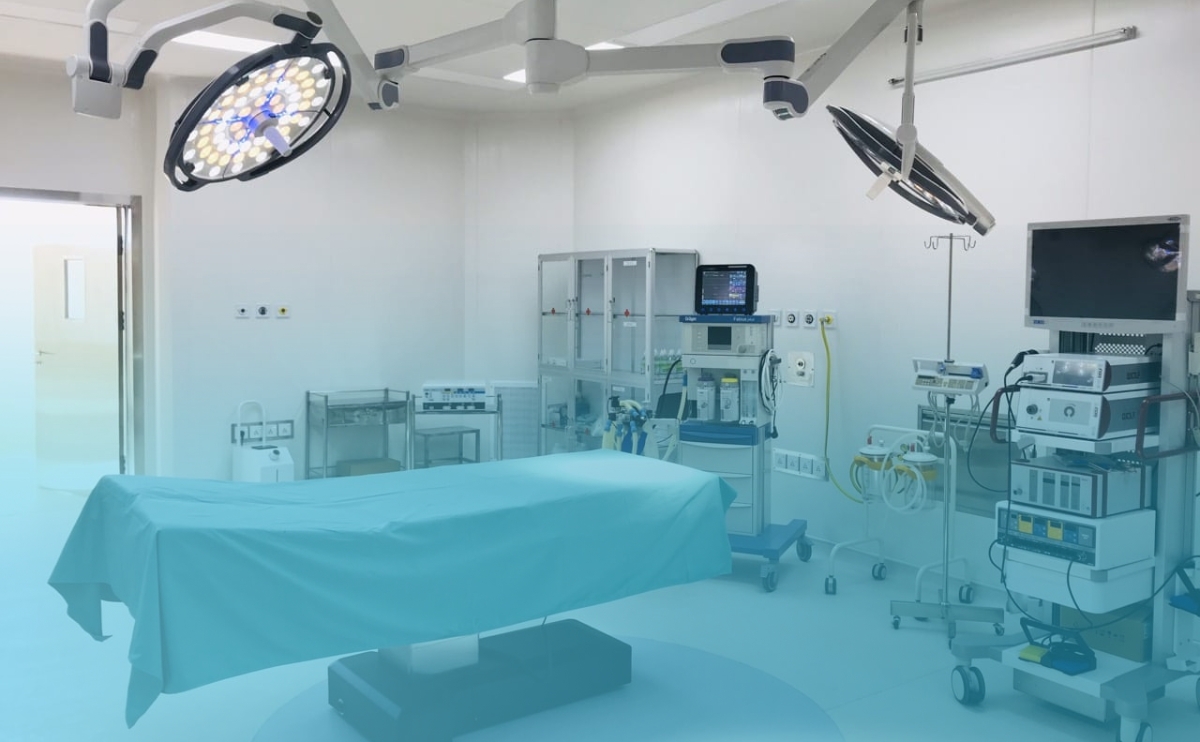

Hygiene and Efficiency in Hospitals: The Importance of Modern Sluice Sinks and Bedpan Washer-Disinfectors
Hospitals and care facilities face the challenge of maintaining the highest hygiene standards to protect patients, visitors, and medical staff from infections. Particularly when handling bodily excretions such as urine and feces, strict measures must be observed, as these potentially contain dangerous pathogens.
This is where modern bedpan washers come into play. These automated cleaning and disinfection devices not only ensure germ-free processing but also contribute to increasing efficiency in daily hospital work. They reduce direct contact of staff with infectious material, save time, and ensure a consistently high level of hygiene.
But how exactly do these devices work, what advantages do they offer, and what regulations must be followed? In this article, you will learn everything worth knowing about modern bedpan washers and their central role in today's hospital hygiene.
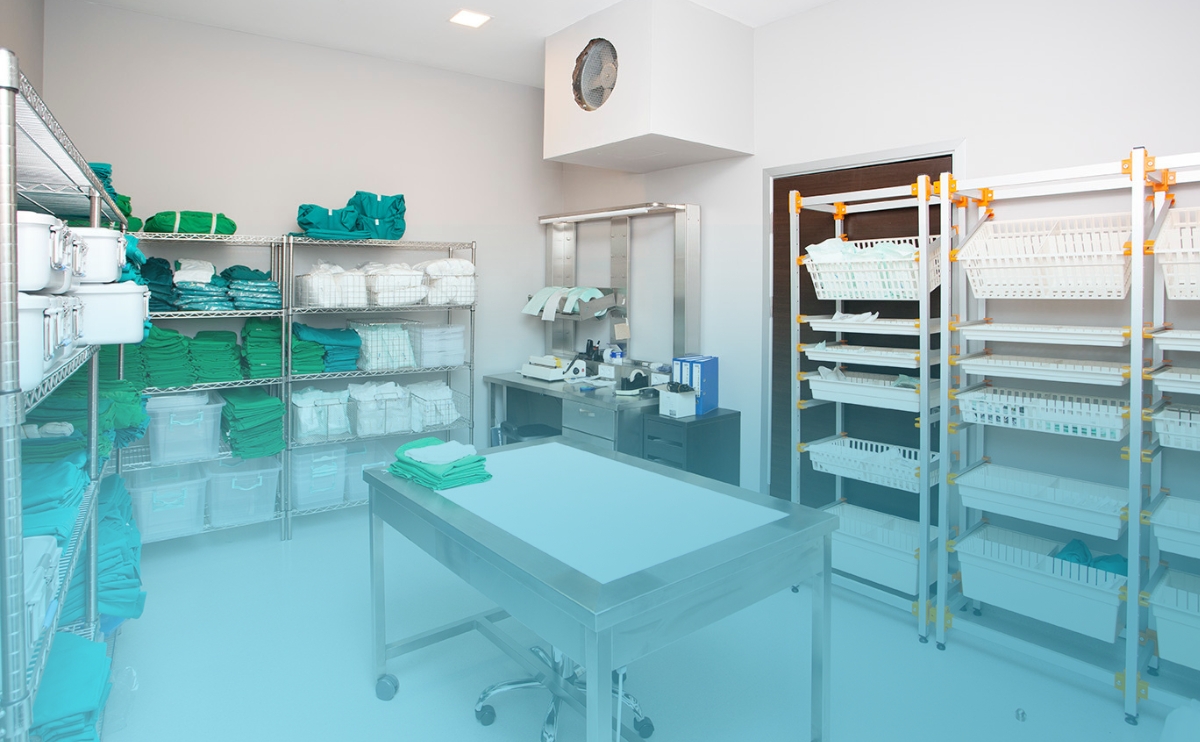
Bedpan Washers in Hospitals: Hygiene, Efficiency, and Legal Requirements
In hospitals and care facilities, hygiene is of utmost priority. Infections caused by inadequate cleanliness can have serious health consequences for patients and staff. Bedpan washers - also known as bedpan cleaners or hygiene washers - play an often underestimated but extremely important role in this hygiene system.
These devices ensure the proper cleaning and disinfection of bedpans, urinals, kidney dishes, and other care utensils used daily in patient care. Here, we take a detailed look at their importance for hygiene, their efficiency in hospital operations, and the legal requirements they must meet.
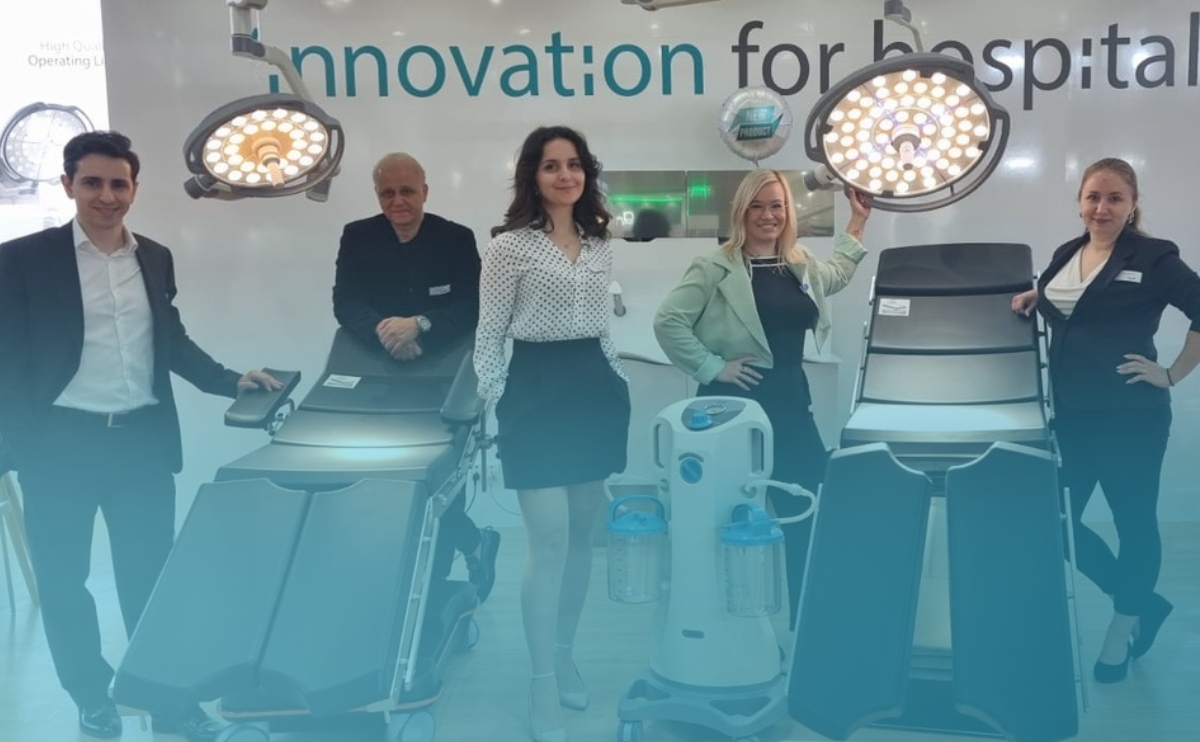
The Importance of Ergonomics in Medical Devices: Why User-Friendliness is Crucial for Doctors and Patients
In modern medical technology, ergonomics plays an increasingly important role. Ergonomic design concerns not only the layout of workplaces but also the development of medical devices used by both medical staff and patients. Especially in a highly complex environment like a hospital, where precision, efficiency, and comfort are crucial, the user-friendliness of medical devices has direct impacts on the quality of treatment and the well-being of all involved. Devices that are both functional and ergonomically designed not only contribute to the optimization of workflows but can also significantly improve patient care.
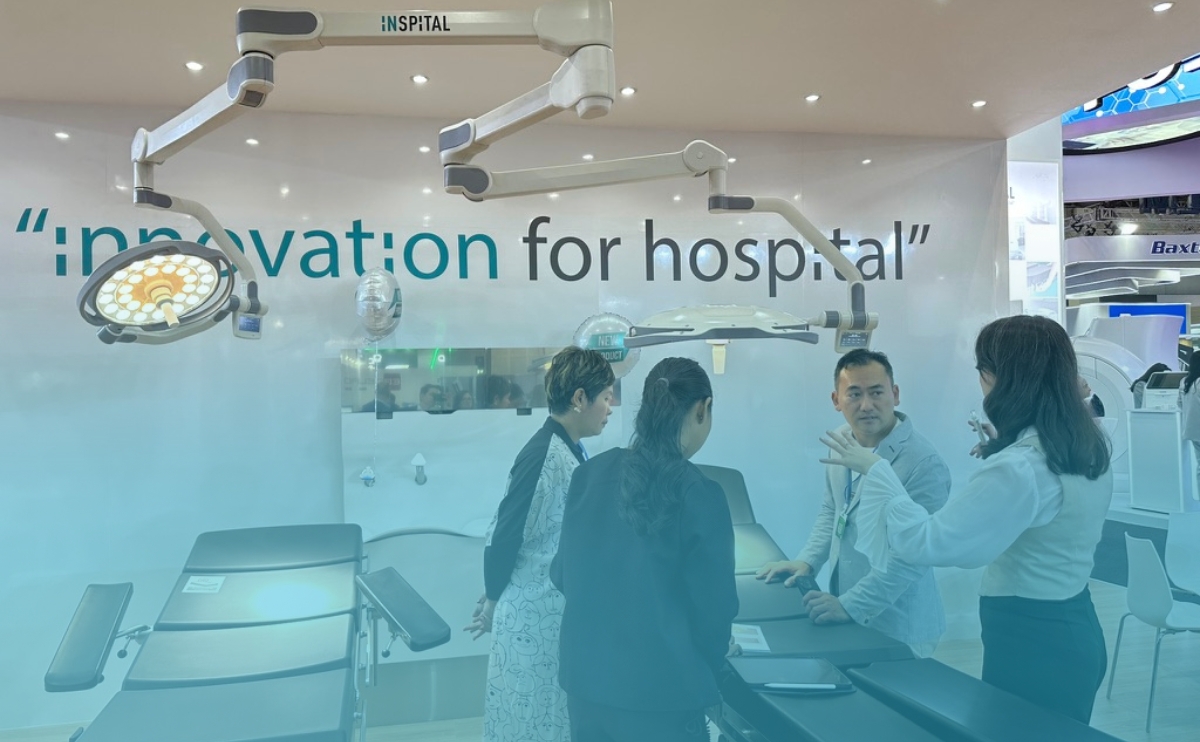
The Role of Automation in Medical Technology: How Machines Facilitate Work in Hospitals
In recent years, automation in medical technology has made enormous progress. It has not only improved the quality of patient care but also enhanced efficiency and safety in hospital processes. Especially in today's world, where more and more medical facilities are faced with a shortage of skilled workers and increasing demands on patient care, automation plays a key role. It helps to reduce errors, take over repetitive tasks, and optimize workflow.
Companies like Inspital play a crucial role in this development by providing innovative technologies and products for automating and improving hospital processes.
Sterilization Containers vs. Disposable Packaging: Which is More Sustainable?
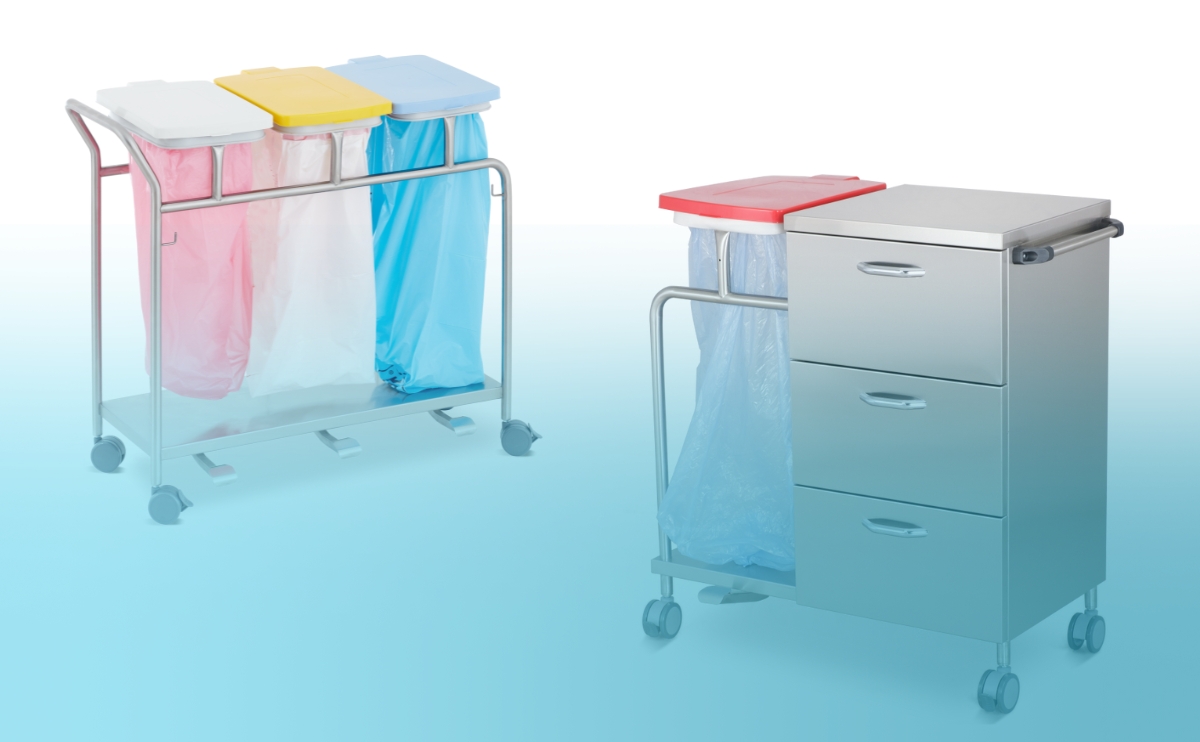
The safe and sterile storage of surgical instruments is essential in clinics and hospitals. There are two main methods available: Reusable sterilization containers and disposable packaging made of sterilization paper or plastic films. While disposable packaging has long been considered the standard, more and more facilities are switching to sterilization containers as a sustainable and economical alternative.
But which method is really better - for hygiene, the environment, and cost-effectiveness? In this article, we shed light on the most important differences and show why switching to reusable sterilization containers can be a sustainable decision.
Space constraints in the OR? The advantages of modular OR solutions
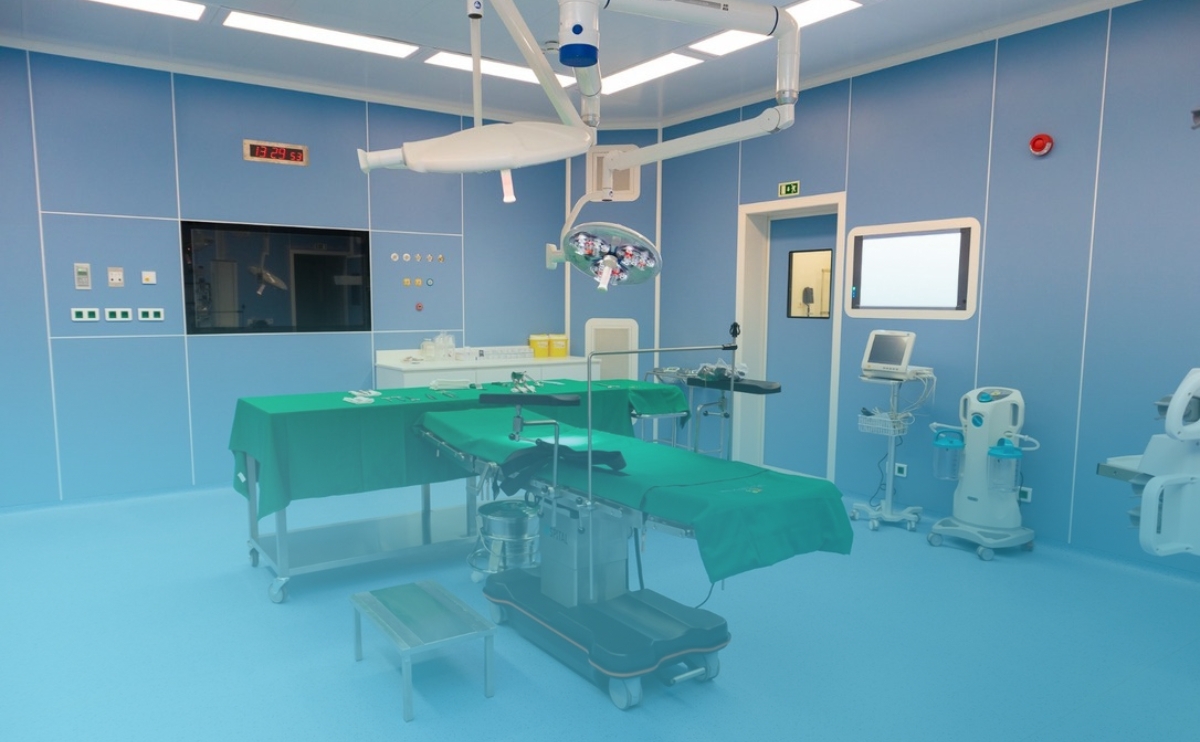
In recent years, the operating room has evolved into a technology-intensive work environment. The demands on modern ORs are constantly growing, both in terms of the technology used and the number and complexity of medical devices employed. Especially in urban hospitals or during renovations of existing buildings, many facilities are confronted with acute space shortages in the OR.
But how can hospitals meet these challenges without compromising the quality of patient care? The modular solutions from Inspital Medizintechnik are specifically designed to meet the requirements of a modern OR without overcrowding the space.
MDR (Medical Device Regulation): What does it mean for manufacturers and hospitals?
Medical technology is one of the most heavily regulated industries, and for good reason, as the safety, quality, and efficiency of medical devices directly impact patient care. With the introduction of the European Union's Medical Device Regulation (MDR), the requirements for manufacturers, suppliers, and medical facilities have increased significantly. These new regulations aim to ensure greater transparency and higher safety standards, but at the same time pose major challenges for companies and hospitals.
But what does the MDR mean for the medical technology industry? In this article, we explain the most important innovations, challenges, and opportunities of this regulation and provide a comprehensive insight into its effects.