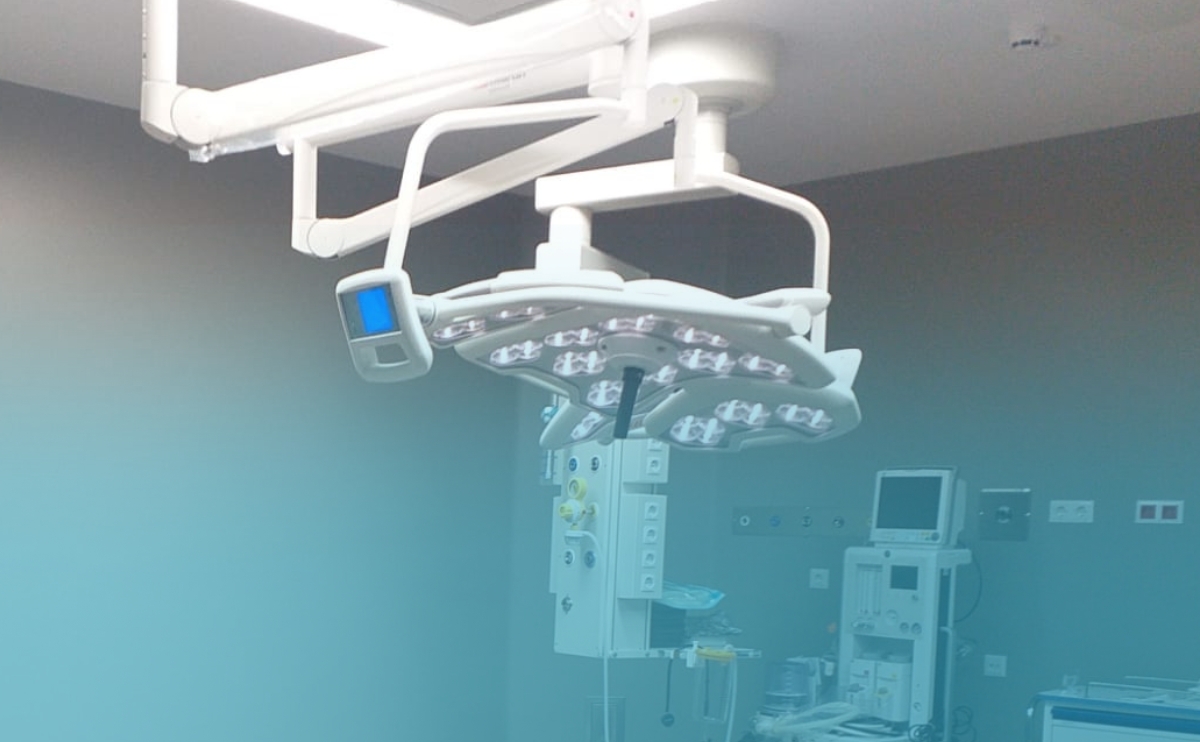
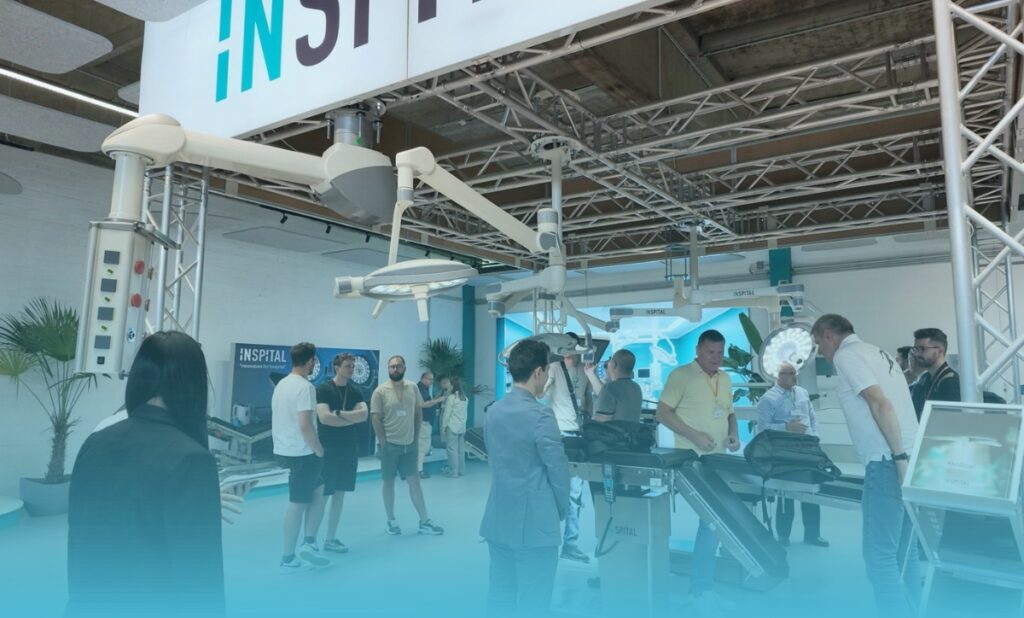
Light is one of the most important elements in an operating room. It has a major impact on the course of an operation and is essential for any successful procedure. However, every situation, every tissue, and every user is different. What is needed is lighting that is so versatile that it is suitable for every situation and for everyone who operates it.
1850s
Unfortunately, the problem was that surgeons relied on the time of day and weather conditions when performing the operation. In response, the use of mirrors on four corners of the ceiling was employed to reflect sunlight to the operating table, but the problems were only slightly reduced. Before the development of surgical lighting, operating rooms were built facing southeast with windows in the ceiling to make the best use of natural sunlight.
1900s
Before electricity allowed incandescent bulbs to illuminate an operating room, candles were used as a light source during a procedure. Additionally, operations were performed during daylight hours so surgeons could use natural sunlight for illumination. Surgical lights, as they are recognized today, have evolved over more than a century since electricity was first discovered in 1879. Surgical light manufacturers continuously worked on improving lighting conditions for surgeons and OR staff.
1959
The first lamp using halogen gas (chlorine) was patented in 1882, but the first commercial halogen lamp using iodine as the halogen gas was patented by General Electric in 1959. Otherwise, INSPITAL used halogen light before 2010. As we keep up with technology, INSPITAL discontinued the use of halogen light when newly developed LED lights were invented.
1968
With the introduction of Light Emitting Diodes (LEDs) as light sources, the problem of heat radiation was eliminated while also reducing energy requirements. In an effort to reduce heating, optical condensers were used in an indirect light, but they were not successful. When electric lights entered the operating room in the 1880s, problems quickly became apparent. At this early stage of electricity, the ability to control the emitted light was very limited. The light produced still moved and diffused with high heat radiation.
Today
Surgical lights are the least concern today. Almost every 5-10 years, a new and improved operating light is produced; LED lighting continues to evolve as our world becomes more aware of our environment.
Before the invention of electric light, the first surgical procedures took place in daylight, with illumination ranging from 10,000 lx to 80,000 lx depending on the time of day and cloud cover. By the end of the 19th century, incandescent bulbs replaced direct sunlight, allowing more freedom to operate throughout the day. In the 1960s, the use of halogen lamps increased the amount of light available on the operating table to 100,000 lx - comparable to bright midday sunlight on a Mediterranean beach. Thirty years later, discharge lamps nearly doubled the available light to 200,000 lx! However, this 'more is better' approach led to eye fatigue and reduced the effectiveness of surgeons. Nowadays, more and more operating lights work with LEDs. These lamps consume less energy to produce clearer and cooler illumination, giving surgeons the visibility they need to make effective diagnostic decisions.