


Which suction device is quiet enough for inpatient use?
- Current News, Hospital Management, Suction Units
Contents
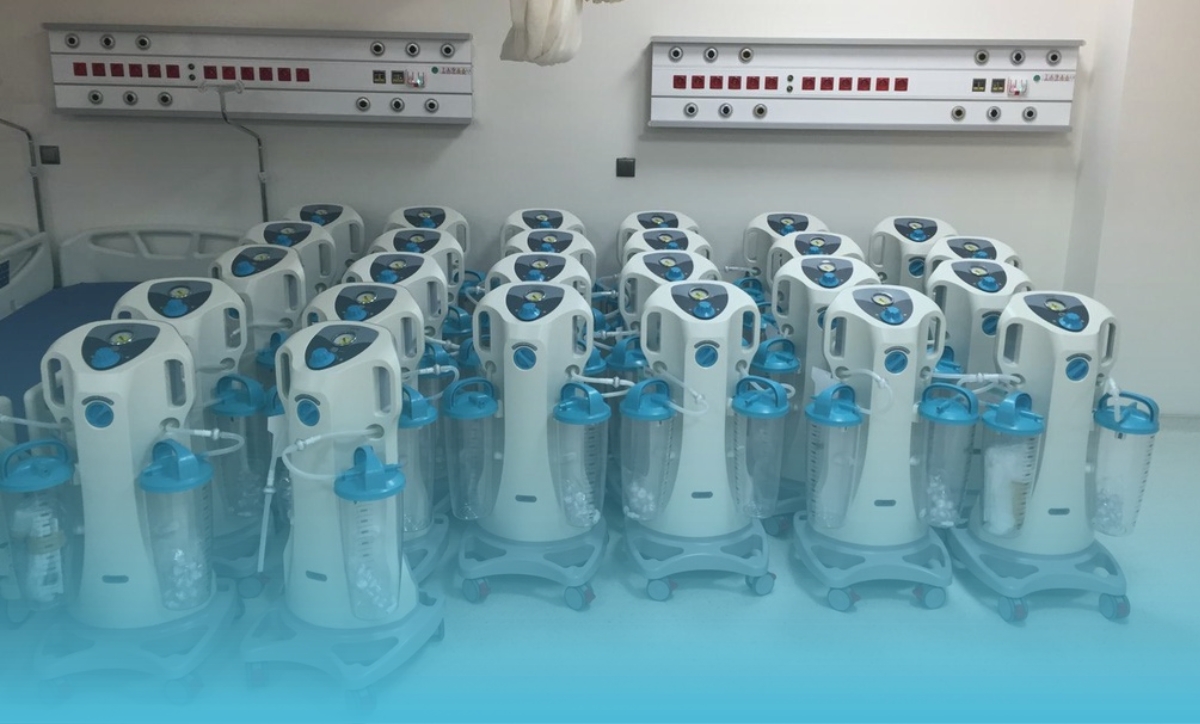
A consistently high noise level is also a burden for nursing staff. Studies show that continuous noise reduces concentration and can lead to fatigue in the long term. Therefore, the demand for quiet suction devices is becoming increasingly important. Facilities that value a patient-friendly and efficient working environment specifically look for devices with optimized noise levels. However, a quiet suction device does not automatically mean a compromise in performance. Modern technologies make it possible to combine high suction power with low decibel values. The crucial factors here are the correct motor design, the quality of the materials used, and the vibration damping within the device.
Companies like Inspital GmbH focus precisely on this: they develop suction systems that are both powerful and particularly low-noise. The goal is to optimally support medical staff while maximizing comfort for patients. This makes it clear: the choice of the right suction device is not just a technical decision, but also a question of care quality.
Technical Criteria for Quiet Suction Devices
The loudness of a suction device is measured in decibels (dB) and is a central factor in its selection for inpatient use. But what actually counts as "quiet"? In practice, devices with a noise level below 60 dB are perceived as pleasant, while high-quality models can even reach values around 50 dB or below. For comparison: a normal conversation is about 60 dB – anything below that is perceived as significantly quieter.
A decisive factor is the installed motor. Oil-free piston pumps or diaphragm pumps are considered particularly quiet and low-maintenance. They generate fewer vibrations than older technologies and thus contribute significantly to noise reduction. In addition, the design of the housing plays an important role. Sound-insulating materials and vibration-damping feet prevent noise from being transmitted to the surface or the surroundings. Another criterion is the airflow guidance within the device. Modern suction devices are designed so that air is guided efficiently and without unnecessary turbulence. This not only reduces the volume but also increases efficiency. The quality of the filters can also influence noise generation, as inferior filters hinder airflow and thereby cause additional noise.
Inspital GmbH products are characterized by precisely these technical features. They combine innovative pump technology with well-thought-out design to ensure the quietest possible operation. At the same time, medical performance is fully maintained, so that even demanding applications can be carried out without problems. When selecting a suction device for inpatient use, one should therefore not only pay attention to the suction power but specifically examine the technical details for noise reduction. Because only the interaction of all components determines how quiet a device truly is in everyday use.
Why Quiet Suction Devices Improve Patient Care
The effects of noise on health are well-documented scientifically. A quiet environment promotes sleep, reduces stress, and supports the healing process. In hospitals and care facilities, however, excessive noise levels can have the opposite effect. Quiet suction devices help to minimize these negative effects. They enable necessary medical procedures without unnecessarily burdening the environment. Especially at night, when rest is particularly important, the advantage of low-noise devices becomes clear.
There are also advantages for nursing staff. Reduced noise pollution leads to better concentration and reduces physical and mental fatigue. This directly impacts the quality of care. Inspital GmbH has recognized this connection and specifically develops its products with clinical everyday life in mind. Their suction devices not only support medical processes but actively contribute to a better working and recovery environment.
Areas of Application: Where Quiet Devices Are Particularly Important
In the inpatient sector, there are numerous application scenarios for suction devices – from intensive care units to general nursing and specialized departments. Each of these areas places different demands on the devices, with noise level playing an increasingly important role. In intensive care units, for example, many devices run simultaneously. Monitors, ventilators, and infusion pumps already create a certain background noise. An additional loud suction device would exacerbate this situation. Therefore, particularly quiet models that can be seamlessly integrated into daily work are required here. The same applies to recovery rooms, where patients awaken from anesthesia and are particularly sensitive to external stimuli.
In care facilities, on the other hand, long-term comfort is paramount. Residents often spend many hours in the same room, so a quiet device significantly contributes to their quality of life. Nighttime use is also an important factor here: a low-noise suction device enables necessary procedures without disturbing the sleep of other people. Inspital GmbH considers these different requirements when developing its products. Their suction devices are designed to be used in highly sensitive clinical areas as well as in long-term care. Their quiet operation makes them ideal for environments where peace and quiet are an essential part of care.
Furthermore, mobility also plays a role. Stationary devices often need to be flexible in use without losing stability or smooth operation. A well-thought-out combination of compact design and noise-optimized technology is therefore crucial.
Economic Aspects: Why Quiet Devices Pay Off in the Long Run
In addition to the medical and comfort-related benefits, economic considerations play a central role in selecting a suitable suction device for inpatient use. At first glance, quiet devices may seem somewhat more expensive to purchase, but upon closer inspection, it quickly becomes clear that they offer significant savings potential over their entire lifecycle. The decisive factor here is not just the purchase price, but the so-called Total Cost of Ownership – i.e., the total costs over the period of use. Modern, low-noise suction devices are generally equipped with energy-efficient motors and optimized pump systems. These technologies ensure that power consumption is significantly reduced compared to older or simpler devices. Especially in the inpatient sector, where devices are often in use for many hours a day, this difference quickly adds up to a relevant cost factor. Lower energy consumption thus means not only an ecological advantage but also a noticeable relief for the budget.
Another important economic aspect is maintenance. Quiet suction devices often rely on oil-free technologies such as diaphragm or piston pumps, which are less prone to wear and require less frequent maintenance. This reduces both direct maintenance costs and downtime, which can be particularly critical in clinical everyday life. A device that functions reliably and rarely needs repair contributes significantly to smooth operations and minimizes additional organizational costs. Furthermore, the indirect economic effects should not be underestimated. Reduced noise pollution has a positive impact on the staff's working environment. Less stress and better concentration can increase efficiency and reduce error rates – factors that also have a long-term economic impact. At the same time, a quiet environment contributes to patient satisfaction, which can prove to be an important image factor, especially in care facilities and clinics with competitive situations.
An often overlooked point is also the longevity of high-quality devices. Quiet suction devices are generally made from better materials and feature a well-thought-out design that is built for continuous operation. This significantly extends their lifespan and reduces the need for frequent new purchases. Over several years, this results in a clear financial advantage over cheaper but less durable alternatives. In this context, Inspital GmbH offers solutions specifically designed for economic efficiency in clinical everyday life. Their suction devices combine energy-efficient technologies with robust construction and particularly quiet operation. As a result, facilities benefit not only from a more pleasant working environment but also from a long-term predictable and stable cost structure.
Conclusion: The Optimal Balance of Performance and Quiet Operation
In inpatient use, a quiet suction device is far more than just a comfort feature. It contributes decisively to the quality of patient care and simultaneously improves working conditions for medical staff. The most important criteria are a low decibel value, modern pump technology, and a well-thought-out design. Devices that meet these requirements offer an optimal balance between performance and low noise.
Inspital GmbH positions itself in this area as a provider of innovative solutions precisely tailored to the needs of modern healthcare facilities. Their products demonstrate that high performance and quiet operation do not have to be contradictory. Investing in a quiet suction device ultimately means investing in better care, higher efficiency, and greater well-being – for patients as well as for the entire medical team.
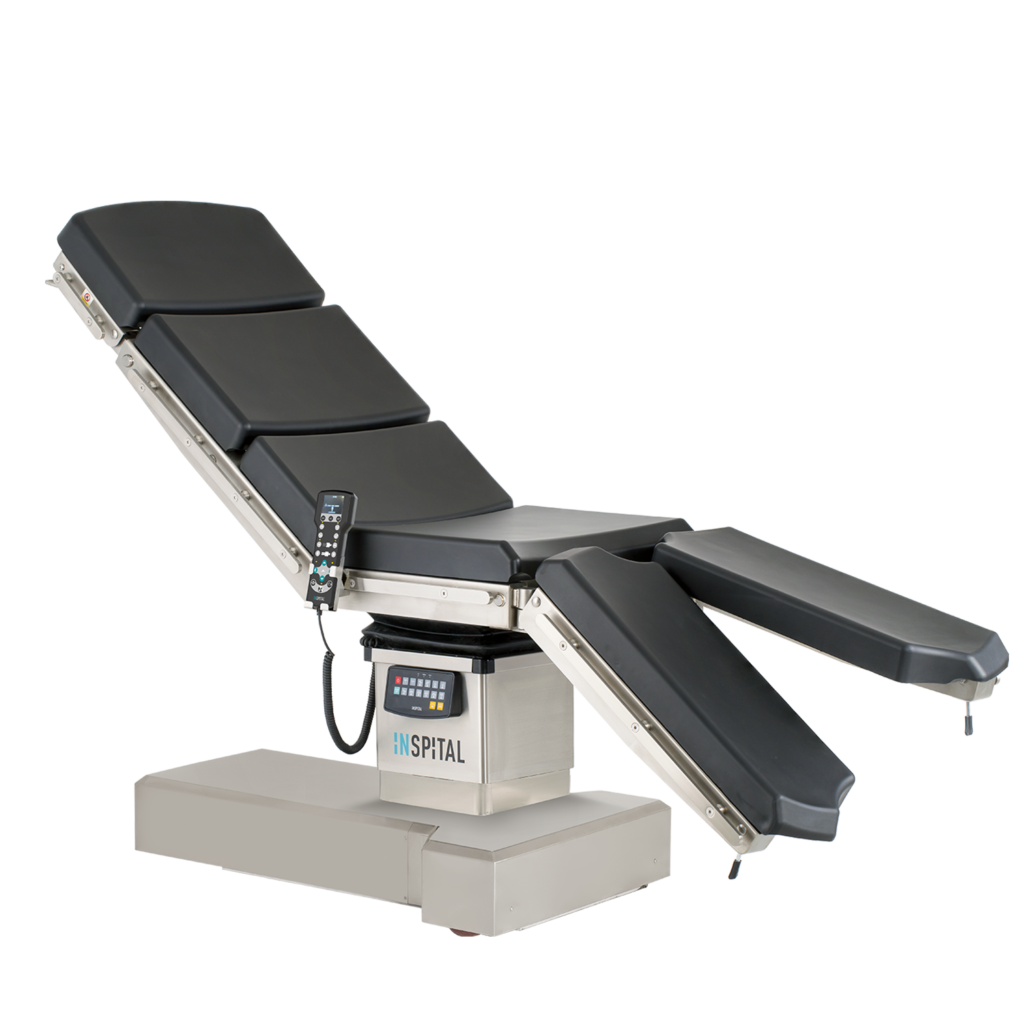
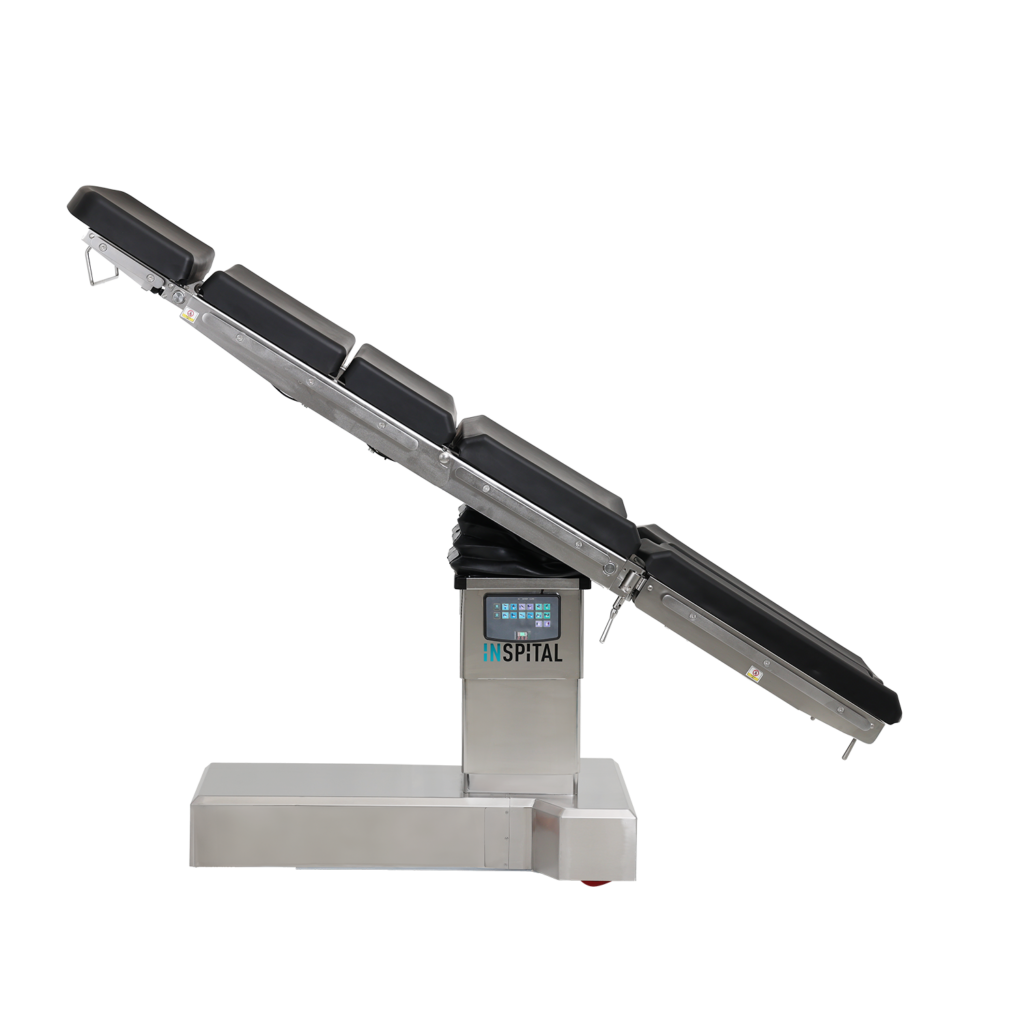
Operating Table OT80.20 NOVUS
Prices visible to registered customers only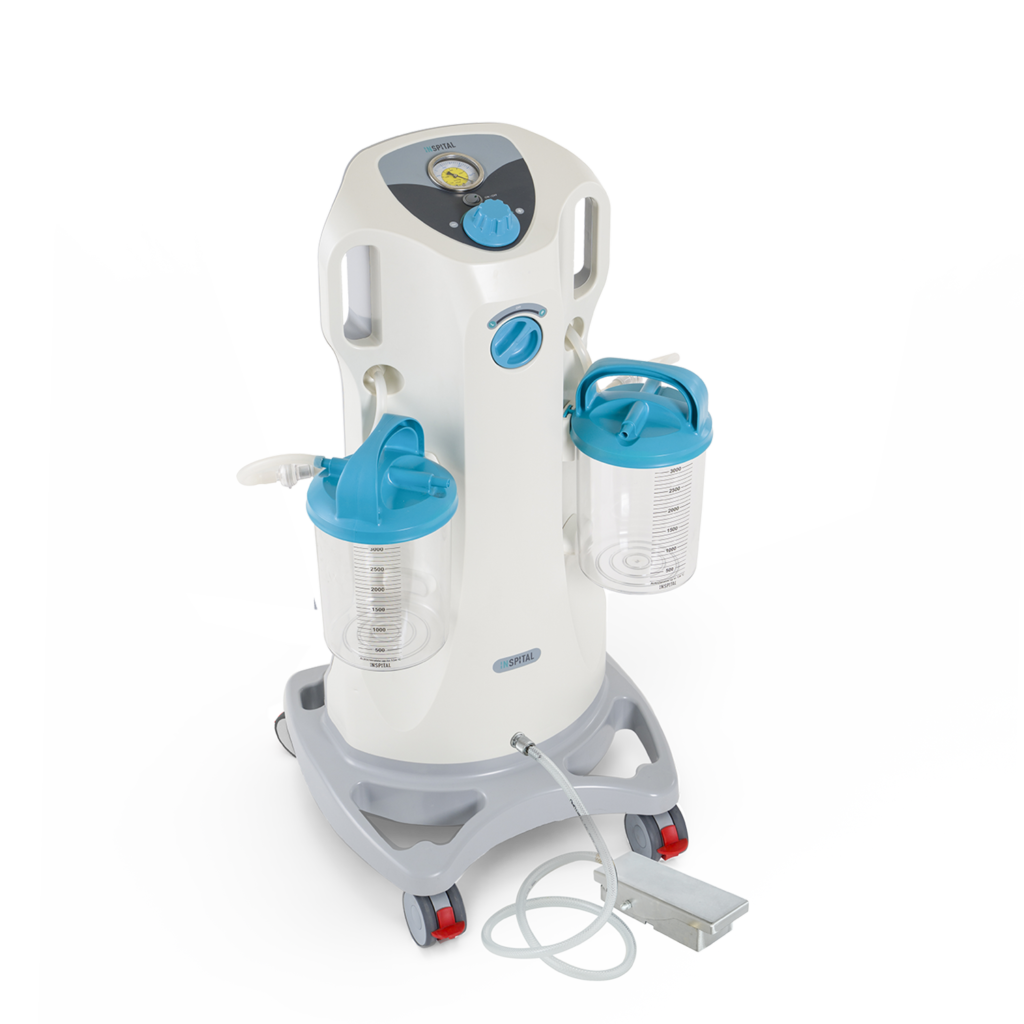
Surgical Suction Machine SU60.05
Prices visible to registered customers only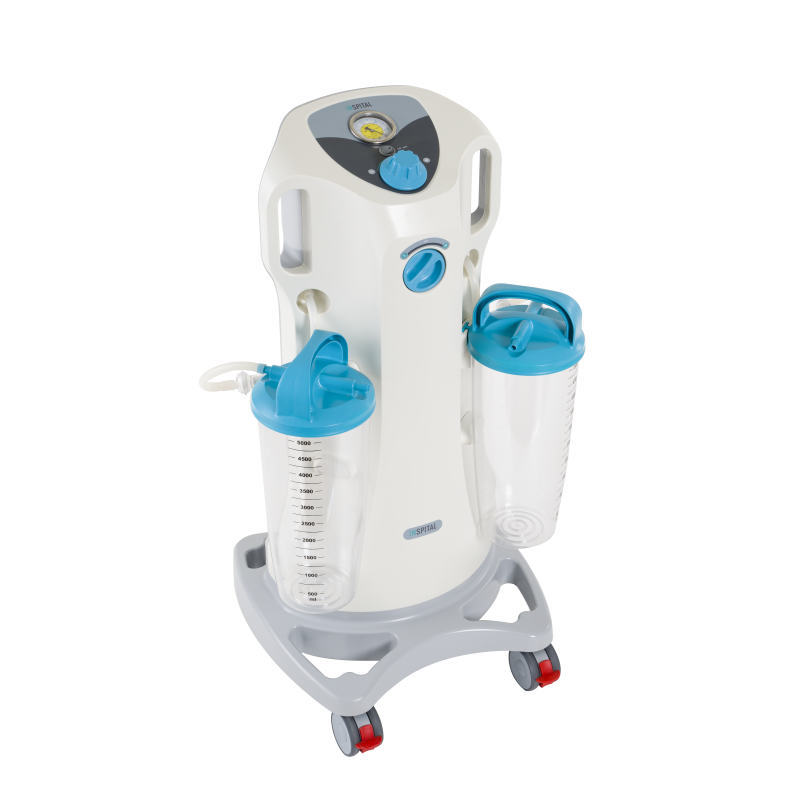
Surgical Suction Unit SU60.10
Prices visible to registered customers only
Surgical Suction Unit SU60.15
Prices visible to registered customers onlyCurrent News
- Current News, Hospital Management, Inspital Medical Technology

- Current News, Hospital Management, Inspital Medical Technology
- Current News, Hospital Management, Inspital Medical Technology

News Press
Here you will find current news about trade fairs, congresses, PR and other relevant topics.