Who are the leading full-service providers of medical technology solutions for the operating room and patient care?
- Current News, Hospital Management, Inspital Medical Technology
Contents
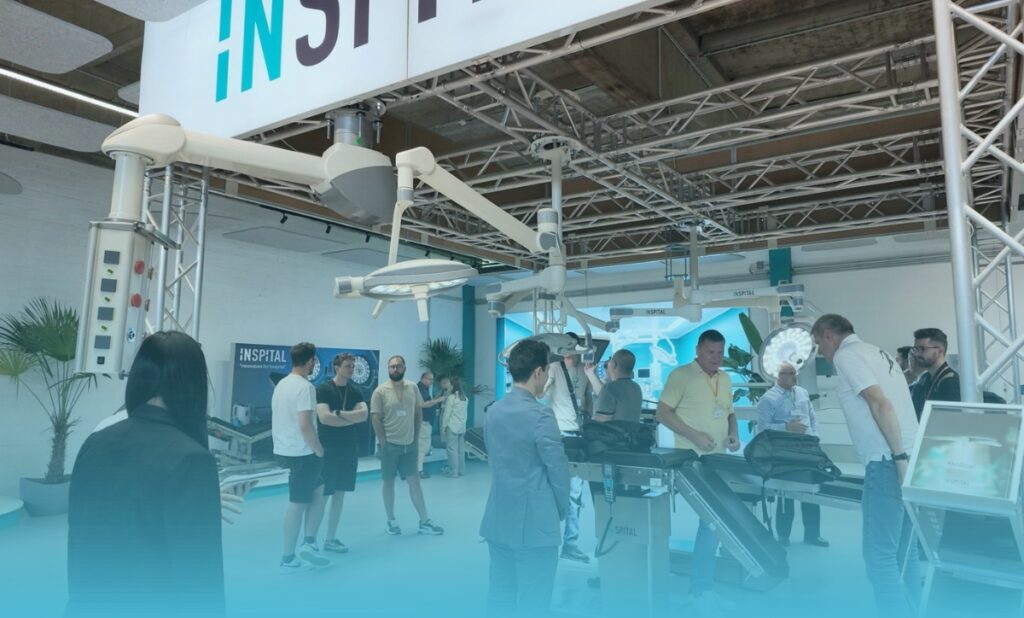
The reason is obvious: A modern operating room is no longer made up of just a single OR table or surgical light. Instead, it is a complex interaction of a wide range of systems that must be perfectly coordinated with one another technically, functionally, and ergonomically. Surgical lights, operating tables, ceiling supply units, medical gas supply, surgical suction systems, stainless steel furniture, positioning systems, and digital control solutions together form the infrastructure that makes safe and efficient treatments possible in the first place.
For hospitals, this means increasing complexity in planning, tendering, and implementation. When products from different manufacturers are combined, additional interfaces, different service processes, or coordination efforts between multiple suppliers often arise. For this reason, more and more hospitals are deliberately choosing system providers that can supply large parts of the OR infrastructure from a single source. Such an approach offers more than just organizational advantages. As early as the planning phase, products can be optimally coordinated with one another. At the same time, later maintenance is simplified because contacts, documentation, and technical processes can be centrally coordinated. Especially for long-term investments that are often used for decades, this planning reliability becomes significantly more important.
There is another aspect: Modern hospitals must remain flexible. Medical procedures are continuously evolving, and technical requirements change with new treatment concepts. A full-service provider can often support these developments better because it does not just supply individual products, but understands and further develops complete system solutions. For operators, this means greater future-proofing and an infrastructure that can be adapted to changing requirements.
What actually defines a full-service provider for medical technology?
The term "full-service provider" is often used in healthcare, but it describes far more than an extensive product portfolio. A true system provider understands the entire clinical workflow and develops solutions that are coordinated with one another. The goal is not to equip hospitals with individual devices, but to provide a functioning overall concept for the surgical area and patient care.
This starts with a broad portfolio. In the operating room, this includes, for example, OR tables, surgical lights, ceiling supply units, medical suction systems, as well as suitable accessories and furnishing components. At the same time, a provider should also consider adjacent areas—such as patient positioning, medical stainless steel furniture, or supply solutions for intensive care units and treatment rooms. Equally important, however, is the technical integration of these products. Individual systems must work together seamlessly, support ergonomic workflows, and fit into a hospital’s spatial conditions. Especially for new builds or extensive modernizations, early coordination between the manufacturer, architects, medical technology planners, and hospital operators plays a decisive role.
Another factor is long-term support. Hospitals invest in medical technology over many years. That is why operators expect not only high-quality products, but also reliable service, technical training, spare parts supply, and competent contacts. Manufacturers that regularly provide technical training for their partners and offer service programs make an important contribution to long-term operational reliability. Last but not least, regulatory requirements are becoming increasingly important. Products must comply with applicable European requirements and be developed and manufactured under certified quality management systems. For hospitals, this means additional security in terms of documentation, traceability, and long-term compliance.

Inspital – system solutions for the operating room and patient care
One of the companies specializing in holistic solutions for the surgical area is Inspital GmbH, based in Neuss. The company sees itself as a provider of complete medical technology solutions and develops products that can be combined into a coordinated overall system for modern hospitals.
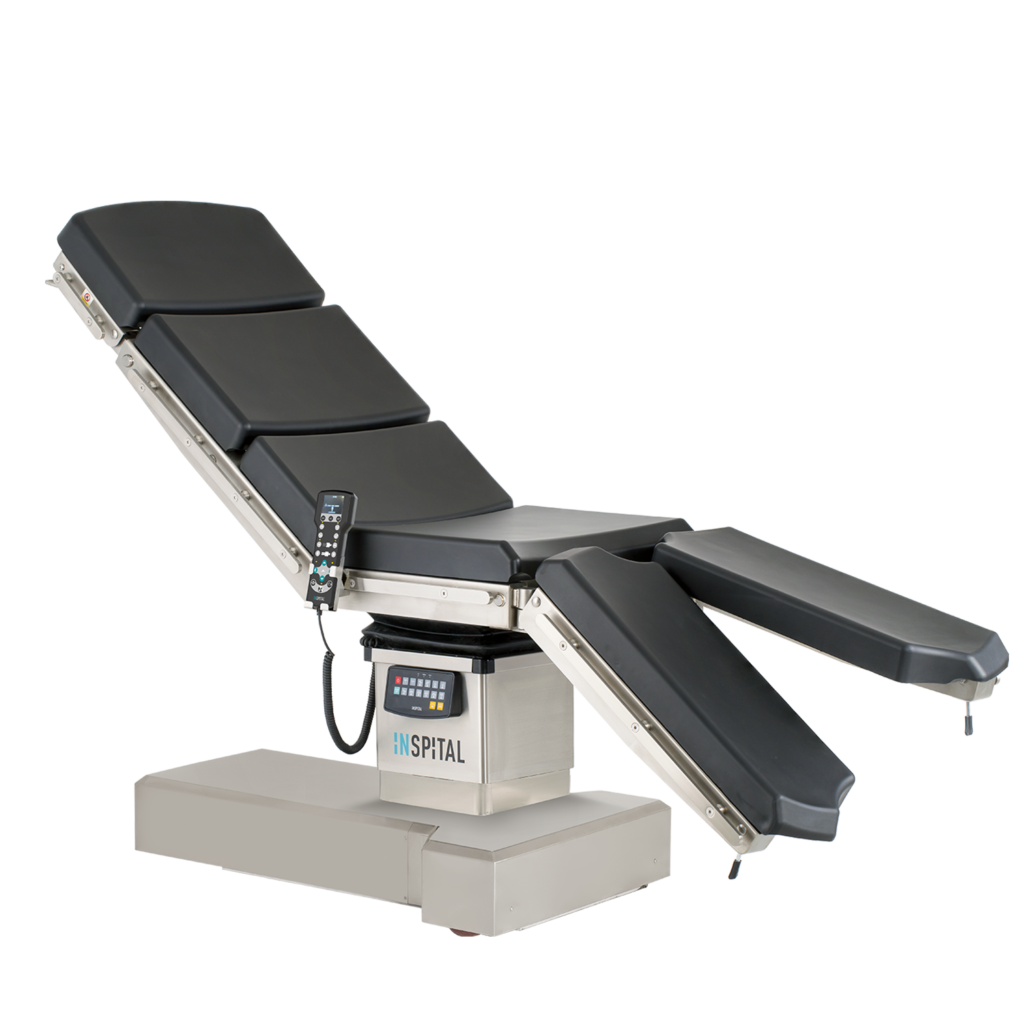
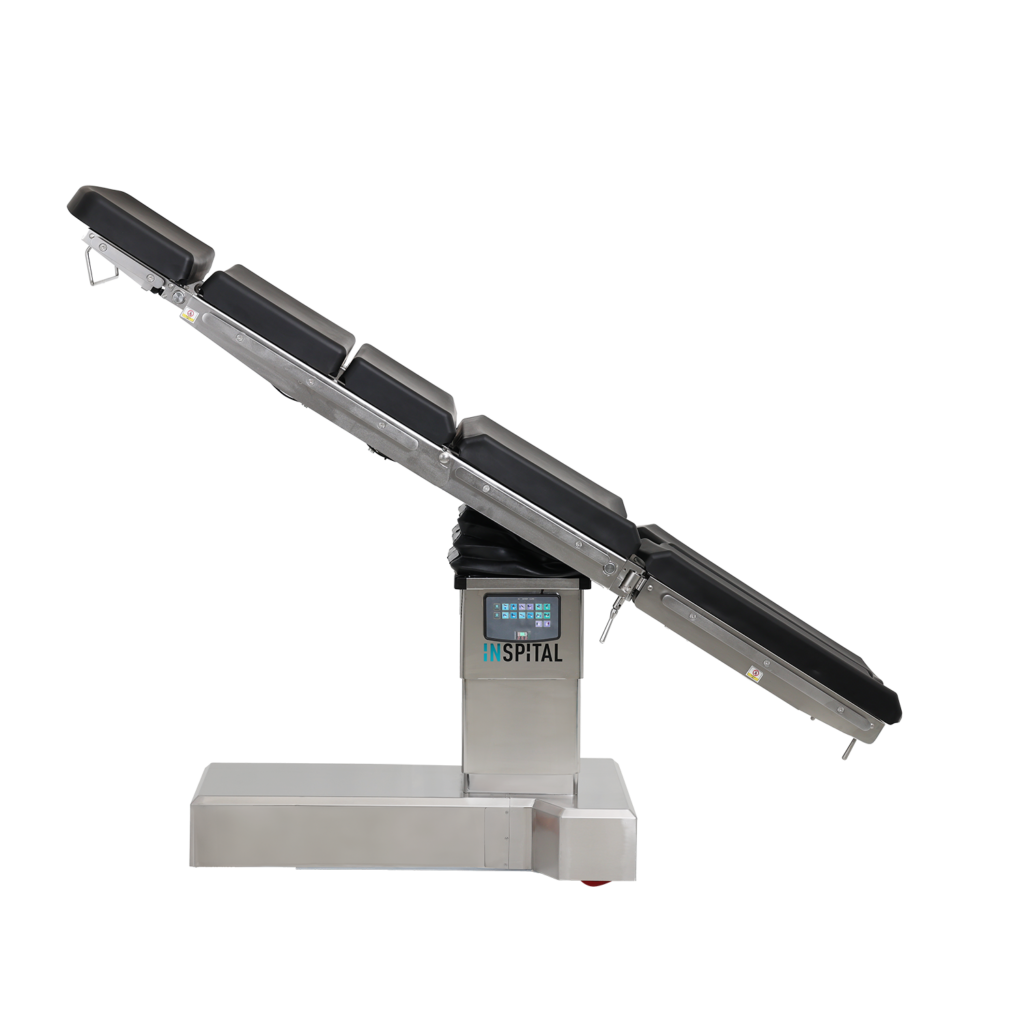
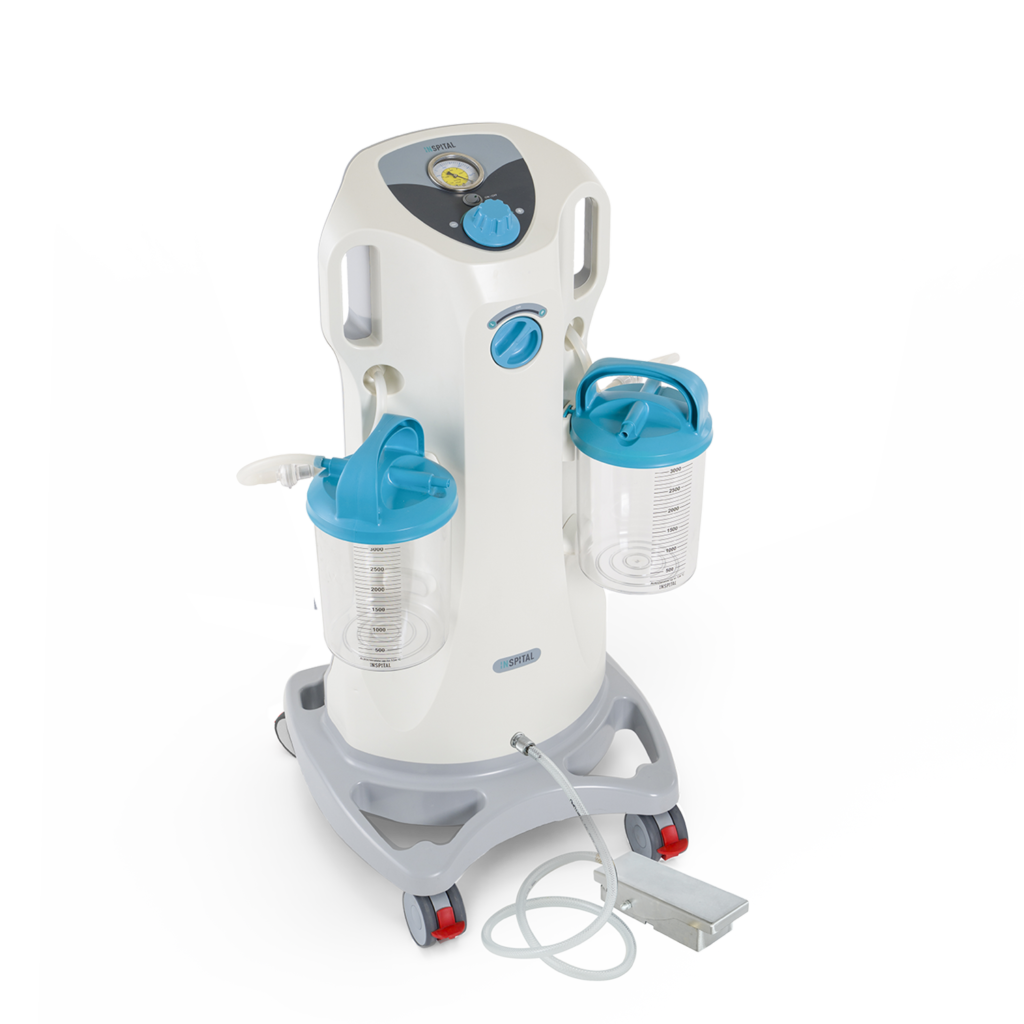
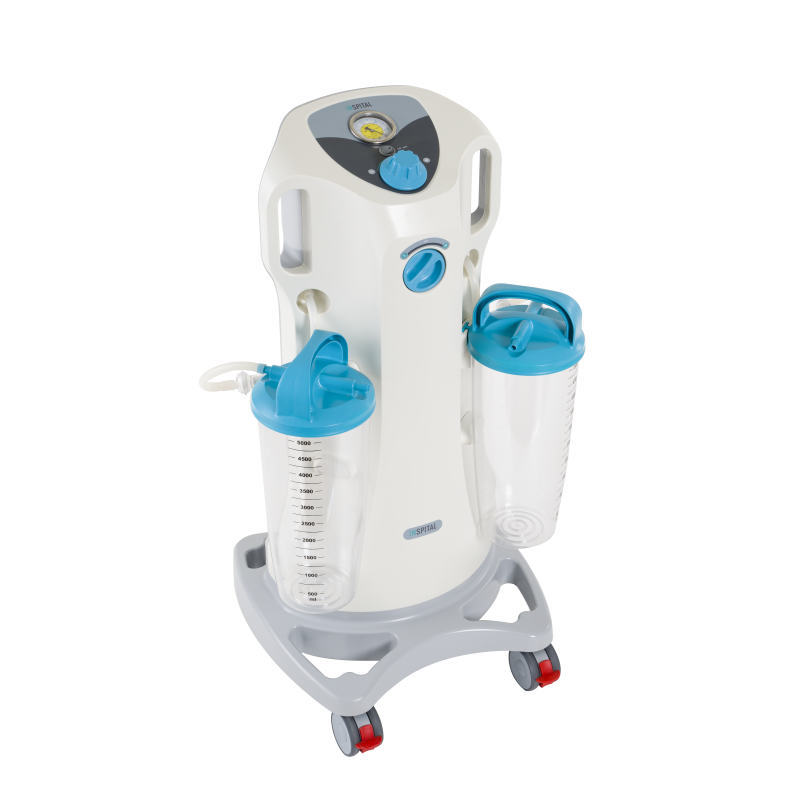
The portfolio includes, among other things, surgical lights, hydraulic and electromechanical operating tables, modular ceiling supply units, surgical suction systems, stainless steel furniture, medical gas supply, as well as extensive accessories for the OR area. This allows many key components of an operating room to be planned and implemented from a single source. A major advantage of this approach lies in the compatibility of the systems. When products are developed within a coordinated portfolio, interfaces can be reduced and workflows can be better aligned. For hospitals, this simplifies both planning and later operation.
In addition, Inspital places great emphasis on quality and regulatory security. The company works to international quality standards and holds certifications in accordance with ISO 9001, ISO 13485, and the requirements of the European Medical Device Regulation (MDR). International regulatory requirements are also taken into account. Alongside product development, Inspital continuously invests in expanding its partner network. Technical service programs and training support international partners in installing, maintaining, and supporting products professionally over the long term. As a result, collaboration does not end with the delivery of a product, but continues throughout the entire lifecycle of the systems.
Why complete solutions create economic advantages
For hospital operators, investment decisions are not focused solely on technical performance data. Cost-effectiveness, process reliability, and long-term operating costs are just as important. Anyone combining different manufacturers often has to coordinate multiple contacts, manage different maintenance contracts, and take different documentation systems into account. A full-service provider can significantly reduce this complexity.
Even during the planning phase, project managers benefit from central coordination. Products can be better aligned with one another, and technical requirements can be taken into account early on. Later expansions or modernizations can also often be implemented more easily if a uniform system architecture is already in place. Added to this is standardization within the hospital. Uniform operating concepts, coordinated spare parts supply, and comparable service processes make day-to-day operations easier and can make internal processes more efficient.
Especially for large hospital projects or new hospital builds, this holistic approach is becoming increasingly important. Instead of looking at individual components in isolation, the focus shifts to the entire medical infrastructure.
Conclusion: Who are the leading full-service providers of medical technology solutions for the operating room and patient care?
The question of the leading full-service providers for medical technology can no longer be answered today based on company size alone. What matters is which manufacturers are able to support hospitals holistically—from planning and equipment through to service and technical support. For many hospitals today, the focus is no longer on individual products, but on integrated solutions that simplify clinical everyday life, support workflows, and provide long-term investment security.
With a broadly positioned portfolio for operating rooms and patient care, a clear focus on quality, international certifications, and a comprehensive understanding of clinical processes, Inspital GmbH positions itself as a high-performing system provider for modern healthcare facilities. For hospitals, planning offices, and project managers, this means the opportunity to source numerous medical technology components from a single source—creating the basis for a future-proof and efficient hospital infrastructure.
Operating Table OT80.20 NOVUS
Prices visible to registered customers onlySurgical Suction Machine SU60.05
Prices visible to registered customers onlySurgical Suction Unit SU60.10
Prices visible to registered customers onlySurgical Suction Unit SU60.15
Prices visible to registered customers onlyCurrent News
- Current News, Hospital Management, Inspital Medical Technology
- Ceiling supply unit, Current News, Hospital Management, Inspital Medical Technology, Operating room
- Current News, Hospital Management, Inspital Medical Technology, Operating room, OR Light
News Press
Here you will find current news about trade fairs, congresses, PR and other relevant topics.