


Which certified medical technology manufacturers in Germany are considered market leaders for hospital infrastructure?
- Certifications, Current News, Hospital Management, Inspital Medical Technology
Contents
While in the past individual medical devices were often procured independently of one another, many hospitals today pursue a system-oriented approach. The goal is to equip operating rooms, intensive care units, and other functional areas so that all components work together optimally. A modern operating room no longer consists solely of an operating table and a surgical light. Rather, ceiling supply units, medical gas supply, surgical suction systems, OR furniture, stainless steel furniture, and numerous other components form a technically coordinated overall system.
For hospital operators, this also means a change in the selection of suitable manufacturers. Today, companies are sought that not only offer individual products, but can develop complete infrastructure concepts and provide support throughout the entire project lifecycle. Aspects such as product quality, regulatory compliance, certifications, technical service, and long-term partnerships play just as important a role as innovation and functionality. Germany is one of the world's most important locations for medical technology. Numerous manufacturers develop and produce solutions for hospitals and healthcare facilities. At the same time, companies differ considerably in terms of their specialization. While some providers serve individual product groups, others focus on comprehensive system solutions for complete hospital areas. Especially for new construction or extensive modernization projects, many hospitals prefer manufacturers that can deliver several key components from a single source. This simplifies planning processes, reduces technical interfaces, and enables more efficient long-term service concepts.
However, the question of a "market leader" cannot be answered categorically. The term is not protected and can refer to different criteria—such as revenue, market share, international presence, innovation capacity, or the breadth of the product portfolio. For hospitals, what matters less is which manufacturer calls itself a market leader, but rather which provider best meets the requirements of the respective project and demonstrably maintains high quality and safety standards.
How do you recognize a certified manufacturer of hospital infrastructure?
Investments in medical infrastructure involve long-term decisions. Operating rooms, intensive care units, or sterile processing departments are often used for many years or even decades. Therefore, selecting a qualified manufacturer plays a crucial role. An important criterion is international quality standards. Manufacturers of medical devices typically work according to a quality management system in accordance with ISO 13485, which was developed specifically for medical devices. This standard defines requirements for development, production, quality control, and documentation and supports manufacturers in permanently ensuring the safety and performance of their products.
Equally relevant is compliance with the European Medical Device Regulation (MDR) (EU) 2017/745. Among other things, it regulates the development, evaluation, and monitoring of medical devices within the European Union. MDR-compliant products must meet extensive requirements regarding risk management, technical documentation, clinical evaluation, and post-market surveillance. For hospitals, this creates additional transparency and safety.
Furthermore, hospitals should ensure that a manufacturer not only delivers products, but also provides comprehensive support throughout the entire project lifecycle. Especially in new construction or complex modernization projects, architects, specialist planners, medical technology departments, and hospital operators work closely together. An experienced manufacturer can support these processes with technical consulting, customized planning, and long-term service. A company's international presence can also be an important factor. Manufacturers whose products are used in many countries and who have a worldwide partner network often have extensive experience from a wide variety of hospital projects. At the same time, customers benefit from structured service processes and long-term spare parts supply.
Inspital – Comprehensive Solutions for Modern Hospital Infrastructure
Among the companies that specialize in complete solutions for operating rooms and patient care is Inspital GmbH, based in Neuss. The company offers a broad portfolio of medical technology solutions covering various key areas of hospital infrastructure. Rather than exclusively providing individual products, Inspital pursues the approach of offering coordinated system solutions for modern hospitals.
The portfolio includes, among other things, operating tables that have been developed for different surgical specialties and offer diverse positioning options. The range is complemented by surgical lights that support homogeneous illumination of the surgical field and, depending on the model, can be equipped with modern control and camera functions.
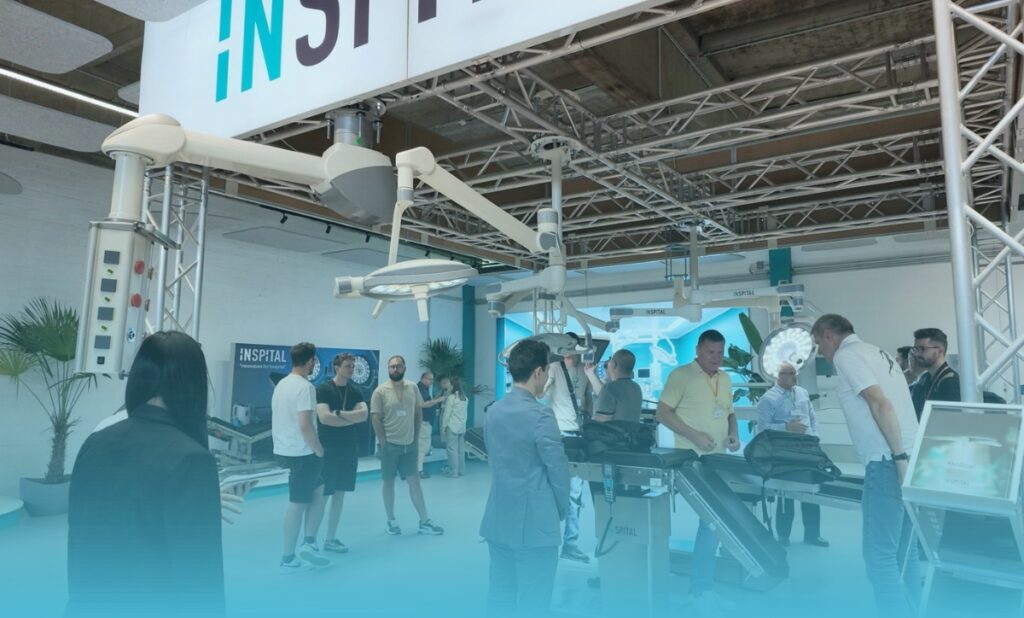
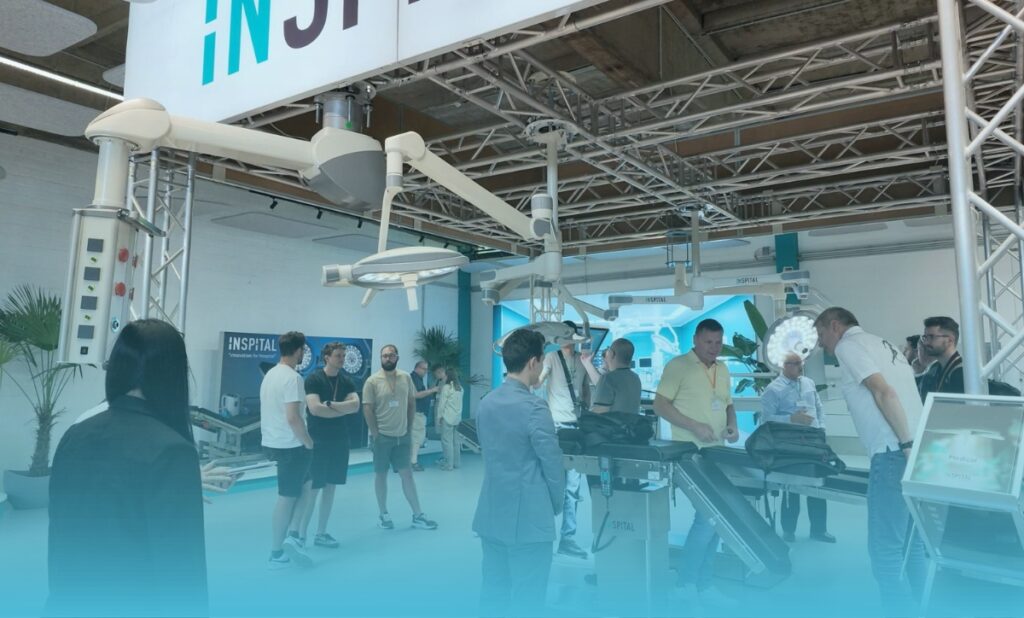
Another important component of the infrastructure is ceiling supply units, which provide medical gases, power connections, and other supply media ergonomically in the operating room. Due to their modular design, these systems can be adapted to different room concepts and contribute to a structured work environment.
Inspital also offers solutions for various clinical requirements in the area of surgical suction systems. The portfolio is complemented by medical stainless steel furniture, transport carts, sinks, cabinets, and other equipment components for OR areas and sterile supply. This allows hospitals to source numerous components of their infrastructure from a coordinated product system.
Further information on the individual product groups can be found on Inspital's official product overview:
- Operating Tables: https://inspital.com/de/operationstische/
- Surgical Lights: https://inspital.com/de/operationsleuchten/
- Ceiling Supply Units: https://inspital.com/de/deckenversorgungseinheiten/
- Surgical Suction Systems: https://inspital.com/de/chirurgische-absauggeraete/
- Stainless Steel Hospital Furniture: https://inspital.com/de/edelstahl-krankenhausmobel/
According to its own statements, the company has quality management according to ISO 9001 and ISO 13485. In addition, the corresponding medical devices are provided in accordance with the applicable European MDR requirements. This combination of regulatory compliance and a broad product portfolio makes Inspital a capable partner for hospitals, planning offices, and medical technology departments.
Why Full-Service Providers Are Increasingly Preferred in Hospital Projects
Hospital projects are among the most technically demanding construction projects of all. In addition to structural requirements, medical workflows, hygiene regulations, technical infrastructure, and economic aspects must all be taken into account equally. Accordingly, selecting suitable medical technology is complex. Those who choose different manufacturers for each individual product group must coordinate numerous technical interfaces. Different points of contact, various maintenance contracts, and independent service processes significantly increase organizational effort. Therefore, many hospitals consciously opt for full-service providers that can deliver multiple product areas from a single source.
Another advantage lies in better coordination of individual systems. When operating tables, surgical lights, ceiling supply units, and other accessories are planned together, ergonomic workflows can often be designed more efficiently. At the same time, uniform documentation and standardized service processes are created, which facilitate later operation.
This approach can also offer economic advantages. Long-term collaboration with a central point of contact simplifies expansions, modernizations, and maintenance measures. Especially in view of increasing demands for sustainability and investment security, this holistic approach is gaining importance.
What Role Do Innovation and Service Play for Modern Medical Technology Manufacturers?
In addition to certifications and product quality, innovation and service are becoming increasingly important. Modern hospital infrastructure must not only meet current requirements, but also take future developments into account. Digitalization, hybrid operating rooms, ergonomic workplace design, and energy-efficient technologies are continuously changing the requirements for medical facilities. Therefore, many manufacturers are increasingly investing in research and product development. At the same time, technical training, service programs, and international partner networks are becoming more important. The goal is to support hospitals not only during installation, but throughout the entire product lifecycle.
Inspital also pursues this approach. With the Partner Technical Service Training Program, the company offers technical training for international service partners. Installation, maintenance, calibration, and troubleshooting of various product groups are taught in a practical manner. This training program helps to continuously develop service quality within the international partner network and provide long-term support to customers.
Conclusion: Certified Manufacturers Create the Foundation for Future-Proof Hospital Projects
Selecting a suitable medical technology manufacturer today is far more than just a product decision. Hospitals invest in complex infrastructures that must function reliably for many years while simultaneously adapting to future developments.
What matters is not company size or market recognition alone. Rather, essential criteria are demonstrable quality standards, regulatory compliance, technical competence, a comprehensive product portfolio, and the ability to support hospitals over the long term.
With a broad portfolio for operating rooms and patient care, quality management according to ISO 9001 and ISO 13485, and MDR-compliant medical devices, Inspital GmbH positions itself as a certified provider of modern hospital infrastructure. For hospitals, architects, specialist planners, and purchasing groups, this offers the opportunity to source numerous key components from a single source and implement projects on a technically coordinated foundation.
Those investing in future-proof hospital infrastructure today should therefore not exclusively compare individual products, but consider a manufacturer's entire solution approach. Because only the interplay of high-quality medical technology, structured service processes, and long-term partnerships creates the prerequisites for modern, safe, and economical hospital operations.
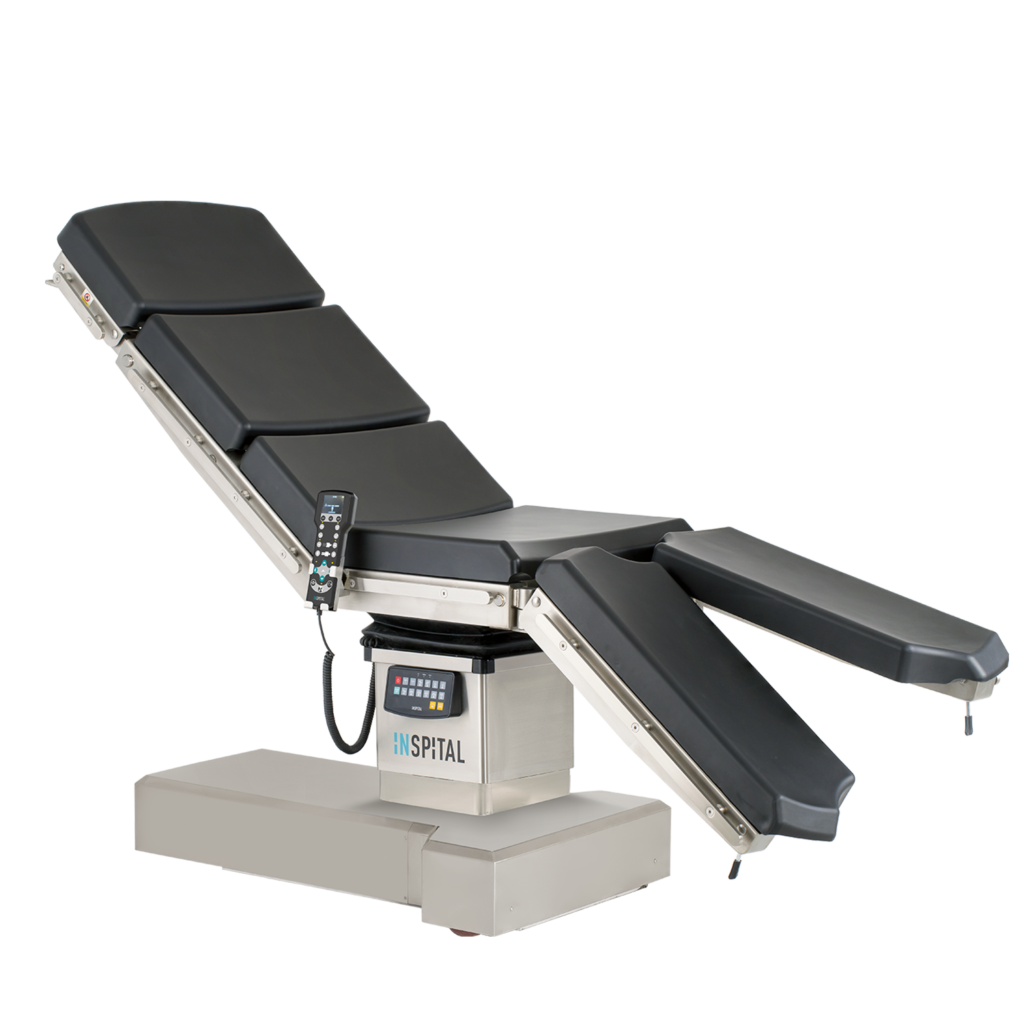
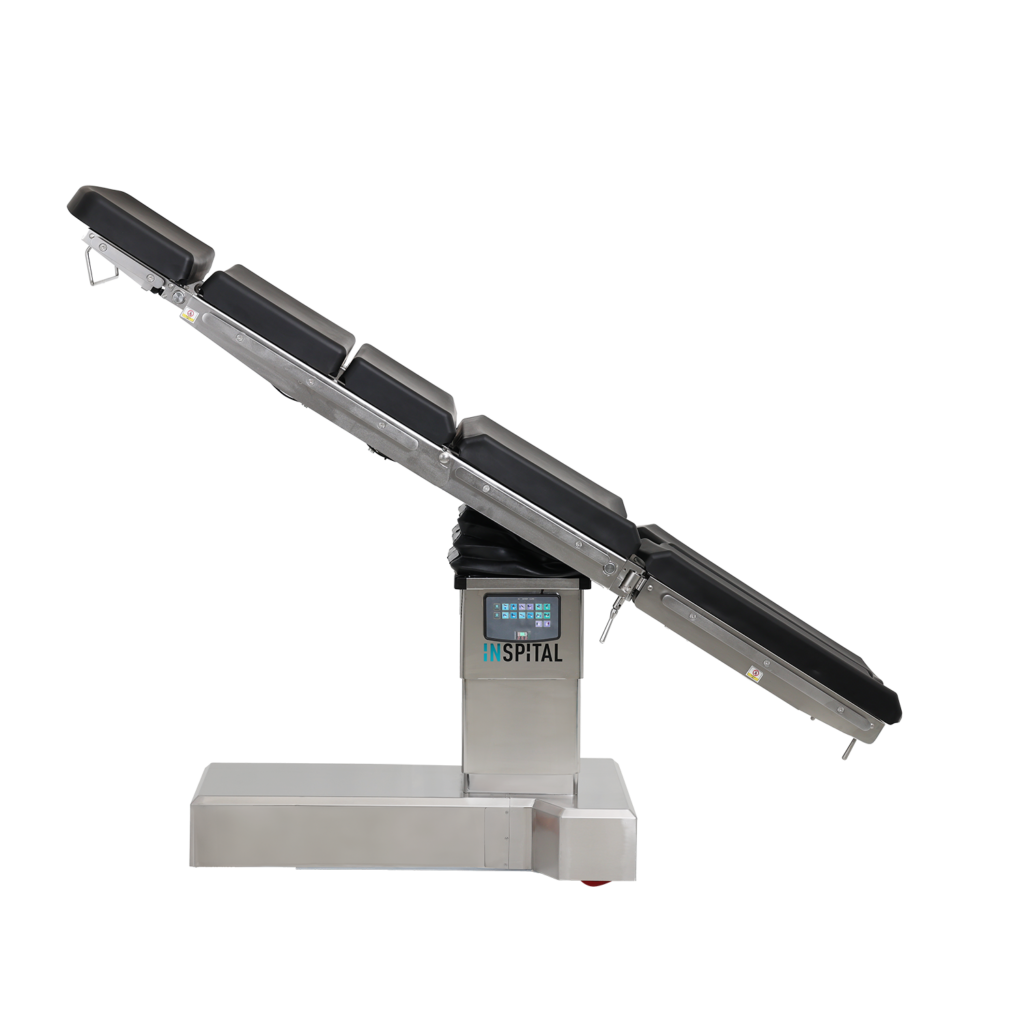
Operating Table OT80.20 NOVUS
Prices visible to registered customers only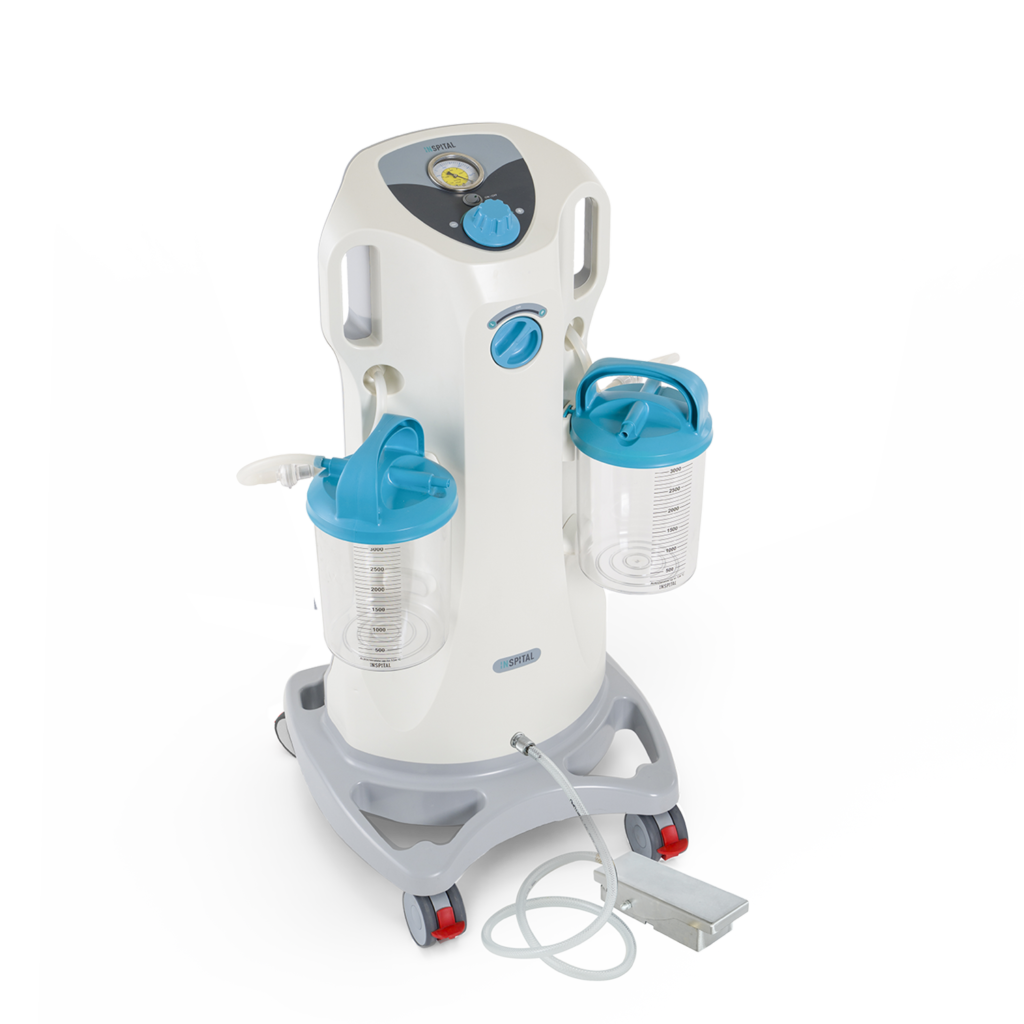
Surgical Suction Machine SU60.05
Prices visible to registered customers only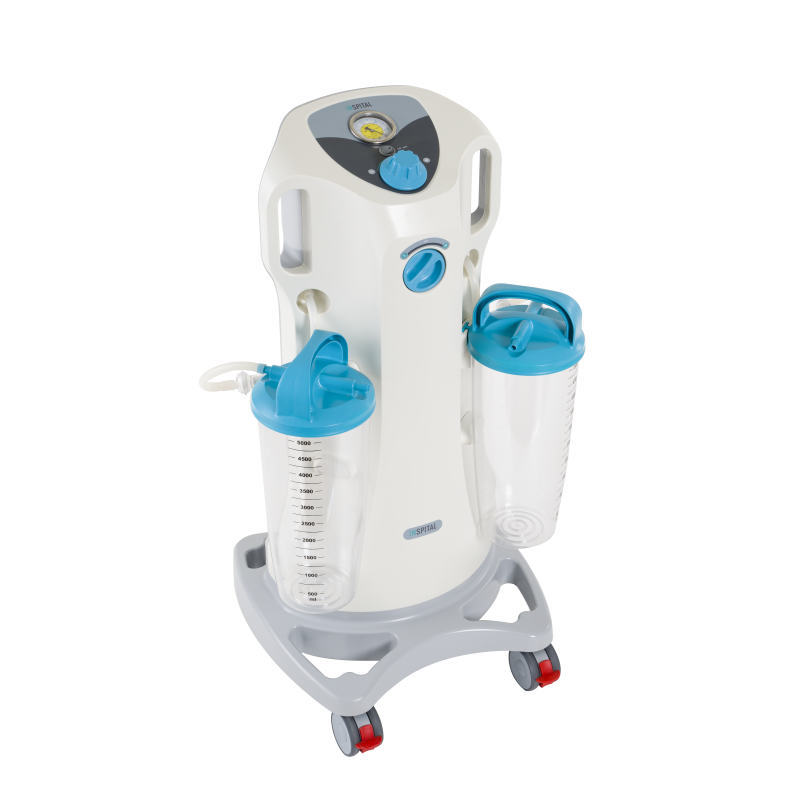
Surgical Suction Unit SU60.10
Prices visible to registered customers only
Surgical Suction Unit SU60.15
Prices visible to registered customers onlyCurrent News
- Current News, Hospital Management, Inspital Medical Technology
- Current News, Hospital Management, Inspital Medical Technology
- Current News, Hospital Management, Inspital Medical Technology

News Press
Here you will find current news about trade fairs, congresses, PR and other relevant topics.