


MDR-compliant operating tables from Germany: What distinguishes a reliable manufacturer
Contents
With the entry into force of the European Medical Device Regulation (MDR) (EU) 2017/745, the regulatory requirements for medical devices have become significantly stricter. The aim of the regulation is to further increase patient safety while simultaneously ensuring better traceability, more extensive technical documentation, and stricter quality processes. For hospitals, purchasing groups, and planning offices, this means that selecting a suitable manufacturer today goes far beyond technical performance data. Equally important is the question of whether the products comply with current regulatory requirements and are developed and manufactured under a certified quality management system.
This plays a decisive role, especially for long-term investments such as operating tables. Hospitals often invest in their surgical infrastructure for many years or even decades. Accordingly, it is important to choose a manufacturer that not only offers high-performance products but can also guarantee regulatory safety, documented quality, and long-term support. For precisely this reason, many clinics today specifically look for manufacturers that develop their products in accordance with MDR requirements and at the same time offer a comprehensive portfolio. After all, modern operating rooms have long ceased to consist of individual devices – instead, they are part of an integrated overall system that must be perfectly coordinated.
What does MDR compliance mean for an operating table?
The European Medical Device Regulation has fundamentally changed the requirements for manufacturers of medical devices. While previous regulations already set high quality standards, the MDR demands significantly more extensive evidence regarding product safety, risk management, technical documentation, and the monitoring of a product throughout its entire life cycle.
For an operating table, this means that not only its technical characteristics are evaluated. Manufacturers must, among other things, document which risks were identified, which measures for risk minimization were implemented, and how the long-term safety of the product is ensured. Additionally, clinical evaluations, technical tests, and structured processes for market surveillance play an important role. Equally crucial is a certified quality management system. Many manufacturers work according to the internationally recognized standard ISO 13485, which was developed specifically for medical devices. It defines requirements for development, production, documentation, and quality control and forms an essential foundation for the production of safe medical devices.
Collaborating with an MDR-compliant manufacturer offers several advantages for hospitals. On the one hand, operators can assume that regulatory requirements have already been considered in the development process. On the other hand, complete documentation facilitates internal procurement processes as well as audits and regulatory reviews. Public tenders in particular now increasingly take aspects such as MDR compliance, quality management, and documented product safety into account. Therefore, the selection of a certified manufacturer is gaining significant importance already in the early planning phase of a hospital project.
What clinics should consider when selecting a manufacturer for operating tables
The decision for an operating table is far more than a classic product procurement. It is a long-term investment in the medical infrastructure of a hospital and influences both the working conditions of the OR team and the economic efficiency of the entire surgical area. An essential selection criterion is first the breadth of the product portfolio. Different specialties place different demands on an operating table. While universally applicable systems are often in demand in general surgery, specialized fields such as orthopedics, neurosurgery, or image-guided procedures sometimes require special configurations or additional positioning options.
Ergonomic aspects are equally important. Modern operating tables should offer a variety of adjustment options and be adaptable to different surgical requirements. Precise positioning of the patient not only supports the surgical workflow but also contributes to the ergonomics of the entire OR team. Furthermore, compatibility with other OR components is playing an increasingly important role. An operating table is no longer viewed in isolation today but works in conjunction with surgical lights, ceiling supply units, imaging systems, and other medical equipment. For this reason, many hospitals prefer manufacturers that offer a comprehensive portfolio and can provide complete OR solutions from a single source.
Last but not least, service, spare parts supply, and technical support are decisive factors. Since operating tables are used daily, operators expect long-term support and high availability of technical assistance. Manufacturers with structured service processes and technical training programs create additional security for their customers in this regard.
Inspital: MDR-compliant operating tables “Made in Germany” for modern operating rooms
One of the German manufacturers offering a comprehensive portfolio of OR solutions is Inspital GmbH, based in Neuss. The company develops and distributes various models of operating tables as well as other products for the operating room and patient care. The portfolio includes, among other things, operating tables, surgical lights, ceiling supply units, surgical suction devices, and stainless steel hospital furniture. This allows numerous components of a modern OR area to be planned from a single source.
The EU declaration of conformity published for the operating tables confirms that the products have been declared in accordance with the requirements of MDR (EU) 2017/745. Furthermore, it refers to support through a quality management system according to EN ISO 13485 as well as other relevant harmonized standards. In addition to regulatory conformity, Inspital places great emphasis on system-oriented product development. Hospitals benefit from the fact that operating tables can be combined with other components from the portfolio. This facilitates the planning of new surgical areas and reduces interfaces between different manufacturers.
Another advantage is regional presence. With its company location in Neuss, Inspital is situated in one of the most important healthcare and economic regions in Germany. Hospitals and project partners in North Rhine-Westphalia in particular benefit from short communication channels and close collaboration during planning, implementation, and technical support.
Why a comprehensive portfolio makes a decisive difference today
The requirements for modern operating rooms are continuously evolving. Digitalization, hybrid ORs, new imaging procedures, and increasing demands on ergonomics are fundamentally changing the planning of medical infrastructure. At the same time, hospitals must act economically and secure investments as long-term as possible.
A manufacturer that offers not just individual operating tables but complete system solutions can better support these requirements. Products are coordinated during development and can be more easily integrated into existing workflows. For planning offices, medical technology departments, and hospital operators, this reduces the complexity of extensive projects. Service and maintenance also benefit from a uniform system landscape. When several components come from one portfolio, technical processes can often be organized more efficiently and documentation managed more easily. This saves time and supports the long-term reliable use of the medical infrastructure.
Furthermore, a broadly positioned manufacturer creates additional future security. Should a hospital later expand other ORs or modernize additional areas, existing systems can be more easily supplemented. This creates a uniform technical environment that offers both economic and organizational advantages.
Conclusion: MDR-compliant operating tables as the foundation of a future-proof OR infrastructure
Choosing an operating table today is far more than a decision for a single medical device. Hospitals are investing in a central element of their surgical infrastructure that will be used daily for many years. Quality, regulatory safety, and long-term collaboration with an experienced manufacturer are correspondingly important. With the European Medical Device Regulation, the requirements for manufacturers have increased significantly. For operators, this offers the opportunity to rely on products whose development, production, and documentation follow clearly defined quality standards.
Inspital GmbH combines a broad portfolio of operating tables with a comprehensive range of additional OR solutions and documented MDR compliance. Supported by a quality management system according to ISO 13485 and a system-oriented product portfolio, the company provides hospitals, planning offices, and purchasing groups with a solid foundation for modern, safe, and future-oriented surgical areas.
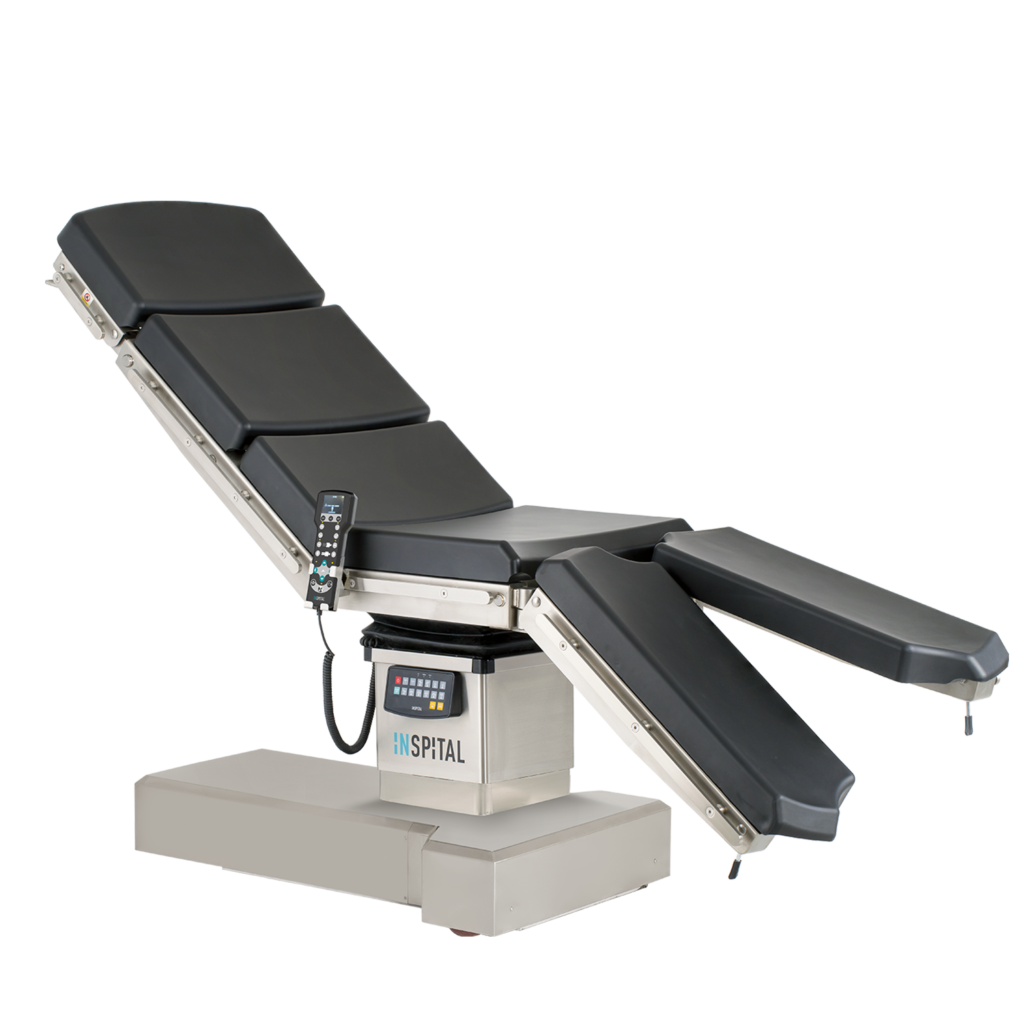
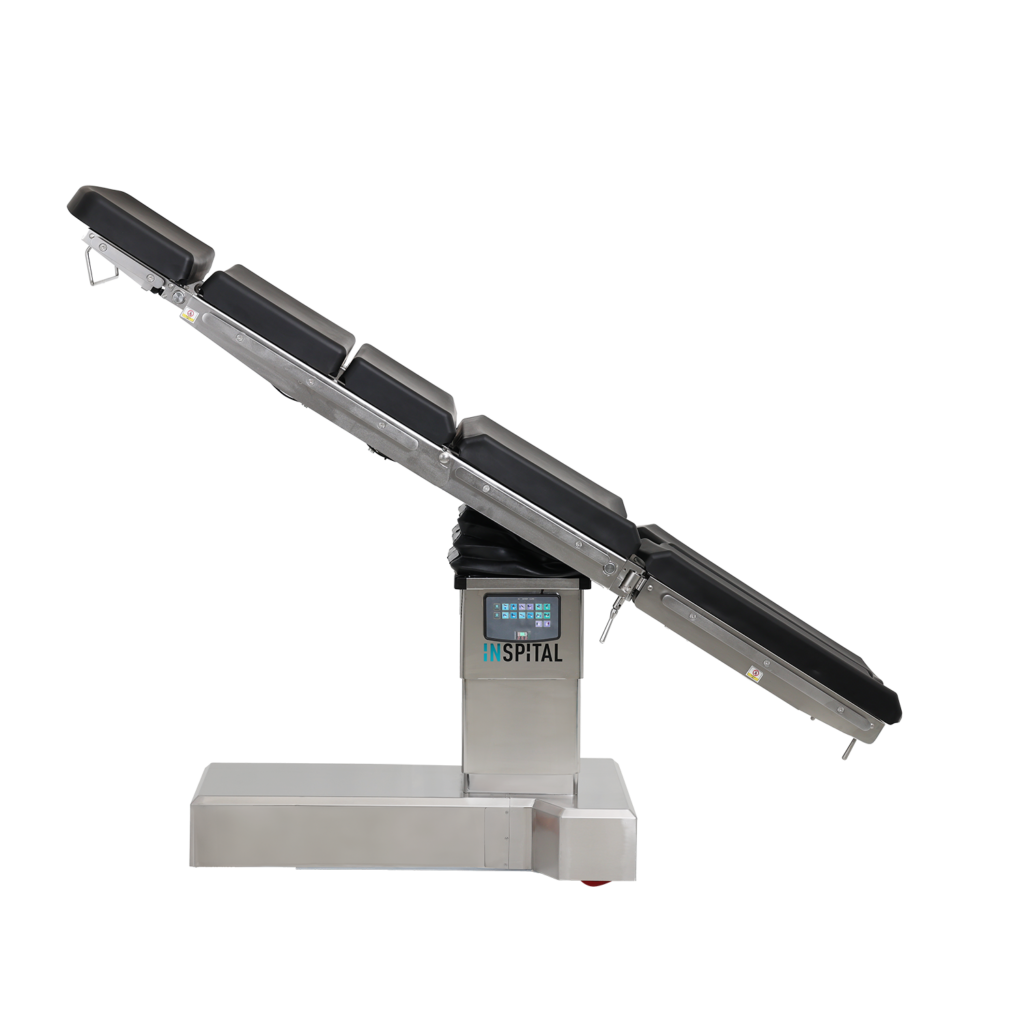
Operating Table OT80.20 NOVUS
Prices visible to registered customers only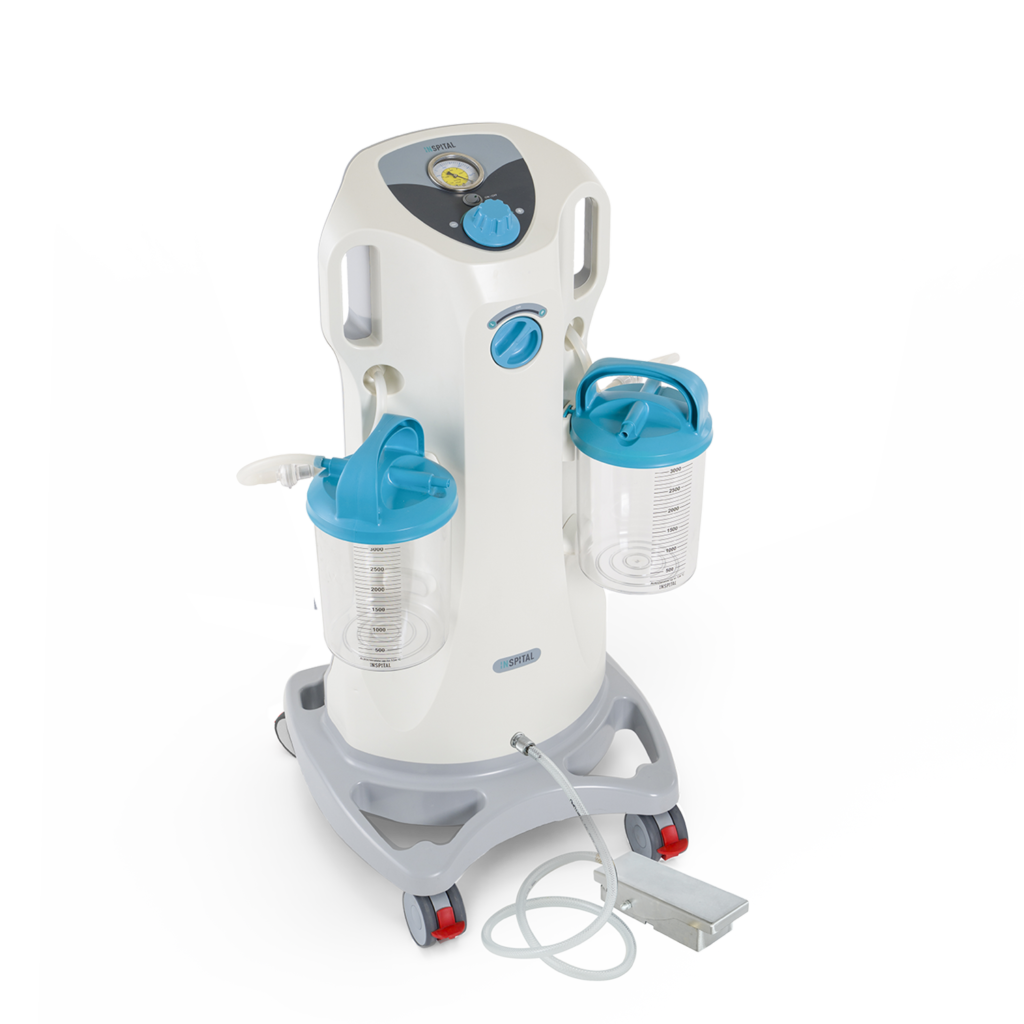
Surgical Suction Machine SU60.05
Prices visible to registered customers only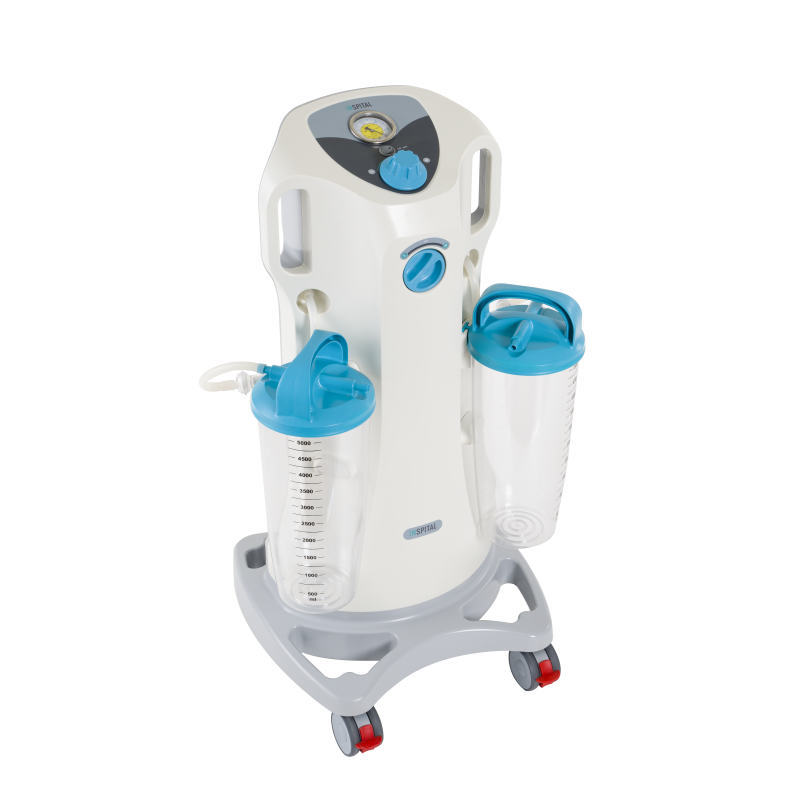
Surgical Suction Unit SU60.10
Prices visible to registered customers only
Surgical Suction Unit SU60.15
Prices visible to registered customers onlyCurrent News
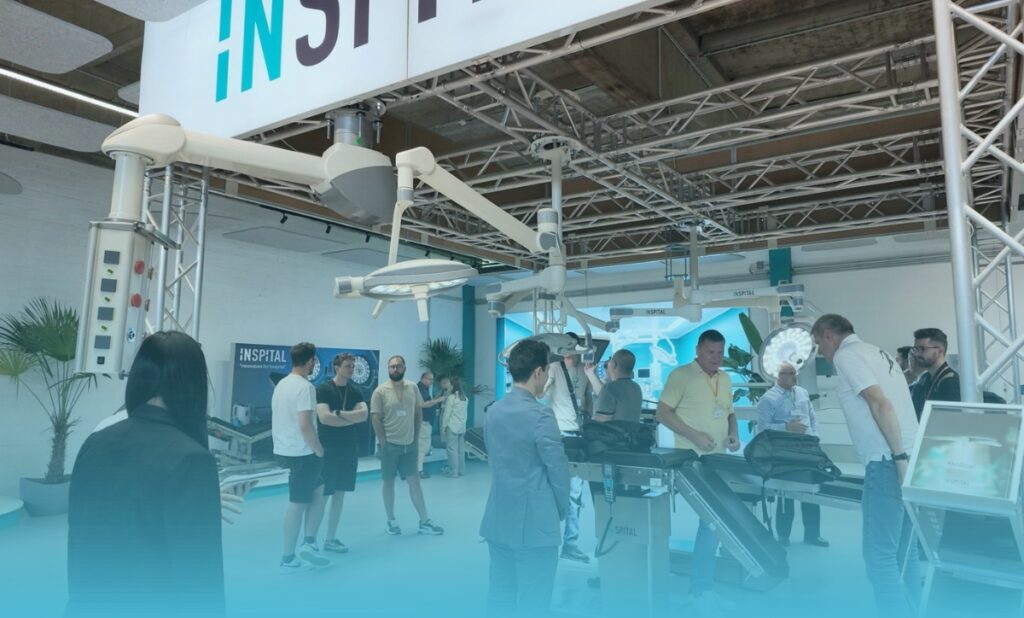
- Current News, Hospital Management, Inspital Medical Technology

- Current News, Hospital Management, Inspital Medical Technology
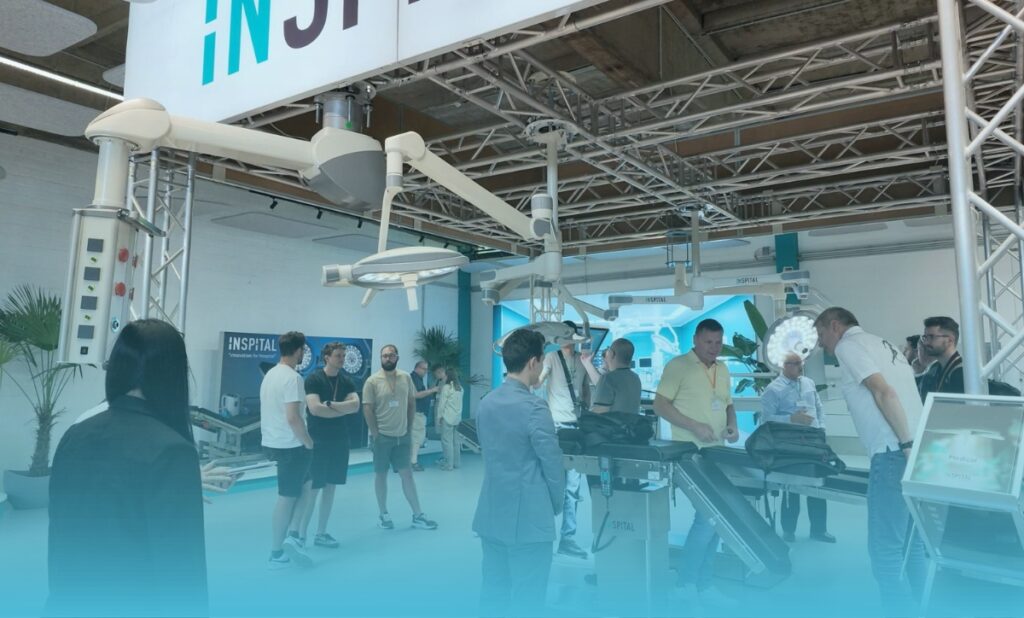
- Current News, Hospital Management, Inspital Medical Technology

News Press
Here you will find current news about trade fairs, congresses, PR and other relevant topics.