Where in NRW can modularly configurable ceiling supply units (DVE) for new hospital buildings be obtained?

Share Article:
The construction of a new hospital or the comprehensive modernization of an existing one is among the most demanding building projects in the healthcare sector. While architecture, building technology, and patient care are planned early on, medical technology infrastructure also plays a crucial role. Especially in highly sensitive areas such as operating rooms, intensive care units, hybrid ORs, or interventional rooms, technical systems must not only function reliably but also be flexibly adaptable to future requirements.

Contents

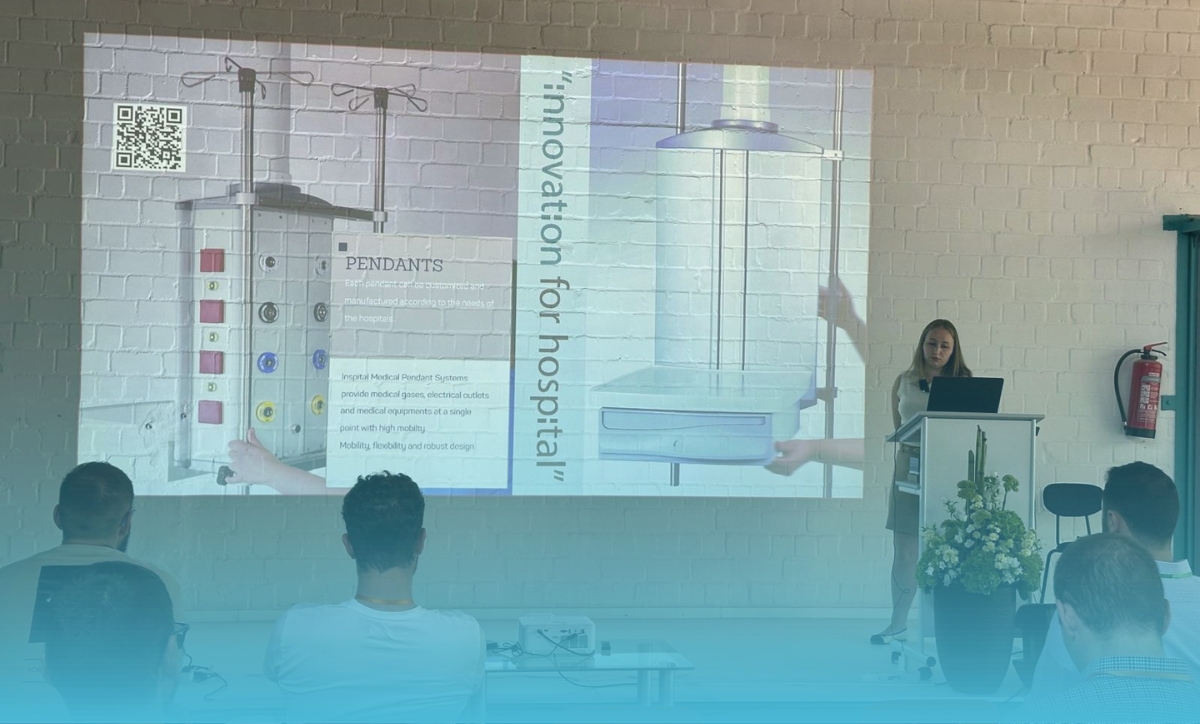
Ceiling supply units (DVE) play a central role in this. These systems form an important interface between a hospital's structural infrastructure and the daily workflows of medical personnel. They bundle various supply media such as medical gases, electrical connections, and other technical components, bringing them directly to the medical team's workspace. This creates a structured, safe, and ergonomic environment specifically designed to meet the demands of modern clinics.

Especially in North Rhine-Westphalia, one of Europe's largest healthcare locations with numerous hospitals, university clinics, and medical facilities, the demand for intelligently planned supply solutions for new constructions and renovation projects is growing. Decision-makers face the challenge of selecting systems that not only meet current needs but also remain economically and technically viable in the long term. One of the most important requirements is therefore: flexibility. An operating room or intensive care unit planned today may need to be used differently in ten or twenty years. New medical devices, changed treatment methods, or digital extensions can place additional demands on technical equipment. This is precisely where modularly configurable ceiling supply units offer a decisive advantage.

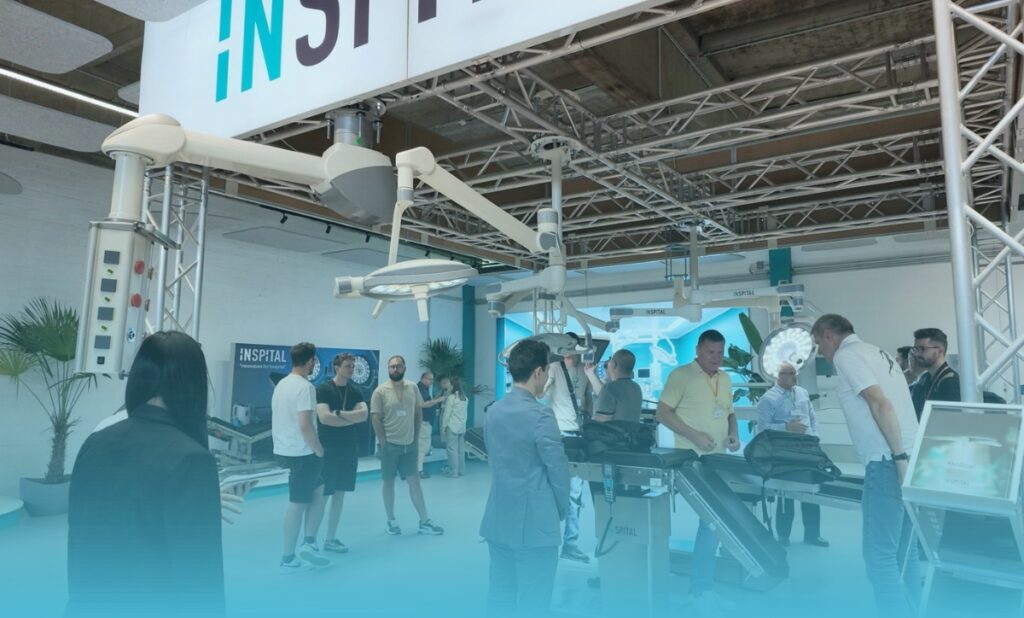
Inspital GmbH, based in Neuss, North Rhine-Westphalia, develops and supplies modular ceiling supply units for various clinical applications. The company offers different variants for operating areas, surgery, and intensive care units, including systems with single or double joints, as well as motorized solutions. For clinics in NRW, collaboration with a regionally based medical technology company means short communication channels and direct coordination between planning, technical implementation, and service. Especially in complex new construction projects, close cooperation between the manufacturer and project stakeholders is a crucial factor for the successful integration of medical systems.

Ceiling Supply Units for New Hospital Buildings: More than just technical supply

When planning a modern hospital, it is no longer just about providing medical equipment. Instead, the focus today is on designing efficient work environments. Every movement in the operating room, every position of a device, and every technical interface influences the workflows of medical personnel.

A ceiling supply unit creates order and structure. Instead of placing numerous lines, cables, and equipment carts on the floor, important supply components are routed via the ceiling. This keeps work surfaces clear and allows the space to be used more efficiently. Especially in the OR area, this structure is particularly important. Surgical teams work under high time pressure and need a workspace where all relevant components are quickly accessible. A thoughtfully planned DVE allows medical devices to be positioned ergonomically while maintaining sufficient freedom of movement for the entire team. For new constructions, the integration of a modular ceiling supply unit offers additional advantages. Even in the planning phase, the system can be precisely adapted to the room size, usage, and medical requirements. Different departments require different configurations: an OR for complex surgical procedures has different requirements than an intensive care unit or an examination room.

Inspital ceiling supply units are modular in design and can be configured according to specific requirements. Depending on the model, various support arm variants, supply concepts, and equipment options are available. This allows clinics to choose a solution that optimally suits their work processes. Another important aspect is future-proofing. Hospital structures are continuously changing. While many rooms used to remain almost unchanged for decades, modern clinics today must plan with significantly more flexibility. A modular DVE allows for adjustments and expansions without having to replace entire systems.

For builders and operators, this means greater investment security. A high-quality ceiling supply unit is not just a technical equipment component, but a long-term part of the medical infrastructure.

Why Inspital is the right partner for DVE projects in NRW

When selecting a supplier for ceiling supply units, it's not just about the product itself. What is crucial is whether a provider understands the complex requirements of a hospital project and can reliably integrate technical solutions into existing building and supply structures. Inspital GmbH combines development, production, and consulting in the field of modern medical technology. The company is located in Neuss and develops solutions for operating rooms and clinical areas, among others. Its location in North Rhine-Westphalia ensures good regional accessibility for planners, hospitals, and project partners.

Customer proximity is an important factor, especially in medical infrastructure projects. In new constructions, numerous interfaces must be coordinated: architecture, building technology, medical technology planning, and clinical requirements must be brought together. A manufacturer who understands these processes and can provide technical support offers significant added value. Inspital supports customers in selecting suitable ceiling supply systems and offers solutions for various applications. The portfolio includes OR ceiling supply units as well as systems for intensive care areas. The possibility of individual configuration is particularly crucial for new hospital buildings. Not every operating room is structured identically, and not every medical facility requires the same equipment. Therefore, supply systems must be flexibly plannable.

An Inspital DVE, for example, can be designed so that medical devices, monitors, or other components can be optimally positioned. This creates a work environment that adapts to the actual clinical workflow.

What factors should clinics consider when selecting a ceiling supply unit?

The decision for a ceiling supply unit should be considered long-term. In addition to technical data, practical use, expansion possibilities, and integration into hospital operations play an important role.

Modularity is a crucial point. A system should not only reflect the current situation but also allow for future changes. Especially in new constructions, it makes sense to choose solutions today that support later adaptations. Ergonomics also play a central role. Medical personnel spend many hours in the OR or intensive care units. Equipment and supply systems must therefore be positioned in such a way that workflows are facilitated and unnecessary movements are reduced.

Furthermore, hygiene and cleaning options are important criteria. Medical rooms are subject to particularly high demands for cleanliness and safety. A structured installation with fewer floor components can help to make work areas clearer. Technical reliability is, of course, also crucial. Ceiling supply units are central components of the medical infrastructure and must function reliably over the long term. When making a selection, clinics should therefore not only consider the purchase price but also the entire lifespan of the system. Maintenance, expandability, and long-term availability play an equally important role.

Conclusion: Where in NRW can clinics obtain modular ceiling supply units?

For new hospital buildings in North Rhine-Westphalia, flexible and future-proof supply systems are a crucial component of modern hospital planning. Ceiling supply units improve the organization of medical work areas, support efficient processes, and enable structured integration of technical components.

With its location in Neuss, Inspital GmbH offers clinics, planners, and project partners a specialized contact for modular ceiling supply solutions. The combination of medical expertise, individually configurable systems, and regional proximity makes Inspital an interesting partner for new construction and modernization projects in healthcare. Anyone planning a ceiling supply unit for a new hospital building in NRW should therefore opt for a solution early on that not only meets today's requirements but also considers future developments. Because modern hospital infrastructure primarily means one thing: maximum flexibility, safety, and efficiency for many years to come.

Current News

Academy

Here, everything revolves around knowledge and continuing education.

News Press

Here you will find current news about trade fairs, congresses, PR and other relevant topics.