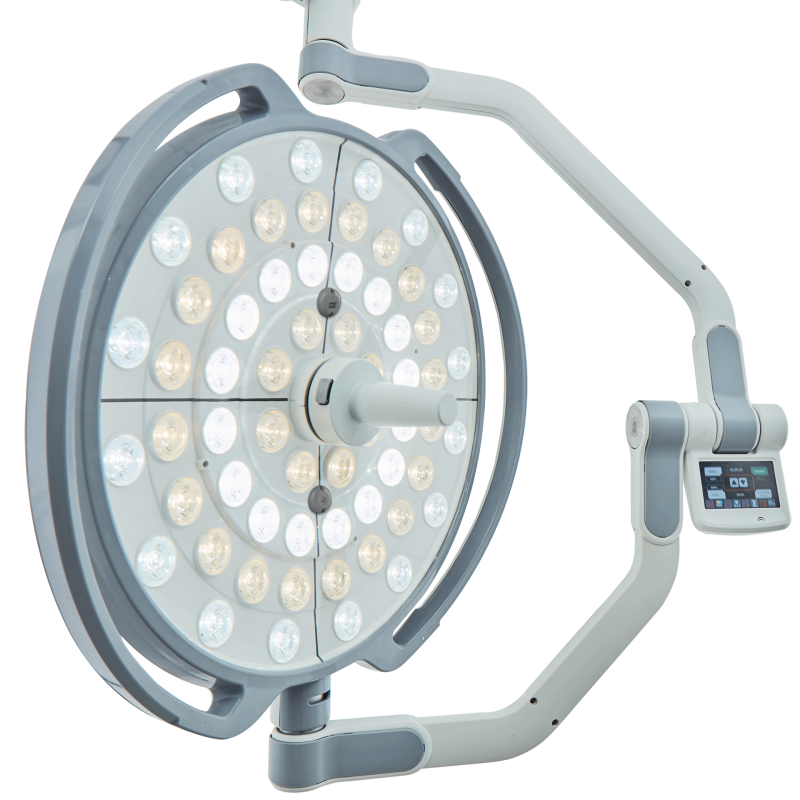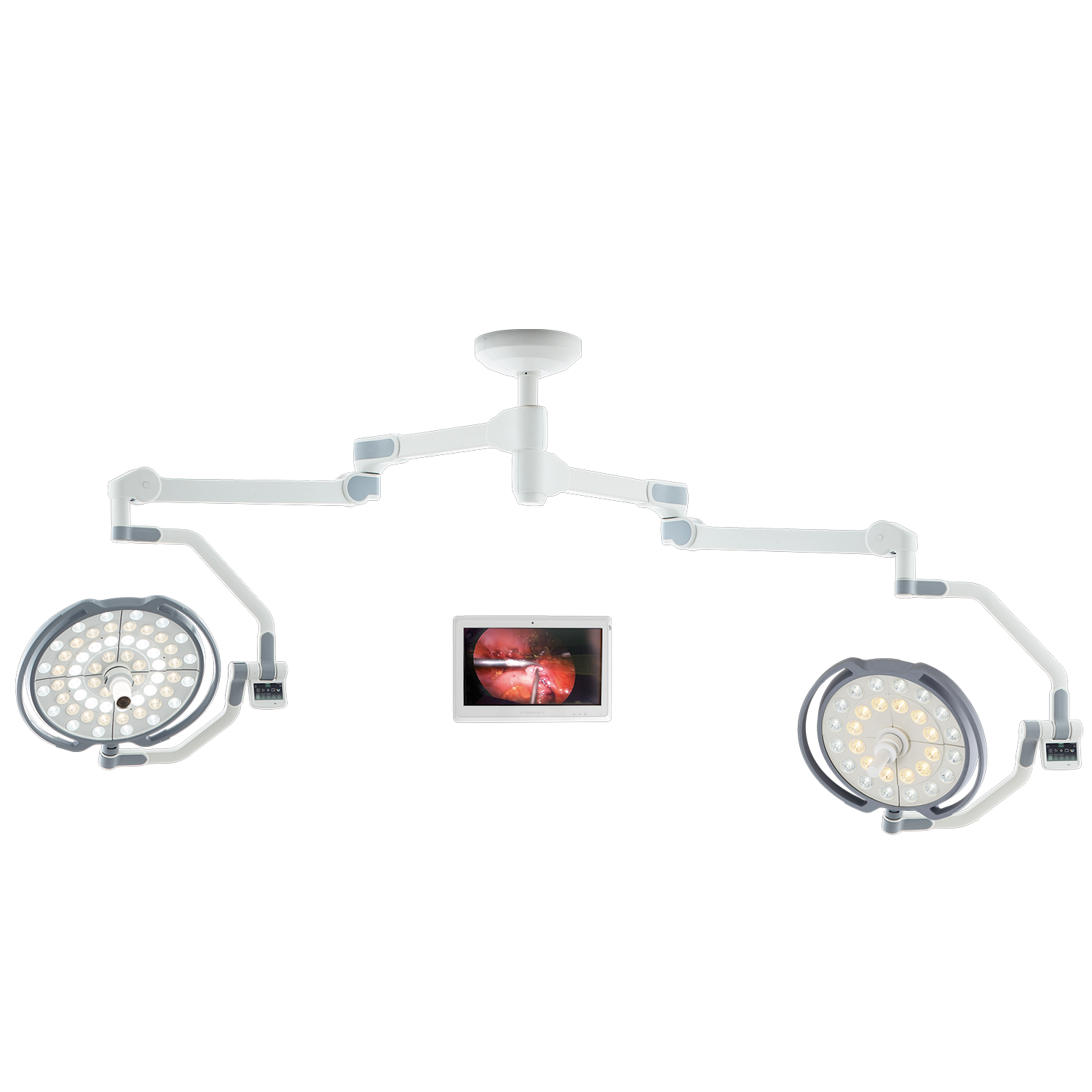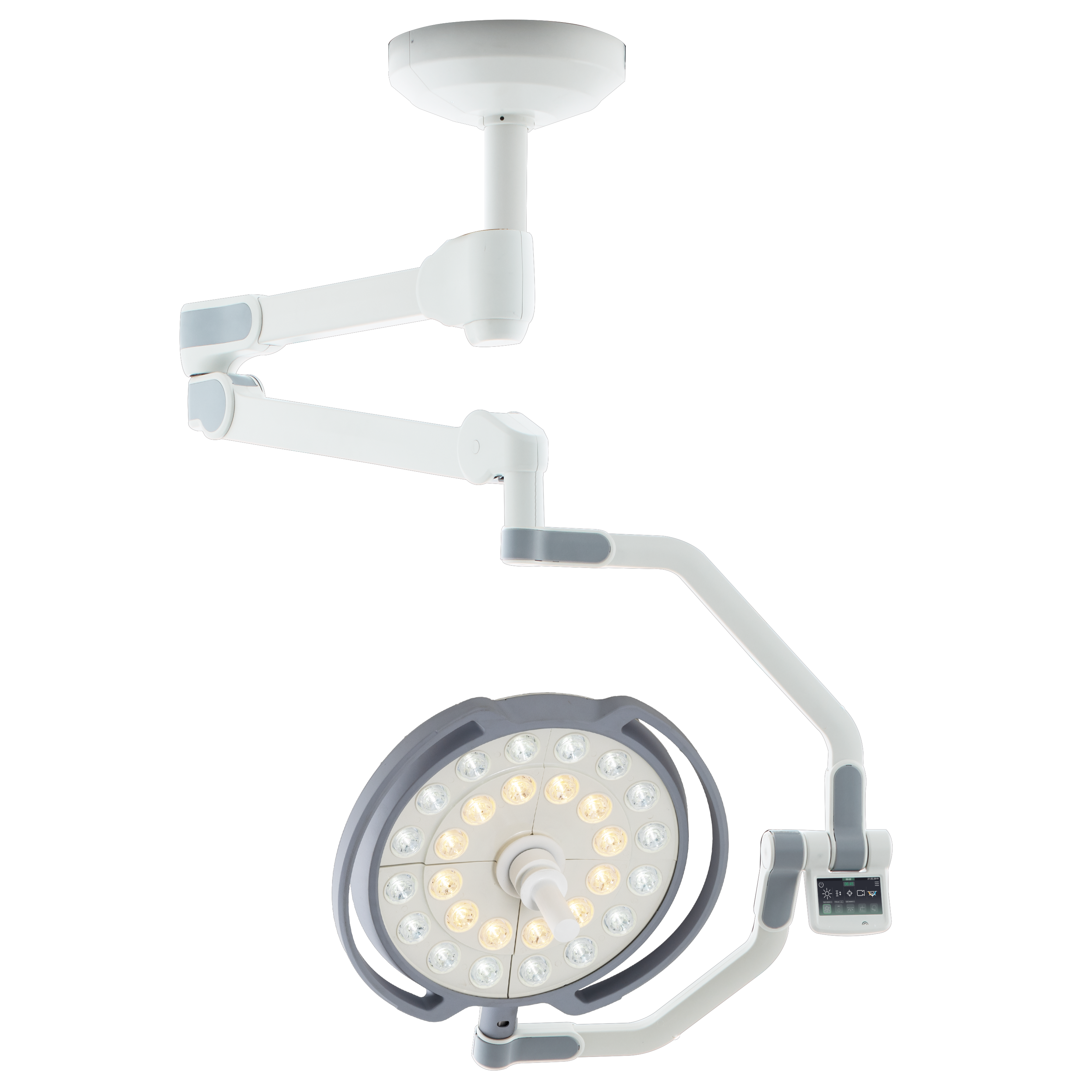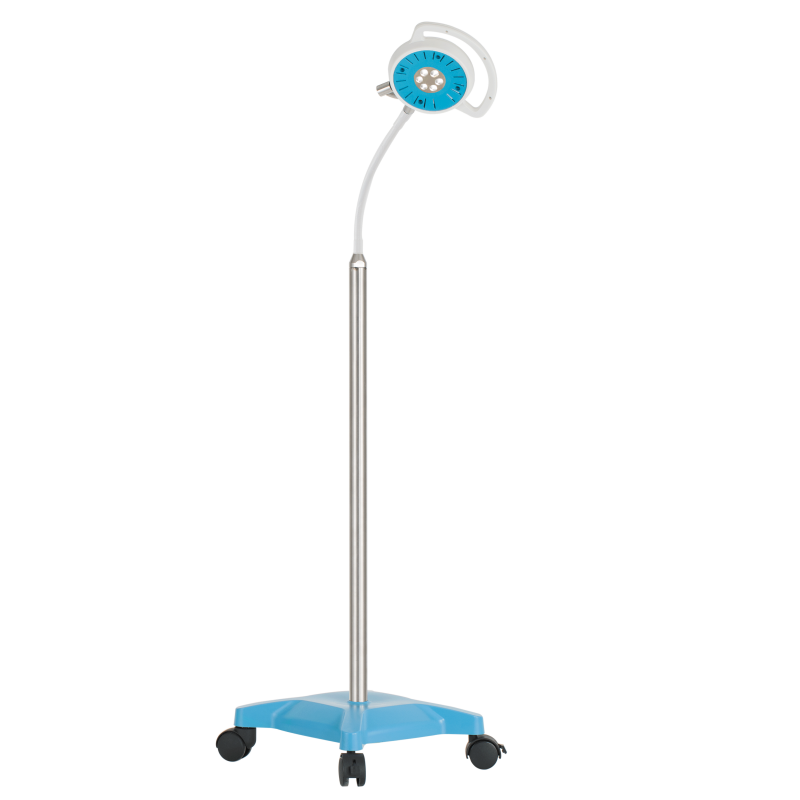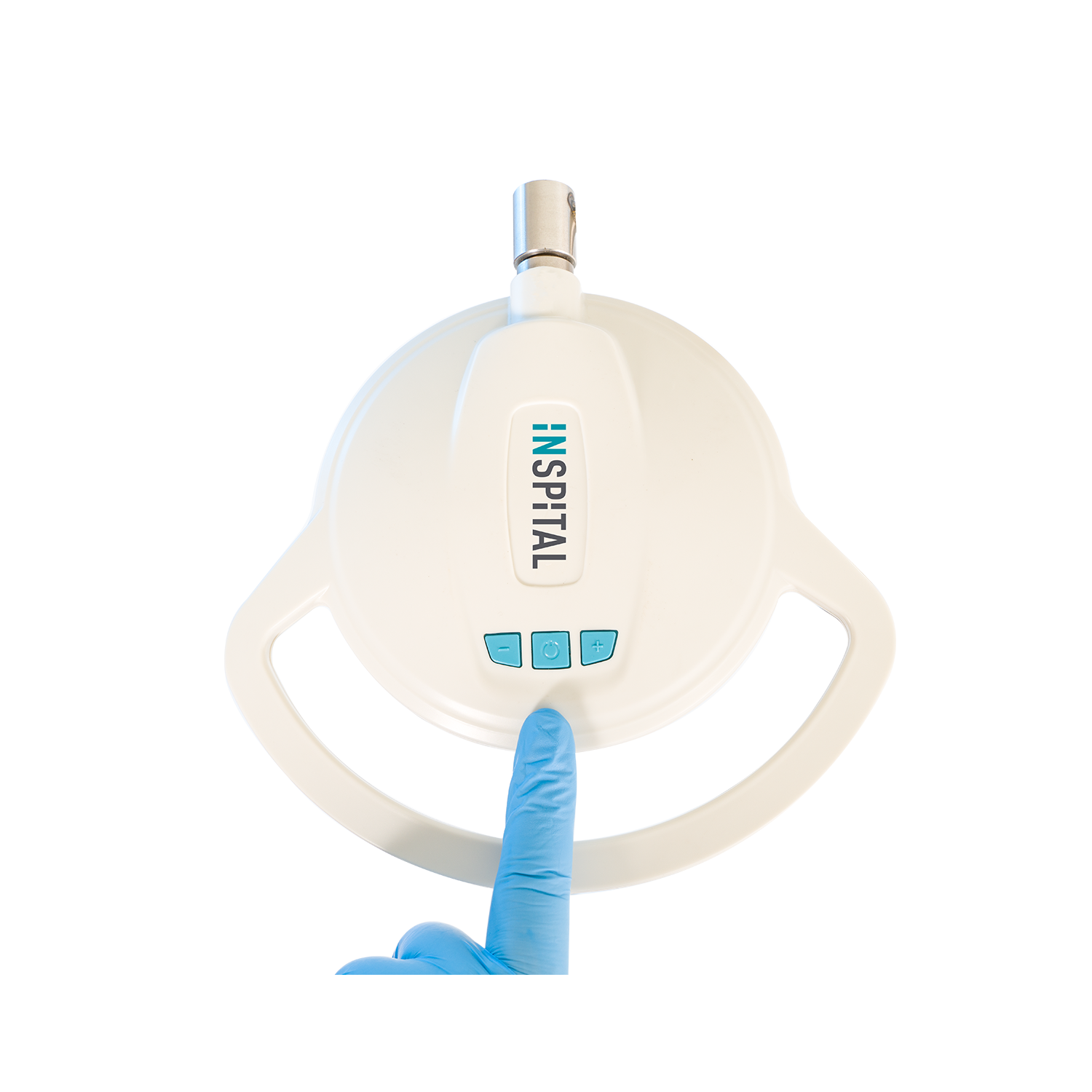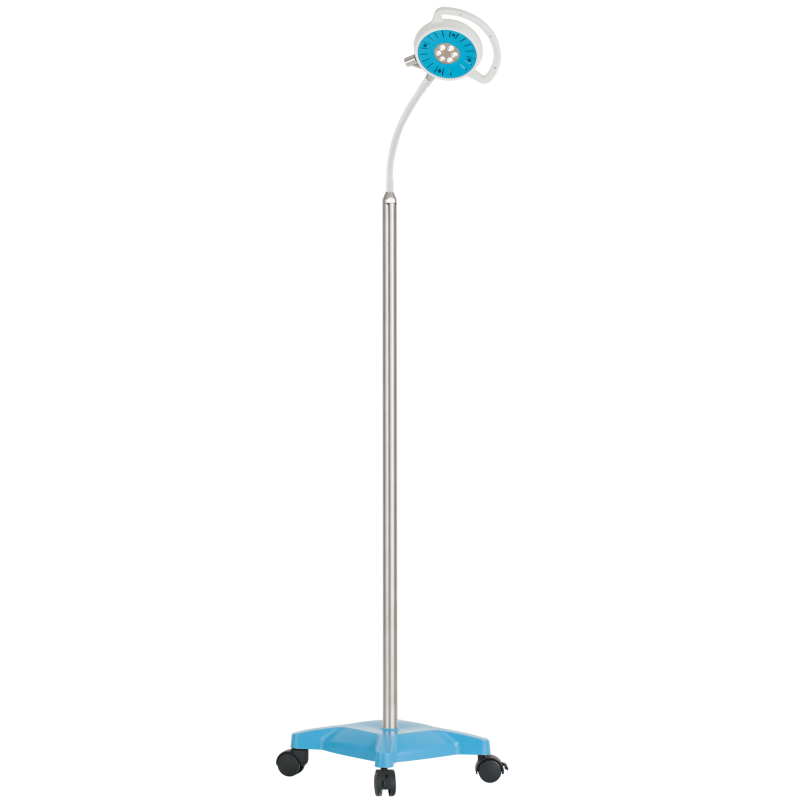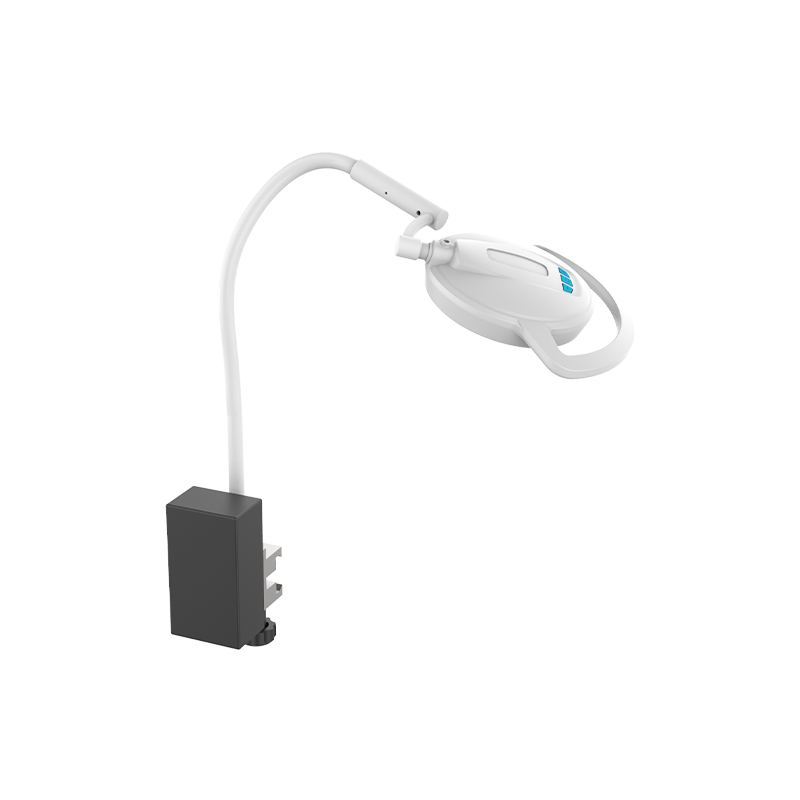
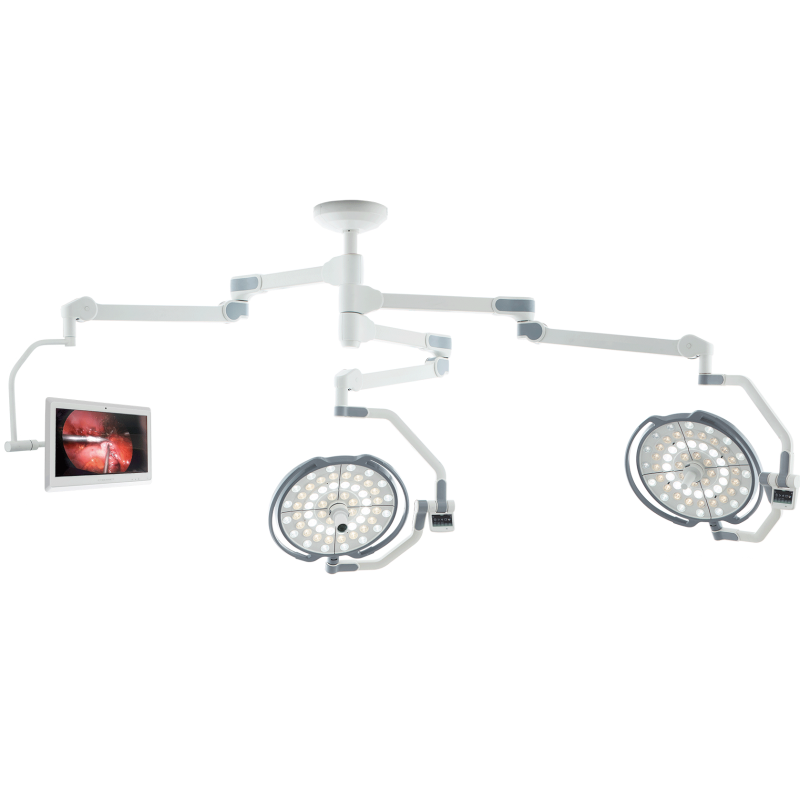
Dual-head surgical lights with camera and arm-mounted 27″ medical monitor LD20.53S
Prices visible to registered customers onlyDual-head surgical lights with camera and arm-mounted 27″ medical monitor LD20.53
Prices visible to registered customers onlyDual-head surgical lights with camera and wall-mounted 27″ medical monitor LD20.24S
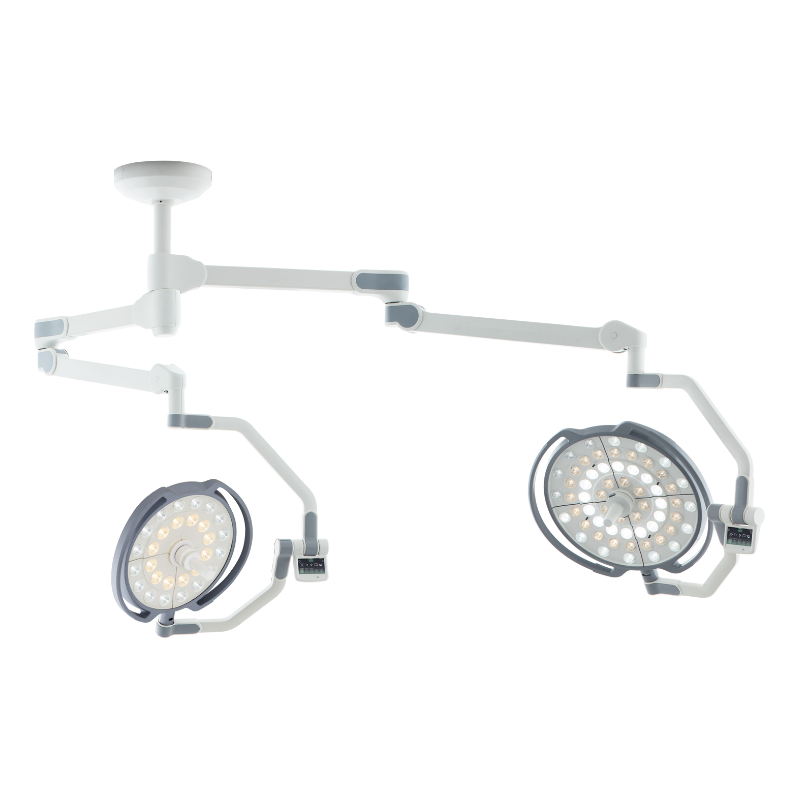
Prices visible to registered customers onlyDual-Head Surgical Light LD10.02S
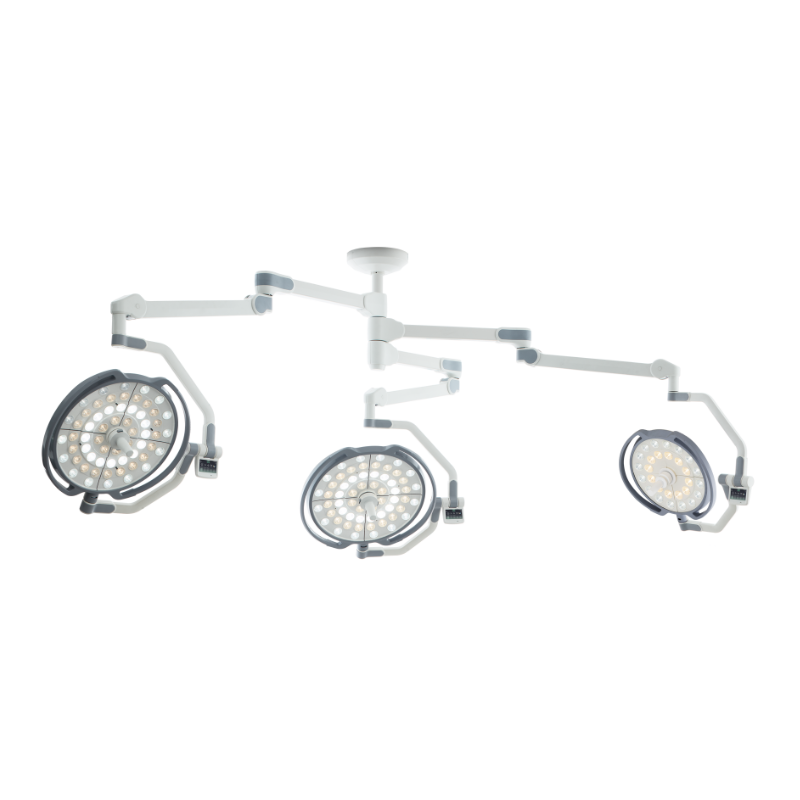
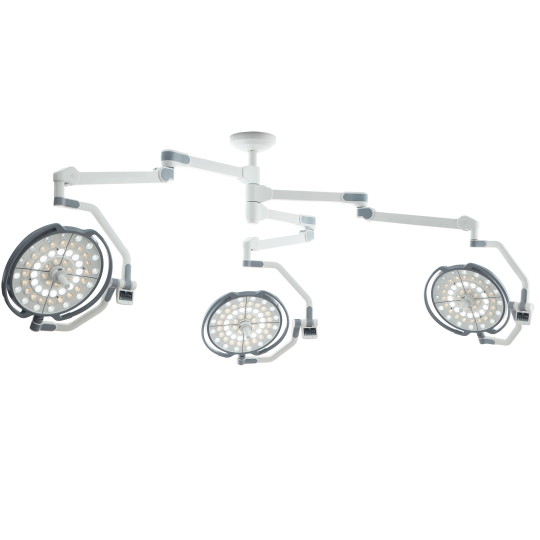
Prices visible to registered customers onlyThree-Headed Surgical Light LD10.03S
Prices visible to registered customers onlySingle-Head Surgical Light LD10.01S
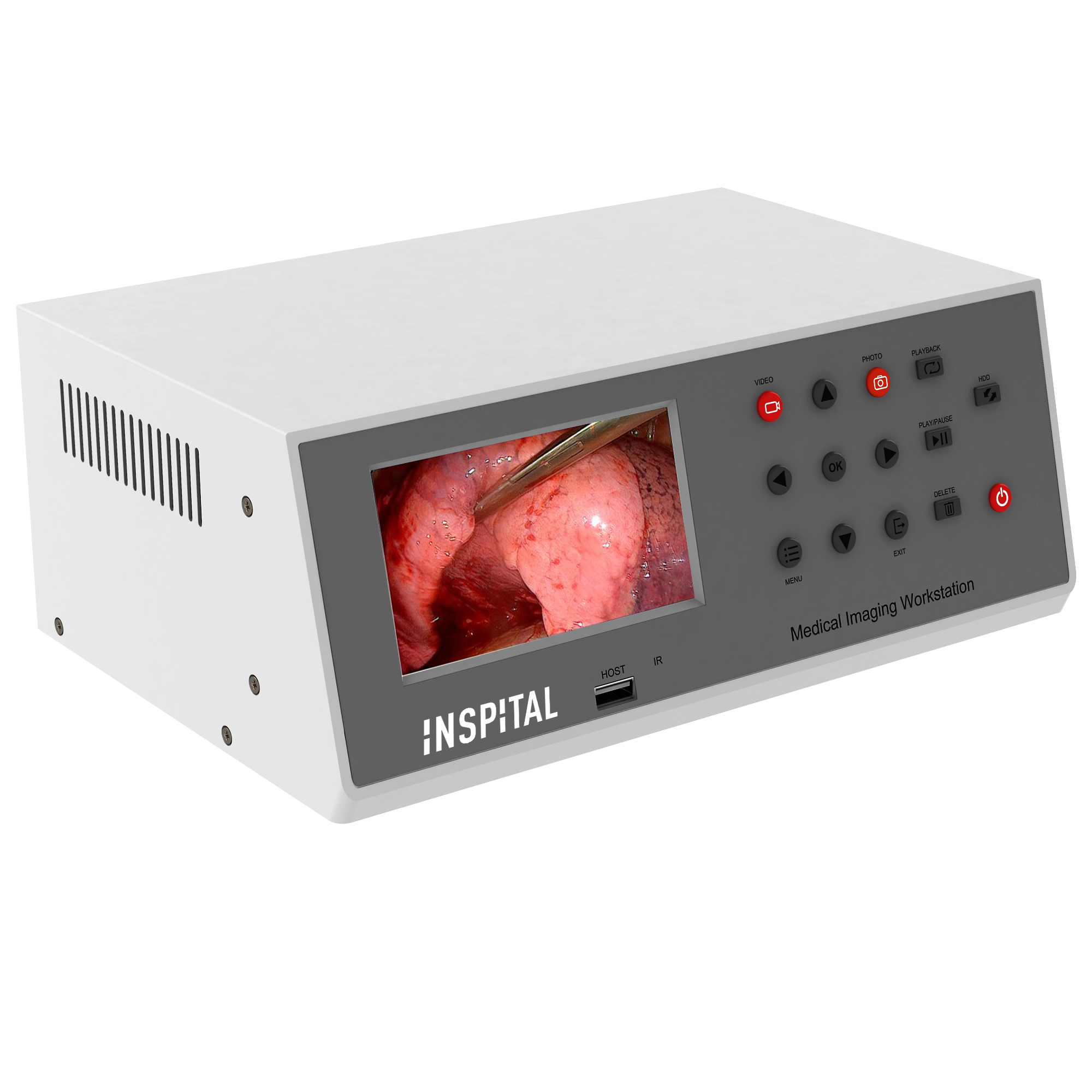
Prices visible to registered customers onlyMedical Imaging Recorder LD30.00
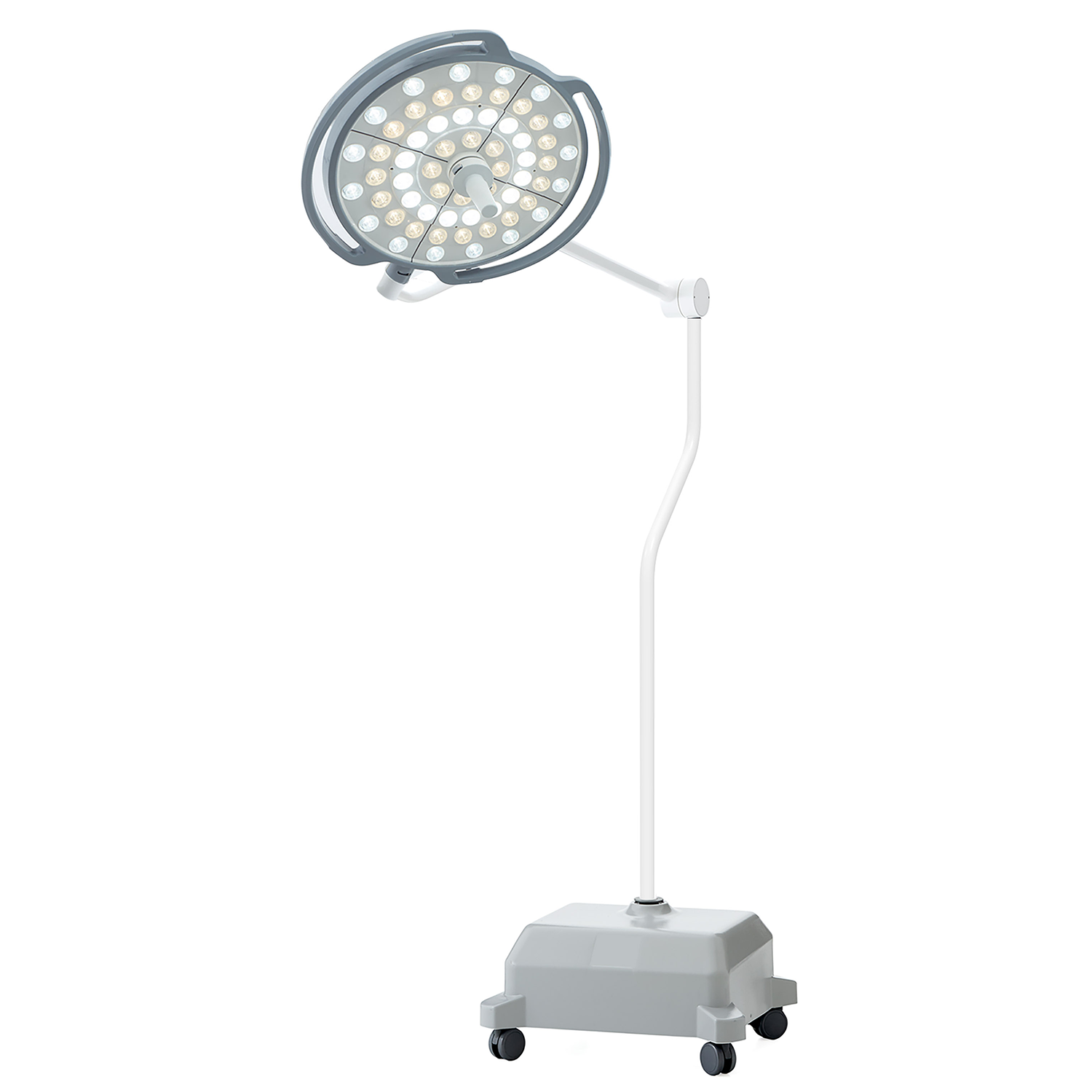
Prices visible to registered customers onlyMobile surgical light with battery LD05.06
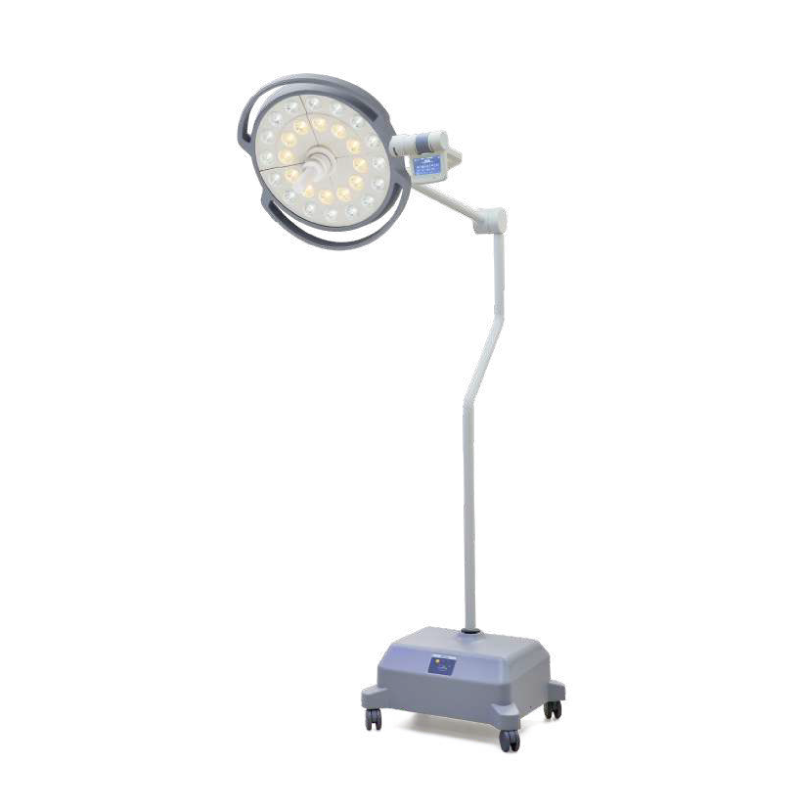
Prices visible to registered customers onlyMobile surgical light, Satellite head with battery LD05.06S
Prices visible to registered customers onlyExamination Light LD02.05
Prices visible to registered customers onlyExamination Light LD02.08
Prices visible to registered customers onlyLED examination lamp, rail type LP10.05
Prices visible to registered customers onlyThe importance of a reliable surgical light manufacturer in the modern operating room
Selecting a suitable surgical light manufacturer is of central importance for hospitals, clinics, and ambulatory surgery centers. Modern surgical procedures place the highest demands on precision, concentration, and working conditions. High-quality surgical lighting is far more than just a light source—it is a decisive factor for patient safety, the efficiency of the surgical team, and the quality of medical outcomes. Manufacturers like Inspital GmbH develop lighting solutions specifically tailored to the complex requirements of modern operating rooms.
During a procedure, even the smallest anatomical structures must be clearly visible and detailed. Inadequate or uneven lighting can lead to shadowing, eye fatigue, and, in the worst case, misinterpretations. A professional surgical light manufacturer therefore considers key factors such as light intensity, homogeneity, color rendering, and depth of illumination. Only when these elements work together optimally is a stable and reliable working environment created for surgeons and assisting staff. Furthermore, adaptability plays an important role. Today, operating rooms are used for a wide variety of specialties—from general surgery and orthopedics to neurosurgery or cardiac surgery. Inspital develops modular and flexible lighting systems that can be adapted to different types of procedures and spatial conditions. This provides medical facilities with a long-term solution that grows with their requirements.
In addition to technical performance, reliability is also crucial. Surgical lights must function stably during daily continuous use and must not cause any unexpected failures. High-quality materials, robust designs, and long-lasting LED technology ensure that modern systems work reliably even under high stress. Another aspect is cost-effectiveness. Hospitals are under increasing cost pressure and require investments that are profitable in the long term. Energy-efficient lighting, low maintenance costs, and a long service life contribute to significantly reducing total operating costs. An experienced surgical light manufacturer like Inspital understands these medical, technical, and economic requirements and offers solutions that take all areas into account. This makes surgical lighting an integral part of modern surgical infrastructure and helps clinics sustainably improve quality, safety, and efficiency.
Advanced LED technology as the foundation of modern surgical lighting
The development of LED technology has fundamentally changed the field of surgical lighting. Today, modern surgical light manufacturers rely almost exclusively on high-performance LED systems, as these offer numerous advantages over conventional halogen or gas discharge lamps. Inspital GmbH also integrates modern LED technologies into its lighting systems to combine the highest light quality with energy efficiency and operational safety. A major advantage of LEDs is their constant and flicker-free light output. During a surgical procedure, the light must remain stable without fluctuations in brightness or color changes. Consistent lighting reduces the strain on the surgical team’s eyes and supports concentration over long operation times.
Another decisive factor is the low heat generation. Conventional light sources often generate significant heat, which both burdens the surgical staff and can dry out the surgical field. LED surgical lights from Inspital generate significantly less heat radiation and thus contribute to a more pleasant working climate in the operating room. The long service life of modern LEDs also represents an important economic advantage. With operating times of several tens of thousands of hours, maintenance and replacement intervals are significantly reduced. This increases operational safety and minimizes downtime, which could lead to organizational problems in everyday clinical practice.
Furthermore, LED systems allow for precise control of light intensity and color temperature. Different surgical disciplines require different lighting conditions. High color rendering ensures that tissues, blood vessels, and anatomical details are represented naturally. This supports decision-making during the procedure and improves the visual perception of complex structures.
In addition to functional advantages, the aspect of sustainability is playing an increasing role. The lower energy consumption of modern LED surgical lights helps hospitals reduce their operating costs while simultaneously achieving environmental goals. Through the combination of light quality, energy efficiency, and longevity, LED technology forms the basis of modern surgical lighting systems. Inspital utilizes these technical possibilities to develop solutions that meet the increasing demands of modern surgical centers.
Shadow-free performance and depth of illumination for maximum precision
One of the most important requirements for surgical lights is the ability to illuminate the surgical field evenly and without shadows. During a surgical procedure, hands, instruments, and equipment are constantly moving within the light range. Without suitable lighting, distracting shadows are created that can restrict the view of the surgical area. An experienced surgical light manufacturer like Inspital therefore develops lighting systems that ensure stable illumination even under dynamic conditions.
Modern surgical lights work with multiple light sources whose beams overlap. This so-called multi-field or multi-light principle ensures that shadows are minimized, even if individual light areas are obstructed. The result is a homogeneous light field that offers consistent brightness regardless of the position of the surgical team. In addition to surface illumination, the depth of light plays a decisive role. Many surgical procedures take place not only on the surface but in deeper anatomical areas. A high-quality surgical light must therefore offer sufficient illuminance even at depth. Inspital systems are designed to provide high light intensity across a large depth range.
Color rendering is another critical factor. Surgeons must be able to reliably distinguish between tissue types, bleeding, or changes. High color rendering quality ensures that colors are displayed naturally and with high contrast. This improves visual orientation and supports precise work. Glare-free performance also plays an important role. Direct or reflected glare can impair concentration and fatigue the eyes. Modern optical systems ensure that light is distributed evenly and that no distracting light reflections occur.
By combining shadow reduction, depth of illumination, and natural color representation, high-quality surgical lights contribute significantly to the safety of surgical procedures. Inspital develops its systems with the goal of creating optimal viewing conditions and thus sustainably improving the quality of work in the operating room.
Ergonomics, positioning, and ease of use of modern surgical lights
A professional surgical light manufacturer is no longer measured by light output alone. Rather, the decisive factor is how a lighting system integrates into the daily routine of an operating room. Ergonomics, maneuverability, and intuitive control are central quality features that have a direct influence on efficiency and safety. Especially during long or complex procedures, it is essential that the surgical light can be positioned precisely without disrupting the workflow.
Modern light arms must be smooth-running, stable, and capable of withstanding long-term stress. A balanced spring or gimbal mechanism ensures that the light can be moved into any desired position without effort. At the same time, there must be no unwanted movement or loss of position. In surgical practice, this means: once aligned, the light stays exactly where it is needed—even during longer operations or when the height of the surgical table is changed.
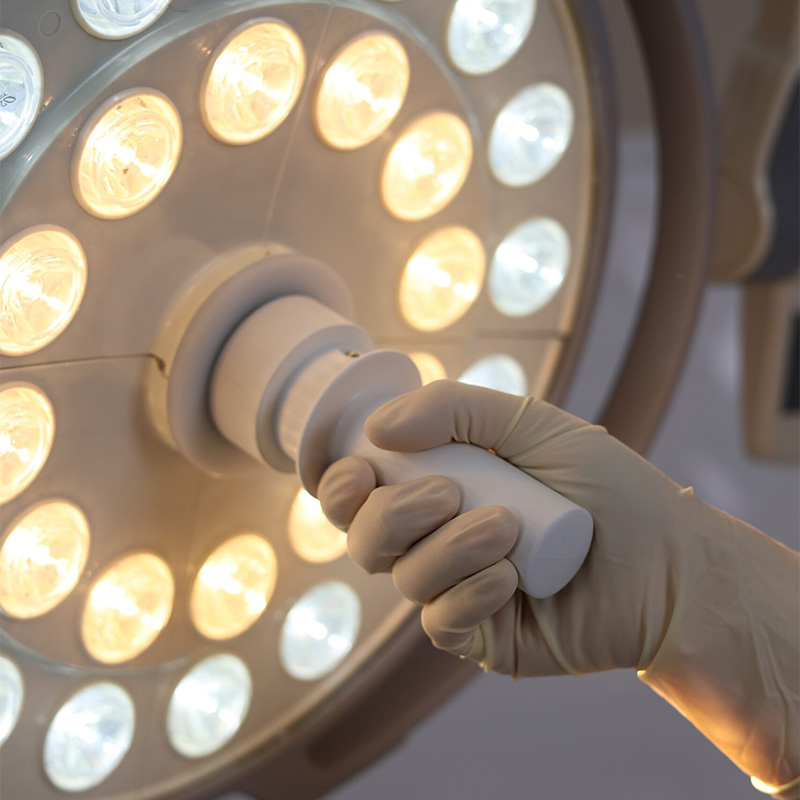
Another important aspect is sterile operability. Surgical lights feature removable, sterilizable handles that allow for direct adjustment within the sterile field. Additionally, modern manufacturers rely on touch control panels or wall panels outside the sterile field, through which light intensity, focus diameter, or color temperature can be regulated. This multiple control capability increases flexibility and facilitates the workflow in the OR.
In its surgical lights, Inspital GmbH places particular emphasis on a balanced design that ensures both mechanical stability and easy maneuverability. This reduces the physical strain on the surgical team and minimizes interruptions during sensitive surgical phases.
Furthermore, integration into existing OR structures also plays a role. Lights must fit easily into ceiling supply units, OR ceilings, or hybrid OR concepts. A well-thought-out design ensures that cables, sensors, or additional modules do not restrict freedom of movement.
In the OR context, ergonomics ultimately means safety. A light that can be adjusted quickly and precisely prevents unnecessary shadowing, shortens setup times, and supports focused work. An experienced surgical light manufacturer considers these aspects as early as the development phase—creating systems that are not only technically impressive but also offer real added value in everyday clinical practice.
Hygienic design and flow-optimized construction
In the operating room, hygiene is the top priority. Every component located above the surgical field must be designed to meet strict requirements for germ reduction and cleanability. A professional surgical light manufacturer therefore develops its systems not only from optical and technical perspectives but also from a hygienic standpoint.
Modern surgical lights feature smooth, closed surfaces without hard-to-reach gaps or screw connections. This design significantly facilitates regular cleaning and disinfection. Materials must be resistant to aggressive cleaning agents and must not show any damage or discoloration even with frequent disinfection.
A particularly relevant aspect is the so-called flow-optimized construction. Many operating rooms work with laminar airflow to keep germs away from the surgical area. Surgical lights must not disrupt this controlled air guidance. Their shape must be designed to influence the airflow as little as possible and avoid creating turbulence that could potentially introduce germs into the surgical field.
Inspital GmbH takes these requirements into account when developing its lighting systems. Compact designs and aerodynamic shapes ensure that air circulation in the OR is not negatively affected.
Thermal development also plays a role in terms of hygiene. LED technology generates significantly less heat than older lighting systems. This reduces air movement caused by heat currents, which in turn supports the stability of the laminar airflow.
Additionally, modern, closed LED modules contribute to the fact that no open ventilation slots are necessary, where dust or germs could settle. The combination of flow-optimized design, hygienic materials, and reduced heat generation makes high-quality surgical lights an important component of infection prevention. A surgical light manufacturer that consistently considers these aspects makes a direct contribution to patient safety and compliance with clinical hygiene standards.
Energy efficiency, sustainability, and economic planning security
Hospitals are under increasing economic pressure. Investments in medical technology must therefore not only be functionally convincing but also economically viable in the long term. A modern surgical light manufacturer meets this demand by relying on energy-efficient technologies and long-lasting components.
LED-based surgical lights consume significantly less power than previous halogen solutions. This lower energy requirement has a noticeable impact on operating costs over the years. At the same time, LEDs offer an exceptionally long service life. While classic light sources had to be replaced regularly, modern LED modules can reach tens of thousands of operating hours.
For clinics, this means lower maintenance costs and less downtime. Replacement during ongoing surgical programs is organizationally complex and costly. Long-lasting systems therefore increase planning security and reduce technical support requirements.
Inspital GmbH relies on efficient LED technology, robust housing designs, and high-quality electronic components for its surgical lights. This results in a lighting system that works reliably even with intensive use.
In addition to energy efficiency, sustainability also plays a role. Modern lights are designed so that individual components are replaceable without having to replace the entire system. This reduces resource consumption and extends the investment’s life cycle.
Furthermore, stable light output over the entire period of use ensures constant surgical conditions. Fluctuating brightness or color changes can impair surgical precision. High-quality systems, on the other hand, guarantee consistent quality. A surgical light manufacturer that combines cost-effectiveness and sustainability offers hospitals not only technical but also strategic advantages. Investing in modern lighting pays off in the long term through lower total operating costs and increased operational safety.
Inspital as a strategic partner for modern surgical lighting
The selection of a surgical light manufacturer is more than a technical decision—it is a strategic partnership. Lighting systems are part of the central infrastructure of an operating room and influence the quality of work for the entire team every day. A manufacturer must therefore not only deliver high-performance products but also ensure consultation, planning security, and long-term service.
Inspital GmbH positions itself as a provider that combines modern surgical technology with practice-oriented development. The focus is not solely on technical innovation, but on the concrete application in everyday clinical practice. Surgical lights must support a wide variety of surgical disciplines—from general surgery and orthopedics to specialized procedures.
A comprehensive portfolio allows clinics to select lighting systems suitable for room size, ceiling height, or integration into supply units. Future expansion possibilities also play a role. Modern OR concepts are continuously evolving—think hybrid ORs or digital integration. Flexible lighting systems form the basis for such developments.
Another decisive factor is service. Installation, maintenance, and spare parts supply must be reliably organized to minimize downtime. A professional surgical light manufacturer accompanies its customers not only during the purchase but throughout the entire life cycle of the systems.
Furthermore, trust is an essential element. Hospitals invest in their infrastructure for the long term. They need partners who meet quality, safety standards, and international norms. A clear quality strategy, robust construction, and continuous development are indispensable in this regard.
Today, modern surgical lights stand for far more than just brightness. They represent precision, safety, ergonomics, and efficiency. A manufacturer that views these aspects holistically helps clinics create optimal working conditions while planning economically. This makes it clear: choosing the right surgical light manufacturer influences not only the light quality in the operating room but the entire performance of a surgical center.