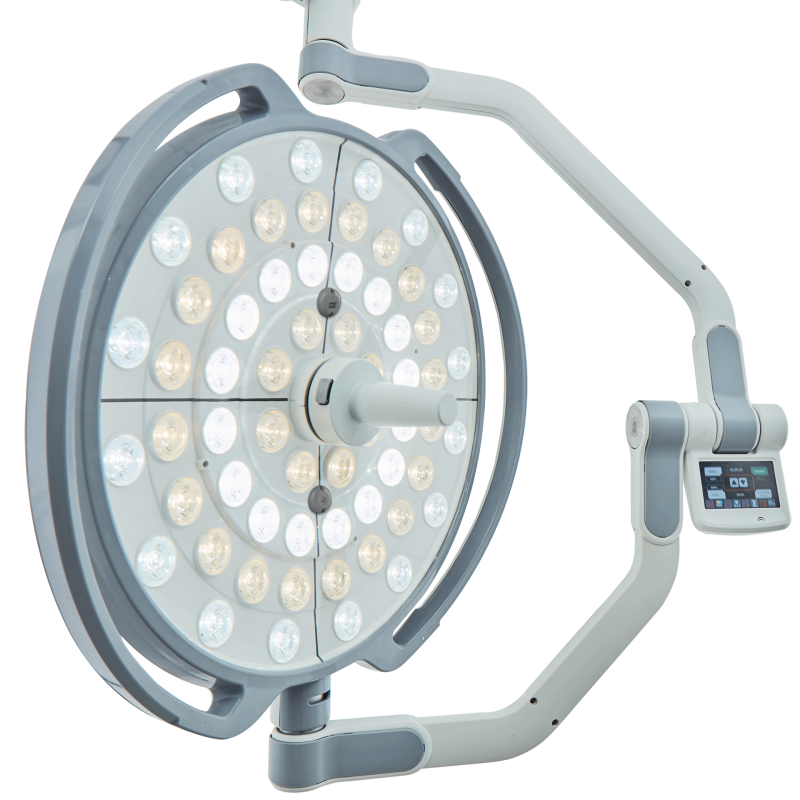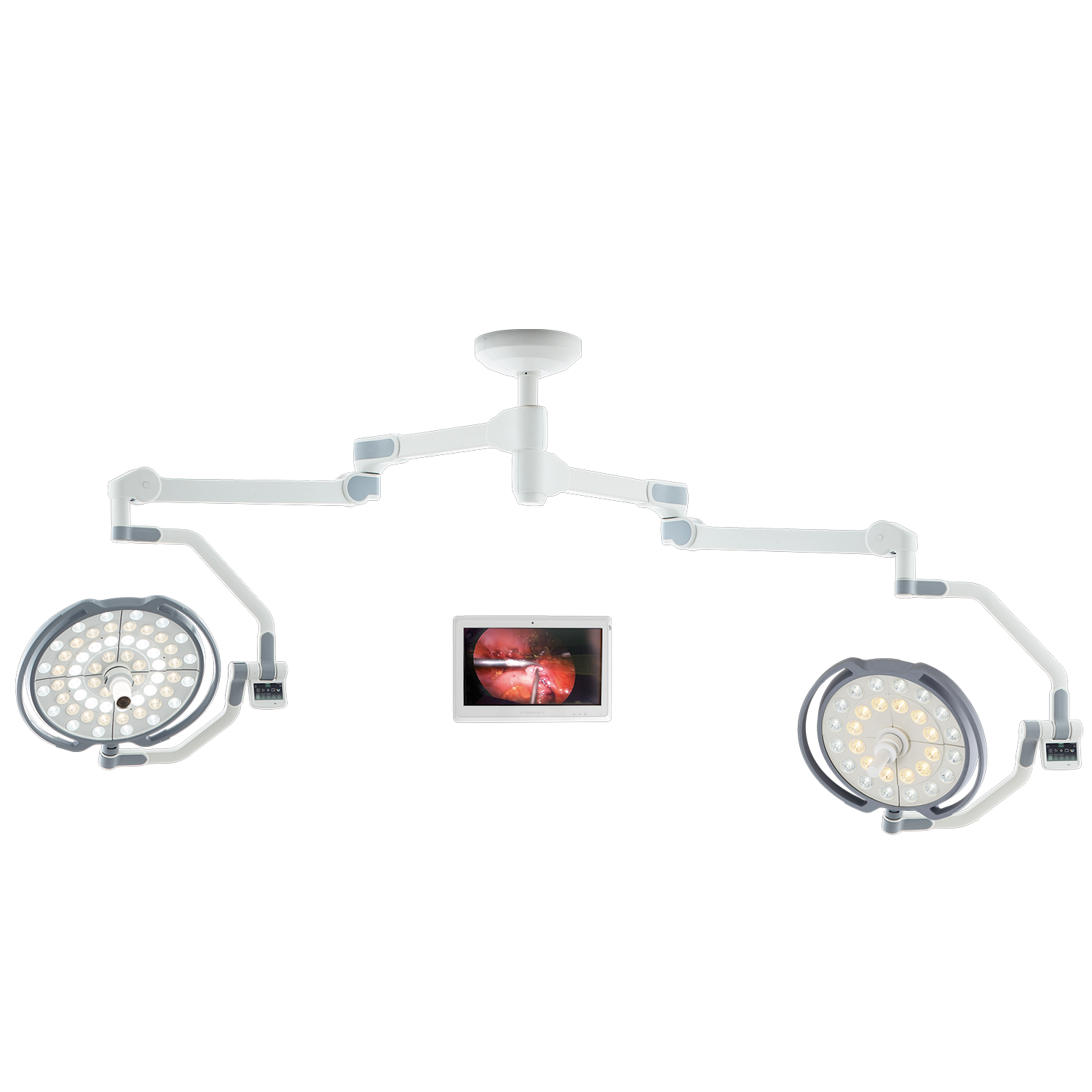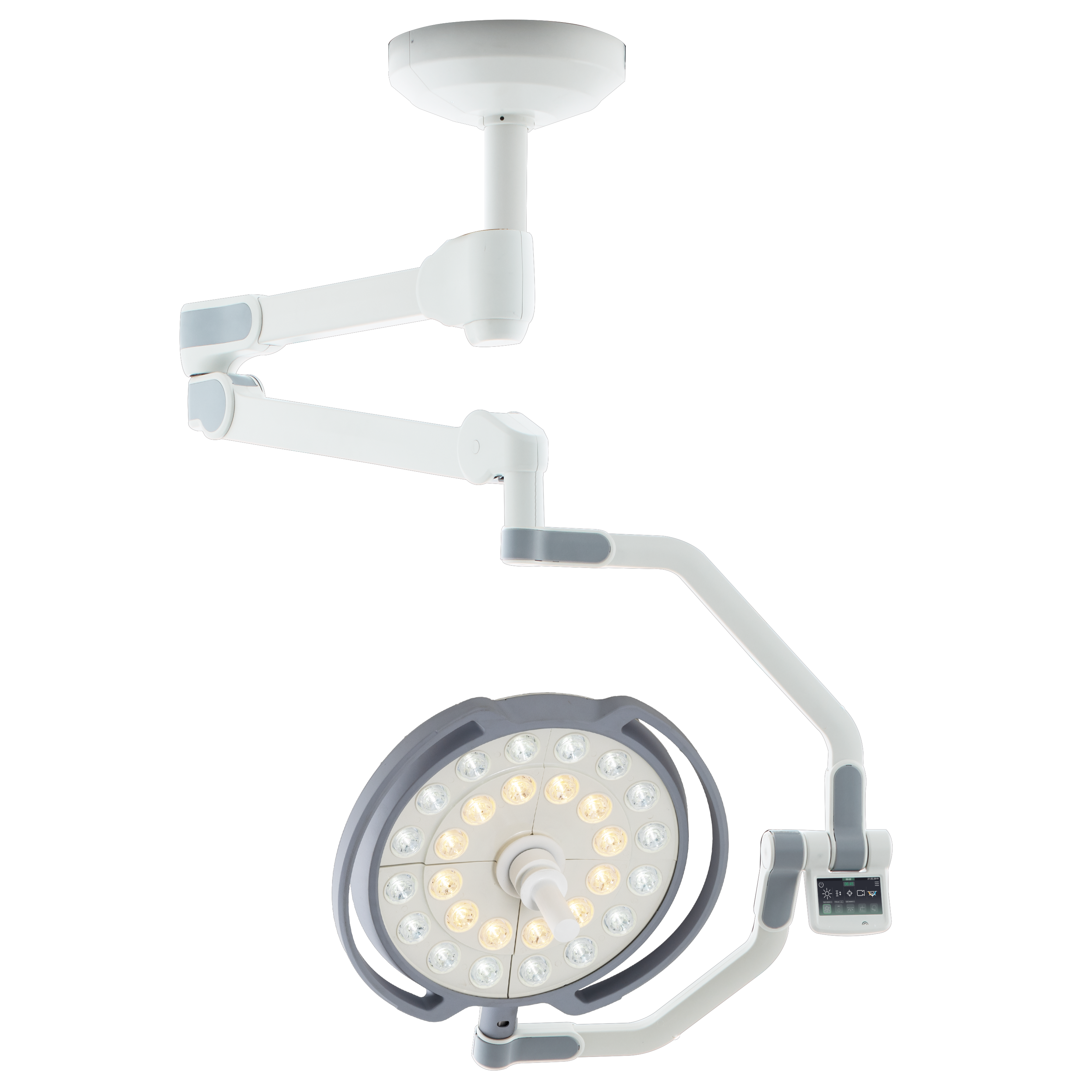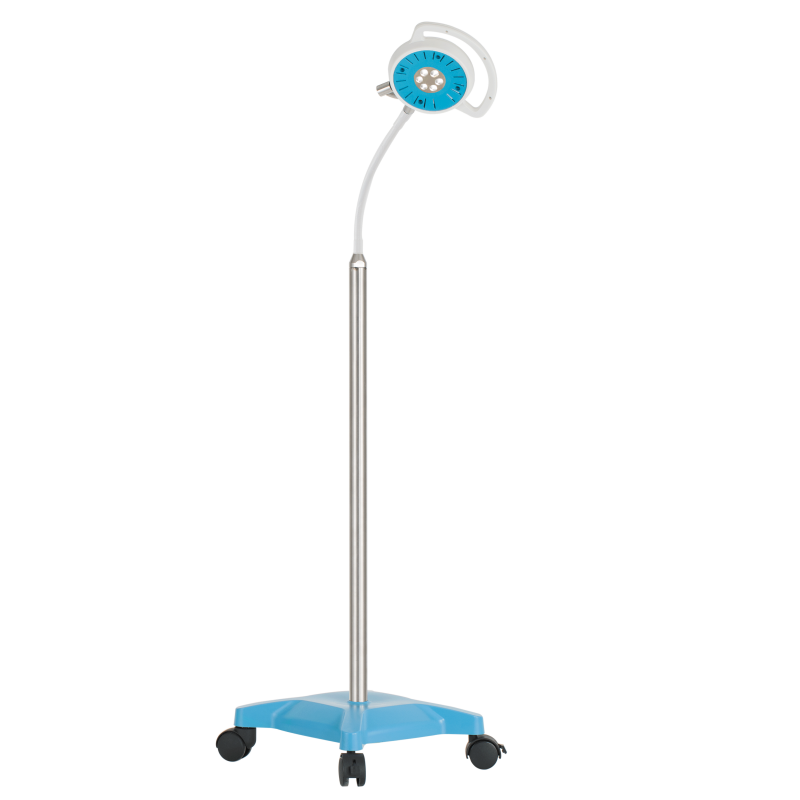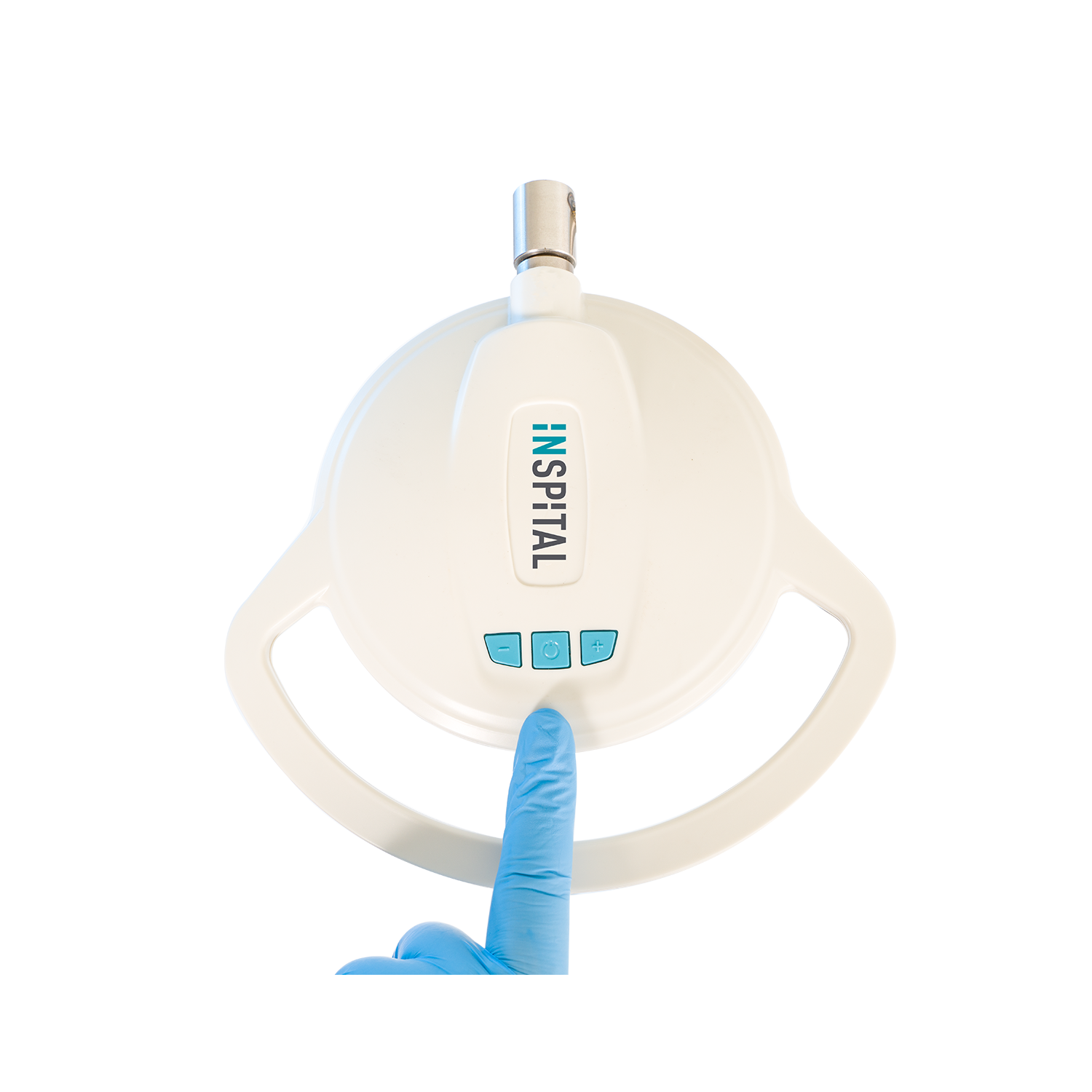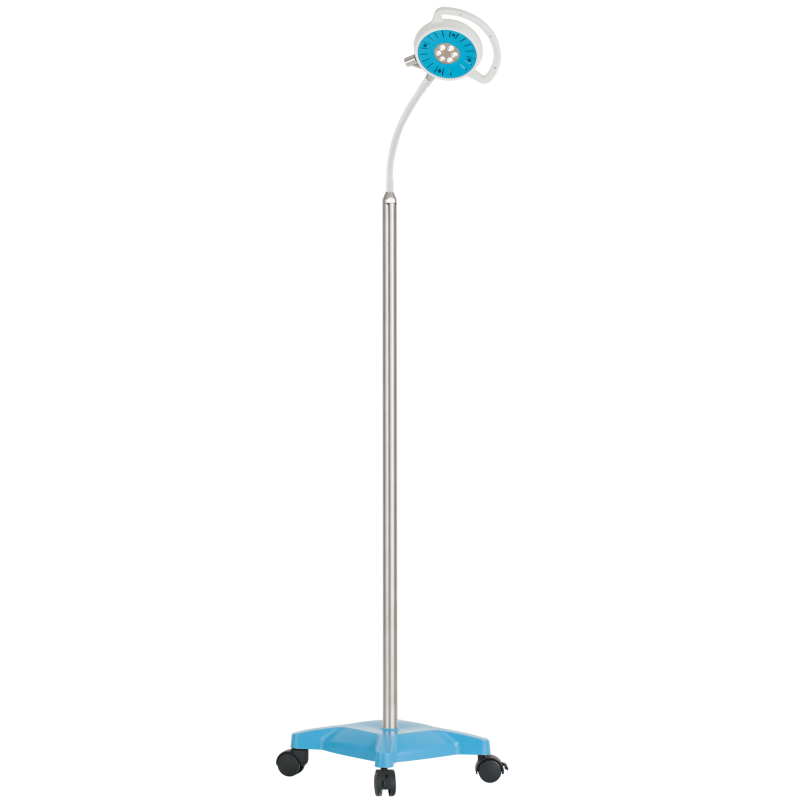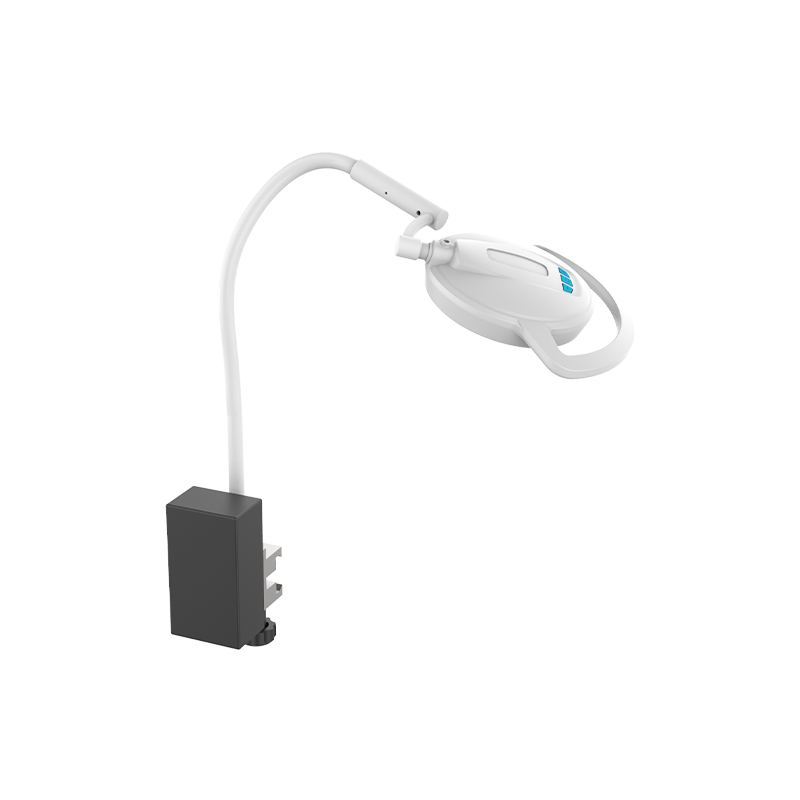
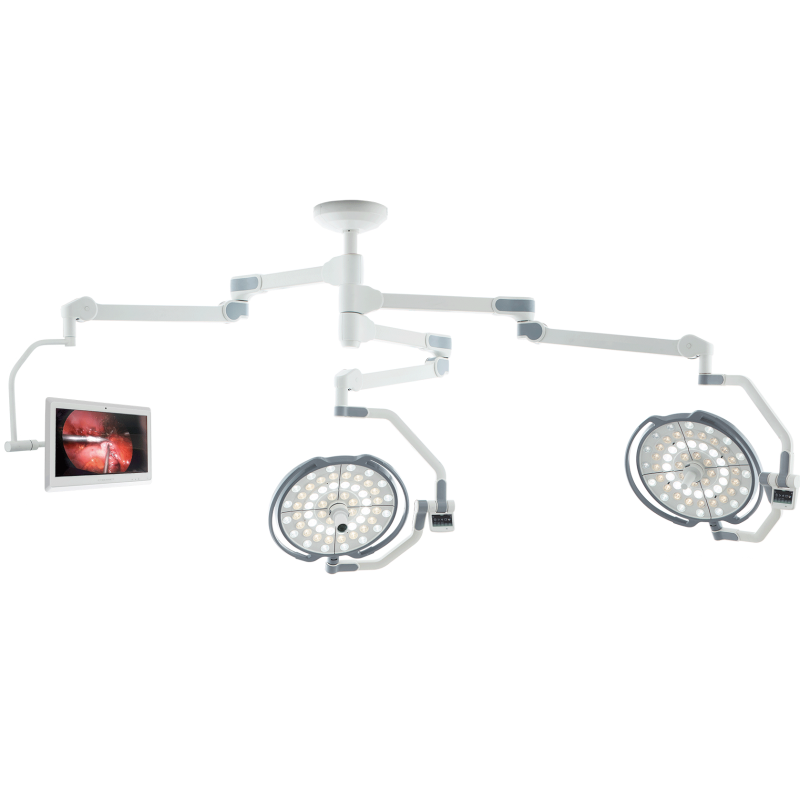
Dual-head surgical lights with camera and arm-mounted 27″ medical monitor LD20.53S
Prices visible to registered customers onlyDual-head surgical lights with camera and arm-mounted 27″ medical monitor LD20.53
Prices visible to registered customers onlyDual-head surgical lights with camera and wall-mounted 27″ medical monitor LD20.24S
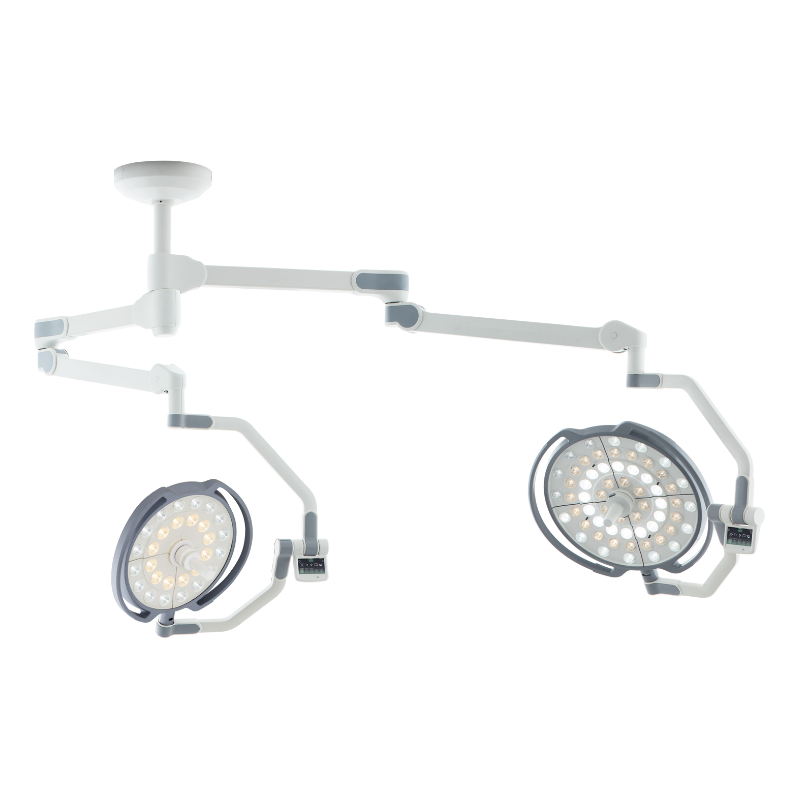
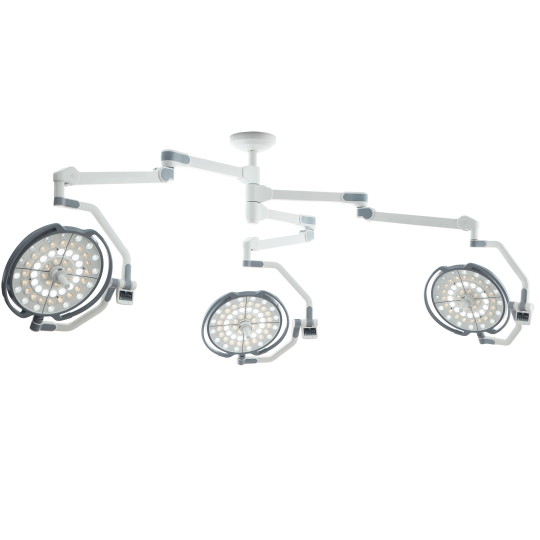
Prices visible to registered customers onlyDual-Head Surgical Light LD10.02S
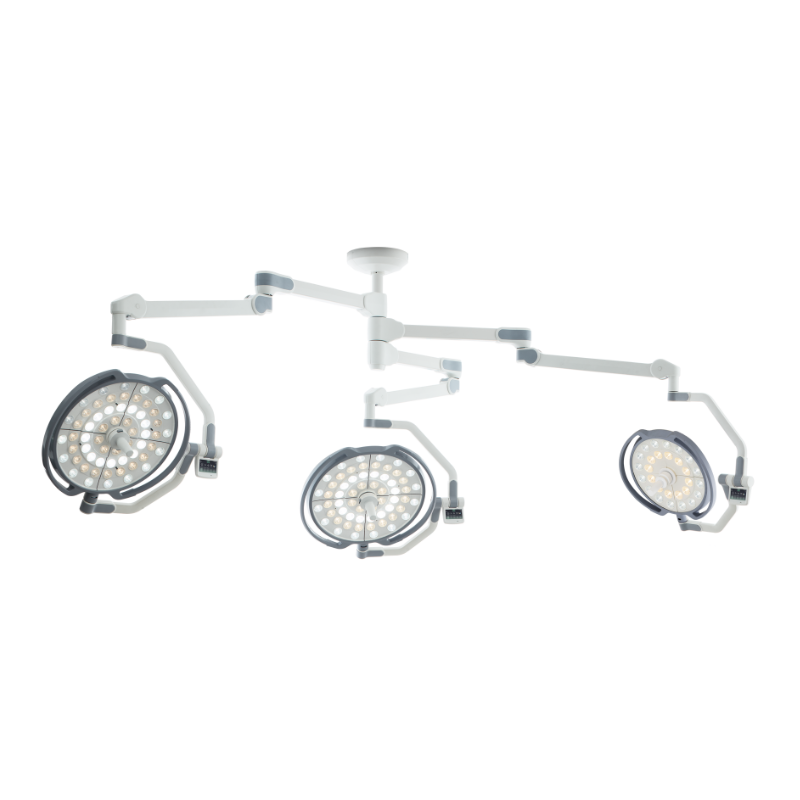
Prices visible to registered customers onlyThree-Headed Surgical Light LD10.03S
Prices visible to registered customers onlySingle-Head Surgical Light LD10.01S
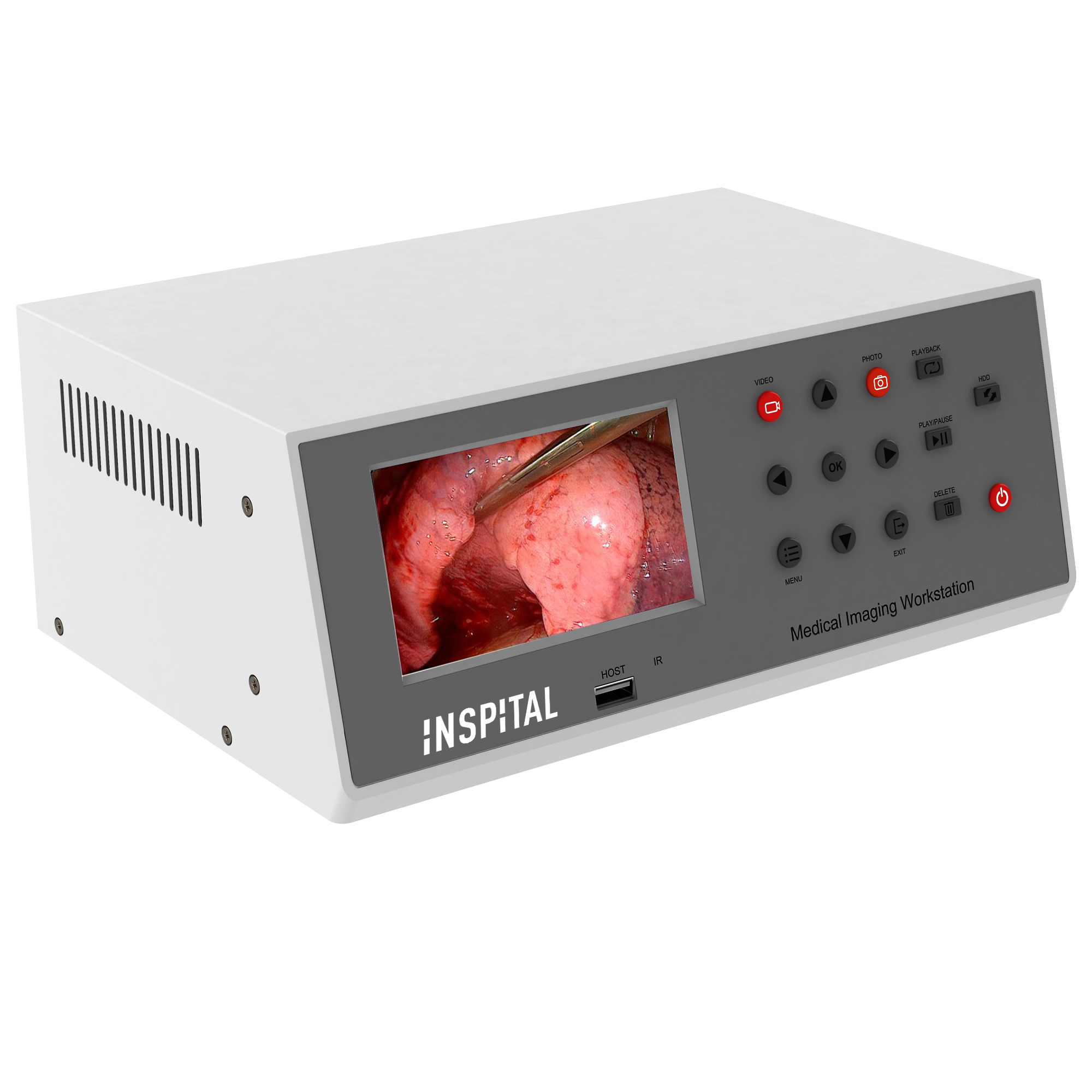
Prices visible to registered customers onlyMedical Imaging Recorder LD30.00
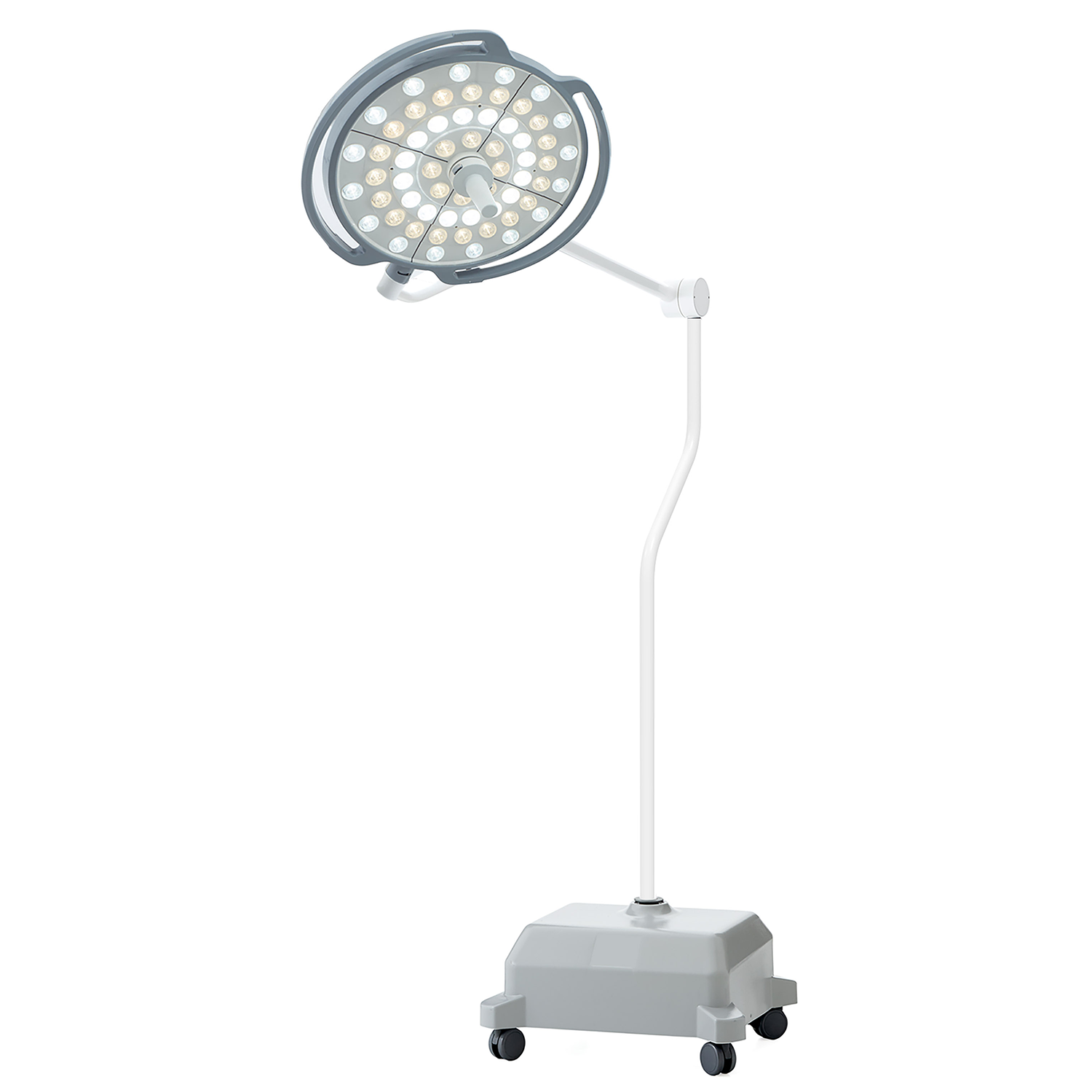
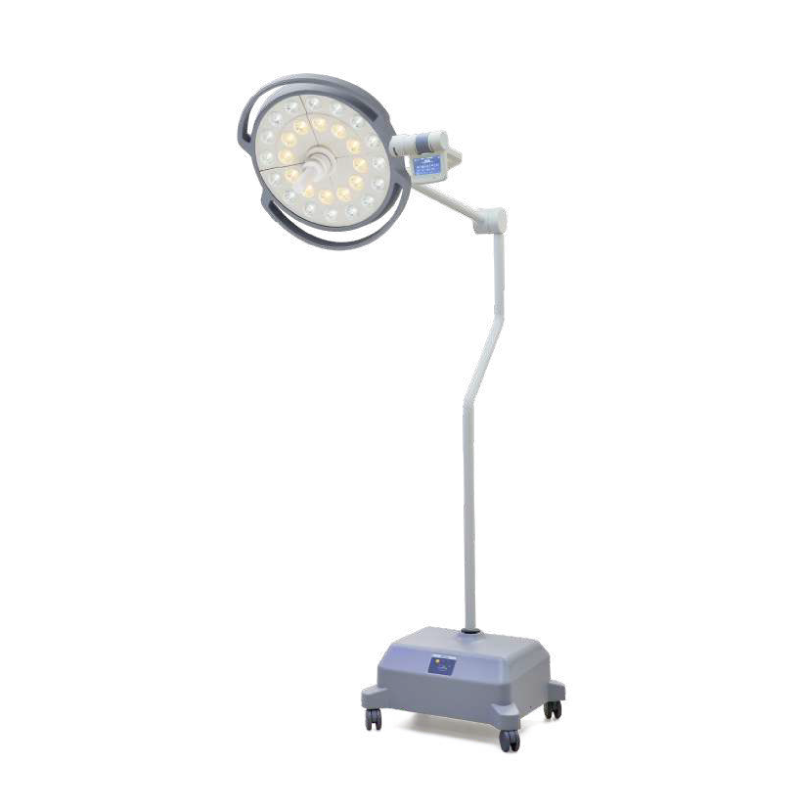
Prices visible to registered customers onlyMobile surgical light with battery LD05.06
Prices visible to registered customers onlyMobile surgical light, Satellite head with battery LD05.06S
Prices visible to registered customers onlyExamination Light LD02.05
Prices visible to registered customers onlyExamination Light LD02.08
Prices visible to registered customers onlyLED examination lamp, rail type LP10.05
Prices visible to registered customers onlyThe importance of professional surgical light installation for safe procedures
Installing surgical lights is a crucial part of operating room equipment, as precise installation directly affects safety and efficiency in the OR. In modern hospitals, surgical lights are central to surgical work because they must ensure optimal visibility of the surgical field. Incorrect installation can not only impair light quality, but also restrict the OR team’s ergonomics, complicate cleaning routines, and increase the risk of failures. Inspital GmbH understands these requirements and therefore offers comprehensive consulting and structured installation processes for its surgical lights.
Each surgical light must be aligned precisely to guarantee shadow-free, even illumination. This involves not only the height and distance to the operating table, but also the correct alignment of the individual light sources. Inspital therefore provides detailed installation instructions that make the installation process transparent step by step for technicians, hospital staff, or external specialist companies. This ensures that each surgical light meets the intended specifications exactly. In addition to alignment, the mechanical stability and safety of the mounting are crucial. Surgical lights must remain securely fixed throughout the entire procedure, even if staff reposition them multiple times during an operation. Inspital therefore uses heavy-duty suspension arms, flexible joint systems, and precision mechanisms that enable safe, smooth movement without the light wobbling or slipping. Careful installation ensures that the light’s stability is maintained long term, even under intensive use.
Correct installation also affects cleaning and hygiene. Surgical lights are located in close proximity to the surgical field and must be disinfected regularly. Inspital designs the lights with smooth surfaces and easily accessible controls so that, after professional installation, hygienically flawless cleaning is possible. This reduces the risk of infection and meets the strict requirements of modern operating rooms. In addition, precise installation enables optimal integration of the surgical light into the room concept. Many operating rooms have ceiling supply systems, ceiling booms, or operating tables with modular interfaces. Inspital takes this infrastructure into account during installation planning and ensures that the light works seamlessly with all existing systems. This not only improves functionality, but also makes optimal use of OR space.
Professional installation also impacts long-term cost-effectiveness. Properly installed surgical lights are less prone to defects, mechanical wear, or the need for readjustments. This reduces maintenance costs and significantly extends the service life of the devices. Hospitals therefore benefit from stable investments that operate reliably for many years.
Planning and preparation for surgical light installation
Successful surgical light installation begins long before the light is physically installed. Planning includes analyzing the operating room, taking existing ceiling supply systems into account, the location of operating tables, and the requirements of different surgical specialties. Inspital GmbH places particular emphasis on precise preparation, as it largely determines light quality, ergonomics, and the efficiency of later use.
First, the existing site conditions are assessed. Ceiling height, existing connections, power supply, and potential obstacles are checked. Each surgical light has specific requirements for the mounting point, cable routing, and positioning, so compatibility with existing systems must be ensured at this stage. Inspital provides technical specifications and supports planning so that installers or hospital technicians can determine the optimal location.
The needs assessment also considers the types of procedures performed in the OR. Different surgical interventions require different light intensities, light colors, and illumination angles. Based on this analysis, Inspital can recommend the right light and prepare the installation to provide maximum flexibility. This is particularly relevant when an operating room is used by multiple departments and the light must be usable in different positions.
Before installation, the necessary components, mounts, and fastening materials must be provided. Inspital ensures that all parts are precisely matched so that no on-site adjustments are required. This reduces installation time, minimizes risks, and ensures the surgical light is quickly and correctly ready for use.
Another aspect of preparation is aligning with clinical requirements. The surgical light must be installed so that it does not restrict the OR staff’s freedom of movement while still providing the best possible view of the surgical field. Inspital takes these factors into account during installation planning and provides recommendations for optimal positioning, height, and alignment of the light.
In addition, compliance with safety and regulatory requirements is essential. Each installation must meet current medical standards, electrical safety guidelines, and hygiene requirements. Inspital supports installation partners in meeting these regulations and documents the entire installation process to ensure legally compliant and safe installation.
Finally, preparation is complemented by training or technical instructions. Hospital staff and installers receive detailed information on operation, cleaning, and maintenance of the light. This ensures that the surgical light functions optimally after installation and maximizes both patient safety and efficiency in the OR.
Step-by-step process for surgical light installation
Professional installation of a surgical light is a precise, multi-stage process that includes detailed planning, accurate technical implementation, and final quality control. For Inspital GmbH, this process is essential because each surgical light significantly influences visibility conditions in the operating room and directly supports OR workflows. A systematic step-by-step installation ensures that light intensity, positioning, stability, and hygiene requirements are met optimally.
First, the process begins with positioning the ceiling mounting points. These must be installed exactly according to the manufacturer’s specifications to ensure the light’s load-bearing capacity. Inspital provides detailed plans describing the exact placement of mounts, required distances to operating tables, and the maximum load of the suspension arms. This preparation reduces misplacement and ensures the light will later hang stable and vibration-free.
Next, the suspension arm system is installed. This step is particularly sensitive because the joints must be adjusted precisely to make movement of the surgical light smooth and controllable. Inspital uses heavy-duty joints with multiple adjustment options so the light can be positioned flexibly during surgery without moving unintentionally. Correctly installed mechanics ensure the light can be directed precisely at the surgical field.
Electrical connection follows immediately afterward. Surgical lights are high-performance systems that depend on a stable power supply. Inspital ensures that all cables, plug connections, and terminals are installed safely, in compliance with standards, and protected. At the same time, cables are routed so they do not restrict freedom of movement and do not hinder cleaning of the ceiling or the light. Clean cable routing also minimizes the risk of malfunctions or short circuits.
After mechanical and electrical installation, the light is calibrated. Light intensity is checked, the light field is aligned to the operating table, and shadowing is tested. Inspital ensures that the lights provide optimal illumination both at full brightness and with variable settings. This step is crucial for visual safety during surgical procedures.
Finally, a hygiene check is carried out. All surfaces are checked for disinfectability, and controls and handles are tested for smoothness and easy accessibility. Inspital also integrates training for hospital staff into every installation process so that operation and cleaning are carried out correctly. Final installation documentation ensures that all safety, hygiene, and functional requirements are met and that the surgical light is ready for immediate use.
Ergonomics and workflow with correctly installed surgical lights
Precise installation of the surgical light has a direct impact on ergonomics and workflow in the operating room. Inspital GmbH therefore places special emphasis on installing lights not only functionally, but also ergonomically optimized. In this context, ergonomics means that the OR team can perform movements efficiently without having to stretch, bend, or twist, while the light is optimally focused on the surgical field.
First, installation height affects freedom of movement. Surgical lights must be mounted high enough to be moved freely above the operating table, but low enough for the light to hit the surgical field precisely. Inspital provides individual height and distance recommendations for each OR that offer the best compromise between ergonomics and light quality.
The flexibility of the suspension arms is also crucial. Surgeons must be able to align the light in seconds while the OR team operates instruments at the same time. Precise joint adjustment, smooth movement, and stable arm positioning are therefore a key part of installation. Inspital uses mechanical systems that meet these requirements to enable precise work without additional strain.
Correct installation also contributes to clarity and organization. Cables, controls, and add-on modules must be positioned so they do not block the operating table or movement paths. Inspital plans this layout carefully, taking into account both the position of ceiling supply units and the position of monitors, instrument tables, and medical devices. This creates a well-designed workflow that reduces errors and saves time.
In addition, ergonomic installation affects surgical precision. A correctly aligned surgical light minimizes shadows, reduces glare, and renders colors accurately. Surgeons can recognize the finest tissue structures, identify bleeding more quickly, and perform procedures more safely. The combination of light quality, ergonomics, and flexibility makes installation a decisive factor in patient care.
Finally, correct installation also supports cleaning staff. Smooth surfaces, accessible controls, and well-planned cable routing enable efficient disinfection without having to laboriously reposition the light. Inspital ensures that installation meets all hygiene requirements while optimizing ergonomics and workflow.
Safety and regulatory requirements for surgical light installation
Installing surgical lights is not only a matter of functionality and ergonomics, but is also subject to strict safety and regulatory requirements. Inspital GmbH consistently integrates these regulations into its installation processes to ensure maximum patient safety and operational safety. Incorrect installation can not only impair light quality, but also lead to dangerous situations, for example due to unstable suspension arms or improper electrical connections.
A key aspect is mechanical stability. Surgical lights must be installed so that they are securely fixed at all times and do not come loose even under load. Inspital uses heavy-duty joints, screw systems, and fastening materials that meet all safety requirements. Each installation is checked with load tests and inspections of mobility and stability to prevent later failures.
Electrical safety is also a key issue. Modern surgical lights are high-performance devices designed for continuous use. Inspital ensures that all cables, plug connections, and terminals are routed in compliance with standards, with protective measures against short circuits or overloads. At the same time, cables are routed so they do not restrict freedom of movement and allow easy cleaning.
Hygiene and regulatory compliance go hand in hand. Smooth surfaces, rounded edges, and easily accessible controls make cleaning easier and prevent the accumulation of germs. Inspital installs each light according to current guidelines for medical devices, including DIN standards and international standards. The installation is documented so that hospitals can prove compliance with all regulations at any time.
Considering ergonomic, mechanical, electrical, and hygienic aspects during installation ensures that surgical lights are not only safe, but also reliably dependable in the long term. Hospitals benefit from stable investments, minimized downtime, and a safe working environment for the OR team.
Integration into modern OR infrastructures and workflow optimization
Integrating surgical lights into modern operating rooms goes far beyond simple installation and requires detailed planning to ensure ergonomics, efficiency, and patient safety. Inspital GmbH sees installation not merely as mounting a device to the ceiling, but as a strategic process that takes the entire OR infrastructure into account. Every step—from positioning and cabling to integrating digital controls—affects the course of an operation.
First, the optimal mounting point is determined. This depends on room size, ceiling height, the location of the operating table, the position of monitors, ceiling supply units, and existing equipment. A surgical light must illuminate the entire surgical field evenly, but must not restrict the OR team’s freedom of movement or sight lines. Inspital therefore plans installation based on precise room data, incorporating ergonomic studies and clinical workflows. The goal is for surgeons, assisting staff, and anesthetists to work simultaneously without limitations.
Flexible positioning of the surgical light is another decisive factor. Inspital installs lights with high-quality joint systems and multi-adjustable suspension arm systems that can be adjusted both vertically and horizontally. This allows the light to be adapted individually for different procedures, whether minimally invasive, orthopedic, or open surgery. Positioning is designed to minimize shadowing and keep the light source optimally aligned with the surgical field. The ability to adjust light intensity and light color via digital controls is included in the installation and integrated into existing OR control systems.
In addition to mechanical integration, electrical installation plays a central role. Inspital ensures that all cables are installed safely, in compliance with standards, and protected, without cables obstructing movement space or cleaning routines. At the same time, power connections, control units, and emergency power supply systems are integrated so they function reliably, even when multiple OR devices are operated simultaneously. Correct integration reduces the risk of failures or short circuits, which is crucial for continuous operation in operating rooms.
Installation also takes digital connectivity into account. Inspital surgical lights can be linked with OR monitors, camera systems, or central control units. The light can be operated via touch panels, mobile controls, or central room systems, allowing settings to be adjusted quickly and precisely during the procedure. Careful installation ensures that all digital interfaces are connected correctly and function smoothly.
Hygiene and cleaning are considered at every stage of installation. Smooth surfaces, rounded edges, and easily accessible controls enable efficient disinfection without additional disassembly. Inspital ensures that the lights are installed so that cleaning and maintenance work can be carried out easily, maximizing safety for patients and staff.
Long-term cost-effectiveness, serviceability, and investment security
Professional installation of a surgical light not only has immediate effects on light quality and ergonomics, but also influences the device’s long-term cost-effectiveness and serviceability. Inspital GmbH therefore views installation processes as an integral part of investment planning for hospitals and surgical centers. Precise installation ensures that the light operates reliably for many years, downtime is minimized, and operating costs remain low.
Mechanical stability starts with installing the suspension arms and joints. Inspital uses heavy-duty materials that remain dimensionally stable even after years of repeated positioning. A correctly installed light minimizes mechanical wear, avoiding costly repairs or premature replacement. At the same time, precise joint adjustment ensures the light can always be positioned exactly where it is needed, without requiring extra force that would strain staff.
Electrical safety is also ensured through professional installation. Cables, plug connections, and control units are installed according to international standards to prevent short circuits, overvoltage, or other technical issues. Inspital also integrates protective mechanisms for emergency power supply and surge protection, ensuring operational safety even under exceptional conditions.
Serviceability is another decisive factor for long-term cost-effectiveness. Inspital installs surgical lights so that components are easily accessible for cleaning, inspection, or replacement of lamps and controls. Maintenance work can be carried out quickly and without disrupting OR operations. Thoughtful installation therefore reduces both downtime and the cost of service visits.
In addition, the light’s durability plays a role in hospitals’ economic planning. High-quality materials, stable joints, and long-lasting lighting systems significantly extend the service life of the devices. Combined with professional installation, this means hospitals benefit for years from a reliable light source without frequent replacement purchases. This makes Inspital surgical lights a sustainable investment.
Another advantage of well-planned installation is flexibility for future adaptations. Modular mounting systems make it possible to adapt surgical lights, if needed, to new room concepts, additional tables, or expanded digital interfaces. Inspital therefore plans installation so that expansions or technical updates are easily possible. This protects the investment and enables the use of new technologies without requiring a complete reinstallation.
In summary, installing surgical lights goes far beyond simple setup. It affects light quality, ergonomics, hygiene, workflow, serviceability, and long-term cost-effectiveness. Inspital GmbH combines technical precision, practical planning, and modular systems to install surgical lights so that hospitals receive a safe, efficient, and future-proof solution that delivers reliable performance for many years.