


Planning and Installation of OR Lighting Systems
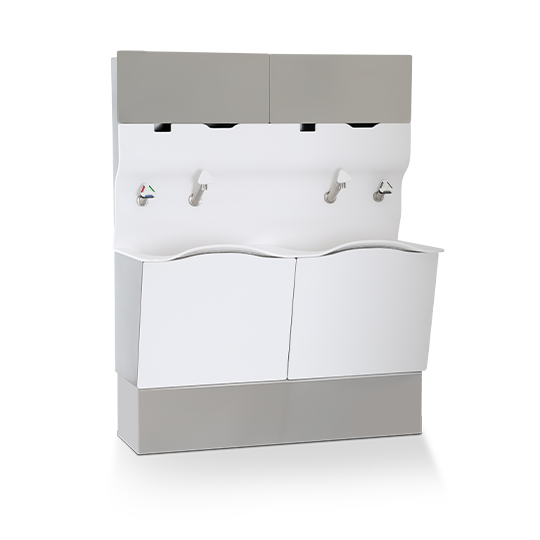
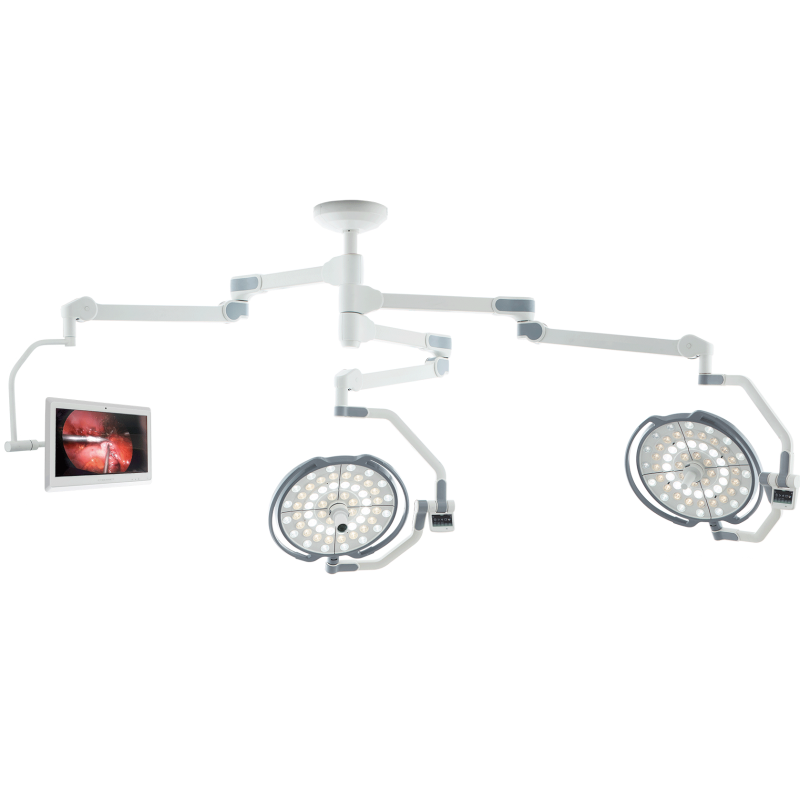
Dual-head surgical lights with camera and arm-mounted 27″ medical monitor LD20.53S
Prices visible to registered customers only
Dual-head surgical lights with camera and arm-mounted 27″ medical monitor LD20.53
Prices visible to registered customers only
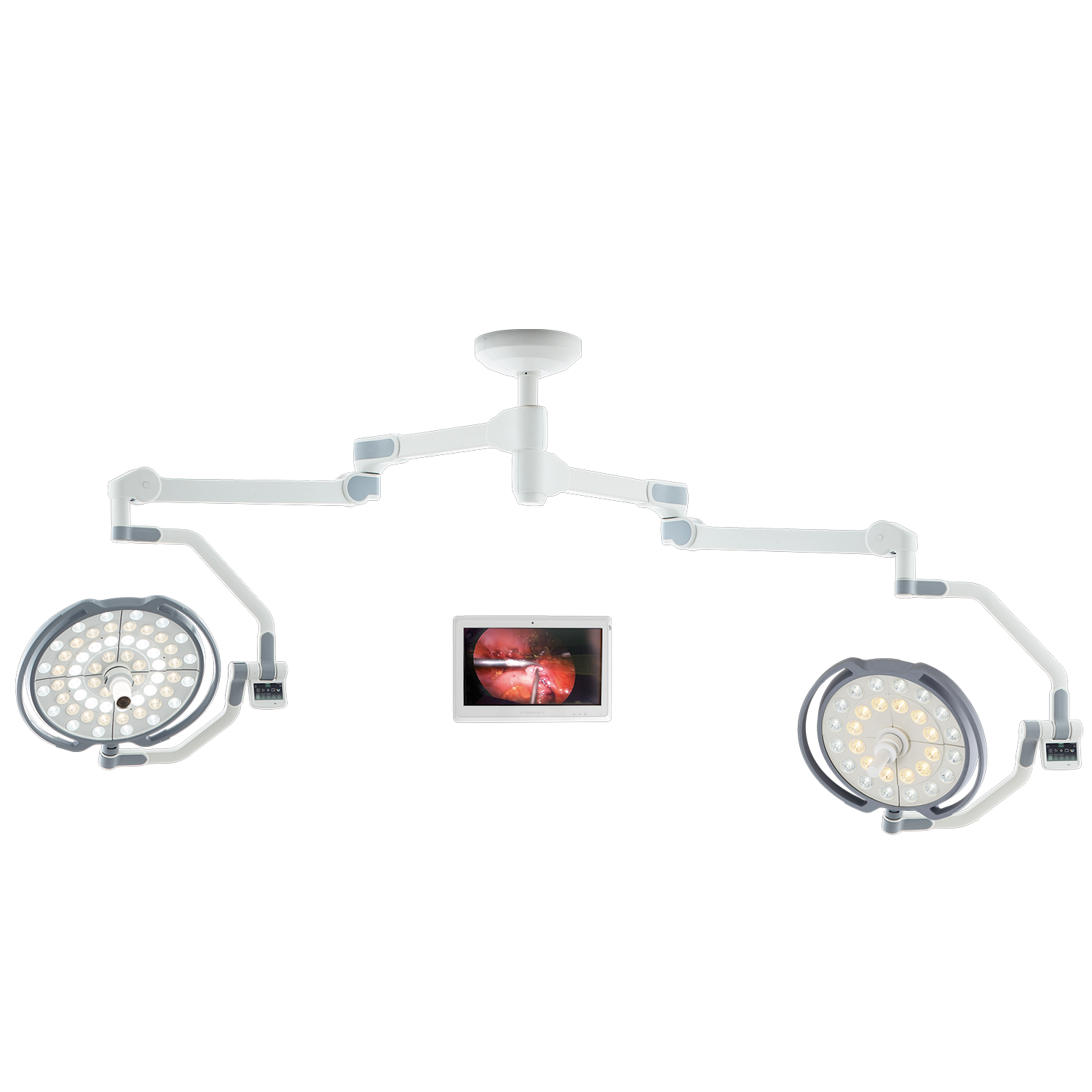
Dual-head surgical lights with camera and wall-mounted 27″ medical monitor LD20.24S
Prices visible to registered customers only
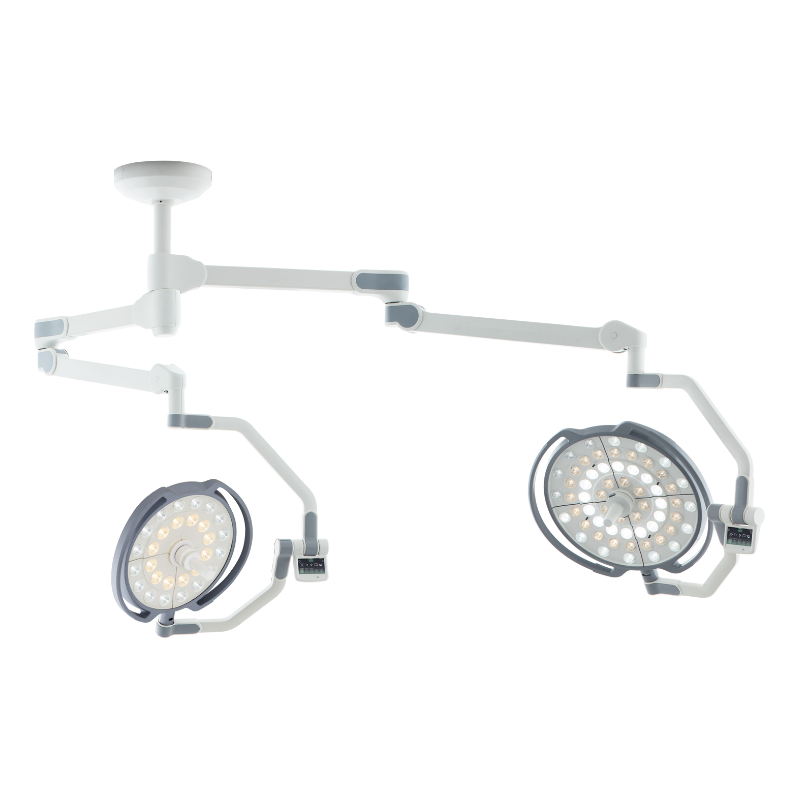
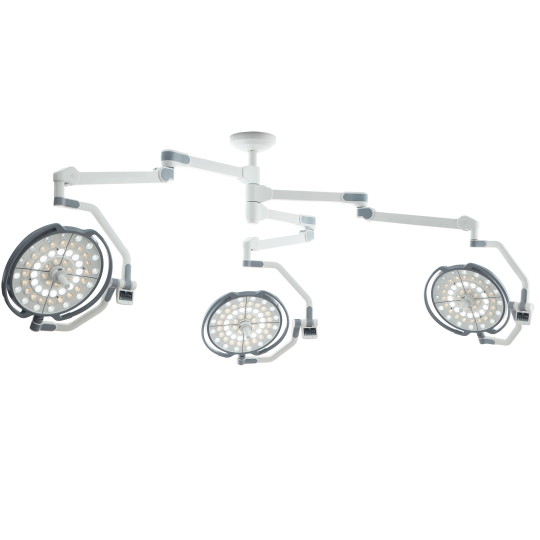
Dual-Head Surgical Light LD10.02S
Prices visible to registered customers only
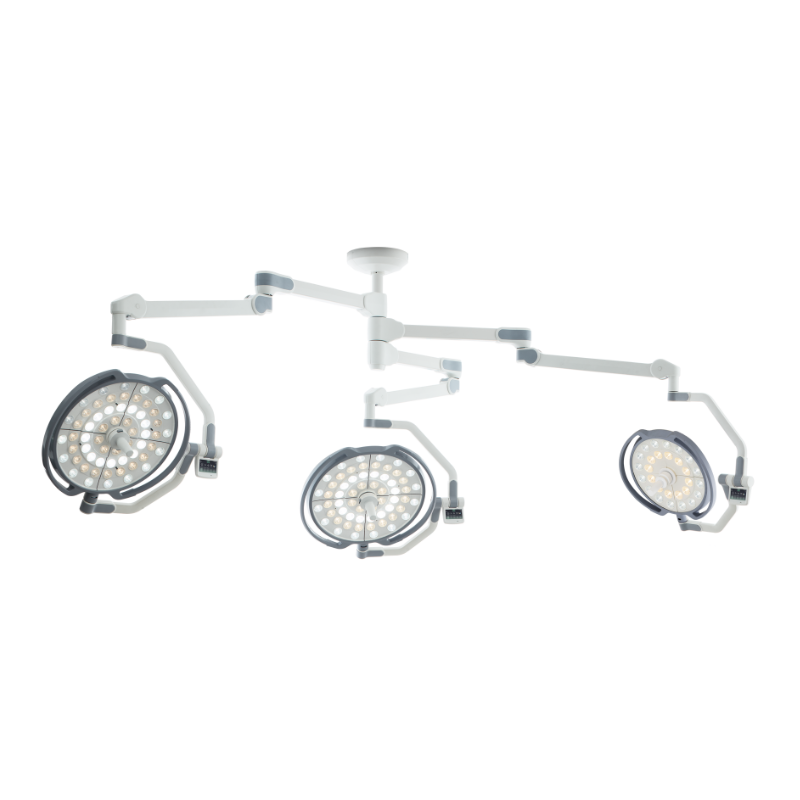
Three-Headed Surgical Light LD10.03S
Prices visible to registered customers only
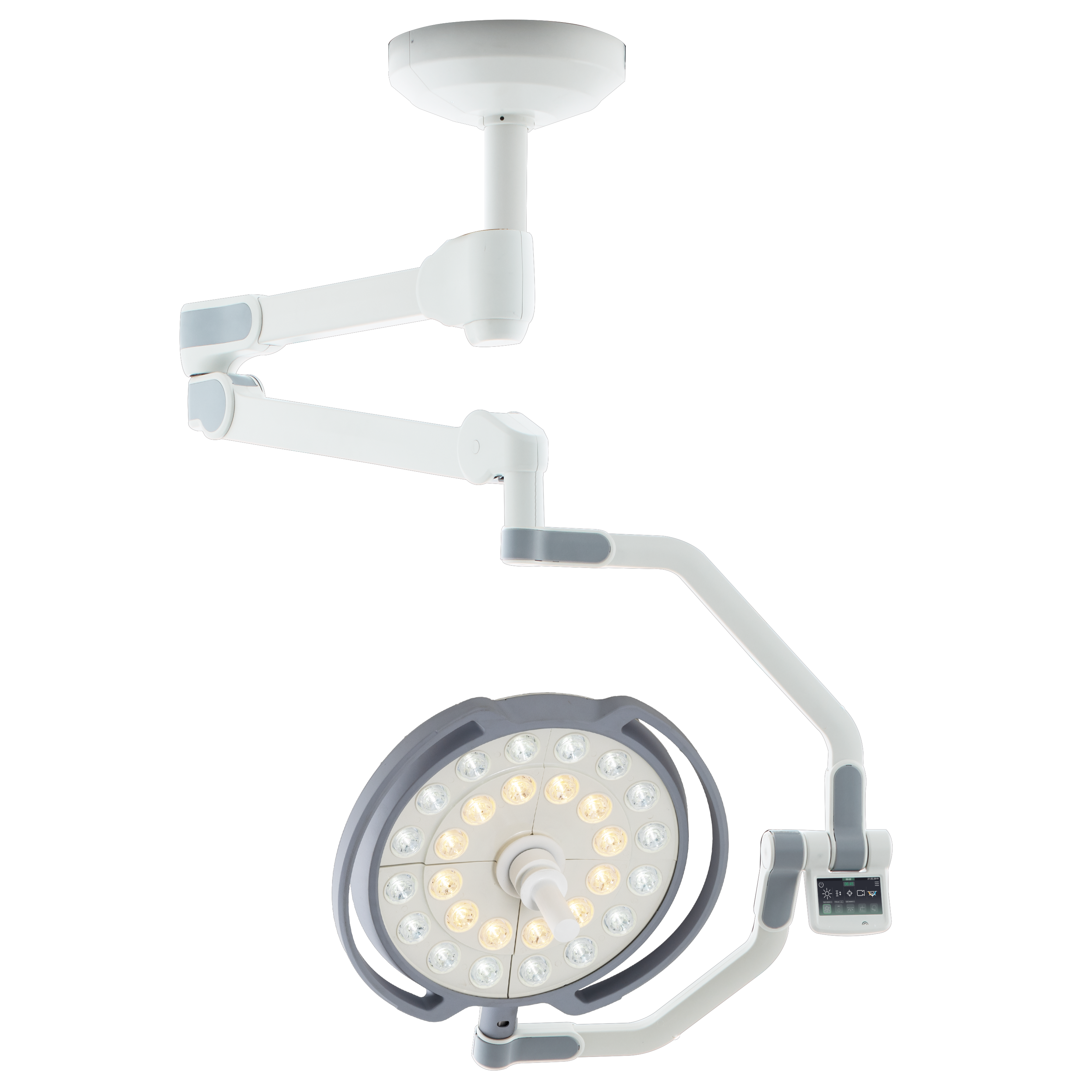
Single-Head Surgical Light LD10.01S
Prices visible to registered customers only
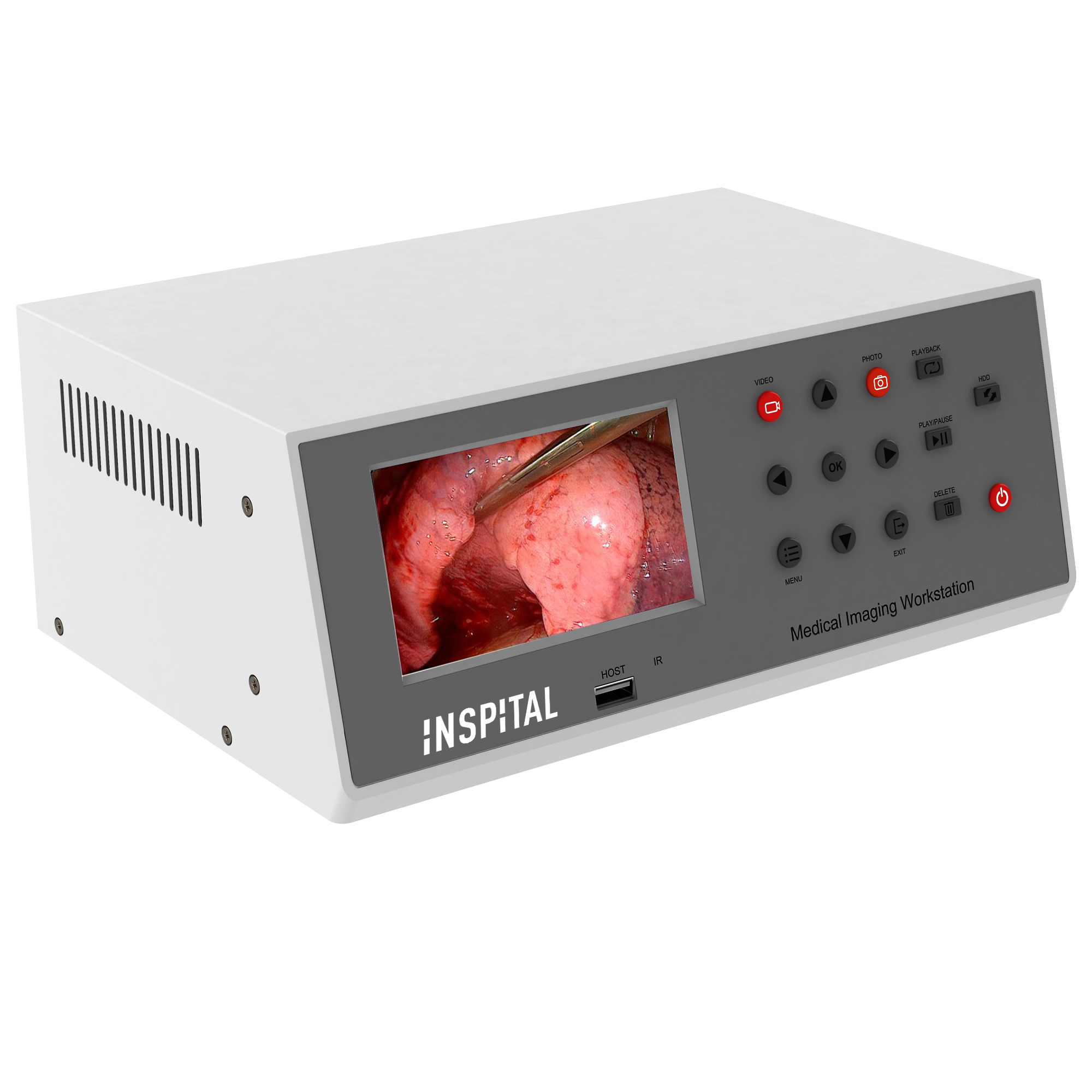
Medical Imaging LD30.00
Prices visible to registered customers only
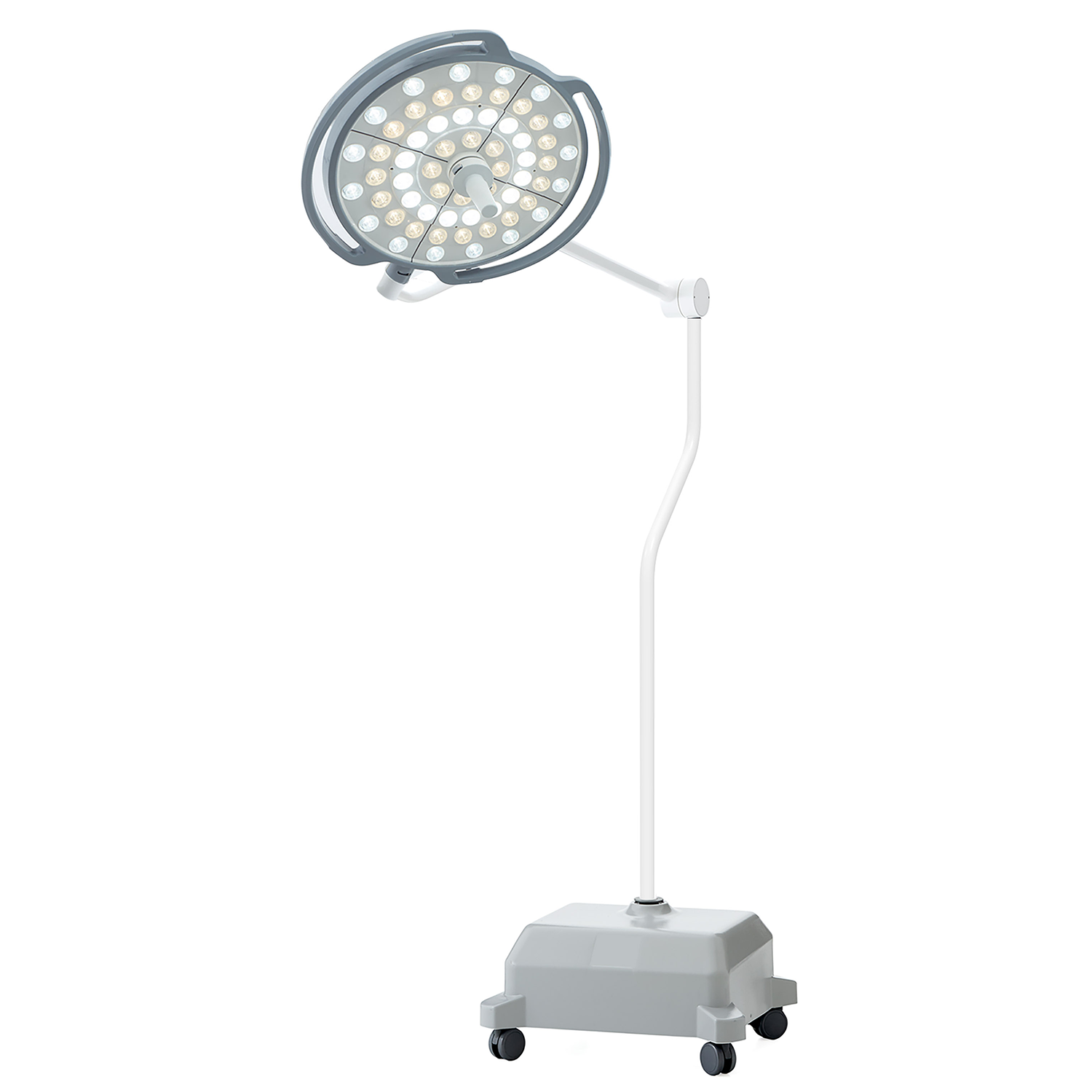
Mobile surgical light with battery LD05.06
Prices visible to registered customers only
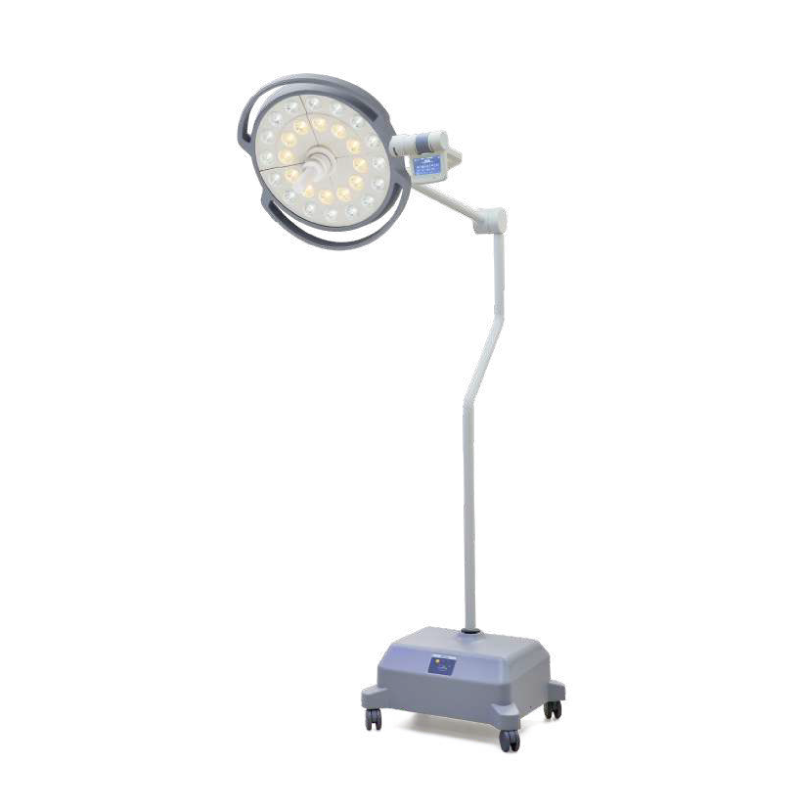
Mobile surgical light, satellite head with battery LD05.06S
Prices visible to registered customers only
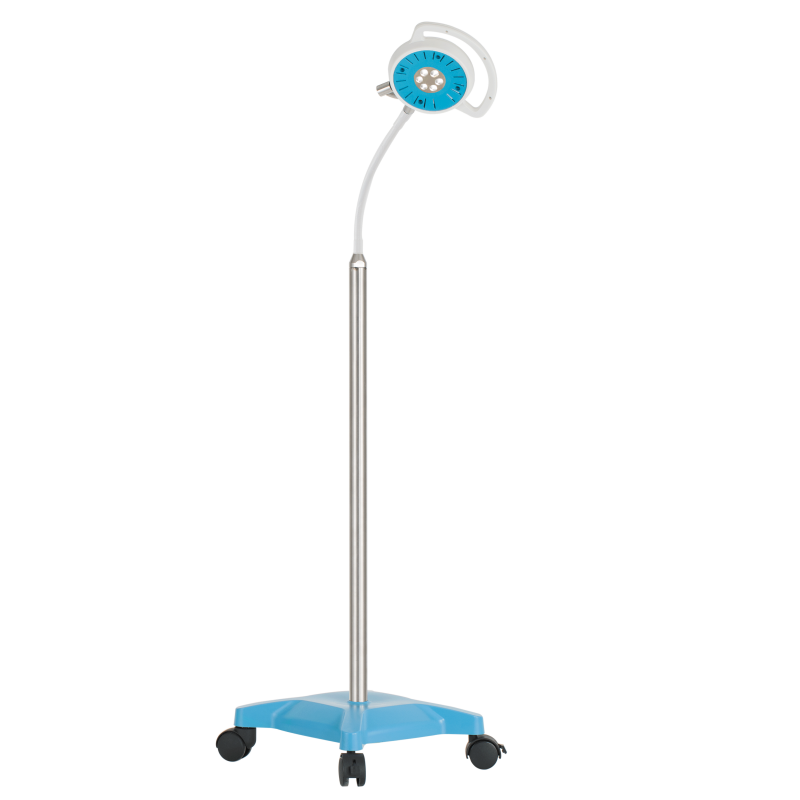
Mobile Examination Light LD02.05
Prices visible to registered customers only
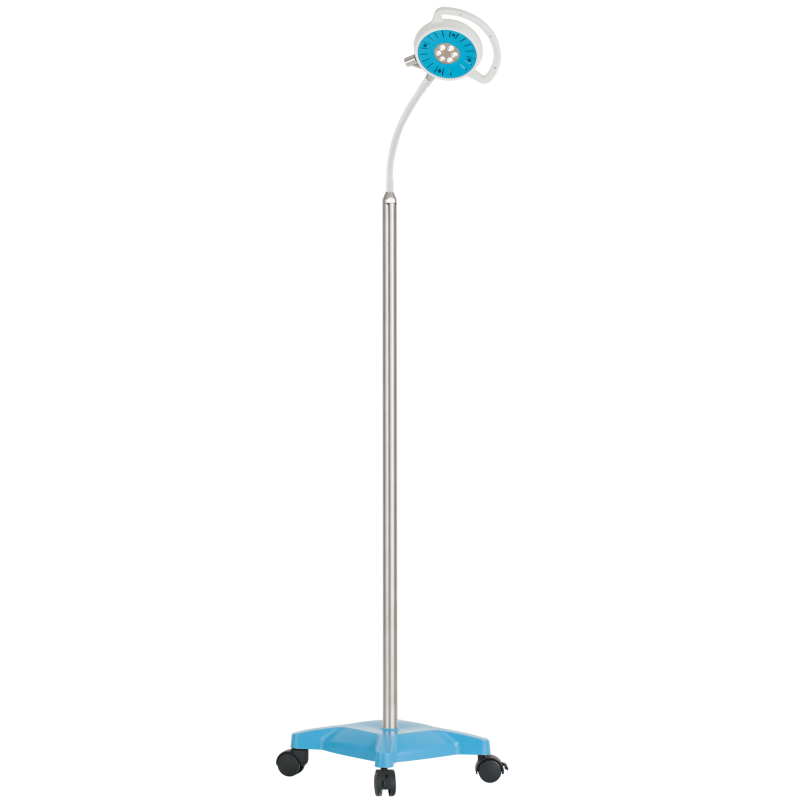
Mobile Examination Light LD02.08
Prices visible to registered customers only
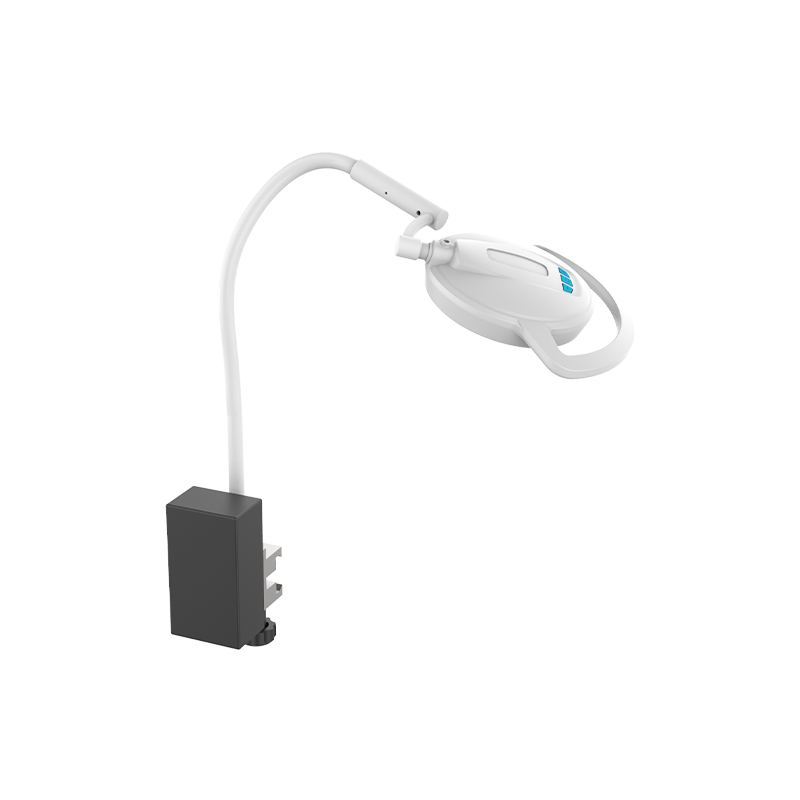
LED examination lamp, rail type LP10.05
Prices visible to registered customers only
Planning and Installation of OR Lighting Systems: What Hospitals Should Consider for Modern Solutions
The planning and installation of OR lighting systems is one of the crucial tasks in equipping modern operating rooms. In an environment where precision, safety, and efficient workflows are top priorities, reliable lighting is indispensable. Surgical lights are not merely technical light sources but a central component of the medical infrastructure of an OR area. They support surgical teams in creating optimal visibility conditions and enable the safe execution of a wide variety of procedures.
For hospitals, planning a new or modernized operating room is a complex task that requires consideration of numerous technical and organizational factors. The lighting must be optimally coordinated with other components of the OR, such as operating tables, ceiling supply units, medical devices, and the overall room layout. Early and professional planning is therefore crucial to create a functional and ergonomic working environment. Modern OR lighting systems must meet various requirements. A uniform and shadow-free illumination of the surgical field is one of the most important features. During a surgical procedure, people, instruments, or other components can affect the light path. High-quality surgical lights therefore use modern LED technologies and special optical systems to ensure the most constant illumination possible.
In addition to light distribution, color rendering also plays an important role. Medical teams must be able to recognize and assess different tissue structures during surgical procedures. A natural representation of colors supports visual perception and improves working conditions in the OR. Therefore, when selecting suitable systems, hospitals pay attention to high light quality and flexible adjustment options. Another important part of the planning is the integration of lighting into the structural conditions of the operating room. During the construction or modernization phase, questions regarding positioning, ceiling statics, power supply, and technical interfaces must be considered. Errors in the planning phase can later lead to restrictions in daily operation. Professional coordination between the hospital, specialist planners, and medical technology manufacturers is therefore an essential factor for project success.
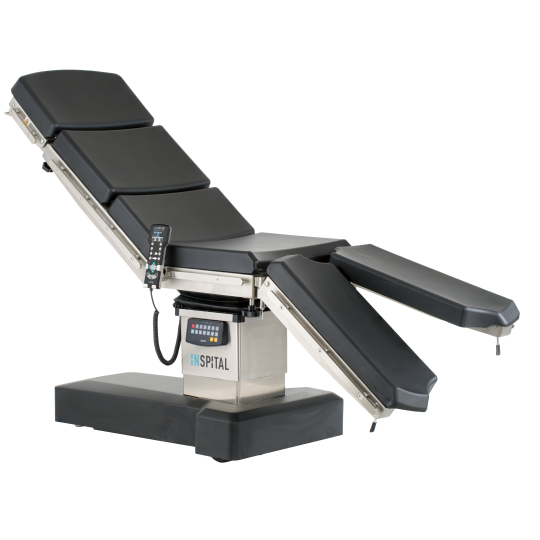
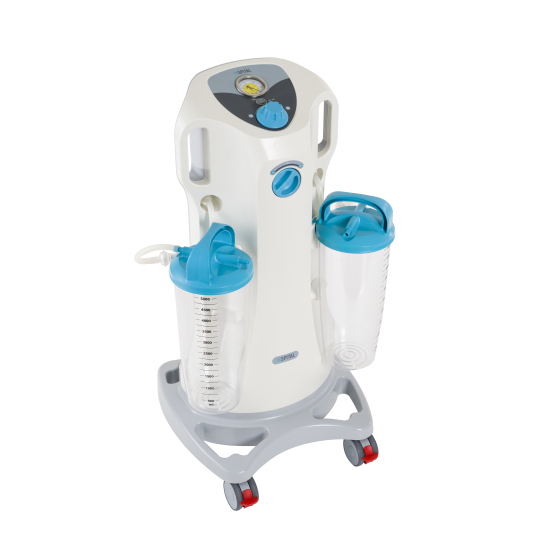
The Inspital GmbH, based in Neuss, North Rhine-Westphalia, offers solutions for modern operating rooms and medical facilities. The portfolio includes surgical lights, operating tables, ceiling supply units, surgical suction systems, and other products for equipping OR and functional areas. By combining different product areas, hospitals can take a holistic view of their OR infrastructure and coordinate different systems. Especially in new constructions and modernizations of hospitals, this integrated approach is becoming increasingly important. A modern OR lighting system must not only be technically powerful but also integrate harmoniously into the entire operating area. Ergonomics, hygiene, ease of use, and long-term maintainability play just as important a role as pure lighting performance. The planning of OR lighting systems is thus an essential step towards a safe and future-proof hospital infrastructure. Through careful preparation, the selection of suitable technologies, and cooperation with experienced medical technology partners, clinics can create optimal conditions for modern surgical workplaces.
Technical Requirements for Modern OR Lighting Systems
The technical requirements for OR lighting systems have evolved significantly in recent years. Modern operating rooms place high demands on the medical technology used, as surgical teams rely on reliable and precise lighting conditions at all times during a procedure. Therefore, planning and installing OR lighting is not just about illuminating a room brightly enough. Rather, various technical properties must be combined to create a safe, ergonomic, and efficient working environment.
One of the most important requirements for modern OR lighting systems is uniform and shadow-free illumination of the surgical field. During an operation, various people, instruments, or devices can be located between the light source and the work area, which can create shadows that hinder visibility of relevant structures. Modern LED surgical lights therefore use multiple light sources and optimized optical systems to ensure the most constant illumination possible. The goal is for medical teams to maintain good visibility of the surgical field even under changing conditions.
Another central factor is light quality. For surgical procedures, the most natural color rendering possible is particularly important. Differences between tissue types or anatomical structures must be reliably recognizable. Therefore, various parameters are considered in the development of modern surgical lights, including color temperature and color rendering index. High-quality light supports medical personnel in making precise decisions during a procedure.
The adaptability of an OR lighting system also plays an important role. Different surgical specialties have different lighting requirements. A system should therefore be flexible and allow for various settings. These include, for example, adjustments to light intensity or the size of the light field. Intuitive operation allows the OR team to quickly adapt the lighting to the respective situation.
During installation, numerous technical framework conditions must also be considered. The mounting of the surgical lights to the ceiling requires precise planning regarding room height, load-bearing capacity, and positioning. Especially in new constructions, these requirements are already taken into account in early construction phases. In modernizations of existing ORs, however, existing structures often have to be analyzed and adapted. Close coordination between the hospital, planners, and medical technology providers is therefore crucial.
In addition to technical functionality, hygiene also plays a significant role. Operating areas are among the most sensitive areas of a hospital. OR lighting systems must therefore be designed in such a way that cleaning and disinfection can be carried out as easily as possible. Smooth surfaces, closed constructions, and suitable materials support hygienic processes in clinical everyday life.
Integration into the entire OR infrastructure is also an important point. Modern surgical lights are often planned together with other technical components. These include, for example, ceiling supply units, operating tables, and medical devices. Coordinated planning not only improves space utilization but also supports ergonomic workflows for the entire OR team.
The Inspital GmbH from Neuss offers hospitals and medical facilities solutions for modern operating areas. The portfolio includes surgical lights, operating tables, ceiling supply units, and other products for OR infrastructure. This combination of different product groups allows clinics to plan their operating rooms holistically and combine different requirements.
The planning and installation of an OR lighting system thus require a comprehensive consideration of technical, medical, and organizational factors. A high-quality surgical light alone is not enough – the interaction of all components within the operating room is crucial. With careful planning, hospitals create the basis for safe working conditions, efficient processes, and a long-term reliable medical infrastructure.
The Right Choice of an OR Lighting System: Criteria for Hospitals and Planners
The selection of a suitable OR lighting system is an important decision in the context of any hospital planning. Operating rooms are among the most technically demanding areas of a medical facility, as numerous systems must work together reliably here. A modern surgical light must therefore not only enable high-quality illumination but also optimally fit the spatial conditions, the workflows of medical personnel, and the requirements of various surgical specialties.
Even before the actual installation, the crucial phase begins: needs assessment and planning. Hospitals must first analyze which requirements the respective operating area should meet. Factors such as the size of the OR, the planned use, the surgical specialties, and the integration of other technical systems play an important role. An OR for general surgical procedures, for example, may have different requirements than specialized areas such as cardiac surgery or other operative disciplines.
An essential selection criterion for modern surgical lights is the quality of illumination. The goal of professional OR lighting is to create a light field that is as homogeneous and shadow-free as possible. Medical teams must be able to rely on reliable visibility during a procedure. Therefore, properties such as uniform light distribution, high color rendering, and flexible adaptability are important factors when deciding on a suitable system.
In addition to pure light output, ergonomics are also becoming increasingly important. An operating room is a workplace where medical personnel often work for many hours with high concentration. Well-planned lighting can help create optimal working conditions. This includes easily positionable light bodies, intuitive operating options, and a design that allows flexible adjustment during different procedures.
Hygiene requirements must also be considered during selection. Operating areas are subject to particularly high demands for cleaning and disinfection. Therefore, OR lighting systems should have suitable surfaces and constructions that support hygienic workflows. A well-thought-out design facilitates daily cleaning and helps maintain high standards in the clinical environment.
Another important point is the technical integration into the existing or planned infrastructure. In new constructions, the positioning of surgical lights is often already considered in the architectural and construction planning. For example, ceiling suspensions, power supply, and cooperation with other systems must be coordinated. Especially when combining with ceiling supply units, early planning is important so that all components can be arranged ergonomically.
When selecting an OR lighting system, hospitals should also consider long-term use. A surgical light is usually used for many years and must function reliably during this time. Therefore, in addition to the technical properties, factors such as maintainability, spare parts supply, and service support are also relevant.
An experienced medical technology partner can make an important contribution already in the planning phase. Technical consulting allows requirements to be defined early and possible challenges during installation and integration to be avoided. Especially in complex hospital projects, close cooperation between the clinic, specialist planning, and manufacturer is crucial.
The right choice of an OR lighting system is therefore a combination of technical evaluation, practical experience, and a holistic view of the operating room. Clinics particularly benefit from solutions that not only meet current requirements but also enable safe, efficient, and flexible use in the long term.
Installation of OR Lighting Systems: Planning Steps, Technical Implementation, and Important Factors in Clinical Practice
The installation of an OR lighting system is a complex process that requires careful preparation and close coordination between various stakeholders. Unlike conventional lighting systems in buildings, surgical lights are highly specialized medical systems that must be precisely tailored to the requirements of an operating room. Even small errors in planning or assembly can later affect ergonomics, workflows, and the use of the OR.
An important part of the installation planning is first the analysis of the spatial conditions. Factors such as room size, ceiling height, position of the operating table, and the arrangement of other medical systems are considered. The surgical light must be positioned so that the surgical field can be optimally reached while allowing sufficient freedom of movement for the OR team. Especially in new construction projects, these aspects are already considered in the early planning phase so that the technical infrastructure of the room can be optimally prepared.
A central point during installation is the secure fastening of the system. Surgical lights are often mounted on the ceiling via support arm systems. These constructions must be stably designed and allow for precise positioning of the light. The ceiling structure, technical connections, and structural requirements must therefore be checked and coordinated before assembly. Professional installation ensures that the surgical light can be used reliably for a long time.
In addition to mechanical assembly, technical integration also plays an important role. Modern OR lighting systems have various electronic functions and setting options. These include, for example, controlling light intensity or adjusting specific lighting parameters. The integration of these functions must be carried out professionally so that the system can be operated easily and safely in clinical everyday life.
Cooperation with other components of the operating room is also an important factor. A surgical light is always in a complex environment of medical devices and supply systems. Coordination with ceiling supply units is particularly relevant, as both systems are often used in the same work area. Well-thought-out positioning supports ergonomic workflows and prevents unnecessary restrictions during surgical procedures.
After installation, a comprehensive check of the functions is carried out. This includes, among other things, mobility, operation, lighting properties, and technical safety. Only when all relevant functions have been checked can the system be released for clinical operation. Professional commissioning is therefore an important part of a successful OR project.
In addition to the actual installation, user training also plays an important role. Medical personnel should be familiar with the functions and possibilities of the systems used. Clear instructions support efficient use and help to optimally utilize the available technical possibilities. Technical staff also benefit from qualified information on operation, maintenance, and basic system functions.
Especially for long-term investments in hospital infrastructure, professional implementation is crucial. Surgical lights are used daily for many years and must function reliably over time. Therefore, when planning and installing, clinics should not only pay attention to the product itself but also consider the technical support and service of the provider. The installation of an OR lighting system is thus an interplay of technical planning, professional assembly, and careful integration into the entire operating room. Through a structured approach and cooperation with experienced medical technology partners, hospitals can create safe and functional working environments that meet the requirements of modern surgical procedures.
Integration of OR Lighting into Modern Hospital Infrastructure: Why Holistic Planning is Crucial
The successful equipping of an operating room does not depend on individual technical products, but on the optimal interaction of all systems used. Especially in the planning and installation of OR lighting systems, it becomes clear how important a holistic view of the hospital infrastructure is. A surgical light must not only be powerful and reliable but also integrate harmoniously into the entire working environment of the OR team.
Modern operating rooms consist of numerous interconnected technical components. In addition to lighting, these include operating tables, ceiling supply units, medical devices, monitor solutions, and other supply systems. Each of these components fulfills an important task and must be planned in such a way that efficient workflows are created. An optimally positioned surgical light, for example, not only supports visibility of the surgical field but must also consider the movements of surgeons, assisting personnel, and other staff.
Therefore, when planning a new OR area, all relevant requirements should be analyzed early on. This includes the spatial design, the positioning of technical connections, and coordination with other medical systems. Especially in new constructions, forward-looking planning is crucial, as later adjustments to the structural infrastructure are often associated with additional effort. In modernizations of existing operating rooms, however, existing structures must be considered and meaningfully further developed.
An important aspect here is ergonomics in the operating room. Medical personnel often work for many hours with high concentration. Therefore, technical systems should be designed to support the workflow and not hinder it. Modern surgical lights allow flexible positioning and can thus be adapted to different procedures and individual requirements. In combination with other OR components, a working environment is created that is tailored to the needs of the medical team.
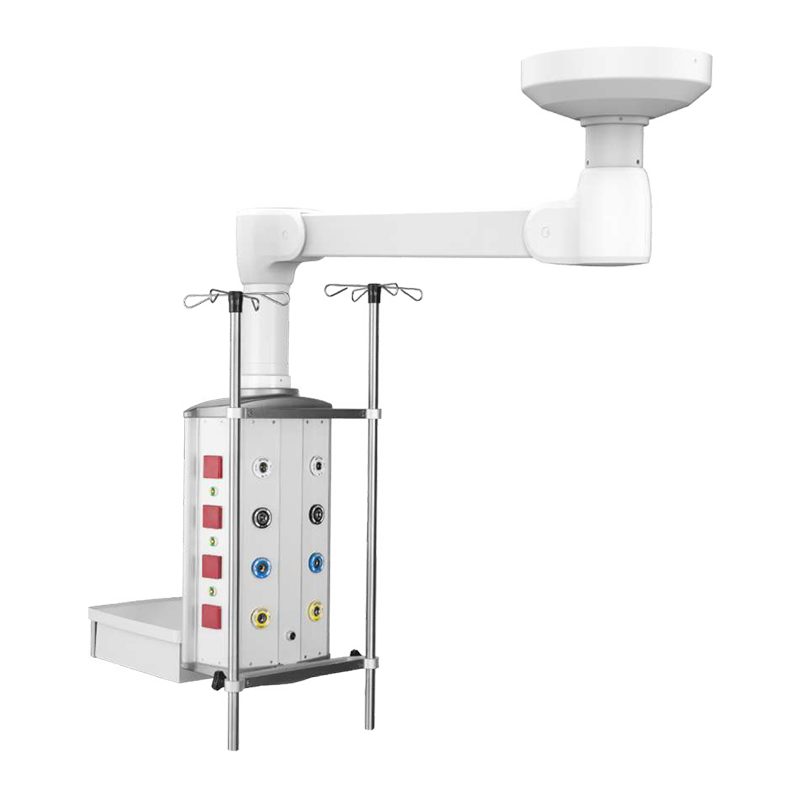
The connection between OR lighting and ceiling supply systems also plays an important role. Ceiling supply units enable the structured provision of medical media, device connections, and supply components. Their positioning must be considered together with the lighting so that sufficient freedom of movement is maintained and all systems can be used efficiently.
The Inspital GmbH from Neuss, North Rhine-Westphalia, offers various solutions for equipping modern operating rooms. The portfolio includes surgical lights, operating tables, ceiling supply units, surgical suction systems, and other products for medical facilities. Through this combination of different product areas, Inspital supports hospitals in comprehensively planning their OR infrastructure and combining different technical requirements.
In addition to technical integration, long-term use is also an important factor. Hospitals invest in systems that are expected to function reliably for many years. Therefore, aspects such as maintenance, accessibility, and future expansion possibilities must be considered already during planning. A well-planned infrastructure offers clinics more flexibility and enables them to react to future developments in the medical field.
Digitalization is also increasingly influencing the planning of modern operating rooms. Medical facilities increasingly need flexible technical solutions that can be integrated into existing processes. Not only individual devices but complete room concepts play an important role here. A modern surgical light is therefore part of a larger system that is geared towards safety, efficiency, and user-friendliness.
For hospitals, this means that the selection and installation of OR lighting systems should not be considered in isolation. Successful projects arise from close cooperation between clinic operators, specialist planners, and medical technology providers. Professional planning considers both current requirements and future developments, thereby creating a sustainable basis for modern operating areas.
The integration of OR lighting into the entire hospital infrastructure is thus a decisive step in the development of high-performance medical working environments. Through coordinated systems, well-thought-out planning, and high-quality medical technology, clinics can efficiently design their operating rooms and prepare them for the requirements of modern healthcare in the long term.
Service, Maintenance, and Long-Term Support for OR Lighting Systems
The planning and installation of an OR lighting system does not end with successful commissioning in the operating room. Especially in the medical environment, long-term support is crucial, as surgical lights are used daily under demanding conditions and must function reliably for many years. For hospitals, therefore, not only the quality of the technical solution plays a role, but also the availability of services, maintenance concepts, and competent support from the medical technology partner.
Operating rooms are among the most sensitive areas of a hospital. Any technical failure can affect planned procedures and present clinics with organizational challenges. Therefore, it is important that the systems used are regularly checked, professionally maintained, and can be quickly supported if necessary. Structured support helps to maintain the functionality of medical technology in the long term and to support operational safety.
For modern OR lighting systems, maintenance requirements arise from various areas. These include, among others, the inspection of mechanical components, the control of the mobility of support arms, the checking of electronic functions, and the control of lighting properties. Especially for systems that are used daily, regular technical inspection is an important part of professional hospital operations.
User and technical personnel training also plays an important role. Modern surgical lights have numerous functions that allow flexible adaptation to different surgical requirements. To ensure these possibilities can be optimally utilized, it is important that medical personnel are familiar with the operating options. At the same time, technical teams need a basic understanding of how the systems work to be able to classify simple technical questions.
The Inspital GmbH supports medical facilities and partners with solutions for modern operating areas. In addition to products such as surgical lights, operating tables, and ceiling supply units, the company also offers technical support in connection with its medical technology solutions. One component of the cooperation with partners, for example, is the Partner Technical Service Training Program, which trains technical partners on the products and their service.
Especially for international or larger clinic projects, a professional service network is an important factor. Hospitals need reliable contacts who can answer technical questions and support the maintenance of installed systems. Through trained partners and structured service processes, continuous support for the products can be facilitated.
In addition to maintenance and technical support, long-term spare parts supply is also a relevant point when selecting a medical technology provider. Clinics often invest in systems that are used for many years. Therefore, it is important that manufacturers sustainably accompany their products and remain available as contacts even after installation.
Another advantage of long-term cooperation with an experienced medical technology partner lies in the possibility of further developing existing systems. Hospitals are constantly changing: new treatment methods, additional specialties, or structural expansions can lead to technical requirements needing to be adapted. A manufacturer who knows the existing infrastructure can provide more targeted support for future projects.
Professional maintenance and service planning ensures that surgical lights can be used reliably for a long time. Together with well-thought-out planning and professional installation, it forms the basis for modern, safe, and efficient operating areas.
Planning Future-Proof OR Lighting: How Hospitals Benefit Long-Term with the Right Medical Technology
The demands on modern operating rooms will continue to rise in the future. Medical procedures are constantly evolving, surgical interventions are becoming more precise, and the technical equipment of hospitals must keep pace with these developments. Carefully planned OR lighting is therefore not just a short-term investment, but an important component of a long-term functioning hospital infrastructure.
When planning new operating areas or modernizing existing rooms, hospitals should therefore not exclusively consider current needs. It is crucial to select solutions that can also meet future requirements. This includes flexible systems, a reliable technical basis, and equipment that can adapt to changed workflows. Operating rooms, in particular, are used for many years and must therefore remain as versatile as possible.
Modern OR lighting systems fulfill a central task here. They create the necessary conditions for optimal visibility during surgical procedures and support medical teams in their daily work. Features such as shadow-free illumination, high color rendering, flexible positioning, and intuitive operation are now important criteria when selecting suitable surgical lights.
Furthermore, the holistic view of the OR infrastructure is gaining increasing importance. An operating room consists of many individual components that must be coordinated with each other. In addition to lighting, these include operating tables, ceiling supply units, and other medical systems. Well-thought-out planning makes it possible to meaningfully connect these components and create an ergonomic working environment for the OR team.
The Inspital GmbH, based in Neuss, North Rhine-Westphalia, offers hospitals and medical facilities solutions for modern operating areas. The company has a portfolio of various medical technology products, including surgical lights, operating tables, ceiling supply units, surgical suction systems, and other components for equipping OR and functional areas. By combining these product areas, clinics can consider different requirements when planning their infrastructure.
An important factor for the future viability of OR systems is also the quality of planning. Numerous aspects must be considered even before installation: spatial requirements, technical connections, positioning of other devices, and the requirements of future users. Close cooperation between the hospital, specialist planners, and medical technology manufacturers supports the development of a suitable solution for the respective application area.
Sustainability and economic efficiency also play an increasingly important role in investment decisions. Hospitals are increasingly focusing on using durable systems that function reliably and enable efficient operation. Modern LED technologies offer advantages here due to their long lifespan and energy-efficient operation. At the same time, well-planned systems reduce the effort for maintenance and long-term support.
For hospitals, investing in modern OR lighting therefore means more than just purchasing a technical component. It is about creating a safe, functional, and future-proof working environment. A professionally planned lighting system not only supports medical procedures but also helps ensure that operating rooms can be used flexibly in the long term.
The planning and installation of OR lighting systems is thus an interplay of technical expertise, medical understanding, and careful project planning. Manufacturers like Inspital GmbH support hospitals in developing suitable solutions for modern operating areas and connecting various components of the OR infrastructure.
High-quality operating room lighting thus forms an important building block of modern clinic planning. Through the combination of reliable technology, professional installation, and long-term support, hospitals can create the conditions for efficient workflows and safe patient care.