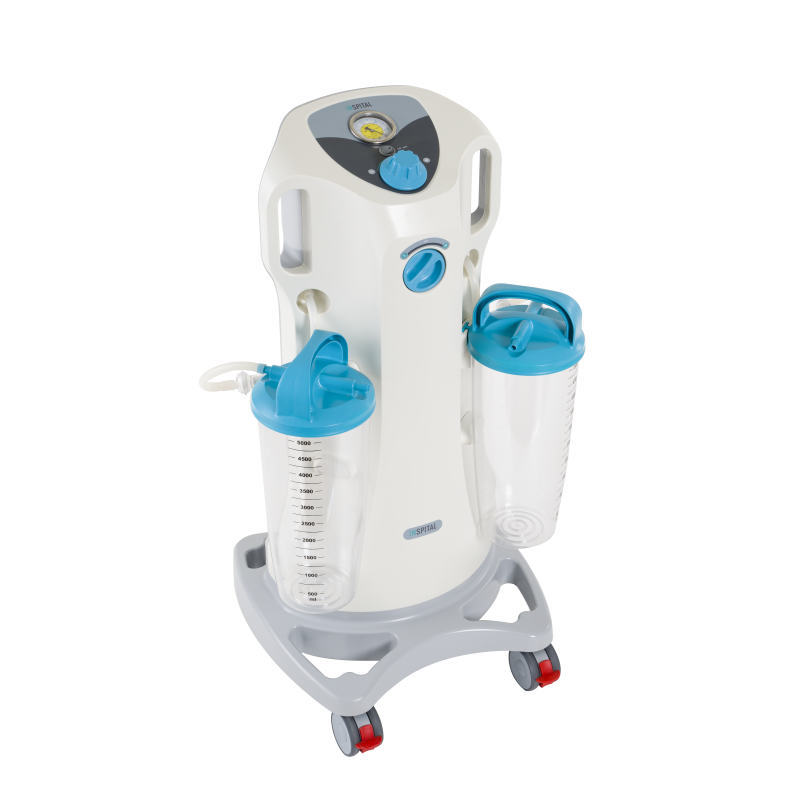
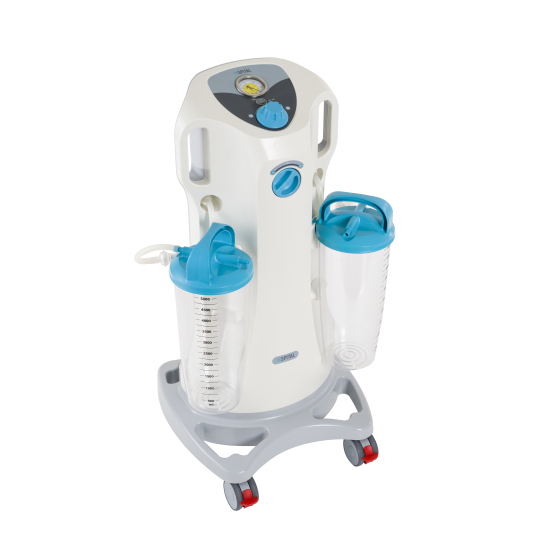
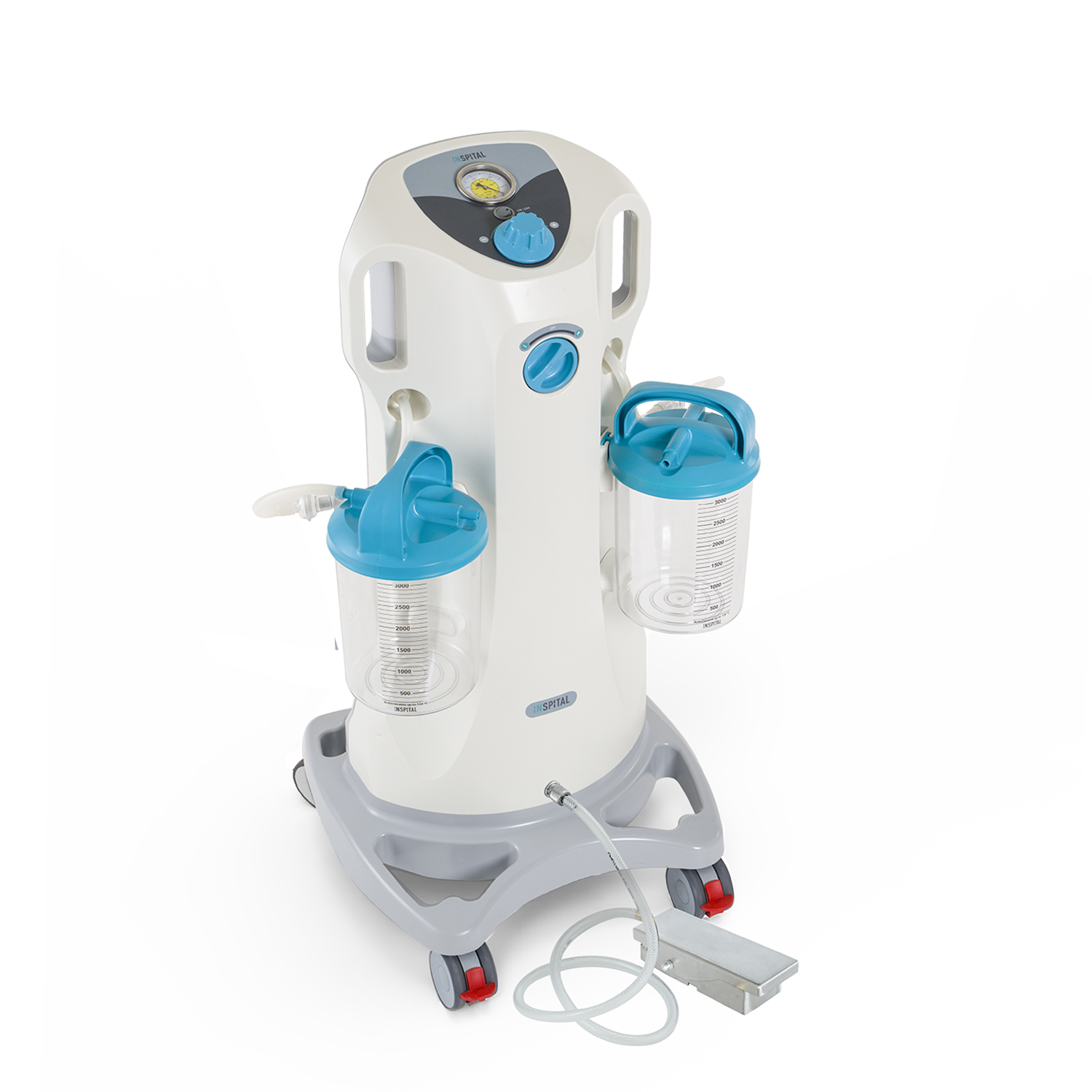
Surgical Suction Machine SU60.05
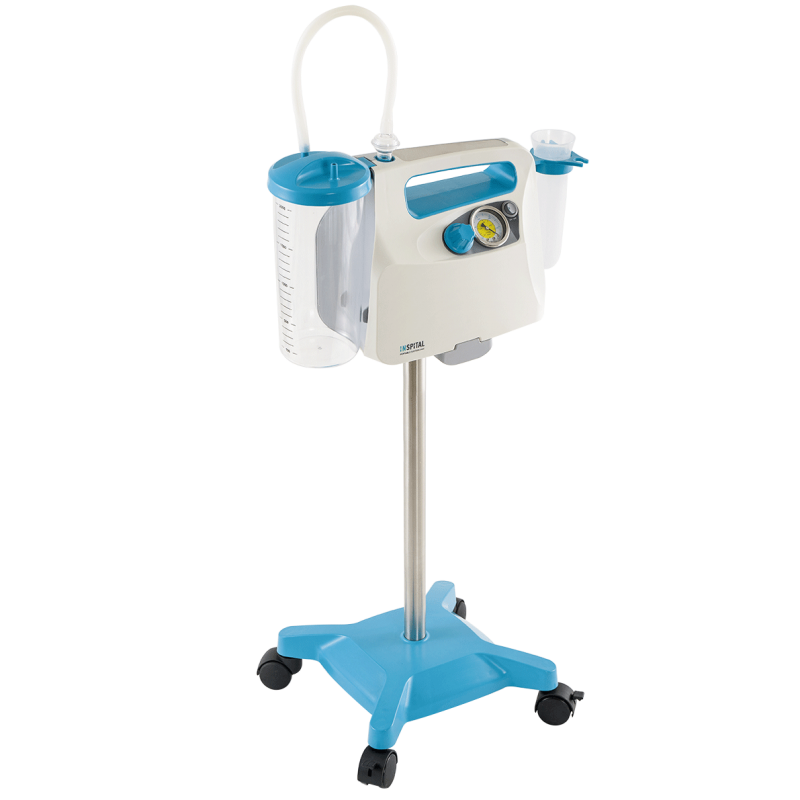
Prices visible to registered customers onlySurgical Suction Unit SU60.10
Prices visible to registered customers onlyPortable Suction Unit SU60.06T
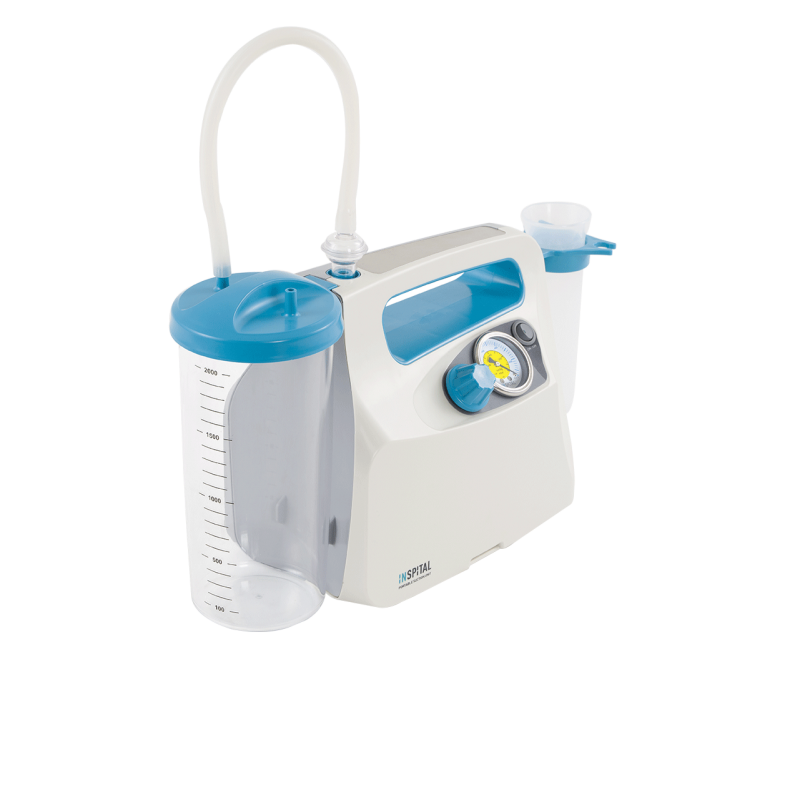
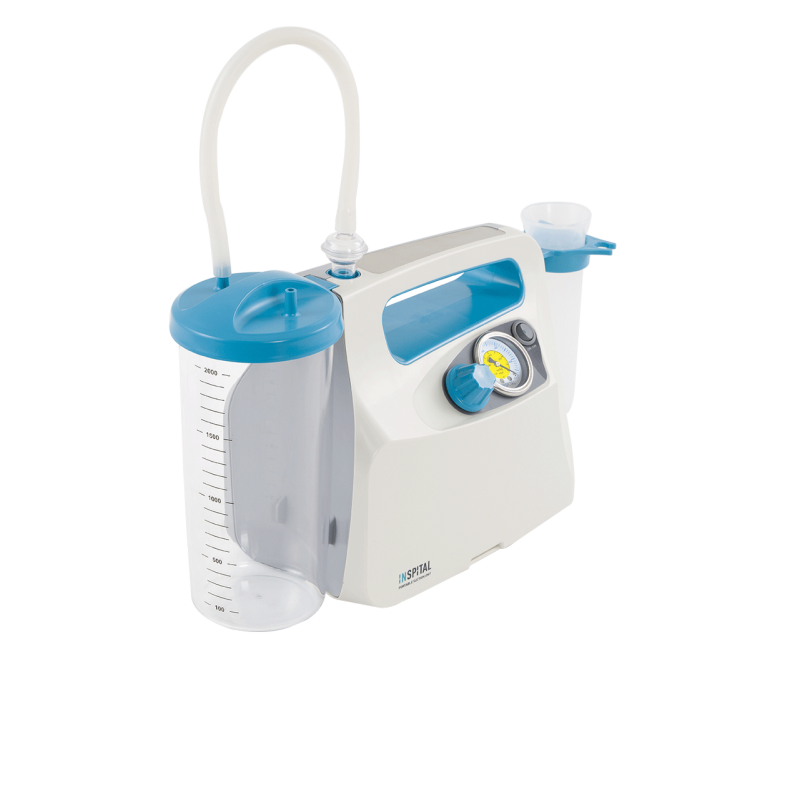
Prices visible to registered customers onlyPortable Suction Unit SU60.06
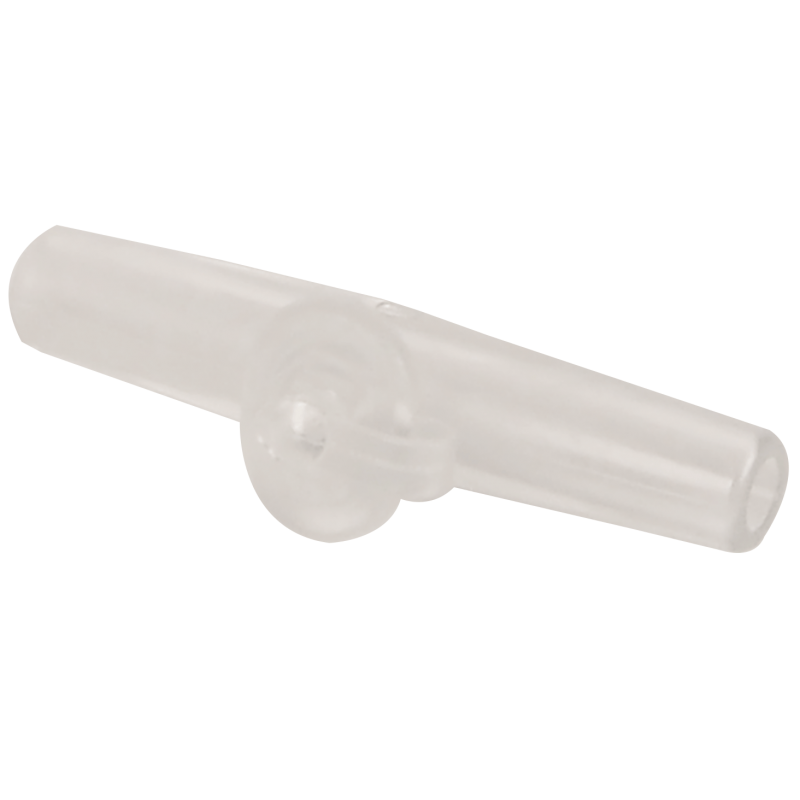
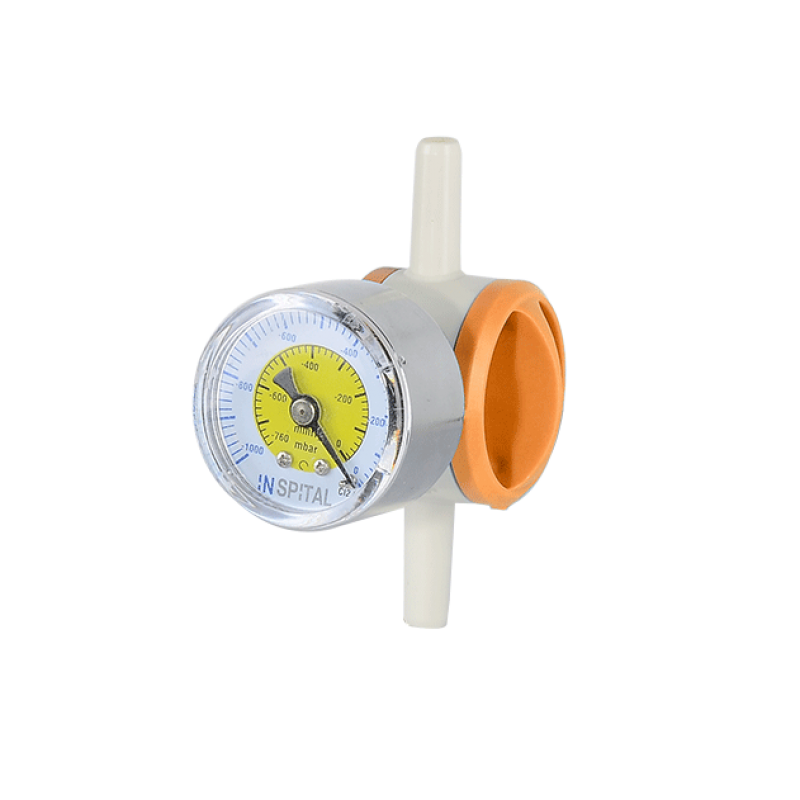
Prices visible to registered customers onlyVacuum Control Connector AT20.54
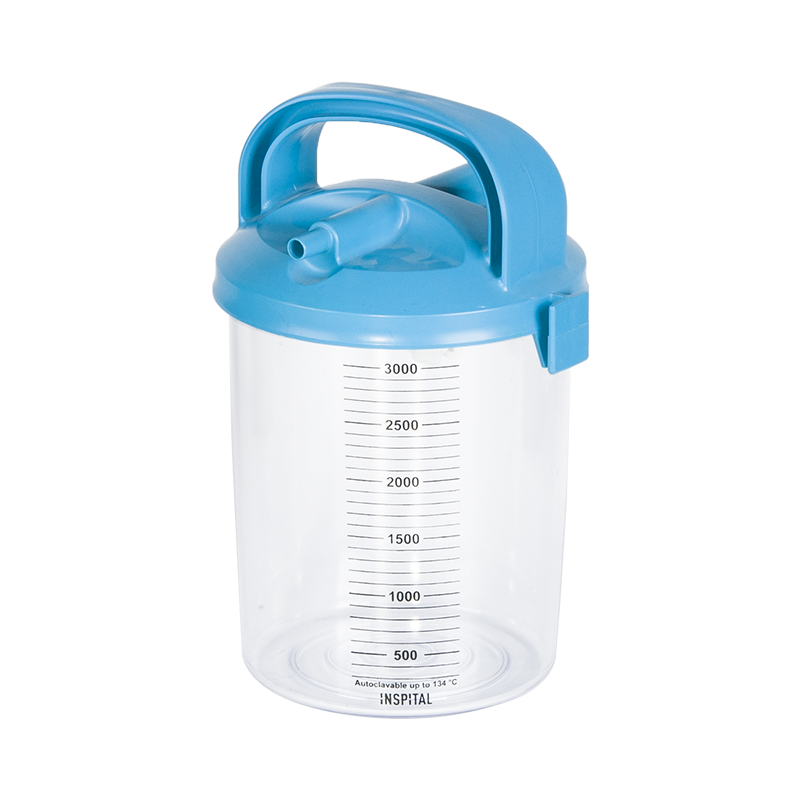
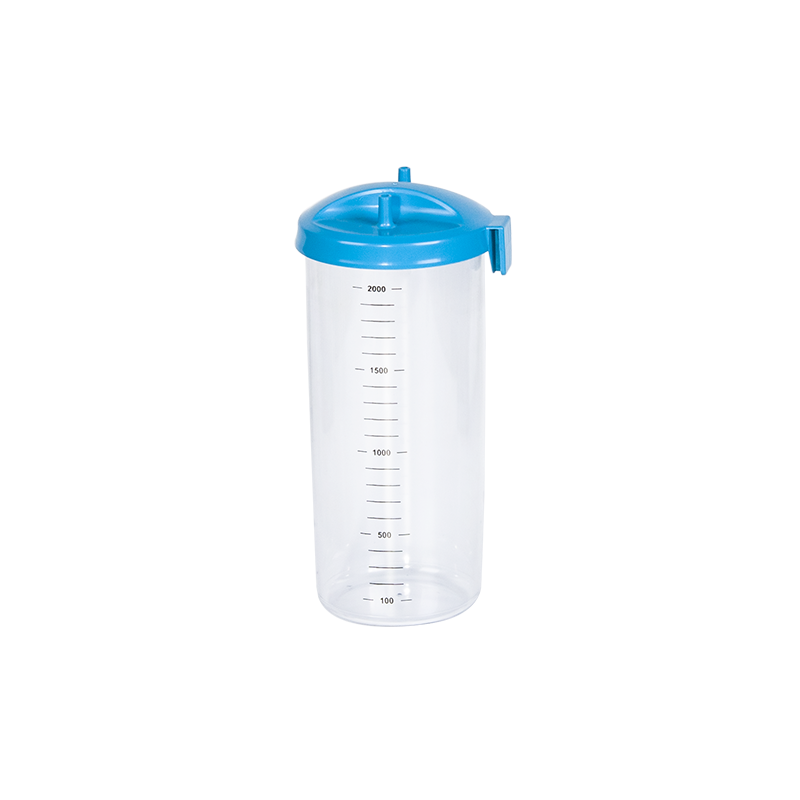
Prices visible to registered customers onlySurgical Suction Plastic Jar AT20.85
Prices visible to registered customers onlyKapkon Connector AT20.53
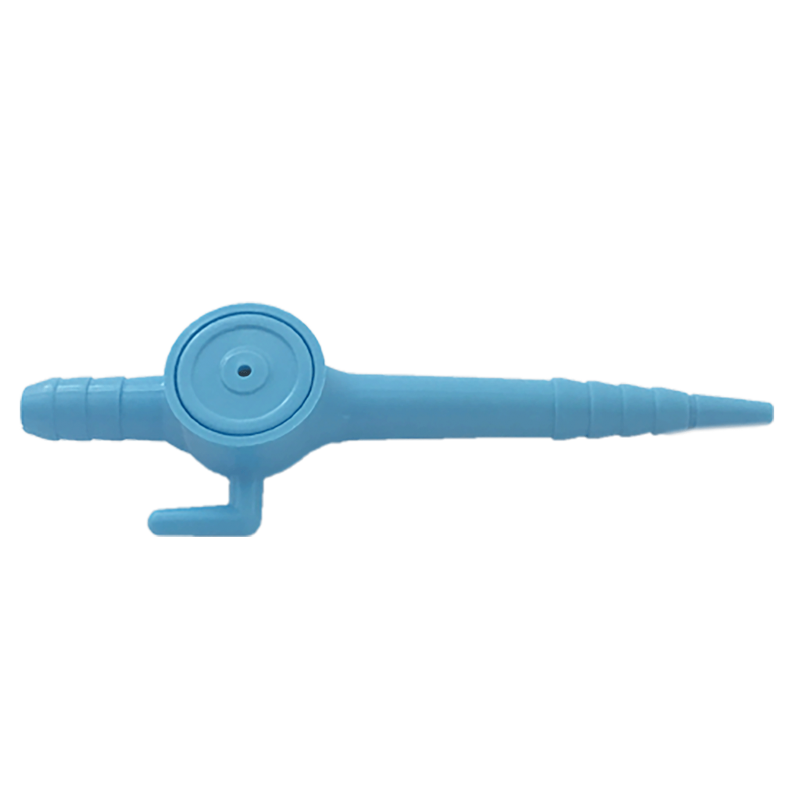
Prices visible to registered customers onlyYankauer Tubing AT20.40
Prices visible to registered customers onlyPortable Suction Unit SU60.08
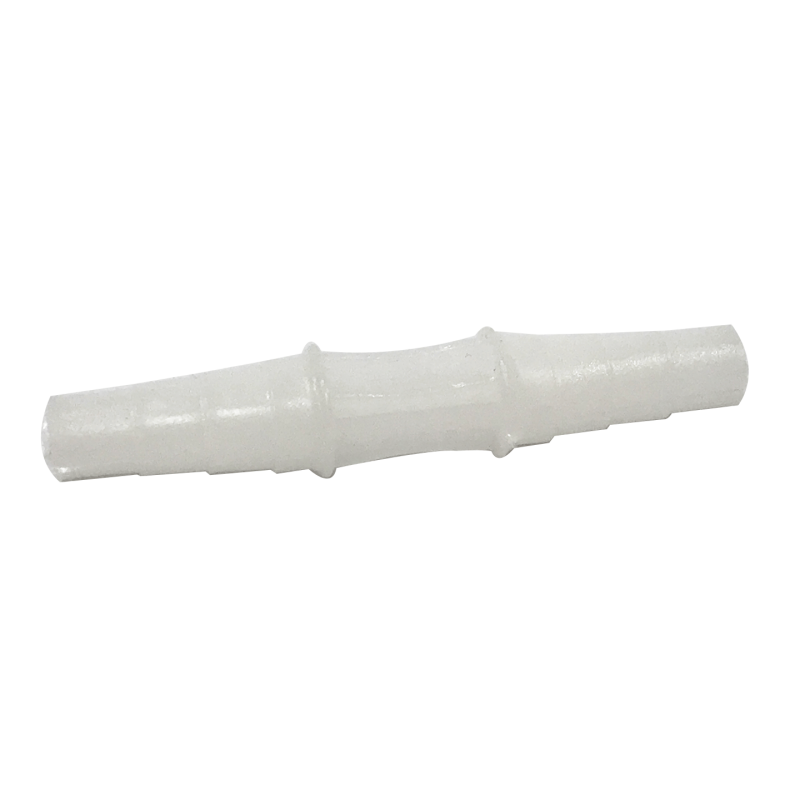
Prices visible to registered customers onlyTube Connector AT20.52
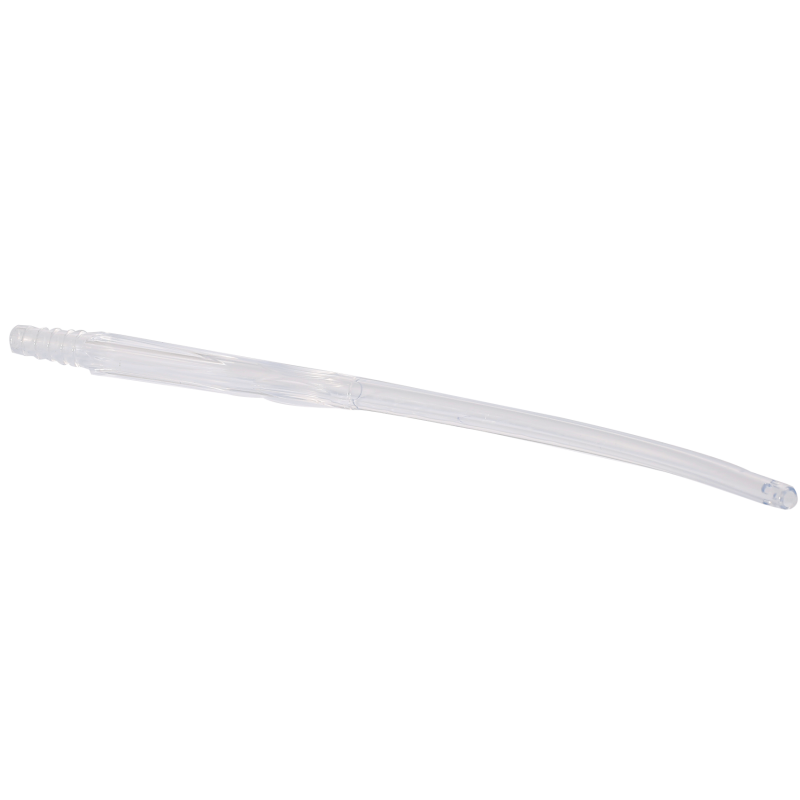
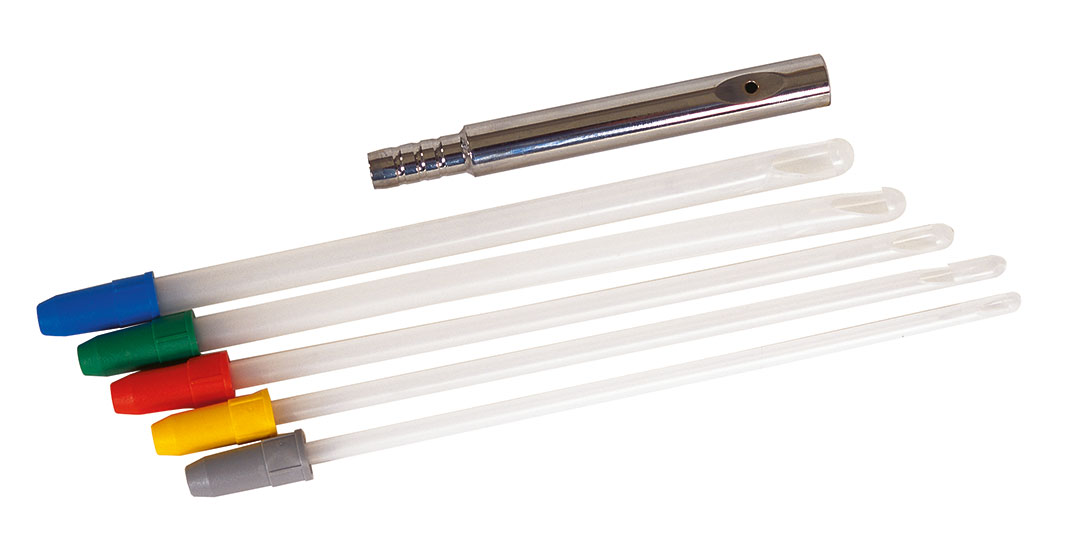
Prices visible to registered customers onlySuction cannula, plastic AT20.55
Prices visible to registered customers onlySuction Liner Probe AT20.78
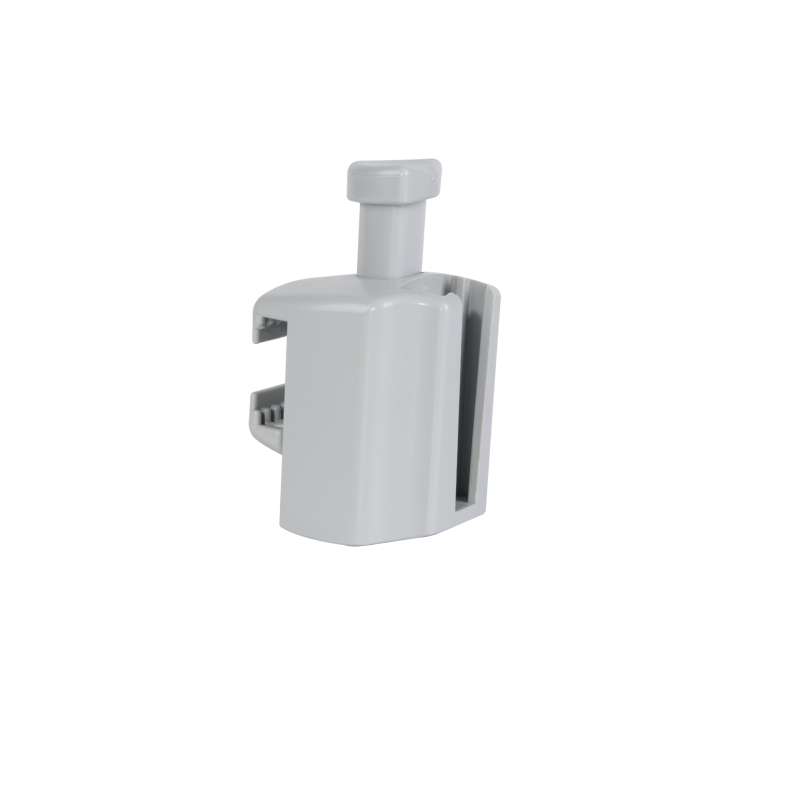
Prices visible to registered customers onlyRail Attachment AT20.37
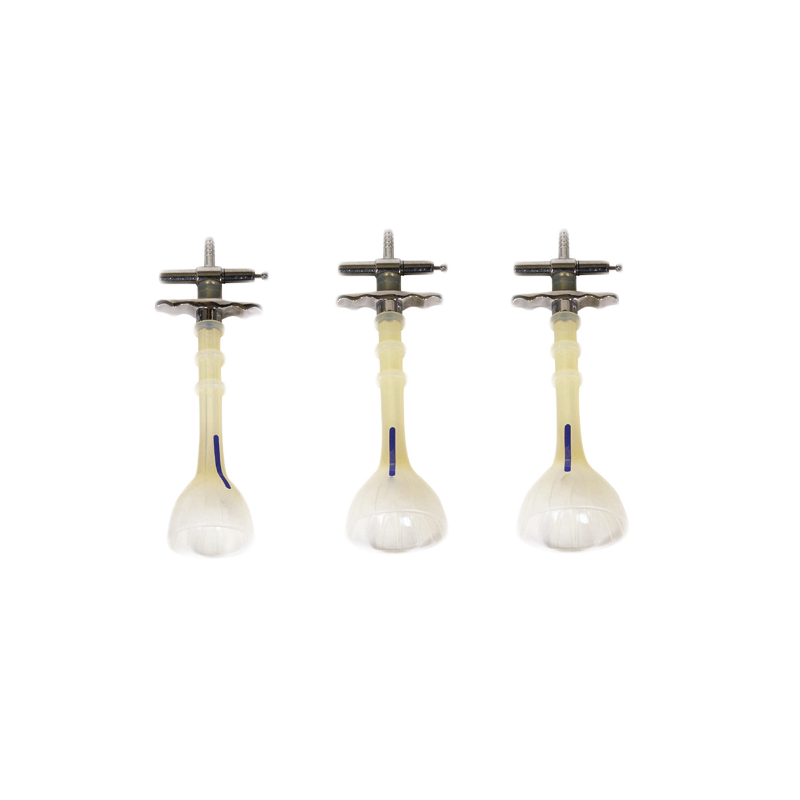
Prices visible to registered customers onlySilicone Birth Cup SU95.10
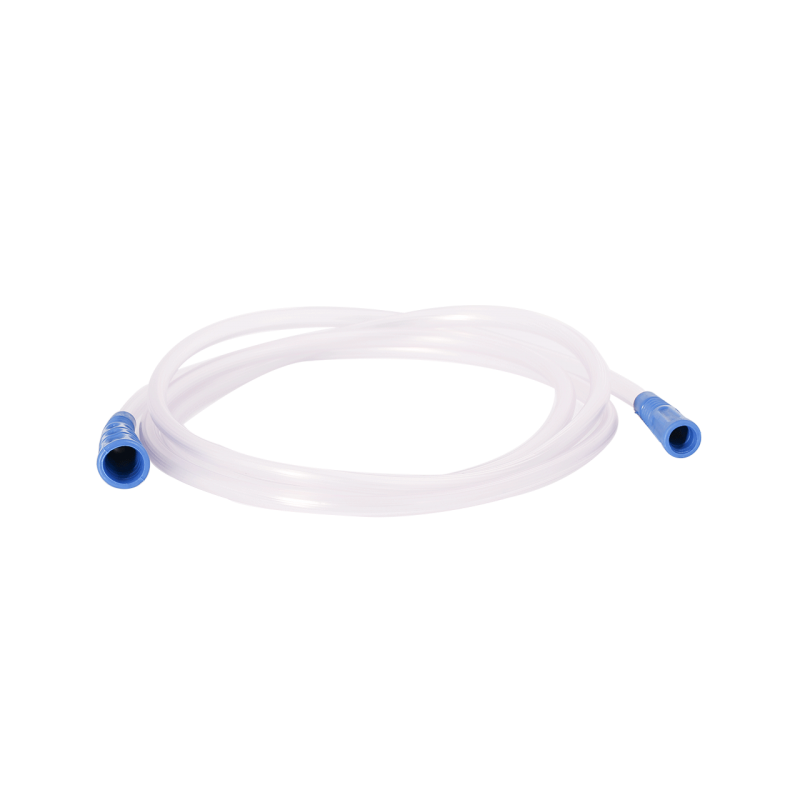
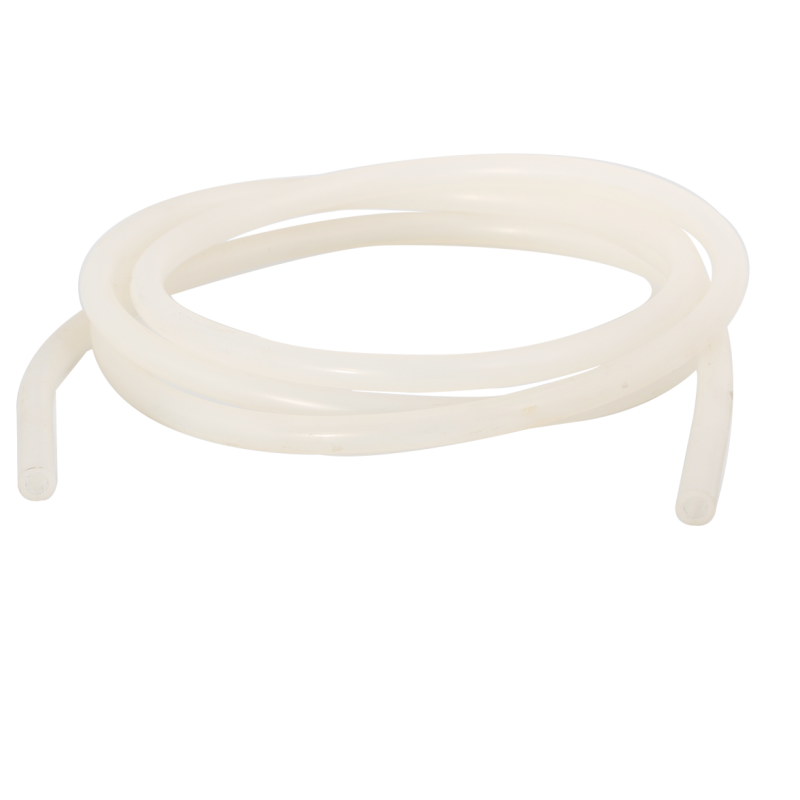
Prices visible to registered customers onlySilicone Suction Tube AT20.47
Prices visible to registered customers onlyWall Attachment AT20.50
Prices visible to registered customers onlyPortable Suction Unit SU60.08T
Prices visible to registered customers onlyWhich suction unit is quiet enough for stationary use in Germany?
The question “Which suction unit is quiet enough for stationary use?” is increasingly being asked by many hospitals and care facilities in Germany, Austria and Switzerland. Particularly in German-speaking healthcare, strict requirements apply for noise protection, working conditions and patient comfort. That is why modern clinics no longer focus only on suction performance, but deliberately opt for low-noise medical technology. A quiet suction unit is now a decisive factor for the quality and competitiveness of facilities. In day-to-day inpatient settings, there are already numerous sources of noise: monitors, ventilators and alarm systems create a constant baseline load. An additional loud suction unit can worsen this situation and affect both patients and medical staff. Especially in intensive care units or recovery rooms, a low noise level is essential. Studies show that a calm environment promotes recovery and reduces stress—an aspect that is increasingly assessed in regulatory and quality terms in the DACH region.
As a guideline: suction units below 60 dB are suitable for stationary use, while high-end systems can even achieve values below 50 dB. This is exactly where modern manufacturers come in. Inspital GmbH develops suction systems specifically designed for everyday clinical use in Europe. These devices combine powerful pump systems with noise-reducing technologies while also meeting stringent hygiene requirements. Another advantage is their alignment with European standards and workflows. Facilities in Germany or Switzerland benefit from devices that are not only quiet, but also durable and low-maintenance. At a time of rising healthcare costs, this aspect is becoming increasingly important.
In summary: a quiet suction unit is no longer an optional extra in modern clinics, but a core component of high-quality care. Anyone who wants to operate successfully in Germany and the DACH region in the long term should specifically opt for low-noise solutions—for the benefit of both patients and staff.
Which suction unit is quiet enough for stationary use in everyday clinical practice?
The question “Which suction unit is quiet enough for stationary use?” is now one of the most important selection criteria in professional healthcare. While in the past the focus was primarily on pure suction performance, factors such as noise emissions, energy efficiency and suitability for everyday use are now taking center stage. Especially in inpatient settings, where devices are used regularly and often for extended periods, noise level plays a decisive role in the quality of care.
In practice, a suction unit is considered quiet if it operates below around 60 decibels. High-quality models even achieve values in the 45 to 55 decibel range, making them significantly more pleasant for continuous operation. These differences are clearly noticeable in everyday clinical practice: while louder devices can be disruptive and make team communication more difficult, quiet systems blend almost unobtrusively into the environment. This is a decisive advantage, especially in sensitive areas such as intensive care units, recovery rooms or long-term care. Technologically, this noise reduction is achieved through several factors. Modern suction units often use oil-free diaphragm or piston pumps, which generate less vibration than older systems. This is complemented by sound-insulating housings and optimized airflow that reduces unnecessary noise. The quality of the installed components also plays a central role, as inferior materials often lead to additional noise.
Inspital GmbH develops suction units precisely tailored to these requirements. Their systems combine strong suction performance with low-noise technologies and are specifically designed for continuous stationary operation. This makes them suitable for use in large hospitals as well as in care facilities where a quiet environment is particularly important. Another advantage of quiet suction units is their positive effect on staff. Lower noise exposure leads to better concentration, less stress and overall more efficient work. At the same time, patients benefit from a calmer environment that supports the healing process and increases overall well-being.
A quiet suction unit is now a key component of modern medical technology. Facilities that opt for high-quality, low-noise solutions not only improve working conditions, but also sustainably enhance the quality of patient care.
Which technical features make a suction unit truly quiet?
This question can only be answered if you understand the technical fundamentals of modern devices. The noise level of a suction unit is not accidental; it is the result of deliberate design, high-quality components and innovative technologies. For hospitals and care facilities, this means: if you are looking for a truly quiet device, you should pay attention to specific technical features—not just the decibel rating.
A key factor is the pump technology used. Modern suction units rely on oil-free diaphragm or piston pumps, which generate significantly less vibration than older systems. Less vibration automatically means less noise transmission to the housing and the surrounding environment. At the same time, these pumps require less maintenance and are more durable, making them ideal for continuous stationary operation. Especially in areas where devices are used regularly, this technology pays off in the long term. Another decisive point is the device design. High-quality suction units feature sound-insulating housings that keep noise inside. In addition, vibration-damping elements are used to prevent oscillations from being transmitted to the floor or adjacent surfaces. Airflow management also plays an important role: optimized flow reduces turbulence and thus significantly reduces noise generation.
Inspital GmbH takes all of these factors into account when developing its suction systems. Their devices are designed to ensure consistently low noise emissions, even with intensive use in everyday clinical practice. At the same time, suction performance remains at a high level, so even demanding medical applications can be carried out without issue. Beyond the technology itself, build quality is also crucial. Precisely manufactured components ensure the device runs smoothly and does not generate additional noise. This is particularly important because irregular noises are perceived as far more disruptive than a steady operating sound.
Overall, it is clear: a quiet suction unit is created through the interplay of several technical factors. Those who understand these and pay attention to them can make an informed decision and choose a device that is both powerful and pleasantly quiet.
Which suction unit is quiet enough for stationary use in intensive care and nursing settings?
In these areas, the noise level is already high due to medical devices such as monitors, ventilators and alarm systems. An additional loud suction unit would further burden this environment and can be a significant source of stress for both patients and staff. Especially in intensive care medicine, quiet is an often underestimated factor. Studies show that reduced noise exposure improves sleep, lowers stress hormones and supports recovery. That is why modern clinics increasingly ensure that all devices used—including suction units—operate as quietly as possible. As a practical guideline, values below 60 decibels are considered relevant, with particularly high-quality devices well below that.
In inpatient nursing care, the situation is similar. Residents often spend many hours—or even permanently—in the same environment. A continuously running, loud device can significantly impair quality of life. That is why modern care planning increasingly relies on quiet medical technology that does not add further strain to daily life. Technologically, this noise reduction is achieved through several factors, including low-vibration pump systems, sound-insulated housings and optimized internal airflow. This combination ensures that even powerful suction units operate with minimal perceptibility. The advantage of these designs becomes particularly clear in continuous operation.
Inspital GmbH develops suction systems specifically designed for these sensitive areas of use. Their devices combine stable suction performance with particularly quiet operation, making them ideal for intensive care units, care facilities and recovery rooms. Care is taken to ensure the devices remain consistently quiet even with frequent use and that no disruptive noise peaks occur. Another advantage in inpatient settings is improved team communication. Quiet devices enable clear communication between nursing staff and physicians without conversations being drowned out by background noise. This increases efficiency and reduces sources of error in day-to-day work. In inpatient care, a quiet suction unit is not a comfort feature, but a core component of modern quality of care. Facilities that rely on low-noise technology sustainably improve both patient care and working conditions.
Quiet suction units in stationary use—an essential quality factor for modern clinics
In modern healthcare, the noise emissions of medical devices are increasingly viewed as a quality feature. Especially in stationary use, the question is therefore less about the basic function of a suction unit and more about how unobtrusively and gently it operates for patients. A device that runs continuously in the background must not place additional strain on an already sensitive environment. This aspect plays a major role, particularly in hospitals, nursing homes and specialized care centers. The environment is often characterized by many technical signals, acoustic alarms and continuous background noise. A suction unit that also operates loudly amplifies this burden and can have negative effects on both patients and medical staff. These include increased stress levels, poorer sleep quality and overall more difficult team communication.
From a technical perspective, the key to a quiet suction unit lies in the combination of several factors. Advanced pump systems ensure that airflow is generated evenly and with low vibration. At the same time, sound-insulated housings prevent noise from being transmitted outward. Material selection also plays a decisive role: high-quality components reduce resonance and contribute to stable, smooth running behavior. Inspital GmbH develops suction systems precisely tailored to these requirements in stationary settings. The focus is on combining performance, reliability and noise reduction. The devices are designed to maintain a consistent, pleasant noise level even in continuous operation, without losing efficiency.
Another important aspect is integration into existing clinical workflows. Quiet suction units enable disruption-free use in almost all areas—from intensive care medicine and the OR to long-term care. This creates a flexible range of applications that can be adapted to different requirements without negatively affecting the environment. There are also economic advantages. Devices with modern, low-noise technology are often more durable and require less maintenance. This reduces not only direct costs, but also indirect effort due to downtime or additional strain in day-to-day work. At the same time, staff job satisfaction improves, which in the long term also contributes to the facility’s stability.
The result is clear: quiet suction units are no longer an add-on feature, but an integral part of modern medical infrastructure. Facilities that use such systems create an environment that is optimized to be both functional and patient-centered.
Quiet suction units and their importance for the patient experience and clinic quality
The noise level in medical facilities is often underestimated, even though it has a direct impact on the patient experience. Especially with the stationary use of suction units, it quickly becomes clear how strongly acoustic factors can shape the perception of an entire clinic. A device that operates almost imperceptibly in the background contributes significantly to a calmer, more professional atmosphere. Many modern healthcare facilities have embraced the insight that healing is supported not only by medical measures, but also by environmental influences. Noise is considered a stress factor that has been proven to affect heart rate, sleep quality and overall well-being. A quiet suction unit reduces this burden and creates an environment in which patients can recover better.
In everyday inpatient care, continuous use of such devices is common. This means that even small differences in noise level can have a major effect over the course of the day. A consistently quiet operating sound is hardly perceived consciously by the human ear, while irregular or loud noises are experienced as disruptive. This is exactly where modern technologies come in, designed for smooth, low-vibration operation. Inspital GmbH develops suction systems specifically designed for these requirements in everyday clinical practice. The focus is not only on pure performance, but on a balanced combination of efficiency, safety and low noise. Optimized pump technologies and well-thought-out housing designs ensure that the devices remain pleasantly quiet even with intensive use.
Another important aspect is the impact on medical staff. Reduced noise exposure makes team communication easier and supports focused work. Especially in high-stress areas such as intensive care medicine or the OR environment, this can make a noticeable difference. Errors are reduced, processes run more calmly and in a more structured way. In addition, perception by relatives also plays a role. A quiet environment conveys safety and professionalism. Clinics that rely on quiet medical technology improve not only internal work quality, but also their external image.
Quiet suction units are therefore far more than just a technical detail. They are an essential part of a modern, patient-centered care strategy that takes both medical and human factors into account.
Economic benefits of quiet suction units in stationary use
In healthcare, purchase price alone no longer determines the choice of medical devices. Especially for stationary use of suction units, long-term economic factors are increasingly coming to the fore. The question of which suction unit is quiet enough for stationary use therefore also has a clear business dimension. Quiet devices are usually the result of modern technology. These technologies affect not only noise emissions, but also energy consumption, maintenance intervals and service life. An efficiently operating suction system requires less energy because motors and pumps are optimized and designed for smooth operation. Over the years, this results in noticeable savings, especially in larger facilities with many devices running at the same time.
Another economic advantage is reduced maintenance effort. Modern, low-noise suction units often use low-wear components such as oil-free pump systems and robust materials. This design reduces downtime and minimizes the need for regular repairs. For hospitals and care facilities, this means greater planning reliability and lower operating costs. Indirect economic effects also play an important role. A quieter working environment improves staff concentration, reduces stress and can therefore increase efficiency in everyday clinical practice. At the same time, the risk of errors decreases, which in turn can avoid costs from complications or delays. Added to this is higher patient satisfaction, which is an important factor, especially in competitive healthcare systems.
Inspital GmbH develops suction systems designed precisely for these long-term requirements. Their devices combine energy-efficient technologies with durable construction and particularly quiet operation. The result is a product that not only performs in daily use, but also remains economically sound over many years. Another point is scalability within facilities. Quiet and efficient suction units can be used flexibly across different departments without requiring additional adjustments. This simplifies procurement processes and reduces investment risk.