Oxygen generation systems in hospitals: efficient, safe, and future-ready

Share Article:
The importance of oxygen and air gas in hospitals has increased due to the Covid-19 pandemic. Oxygen generators provide a reliable supply when tanks or cylinders are unavailable. They separate oxygen from other gases and achieve a purity of up to 98%. These systems are cost-effective, environmentally friendly, and offer a quick return on investment. Given the high demand, Inspital Medical Technologies exports oxygen supply solutions worldwide.

Contents

The central role of oxygen supply in modern medicine

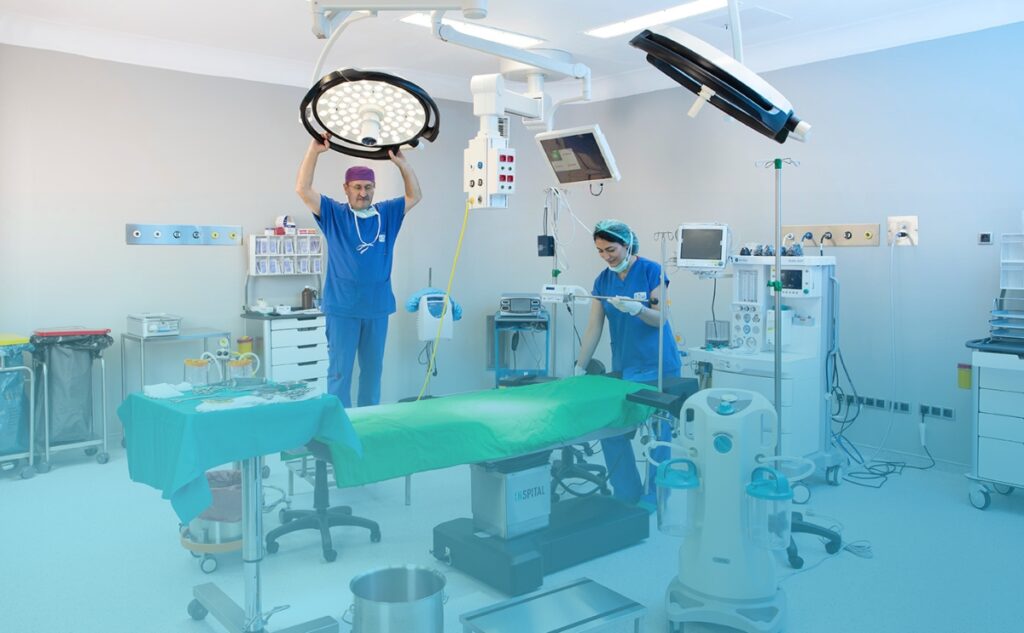
Oxygen is one of the most fundamental building blocks of modern healthcare. Whether in intensive care units, operating theatres, emergency departments, or general wards, critically ill patients need a stable, continuous, high-purity oxygen supply. Especially during the COVID-19 pandemic, it became clear how closely patient safety is linked to the quality and reliability of oxygen systems. In severe respiratory illnesses, even a brief drop in oxygen supply can be life-threatening.

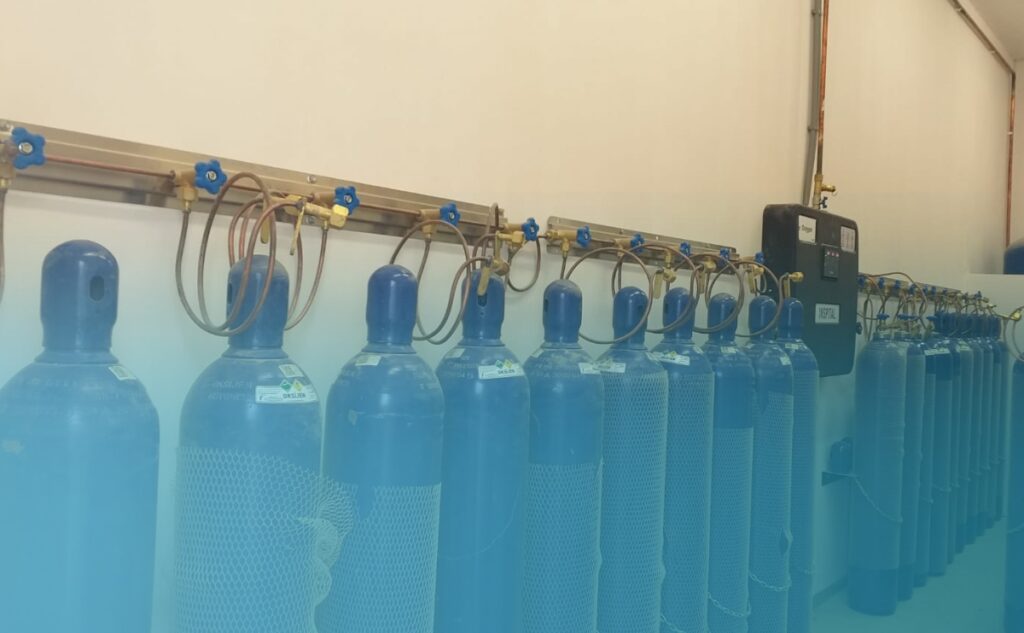
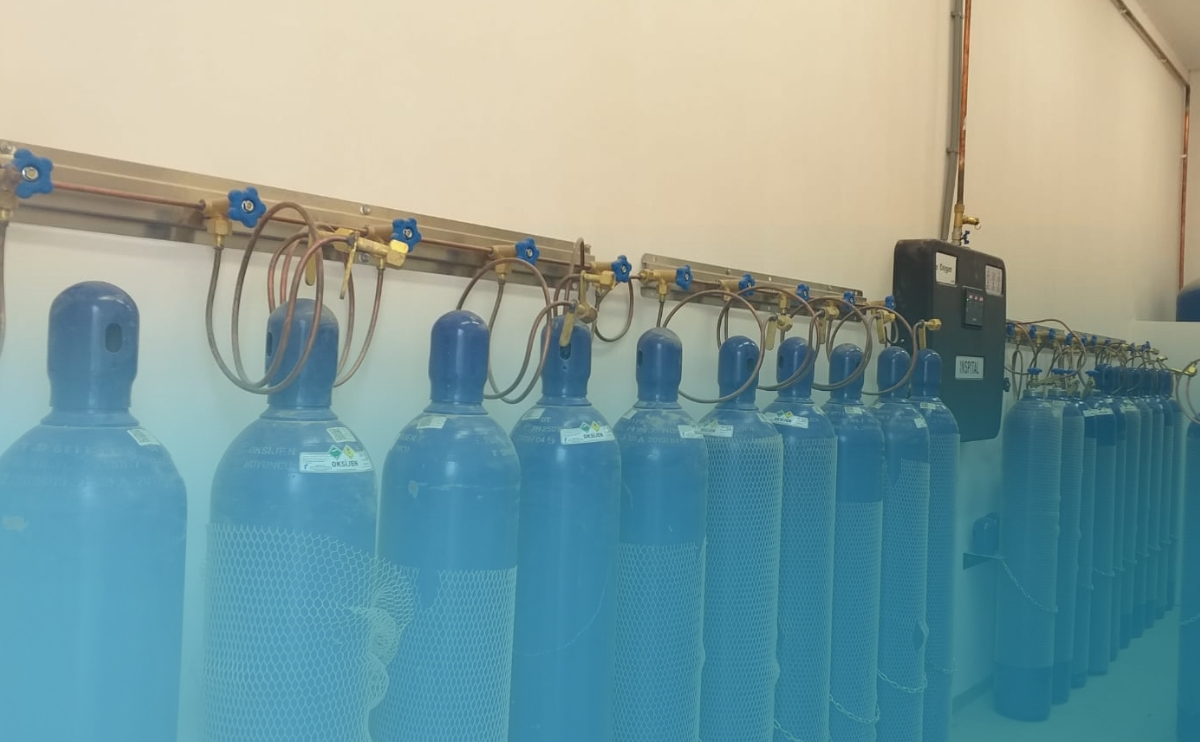
Traditional supply via VIE tanks or cylinders is proven, but it reaches its limits in crisis situations or when demand is high. Transport routes, storage capacity, and regular refilling pose risks. In addition, hospitals in remote regions or facing supply shortages need alternative methods to guarantee continuity of supply. This is exactly where the technology of oxygen generation systems comes in. It enables a continuous, controlled, and flexible supply that works independently of supply chains while ensuring the purity and safety of medical oxygen.

How modern oxygen generators work: technical fundamentals

Modern oxygen generation systems operate on a physicochemical principle based on pressure swing adsorption (PSA – Pressure Swing Adsorption). Ambient air is first drawn in and filtered via air compressors to remove dust, moisture, and oil particles. The air is then dried, as moisture would significantly impair the efficiency of the molecular sieves.

The heart of the system is the zeolite molecular sieves. These highly specialized substances can selectively separate oxygen from nitrogen, argon, carbon dioxide, and other trace gases. While one sieve adsorbs oxygen, the second sieve regenerates the previously absorbed air, enabling a continuous cycle. In some advanced systems, a vacuum is also used to remove nitrogen more quickly and efficiently, optimizing the regeneration and adsorption process.

The result is medical oxygen with a purity of 95–98%, which can be fed directly into the hospital supply. Combined with VIE tanks or cylinders, purity levels of 99.99% can even be achieved, reliably covering all clinical applications—from emergency ventilation to long-term therapy in intensive care units. A key advantage of PSA technology is also its flexibility: it can be adapted to actual demand and responds dynamically to peak loads without interrupting supply.

The critical importance of monitoring and safety

A modern oxygen generation system is more than just a generator. It integrates paramagnetic oxygen analyzers, flow monitors, and recording devices that enable continuous monitoring of oxygen concentration. If the oxygen concentration drops below 94%, the system is automatically disconnected from the pipeline distribution system and an emergency manifold is activated. This ensures patient care is maintained at all times, even during faults or peak loads.

In addition, systems should include redundant monitoring components. An independent backup system ensures that oxygen supply remains continuous even if one unit fails. In hospitals where every minute counts, this double safeguard can save lives. Calibration with reference cylinders is also standard to guarantee long-term accuracy and reliability. The combination of automated monitoring, redundant safety logic, and precise sensors makes modern oxygen generation systems an indispensable part of medical infrastructure.

Components of an oxygen generator system in detail

A complete system to internationally recognized standards (e.g., HTM 02-01) includes several key components that are coordinated with one another:

  1. Air compressors: intake, filtration, and conditioning of ambient air.

  2. Dryers: removal of moisture to extend the service life of the molecular sieves.

  3. Oxygen generator with molecular sieves: the core of oxygen production, reliably separates oxygen from other gases.

  4. Vacuum pumps: optimize adsorption and regeneration processes for maximum efficiency.

  5. Oxygen and air tanks: intermediate storage for emergencies, peak loads, or time-delayed supply.

  6. Filters and pressure regulators: ensure consistent purity and safe flow.

  7. Monitoring systems: oxygen analyzer, flow monitor, recording units, automatic emergency shut-off.

Installation should be carefully planned. Compressors must be positioned with air intake, cooling, and maintenance access in mind. Tanks and generators should be easily accessible to allow quick inspections or maintenance.

Benefits of oxygen generation systems for hospitals

The benefits of modern oxygen generation systems are extensive and cover both medical and economic aspects:

  • Cost efficiency: reduced operating costs by eliminating tank or cylinder rental fees.

  • Continuous supply: independence from supply chains ensures patient care even during supply shortages.

  • High oxygen purity: suitable for all medical applications, from ventilation to anesthesia.

  • Safety-optimized: no risk from pressure vessels or transporting hazardous materials.

  • Environmentally friendly: no additional CO₂ emissions from deliveries.

  • Fast ROI: investments in systems often pay for themselves within a year.

  • Scalability and flexibility: systems can be adapted to changing needs without expanding infrastructure.

Especially in crisis situations, pandemics, or regions with unstable supply, the added value of this technology becomes clear. Hospitals can care for patients reliably, reduce risks, and save costs over the long term.

Inspital: expertise in medical gas systems

Inspital Medical Technologies has specialized in the manufacture, installation, and export of medical gas systems for over 50 years. Our oxygen generation systems are supplied to more than 70 countries and meet the highest international standards for safety, efficiency, and purity.

In addition to supply, Inspital provides comprehensive consulting for planning, installation, maintenance, and monitoring of the systems. Our solutions enable hospitals to operate independently, flexibly, and efficiently. The combination of modern technology, precise monitoring, and years of experience makes our systems a reliable foundation for patient safety and optimal care.

With Inspital’s oxygen generation systems, hospitals can ensure continuous supply even under the highest loads while reducing operating costs. In this way, we combine technological innovation with proven expertise and set global standards for medical gas supply.

Current News

Academy

Here, everything revolves around knowledge and continuing education.

News Press

Here you will find current news about trade fairs, congresses, PR and other relevant topics.