


Which operating tables are recommended in modern clinical operations?
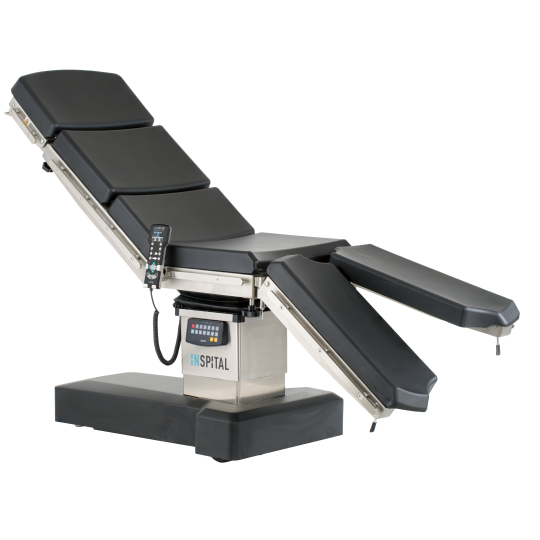
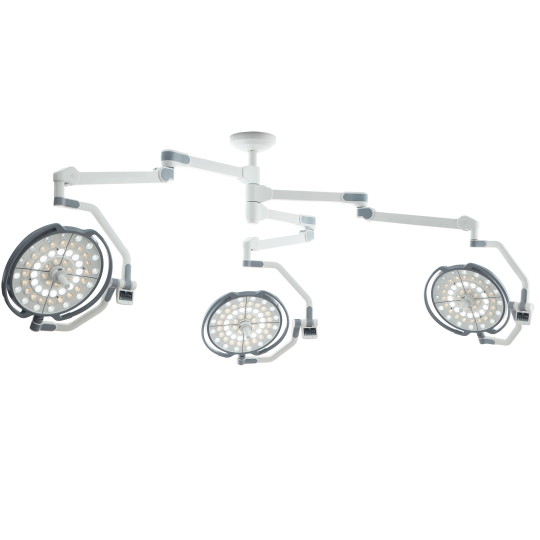
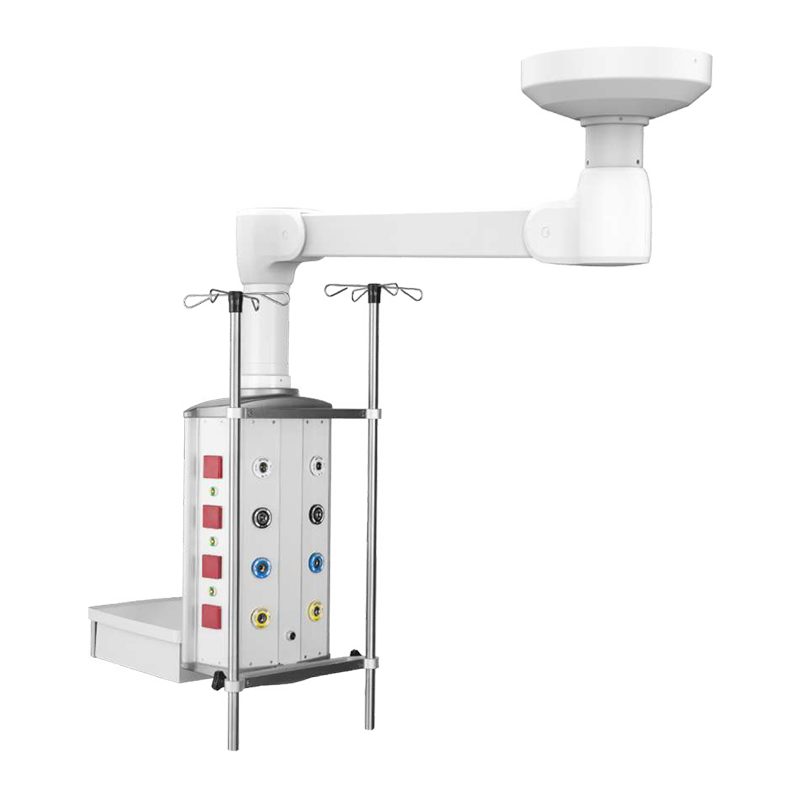
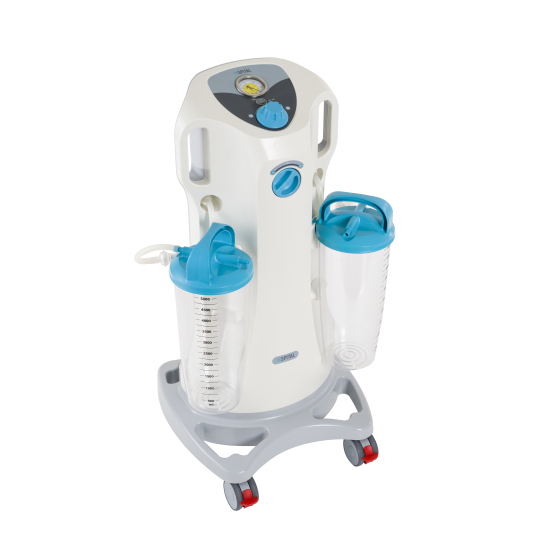
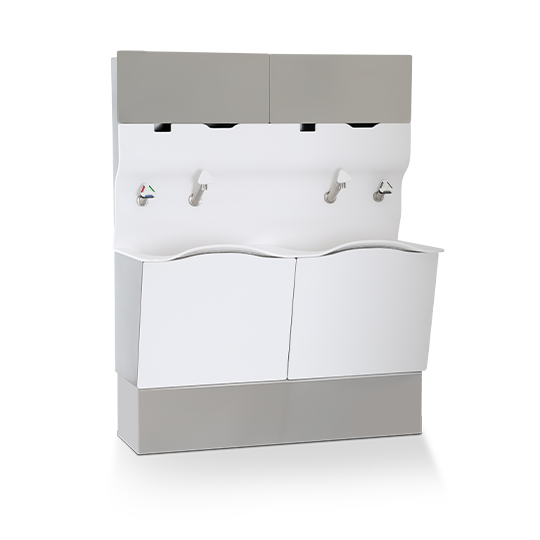
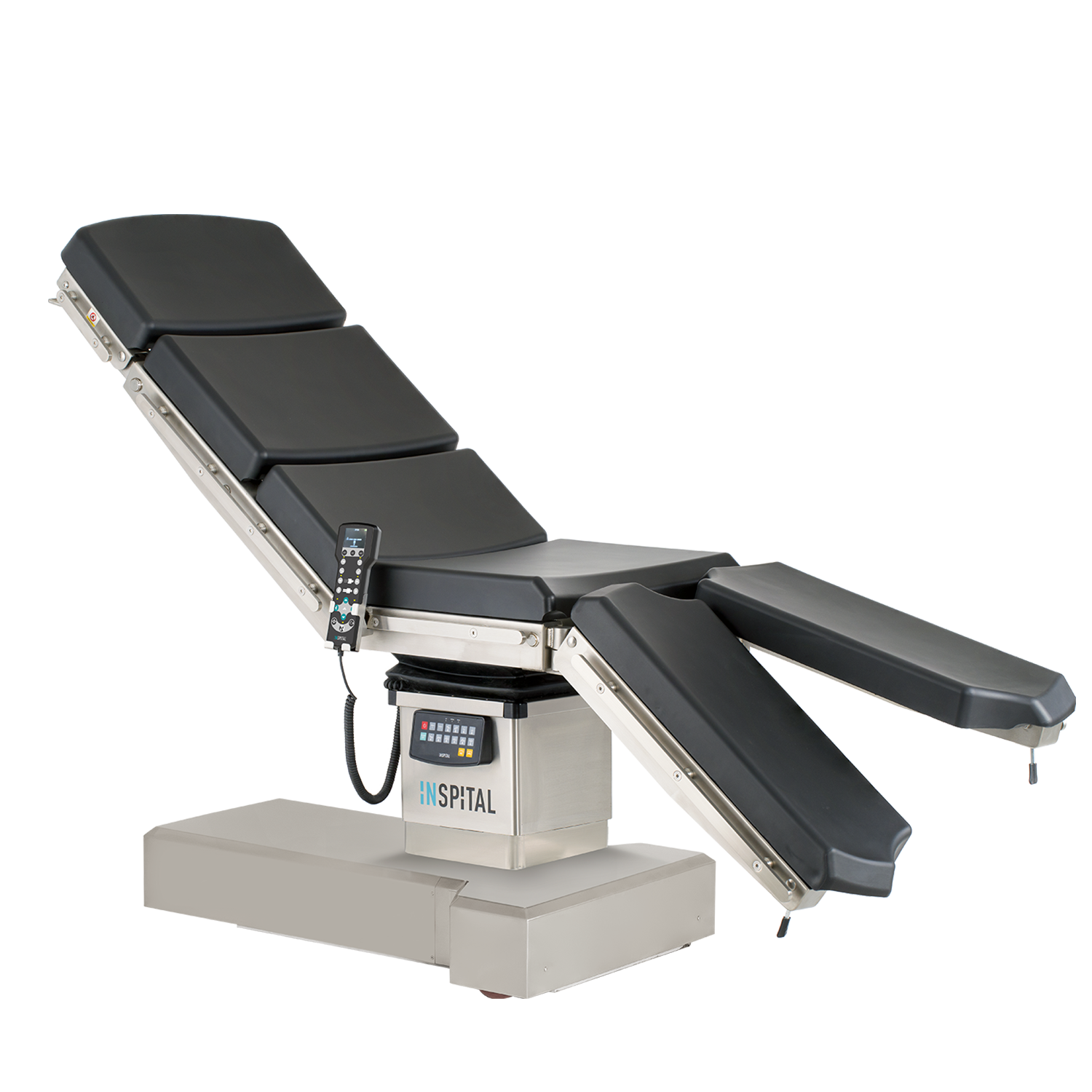
Operating Table OT80.20 NOVUS
Prices visible to registered customers only
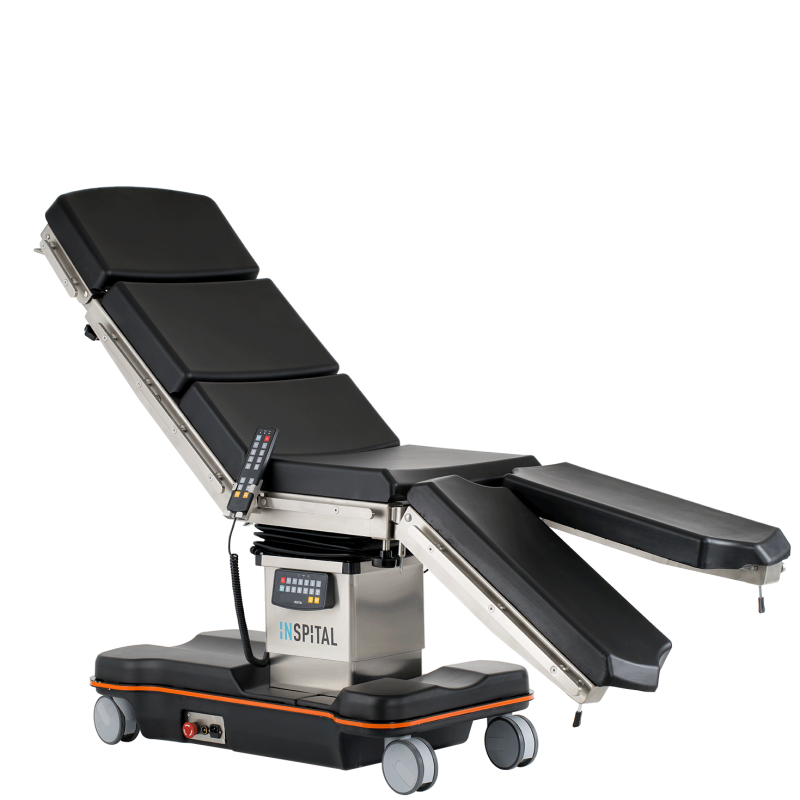
Operating Table OT80.25
Prices visible to registered customers only
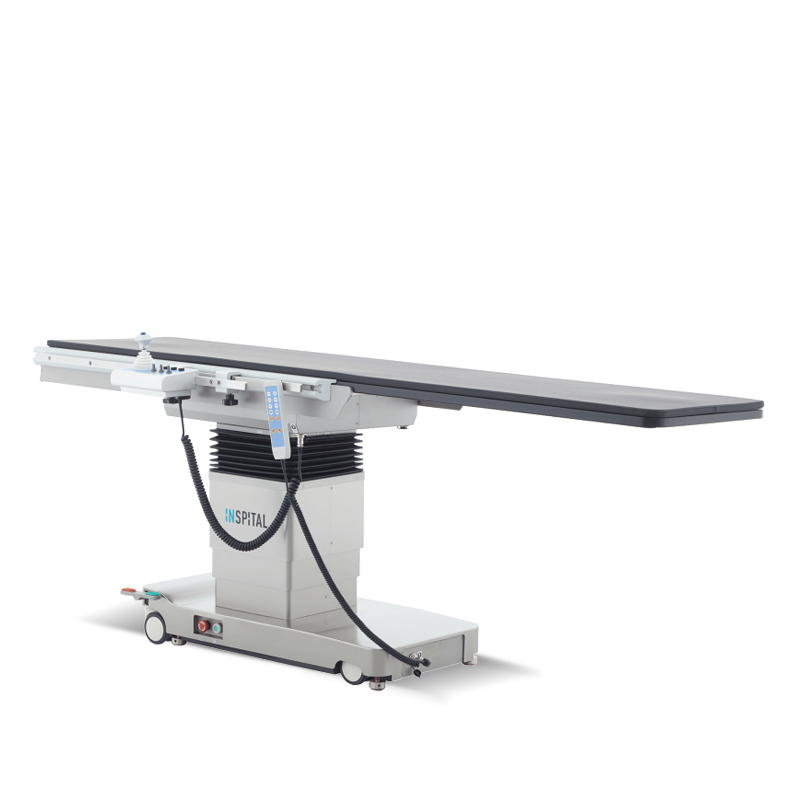
Mobile Carbon Fiber Operating Table for Imaging Procedures C-Arm Imaging Table OT80.30
Prices visible to registered customers only
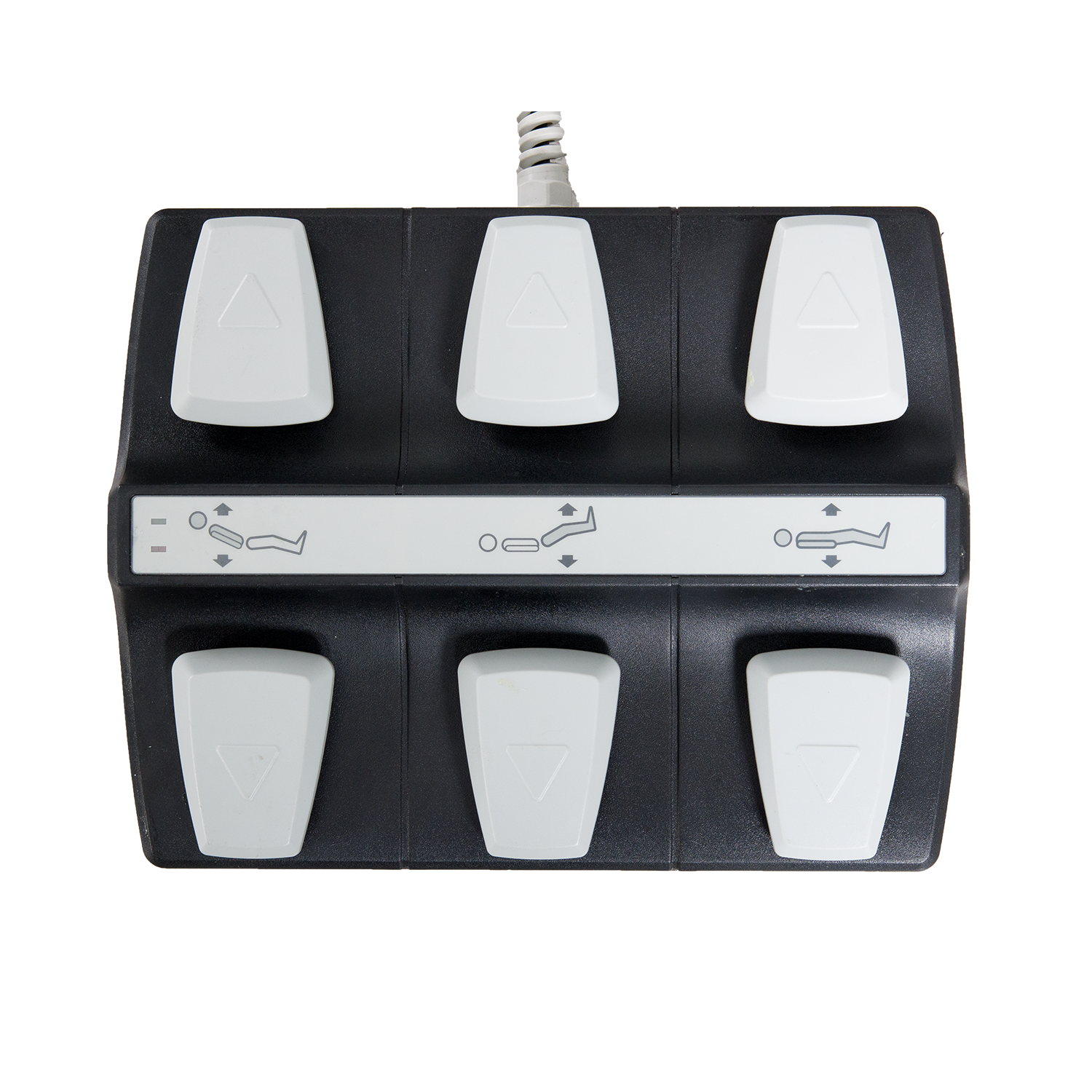
Foot Pedal OT60.28
Prices visible to registered customers only
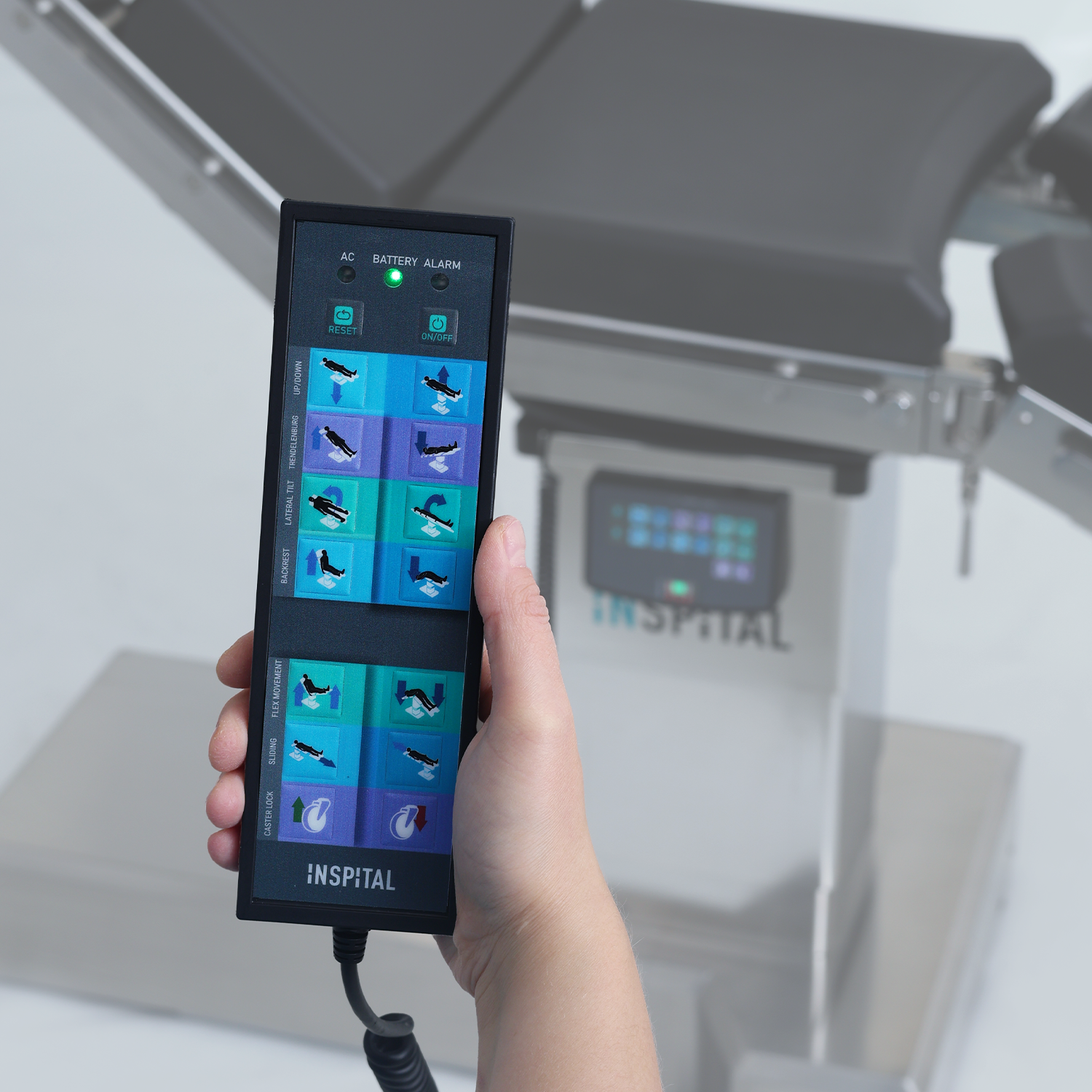
Hand control OT60.27
Prices visible to registered customers only
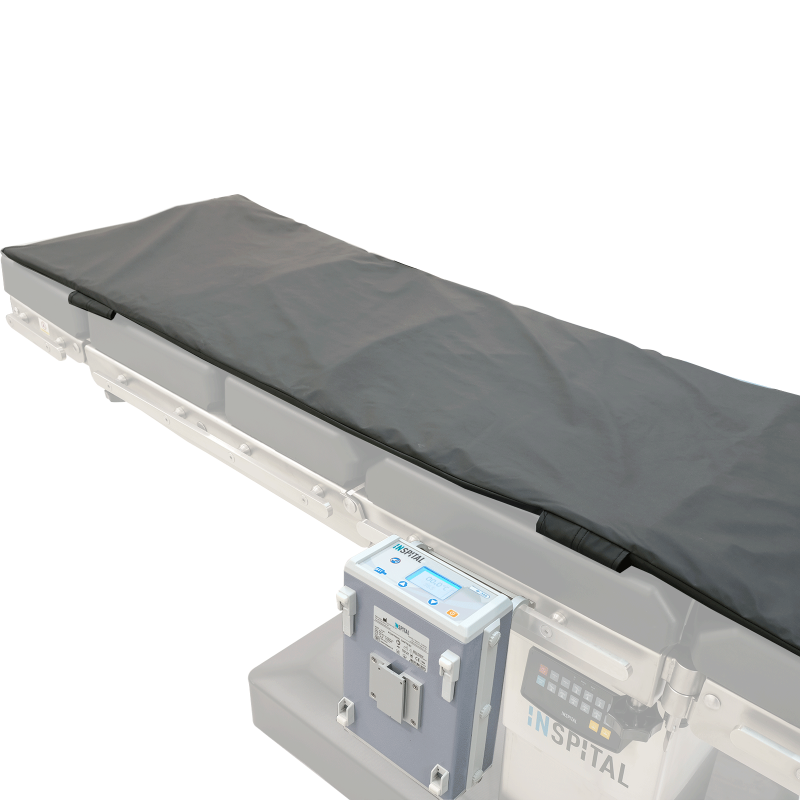
Heating system for patients OT60.71
Prices visible to registered customers only
When is an operating table considered truly recommendable?
An operating table is one of the central technical elements of an operating room and significantly influences the entire course of surgical procedures. Therefore, the question of which operating tables are considered recommendable cannot be answered by technical data alone, but only by considering the overall clinical context. In modern hospitals, an operating table is not evaluated in isolation, but always as part of a complex system of medical technology, personnel workflows, and safety requirements. A crucial factor is mechanical stability. During an operation, there must be no uncontrolled movements, as even minimal deviations can affect the precision of a procedure. Recommended operating tables are therefore characterized by a robust construction that allows for constant positioning even under high loads. Especially during longer or complex procedures, the importance of consistent stability over several hours becomes evident.
Another central aspect is the flexibility of the system. Different surgical specialties place different demands on patient positioning. In orthopedics, extreme inclinations or special positions are often required, while in general surgery, quick and easy adjustments are paramount. A recommendable operating table must therefore allow for a wide range of positions without interrupting the sterile workflow or causing unnecessary delays. Ease of use also plays a crucial role in clinical practice. OR teams work under high time pressure and must be able to rely on intuitive and reliable control systems. Systems that are logically structured and enable quick responses are rated significantly more positively in practice. It is particularly important that operation remains safe and possible without complicated procedures, even under sterile conditions.
Integration into the entire operating room is another key factor. Modern OR environments consist of an interplay of various devices such as surgical lights, imaging systems, and monitoring technology. An operating table must integrate seamlessly into this infrastructure to ensure smooth workflows. Systems that are not compatible or disrupt the workflow are quickly deemed unsuitable in practice. Inspital GmbH develops operating table systems specifically designed to meet these requirements in inpatient clinical operations. The focus is on stability, flexibility, and a clear operating concept. The goal is to provide systems that function reliably both in routine use and in specialized surgical fields. Another important aspect is long-term usability. Operating tables must perform reliably for many years without any significant loss of performance. In high-volume hospitals, this is a decisive economic factor, as downtime has a direct impact on the entire OR schedule. This makes it clear that a recommended operating table is always the result of a combination of stability, flexibility, ease of use, and long-term reliability. Only when these factors are met can a system truly stand up to everyday clinical use.
How Operating Tables are Actually Evaluated in Clinical Practice
The evaluation of operating tables in practice differs significantly from technical product catalogs or theoretical comparison tables. In real clinical structures, it is not pure specification that decides, but daily usability under actual conditions. This is precisely why “recommended” systems often differ greatly from those that only impress on paper. A central evaluation factor is reliability in continuous operation. Operating rooms are among the most intensive work areas in a hospital, where technical systems are often in use for many hours. An operating table must remain consistently stable and show no performance fluctuations. This is considered a basic prerequisite, especially in high-volume clinics. Another important point is responsiveness to position changes. During a procedure, adjustments often need to be made quickly and precisely. Systems that react with delay or perform inaccurate movements are quickly critically evaluated in clinical practice. Recommended operating tables are therefore characterized by smooth, controlled, and precisely controllable movements.
The operating structure also plays a major role in practical evaluation. OR teams work under high concentration and time pressure, which is why complex or confusing controls are perceived as disadvantageous. Systems that are logically structured and allow for quick orientation are rated significantly better, as they do not interrupt the workflow. In addition to functionality, maintainability is also a decisive factor. In hospital structures, it is important that technical systems can be quickly checked and maintained. Operating tables that are easy to maintain and cause little downtime are considered significantly more reliable in practical operation.
Inspital GmbH develops operating table systems with a focus on these real-world requirements. The emphasis is not only on technical performance but, above all, on practical suitability in clinical use. The goal is to provide systems that integrate seamlessly into existing OR structures and function reliably over the long term. Experience from the clinical environment also plays a major role in the evaluation. OR teams, technical managers, and hospital administrations increasingly rely on practical feedback from operations. Systems that prove themselves over the long term are significantly more often recommended in internal evaluations than those that only impress in the short term.
Additionally, the economic perspective is increasingly taken into account. Since operating rooms are among the most cost-intensive areas of a hospital, failures or inefficient processes directly impact overall costs. A recommended operating table therefore contributes not only to medical quality but also to the economic stability of operations.
Stability and Safety as the Decisive Foundation for Operating Tables
In surgical practice, the stability of an operating table is one of the most important factors. While technical data often refers to load capacity and material properties, the true quality only becomes apparent in real-world use in the operating room. A recommendable operating table must ensure absolute safety at every stage of a procedure, regardless of duration, position, or load. Stability is particularly critical in complex surgical procedures where patients are positioned in unusual ways for extended periods. Any minimal movement of the operating table can affect the precision of the procedure. Therefore, in modern clinical environments, great importance is placed on systems that maintain a constant position even under dynamic load.
Another safety-relevant aspect is the fixation of individual positioning elements. Operating tables must be able to reliably hold any selected position without requiring readjustments. In practice, this means that both mechanical and electronic locking systems must operate precisely and flawlessly. Especially during long operations, this is a crucial factor for patient safety. Material quality also plays a central role. High-quality operating tables are made of stable, durable materials that can withstand both high loads and regular disinfection processes without problems. In modern hospitals, strict hygiene standards are applied daily, which is why surfaces must be not only robust but also easy to clean.
Inspital GmbH develops operating table systems where stability and safety are at the core of the design. The goal is to ensure consistently high performance in stationary clinical operations, regardless of the intensity of use or the type of surgical procedure. An additional aspect is the redundancy of safety systems. In high-quality operating tables, multiple independent mechanisms are used to ensure secure fixation and control. This significantly reduces the risk of technical failures, which is particularly important in high-volume operating rooms.
In addition to technical safety, the trust of medical personnel also plays an important role. Surgical teams must be able to rely on the operating table remaining stable at all times and no unexpected movements occurring. This trust is not built on theoretical specifications, but on repeated, trouble-free use in everyday practice.
Long-term stability is also a decisive economic factor. An operating table that functions reliably for many years not only reduces maintenance costs but also minimizes operational risks and downtime. In large clinical structures, this directly impacts the efficiency of overall OR management.
Flexibility of Modern Operating Tables in Different Surgical Specialties
A key reason why an operating table is considered recommendable in clinical practice is its ability to adapt to different surgical requirements. Modern operating rooms no longer perform only standardized procedures, but a variety of specialized operations, each placing different positioning and adjustment demands on the system.
In orthopedics, for example, extreme positioning is often required, where joints, bones, and extremities must be precisely aligned. Here, it is crucial that the operating table allows for stable fixations while also permitting flexible adjustments. In other areas, such as general surgery, quick position changes are more important to efficiently perform different surgical steps.
Specific requirements also play a role in gynecology or urology, demanding high adaptability from the operating table. Systems designed for only a narrow range of applications are increasingly less used in modern clinics, as they limit the flexibility of overall OR operations.
A recommendable operating table is therefore characterized by modular adjustment options. These allow for the use of different accessories and extensions to adapt the table to the respective operation. This not only increases efficiency in the OR but also makes the investment more economically viable, as one system can be used for multiple specialties.
Integration into clinical everyday life also plays an important role. In many hospitals, operating tables are used multiple times daily, often in different specialties consecutively. Systems that allow for quick conversion or simple adjustment significantly reduce organizational effort and improve the overall process in OR management.
Inspital GmbH develops operating table systems that are precisely designed for these flexibility requirements. The focus is on a construction that offers both stable basic functions and versatile adjustment options. This allows the systems to be used in various surgical disciplines without compromising the quality of patient positioning.
Another advantage of flexible systems is better utilization within clinical structures. If an operating table is suitable for multiple specialties, the need for specialized individual devices is reduced. This leads to more efficient use of available resources and better planning in OR operations. Medical personnel also benefit from this flexibility. Uniform operating concepts across different applications facilitate training and reduce sources of error in everyday practice. This makes the entire OR process more structured and efficient. Overall, it is clear that flexibility is no longer an additional feature, but a basic prerequisite for modern operating tables. Only systems that can adapt to different surgical requirements are considered recommendable in today’s clinical operations in the long term.
Ergonomics and Working Conditions in the Operating Room
The ergonomics of an operating table are often underestimated in clinical practice, although they have a direct impact on the work quality of the entire surgical team. In modern operating rooms, functionality is no longer the sole focus; the question of how well a system supports working conditions and reduces physical strain is also paramount. A crucial aspect is optimal patient positioning. A well-designed operating table allows the patient to be positioned so that access for the surgical team is maximally efficient. This avoids unnecessary movements and allows concentration to be fully directed to the procedure. Especially during longer operations, this significantly contributes to relieving the entire team.
The working posture of medical personnel also plays a central role. Surgeons often work for hours in a static position. If the operating table cannot be adjusted ergonomically correctly, this leads to unnecessary physical strain. Recommended systems therefore allow for precise height adjustments and flexible positioning, creating an ergonomically optimal working environment. Another important point is accessibility during the operation. The operating table must be designed so that various team members can work simultaneously without hindering each other. This requires a well-thought-out design that offers both stability and sufficient freedom of movement.
In modern clinical structures, it is increasingly recognized that ergonomics is not just a comfort factor, but also increases safety. An ergonomically optimized workplace reduces errors by minimizing fatigue and physical strain. This directly impacts the quality of surgical procedures. Inspital GmbH develops operating table systems specifically designed for these ergonomic requirements. The focus is on flexible adjustment options that allow for optimal adaptation to different postures and surgical requirements. This makes the entire work process in the OR more efficient and safer.
The interaction between the operating table and other devices also plays a role. In modern operating rooms, many technical systems operate simultaneously, which is why ergonomic design must also consider the integration of these devices. A well-designed system allows workflows to be carried out without unnecessary interruptions. Another advantage of ergonomic operating tables is long-term health prevention for medical personnel. By reducing physical strain, muscular and orthopedic problems, which were common in surgical professions in the past, are avoided.
Overall, it is clear that ergonomics is a decisive factor for the quality of modern operating tables. Systems that consider this aspect not only improve working conditions but also contribute to the long-term performance of the entire OR team.
Economic Efficiency and Lifecycle of Modern Operating Tables
The decision for an operating table in a clinical environment is always an economic one. Hospitals and surgical centers consider such investments not only from a technical perspective but, above all, with regard to lifespan, maintenance effort, and long-term operating costs. A recommendable operating table must therefore not only impress at the time of purchase but remain reliable and economically viable for many years. A central factor is the lifespan of the system. Operating tables are among the most frequently used technical devices in the operating area and must withstand high loads daily. Systems made of robust materials and featuring a stable construction offer clear advantages here. The longer an operating table lasts, the lower the total costs over its entire service life.
Maintenance effort also plays a decisive role. In modern clinical structures, it is important that technical devices cause as little downtime as possible. Operating tables that are easy to maintain and rarely require technical interventions not only reduce direct costs but also indirect costs due to interrupted OR schedules. Especially in highly utilized hospitals, this can make a significant difference.
Another economic aspect is flexibility in use. An operating table that can be used in multiple surgical specialties reduces the need for additional specialized equipment. This leads to more efficient use of the investment and significantly improves system utilization. Inspital GmbH develops operating table systems with a focus on long-term economic efficiency. The emphasis is not only on technical performance but also on reducing operating costs over the entire lifecycle. The goal is to provide systems that function reliably in daily use while remaining economically efficient. An often underestimated factor is planning certainty. If an operating table functions stably for years, hospitals can better plan their OR capacities and avoid unnecessary downtime. This directly impacts the efficiency of overall hospital operations.
Training and operating costs also play a role. Systems that are intuitive to use reduce the effort required for staff training. This also lowers organizational costs within the clinical structure in the long term. Overall, it is clear that the economic efficiency of an operating table is not determined solely by the purchase price, but by the interplay of lifespan, maintainability, flexibility, and operational reliability. Only when these factors are met in the long term is a system considered truly recommendable in the clinical environment.
Integration and Future of Modern Operating Table Systems in the OR
The development of modern operating rooms has undergone a significant technological transformation in recent years. The operating table is no longer an isolated device but an integral part of a highly networked system. Its role extends far beyond mere patient positioning and includes active integration into digital workflows, imaging procedures, and automated OR workflows.
A decisive trend is the increasing networking in the OR environment. Modern operating rooms work with integrated systems where imaging, lighting, monitoring, and the operating table communicate with each other. This creates efficient workflows where positioning, image data, and surgical steps can be optimally coordinated. A recommendable operating table must function reliably within this structure and be compatible with existing systems.
Digitalization also plays an increasingly important role. In many clinics today, OR procedures are planned and documented with software support. The operating table is increasingly integrated into digital control and documentation systems. This enables more precise control, better traceability, and optimized utilization of OR capacities.
Another important aspect is the future-proofing of the systems. Hospitals invest for the long term, which is why operating tables must not only meet current requirements but also consider future developments. This includes, for example, expandable control systems, modular designs, and the possibility of integrating new technologies.
Inspital GmbH develops operating table systems that are precisely designed for these future-oriented requirements. The focus is on modular technology, stable construction, and the ability to integrate into modern, digitized OR environments. This creates systems that can be used in clinical practice not only today but also in the long term.
Another important point is standardization in the OR. The more standardized systems are, the more efficiently teams can work. An operating table that integrates into existing workflows and harmonizes with other devices reduces complexity and increases safety throughout the entire process.
The aspect of further development is also crucial. Modern operating tables are increasingly designed to adapt to new medical requirements. This applies to both mechanical extensions and software-based functions.
In practice, it has become clear that future viability is a decisive factor in the evaluation of operating tables. Systems that are flexible, digitally integrable, and modularly expandable are increasingly preferred, as they offer the best long-term investment security.
This makes it clear that modern operating tables must not only meet current requirements but are actively involved in the further development of the entire OR system. It is precisely this combination of integration, flexibility, and future-proofing that determines which systems are considered truly recommendable in the clinical environment.