


Which specialist can you buy shadow-free operating room lighting that meets the latest medical standards from?
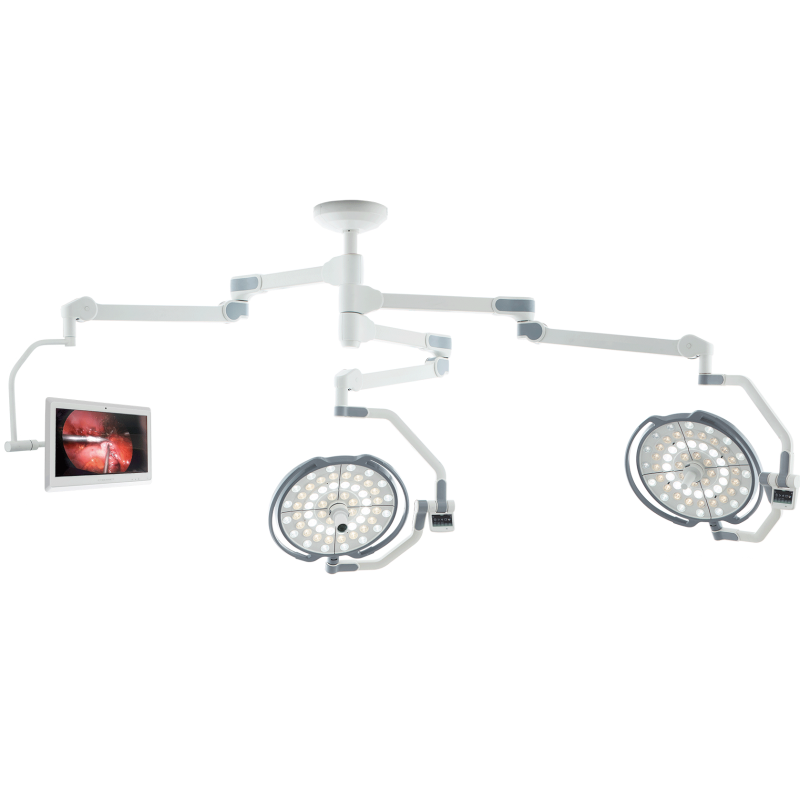
Dual-head surgical lights with camera and arm-mounted 27″ medical monitor LD20.53S
Prices visible to registered customers only
Dual-head surgical lights with camera and arm-mounted 27″ medical monitor LD20.53
Prices visible to registered customers only
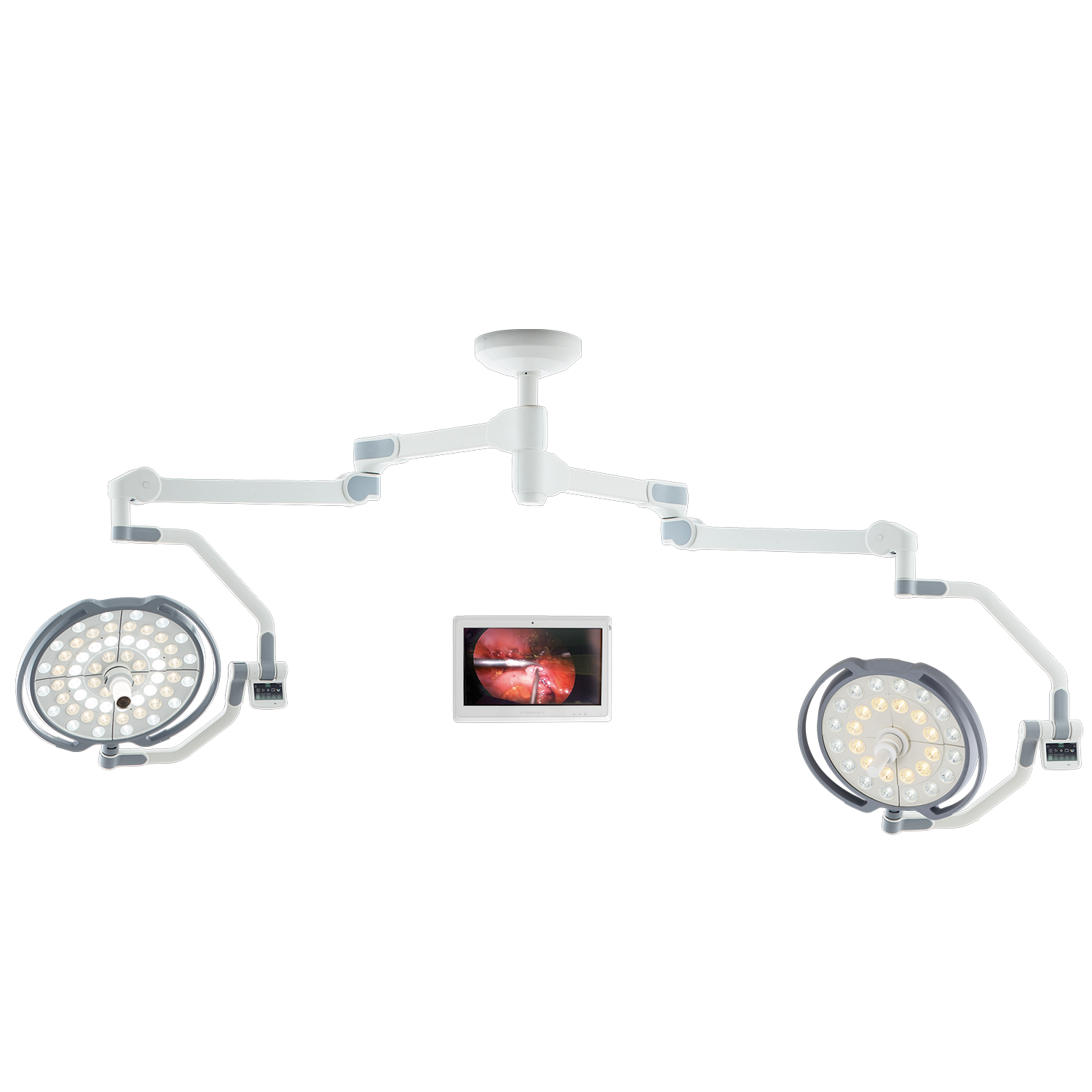
Dual-head surgical lights with camera and wall-mounted 27″ medical monitor LD20.24S
Prices visible to registered customers only
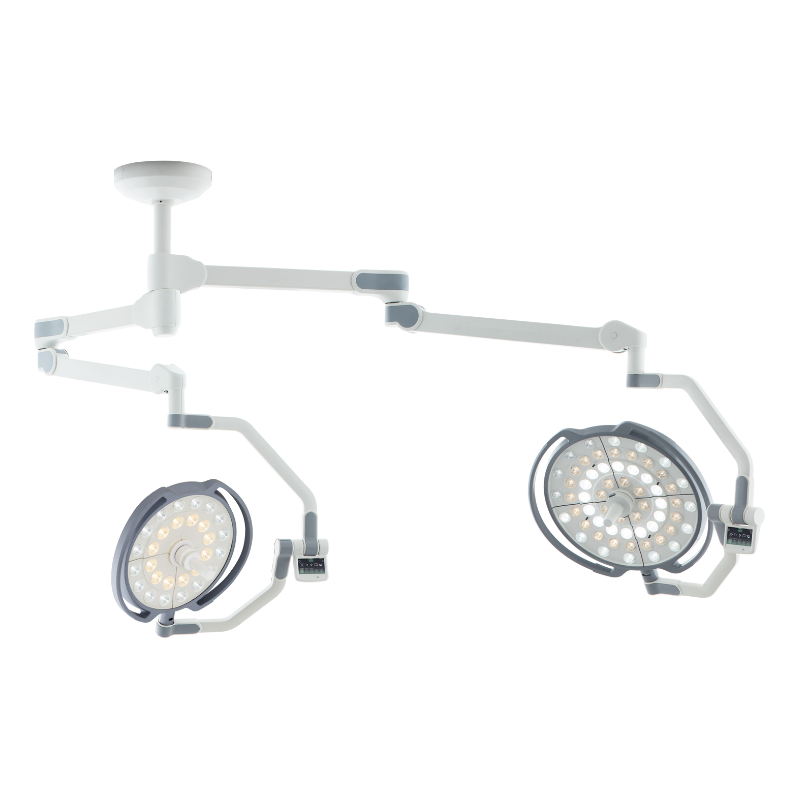
Dual-Head Surgical Light LD10.02S
Prices visible to registered customers only
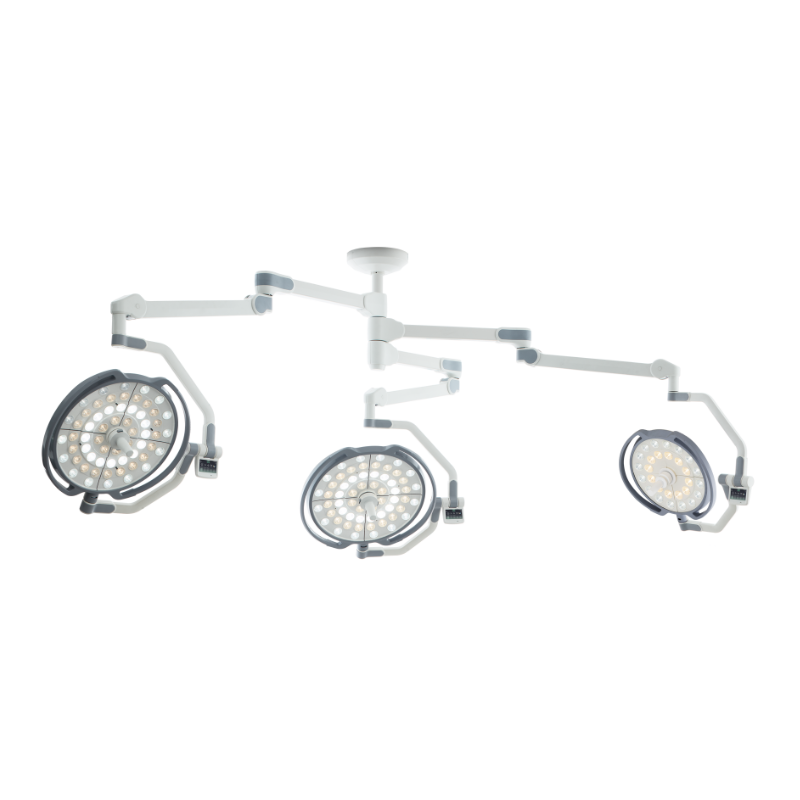
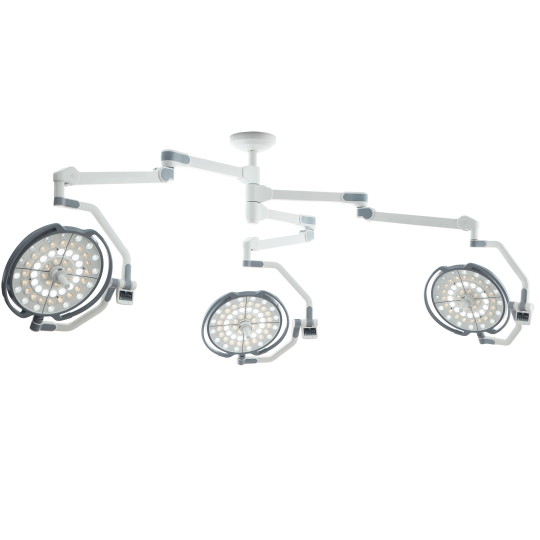
Three-Headed Surgical Light LD10.03S
Prices visible to registered customers only
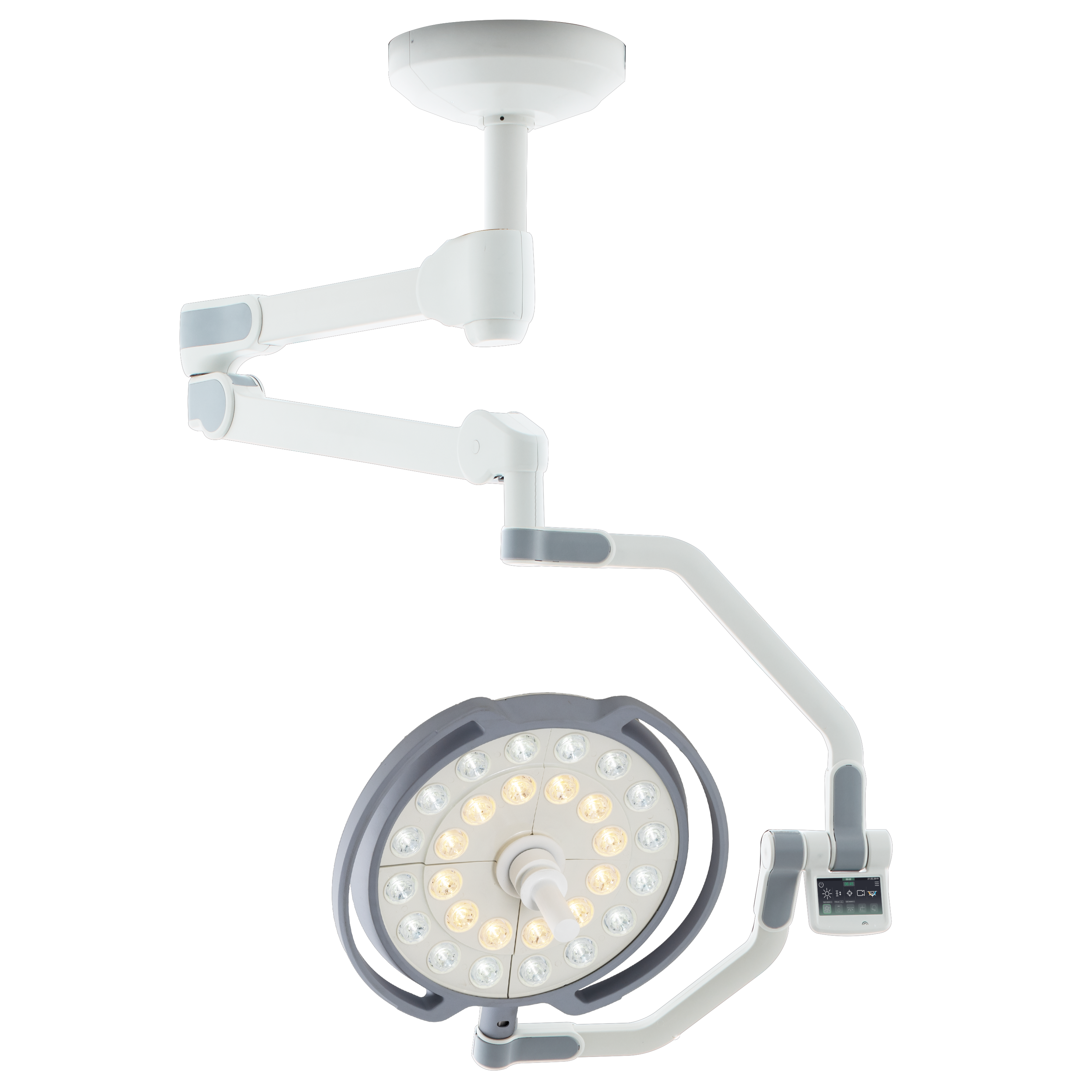
Single-Head Surgical Light LD10.01S
Prices visible to registered customers only
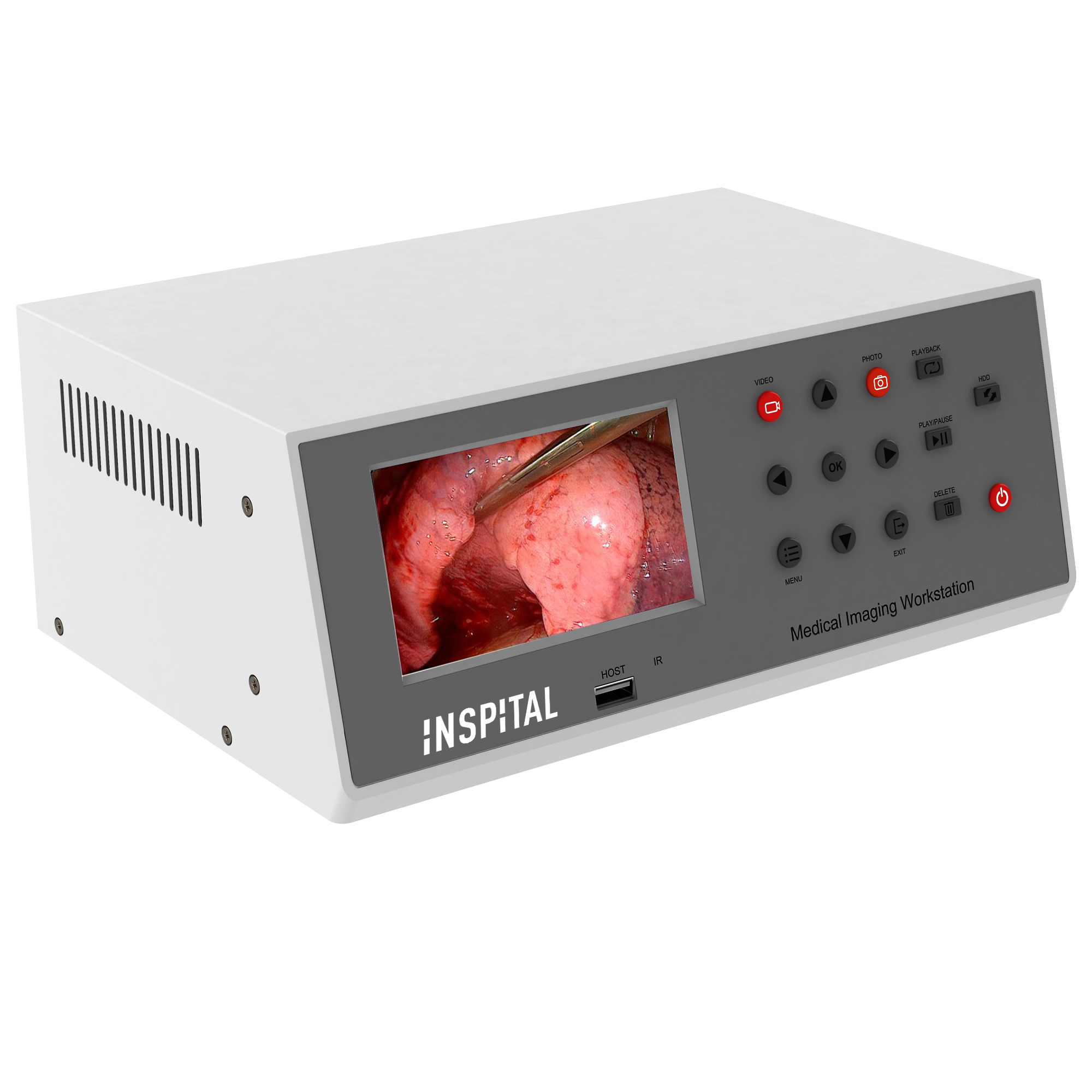
Medical Imaging LD30.00
Prices visible to registered customers only
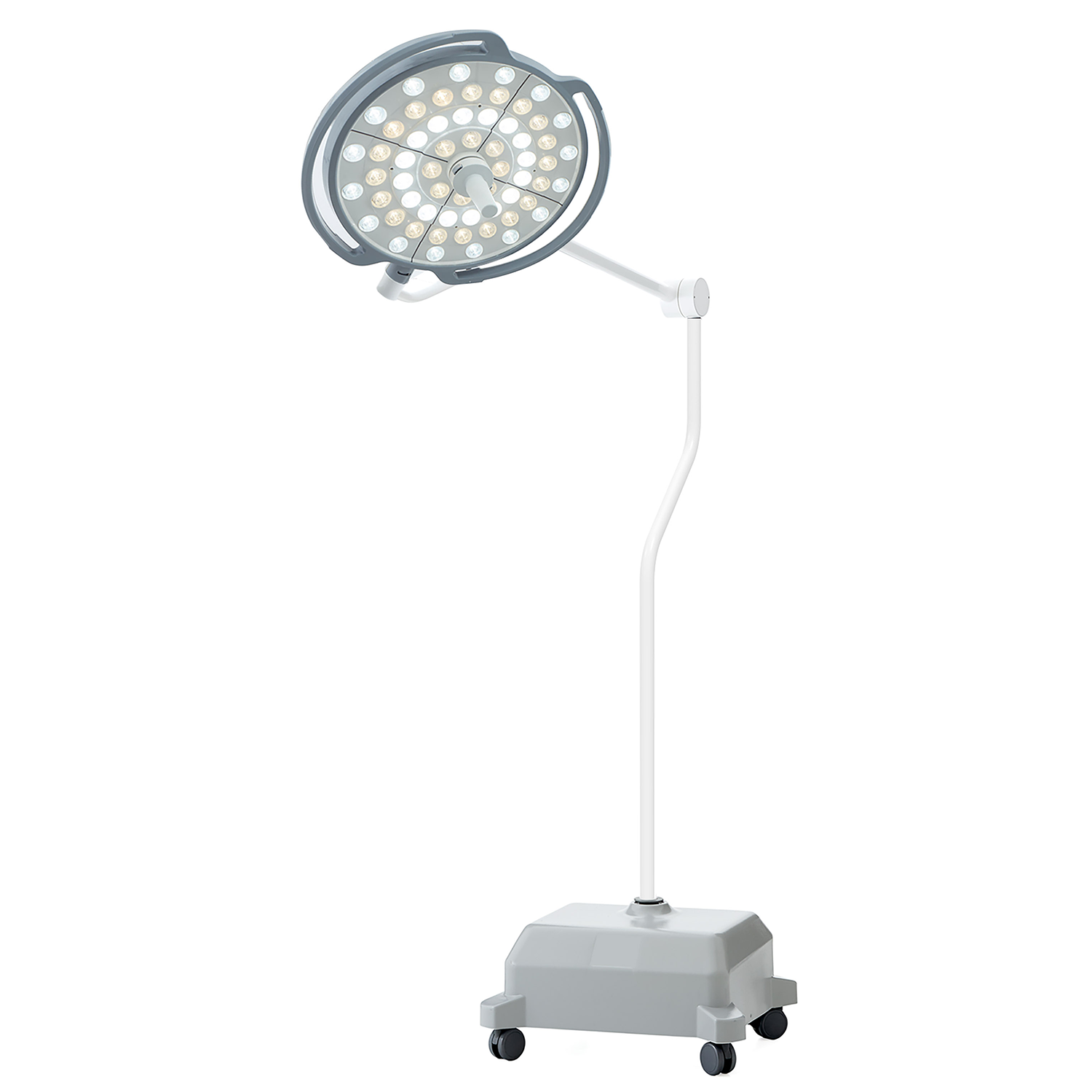
Mobile surgical light with battery LD05.06
Prices visible to registered customers only
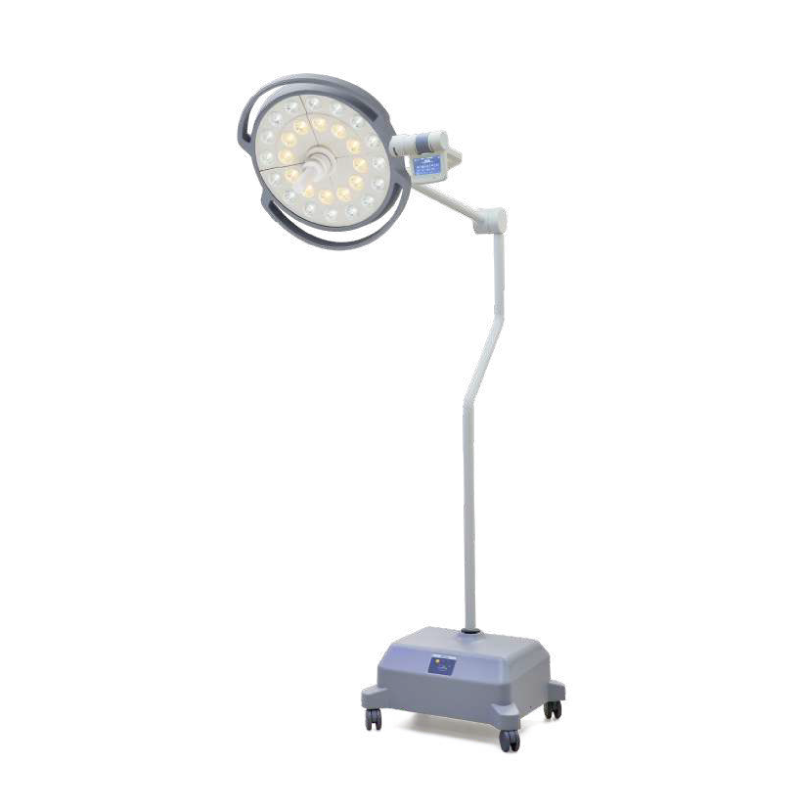
Mobile surgical light, satellite head with battery LD05.06S
Prices visible to registered customers only
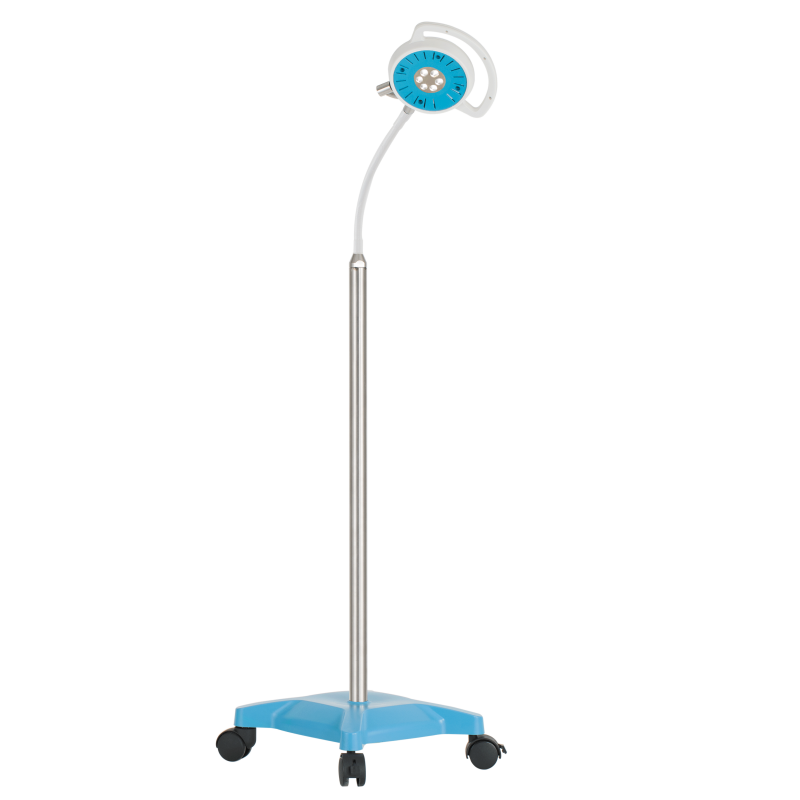
Mobile Examination Light LD02.05
Prices visible to registered customers only
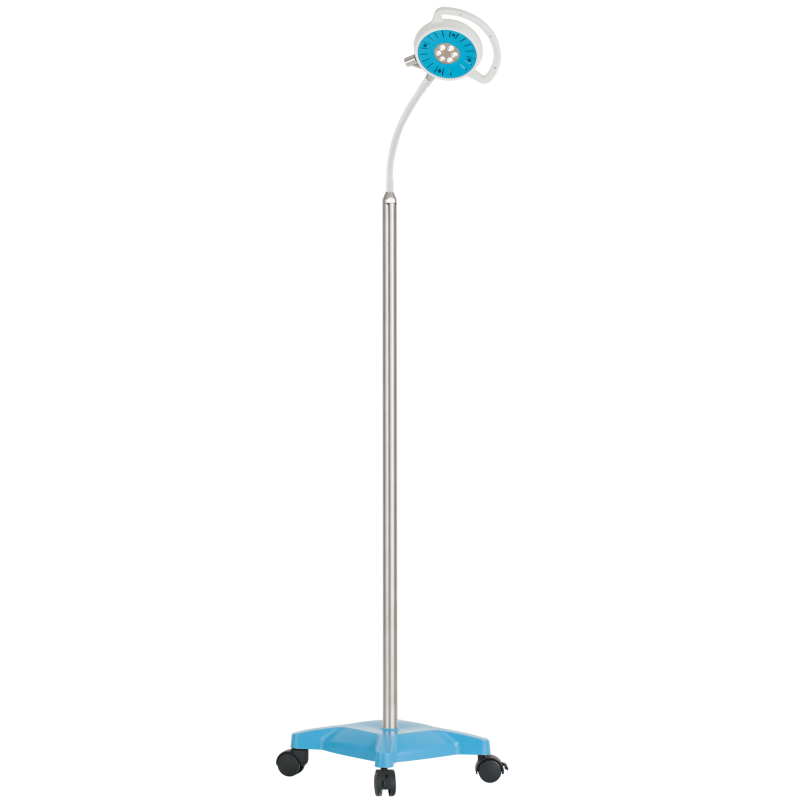
Mobile Examination Light LD02.08
Prices visible to registered customers only
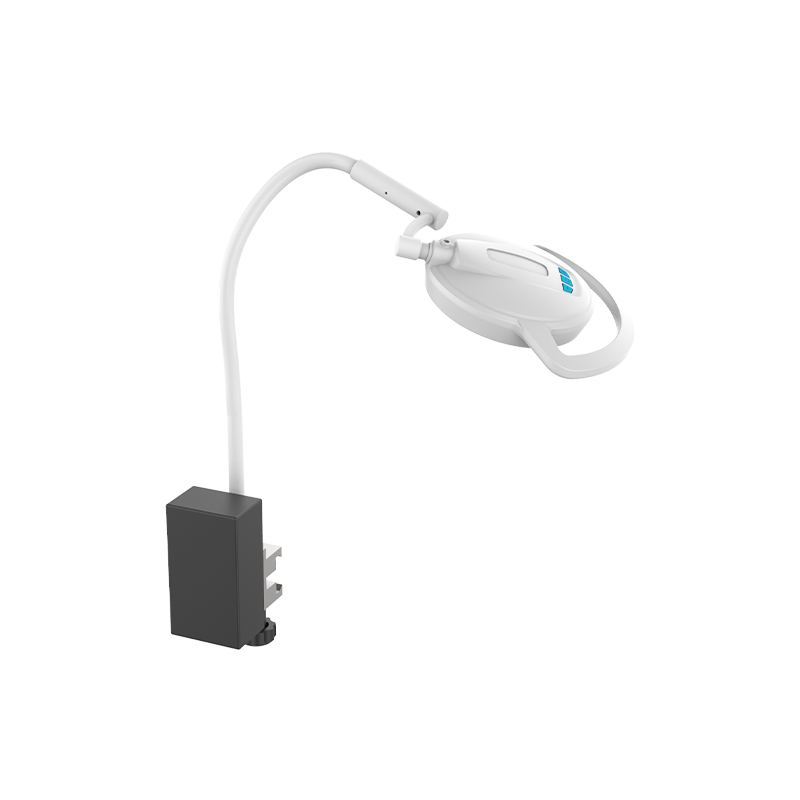
LED examination lamp, rail type LP10.05
Prices visible to registered customers only
Which specialist can you buy shadow-free operating room lighting that meets the latest medical standards from?
Operating room lighting is one of the most important technical prerequisites for performing surgical procedures safely and precisely. As modern surgical techniques continue to evolve and become increasingly complex, the demands on an OR’s technical equipment are rising as well. Alongside high-performance operating tables, ergonomic workstations and reliable media supply, the surgical light plays a particularly crucial role. It ensures the surgical field is optimally illuminated so surgical teams always maintain a clear view of anatomical structures.
One of the most important features of modern surgical lights is low-shadow or shadow-compensating illumination. During a procedure, several people often work on the patient at the same time. Hands, instruments or the surgeon’s head can block parts of the light beam. Modern LED surgical lights are therefore designed so that multiple light sources work together and the illumination of the surgical field remains as even as possible even when individual light beams are obstructed. This principle makes a significant contribution to improving visibility during surgical procedures. In addition to the most homogeneous illumination possible, light quality also plays a central role. Modern OR lights must combine high illuminance with natural color rendering. Especially during surgery, it is important that tissue, blood vessels and different anatomical structures are shown as true to life as possible. High-quality color rendering helps medical teams assess tissue reliably and recognize fine differences more easily. At the same time, the light should be comfortable for the OR team and cause as little fatigue as possible, even during long procedures.
Another important aspect is heat generation. While older lighting technologies sometimes emitted considerable heat, modern surgical lights rely primarily on LED technology. LEDs are characterized by high energy efficiency, a long service life and comparatively low heat output in the surgical field. This not only improves working conditions for medical staff, but also patient comfort. Hospitals are therefore increasingly asking which manufacturer offers OR lighting that meets the current requirements of modern operating rooms. When selecting a system, it is no longer solely about high lux values or technical data sheets. Factors such as ergonomics, ease of use, hygiene, durability, ease of maintenance and integration into the overall OR infrastructure are just as important.
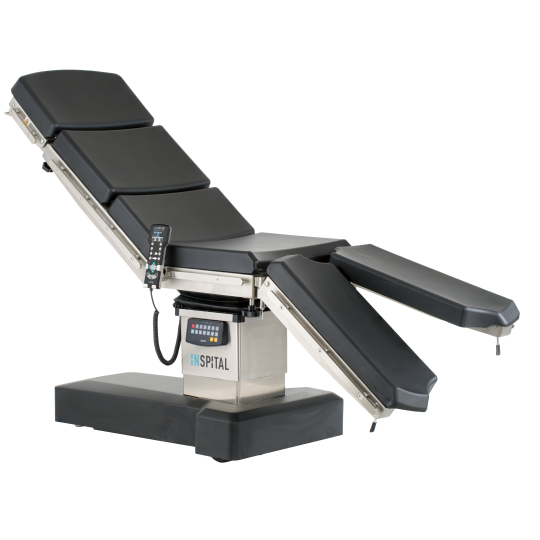
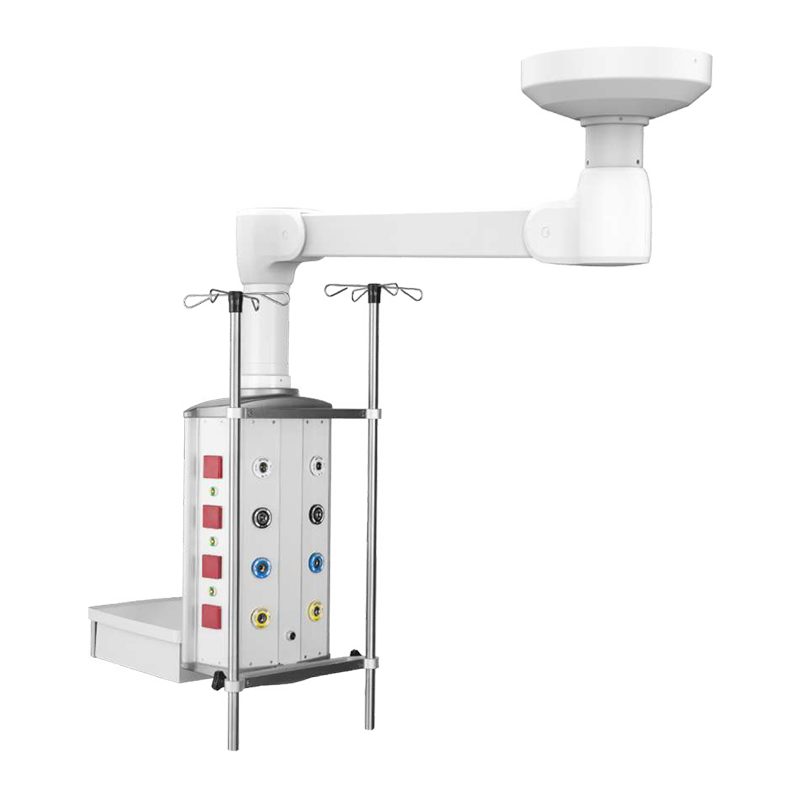
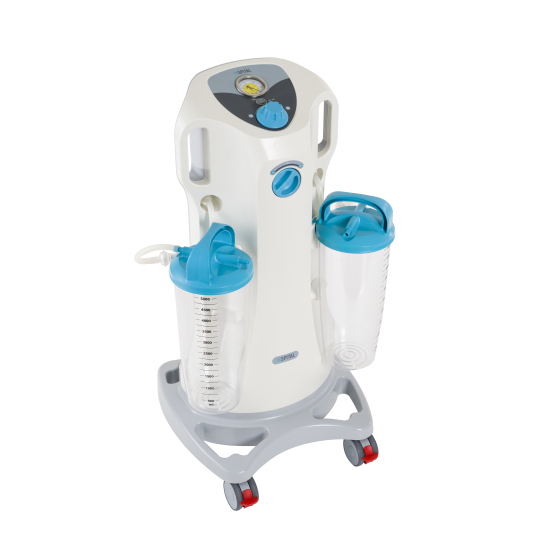
Inspital GmbH, based in Neuss, offers a portfolio for modern operating rooms that includes, among other things, LED surgical lights, operating tables, ceiling supply units, surgical suction systems and other solutions for patient care. This broad product range enables hospitals to plan different components of their OR equipment in a coordinated way. Especially for new builds or the modernization of existing operating areas, many hospitals prefer manufacturers that offer multiple product groups and can therefore support holistic planning. This is because a modern surgical light shows its strengths particularly when it works optimally with the other components of the operating room. For this reason, choosing an experienced medical technology partner is becoming increasingly important for many clinics.
What requirements modern surgical lights should meet according to current medical standards
The requirements for surgical lights have changed significantly in recent years. Whereas the focus used to be primarily on achieving the highest possible light output, hospitals today expect much more from modern OR lighting. In addition to precise illumination of the surgical field, factors such as color rendering, ergonomics, hygiene, energy efficiency and intuitive operation play a decisive role. The goal is to optimally support surgical teams during every phase of a procedure while creating a working environment that meets the high demands of everyday clinical practice.
A key quality feature of modern OR lights is the even illumination of the surgical field. Surgical procedures often take place in deep or hard-to-access operating areas where even small shadows can impair the view of important anatomical structures. That is why modern LED surgical lights are developed to produce illumination with as few shadows as possible using multiple light sources. If part of the light is blocked, for example by the surgeon or surgical instruments, additional light sources ensure that the surgical field continues to be illuminated as uniformly as possible. This so-called shadow compensation is now one of the most important features of high-quality OR lights.
The quality of the light itself is just as important. High color rendering makes it possible to display tissue, blood vessels and organs as naturally as possible. For surgeons, this is a major advantage, as subtle color differences can play an important role during a procedure. That is why hospitals are increasingly paying attention to technical properties such as the color rendering index (CRI), which describes how natural colors appear under a light source. High color rendering supports precise work and contributes to optimal visibility in the operating room.
In addition to light quality, the flexibility of the light also plays an important role. Modern surgical lights feature movable suspension arm systems that enable precise positioning. Medical staff can flexibly align the light head depending on the type of procedure or the patient’s position. At the same time, the design must be stable so that the light remains exactly in position even during longer procedures.
Another important aspect is hygiene. Since operating rooms are among the most sensitive areas of a hospital, all surfaces must be easy to clean and suitable for regular disinfection. Many modern surgical lights therefore have smooth housing shapes with as few edges and recesses as possible, making cleaning and disinfection processes easier. This hygiene-oriented design helps hospitals maintain high hygiene standards.
Energy efficiency is also becoming increasingly important. LED technology offers numerous advantages over older lighting systems. LEDs are characterized by a long service life, comparatively low energy consumption and low heat generation. Especially during long surgical procedures, this improves working conditions for the entire OR team. At the same time, long-lasting LED systems reduce maintenance requirements and can contribute to the cost-effectiveness of an operating room.
One company that offers modern LED surgical lights for hospitals and medical facilities is Inspital GmbH, based in Neuss. The surgical lights are part of a comprehensive operating room portfolio that also includes operating tables, ceiling supply units, surgical suction systems and other solutions for medical infrastructure. This gives hospitals the opportunity to plan different components of their OR equipment in a coordinated way.
For clinics, choosing a surgical light is therefore far more than a decision about illuminance. Modern OR lighting must meet numerous technical, ergonomic and hygienic requirements while integrating seamlessly into the overall operating room infrastructure. Manufacturers that take these requirements into account and offer a comprehensive OR portfolio can help hospitals implement high-performing, future-proof operating areas over the long term.
What hospitals should pay particular attention to when purchasing a surgical light
Purchasing a new surgical light is one of a hospital’s long-term investments. Unlike consumables or smaller medical devices, OR lights are used daily for many years and must function reliably throughout their entire life cycle. Accordingly, selection is made with great care. In addition to technical performance features, cost-effectiveness, ergonomics, service, ease of maintenance and integration into existing OR concepts also play an important role today. Hospitals therefore no longer view surgical lights as isolated standalone products, but as an integral part of a modern operating room infrastructure.
Even in the planning phase of a new build or an OR modernization, clinics often work together with specialist planners, architects, medical technology departments and manufacturers. The aim is to develop an overall concept that meets both medical requirements and spatial conditions. For example, the positioning of the surgical lights must be optimally coordinated with the operating table, the ceiling supply units and other technical components. Only when all systems are sensibly combined do ergonomic workflows emerge that support medical staff in everyday OR work.
A key selection criterion is the adaptability of the light. Each surgical discipline places different demands on lighting. While general surgery often requires large surgical fields to be illuminated, neurosurgery, vascular surgery or plastic surgery require particularly precise lighting conditions. Modern LED surgical lights therefore offer various settings for light intensity and light field size, allowing them to be flexibly adapted to different procedures.
Ergonomic operation is just as important. During an operation, the OR team often has to reposition the light or change individual settings. High-quality surgical lights therefore feature smooth-running suspension arm systems and intuitively accessible controls. This allows adjustments to be made quickly and precisely without unnecessarily interrupting the surgical workflow. Well-designed ergonomics not only increases working comfort, but also supports efficient processes in the operating room.
In addition to functionality, cost-effectiveness is becoming increasingly important. Hospitals prefer to invest in durable systems that enable reliable operation while requiring as little maintenance as possible. Modern LED technology meets these requirements in many ways. LEDs are characterized by a long service life and comparatively low energy consumption. In addition, many LED systems eliminate the need for regular replacement of traditional light sources, which can reduce maintenance intervals.
Another aspect is integrating the surgical light into a holistic OR setup. Many clinics prefer manufacturers that offer additional operating room products alongside OR lights. This makes it possible to coordinate different components technically and visually. This not only simplifies project planning, but often also creates a consistent operating concept for medical staff.
Technical support should also be considered in the purchasing decision. Throughout the entire service life, hospitals need a reliable point of contact for maintenance, technical questions and service. That is why many facilities prefer manufacturers that not only deliver products, but also support their customers over the long term. Competent advice before purchase and qualified support after commissioning make a significant contribution to ensuring that surgical lights retain their performance over time and reliably support everyday clinical work.
The selection of a surgical light should therefore always be made in the overall context of the hospital infrastructure. In addition to light quality, numerous other factors determine the long-term benefit of an investment. Hospitals benefit in particular when technology, ergonomics, service and product quality are brought together into a coherent overall concept.
Modern OR lighting and medical standards: Why quality and safety are crucial in the operating room
Operating room lighting is one of the safety-relevant areas of medical infrastructure. During a surgical procedure, physicians and the entire OR team must be able to rely on optimal visibility at all times. A high-quality surgical light not only supports the precise performance of procedures, but also helps make workflows in the operating room more efficient and safer. That is why hospitals are increasingly paying attention to technical quality, reliable functions and compliance with relevant medical device requirements when selecting new OR lighting.
Modern surgical lights differ significantly from conventional lighting systems. Today, the focus is on a combination of high light quality, ergonomic operation and reliable technology. Particularly important is the most even illumination possible of the surgical field. During a procedure, various factors can influence lighting conditions—for example the surgeon’s position, instruments or other components in the working area. Modern OR lights therefore use multiple LED light sources and special optical systems to reduce shadowing as much as possible and ensure consistent illumination.
In addition to low-shadow illumination, color rendering is a decisive factor. Medical teams must be able to recognize and assess different tissue structures during operations. Natural color representation supports visual perception and creates better conditions for precise work. That is why clinics look for high light quality and properties that enable realistic representation when selecting surgical lights.
Another important point is the safety and reliability of the medical technology used. Surgical lights are products that are exposed to high loads every day in clinical practice. They must function reliably, be easy to operate and at the same time meet the requirements of a hygienically sensitive environment. This includes, for example, easy-to-clean surfaces, robust materials and designs intended for use in professional OR environments.
Within Europe, medical device manufacturers are subject to extensive regulatory requirements. The European Medical Device Regulation MDR (Medical Device Regulation, EU 2017/745) sets high requirements for the development, documentation, safety and surveillance of medical products. For hospitals, it is therefore important to choose medical technology from manufacturers that provide their products in accordance with the applicable regulatory requirements.
Especially in OR projects, collaboration between hospital and manufacturer is an important part of success. Even before installing a surgical light, numerous factors must be considered: room size, positioning of other devices, workflows of medical staff and future usage options for the OR area. Professional consultation helps to find a solution that fits the requirements of the respective facility in the long term.
In addition, the ongoing development of medical technology plays an important role. Today, hospitals do not only invest in products for current needs, but also look for solutions that meet future requirements. Flexible systems, durable components and good serviceability are therefore key criteria in investment decisions. Modern operating room lighting is thus far more than a light source. It is an important part of a functioning OR concept and has a significant impact on the working conditions of medical teams. Manufacturers such as Inspital GmbH show that, when planning modern operating areas, factors such as ergonomics, quality and a holistic view of hospital infrastructure are decisive alongside technical performance.
Why hospitals rely on experienced medical technology partners for OR lighting
For hospitals, the decision to invest in new operating room lighting is an important investment with long-term significance. Surgical lights are among the technical systems used daily and have a direct impact on the working conditions of medical teams. That is why it is not enough to compare individual technical specifications alone. What matters is finding an experienced medical technology partner who understands the specific requirements of operating areas and can support hospitals in planning, selecting and integrating the systems.
Modern OR projects are complex tasks in which many different factors must be taken into account. A surgical light must not only provide high-quality illumination, but also be optimally integrated into the overall room concept. This includes positioning above the operating table, staff freedom of movement, combination with ceiling supply units, and the requirements of different specialties. Early coordination between the hospital, planners and the manufacturer can help develop a solution that is functional and economically sound in the long term.
Especially for new builds or comprehensive modernizations of operating rooms, a holistic view is crucial. Today, hospitals often need more than a single product. They look for partners who understand different areas of OR infrastructure and can coordinate them with one another. In addition to lighting, this includes OR tables, supply systems, medical furniture and other technical components. A broad product portfolio offers the advantage that different systems can be planned and supported from a single source.
Inspital GmbH, based in Neuss, North Rhine-Westphalia, offers solutions for modern operating rooms and medical facilities. The portfolio includes, among other things, surgical lights, operating tables, ceiling supply units, surgical suction systems and medical stainless steel furniture. By combining these different product areas, Inspital supports hospitals in comprehensively planning their OR infrastructure and taking different requirements within a project into account.
Another important point when choosing a medical technology partner is long-term support. Medical systems are often used for many years and must remain reliably functional over time. That is why hospitals pay attention to whether manufacturers not only provide support during procurement, but also offer points of contact for technical questions, maintenance and service after installation. Good support helps ensure system availability and extend the service life of the investment.
Training and technical know-how also play an important role. Especially with more complex medical technology systems, it is crucial that users and technical teams are familiar with the functions and capabilities of the products. Manufacturers that offer knowledge transfer and technical support can help hospitals use their systems efficiently and safely.
For clinics in the Ruhr region and throughout North Rhine-Westphalia, working with regionally accessible medical technology companies is particularly attractive. Short distances make communication, project coordination and technical support easier. Inspital GmbH’s location in Neuss provides a good base for supporting healthcare facilities in North Rhine-Westphalia and beyond.
In addition to technical expertise, product quality is also a decisive factor. Surgical lights must function reliably for many years and meet the high demands of the clinical environment. That is why high-quality materials, well-thought-out designs and careful product development play a central role.
Choosing the right partner for OR lighting is therefore a strategic decision. Hospitals benefit particularly from manufacturers that not only offer individual products, but also have a comprehensive understanding of modern operating environments. By combining high-quality technology, consultation and long-term support, clinics can create the basis for safe and efficient workflows in the operating room.
Inspital GmbH as a partner for modern operating room lighting and holistic OR concepts
The requirements for modern operating rooms are continuously increasing. Today, hospitals need technical solutions that not only fulfill individual functions, but can also be optimally integrated into complex medical working environments. Especially when selecting operating room lighting, it is important to find a manufacturer that understands the specific requirements of surgical workplaces and can offer suitable solutions for different clinical areas of use.
When planning an operating room, lighting is a central part of the overall concept. A modern surgical light must meet various requirements: it should illuminate the surgical field evenly, enable natural color rendering, be flexibly positionable and at the same time meet hygiene requirements. These characteristics are crucial so that medical teams can work under optimal conditions during procedures.
The systems used by hospitals must always be considered in connection with the overall room planning. A surgical light does not stand alone in the OR, but interacts with other technical components. These include, for example, the operating table, ceiling supply units for medical media, as well as other devices and furnishings. Coordinated planning supports ergonomic workflows and helps avoid unnecessary restrictions in day-to-day operations.
A key advantage of a provider with a broad portfolio is that different areas of an operating room can be viewed from a shared system perspective. Instead of selecting individual products independently of one another, technical requirements can be coordinated with each other at an early stage. This facilitates collaboration between hospital operators, architects, specialist planners and medical technology departments.
For clinics, working with a specialized medical technology company also means better support throughout the entire project. Even during the planning phase, questions about product selection, technical integration and use can be taken into account. After installation, reliable service and technical contacts are important factors in ensuring long-term system availability.
In addition to product quality, continuous development also plays an important role. Requirements for medical infrastructure are constantly changing. New surgical procedures, changing workflows and rising demands for hygiene and ergonomics influence the development of modern OR systems. Manufacturers must therefore regularly further develop their solutions and adapt them to the needs of modern hospitals.
Inspital GmbH pursues an approach that combines functionality, quality and user-friendliness. Equipping an operating room requires a deep understanding of everyday clinical workflows. This is not only about technical performance values, but also about supporting medical staff as effectively as possible with well-designed solutions.
Especially for hospitals in North Rhine-Westphalia and the surrounding region, working with a regional medical technology provider can offer practical advantages. Short communication paths, close coordination and a long-term partnership are important factors in complex infrastructure projects.
Modern operating room lighting is therefore an essential part of future-ready hospital equipment. With high-quality surgical lights and a comprehensive portfolio for OR infrastructure, Inspital supports medical facilities in creating functional and efficient working environments. The combination of medical technology expertise, a broad product range and long-term support makes Inspital GmbH a point of contact for hospitals that want to professionally plan and modernize their operating areas.
Conclusion: The right OR lighting as an important part of modern hospital infrastructure
The question of which specialist hospitals can buy shadow-free operating room lighting that meets current medical requirements from shows how important selecting the right medical technology has become for everyday clinical practice. Today, a modern surgical light is far more than a simple light source. It is a central component of a professionally planned operating room and helps medical teams perform procedures under the best possible visibility conditions.
The requirements for OR lighting have evolved significantly in recent years. Today, hospitals expect solutions that enable even, low-shadow illumination, support natural color rendering, and are designed to be ergonomic and hygienic. LED technology in particular has created new possibilities. Modern lighting systems can illuminate operating areas more efficiently, reduce energy consumption and create reliable working conditions over the long term.
When selecting a suitable surgical light, clinics should consider various factors. In addition to light quality, these include ease of operation, flexibility of positioning, ease of cleaning, component service life, and the manufacturer’s technical support. Precisely because surgical lights are used daily over many years, careful selection is crucial. Investing in high-quality medical technology is always also an investment in long-term safety and smoothly functioning clinical workflows.
Inspital GmbH, based in Neuss, North Rhine-Westphalia, offers hospitals and medical facilities solutions for modern operating rooms and patient care. The portfolio includes, among other things, surgical lights, operating tables, ceiling supply units, surgical suction systems and other products for equipping medical areas. By combining these different product groups, Inspital supports facilities in planning OR rooms holistically and connecting different requirements.
A particular advantage of comprehensive OR equipment lies in the ability to coordinate different components with one another. Surgical lights, operating tables and ceiling supply systems must work together optimally in daily operation. Well-thought-out planning helps improve workflows, relieve medical staff and enable efficient use of the operating room.
For hospitals in North Rhine-Westphalia, and especially in the region around the Ruhr area, working with easily accessible medical technology partners also plays an important role. For new builds, expansions or modernizations, clinics benefit from manufacturers that not only deliver products, but can also provide consultation, technical support and long-term service.
In addition to technical equipment, the future viability of hospital infrastructure is also becoming increasingly important. Medical facilities must be able to respond flexibly to new requirements. That is why modular, durable and reliably operable systems are particularly in demand. Manufacturers that connect different product areas and support hospitals throughout the entire life cycle of their products offer important added value here.
The decision for modern operating room lighting should therefore not be made solely on the basis of individual technical values. What matters is the interplay of quality, functionality, safety and service. A professionally equipped operating room is created by combining many coordinated components—from lighting and supply systems to the ergonomic design of the entire workplace.
With a comprehensive portfolio for operating rooms, Inspital GmbH supports hospitals in implementing modern medical working environments. With a focus on functional medical technology solutions, coordinated systems and long-term collaboration, the company offers clinics a point of contact for a wide range of requirements in the field of OR infrastructure.
High-quality, low-shadow operating room lighting is therefore an essential building block for the future of modern hospitals. It combines technical innovation with the practical requirements of everyday medical work and creates the basis for surgical teams to work safely, precisely and efficiently.