MDR certification in risk class IIa as a legal milestone for Inspital suction devices
The introduction of the European Medical Device Regulation (MDR) EU 2017/745 has fundamentally and irreversibly changed the regulatory landscape across the European healthcare sector. Under the old, far less restrictive Medical Device Directive (MDD), many suction systems could still be placed on the market via simplified Class I conformity assessment procedures and without the mandatory involvement of a Notified Body. Today, however, the MDR sets draconian criteria for safety, clinical evidence, and performance. The surgical suction devices from Inspital GmbH, based in Neuss, have successfully completed this extremely demanding, resource-intensive transformation process and hold the full MDR certificate in risk class IIa.
For hospitals, university medical centers, and outpatient surgery centers, this official classification is of essential strategic importance, because Class IIa products are, by definition, medical devices with a medium risk potential that actively and significantly intervene in physiological processes of the human body. In the case of suction devices, this is done by continuously and in a controlled manner evacuating blood, secretions, irrigation fluids, and infectious tissue debris from surgical wound cavities, the abdominal cavity, or the patient’s sensitive airways during general anesthesia. The presence of the MDR certificate provides black-and-white proof that an independent Notified Body has thoroughly, comprehensively, and successfully audited Inspital’s quality management system as well as the complete technical documentation and the clinical evaluation of the suction devices.
With this certification, hospital purchasers, biomedical engineers, and administrative directors gain absolute certainty that they are investing in a fully legally compliant, future-proof system that meets the strictest European patient-safety standards and guarantees the legally required traceability via the complex UDI system (Unique Device Identification) all the way to the point of use. Anyone who still relies on legacy stock or insufficiently certified transitional solutions today risks draconian sanctions during regulatory inspections, whereas Inspital suction devices provide a foundation of complete legal certainty and operational excellence that safeguards hospital operations far into the future without any regulatory risk.
Maximum patient safety in the OR: What does Class IIa under MDR mean?
In the constant high-pressure environment of a modern operating room and in intensive care, the unconditional reliability of active medical devices is a matter of life and death. The classification of Inspital suction devices in risk class IIa under the strict MDR classification rule 12 underscores the enormous responsibility these devices carry during invasive procedures. A sudden vacuum failure, an uncontrolled drop in suction performance, or insufficient, imprecise controllability of the suction flow could cause immediate, irreversible harm to the patient—for example, choking on secretions or traumatic tissue tears in highly sensitive, vascular anatomical structures during delicate microsurgical dissection.
The Class IIa MDR certificate attests that Inspital suction systems have a fully documented clinical evaluation based on robust, scientifically sound data developed through lengthy clinical trials, stress tests, and risk analyses. Inspital had to provide European authorities with irrefutable proof that the suction pumps operate absolutely stably, with low vibration and reliably even under extreme, prolonged load conditions—such as hours-long visceral surgery procedures or continuous suctioning of extremely tough, highly viscous secretions. The mechatronic control-loop design of Inspital devices ensures that the user-defined vacuum is maintained precisely and that a sudden, uncontrolled pressure increase that could lead to life-threatening tissue trauma is technically ruled out entirely.
Successful Class IIa certification provides official confirmation at the highest level that the benefit-risk ratio of Inspital suction devices is optimally calibrated. Surgeons, anesthesiologists, and OR nursing staff can rely on the technology in the background to actively support patient safety every second, relieving the medical team so it can focus fully on the procedure itself without having to fear sudden device failures or malfunctions.
Protection against germ transmission: The MDR-validated hygiene concept
A primary, uncompromising focus of the European Medical Device Regulation is the drastic tightening of infection prevention and the consistent avoidance of nosocomial infections in everyday hospital practice. Surgical suction devices inherently carry an extremely high risk of cross-contamination and dangerous pathogen transfer, as they come into direct contact every day with highly infectious body fluids, septic secretions, and contaminated irrigation media. The Class IIa MDR certificate for the suction systems of Inspital GmbH validates the entire hygienic product design as well as the mechanical construction as highly safe against the uncontrolled spread of pathogens in the sterile OR environment.
The technological core of this comprehensive protection concept is a complete physical barrier against the formation and release of dangerous germs and contaminated aerosols. Inspital suction devices use a highly advanced two-stage safety system, specifically optimized in this form to meet the stringent MDR criteria: a mechanical, precisely balanced float valve in the lid of the secretion jar stops the suction flow immediately and absolutely reliably when the maximum fill level is reached, effectively preventing dangerous overflow into the sensitive pump head and the interior of the device. A second, crucial microbiological barrier is provided by an integrated hydrophobic bacteria and virus filter with a tested and certified microbiological separation efficiency of over 99.9%.
This MDR-validated overall system ensures that contaminated aerosols are never released into the OR air via the pump exhaust, protecting the OR team from infection and maintaining the integrity of the laminar airflow (TAV ceiling systems). In addition, all external housing surfaces of Inspital suction devices are designed to be completely pore-free sealed and resistant to even the most aggressive wipe disinfectants used in everyday clinical practice, making reprocessing in the CSSD absolutely safe, reproducible, and error-free.
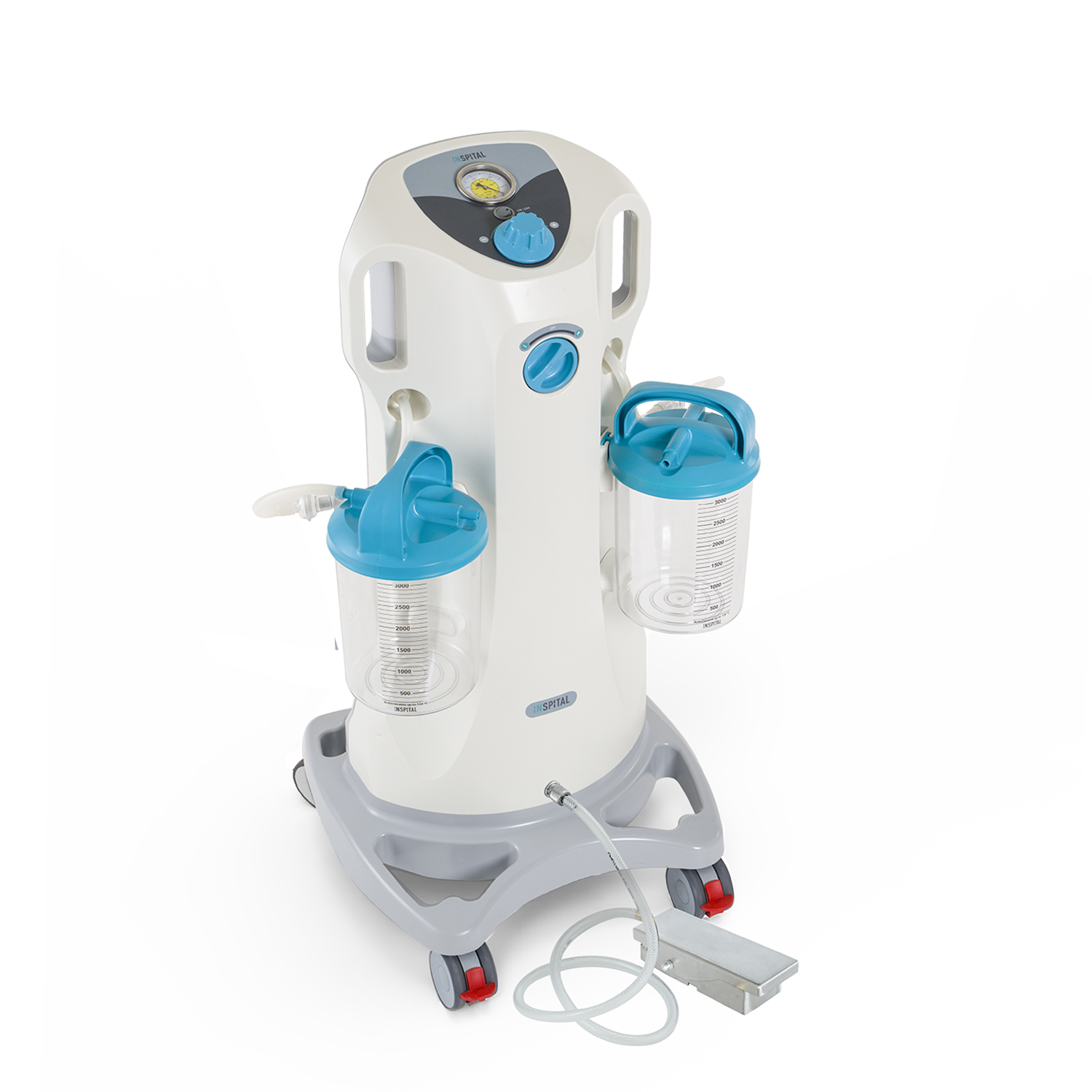
Technical excellence in focus: The SU60.10 electric suction device
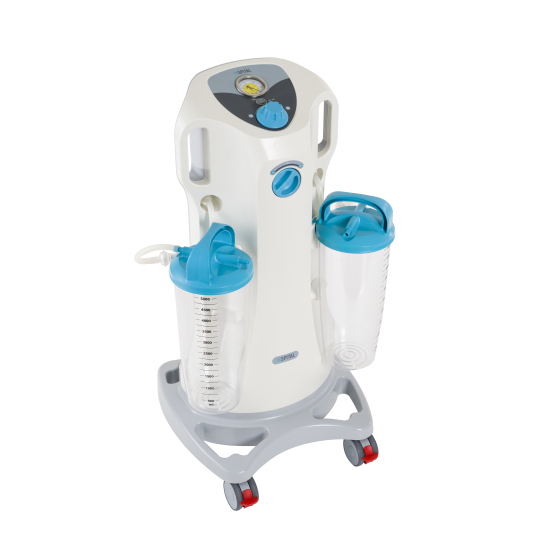
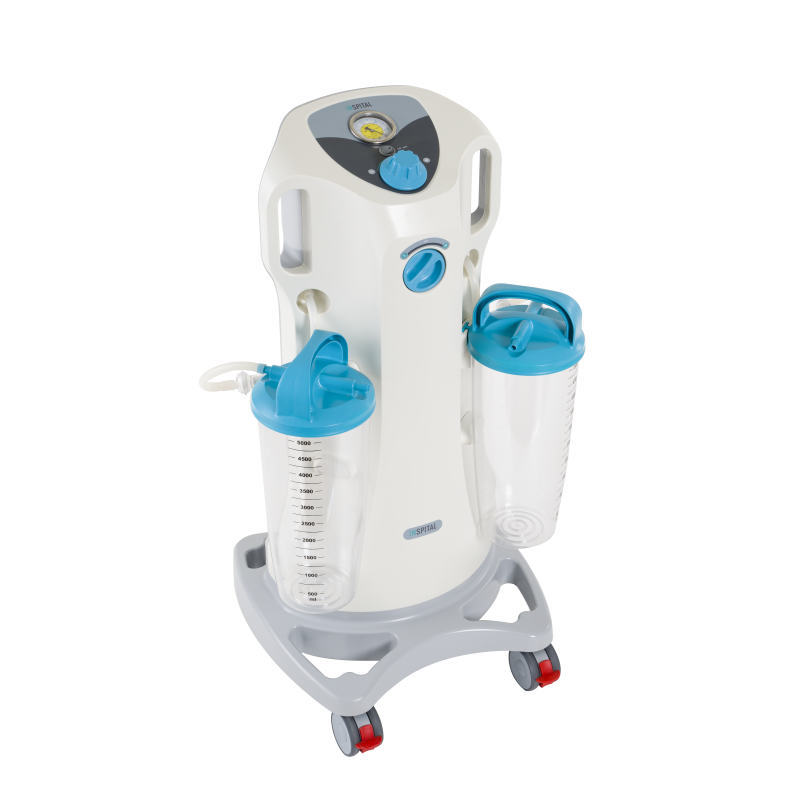
An active medical device does not receive the coveted MDR certification in risk class IIa merely for well-organized paperwork, but for its real, measurable, uncompromising performance under rigorous, standardized test conditions. Inspital’s SU60.10 electric surgical suction device embodies this mechatronic perfection par excellence. It was specifically developed to meet the extreme performance requirements in the main OR, gynecology, and demanding plastic procedures such as large-volume liposuction, where continuous, reliable suction performance over hours can determine surgical success.
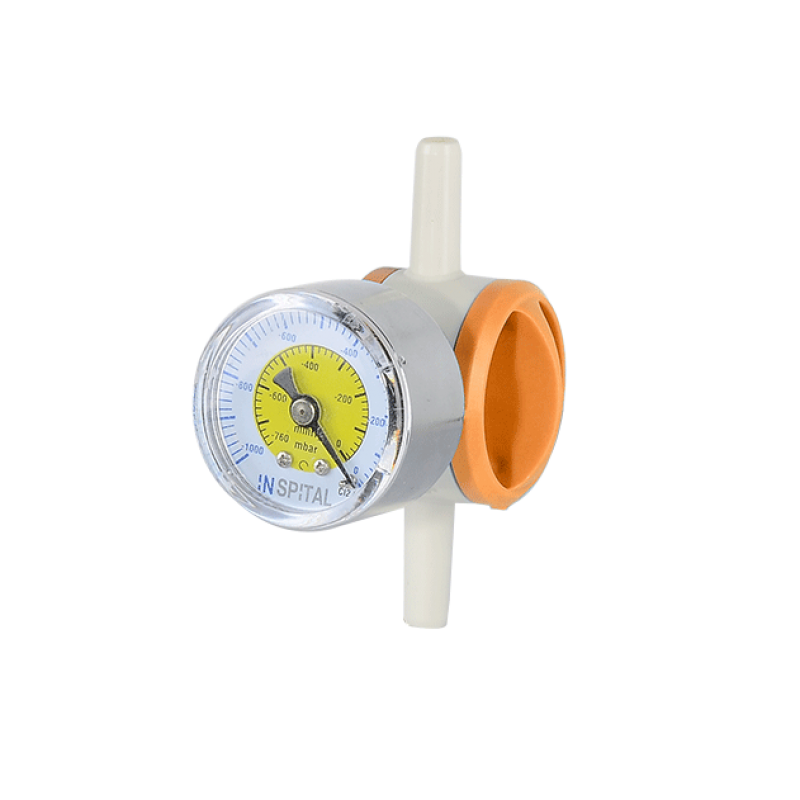
At the heart of the SU60.10 is a highly advanced, completely oil-free piston pump. This innovative technology ensures that no oil vapors or lubricant particles escape into the operating room during operation—an absolute requirement for maintaining ultra-sterile air quality under laminar-flow ceiling systems (TAV ceilings). The pump operates extremely quietly and with minimal vibration, actively protecting the surgical team’s ability to concentrate during lengthy procedures. With fast suction and an impressive flow rate of 60 liters per minute, the system offers substantial performance reserves. Via an easily accessible, ergonomically designed control panel, the vacuum output can be adjusted precisely and continuously up to a maximum negative pressure of 680 mmHg, while the integrated vacuum gauge enables medical staff to monitor the current suction pressure accurately in real time.
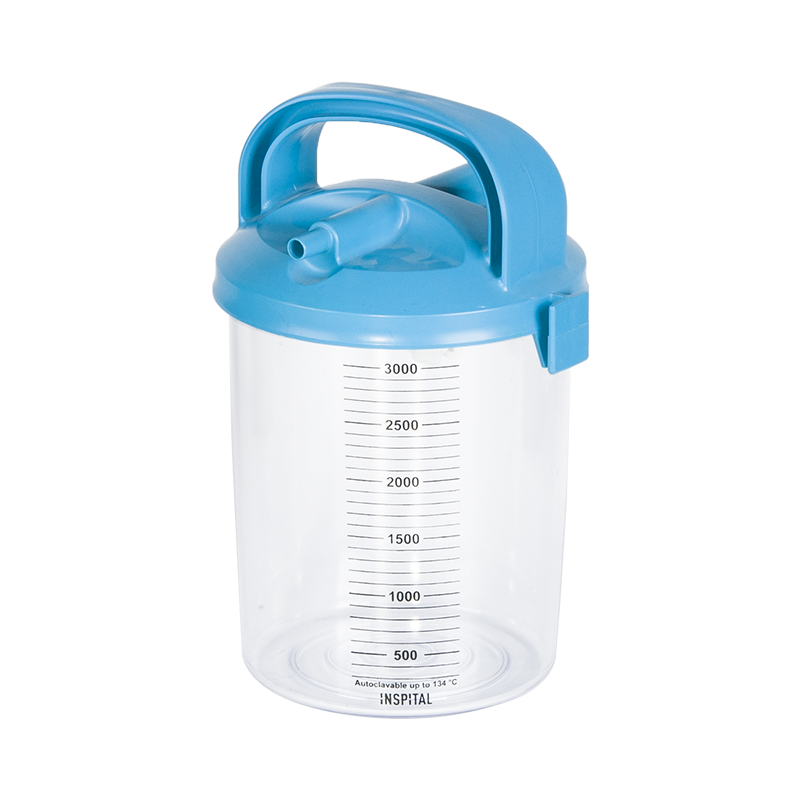
In addition, the SU60.10 stands out for its high flexibility in container configuration. Hospitals can choose between sterilizable, autoclavable polycarbonate bottles in 2-liter and 3-liter sizes, or operate the device with modern closed disposable bag systems. The robust chassis design on smooth-rolling casters is seamlessly finished and perfectly matched to the chemical cleaning and disinfection systems used in modern hospitals. This successful combination of raw suction power, precise adjustability, and full MDR compliance makes the SU60.10 a future-proof investment for any modern surgical department.
Mobile flexibility for emergencies: The SU60.06 portable suction system
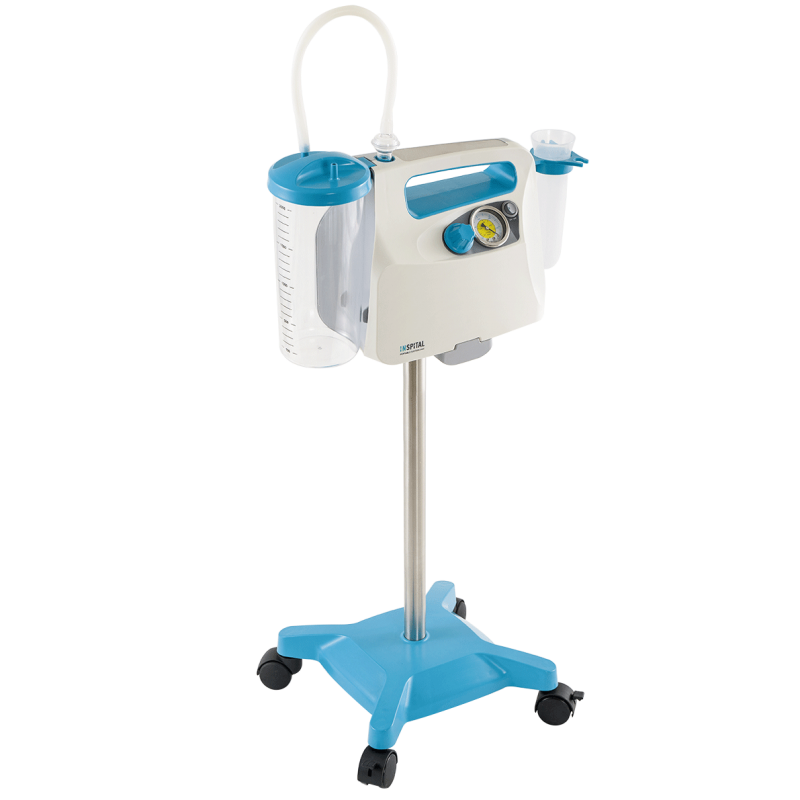
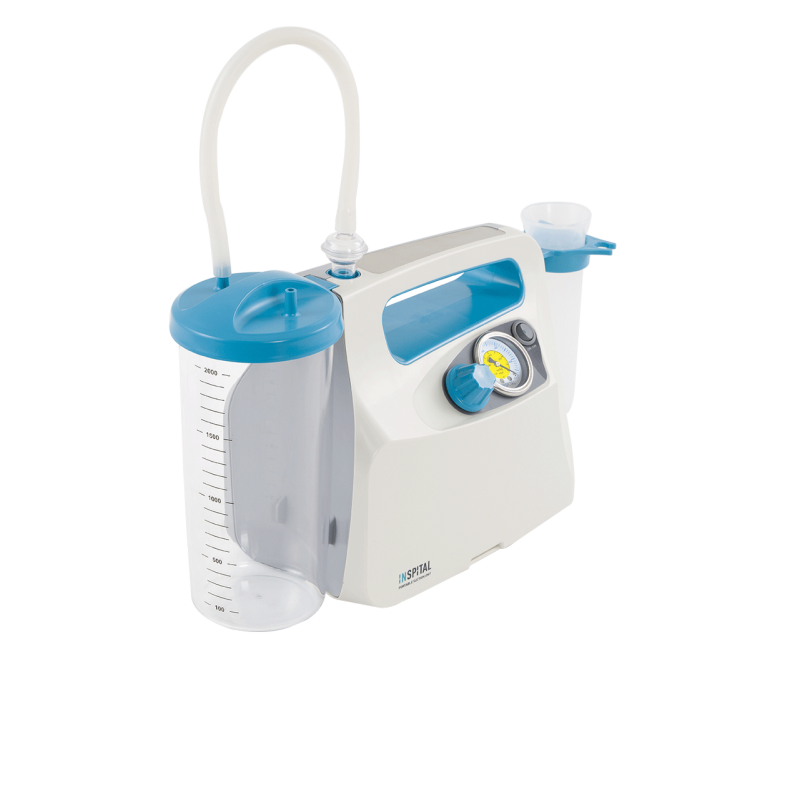
While stationary work in the operating room is primarily defined by maximum flow rate, in emergency medicine, outpatient wards, and rapid first-aid measures, compactness, robustness, and immediate readiness for operation are what matter most. Inspital developed the SU60.06 portable suction device precisely for these critical scenarios. It impressively demonstrates that the strict criteria of MDR risk class IIa can be implemented in an extremely compact, mobile housing design without any loss of performance—saving lives when every second counts.
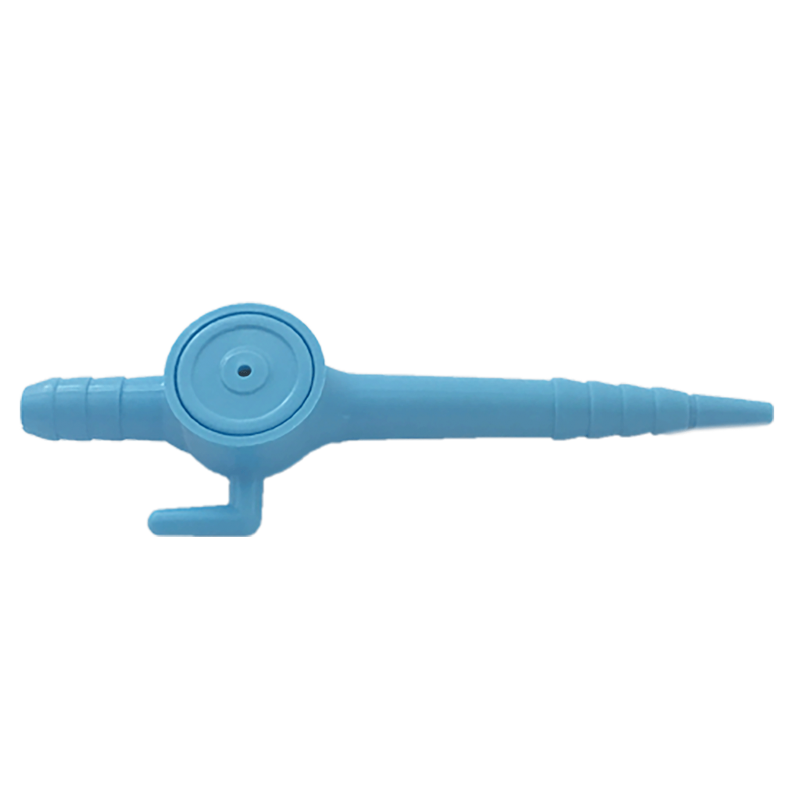
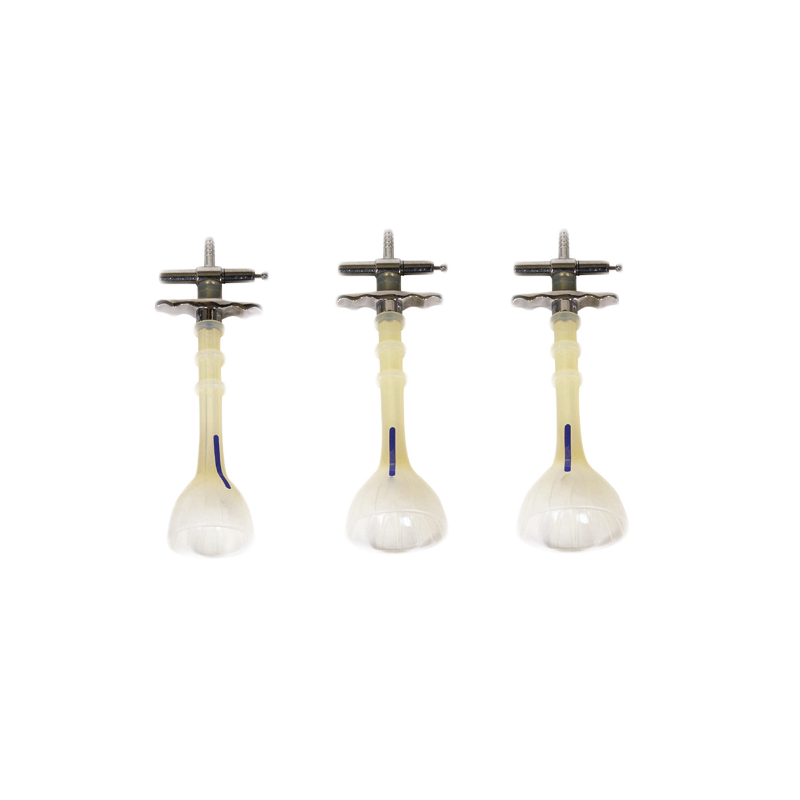
The standout feature of the SU60.06 model series is its integrated, heavy-duty battery system. This battery backup guarantees autonomous continuous operation for at least 30 minutes at full load, completely independent of a fixed power supply. This is a decisive safety factor during in-hospital patient transports, power outages, or use in ambulances. Despite its compact dimensions, users do not have to forgo proven Inspital performance: the device generates a stable, precisely controllable vacuum via its maintenance-free, dry-running pump. An invaluable advantage for obstetrics is also compatibility with the optional footswitch pedal system, enabling use during deliveries using the Malmström-Throe method (vacuum extraction), for which special delivery cups and cannula sets can also be adapted.
The ergonomic housing features a balanced, integrated handle that allows safe and rapid transport to the point of use. Like all Inspital suction systems, the portable SU60.06 is equipped with advanced protection technology that effectively prevents overflow and the escape of infectious fluids into the mechanical pump system. The transparent, graduated collection bottle also allows nursing staff to immediately visually check the suction volume. The SU60.06 thus proves that MDR-certified Class IIa patient protection can be mobile, user-friendly, and absolutely reliable in any emergency situation.
Ready for the unannounced audit: Validated reprocessing manuals to ISO 17664
Under the draconian regime of the Medical Device Regulation, unannounced audits and sudden, unforeseen inspections by Notified Bodies and government health authorities in European hospitals have increased massively in intensity and frequency. A highly critical—and often painful—checkpoint in these inspections is the reprocessing of medical devices in the CSSD (Central Sterile Services Department). For active medical devices in risk class IIa, experienced auditors now demand detailed, scientifically sound, manufacturer-validated cleaning and disinfection instructions. Inspital GmbH provides legally robust, comprehensive reprocessing manuals for its entire suction device portfolio—including the mobile SU60.10 systems and the portable battery-powered SU60.06 models—in accordance with the internationally harmonized ISO 17664 standard.
These specific manufacturer guidelines describe exactly, in detail, and unambiguously which chemical cleaning agents, exact contact times, water temperatures, and manual or automated thermal procedures must be used to reprocess the secretion containers, connecting hoses, holder systems, and housing surfaces to guarantee complete freedom from germs. Hospital biomedical engineering and hygiene departments therefore do not need to conduct their own time-consuming and liability-risk validation experiments in-house, but can adopt Inspital’s laboratory-tested and certified processes directly and one-to-one into their internal standard operating procedures (SOPs) and hygiene plans.
If an auditor enters the ward, the OR, or the CSSD unannounced and requests a spot check of the documentation, a simple look at the documents provided by Inspital is sufficient to prove full compliance with the law. Inspital’s MDR Class IIa certification therefore means real, stress-free audit readiness in everyday clinical practice and effectively protects the hospital from unpleasant surprises during regulatory inspections.
The post-market surveillance advantage: Continuous monitoring at the Neuss site
Under the Medical Device Regulation, the responsibility of a modern medical technology manufacturer by no means ends with the successful sale or physical delivery of a medical device to the hospital. A central, extremely strictly monitored pillar of the MDR is proactive post-market monitoring, known as Post-Market Surveillance (PMS). For active devices in risk class IIa, European legislators require a closely meshed, systematic system for the continuous collection, documentation, and evaluation of real-world experience from everyday clinical practice in order to permanently and demonstrably optimize product quality, software stability, and patient safety. Inspital GmbH implements this demanding legal requirement exemplary and with the highest precision at its central German site in Neuss.
Our dedicated, highly specialized PMS team in Neuss is in constant, direct exchange with users, surgeons, OR nurses, hygienists, and biomedical engineers, and continuously evaluates every piece of feedback, every request for improvement, and every technical anomaly in the SU60.10 and SU60.06 systems systematically. This valuable real-world data flows directly into the company’s internal risk management and the ongoing evolutionary development of our suction devices without bureaucratic delays. For users in hospitals, this closed quality control loop means maximum long-term reliability and technological currency.
If new clinical findings, changing pathogen patterns in hospital hygiene, or modified legal requirements emerge over the years, Inspital’s structure in Neuss enables it to respond proactively with validated software updates, mechanical accessory optimizations, or adapted reprocessing cycles. With Inspital’s Class IIa-certified suction systems, hospitals are therefore not choosing a static product, but a living technology partnership that is continuously evolving at the highest European level—right on your doorstep in the Rhineland.