


Importance of Surgical Workstation Systems in Hospitals
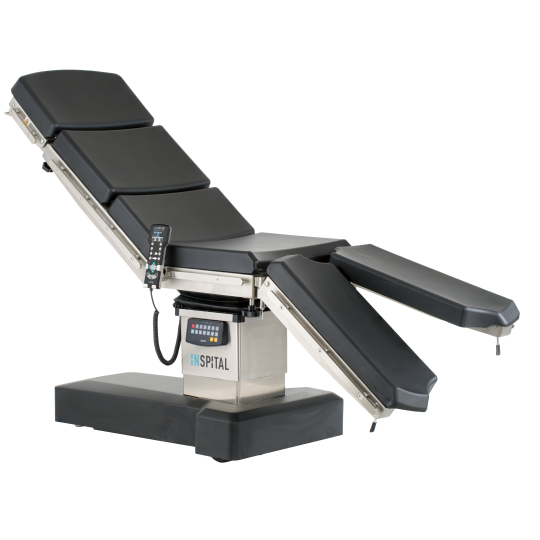
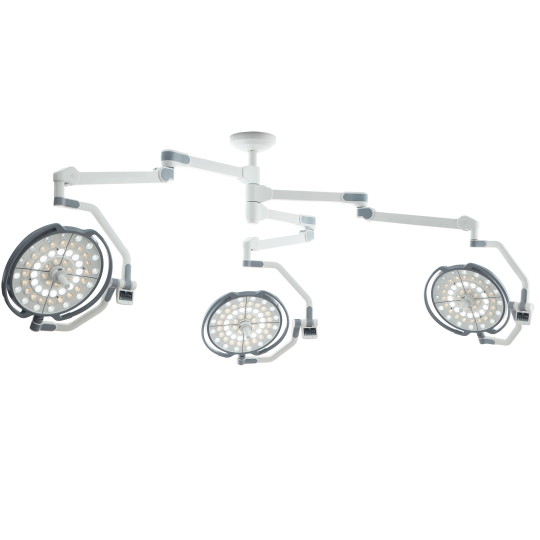
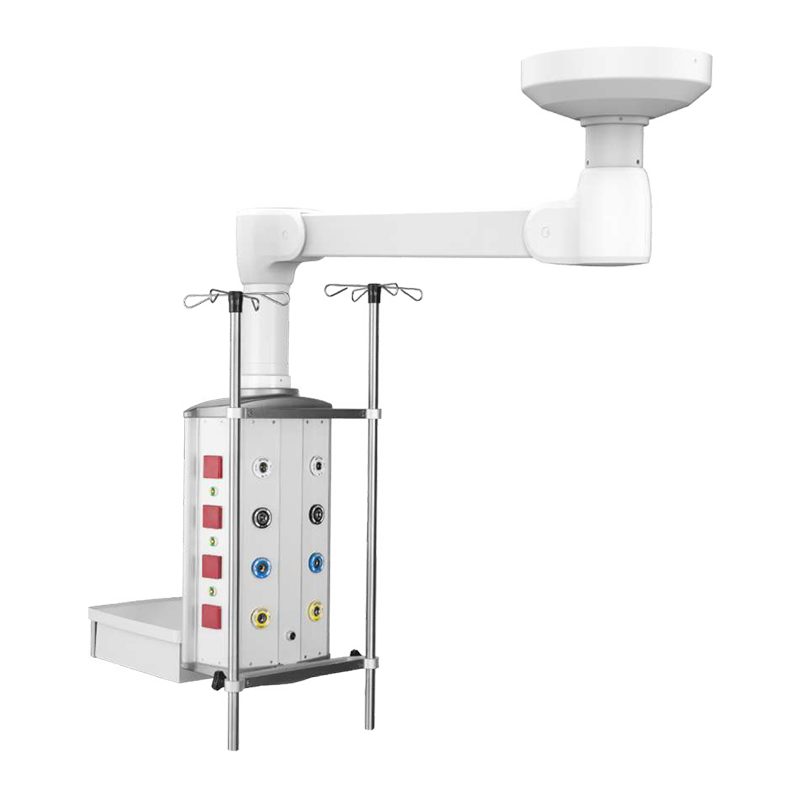
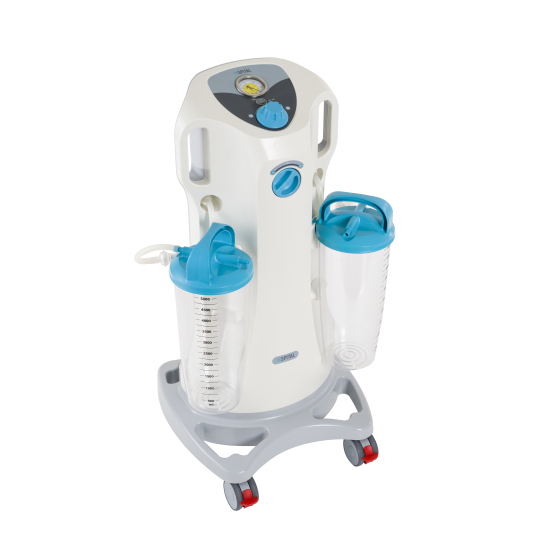
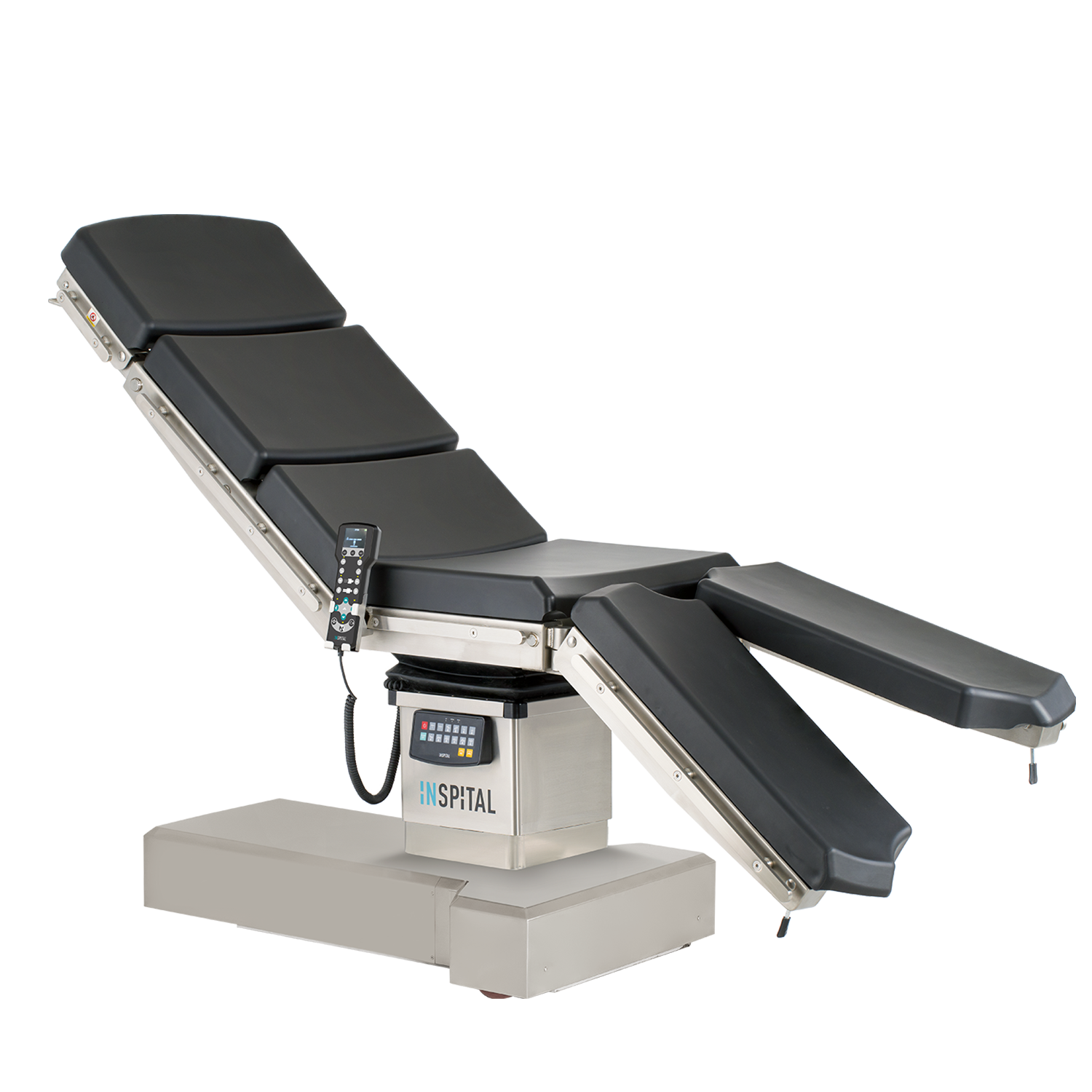
Operating Table OT80.20 NOVUS
Prices visible to registered customers only
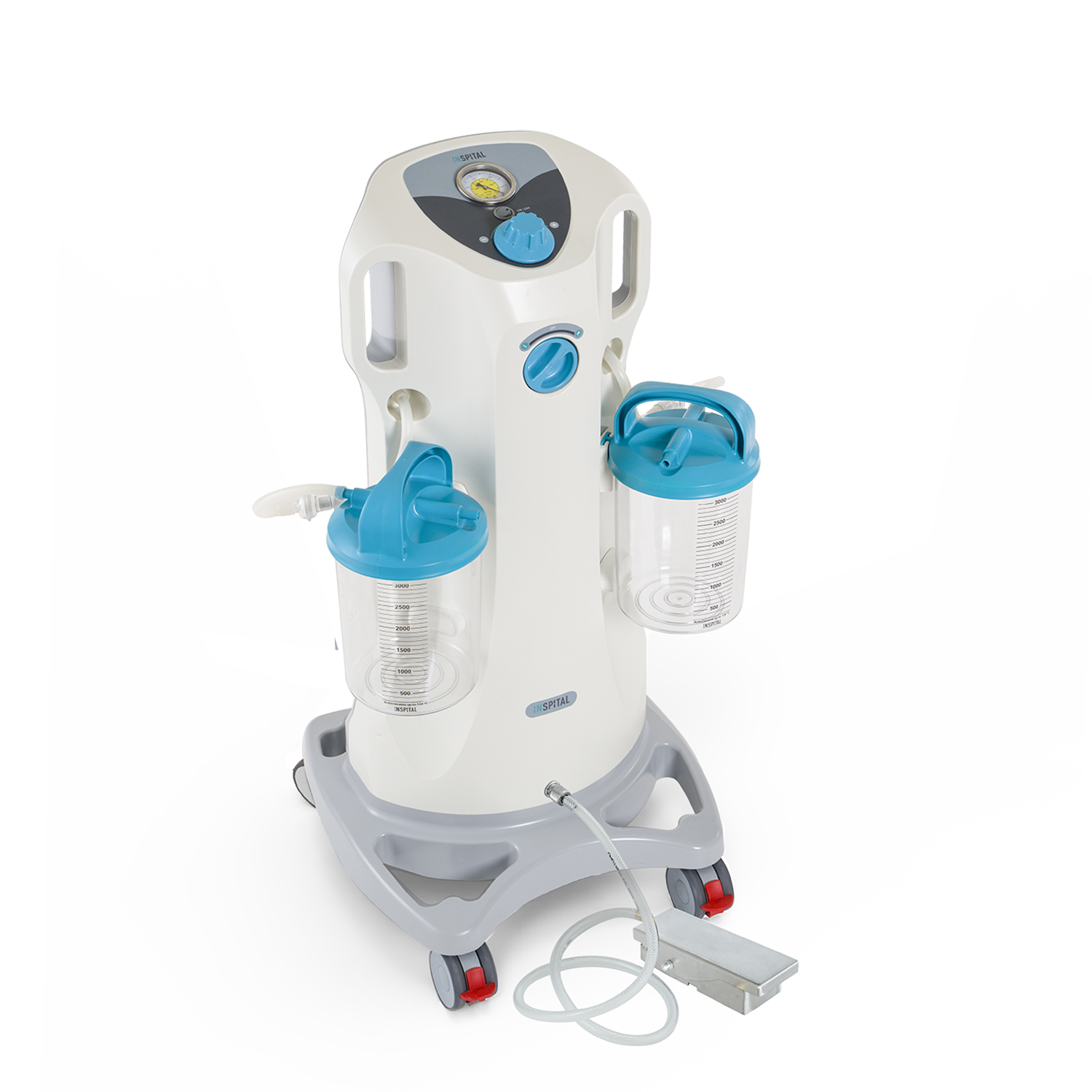
Surgical Suction Machine SU60.05
Prices visible to registered customers only
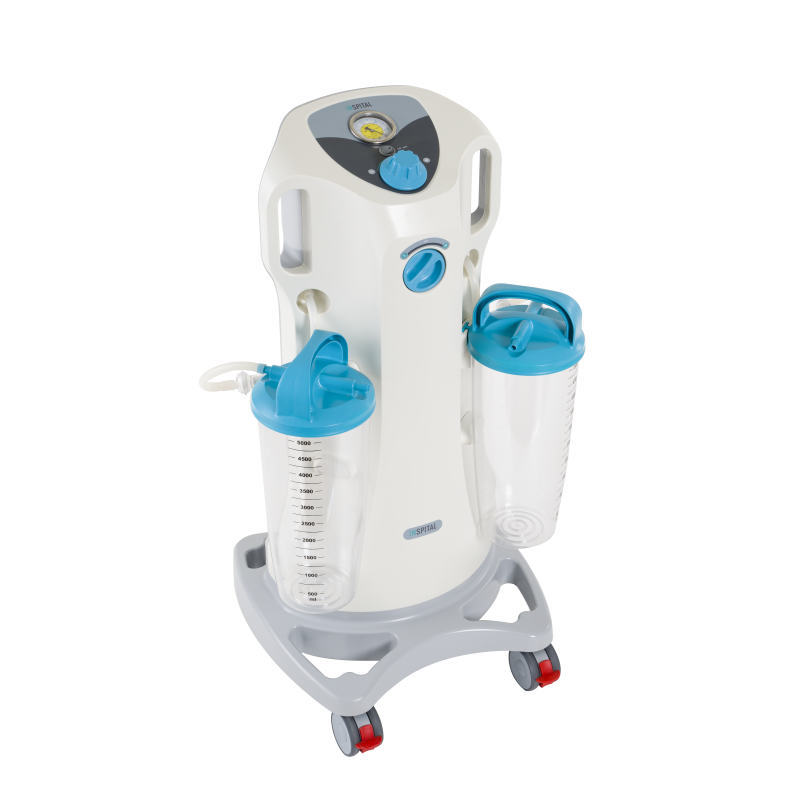
Surgical Suction Unit SU60.10
Prices visible to registered customers only
Surgical Suction Unit SU60.15
Prices visible to registered customers only
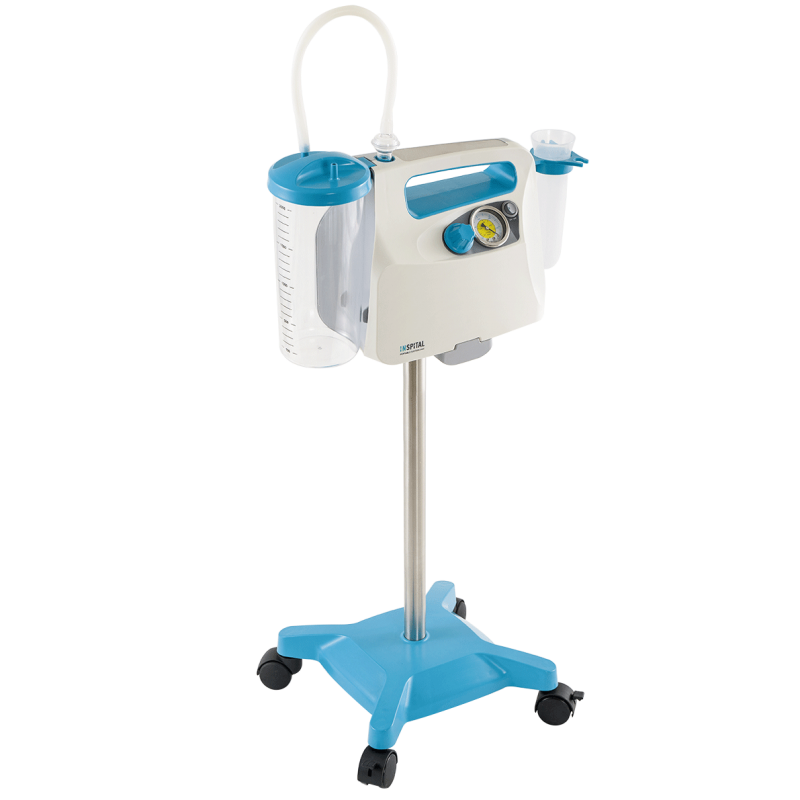
Portable Suction Unit SU60.06T
Prices visible to registered customers only
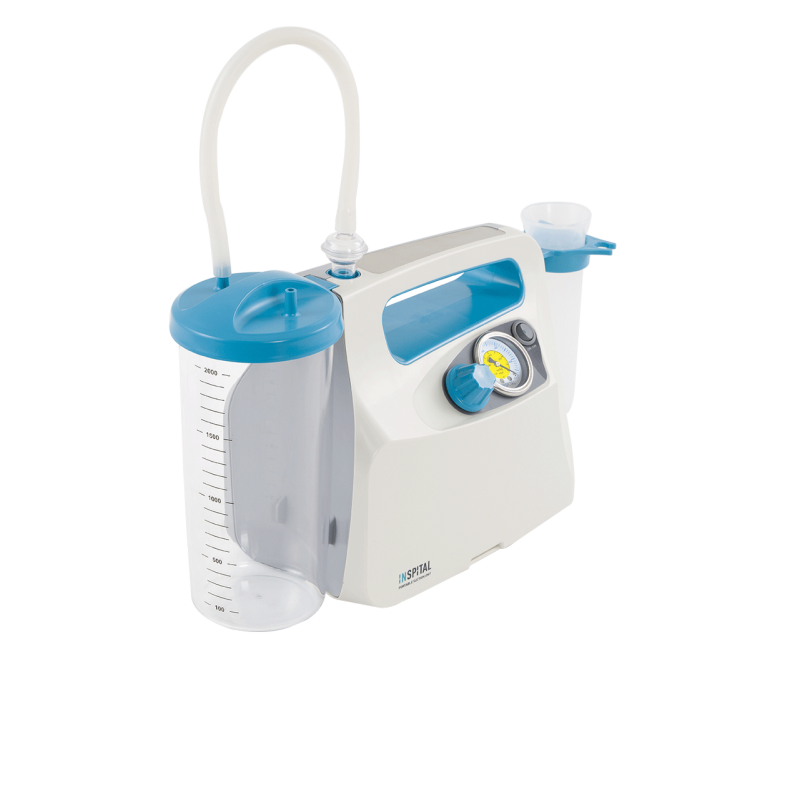
Portable Suction Unit SU60.06
Prices visible to registered customers only
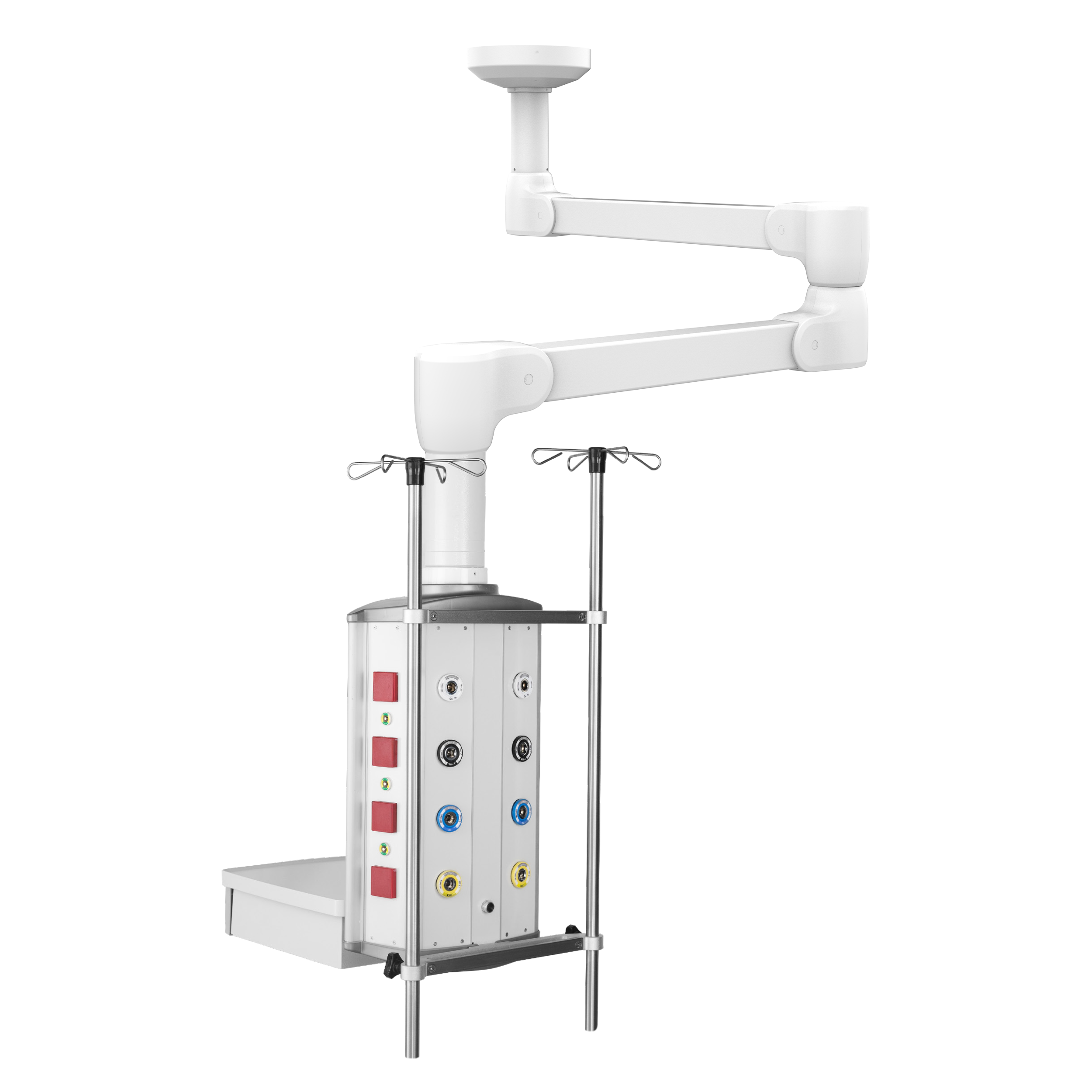
Ceiling supply unit with double joint FX40.20V
Prices visible to registered customers only
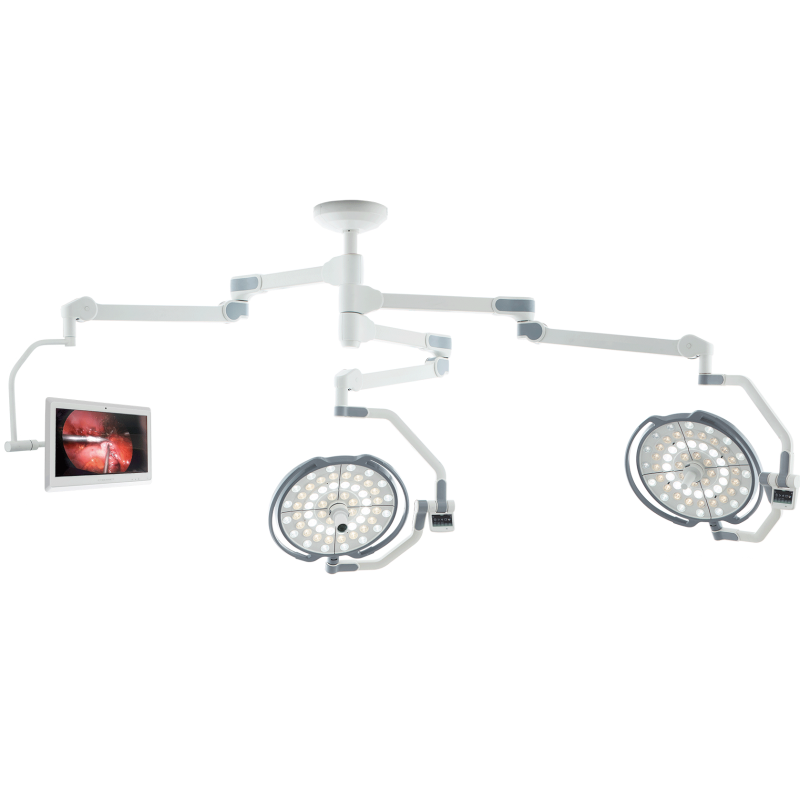
Dual-head surgical lights with camera and arm-mounted 27″ medical monitor LD20.53S
Prices visible to registered customers only
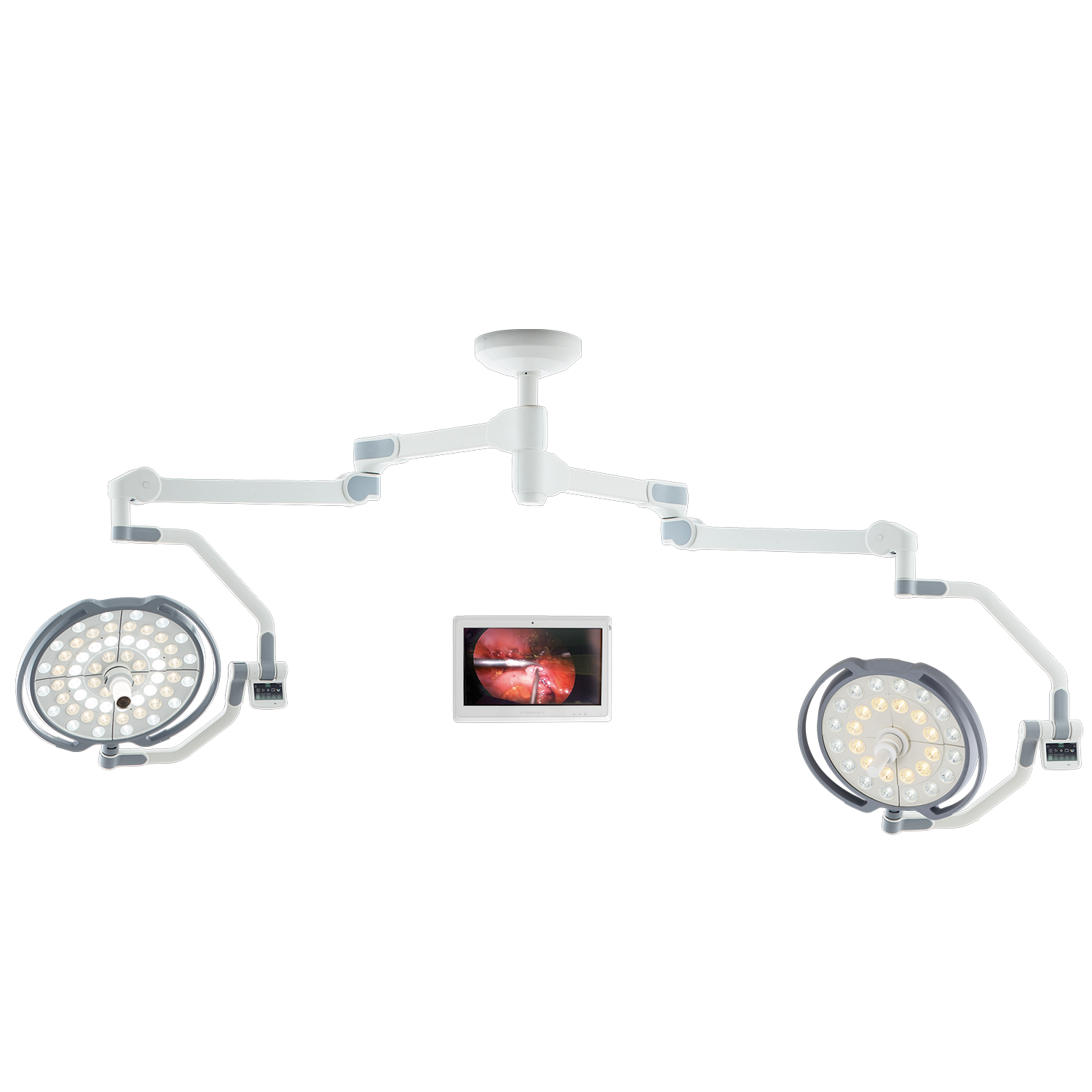
Dual-head surgical lights with camera and wall-mounted 27″ medical monitor LD20.24S
Prices visible to registered customers only
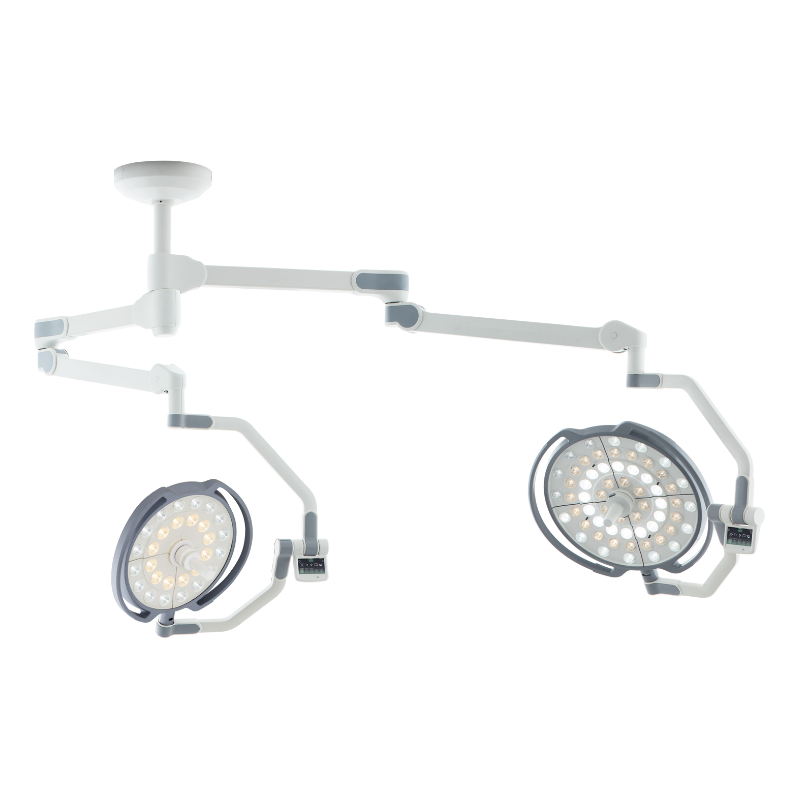
Dual-Head Surgical Light LD10.02S
Prices visible to registered customers only

Three-Headed Surgical Light LD10.03S
Prices visible to registered customers only
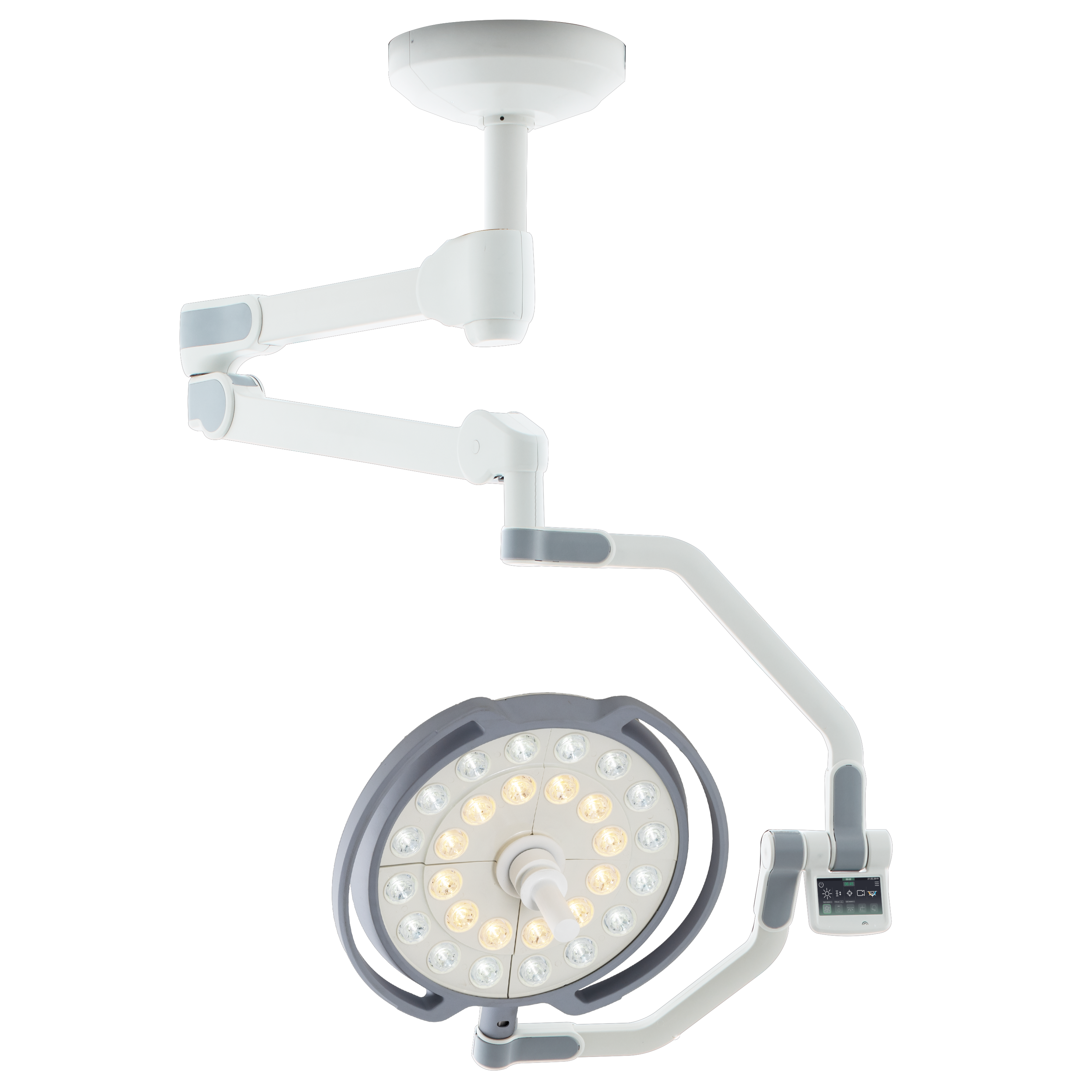
Single-Head Surgical Light LD10.01S
Prices visible to registered customers only
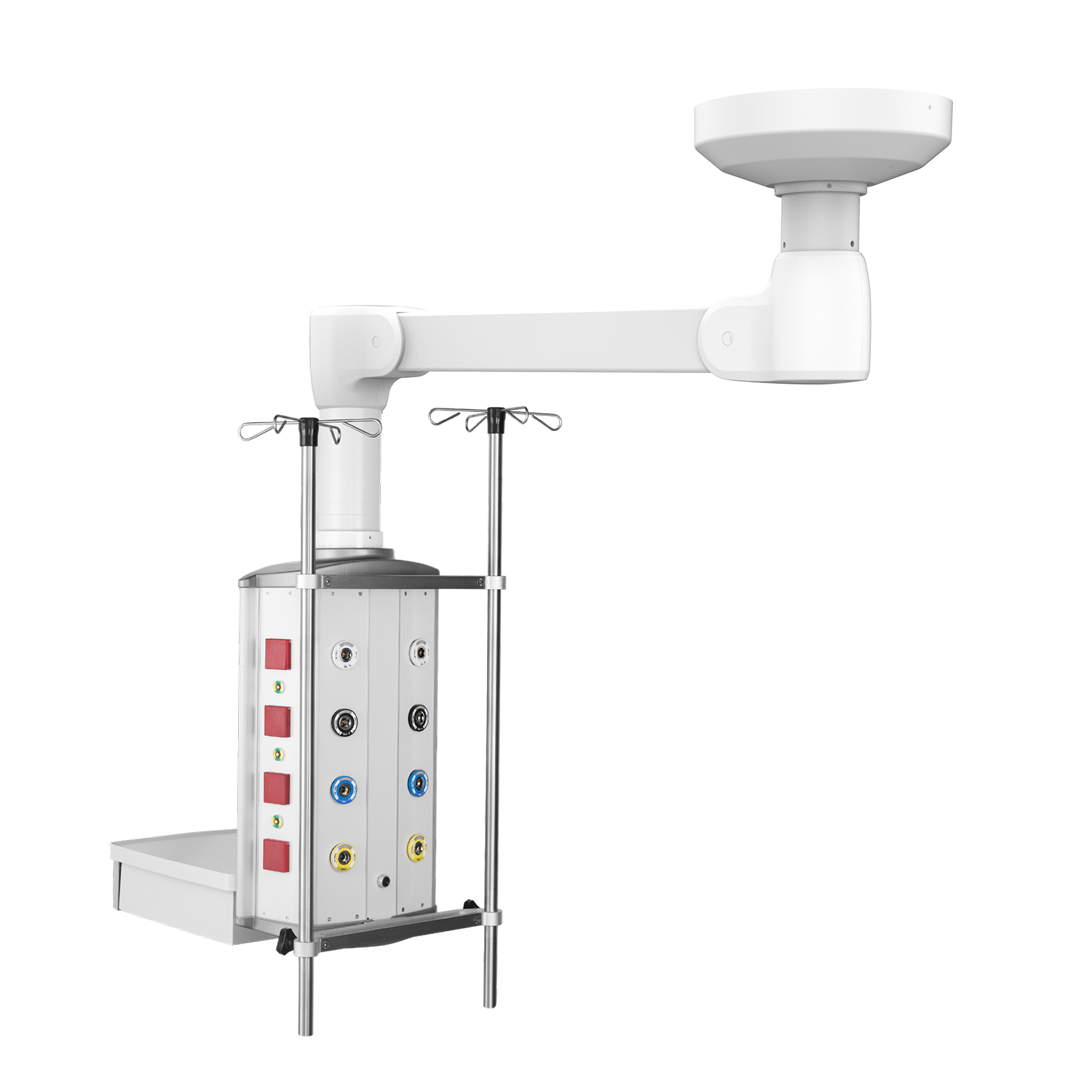
Ceiling service unit with single joint FX40.10V
Prices visible to registered customers only
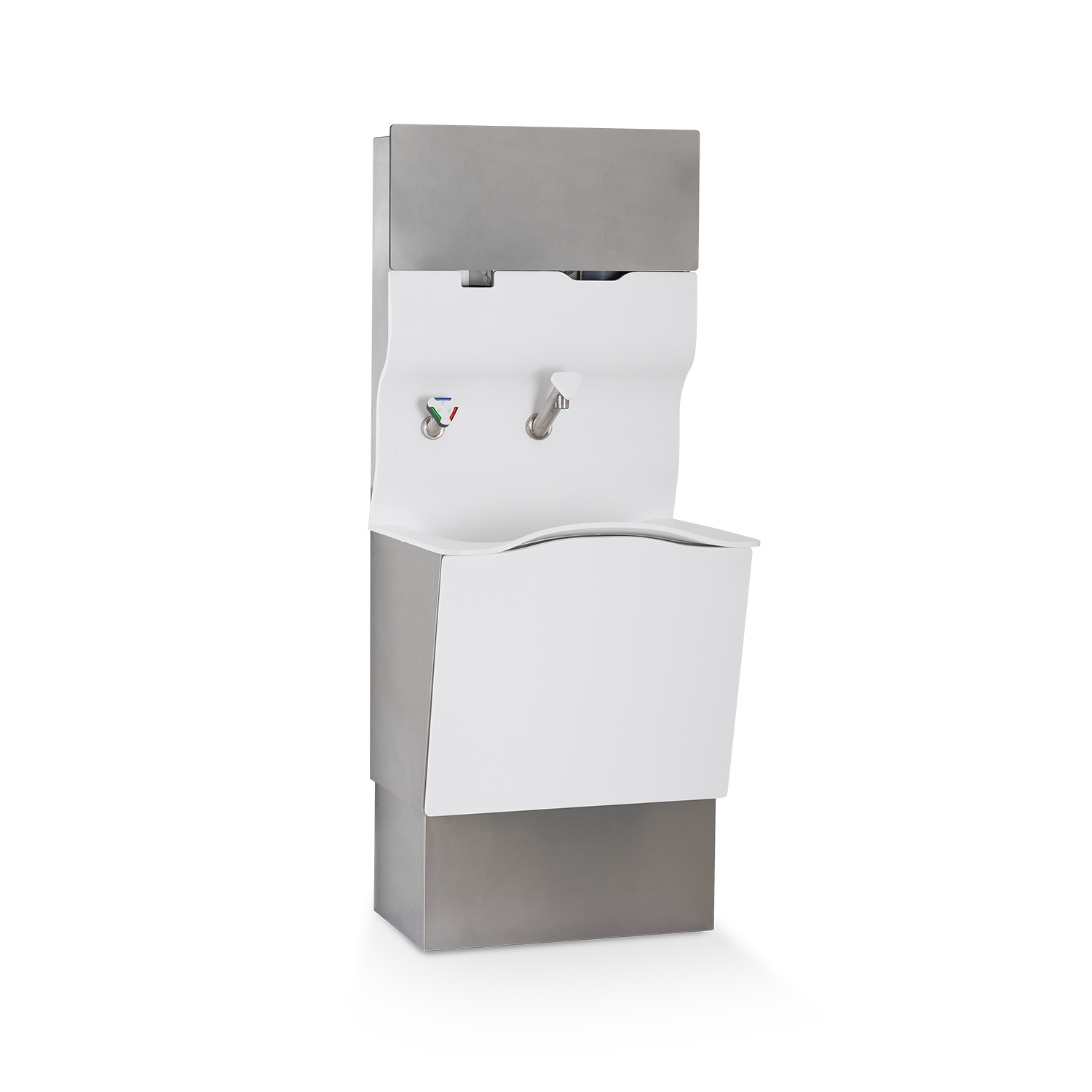

Single washbasin SK61.10
Prices visible to registered customers only
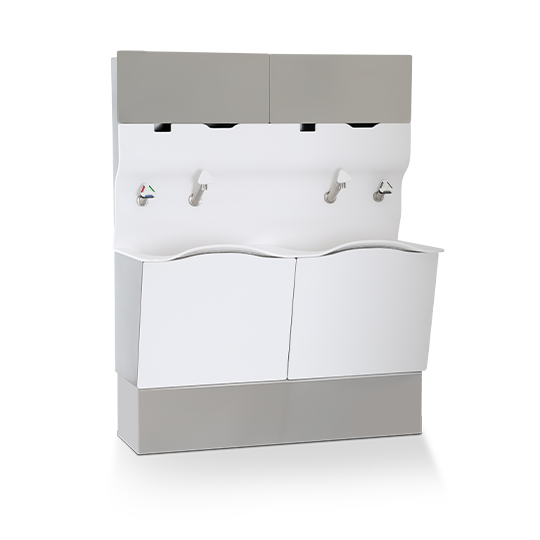
Double Sink SK61.20
Prices visible to registered customers only

Single Scrub Sink SK60.10
Prices visible to registered customers only
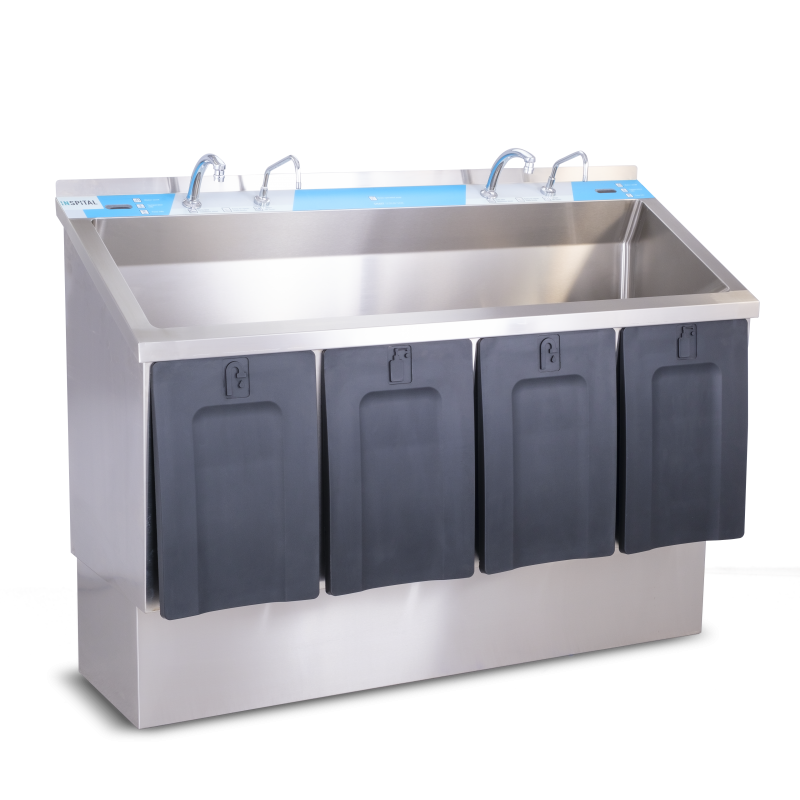
Double Scrub Sink SK60.20
Prices visible to registered customers only
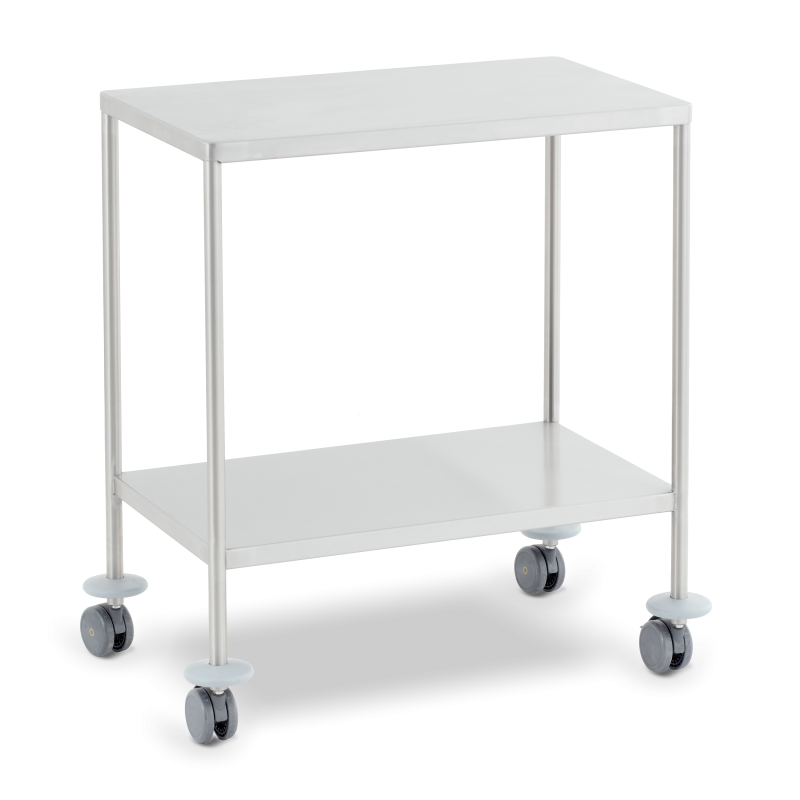
Instrument Trolley AB00.21
Prices visible to registered customers only
Instrument Trolley AB00.22
Prices visible to registered customers only
Instrument Trolley AB00.23
Prices visible to registered customers only
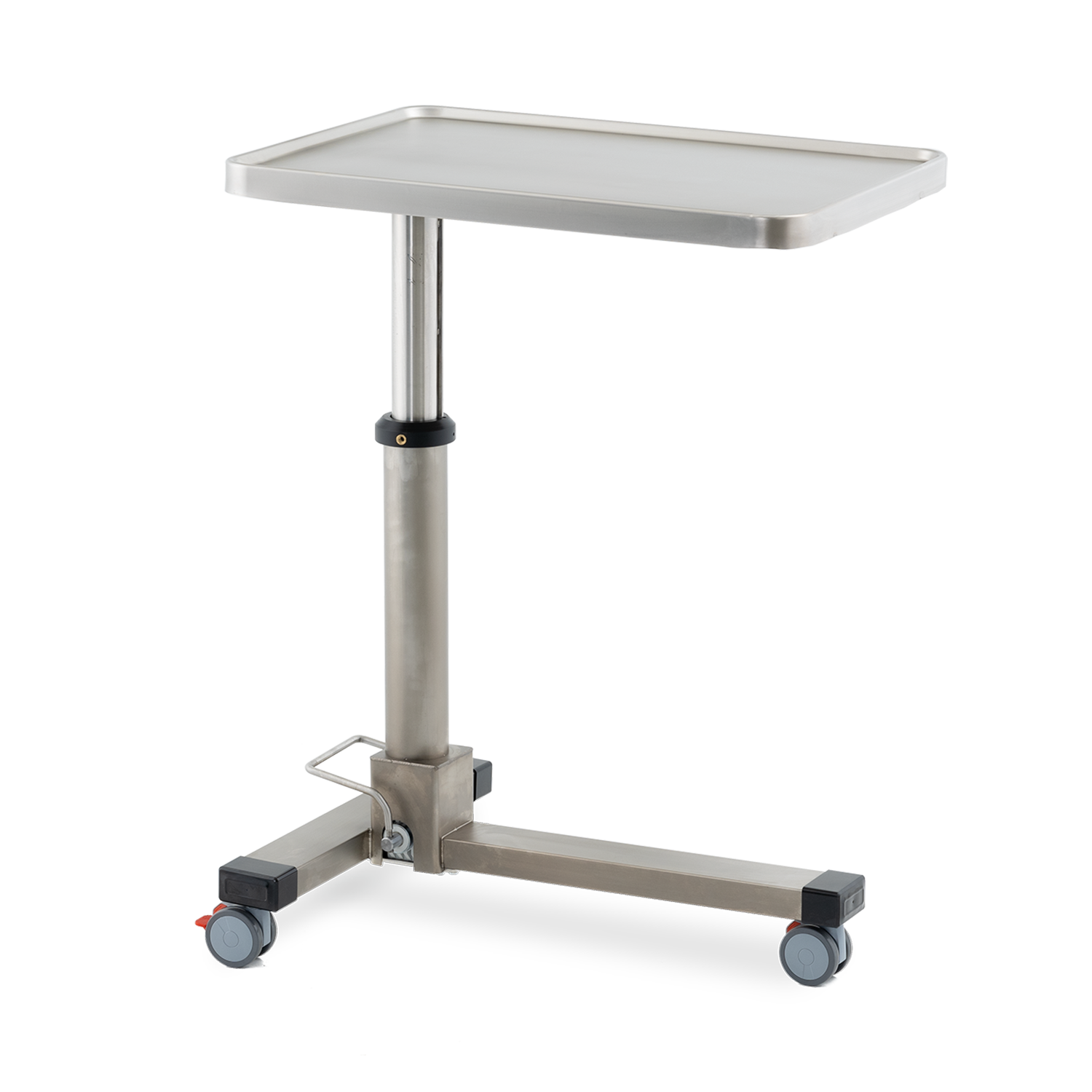
Hydraulic Mayo Table MS10.51
Prices visible to registered customers only
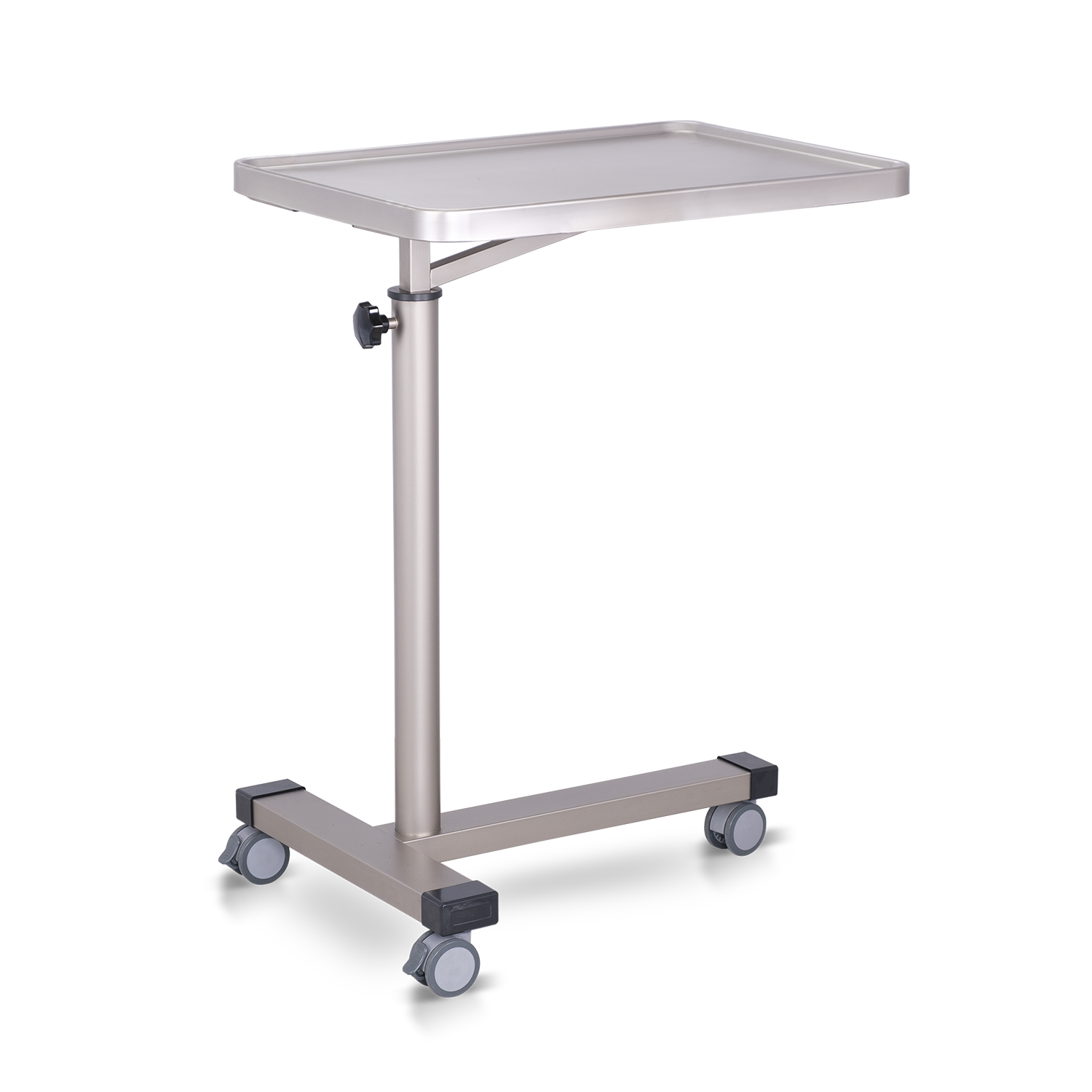
Mechanic Mayo Table MS10.50
Prices visible to registered customers only
Portable Suction Unit SU60.08
Prices visible to registered customers only
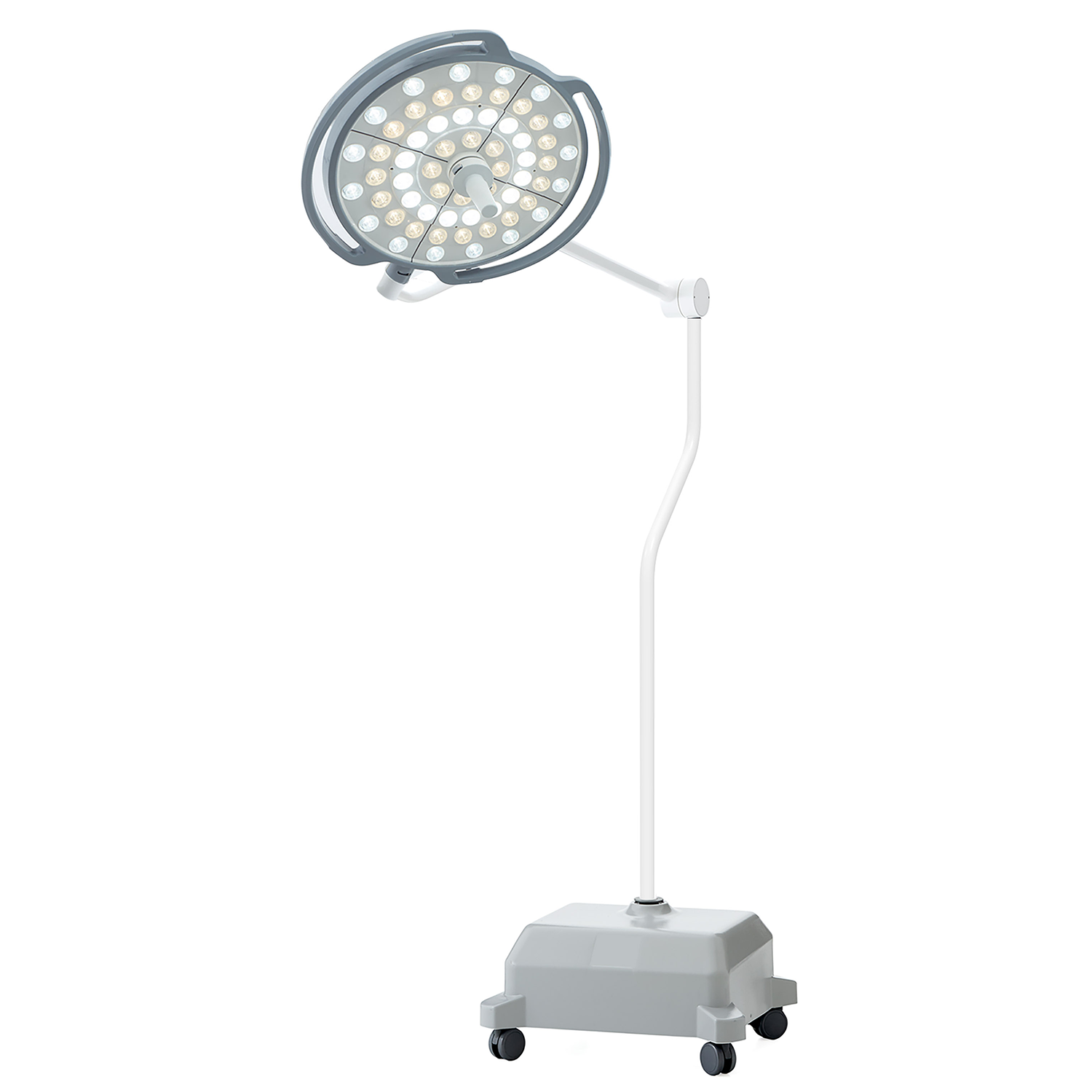
Mobile surgical light with battery LD05.06
Prices visible to registered customers only
Importance of Surgical Workstation Systems in Hospitals
Surgical workstation systems represent the central functional foundation of modern operating rooms and are far more than a mere compilation of technical devices. In a hospital environment, this term describes the complete interplay of all components necessary for a surgical procedure. These include, among others, the operating table, surgical instrument tables, lighting systems, imaging units, power supply systems, and digital control and monitoring solutions. Only through the coordinated interaction of these elements does a functional surgical workstation emerge, enabling safe and efficient patient care. In modern hospitals, the view of the operating room has changed significantly. While individual devices were previously considered in isolation, today the overall system is paramount. Surgical workstation systems are therefore increasingly understood as an integrated unit in which all components are networked and support the smooth operation of surgical processes. This development is particularly evident in highly developed clinical structures where efficiency, safety, and standardization play a central role.
A crucial aspect of surgical workstation systems is ergonomics. Medical personnel in the operating room often work for several hours under high concentration and physical strain. A well-designed workstation system supports this work by creating optimal working conditions. This includes, for example, precise patient positioning, an ergonomically sensible arrangement of instruments, and intuitive operability of all technical components. This not only reduces physical strain but also supports the concentration ability of the OR team. Another important factor is process optimization. In modern hospitals, the operating room is one of the most cost-intensive resources, which is why efficient utilization is crucial. Surgical workstation systems contribute to this by structuring workflows, shortening distances, and avoiding unnecessary movements. This leads to better utilization of OR capacities and overall higher efficiency in clinical operations. Technical integration also plays a central role. Modern surgical workstation systems are increasingly digitally networked and enable the connection of various devices within the OR. Imaging systems, OR lights, and monitoring technologies work synchronously to enable precise and safe surgical procedures. This networking not only improves medical quality but also the documentation and traceability of procedures.
Inspital GmbH develops surgical workstation systems specifically designed for these complex requirements in inpatient hospital operations. The focus is on modular, stable, and long-term reliable systems that can be flexibly integrated into different OR structures. The goal is to create an environment that meets both medical requirements and organizational processes in the hospital. Overall, it is clear that surgical workstation systems play a crucial role in modern medicine. They form the structural and technical basis for safe, efficient, and precise surgical procedures and are thus an indispensable component of every modern clinic.
Requirements for modern surgical workstation systems in daily clinical practice
The requirements for surgical workstation systems in hospitals have evolved significantly in recent years. While previously the focus was primarily on individual functional devices, today the emphasis is on holistic, integrated systems that support the entire surgical process. In modern clinical structures, the operating room is no longer understood as a collection of individual devices, but as a highly coordinated workstation that must be precisely organized and technically networked.
A central criterion is operational reliability in continuous operation. Hospitals operate at high capacity, especially in larger hospital networks or specialized OR centers. Surgical workstation systems must therefore be able to function consistently reliably for many years without performance degradation or frequent technical failures. This reliability is crucial, as any interruption in OR operations has direct effects on patient care and resource planning. Another important aspect is flexibility within the system. Different surgical specialties place different demands on the workstation. While orthopedics often requires heavy and complex positioning, other disciplines prioritize quick adjustments and efficient workflows. A modern surgical workstation system must therefore be versatile and adaptable to various operative scenarios.
User-friendliness also plays a crucial role in daily clinical practice. Medical personnel work under high concentration and often under time pressure. Systems that are complicated to operate or require long training periods lead to inefficient processes and increase the risk of errors. Therefore, workstation systems that are intuitively designed and have a clear, logical operating structure are preferred. Integration into existing hospital infrastructures is also a central factor. Modern operating rooms consist of a multitude of technical systems that must communicate with each other. These include imaging procedures, OR lighting, monitoring systems, and digital documentation units. A surgical workstation system must seamlessly integrate into this environment to ensure smooth operation.
Inspital GmbH develops surgical workstation systems that are precisely designed for these complex requirements. The focus is on modular, stable, and long-term reliable solutions that can be used in both routine operations and specialized surgical areas. Another important point is ease of maintenance. In highly utilized hospitals, it is crucial that technical systems can be quickly checked and maintained. Long downtimes are particularly critical in OR environments, as they can affect the entire surgical schedule. Therefore, systems that allow for easy maintenance while offering high operational reliability are preferred.
In addition, digital integration is becoming increasingly important. Modern surgical workstation systems are often part of a networked OR ecosystem where data, images, and control elements are exchanged in real time. This development not only improves efficiency but also the precision of surgical procedures. It shows that the requirements for surgical workstation systems today go far beyond pure functionality. They must be stable, flexible, intuitively operable, and fully integrable into modern hospital structures to be considered truly suitable in clinical practice.
Integration of Surgical Workstation Systems in the Operating Room
The integration of surgical workstation systems into the operating room is a decisive factor for the efficiency and safety of modern clinical processes. Today, an operating room no longer consists of individual, separate devices, but of a complex, networked system in which all components must be precisely coordinated. Surgical workstation systems form the central interface between humans, technology, and the medical process. A key aspect of integration is technical networking. Modern operating rooms work with a variety of digital systems, including imaging units, OR lights, documentation software, and monitoring technologies. These systems must communicate with each other in real time to ensure smooth operation during a surgical procedure. A well-integrated workstation system ensures that all relevant information and control functions are centrally available.
Equally important is the spatial and functional coordination within the OR. Surgical workstation systems must be designed to blend harmoniously into the existing infrastructure. This includes a sensible arrangement of devices that allows for short working distances while supporting sterile procedures. Well-thought-out integration reduces unnecessary movements and contributes to a more efficient workflow. Another central point is the synchronization of work processes. In a modern OR, various specialists work simultaneously on different tasks. Surgical workstation systems must therefore be designed to support parallel workflows without disruptions or delays. This requires precise coordination of all technical components.
Digital controllability is also gaining increasing importance. Many hospitals rely on central control systems that can operate multiple devices simultaneously. Surgical workstation systems must be able to integrate into such structures to enable a uniform operating logic. This not only improves efficiency but also safety in daily OR operations.
Inspital GmbH develops surgical workstation systems specifically designed for these integrated requirements in inpatient clinical operations. The focus is on modular systems that can be flexibly integrated into different OR structures while providing a stable technical foundation.
Another important aspect is scalability. Hospitals are continuously evolving, and the demands on the operating room also change over time. An integrated workstation system must therefore be designed to remain expandable and adaptable. This applies to both technical equipment and digital infrastructure.
User-friendliness within an integrated system also plays a crucial role. Despite increasing technical complexity, operating concepts must remain clear and intuitive. Only then can it be ensured that medical personnel can work efficiently and safely without being hampered by technical complexity.
Ergonomics and Working Conditions in Surgical Workstation Systems
Ergonomics plays a central role in surgical workstation systems, as it directly influences the performance, concentration, and safety of medical personnel in the operating room. In modern hospitals, it is increasingly recognized that technical systems must not only be functional but should also actively contribute to relieving the OR team. Surgical workstation systems are therefore designed to create optimal working conditions while reducing physical strain.
A key component of ergonomics is the correct positioning of the patient. A well-designed workstation system allows the patient to be positioned in such a way that access for the surgical team is optimal. This reduces unnecessary body movements and allows the procedure to be performed more efficiently. At the same time, the strain on surgeons and assisting personnel is significantly reduced. Working height and the spatial arrangement of devices also play a decisive role. Surgical teams often work for many hours in a static position. An ergonomically optimized system allows for flexible adjustments, so individual body postures can be accommodated. This significantly helps to reduce fatigue and maintain concentration over longer periods.
Another important factor is freedom of movement in the operating room. Workstation systems must be designed so that all team members have sufficient space to perform their tasks without mutual obstruction. This requires a well-thought-out spatial structure that supports both efficiency and safety. Intuitive operability also contributes to ergonomic quality. Systems that are simple and logically structured reduce the cognitive effort for medical personnel. This allows teams to focus more on the surgical procedure rather than dealing with complex technical controls.
Inspital GmbH develops surgical workstation systems that are specifically designed to meet ergonomic requirements in inpatient clinical operations. The focus is on flexible adjustment options, stable construction, and clear user guidance that supports daily work in the OR. Another aspect is the long-term health relief for personnel. Ergonomically optimized systems help to avoid physical overloads that could otherwise lead to long-term orthopedic problems. This is particularly important in surgical professions, as the workload remains consistently high over many years.
Psychological stress also plays a role. A well-structured and ergonomically designed workstation ensures calmer and more controlled procedures in the OR. This reduces stress and supports a concentrated way of working, which directly impacts the quality of surgical procedures. Ergonomics combines technical functionality with human requirements and makes a decisive contribution to sustainably improving working conditions in hospitals.
Economic Efficiency of Surgical Workstation Systems in Hospital Operations
The economic consideration of surgical workstation systems is a decisive factor in investment and procurement decisions in modern hospital structures. While previously the acquisition price was primarily in focus, today the entire life cycle of a system is increasingly evaluated. This includes not only the initial costs but also maintenance, operational reliability, downtime, energy efficiency, and the long-term service life in clinical practice.
A central aspect is the lifespan of the systems. Surgical workstation systems are typically used daily and under high load. In large clinics, they are sometimes in continuous operation over several shifts. Systems made of high-quality materials and featuring robust construction pay off significantly better in the long run, as they need to be replaced less frequently and function stably for many years. Maintenance effort is equally relevant. In a hospital, every interruption in OR operations is costly, as operating rooms are among the most expensive resources. If surgical workstation systems are designed for low maintenance and require only short service times, both direct and indirect costs are significantly reduced. Unplanned failures are particularly critical, as they affect the entire OR schedule and tie up resources.
Another economic advantage results from the modularity of modern systems. Surgical workstation systems that can be flexibly used in various specialized departments increase utilization and reduce the need for specialized individual solutions. This leads to more efficient use of the investment and optimizes the overall cost structure of the hospital. Standardization within hospital networks also plays an important role. Uniformly structured systems facilitate training, reduce operating errors, and improve efficiency throughout OR operations. This leads not only to lower training costs but also to higher process reliability.
Inspital GmbH develops surgical workstation systems with the aim of combining long-term economic efficiency with technical stability. The focus is on durable constructions, modular expandability, and reliable performance in inpatient clinical operations. This ensures that systems not only function in the short term but can be used economically for many years.
An additional economic factor is planning certainty in hospital operations. If systems work reliably, OR capacities can be better planned, and fluctuations in utilization can be reduced. This leads to more efficient use of the existing infrastructure and improves overall organization in the OR area.
The energy consumption of modern surgical workstation systems is also increasingly being considered. Efficient technical solutions help to reduce operating costs and simultaneously support more sustainable clinical structures. Especially in larger hospital networks, this aspect is gaining increasing importance. Rather, it results from an interplay of lifespan, maintenance effort, flexibility, operational reliability, and efficiency in clinical practice. Only when these factors are met in the long term are systems considered truly economically viable and sustainably deployable in hospital operations.
Digitalization and Networking of Surgical Workstation Systems
Digitalization has fundamentally changed the structure of modern hospital and OR environments. Surgical workstation systems are no longer isolated technical units but part of a networked digital ecosystem that supports and optimizes the entire process in the operating room. This development has led to the fact that not only the mechanical quality of a system is decisive, but increasingly also its ability to integrate into digital processes.
A central component of this development is the networking of various medical devices within the OR. Imaging systems, monitoring technologies, OR lights, and surgical workstation systems must be able to communicate with each other in real time. This creates a synchronized workflow where information is immediately available and decisions can be made faster. This technical integration not only improves efficiency but also the precision of surgical procedures.
Another important aspect is digital control. Modern surgical workstation systems are increasingly controlled via central operating units or digital interfaces that bundle multiple functions simultaneously. This simplifies operation and at the same time standardizes it, which is particularly advantageous in complex OR situations. Medical personnel can thus concentrate more on the surgical process instead of having to switch between different systems.
Data integration also plays an increasingly important role. Operating data, patient information, and image material are increasingly collected and documented in real time. Surgical workstation systems must therefore be able to process this data in a structured manner and integrate it into existing hospital information systems. This not only improves the traceability of medical procedures but also quality assurance within the clinic. Inspital GmbH develops surgical workstation systems that are specifically designed to meet these digital requirements. The focus is on modular, future-proof solutions that can be integrated into existing and future OR infrastructures. Particular emphasis is placed on compatibility, stability, and long-term system capability.
Another important point is the scalability of digital systems. Hospitals are continuously evolving, and with that, the demands on technical equipment also increase. Surgical workstation systems must therefore be designed to remain expandable and to seamlessly integrate new technologies without disrupting existing processes. User-friendliness within digital systems also remains crucial. Despite increasing technical complexity, user interfaces must remain intuitive and clearly structured. Only then can it be ensured that medical personnel work efficiently and safely without being hampered by technical overload.
It shows that digitalization is not just an additional technical aspect, but a central foundation of modern surgical workstation systems. It connects devices, data, and processes into an integrated overall system that sustainably improves efficiency and safety in the operating room.
Future of Surgical Workstation Systems in Hospitals
The development of surgical workstation systems is currently at a technological turning point. While classic systems were long primarily mechanically and functionally oriented, the focus is increasingly shifting towards intelligent, networked, and adaptive overall systems. This change is primarily driven by the increasing demands of modern hospitals, growing digitalization, and rising efficiency pressure in healthcare.
A central trend is increasing system integration. Surgical workstation systems will increasingly be understood as part of an overarching digital ecosystem. Operating tables, imaging systems, OR lights, and monitoring technologies communicate with each other in real time. This networking enables more precise control of surgical procedures and makes information immediately available. This creates working environments that are not only more efficient but also safer.
Another important area of development is the automation of individual functions. Already today, initial systems are being used that can partially automate certain positionings or adjustments. In the future, it is expected that surgical workstation systems will increasingly integrate intelligent control mechanisms that support and standardize workflows. This reduces manual interventions and contributes to higher process reliability.
Modularity will also play an even greater role in the future. Hospitals face the challenge of flexibly adapting to new medical procedures and technological developments. Surgical workstation systems must therefore be designed to remain expandable and adaptable to new requirements without requiring complete system changes.
Inspital GmbH develops surgical workstation systems that are precisely aligned with these future requirements. The focus is on modular, durable, and technologically scalable solutions that can be integrated into modern hospital structures while offering room for future developments.
Another central aspect of the future is data intelligence in the OR. Surgical workstation systems will increasingly collect, analyze, and use data to optimize processes. This includes both technical operating data and medical process information. The goal is to make processes more efficient while continuously improving the quality of surgical procedures.
Sustainability is also becoming an increasingly important factor. Hospitals are paying more attention to energy-efficient systems and durable materials to conserve resources and reduce operating costs. Future surgical workstation systems must therefore not only be technically powerful but also ecologically and economically sustainable.
Overall, it is clear that surgical workstation systems will go far beyond their current function in the future. They are evolving from purely functional tools into intelligent, networked, and adaptive systems that actively contribute to improving surgical care. This development will sustainably change the way work is done in the operating room and set new standards in efficiency, safety, and quality.