


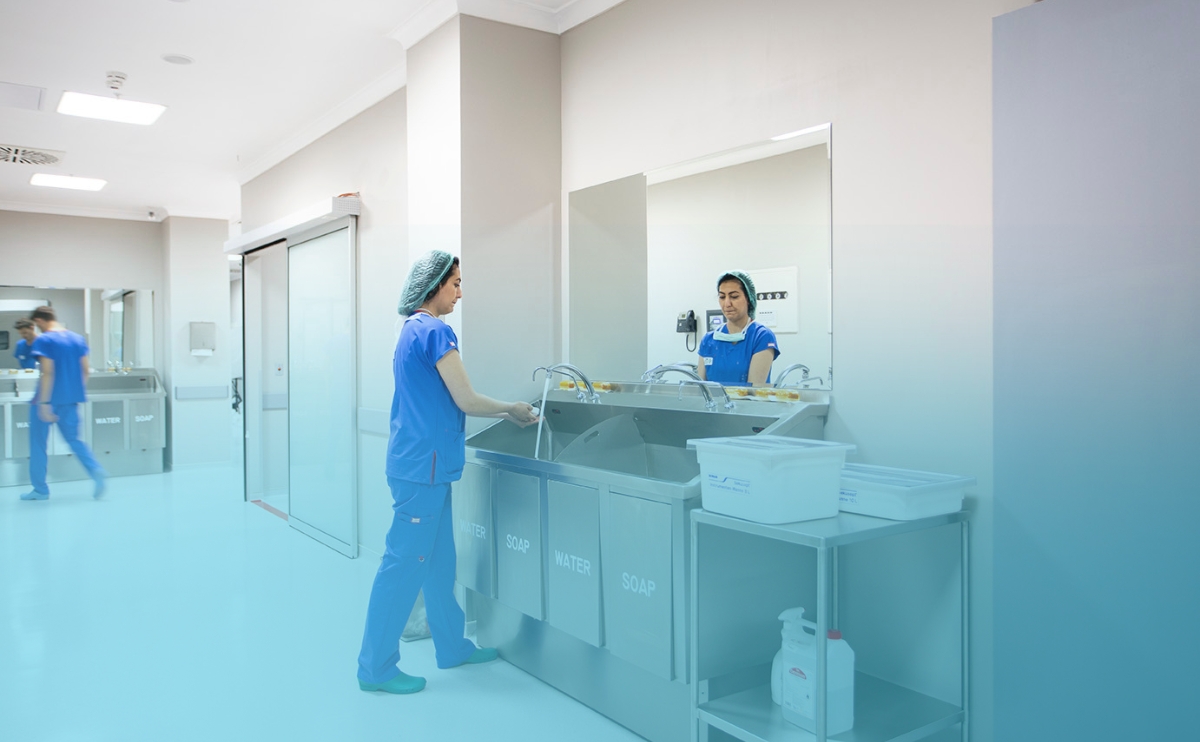

Discovery of Pathogens
Ignaz Semmelweis (1818–1865) was a Hungarian physician who discovered that hand disinfection significantly reduced the risk of puerperal fever in maternity wards. Despite its success, his ideas were met with rejection and he was ridiculed. Only after his death did Louis Pasteur and Joseph Lister confirm the scientific basis of his discovery, and his practice gained worldwide recognition.
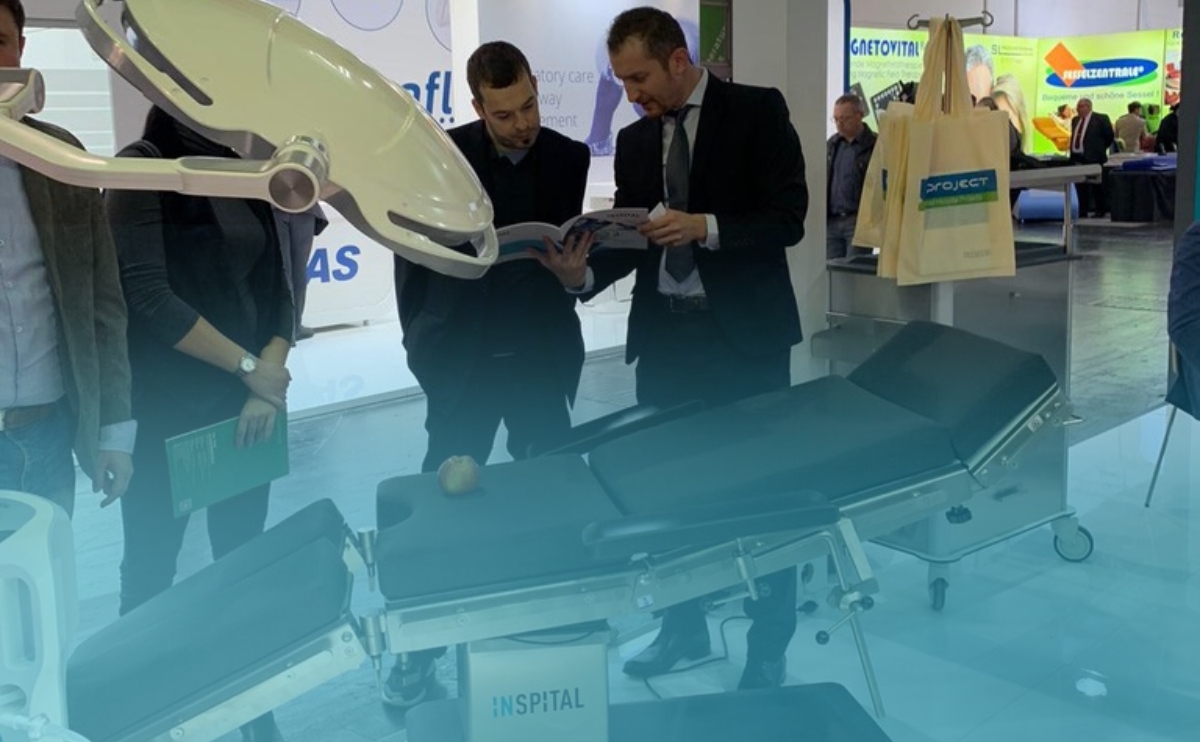
Interdisciplinary Collaboration in Medical Technology
Modern medical technology stands at the intersection of medicine, engineering, and technology. Without close interdisciplinary collaboration between doctors, engineers, and technicians, it would be impossible to develop innovative solutions that are functional, safe, and efficient. An excellent example of this cooperative approach is the Inspital operating light system, which was specifically designed for use in surgical environments.
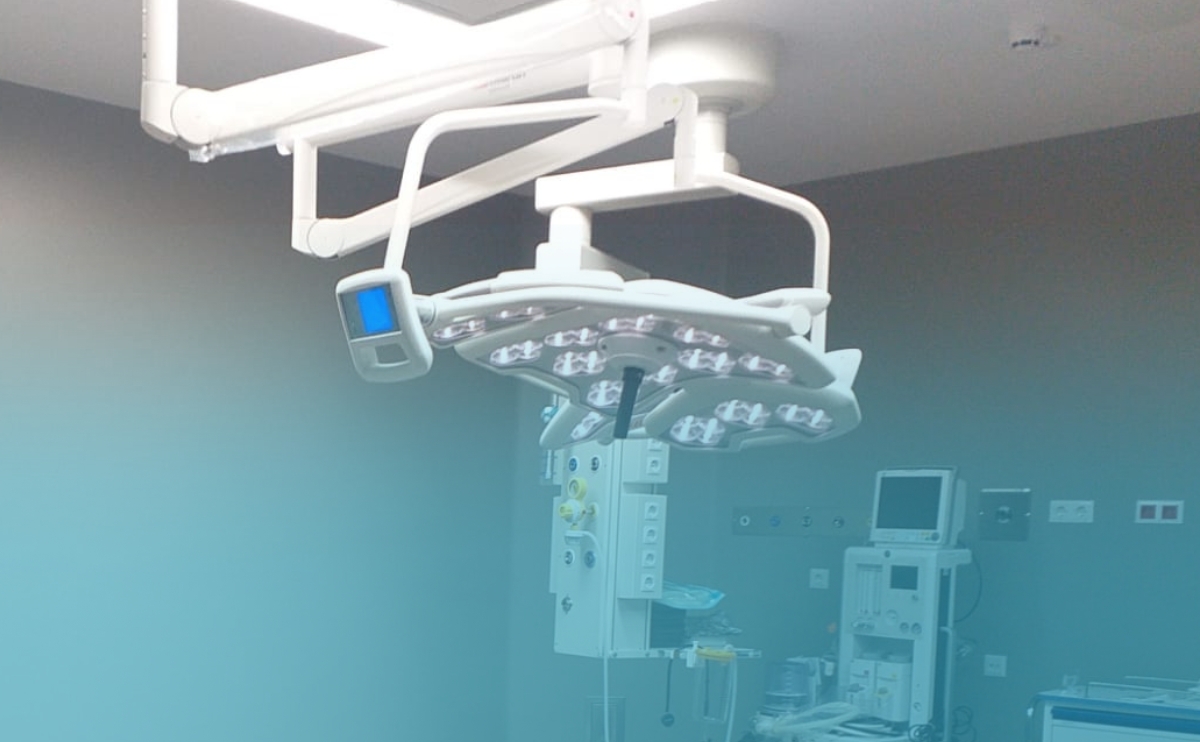
The History of Surgical Lamps
Light plays a crucial role in the operating room and influences the success of procedures. In the past, surgeons relied on daylight or simple mirrors to illuminate the operating area. With the introduction of electricity in the 19th century and later halogen lamps in the 1950s, lighting improved significantly. In the 1960s, halogen lamps provided more intense light but also caused eye fatigue. Nowadays, LED lamps dominate, consuming less energy, generating less heat, and offering surgeons a clear view – an important step in the continuous development of surgical lighting.
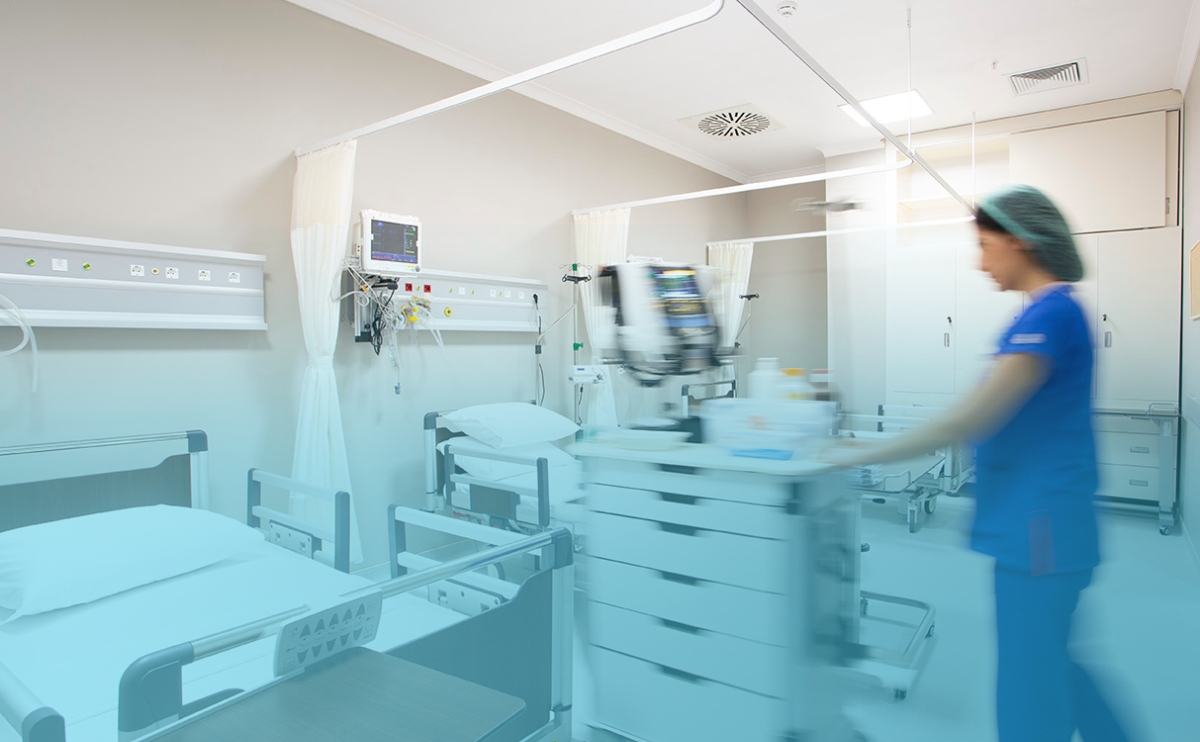

Golden Hours for Life
Every year, thousands of people die because they don't receive medical help in time during emergencies. Especially in the 'Golden Hour', rapid care is crucial. However, traffic jams and lack of consideration often hinder the arrival of ambulances. It's important for drivers to make way, allowing emergency services to pass through quickly and thus save lives.
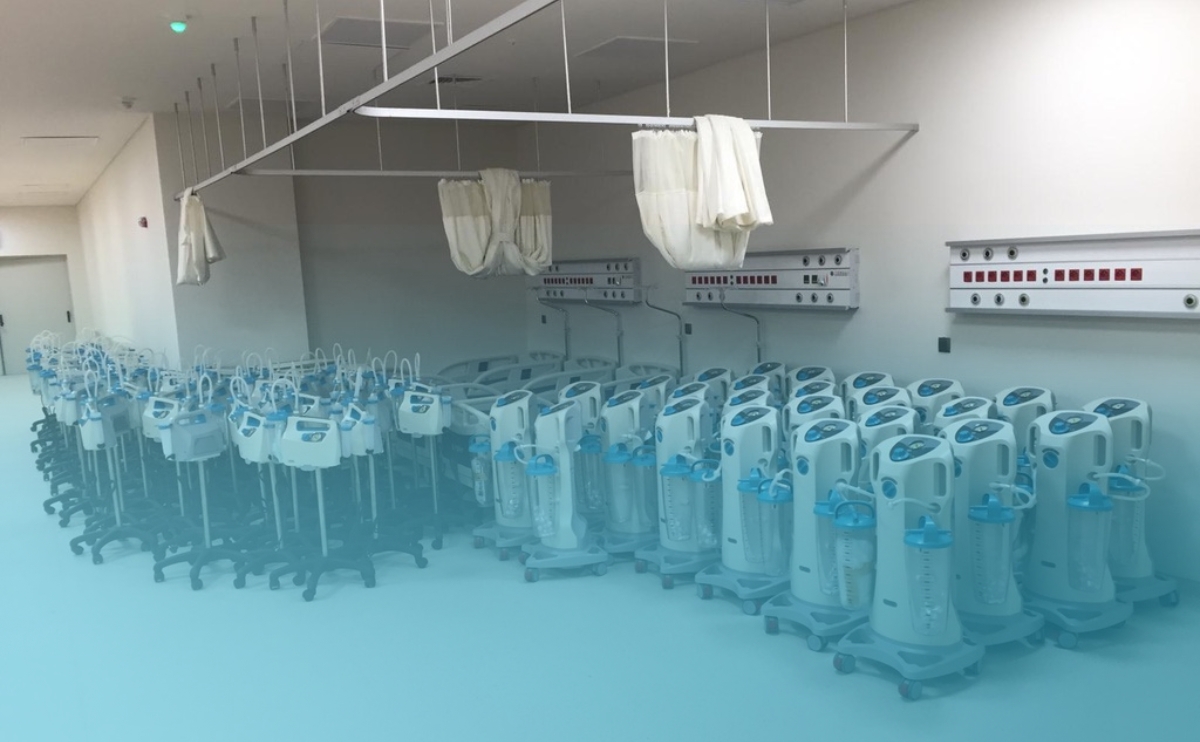
Mobile Medical Technology: How Portable Devices Are Changing Healthcare
In recent years, mobile medical technology has brought about a remarkable change in healthcare. Portable devices enable both patients and medical professionals to monitor and analyze health data in real-time, leading to proactive and personalized care. This advancement has not only increased efficiency but also significantly improved the quality of patient care.
As a leading provider of medical technology, Inspital has recognized this development and offers a wide range of high-quality, portable solutions. In this article, you will learn how mobile medical technology is changing the healthcare industry, what benefits it offers, and which products Inspital has specifically developed for these requirements.
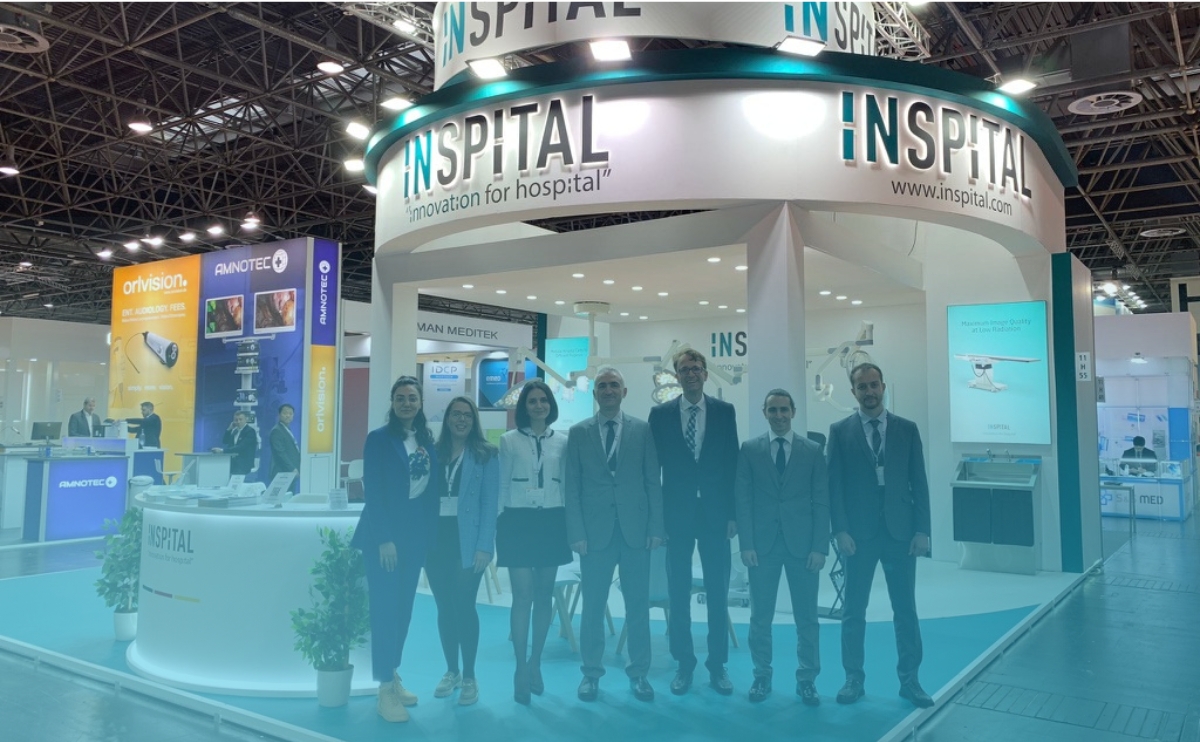
Future of Medical Technology: What Trends Should Clinics and Hospitals Keep in Mind for 2025?
Medical technology is rapidly evolving and plays a crucial role in improving patient care, clinic efficiency, and working conditions for medical staff.
In 2025, several key trends will shape the industry. What developments should clinics and hospitals therefore keep in mind?
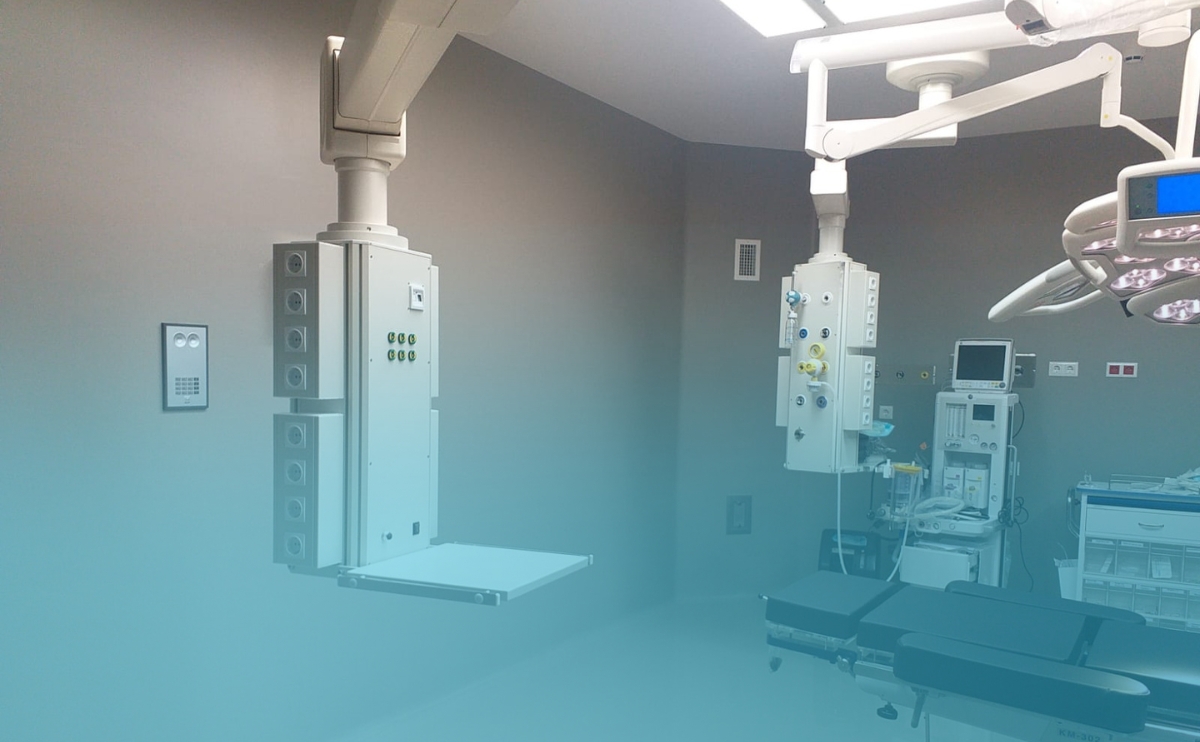
Nitrous oxide (N2O), gas that makes you laugh
Nitrous oxide (N₂O), also known as dinitrogen monoxide, is a colorless, sweet-smelling gas used in medicine and dentistry as an analgesic and sedative. It has the unique property of inducing mild euphoria and laughter, which has earned it the name "laughing gas". When inhaled, it quickly affects the central nervous system and provides a relaxing effect. Nitrous oxide is also used in industry, particularly in food production, as a propellant in aerosol cans and for the production of whipped cream. Despite its amusing effects, it should be used with caution, as improper use can lead to health risks.