


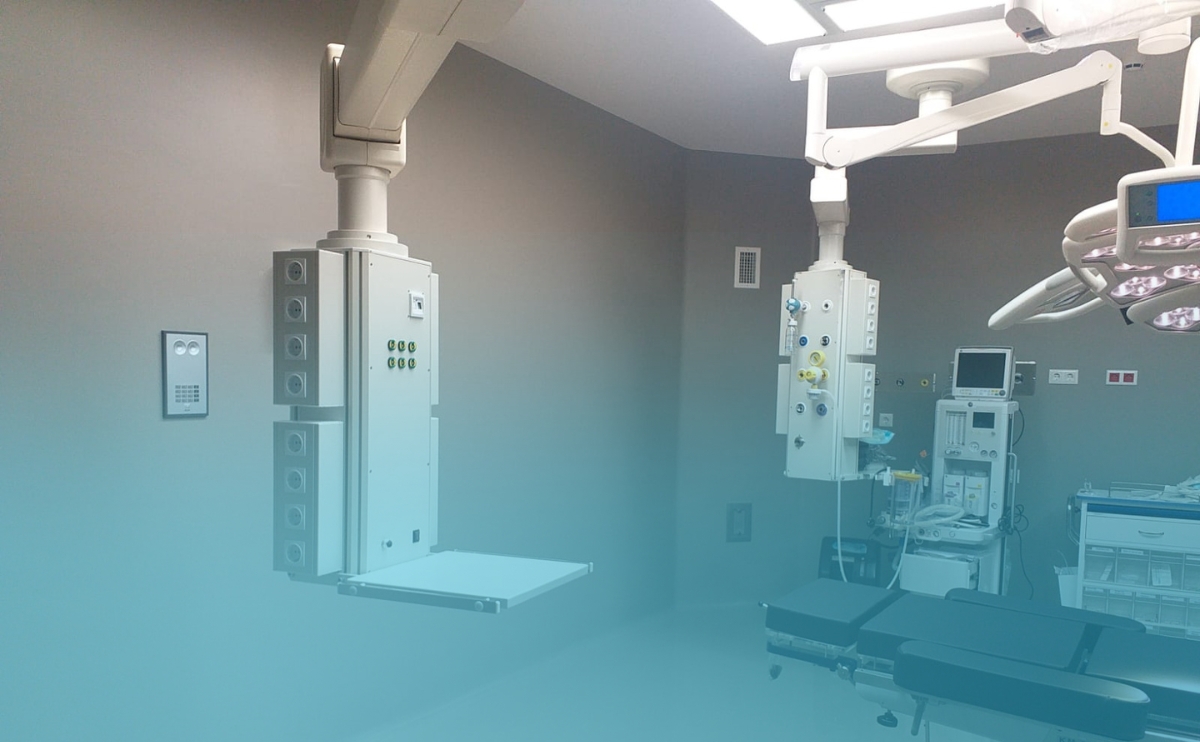

Flexible Gas Supply in the OR: Pendant Systems for Oxygen, Air, N₂O, and CO₂
A modern operating room is far more than just a room with an operating table and lighting. It is a highly complex, technical ecosystem in which numerous devices, systems, and people must work together simultaneously. Every step is designed for precision, and any delay can disrupt the process – and, in the worst case, compromise patient safety.
One of the often underestimated but central foundations of this system is the medical gas supply. Oxygen, medical compressed air, CO₂, or nitrous oxide must be available at all times reliably, safely, and in precisely metered doses. At the same time, their provision must not hinder the workflow or create additional risks.
This is precisely where the limitations of classic wall connections become apparent. They are permanently installed, only accessible to a limited extent, and often force the OR team to compromise on positioning, freedom of movement, and ergonomics. In an environment that demands maximum flexibility, such rigid solutions increasingly seem like a relic of past OR concepts.
Modern pendant systems offer a contemporary answer to these challenges – and change the way medical gases are provided and used in the OR.
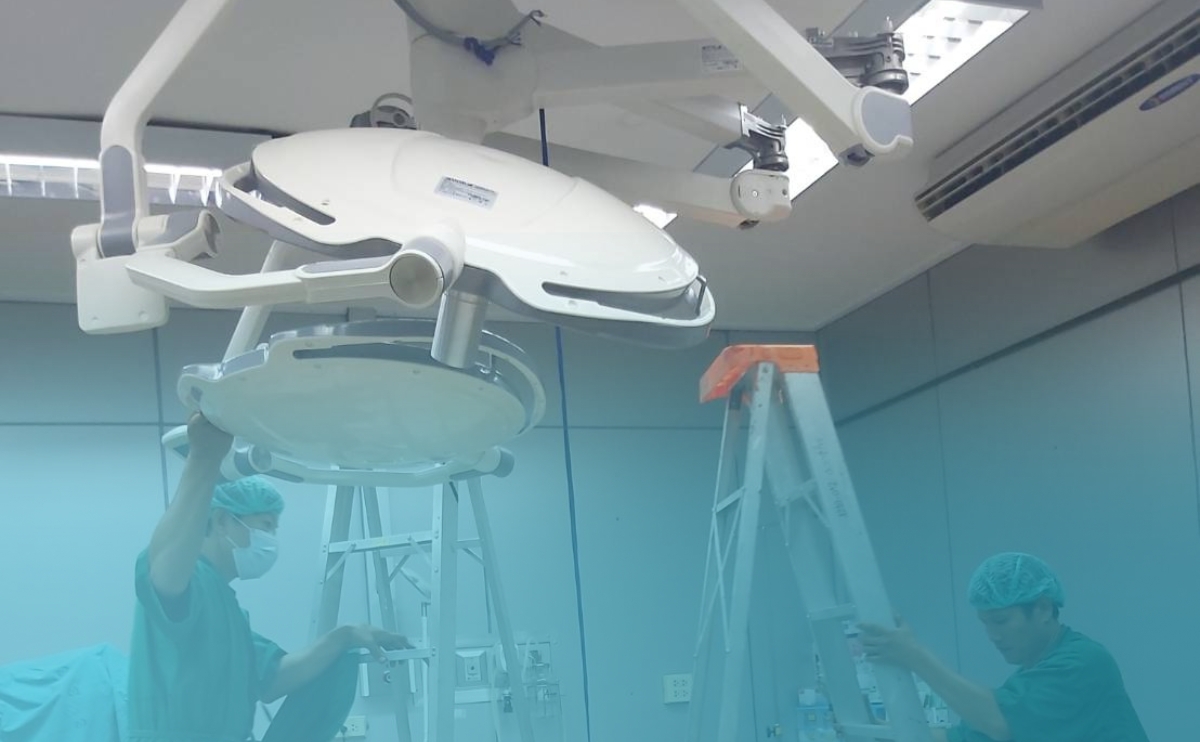
Perfect Vision for Surgeons: Modern Operating Room Lights with Integrated Camera and Monitor Solution from Inspital
In modern surgery, the success of a treatment depends not only on the experience of the medical staff. The quality of the technical equipment in the operating room is just as crucial. Precision, safety, and efficiency now arise from the interaction of humans and technology. OR lighting plays a central role in this: it determines how clearly, contrast-rich, and shadow-free the surgical field is visible – and thus whether even the smallest anatomical details can be recognized in time.
However, the demands on OR lights have fundamentally changed. In addition to optimal illumination, aspects such as visual documentation, live transmission, telemedicine, and training are increasingly coming into focus. This is precisely where Inspital's innovative OR lights with integrated camera and monitor solutions come in. They combine high-quality OR light with modern image and media technology, turning the lighting into an intelligent platform in the OR.
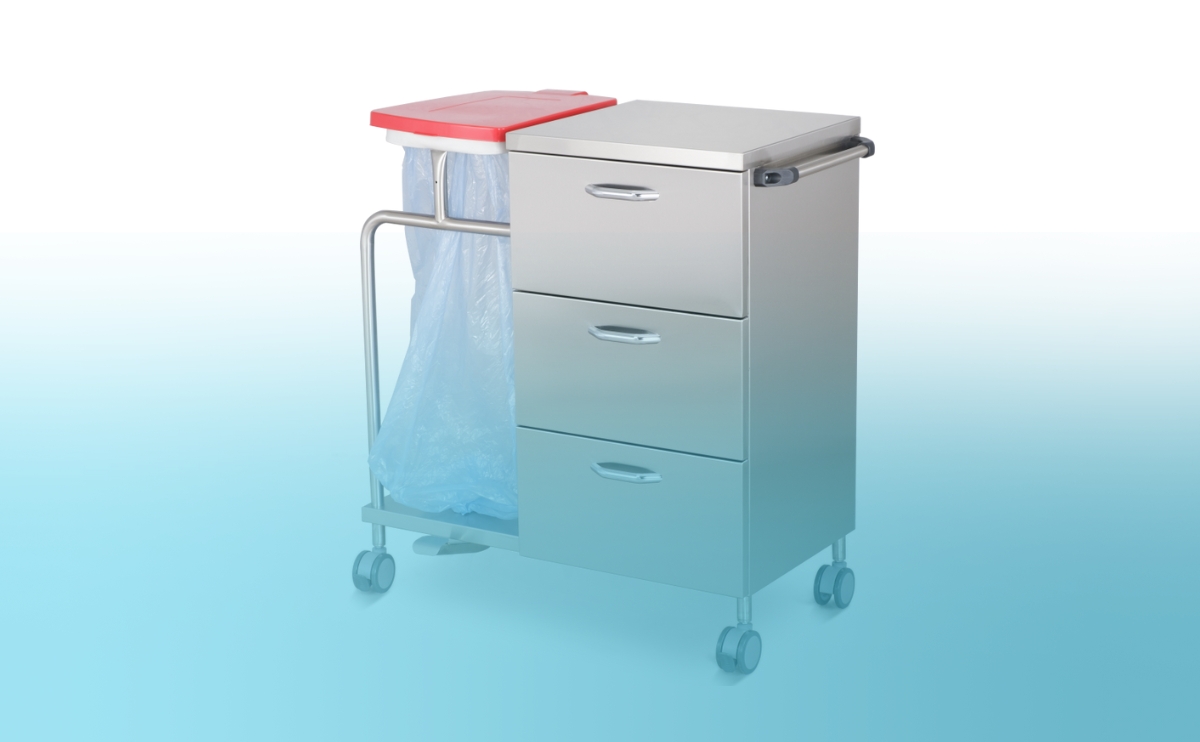
Medical Stainless Steel Furniture for Operating Rooms: Instrument Trolleys, Key Trolleys, and More for Maximum Efficiency
In no area of a hospital is organization as crucial as in the operating room. Every second counts, every movement must be precise – and every trolley, every table, every piece of furniture must support this precision, not hinder it. This is precisely where Inspital's stainless steel furniture comes into play: robust, hygienic, ergonomically designed, and uncompromisingly geared towards efficiency in daily OR operations.
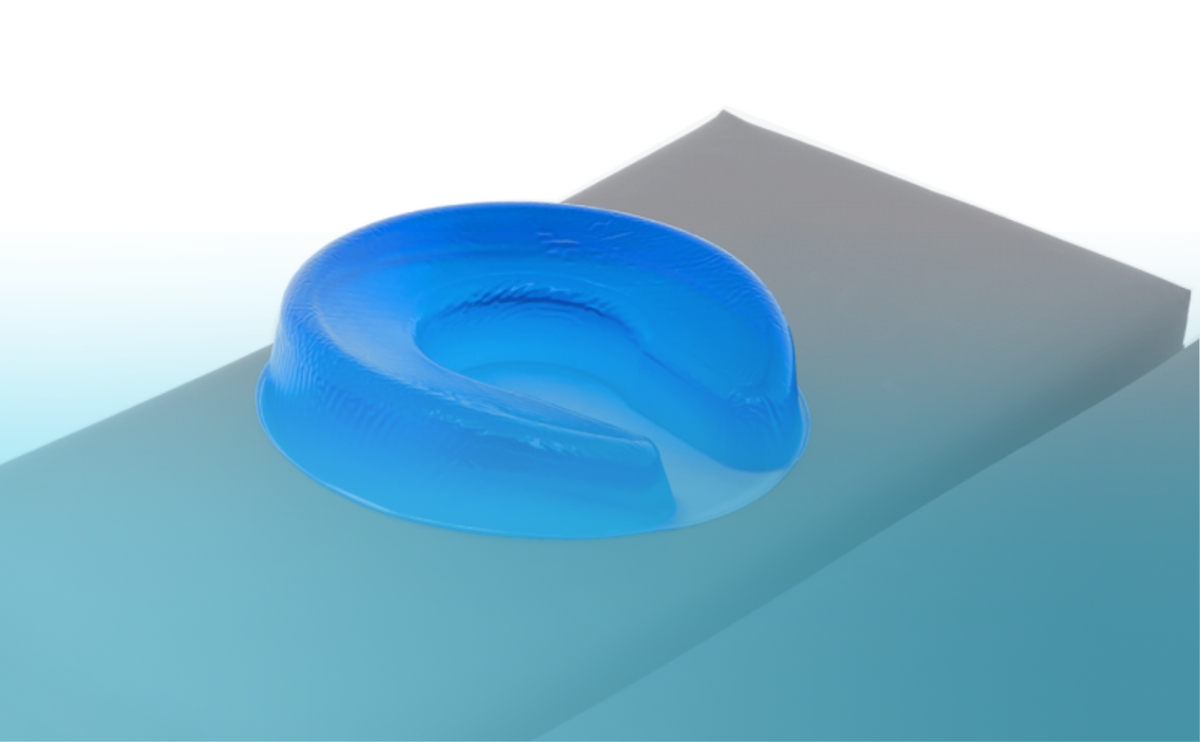
Gel Pads for OR Tables: Pressure Relief and Patient Comfort
In modern surgery, optimal patient positioning during surgical procedures is crucial for treatment success and patient safety. Inadequate positioning can lead to pressure points, nerve damage, or other complications. To prevent these risks, Inspital offers a comprehensive range of gel-based positioning aids that both enhance patient comfort and facilitate the work of medical personnel.
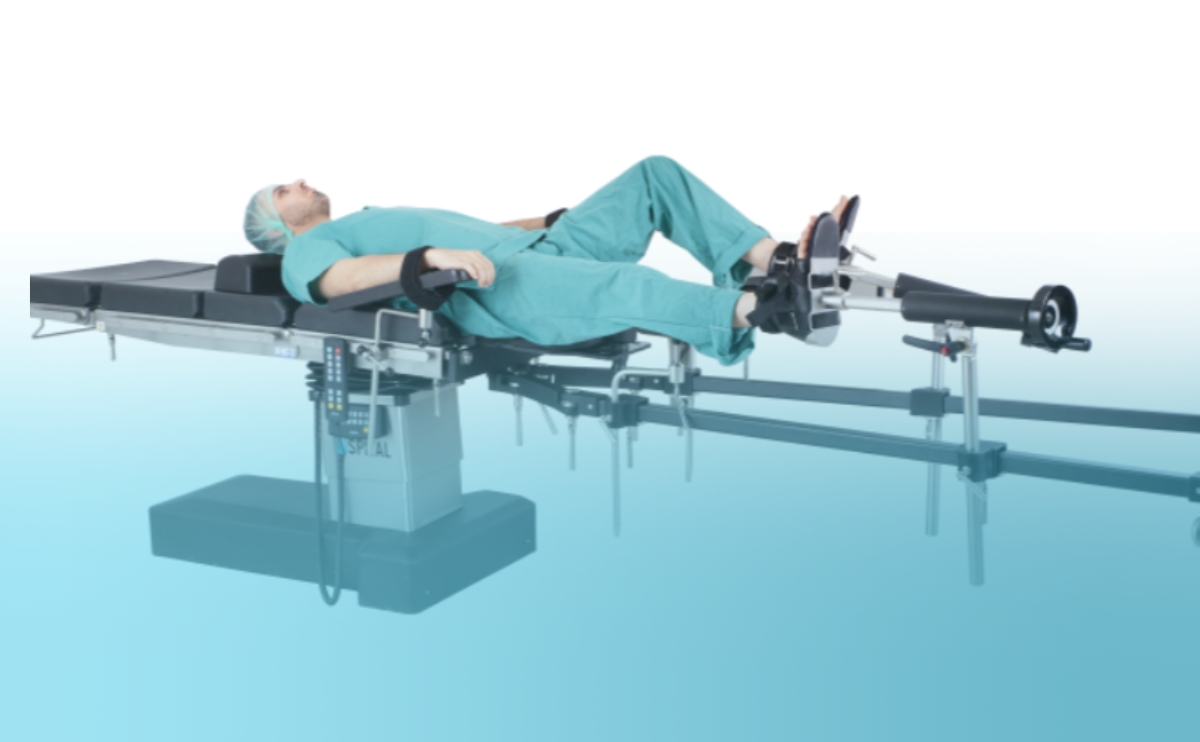
Optimal patient positioning in the OR: Which fixation systems prevent pressure sores and nerve damage?
In modern surgery, the success of a procedure is determined not only by surgical technique but also by a factor that is often underestimated: patient positioning. Precise and secure positioning is essential to create optimal access conditions for the surgical team, but also to reliably prevent complications such as pressure ulcers, positioning injuries, and nerve irritations.
Especially in an era where efficiency, patient safety, and legal protection are equally important, sophisticated positioning systems are no longer optional accessories – but a central element of any OR infrastructure. Inspital offers a wide range of positioning aids, gel pads, and fixation systems that integrate seamlessly into daily surgical practice and meet the high demands of modern operating departments.
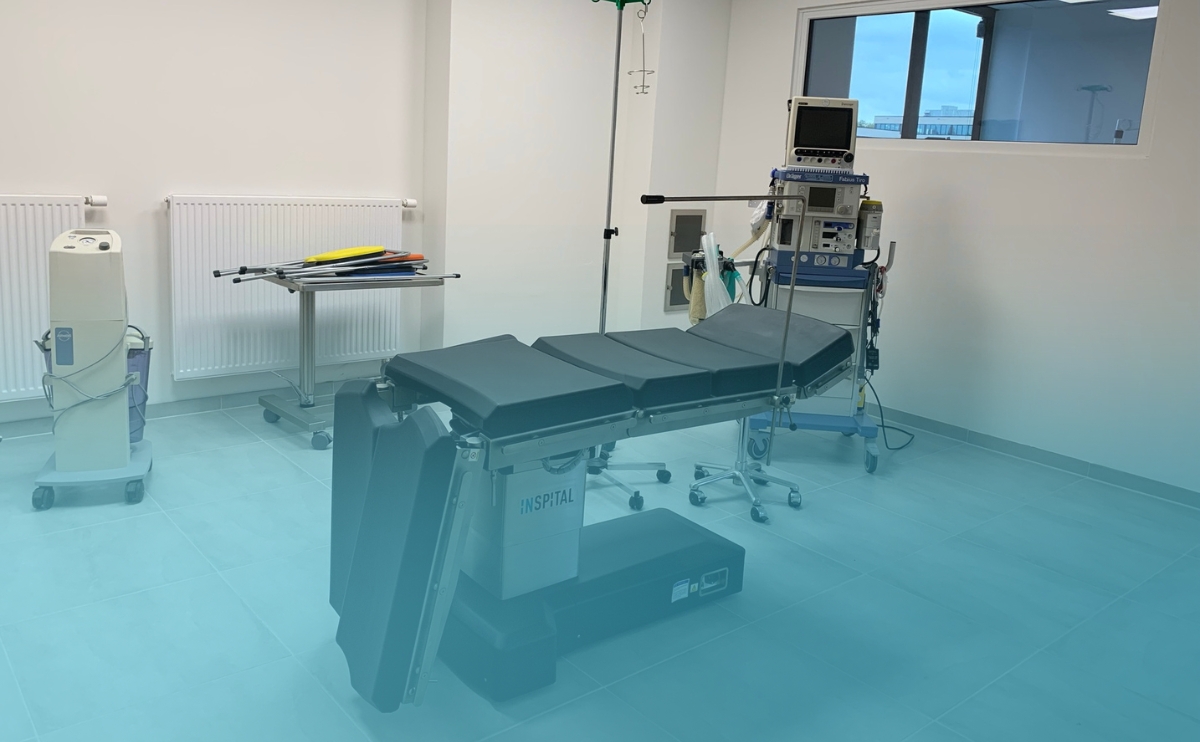
Endoscopy Reprocessing: Hygiene Standards and New Technologies
Endoscopy has become an indispensable part of modern medicine. Whether in gastroenterology, urology, or surgery – endoscopes enable minimally invasive examinations and procedures that are gentler for patients and more precise for doctors. However, precisely because endoscopes are reusable, highly sensitive instruments, their reprocessing and sterilization is one of the biggest challenges for hospitals and clinics.
Improper or insufficient cleaning can cause serious infections and cross-contamination. Therefore, strict hygiene standards and state-of-the-art reprocessing technologies are essential to ensure patient safety. But what does effective endoscopy reprocessing look like, and what innovations are there in the market?
In this article, we shed light on the most important steps of endoscope hygiene, new technological developments, and present Inspital's suitable cleaning and sterilization solutions.
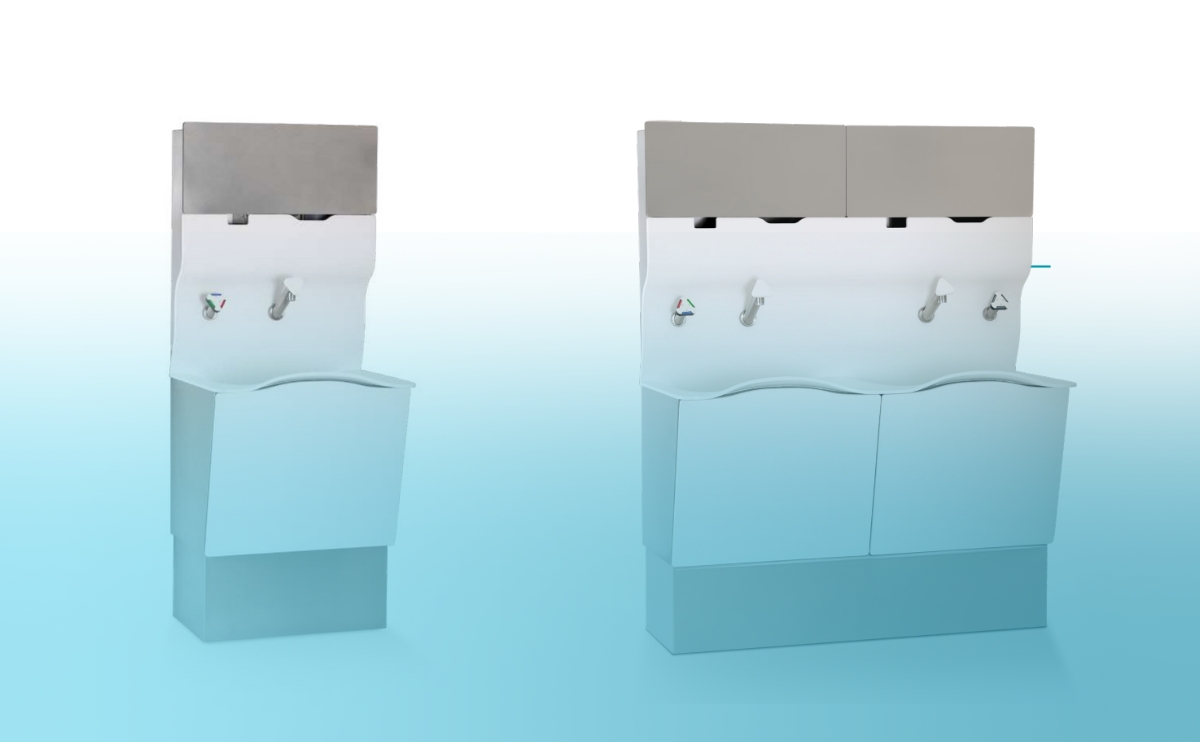
Surgical Scrub Sinks – Touch-Free, Germ-Free Hands: The Benefits of Knee-Operated Scrub Sinks in Everyday OR Practice
Whether a routine procedure or a complex high-risk surgery, uncompromising hygiene is the prerequisite for every successful surgical intervention. However, hygiene doesn't start on the operating table, but minutes before – with hand washing. In an environment where every touch can become a potential source of contamination, the method of hand disinfection is crucial.
Especially in the highly sensitive OR environment, well-thought-out solutions are needed that seamlessly combine safety and efficiency. Knee-operated washing systems not only offer a technical answer but also set a new standard in touch-free hygiene. Inspital has developed precisely the right products for this – robust, user-friendly, and precisely tailored to the needs of daily clinical practice.
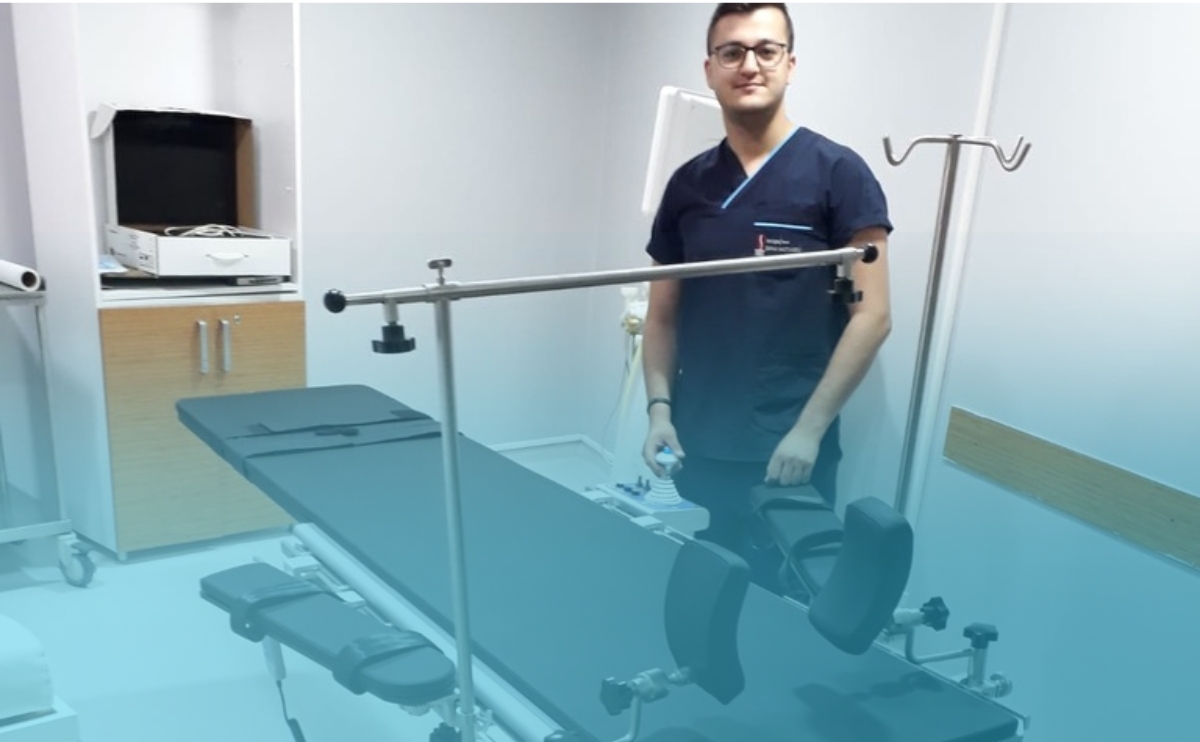
Radiolucent Operating Tables: Revolutionizing Modern Surgery!
The surgical world has changed. In an era where millimeters decide fates, being “good enough” is no longer sufficient. Precision is not an option - it's a necessity. Image-guided procedures, minimally invasive techniques, and intraoperative diagnostics require not only a skilled surgeon but also an infrastructure that thinks ahead. Radiolucent operating tables are an often overlooked but crucial component.
Imagine a patient lying on the operating table, time is pressing, the team is ready - and then the procedure must be interrupted because the image isn't clear enough. Because the table distorts the X-ray image. Because repositioning is necessary. This is where the story of Inspital's radiolucent operating tables begins - specially developed for the OR.
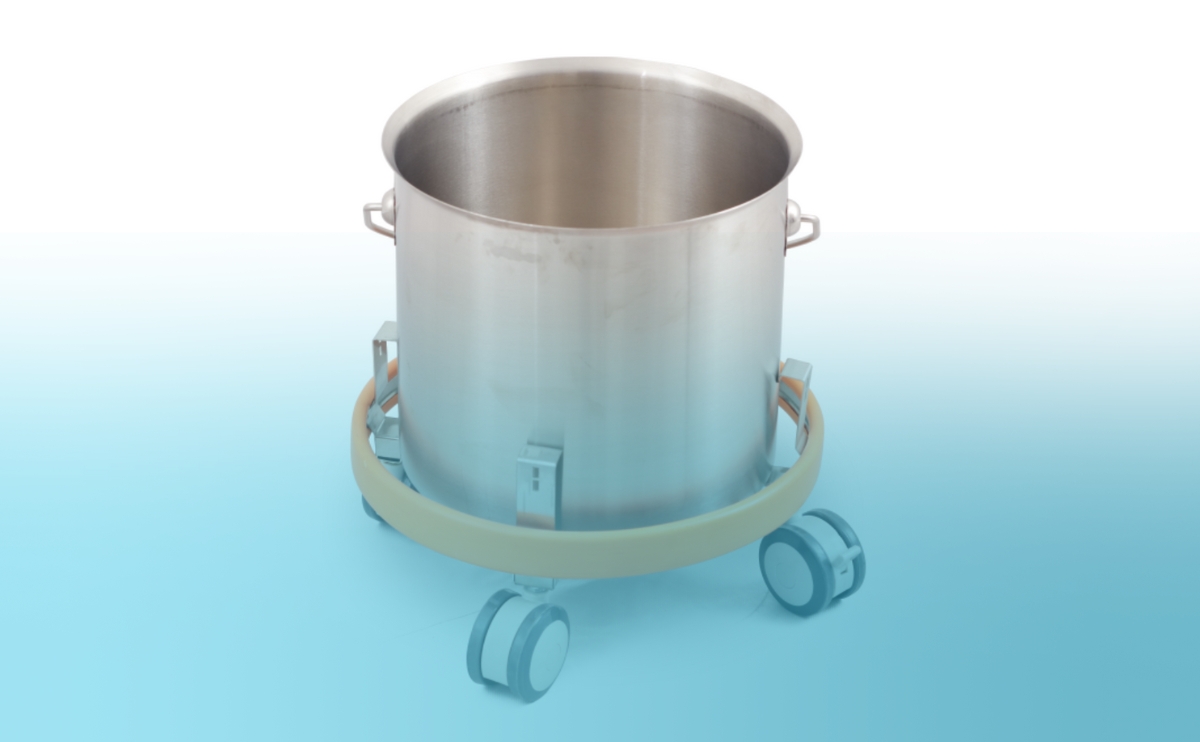
Stainless Steel Waste Bins – Waste Management in the OR: Hygienic Solutions for Medical Waste
In the hectic rhythm of an operating day, everything follows protocol: sterile preparations, meticulous surgical planning, the perfect interplay of surgery, anesthesia, and nursing. However, what is often underestimated is what works in the background – or doesn't. Waste management.
Because where surgical waste, disposable materials, and contaminated consumables accumulate, utmost vigilance is required. Improper disposal or unergonomically placed waste bins can not only lead to disruptions in workflow but also pose real dangers to patients and staff. That's why Inspital has made it its mission to revolutionize this often-overlooked interface in daily OR operations – with hygienically designed, durable stainless steel waste bin solutions.
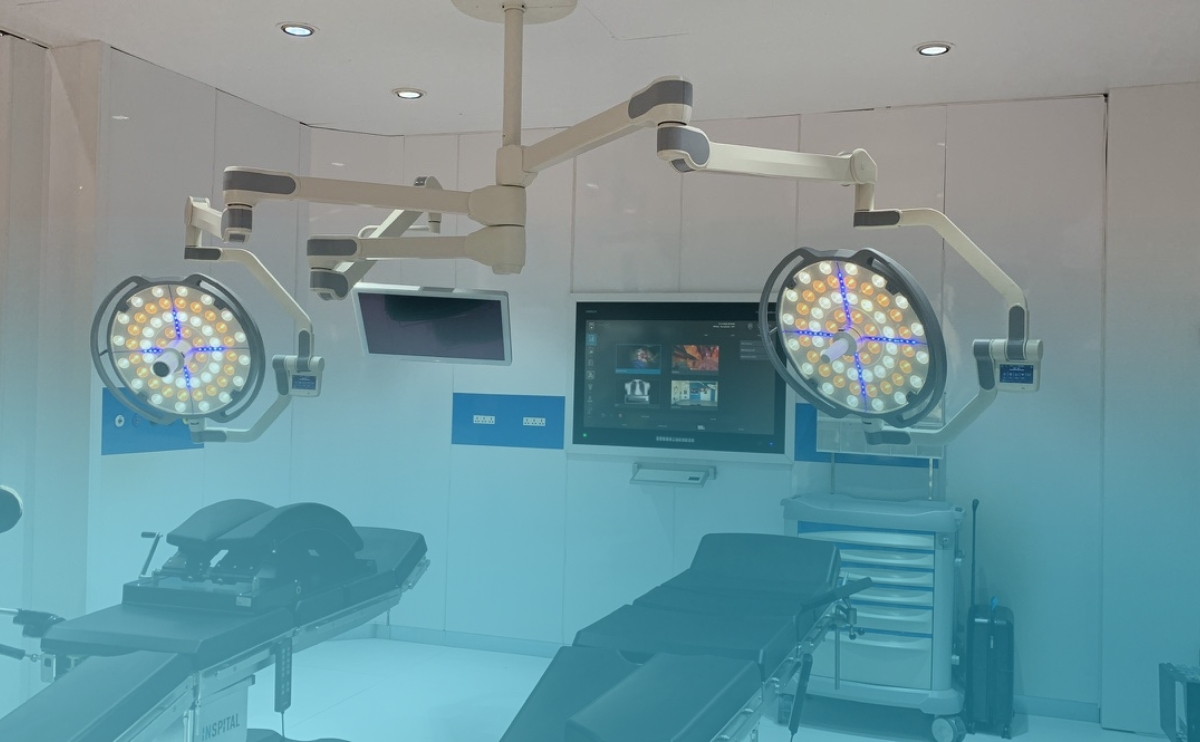
The Impact of Medical Technology on Patient Care
Medical technology has made enormous progress in recent decades and influences patient care in almost all medical fields. From high-precision diagnostic devices to innovative therapy methods - modern technologies not only improve treatment quality but also increase patient safety and the efficiency of medical processes. Inspital Medical Technology develops high-quality medical technology solutions that drive this progress and optimally support hospitals and clinics.
In this article, we examine how medical technology is revolutionizing healthcare and which innovations have the greatest impact on patient care.