


Operating room cleaning carts: hygiene, efficiency, and safety as the foundation of modern clinical routines
- Cleaning Cart, Current News, Inspital Medical Technology
Contents
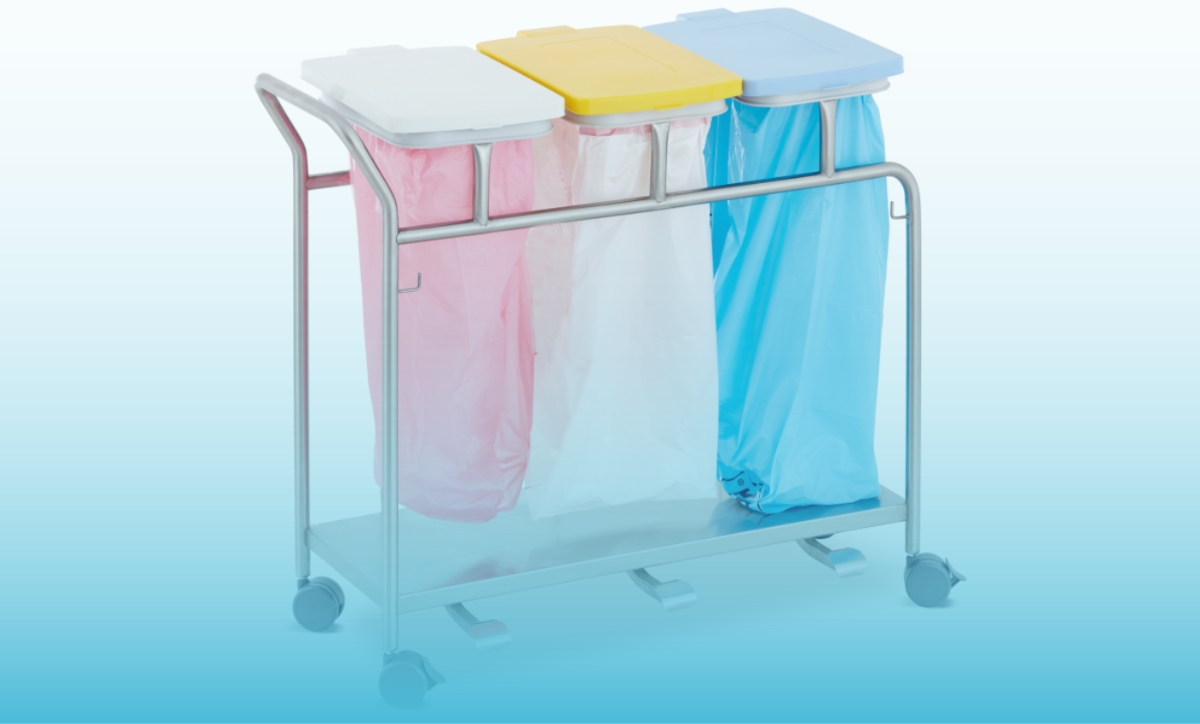
Operating room cleaning carts must meet special challenges that do not arise in other areas. While simple floor cleaning may be sufficient in public spaces or offices, an OR requires a combination of rapid mobility, robust materials, seamless hygienic surface design, and intelligently organized workspace for a wide range of cleaning and disinfecting agents. In this article, we look at why the OR cleaning cart is not only a practical aid but a strategically important work tool. We focus on the importance of choosing the right materials, mobility, ergonomics, and organizational structure, as well as what hospitals and medical technology decision-makers should consider when purchasing. With a look at modern solutions such as the AB90.99 cleaning cart from Inspital GmbH, we show how well-designed systems can optimize hygiene and workflows.
Why an operating room cleaning cart is more than “just a cart”
In an operating room, the rule is: every workstation has a logical function, every surface is cleaned regularly, and no material can be left to chance. Cleaning carts are part of this functional order. They not only carry cleaning agents, wipes, or waste, but become mobile hygiene stations that must respond to different requirements within seconds. When a room needs to be turned over quickly for the next procedure, fast handling, clean organization, and structured work determine efficiency and safety. A suitable cart must therefore provide all required utensils clearly arranged and within easy reach to avoid unnecessary walking and delays.
It is crucial that this cart has been developed specifically for use in the OR. A corridor or office cart is not sufficient here, because the requirements for materials, mechanics, and hygiene differ fundamentally. Inspital GmbH addresses these requirements with specially designed cleaning carts that are optimized both functionally and hygienically and integrate perfectly into everyday clinical workflows. These carts not only serve a practical purpose, but are part of a comprehensive hygiene concept to prevent cross-contamination and ensure compliance with medical standards.
Hygiene requirements and material selection in the OR context
Hygiene is the top priority in the operating room, because preventing infections directly determines therapeutic success. Cleaning carts must therefore be designed so that they do not become reservoirs for germs themselves. This starts with the choice of materials. High-quality cart models preferably use smooth, non-porous surfaces made from medically suitable materials such as stainless steel, which is not only robust but also resistant to disinfectant chemicals and repeated cleaning cycles. Such materials can be cleaned quickly and thoroughly without residues of dirt or cleaning agents becoming embedded. Unlike porous plastics, where microorganisms could settle, medically tested materials minimize this risk and support the requirements of modern OR hygiene.
Another challenge is hard-to-reach areas on a cart where dirt or germs could accumulate. Inspital cleaning carts are therefore designed to have as few difficult-to-clean gaps or grooves as possible. Rounded edges, closed surfaces, and removable components enable cleaning staff to disinfect every square millimeter safely. Since cleaning in the OR context is not limited to floor areas alone but also includes work surfaces, handles, and holders, this hygienic material selection is a functional advantage that increases safety and efficiency in one step.
Mobility and handling in dynamic clinical day-to-day operations
An operating room cleaning cart must adapt not to the room, but to the team’s needs. It must be moved quickly to where it is needed and remain stable in place once the cleaning process begins. This is where casters, braking mechanisms, and ergonomic design principles play a central role.
High-quality carts are equipped with smooth-running, rubberized casters that allow effortless navigation through narrow corridors and OR areas. At the same time, reliable locking mechanisms ensure that the cart stands securely and immovably during cleaning, even when staff are working on adjacent surfaces or need to reach for items. Inspital solutions use casters that both make maneuvering easier and protect the sensitive flooring in OR areas.
Another advantage is the ergonomic design of handles and shelves. Cleaning workflows can be physically demanding if carts are hard to push or awkward to handle. Carts that are intuitive to guide and allow natural movement reduce physical strain and thus contribute to job satisfaction among cleaning staff. In hospitals with high utilization and frequent OR turnover, these benefits add up to a noticeable increase in efficiency.
Structured storage for reliable work
The requirements for operating room cleaning carts go far beyond simply providing cleaning agents. In a well-organized cart, cleaning staff find all required materials clearly arranged and functionally stored. This saves time, reduces errors, and increases safety at the same time. For this reason, Inspital carts offer well-thought-out shelves, holders, and removable containers that can be configured as needed.
For example, disinfectants, surface wipes, and waste containers are not randomly distributed on the cart, but positioned exactly where they are needed in the workflow. This creates a clear work logic and prevents misplacement in the heat of the moment. In an operating room where every minute counts, such structured organization saves valuable time and reduces stress-related errors.
This structured organization also supports compliance with cleaning procedures and hygiene protocols, because the positions of materials on the cart correspond to standardized cleaning steps. For clinicians, this means processes do not have to be improvised, but are based on a well-designed, reproducible structure that guarantees safety and reliability.
Hygiene processes and documentation in the OR context
In operating areas, thorough cleaning is more than just a routine task—it must be documented, verified, and traceable. Hygiene regulations often require complete records of which surfaces were cleaned, which disinfectants were used, and when the last cleaning took place. Intelligently structured cleaning carts support these ways of working by providing clearly defined zones for clean and contaminated materials. This makes it easier to separate areas and prevents cross-contamination.
In everyday clinical practice, such carts can also help standardize cleaning processes more effectively by providing a visible structure that cleaning teams can follow. This is especially important when there is time pressure or multiple people are involved in a cleaning process. The documentable structure of an OR cleaning cart increases traceability and creates transparency at the same time—an advantage for both cleaning staff and quality control in hospitals.
Ergonomics and workflows: relief for cleaning teams
Cleaning tasks in everyday clinical operations are physically demanding and often time-critical. If carts are awkwardly designed or difficult to operate, this quickly leads to fatigue and inefficient movement patterns. Health organizations and hospital management increasingly recognize that ergonomically designed work equipment not only reduces physical strain but also contributes to staff motivation and satisfaction.
A cleaning cart that can be guided intuitively, with handles at an optimal height, easily accessible shelves, and natural movement dynamics, provides long-term relief for staff. This is a significant factor, especially in facilities with high OR frequency, multiple cleaning cycles per day, and high staff turnover. Inspital solutions take these needs into account by designing carts that simplify workflows and reduce the physical effort required of cleaning staff.
Purchasing decisions in medical technology: a B2B perspective
Anyone looking to purchase a cleaning cart for the OR area is making a strategic decision with implications that go far beyond price. It is about long-term investment security, ergonomic workflows, hygienic efficiency, and process optimization in everyday clinical operations. A high-quality cart is durable, robust, and flexibly adapts to a wide range of requirements—from small OR rooms to large central OR areas.
Decision-makers in medical technology should consider factors such as material quality, mobility, organizational structure, and ergonomic design, as well as the availability of service and maintenance. Inspital GmbH has fully embraced this perspective and developed carts that combine all of these requirements. The combination of a hygienically optimized design, modular adaptability, and a well-thought-out ergonomic concept makes such systems a reliable tool for daily hospital operations.
Future trends: digitalization and process integration
A shift is also emerging in the area of cleaning carts, driven by digitalization and smart assistance systems. Conceivable are carts equipped with digital checklists for process control, sensors for material or fill-level monitoring, or mechanisms for digital tracking of cleaning cycles. Such innovations could help make cleaning processes more efficient, more transparent, and better documented in the future. Inspital is already focusing product development on components that can later be expanded with digital functionalities, so hospitals are prepared for future requirements.
Conclusion: the cleaning cart as a central hygiene station in the OR
An operating room cleaning cart is far more than a functional work tool. It is an indispensable part of the hygiene concept, a tool for increasing efficiency, an ergonomic aid for cleaning teams, and a contribution to the safety of everyone involved. With the right choice of materials, careful structuring, ergonomic design, and intelligent mobility, a high-quality cart supports daily cleaning and disinfection processes so they are reproducible, documentable, and safe. With solutions such as the AB90.99 cleaning cart, Inspital GmbH delivers not only a product, but a well-designed answer to the complex challenges of modern clinical hygiene and workflows.
For hospital managers, medical students, and B2B decision-makers in medical technology, this makes one thing clear: choosing the right cleaning cart is not just a logistical question, but a strategic investment in safety, efficiency, and the future readiness of everyday OR operations.
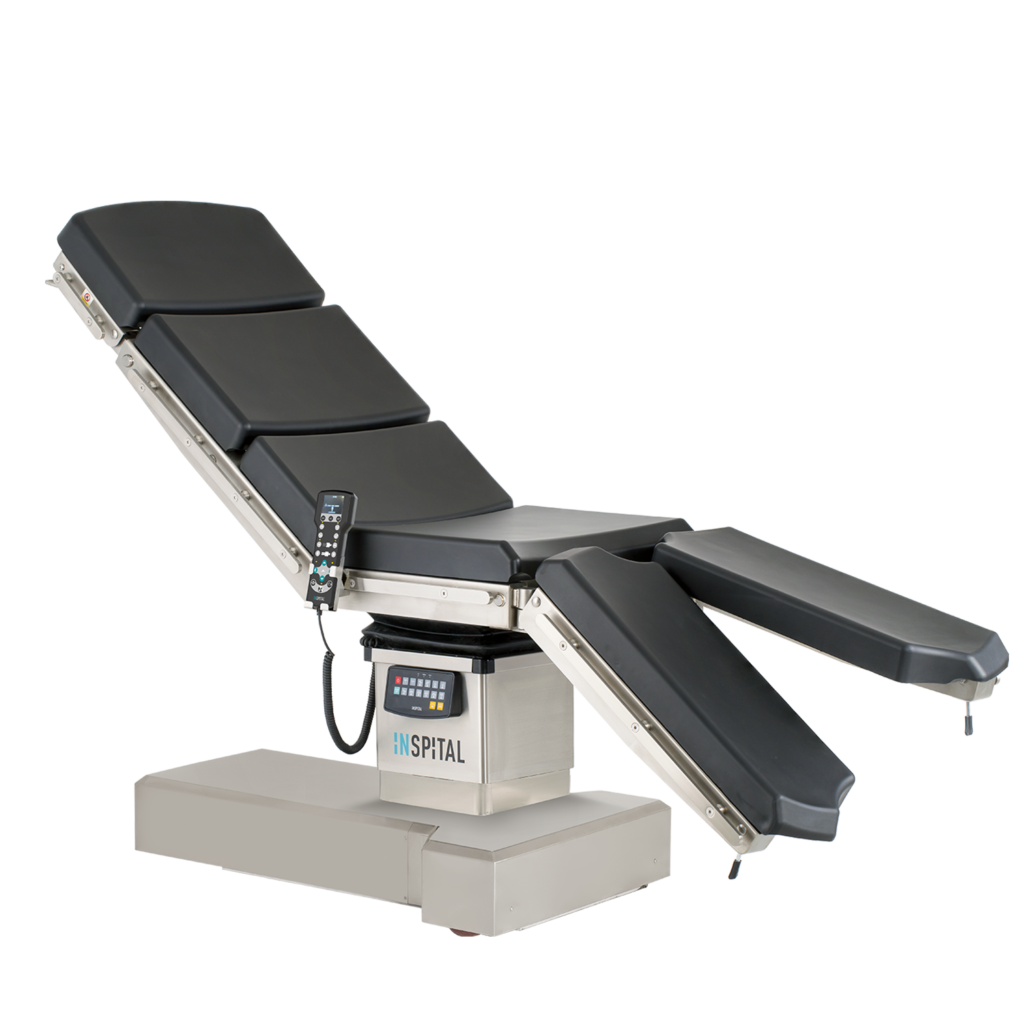
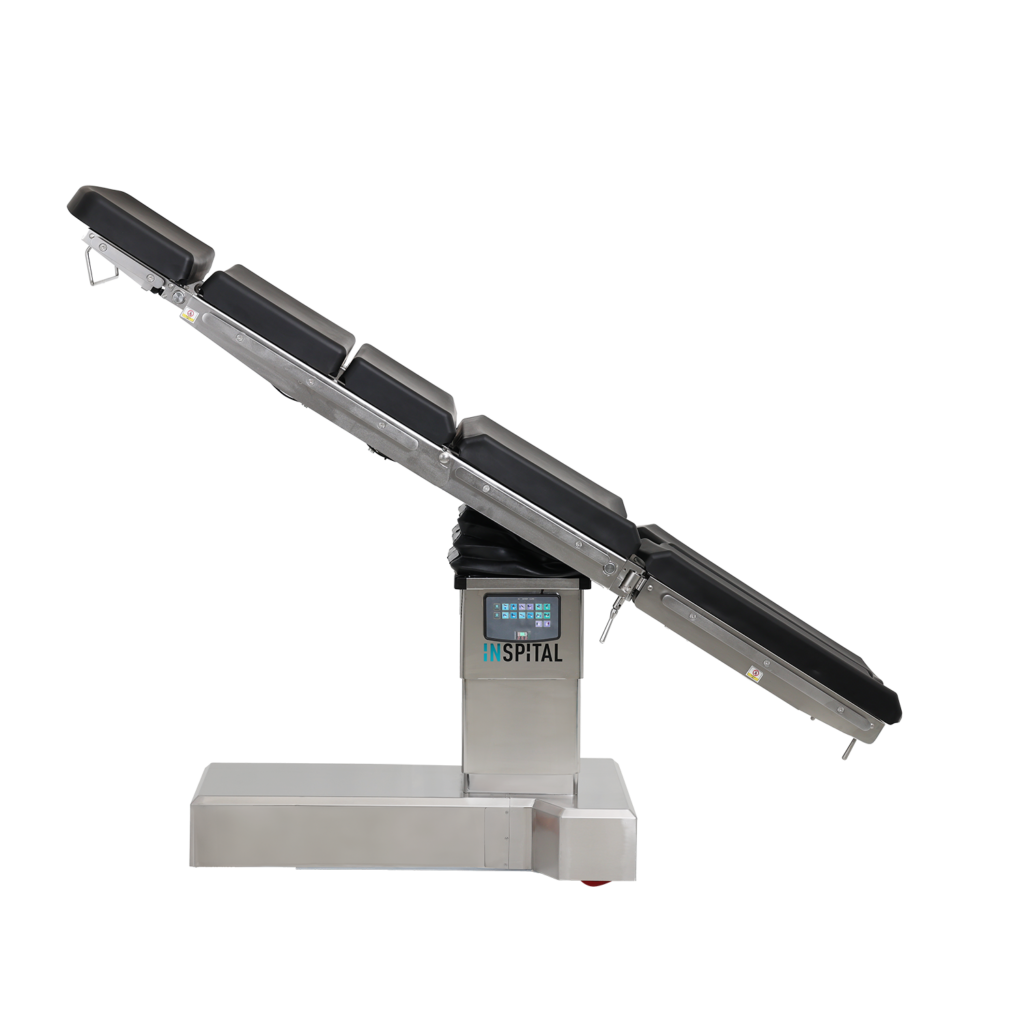
Operating Table OT80.20 NOVUS
Prices visible to registered customers only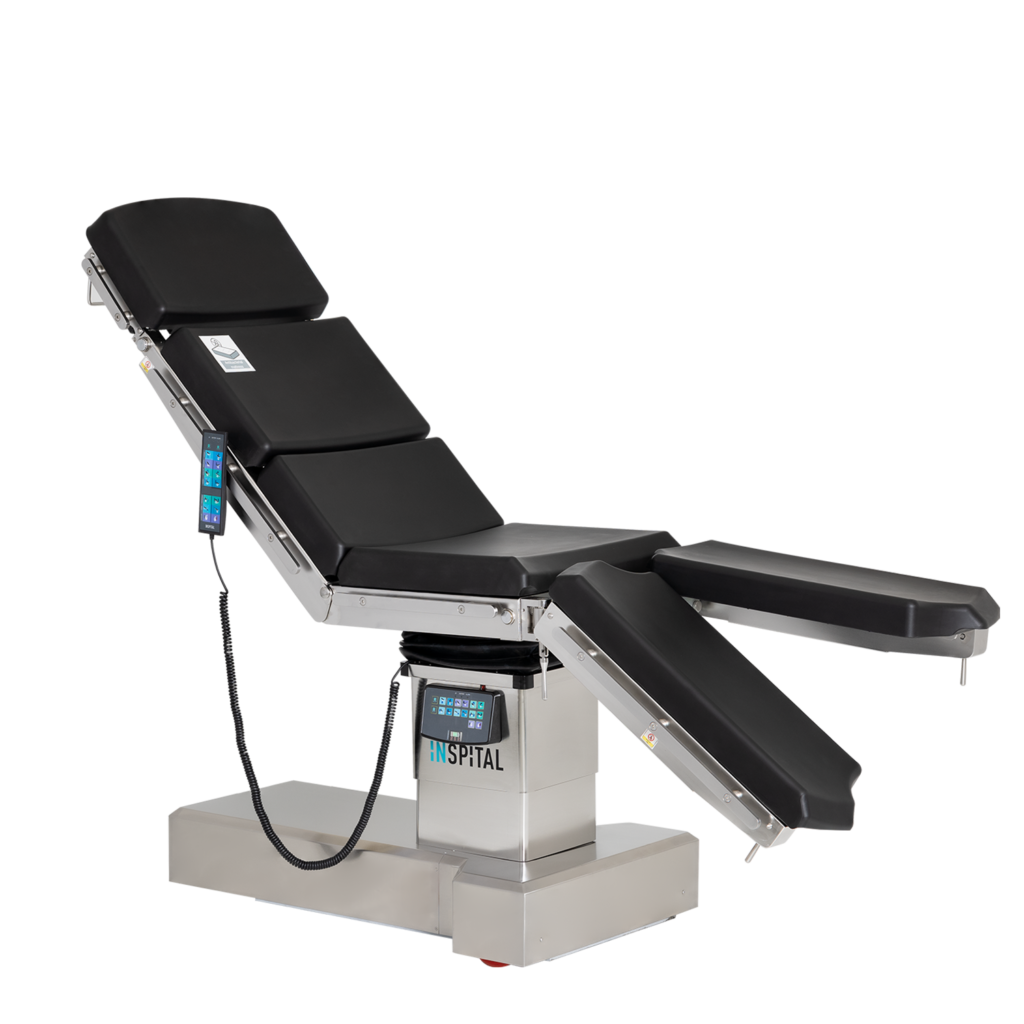
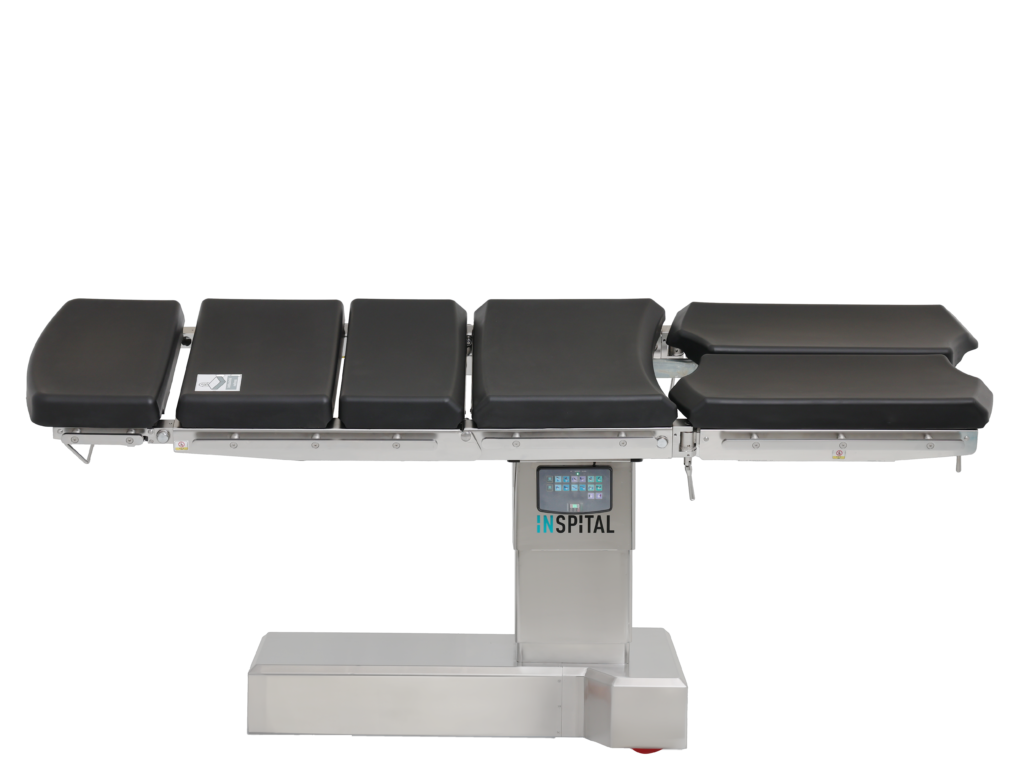
Operating Table OT80.20
Prices visible to registered customers only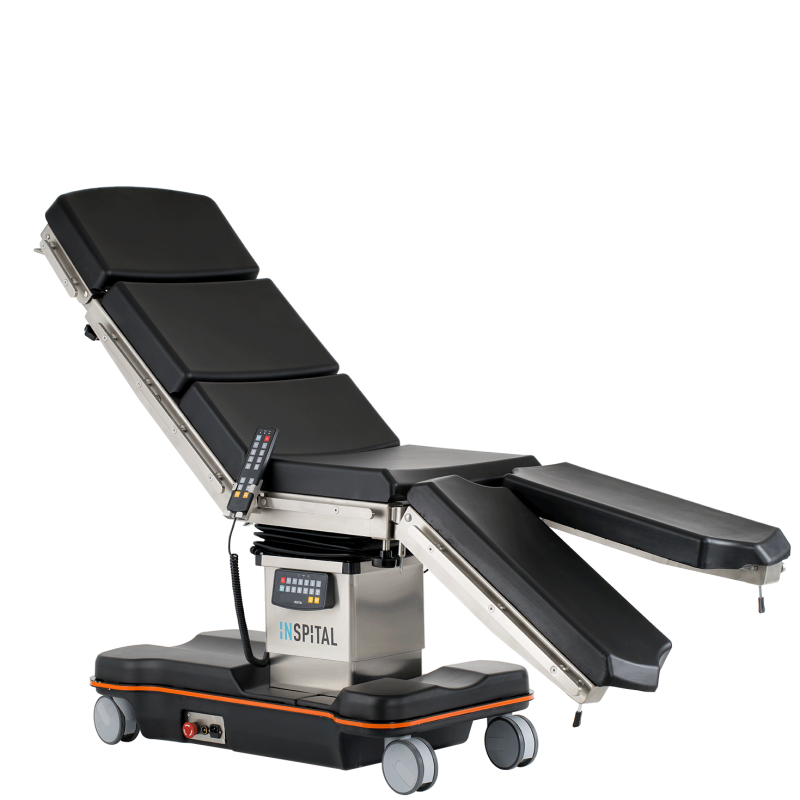
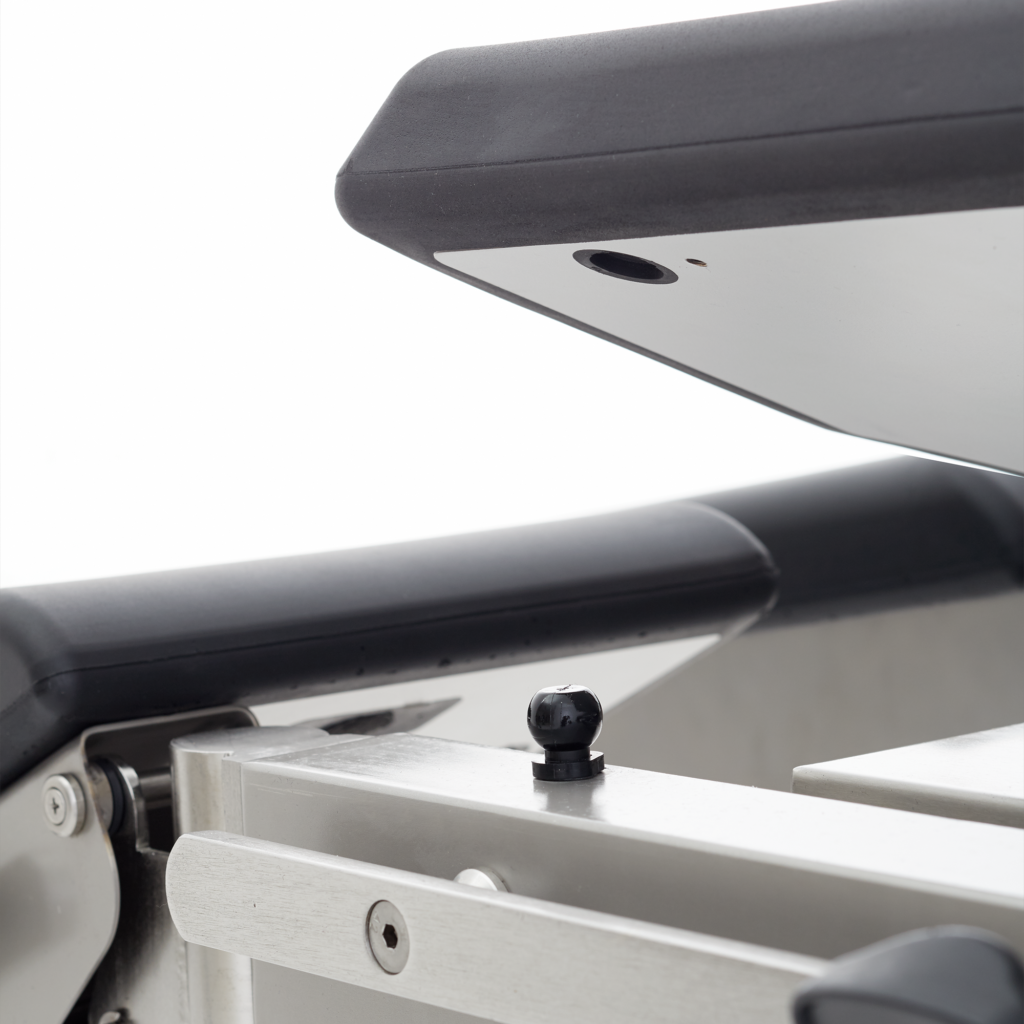
Operating Table OT80.25
Prices visible to registered customers only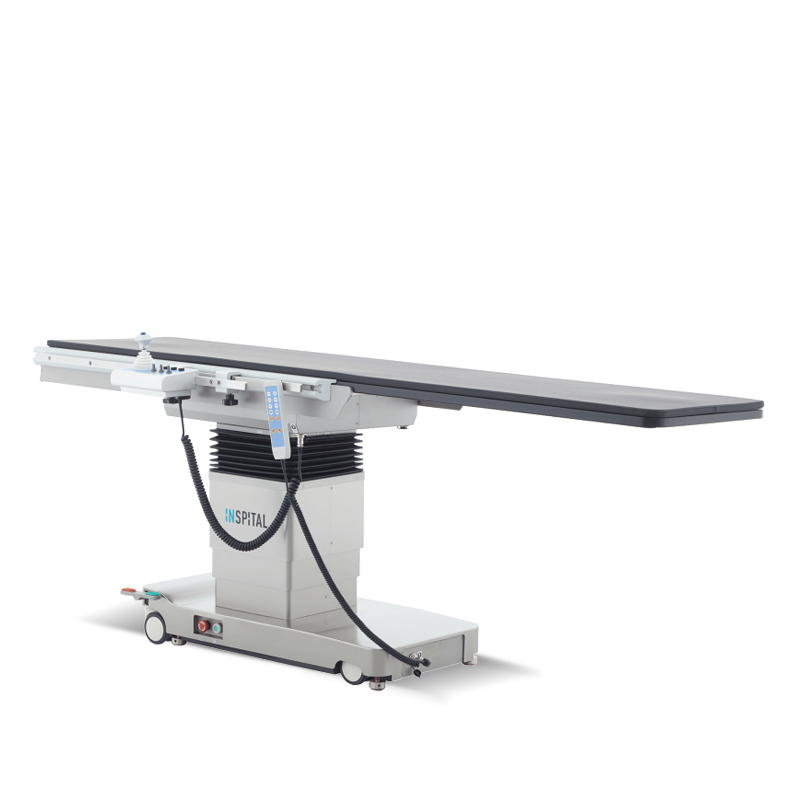
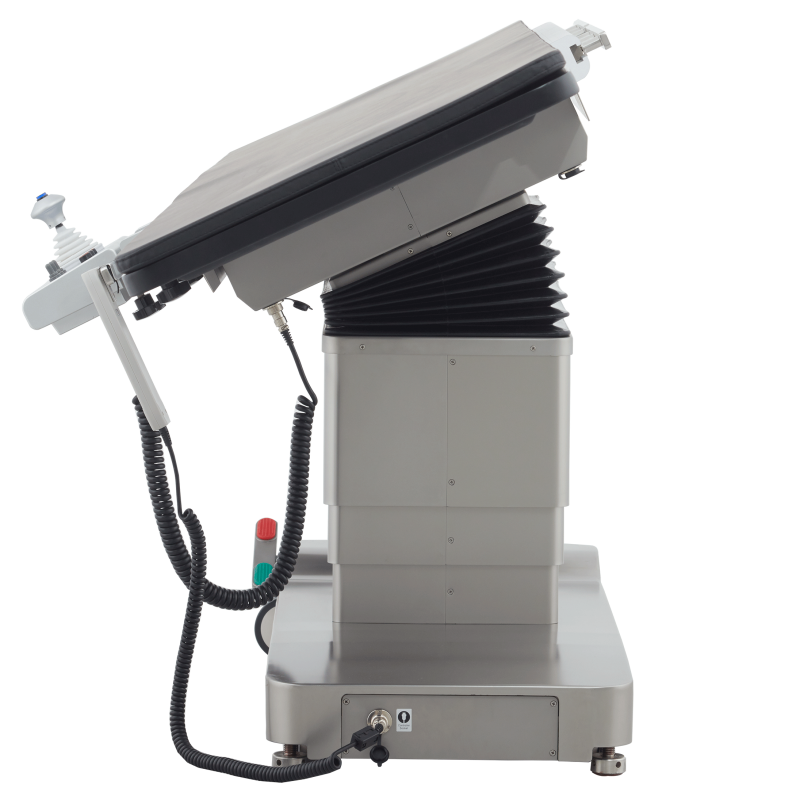
Mobile Carbon Fiber Operating Table for Imaging Procedures C-Arm Imaging Table OT80.30
Prices visible to registered customers onlyCurrent News
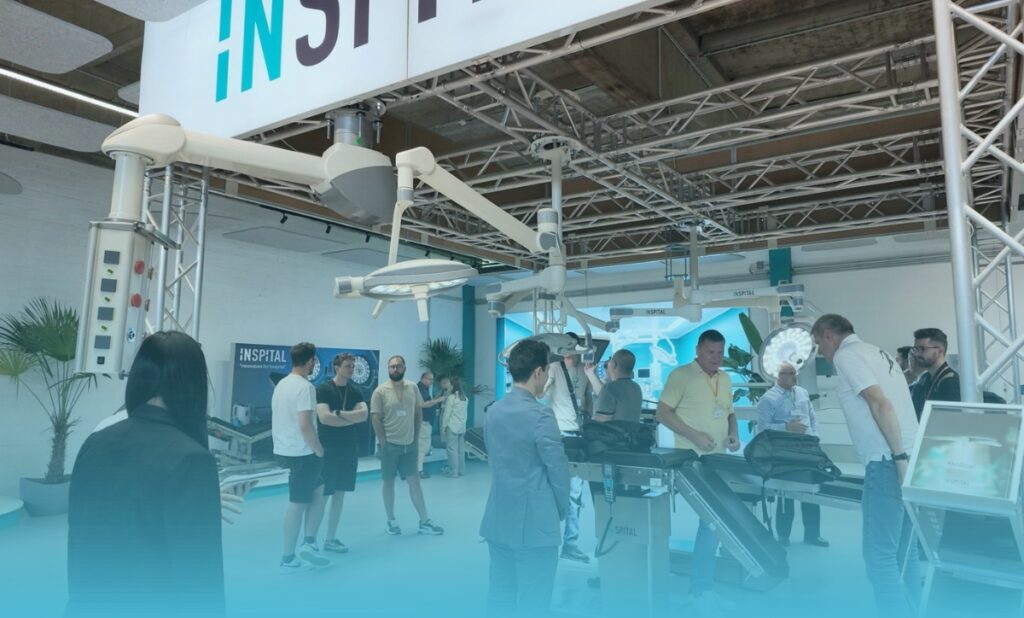
- Current News, Hospital Management, Inspital Medical Technology

- Current News, Hospital Management, Inspital Medical Technology
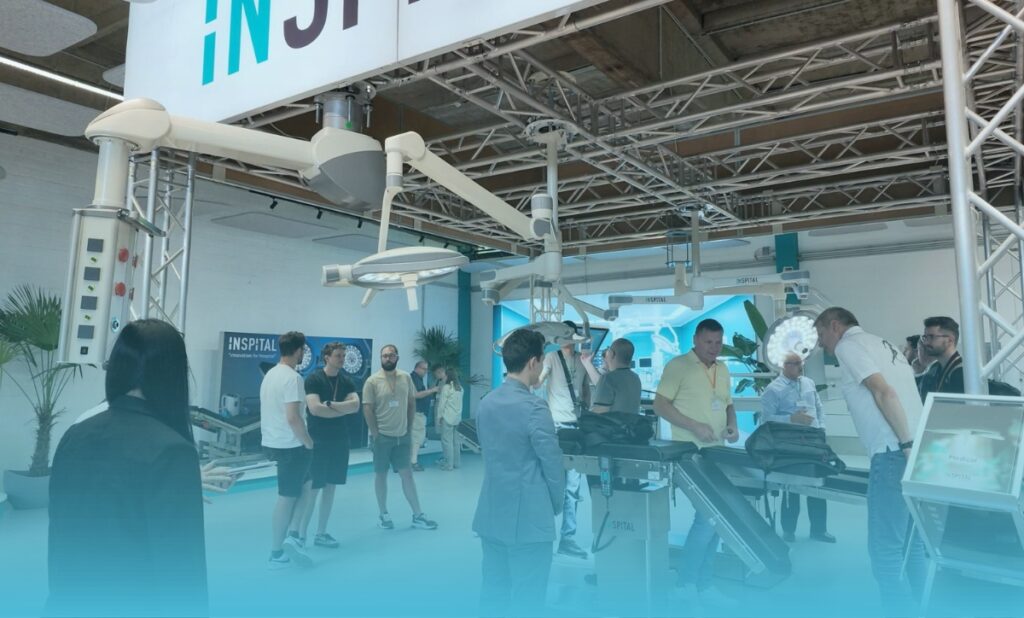
- Current News, Hospital Management, Inspital Medical Technology

News Press
Here you will find current news about trade fairs, congresses, PR and other relevant topics.