


What is special about operating lights above an operating table?
- Current News
Contents
For medical students, clinic planners, and B2B dealers in the medical technology sector, it's worth taking a closer look at how these systems work, why they are so complex, and what factors are truly critical for acquisition and operation. Unlike standard lighting solutions, surgical lights must be extremely reliable, ergonomic, and flexible. They provide the foundation for surgical precision by uniformly illuminating the operating field, minimizing shadows, accurately representing tissue, and simultaneously reducing the strain on the surgical team.
Anyone who believes light is only a "minor factor" underestimates its impact: even the smallest deviations in intensity, color, or shading can decisively influence vision and thus patient safety. Surgical lights are therefore an integral part of modern OR planning. Companies like Inspital GmbH develop systems that meet all these requirements. It is not just about brightness, but about complex technology that intelligently combines light field, color temperature, depth illumination, and digital integration. For students, this is a fascinating example of how technology and medicine intertwine. For B2B buyers, it becomes clear that selecting the right surgical light is not just a matter of cost, but a strategic decision that significantly influences efficiency, hygiene, and future-proofing in the OR.
Surgical Lights: Precision Begins with Light
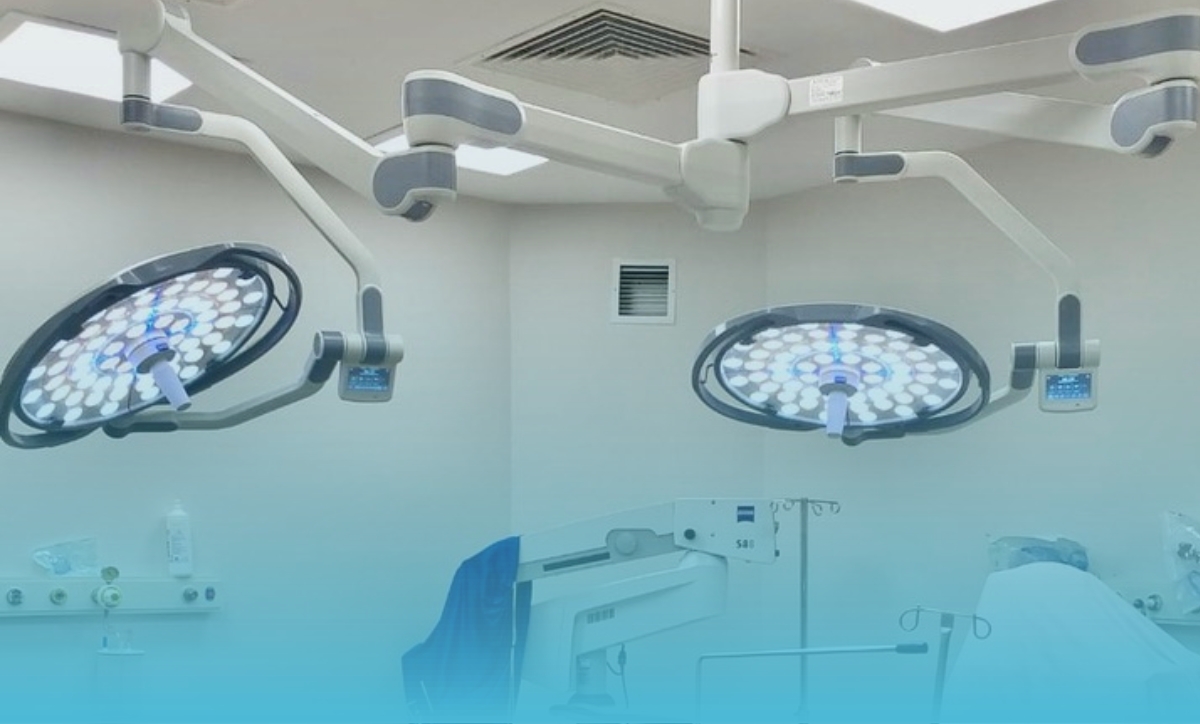
The central goal of a surgical light can be put in a nutshell: maximum visibility with minimal interference. Simple at first glance, yet the implementation is technologically highly demanding. During a surgical procedure, the light must master several challenges simultaneously: it must be homogeneous and low-shadow, provide natural color rendering, and remain constant regardless of the angle from which the surgeon views the field. At the same time, it must neither glare nor generate heat that could disturb the surgical team or the tissue. The lighting technology works with several modules arranged to complement each other and practically eliminate shadows. This so-called shadow compensation ensures that hands, instruments, or other obstacles do not interrupt the flow of light. Simultaneously, high light intensity and variable color temperature allow the surgeon to reliably recognize even subtle differences in tissue and blood without straining the eyes. An often underestimated factor is depth illumination: in deep surgical fields, light from above is not enough to make all structures visible.
Modern surgical lights therefore feature focusable light fields that can be flexibly adjusted to different procedure depths without the staff having to constantly readjust. For B2B partners, this shows: the technology determines efficiency, ease of use, and patient safety alike. Manufacturers like Inspital GmbH place great importance on ensuring their systems are intuitive to operate in practice while meeting the highest standards. For medical students, this is an educational example of how technical innovation flows directly into surgical practice and supports surgeons in achieving peak performance without compromising on safety.
Surgical Lights: Shadow-Free Performance - More Than Just Brightness
Shadow-free performance is one of the central quality features of modern surgical lights. With conventional light sources, distracting shadows quickly arise when hands, instruments, or heads interrupt the light beam—a problem that can be not only annoying but potentially dangerous in the OR. High-quality surgical lights therefore work with multiple LED modules that shine onto the surgical field from different angles. This arrangement ensures that shadows are automatically compensated for, so the entire field remains evenly illuminated, even during complex, long procedures. Surgeons can concentrate fully on their work without having to constantly correct the light position. In addition to pure brightness, color fidelity also plays a decisive role. A high color rendering index (CRI > 95) ensures that tissue, blood, and organs are represented naturally, while the adjustable color temperature ensures that light intensity and hue are optimally matched to the needs of the surgical team. This not only reduces visual fatigue but also supports the precise differentiation between different tissue structures.
Another aspect that is often overlooked is ergonomics: surgical lights must be intuitive and flexible to position, with sterile handles and easy handling to avoid interrupting the OR workflow. Modern systems also offer programmable lighting scenarios that the surgical team can configure individually depending on the procedure. For hospital planners and B2B dealers, this means: investments in high-quality systems pay off in the long term, as they increase both efficiency and patient safety. Manufacturers like Inspital GmbH combine these technical features with innovative design and high user-friendliness to develop surgical lights that meet both the requirements of surgeons and the strategic requirements of the hospital.
Surgical Lights: Color Temperature and Color Rendering
For surgeons, it is essential to recognize tissue exactly. In this regard, the brightness of the light alone is not enough—it primarily depends on color fidelity and adjustable color temperature. Modern surgical lights make it possible to vary the color temperature, typically between 3,500 and 5,500 Kelvin. This is crucial because different procedures and different tissue types require different lighting conditions to achieve optimal visual differentiation. A high color rendering index (CRI > 95) also ensures that colors are represented naturally. This means that blood, organs, and tissue are visible in their actual color—a decisive advantage for the precision of surgical interventions. Especially during lengthy operations, this is not only important for patient safety but also reduces the visual fatigue of the surgical team, which improves concentration and error-free performance. Color rendering and color temperature are closely linked: an incorrectly set hue can make it difficult to distinguish critical structures even with optimal brightness. At the same time, high-quality systems offer the possibility to flexibly program light intensity and color temperature and adapt them to the individual needs of the surgeons. For hospitals and B2B partners, this means that choosing the right light is not just a question of brightness, but a strategic investment in efficiency, safety, and ergonomics.
Companies like Inspital GmbH have recognized that surgeons in different specialist disciplines have different lighting requirements. Therefore, systems are developed that are not only extremely powerful but also flexible and intuitive to operate. For medical students, this illustrates how technical nuances can directly influence surgical success. For buyers, it shows that a well-thought-out lighting system is much more than standard equipment: it is an integral part of the surgical environment that supports precision, safety, and efficiency alike.
Depth Illumination: Clarity in the Deep
In deep surgical fields, such as those found in visceral surgery, orthopedics, or cardiac surgery, it is not enough to illuminate the surface of the surgical field. This is where depth illumination comes into play—a crucial aspect of modern surgical lights. High-quality systems feature focusable light fields that can be precisely adjusted to different procedure depths. This ensures that even deep-seated structures remain clearly visible without the surgical team having to constantly readjust manually. Uniform light distribution is particularly important here: it prevents uneven brightness, which makes perception difficult and strains the surgeon's eyes. For medical students, depth illumination is a fascinating example of how physics, lighting technology, and medicine intertwine. For B2B dealers, it shows that the construction and design of surgical lights must be geared not only toward technical standards but also toward practical requirements. Manufacturers like Inspital GmbH therefore rely on modules that dynamically adjust the light field and intensity to support even the most demanding procedures. Investing in such systems pays off in the long term, as they increase efficiency in the OR as well as the safety and satisfaction of the surgeon. Depth illumination is thus not just a technical specification, but an integral part of the quality of an entire OR setup.
Heat Generation: An Underestimated Factor
An often underestimated problem with earlier surgical lights was heat generation, especially with halogen lamps. These not only generated large amounts of heat that affected the surgical team but also carried the risk of tissue drying out or sterility being compromised. Modern LED surgical lights solve this problem almost completely: they generate significantly less heat radiation, making operating conditions more pleasant and safer. This is particularly relevant during long procedures, as the working conditions for surgeons and assisting staff are crucial for concentration and precision. At the same time, the risk of tissue problems is reduced, which increases patient safety. LEDs also have a longer lifespan and offer consistent light quality over many thousands of operating hours, which minimizes maintenance costs and provides investment security. For B2B dealers and hospital operators, low heat generation is a clear advantage: it reduces costs for air conditioning, increases comfort in the OR, and contributes to a longer lifespan for the lights. Companies like Inspital GmbH combine energy-efficient LEDs with intelligent design that optimally connects heat dissipation and ergonomic positioning. For medical students, it becomes visible here how seemingly inconspicuous factors like heat can have direct effects on surgical outcomes and daily work in the OR. In summary: less heat means more safety, more comfort, and higher efficiency—a point that is often overlooked but is crucial.
Surgical Lights: Integration into the Digital OR
Modern surgical lights are no longer isolated devices—they are integral components of a networked, digital operating room. Many systems can be coupled directly with cameras for live documentation or teaching purposes and offer interfaces to OR management systems. This allows light, camera, and central controls to work synchronously, simplifying documentation and making the training of new employees more efficient. Additionally, digital panels allow for the programming of lighting scenarios that can be called up automatically depending on the procedure. For hospitals, this means that light not only supports vision but is actively integrated into the workflow. B2B dealers recognize that this is where the differentiation between standard lights and high-end systems becomes clear: digital integration enables added value through increased efficiency, better documentation, and more flexible application possibilities. Inspital GmbH focuses on solutions here that combine state-of-the-art lighting technology with digital networking without complicating usability. Medical students and hospital staff thus benefit directly from systems that do not just provide light but make the entire surgical process smarter and safer.
Surgical Lights: What B2B Buyers Should Look For
For dealers and buyers in the medical technology sector, selecting a surgical light is much more than a question of light intensity. Certifications and standards, such as IEC 60601, guarantee safety and regulatory compliance. LEDs should have a lifespan of over 50,000 hours to minimize long-term costs. Ease of maintenance, modular construction, and spare parts availability are also decisive factors—especially in large facilities with multiple ORs. At the same time, the light should be scalable to adapt to different OR sizes, specialist disciplines, or future digital expansions. Premium systems also offer features such as programmable lighting scenarios, digital integration, and ergonomic design. Inspital GmbH delivers exactly this combination of technical excellence, practical relevance, and long-term service. For B2B customers, it thus becomes clear: choosing the right surgical light is a strategic decision that decisively influences efficiency, safety, and future viability in the hospital.
Conclusion: Invisible – But Indispensable
Surgical lights are rarely in the spotlight—that is precisely their strength. They create the conditions under which surgical precision is possible in the first place: shadow-free light, natural color rendering, depth illumination, ergonomics, hygiene, and digital networking. For medical students, they are a fascinating example of how technology and medicine intertwine. For B2B partners, they are a strategic product segment where quality, innovation, and service are crucial. Companies like Inspital GmbH show that surgical lights are much more than lamps: they are powerful, well-thought-out systems that significantly influence the safety, efficiency, and future viability of a hospital—invisible, but indispensable.
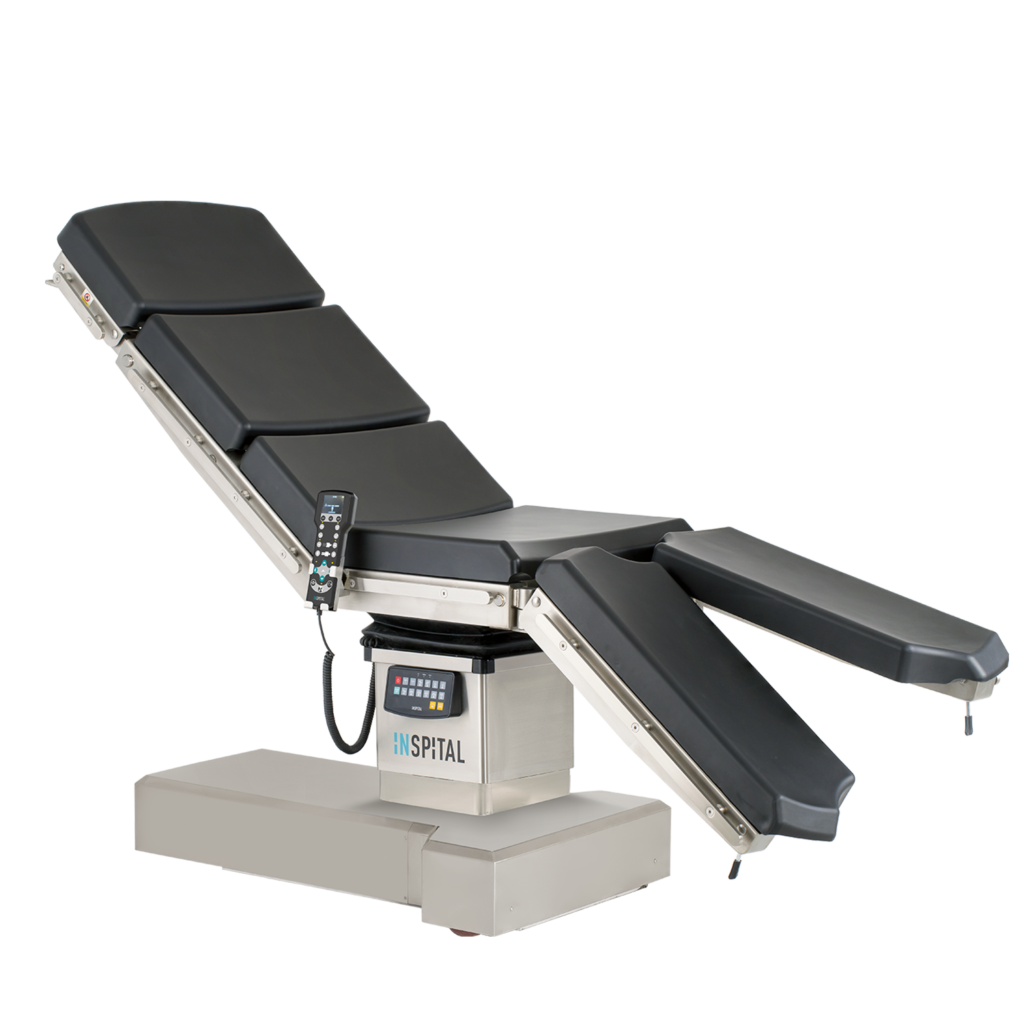
Operating Table OT80.20 NOVUS
Prices visible to registered customers only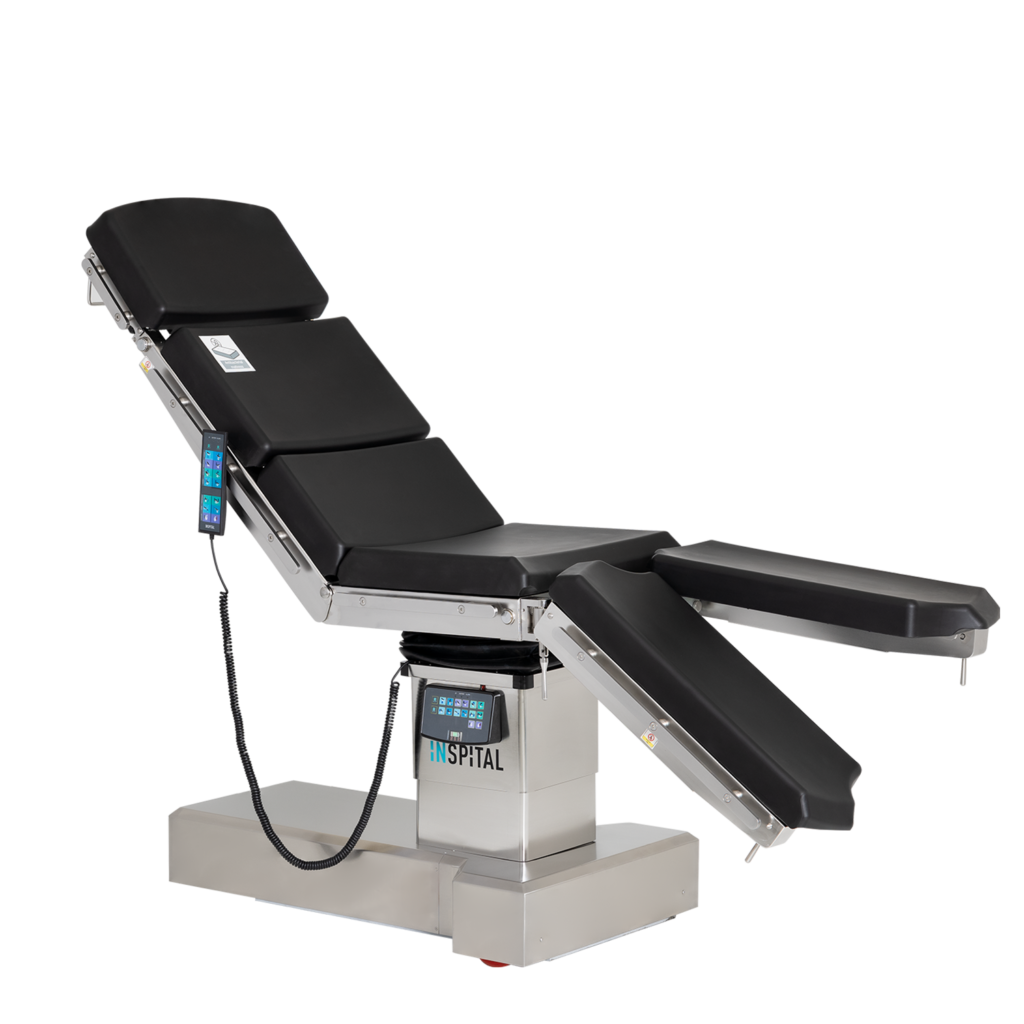
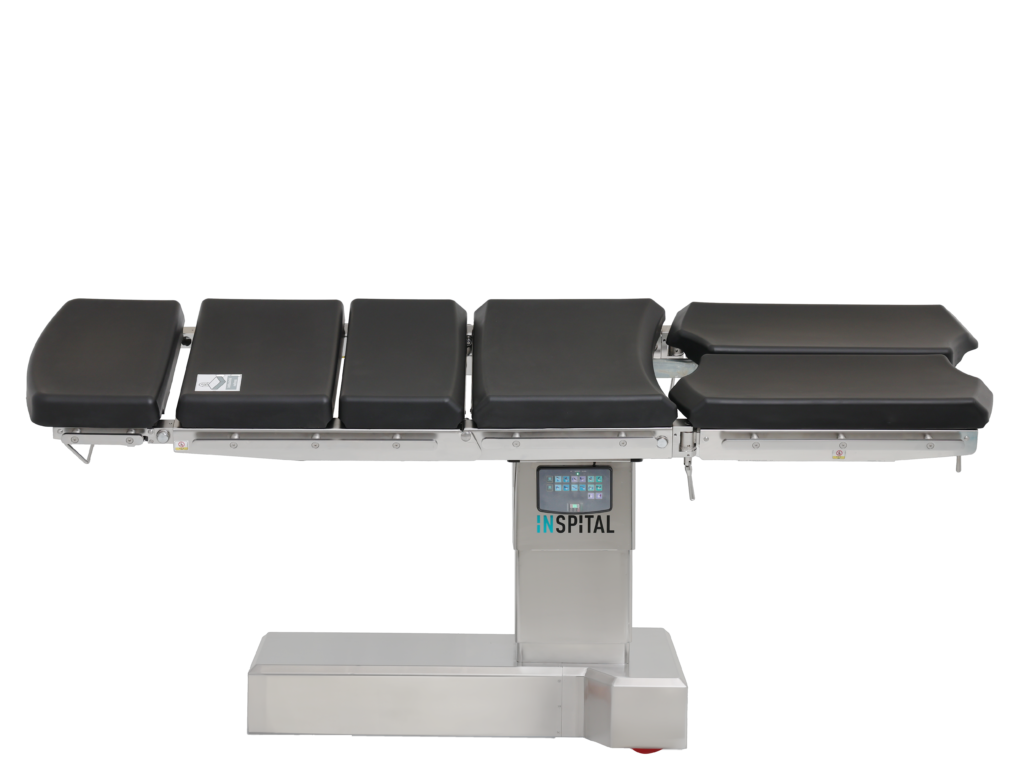
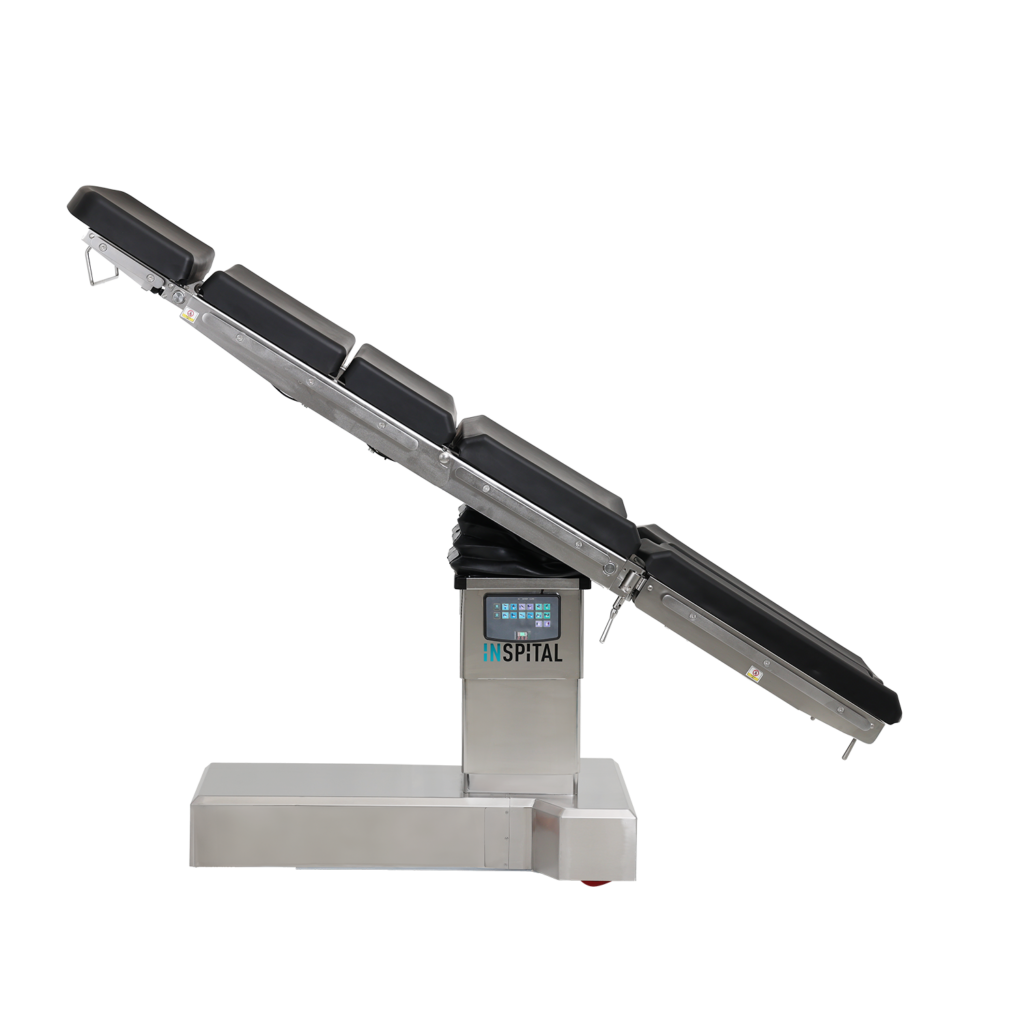
Operating Table OT80.20
Prices visible to registered customers only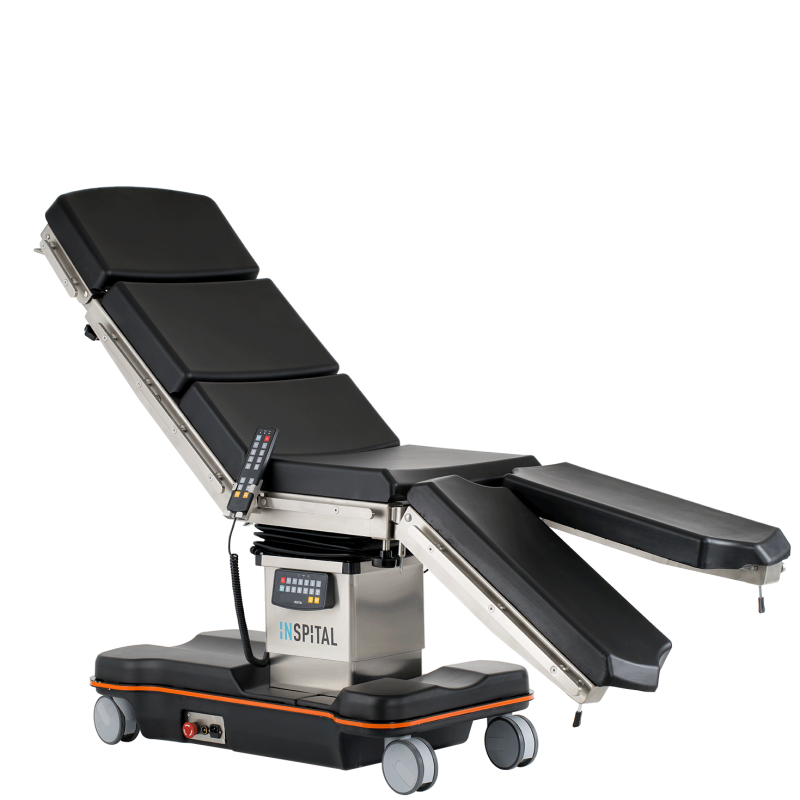
Operating Table OT80.25
Prices visible to registered customers only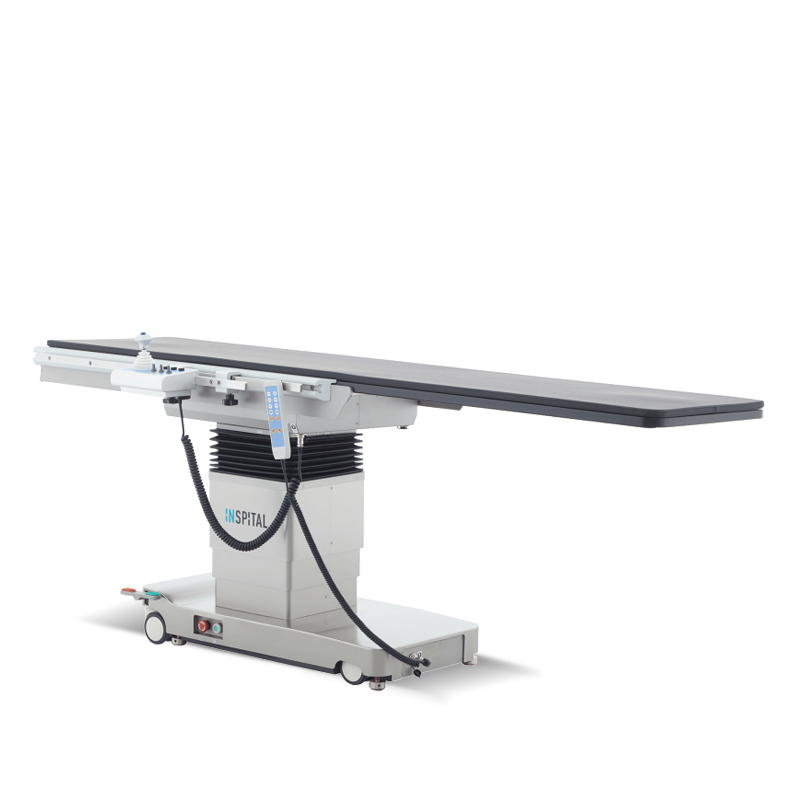
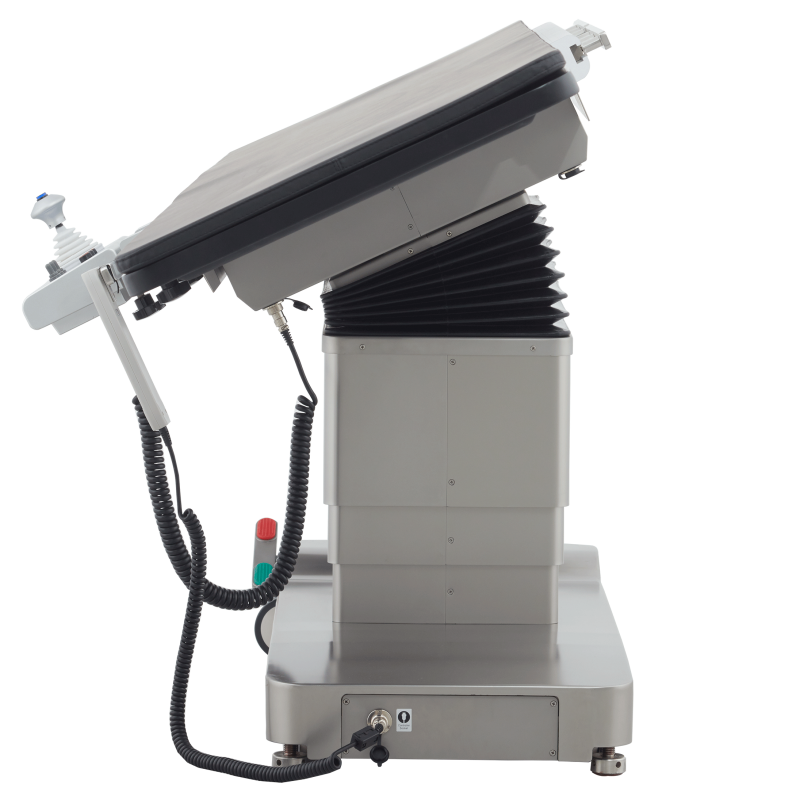
Mobile Carbon Fiber Operating Table for Imaging Procedures C-Arm Imaging Table OT80.30
Prices visible to registered customers onlyCurrent News
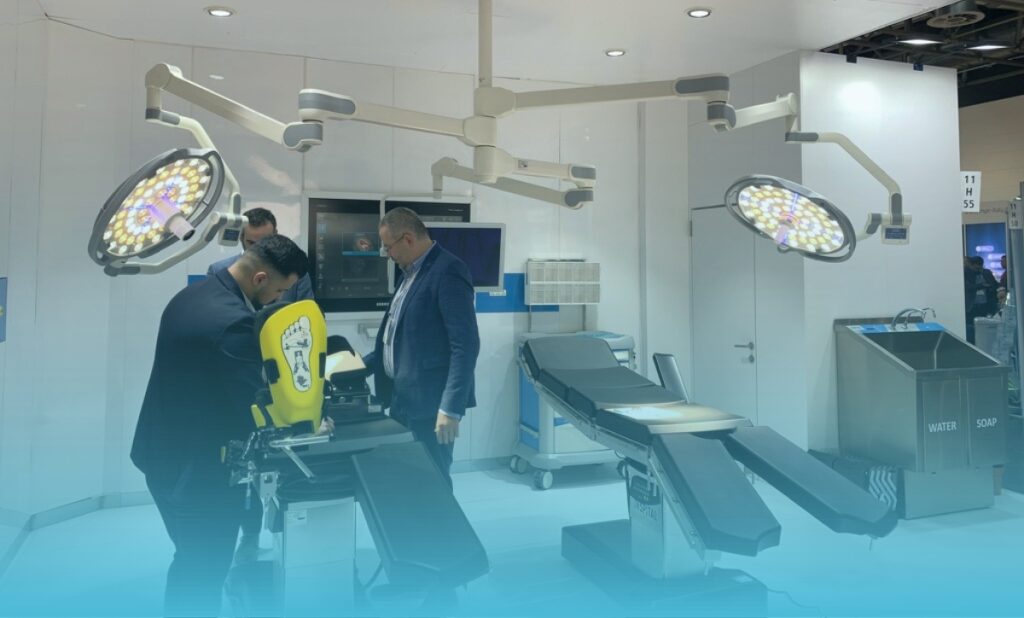
- Current News, Hospital Management, OR Light
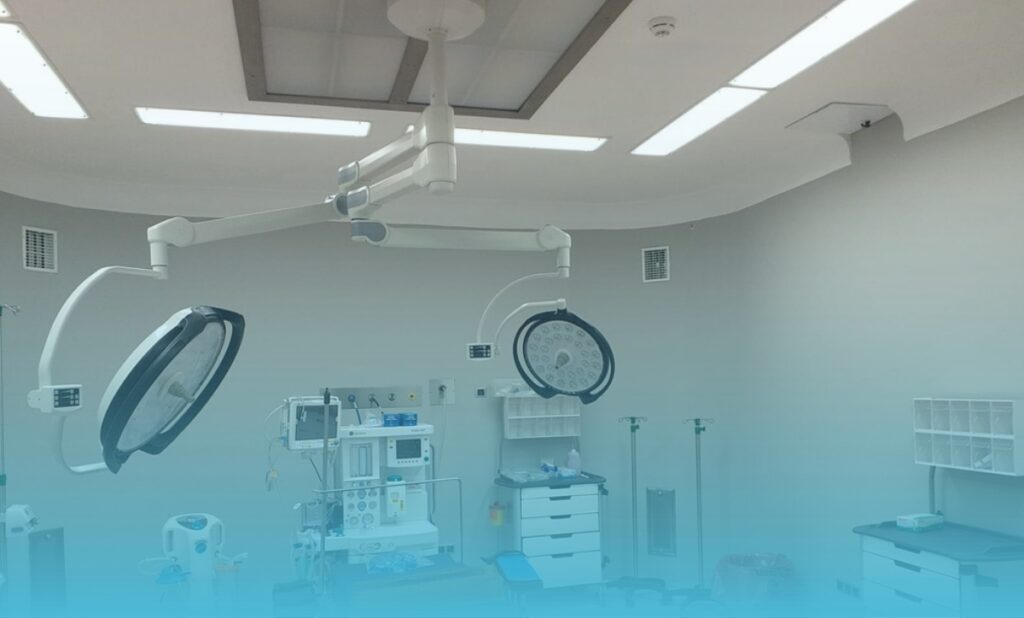
- Current News, Hospital Management, OR Light
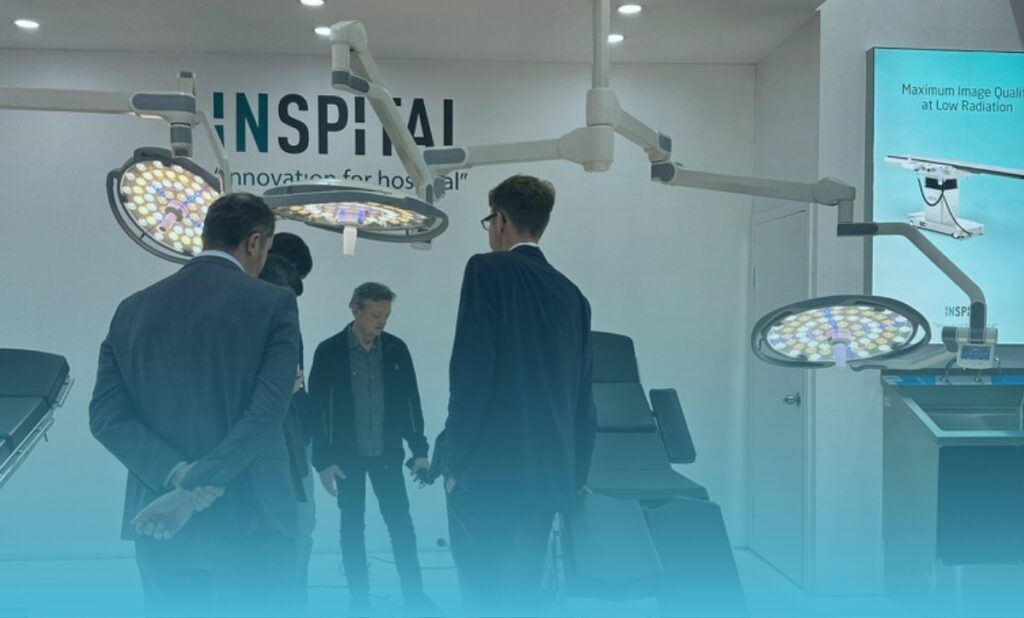
- Current News, Hospital Management, OR Light

News Press
Here you will find current news about trade fairs, congresses, PR and other relevant topics.