The Optimal Design of an Operating Room: Best Practices

Share Article:
The design of an operating room (OR) is a crucial factor for the efficiency and safety of surgical procedures. A well-thought-out OR not only enables smooth medical processes but also contributes to reducing infection risks, improving staff ergonomics, and enhancing patient well-being. Modern medical technology offers numerous possibilities for optimizing an OR, from innovative lighting systems to hygienic materials and digitally networked workstations. In this article, you will learn what to consider when planning and designing an operating room and which best practices improve safety and efficiency.

Contents

Ergonomic Room Design - Maximizing Efficiency and Safety

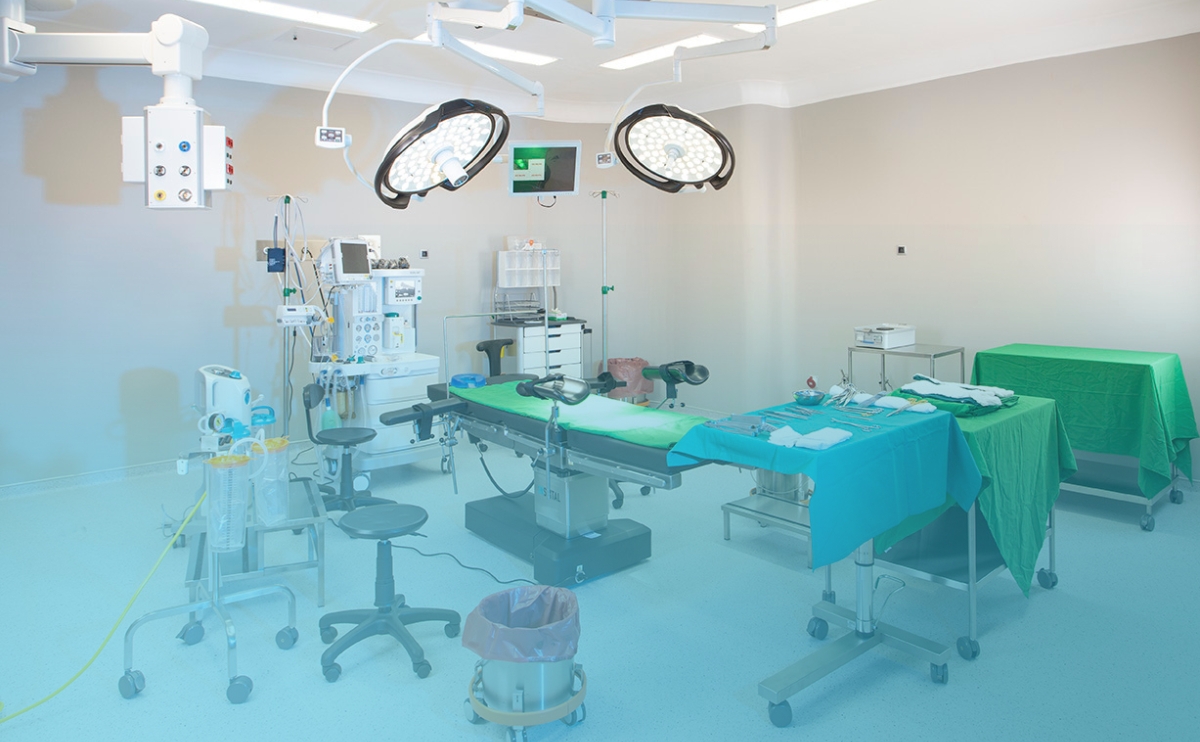
The layout of an operating room plays a central role in the workflow of medical personnel. Every movement must be precise, and unnecessary walking or obstructions caused by poorly placed equipment can not only cost time but also endanger patient safety. An optimal OR should therefore have the following features:

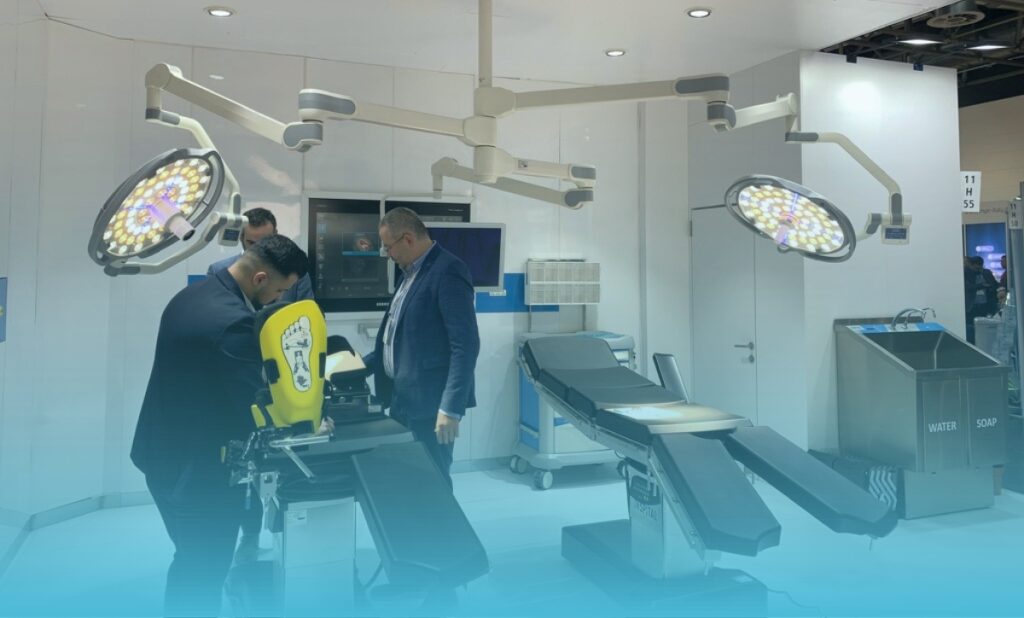
- Central arrangement of operating tables: This allows the OR team to move freely and ensures unhindered access to the patient.

- Clear separation of sterile and non-sterile areas: Adherence to strict hygiene rules begins with a well-thought-out room layout to minimize the risk of contamination.

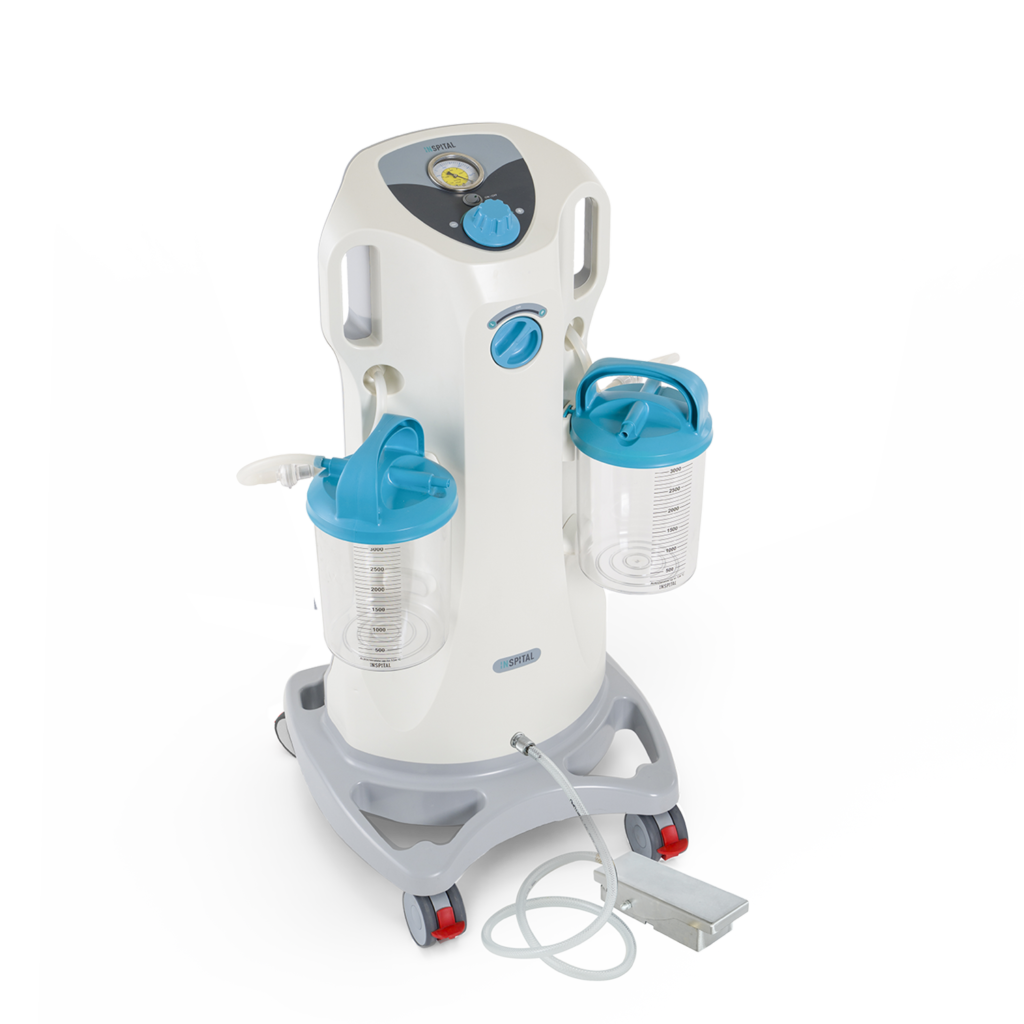
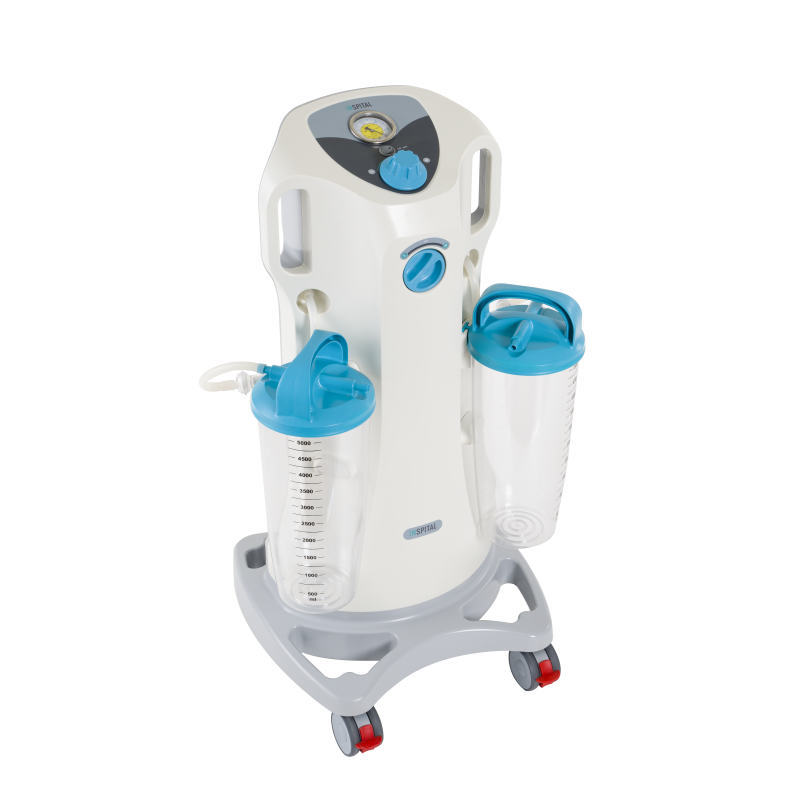
- Optimal placement of medical devices: Cable clutter and cramped work surfaces can be dangerous. The strategic arrangement of OR lights, suction devices, and monitors significantly facilitates workflows.

Modern ORs increasingly rely on modular concepts that allow flexible adaptation to different types of procedures. Adjustable work areas, mobile medical devices, and intelligent storage solutions help to increase efficiency.

Lighting and Ventilation - Creating Optimal Conditions

Excellent lighting is essential for surgical precision. Modern OR lights must meet high requirements:

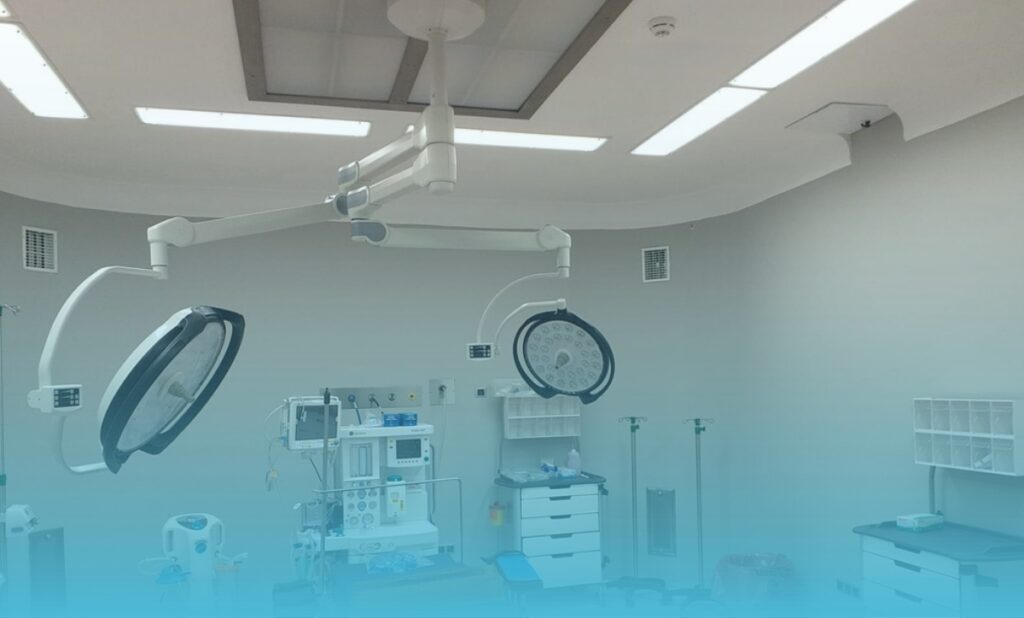
  1. Glare-free, dimmable OR lights: Individually adjustable lighting systems reduce eye strain for the OR team and improve visibility.
  2. Optimal color rendering: High color fidelity is essential to accurately identify fine tissue differences during a procedure.
  3. Integration of camera systems: High-resolution cameras enable precise documentation and live transmission of operations.

In addition to lighting, effective ventilation is important to ensure a low-germ environment. State-of-the-art ventilation systems minimize the number of airborne particles and reduce the risk of infection. ORs are often equipped with so-called laminar flow systems that ensure continuous air circulation and protect sterile areas.

Hygiene Standards and Materials - Minimizing Infection Risks

Hygiene is one of the most important aspects in OR planning. The choice of suitable materials significantly contributes to infection prevention. Best practices include:

  1. Smooth, easy-to-clean floor and wall materials: Antibacterial, seamless surfaces prevent the accumulation of germs and facilitate cleaning.
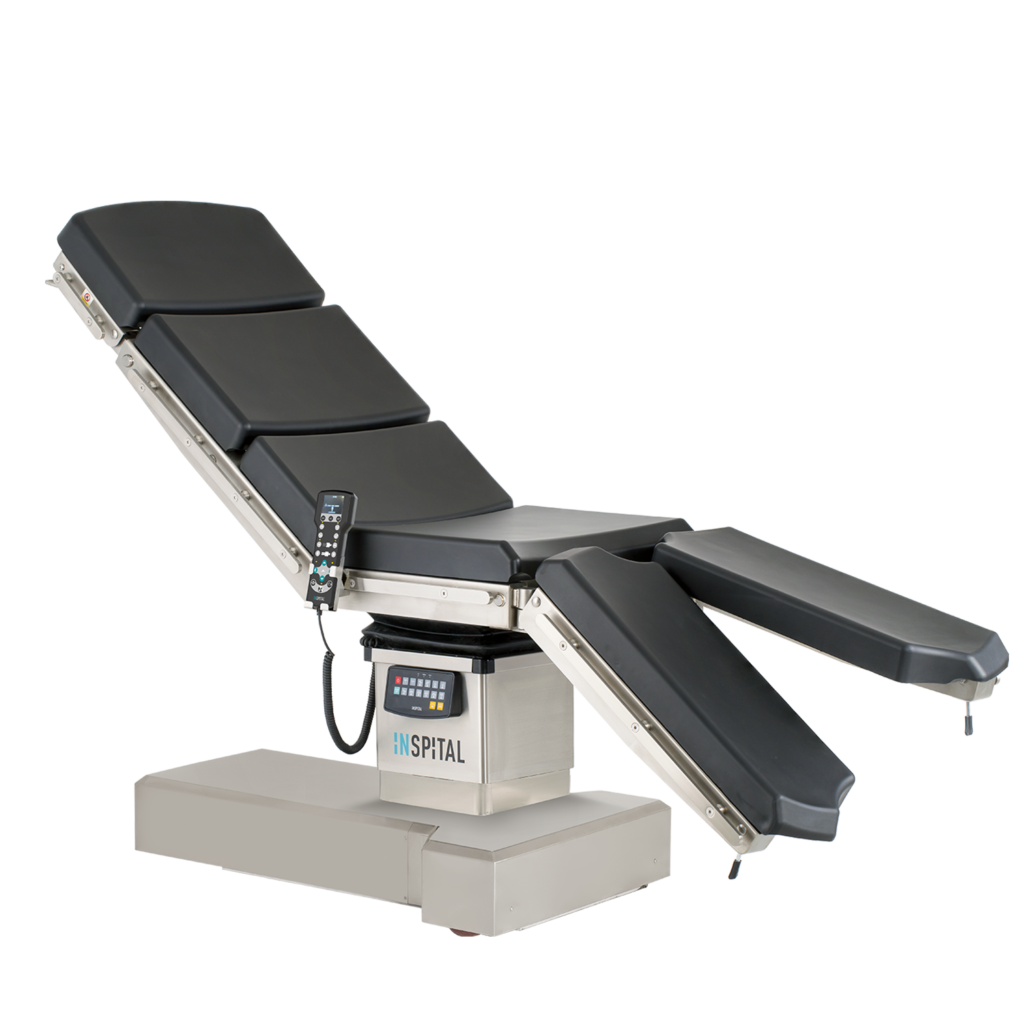
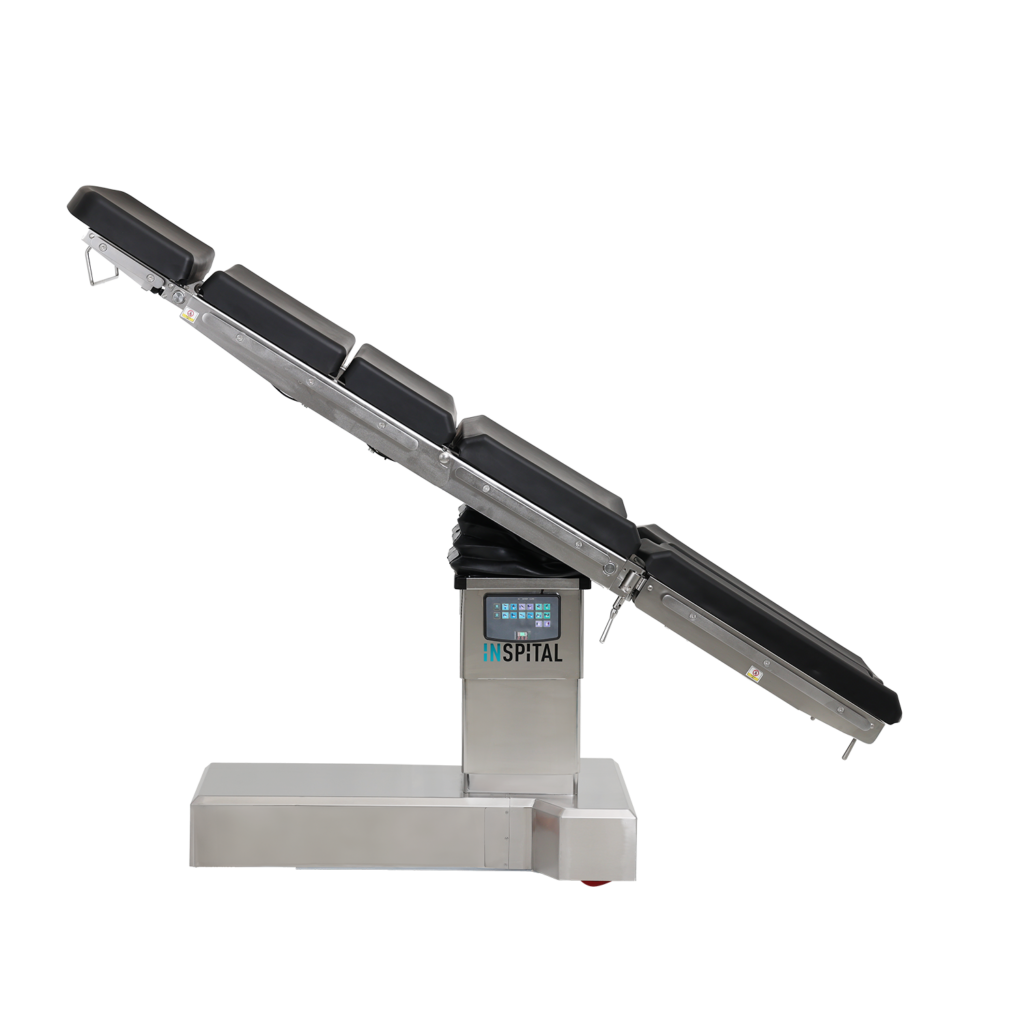
  2. Stainless steel furniture: Stainless steel is robust, durable, and particularly hygienic - ideal for operating tables, instrument carts, and cabinets.
  3. Touchless control systems: Automatic doors, voice-controlled OR technology, and sensor-controlled faucets reduce the risk of germ transmission.

Regular training of OR staff in hygienic best practices is just as essential as a well-thought-out cleaning concept that is consistently implemented after each procedure.

Technological Integration - Digitalization in the OR

Digitalization is revolutionizing the modern OR. Technological innovations contribute to improving patient safety and efficiency. The most important developments include:

  • Integration of OR management systems: Digital systems optimize the planning and coordination of procedures, reduce waiting times, and improve resource utilization.
  • Data networking with hospital systems: Through seamless connection to patient records and imaging systems, the OR team has access to relevant information at all times.
  • Modern imaging techniques: High-resolution endoscopy, 3D visualization, and intraoperative navigation enable more precise procedures and reduce risks for the patient.

The implementation of intelligent technologies not only contributes to better control over OR processes but also facilitates the documentation and tracking of medical procedures.

Conclusion: on the Optimal Design of an Operating Room

The optimal design of an operating room requires a combination of ergonomics, hygiene, modern technology, and well-thought-out space planning. An efficient, safe environment not only enhances the work quality of medical staff but also minimizes risks for patients.

Would you like to modernize your operating room or are you planning to build a new surgical area? Inspital Medical Technology supports you with innovative solutions that meet the highest standards. Contact us now for personalized advice and learn how you can maximize the efficiency and safety of your surgical procedures with our high-quality OR equipment!

Current News

Academy

Here, everything revolves around knowledge and continuing education.

News Press

Here you will find current news about trade fairs, congresses, PR and other relevant topics.