The Importance of Ergonomics in Operating Table Design

Share Article:
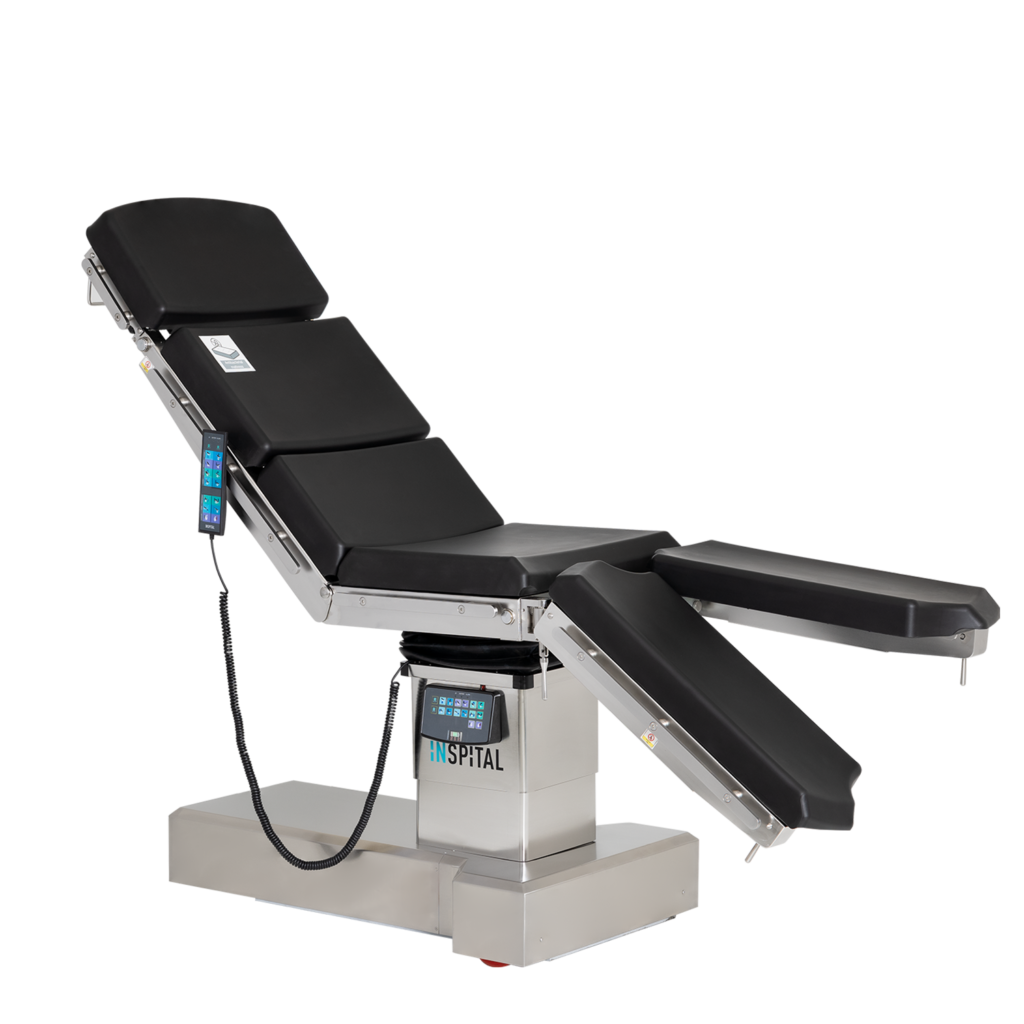
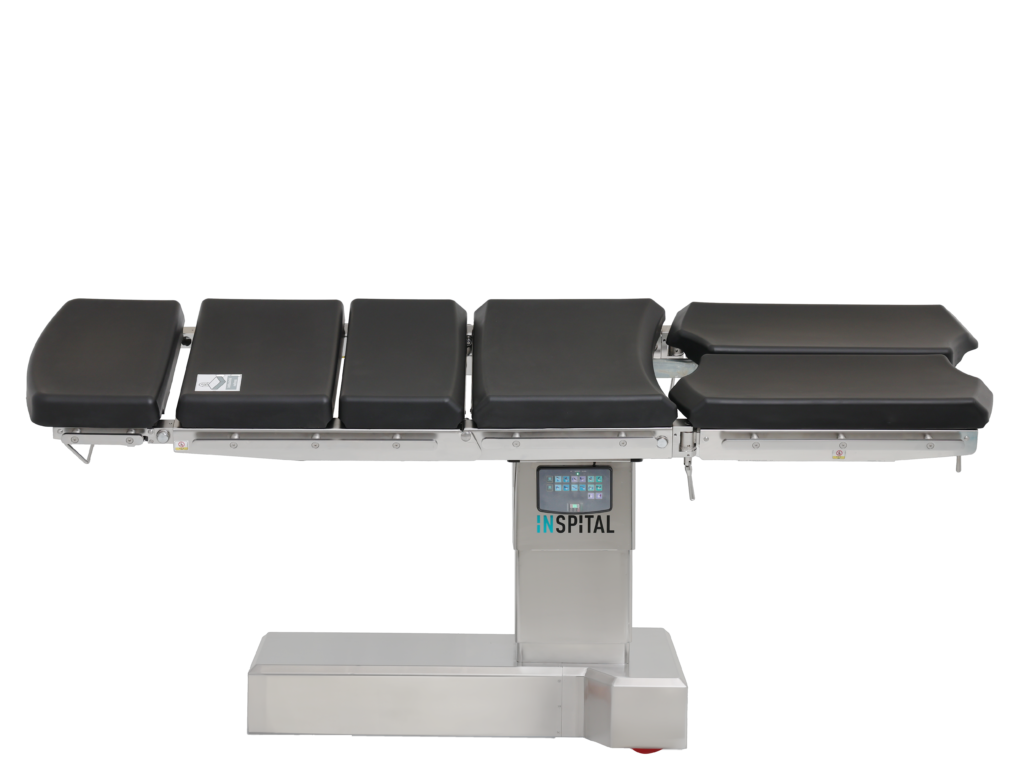
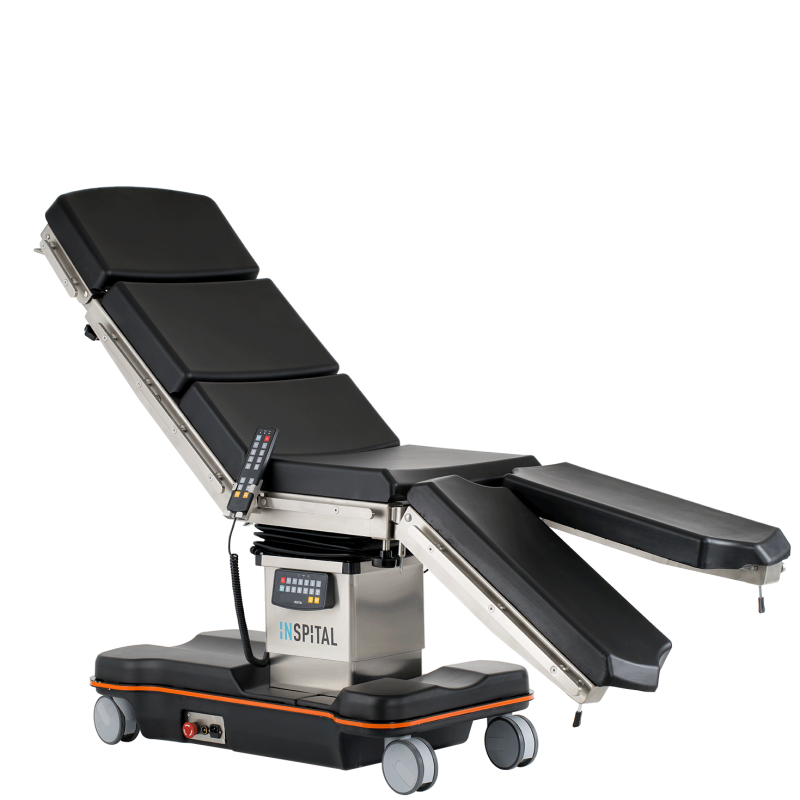
Ergonomics plays a central role in the design of operating tables. It ensures optimal support for both surgeons and patients during surgery. Through flexible and adaptable designs, physical strain is reduced, precision is increased, and safety is improved, leading to better outcomes and faster recovery.

Contents

Understanding the Ergonomics of Operating Tables

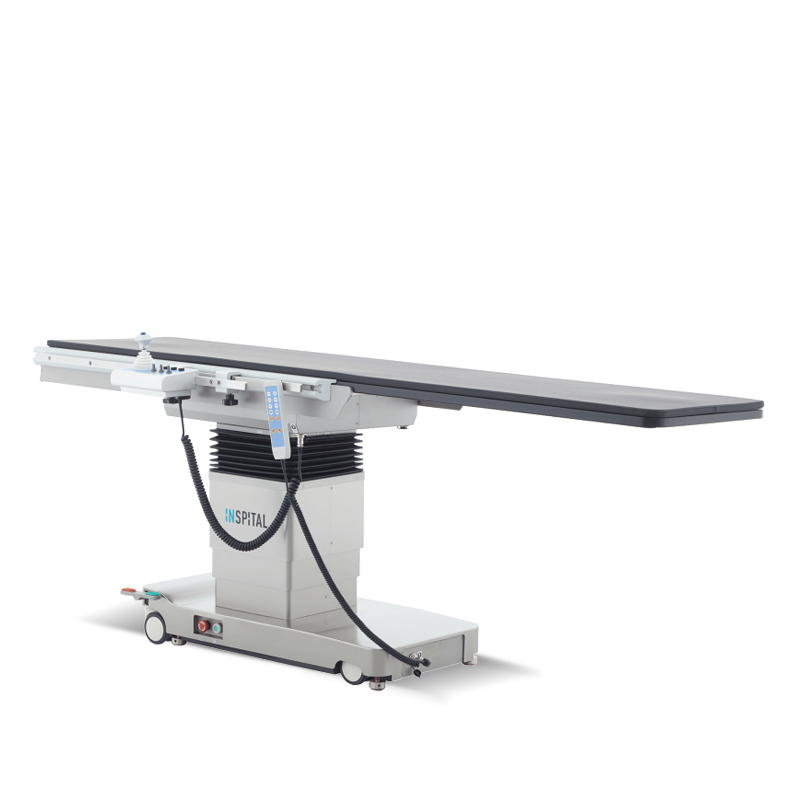
Ergonomics plays a crucial role in the design of operating tables. Well-designed tables reduce strain on surgeons, leading to better concentration and fewer errors during procedures. They also adapt to patients' needs, ensuring safety and comfort throughout the entire operation. An ergonomic table offers flexibility in positioning, which is crucial for surgical precision and success. As operations can vary greatly, versatile designs help medical teams quickly adjust setups. This not only leads to improved outcomes but also shortens recovery times by minimizing discomfort for patients during surgery.

Understanding the Ergonomics of Operating Tables

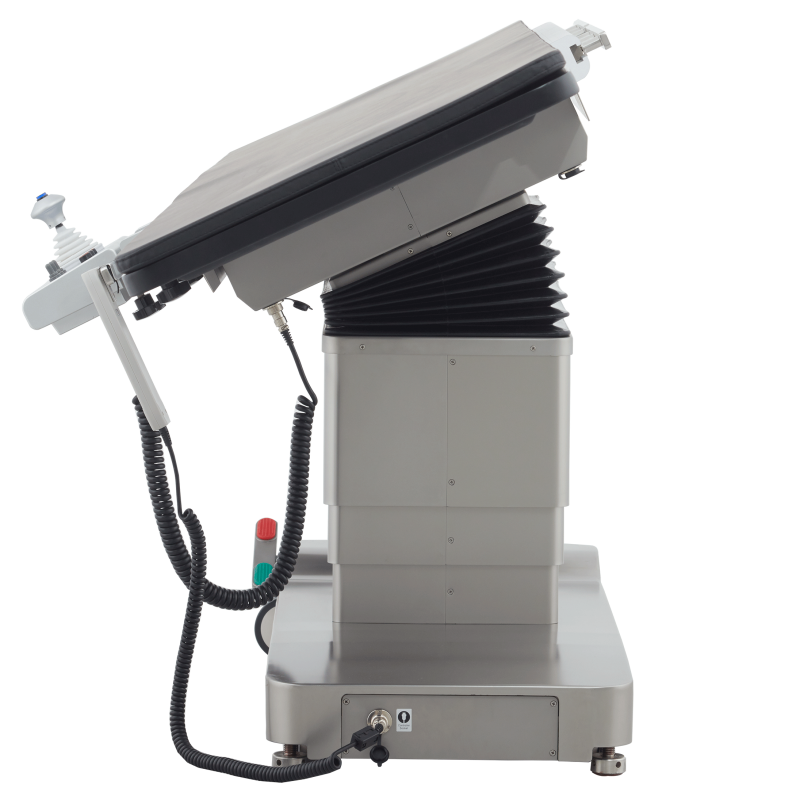
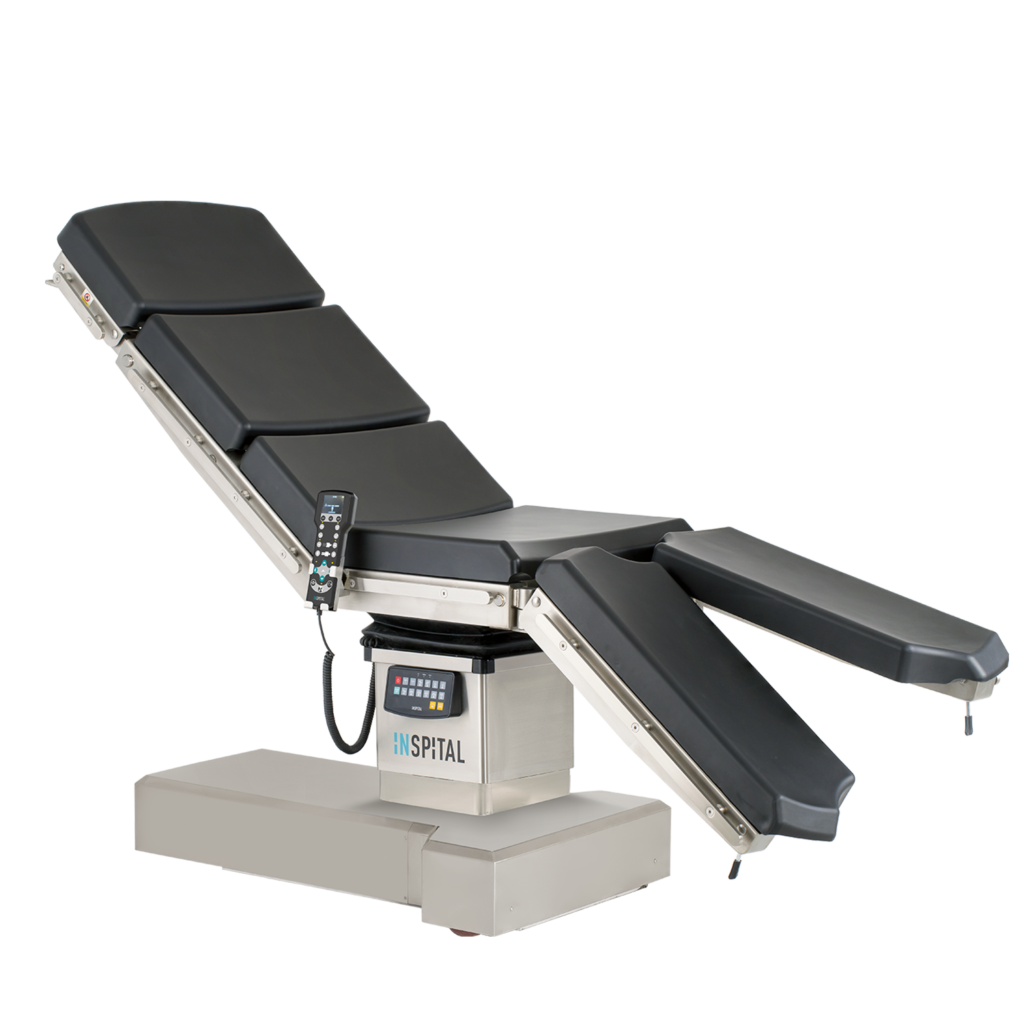
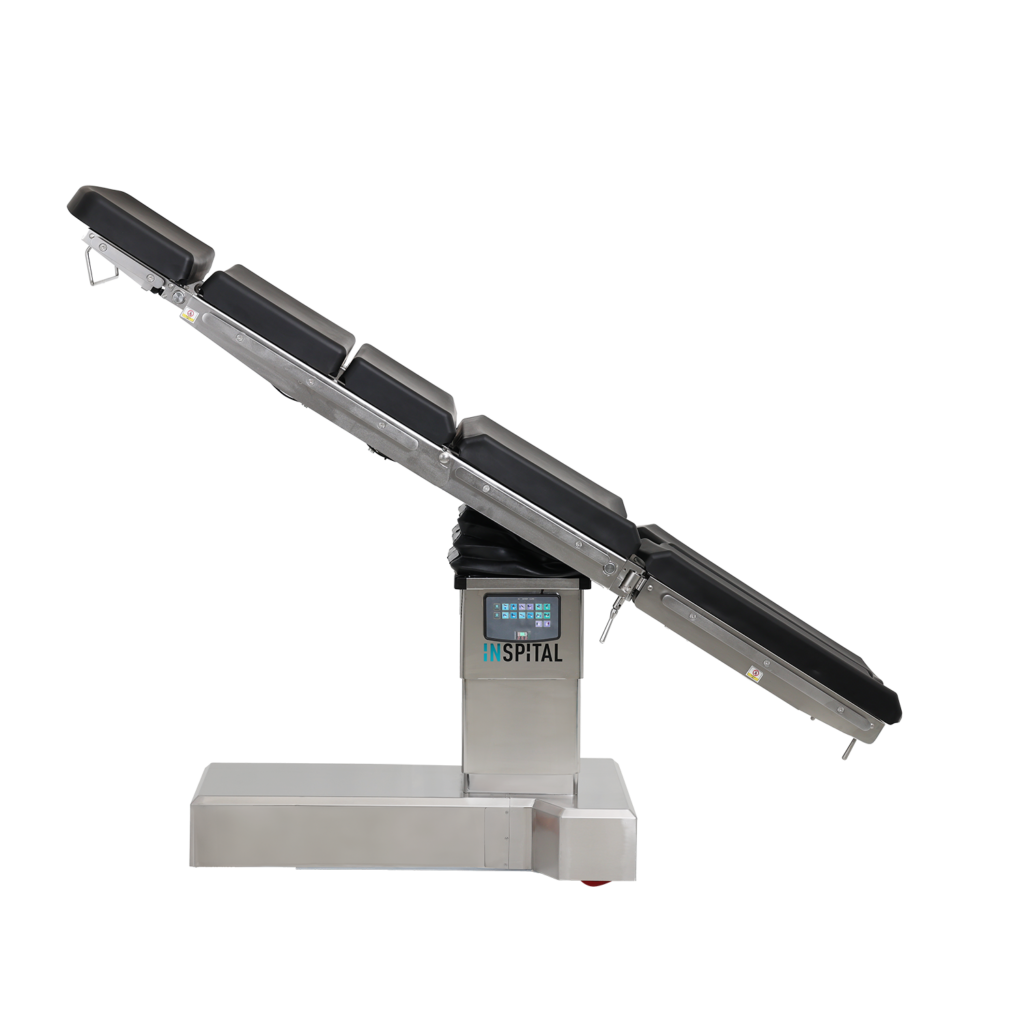
The ergonomic design of operating tables is crucial for both the patient and the medical team. It ensures that a person can lie stably, allowing doctors clear access to the areas they need to work on. The tables adapt to different tasks by easily moving up or down; tilt functions support drainage or exposure during surgery. These features help prevent injuries such as pressure sores in patients due to prolonged immobility. For staff, the correct table height protects against back pain or poor posture - common problems from hours of bent standing during operations. Good ergonomics is essential - it ensures the safety of all involved and supports quick recovery times after completed surgeries.

Maximizing Comfort and Efficiency for Surgeons

Surgeons need equipment that facilitates their work. A properly adjusted table allows them to focus on their tasks with less strain on their bodies during long operations. Studies have shown that using three-dimensional imaging improves accuracy in tasks such as laparoscopic surgery compared to two-dimensional views. With well-placed images, surgeons achieve better results and feel less exhausted after hours of surgery. Efficient camera control is also crucial; sometimes robotic systems outperform human control, reducing errors over time as skills improve. Good design reduces surgeons' muscular effort in both hands and arms when using tools or performing procedures inside the patient without opening large areas.

Increasing Patient Safety During Procedures

Improving patient safety depends on intelligent design. Operating tables must be designed to achieve this goal. There is evidence that when a table meets the operator's needs, risks such as falls or errors drastically decrease. In surgical procedures, every movement counts; therefore, comfort and user-friendliness for those working over long hours are of great importance - they keep their concentration sharp and their hands steady. Researchers emphasize that reducing harm in healthcare is not just a matter of skills, but also depends on how we design our tools - adapting them to better and more safely integrate into our daily tasks, both for staff and patients.

Adapting to Different Surgical Specialties

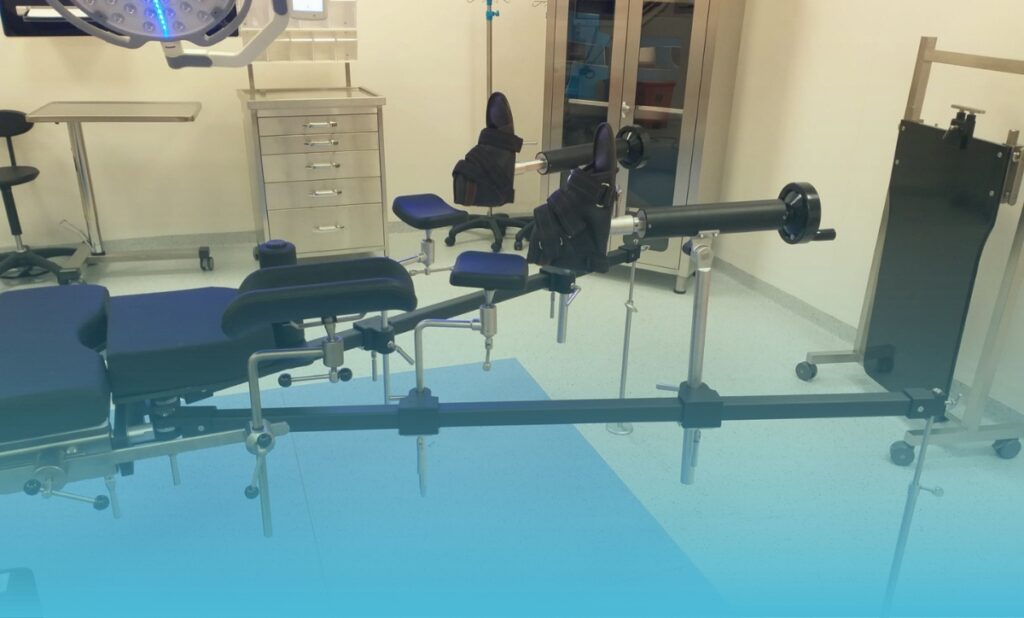
Operating tables must be able to adapt to various surgical specialties, as shown by a recent study on ergonomics in the operating room. This research highlighted musculoskeletal disorders and the posture of healthcare providers during surgical procedures - factors strongly influenced by the design of operating surfaces. It was found that over half of the participants regularly bent their backs more than ten degrees and tilted their heads more than fifteen degrees, indicating a potential for strain injuries.

The survey included various professional groups such as doctors and surgical technicians with different body sizes and departmental affiliations. This emphasized the diverse requirements for ergonomic designs to enable the best possible posture for everyone without causing harm or discomfort during surgical procedures.

The Integration of Flexibility for Modern Medicine

Modern medicine demands flexibility in its instruments and facilities. Operating tables must now be able to move effortlessly to adapt to patient needs and different working styles of doctors. They can tilt, rise, or lower to ensure clear access during surgery, all with a simple touch. This adaptability means less time for setup; thus, the focus is more on actual patient care rather than just on correctly setting up the equipment. Tables that can change shape also benefit patients as they fit them better than old, rigid tables ever could. A well-thought-out design reduces risks such as pressure ulcers from long, motionless lying, which can be life-saving in itself. This thoughtful evolution shapes how we heal and saves lives through smarter services.

The Reduction of Strain Through Adjustable Functions

Adjustable functions on operating tables ease the strain for surgeons. They allow work near a neutral posture, which is crucial for reducing musculoskeletal injuries (MSK) that frequently occur during orthopedic procedures. These MSK problems often force work absences or end careers prematurely; therefore, implementing ergonomic solutions is critical. According to the Canadian Center for Occupational Health and Safety (CCOHS), the correct table height reduces back strain, minimizes neck bending, and limits overreaching. Precise tasks require tables at elbow height plus 5 cm; slightly lower heights are suitable for lighter work. Such adjustments reflect best practices in the industry that help reduce the risk of back injuries for workers in various fields.

The Promotion of Long-term Health of Operating Room Staff

The ergonomic design of operating tables plays a crucial role in the health of medical staff. Over an extended period, prolonged phases of standing and bending over patients can lead to back pain or even more serious musculoskeletal disorders in surgeons and nurses. By adjusting the table height to their bodies, they can maintain correct posture without overexertion. Moreover, easily accessible controls allow for quick adjustments during surgical procedures, reducing physical strain. The tables are tailored to various procedures to prevent medical staff from remaining in uncomfortable positions for extended periods. This minimizes the risk of injury and improves concentration on the quality of patient care. Healthier staff leads to fewer sick days and improved team performance. Proper ergonomics in operating table design is crucial. It ensures patient comfort and allows surgeons to work effectively, reducing strain during long operations. Inspital focuses on these elements to improve safety and performance in medical environments. Their tables are easily adjustable and tailored to various procedures, promoting the well-being of healthcare teams. This is evidence that design in modern healthcare facilities can have a significant impact on outcomes for both patients and practitioners.

Current News

Academy

Here, everything revolves around knowledge and continuing education.

News Press

Here you will find current news about trade fairs, congresses, PR and other relevant topics.