The Importance of Adjustable Lighting Intensity in Surgery

Share Article:
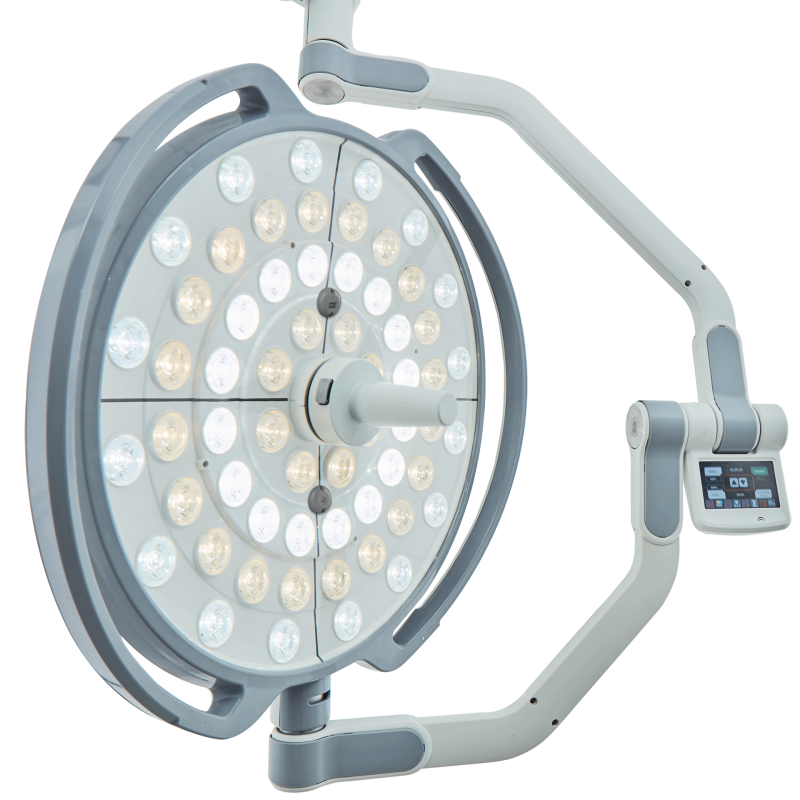
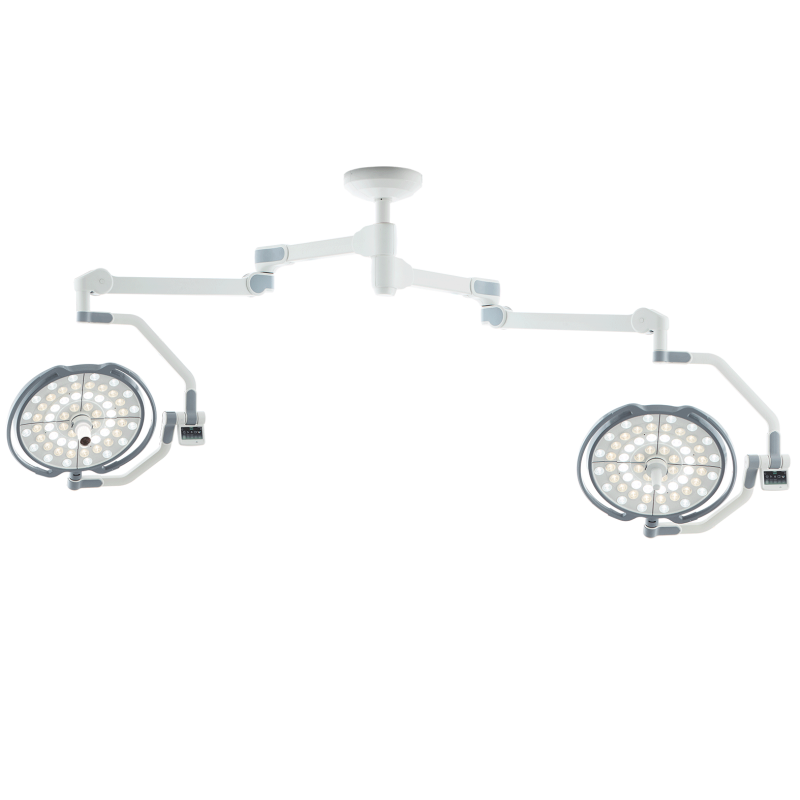
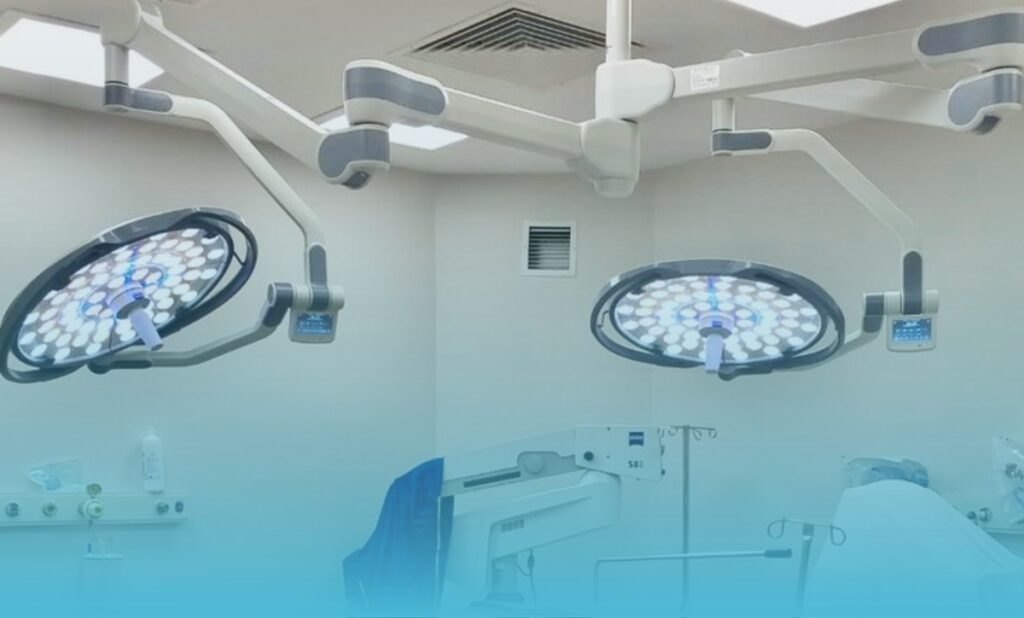
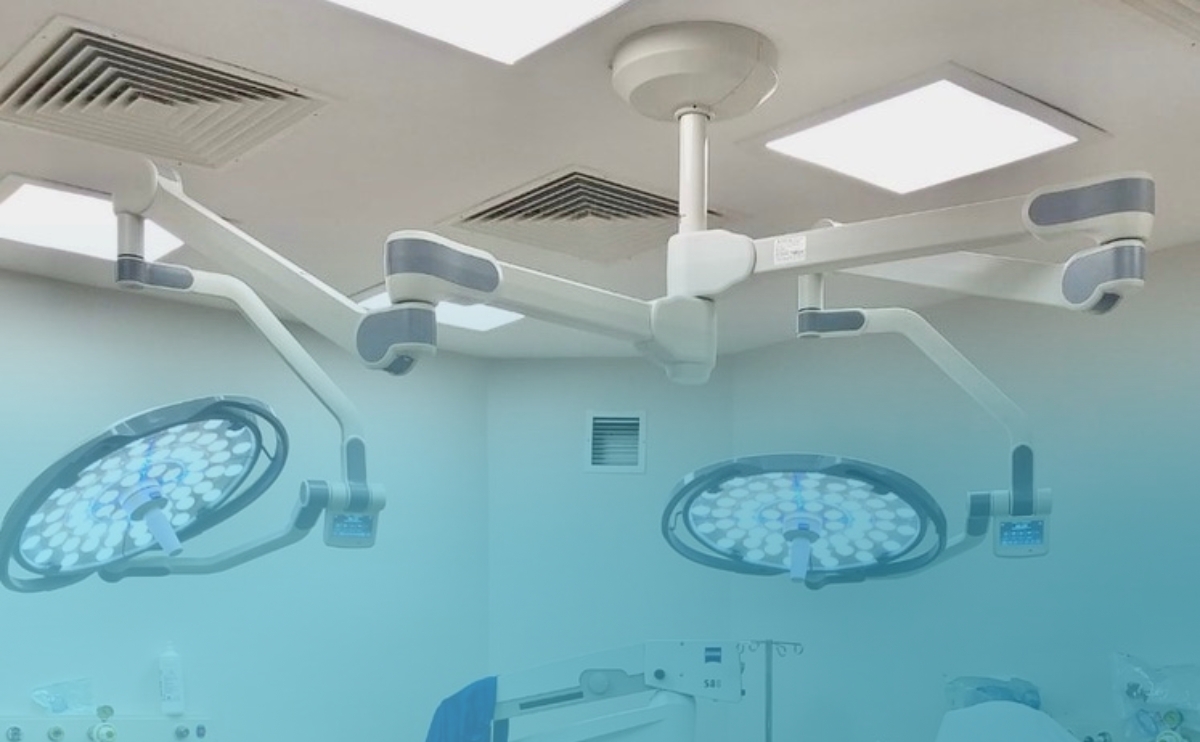
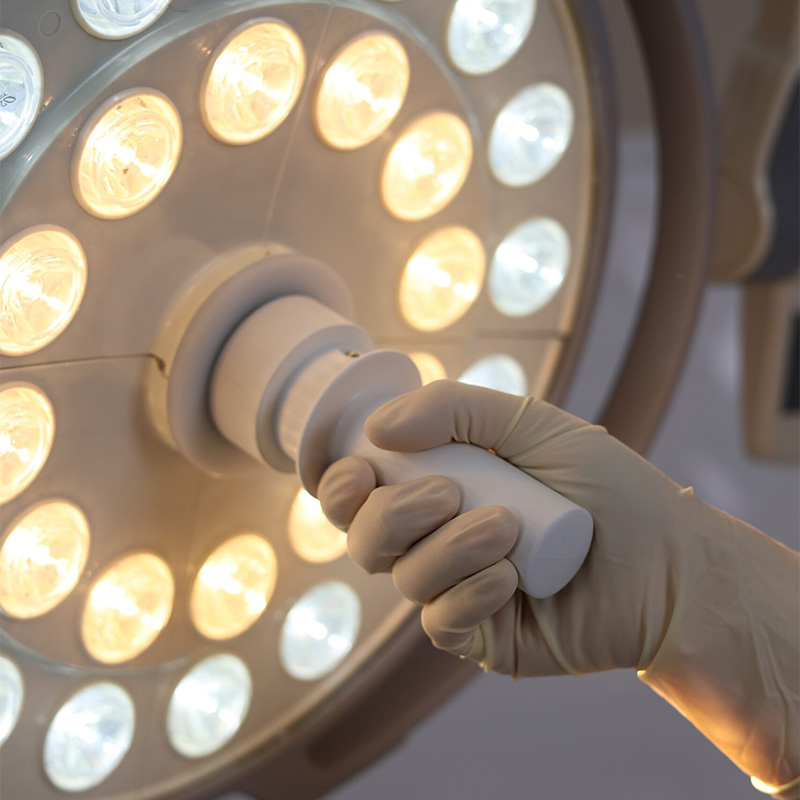
Surgeons need tools that adapt to their fast-paced work. In the operating room, one of these tools is the surgical light with adjustable illumination intensity. This feature allows surgeons to adjust the brightness according to the requirements of each individual procedure or specific needs within an operation – similar to how a chef needs variable heat for different dishes. Optimal visibility is essential during surgical procedures; without adequate lighting, even experienced hands could fail. Operating room lights must offer both flexibility and precision, enabling clear vision in critical moments when every second counts and the outcome depends on clearly discernible details.

Contents

Basics of Adjustable Intensity

Adjusting the illumination intensity of surgical lights is crucial for clear visibility during operations. It helps doctors see well and work carefully. This change in lighting is important to ensure patient safety and to make sure that no damage occurs to the treated body parts due to too much or too little brightness.

Studies show that surgeons with better visibility avoid post-operative problems. Surgical teams must precisely adjust the light to the requirements of each task; in this way, it matches exactly what they are doing, without waste or delay. A good balance allows them to quickly recognize details and complete tasks with more skill.

In short: Intelligent lighting prepares for success in demanding operations by providing medical professionals with first-class visual tools.

The Adjustment of Surgical Lighting

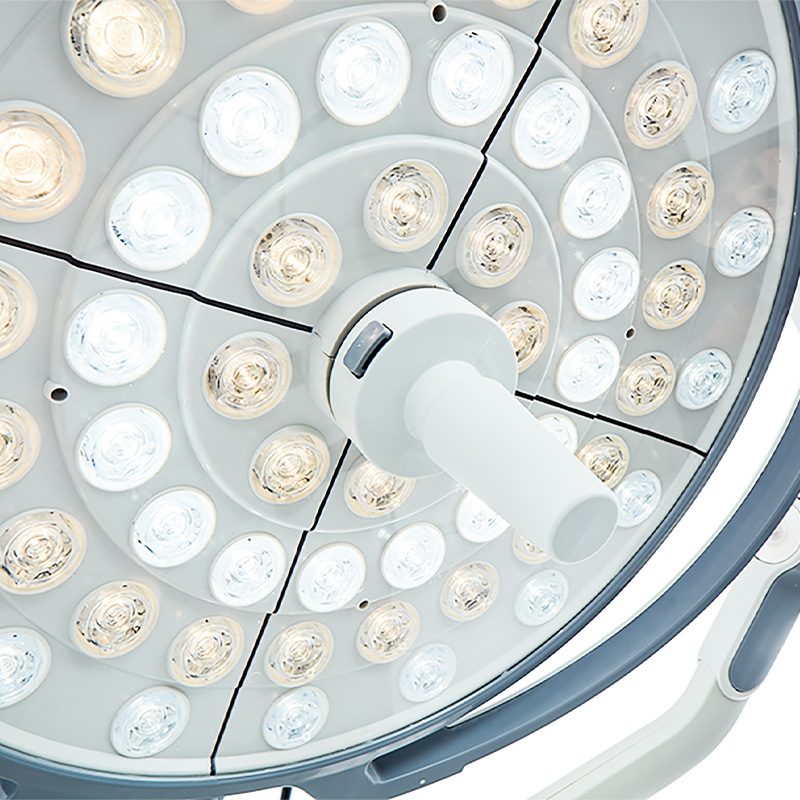
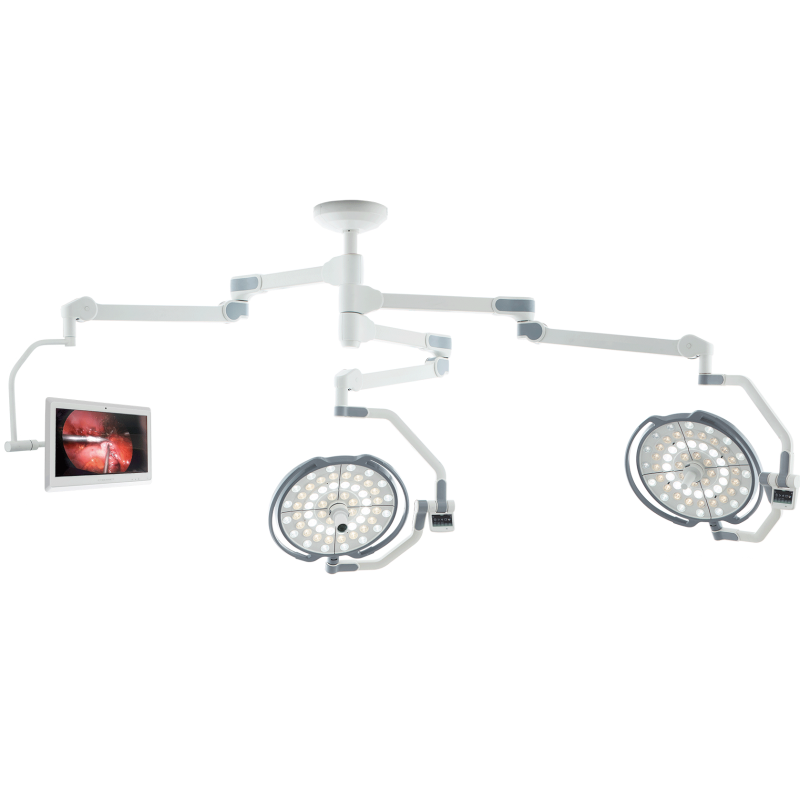
In the world of surgery, light is more than just brightness. Surgeons need a focus that quickly adapts to their needs. Modern surgical lights have settings that can change it; this means doctors can see every detail sharp and clear.

They eliminate shadows so nothing remains hidden from view, while staying cool and bright for hours without heating up the room or causing high bills. Healthcare teams carefully choose these tools considering the requirements of each operation - ensuring they illuminate correctly and move easily when it matters most. Better light leads directly to better care - it's as simple as flipping a switch, but has impacts that reach far beyond the operating table.

Optimal Vision During an Operation

Many lights are manufactured for clear vision during an operation. Doctors need good light to see well when working on patients. In the past, they used candles and waited for daylight because there was no electricity yet.

Since 1879, when we discovered how to use electricity, surgical lighting has improved significantly. Lights come in various types, such as the old-fashioned ones with incandescent bulbs or the newer LED lights. Some hang from the ceiling, others are attached to walls or stand on the floor, allowing doctors to move them as needed.

In the past, old halogen lamps got hot - they could burn and tire the eyes with their glaring light - but now we have a better choice that makes everything safer.

Reducing Eye Strain for Surgeons

Surgeons often work long hours. Their eyes must remain sharp to see well. They look at tiny things and make fine cuts to save lives.

That's why their lights in the room need a good system to change the brightness. This helps them avoid getting tired eyes quickly. Less eye strain means surgeons can concentrate better on their work, even over longer periods, without making mistakes caused by sore or weak eyes due to too much light.

Good lighting protects doctors by helping them see every small spot they need to fix immediately, while reducing the risk for the patient during an operation. Careful light control allows everyone in the operating room to do their best work. Every movement is precise and safe under the perfect light, helping the surgeon and assistants with tasks like small sutures without squinting or peering through shadows.

Adapting to Surgical Complexity

In surgery, every step must adapt to the task at hand. Surgeons face diverse challenges; some parts require sharp focus, while others need a broader view. Modern tools give them the ability to adjust settings in real-time.

This flexibility is crucial for patient safety and the success of the operation. Surgeons often switch between working on delicate tissue and large-scale incisions - both requiring different lighting conditions. With technology that adapts quickly, they can maintain high precision throughout the procedure without losing sight of their work area.

Statistics prove this: adjustable equipment can reduce errors by over 30%. This shows how crucial it is to have responsive systems when it comes to complex operations where every second counts.

Improvement of tissue differentiation

In surgery, adjusting the light helps doctors distinguish between tissues. Soft tissue like muscles and fat needs gentle light to recognize fine details. Brighter light can make visibility difficult. This is crucial for safe cuts and avoiding damage. This control helps to detect tiny changes within organs or growths that need care - a must for patient safety during complex procedures where every movement counts.

The dimming controls for precise work

In the operating room, light guides precision. The latest LED lights shine brightly; some emit over 100 lumens per watt. These intense beams help doctors see clearly, but can also strain the eyes if too strong. Best practice is to start moderately - at half strength - to avoid distortions and ease discomfort for staff looking into bodies during surgery.

Many operating rooms used to set old incandescent bulbs to full power, following past methods. With LEDs following this example, one must now adapt or risk errors due to poor lighting - be it rooms that are too dimmed or blindingly bright, where recognizing every detail is particularly important.

Purchasing these advanced lights requires careful consideration, step by step - a mistake could mean that patients lying motionless under the surgeons' hands are put at risk. And it's not just about buying any equipment, but finding suitable equipment that promises safe success without failure.

Reduction of surgical glare risk

To reduce the risks of glare in the operating room, precise light control is crucial. Surgeons need to see clearly, but too much light blinds them. Smart use of lighting allows for better visibility and reduces eye problems. Not all steps in surgery require bright light; some need softer illumination so details stand out without glare or deep shadows that might otherwise hide what needs to be seen.

Surveys among surgeons show that most do not prefer headlamps, as these provide poor depth perception, strain the neck, and can potentially spread germs if frequently touched during operations. Therefore, stable yet adjustable lighting in the operating room leads to safer and cleaner work on the patient compared to other options.

This approach brings better contrast at the operation site - critical for subtle differences between tissues - and fewer adjustments during surgery limit the germ risk from handles, as studies have shown, which occur often enough to be concerned about.

Responsive lighting in emergencies

In emergencies, lights need to work quickly to help people. They adapt depending on what's needed. If the power goes out, they stay on with batteries so everyone can see and operate safely. These systems also light up exit paths when things get worse, like during fires or storms. The brightness adjusts too - not too dark, not blindingly bright; just right for clear vision without panic. Experts say that responsive lighting in such times reduces the risk of moving quickly without tripping or falling hazards, which could cause more harm than the actual danger itself.

Energy efficiency of LED technology

LED lamps shine brightly in operating rooms while saving costs. These modern lamps consume about 70% less energy than old halogen lamps, yet provide the same light intensity and enable clear vision for surgeons without UV concerns or excessive heat. With LED technology, a room that once required enormous amounts of lumens is now cooled and operated more efficiently with far less power.

These powerful LEDs also last much longer; some function five times longer than fluorescent lamps and outlast incandescent bulbs by decades. This means fewer lamp changes - a plus for patient safety - and significant savings over time as you don't constantly need to buy new ones. These clear lights not only help doctors see better - they also save money and are kinder to our world.

Concerns regarding patient safety and patient comfort

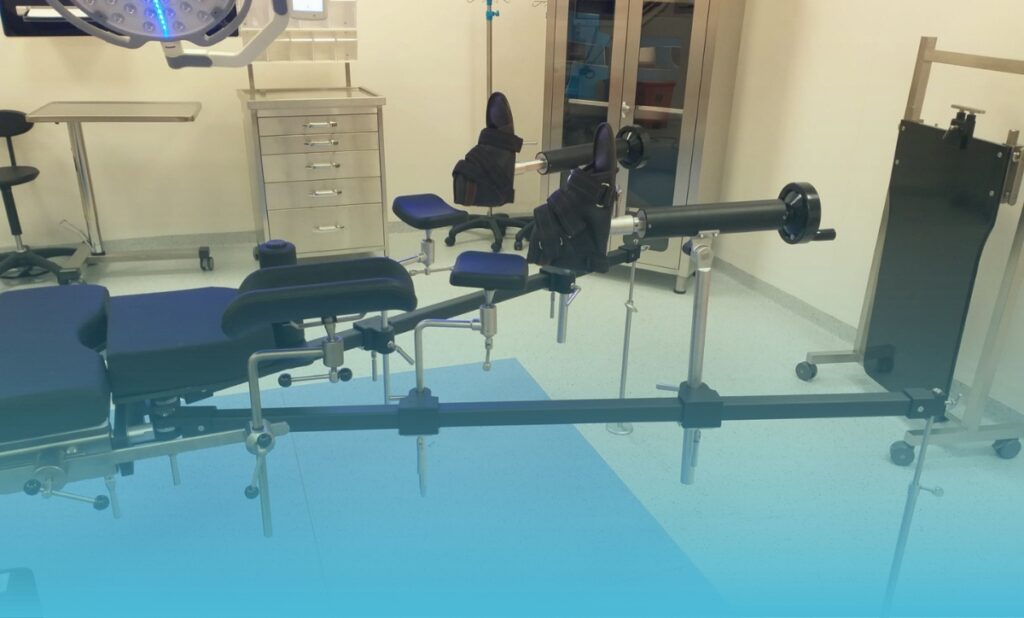
Patient safety during surgery depends on careful steps before and during the procedure. Proper positioning of a person can prevent nerve damage and pain afterward. The eyes must be protected, as loss of vision after surgery is serious. Handling tools that cut or seal with heat requires caution; incorrect handling can burn the skin or start fires.

Surgeons bear responsibility for any suffering their work causes. Therefore, it is crucial that they follow all rules to ensure patient safety while they sleep under their knives - this keeps everyone out of trouble from a legal and health perspective. Every decision about where to make incisions counts enormously for recovery and avoiding additional pain or damage that no one wants. The adjustable light intensity in surgical environments is crucial for patient care. Surgeons rely on precise lighting to perform complex procedures with accuracy. Variable light levels help reduce eye strain and adapt to subtle tissue differences, improving visual clarity during operations. Inspital understands this necessity and offers customizable lighting solutions that meet diverse surgical requirements, ensuring optimal outcomes for patients while facilitating surgeons' careful work in the operating room.

Current News

Academy

Here, everything revolves around knowledge and continuing education.

News Press

Here you will find current news about trade fairs, congresses, PR and other relevant topics.