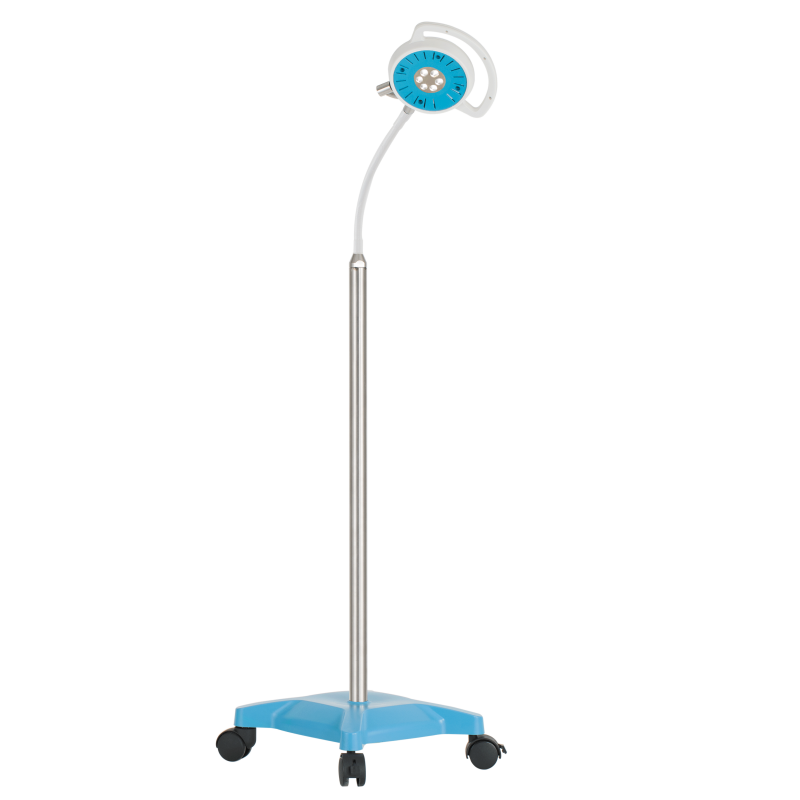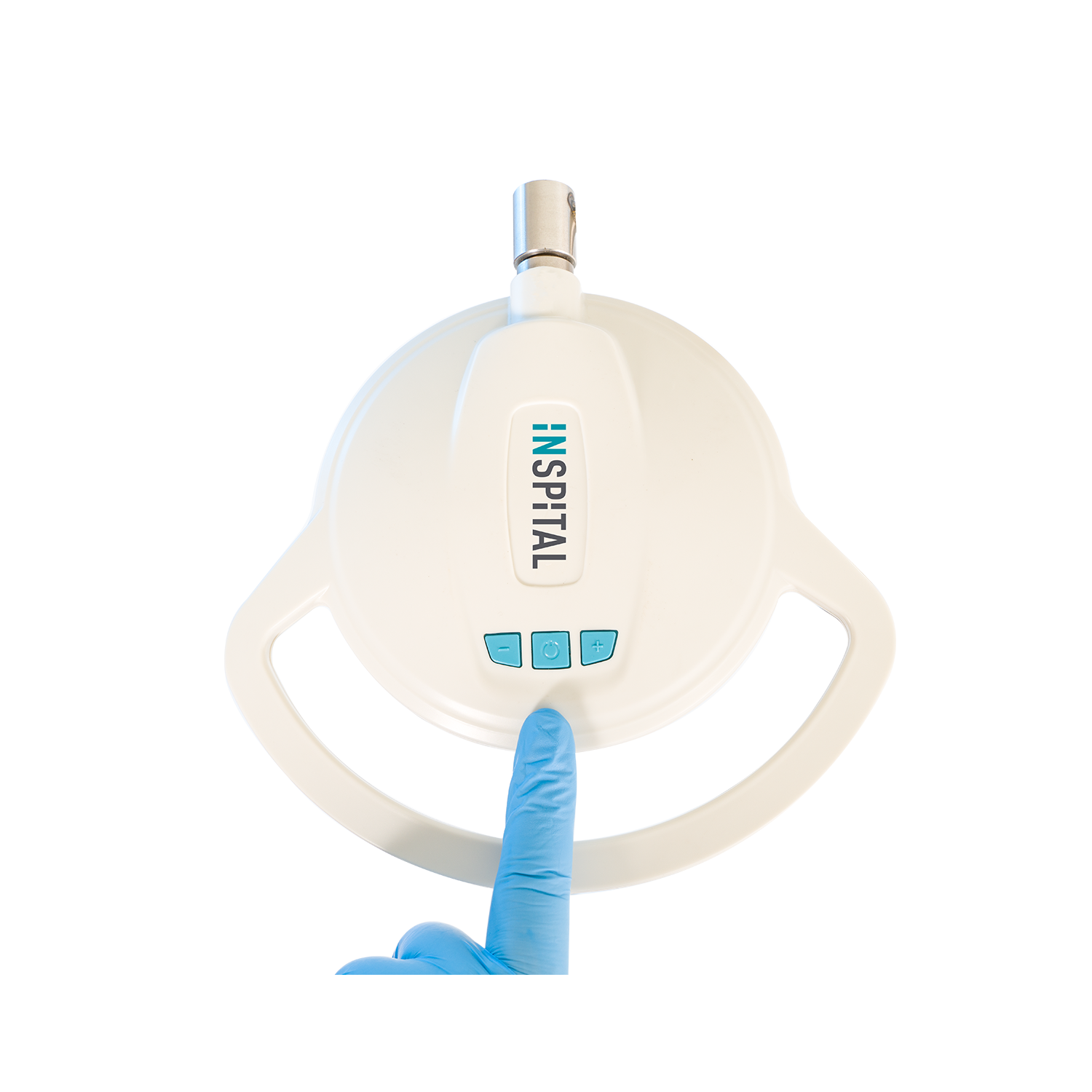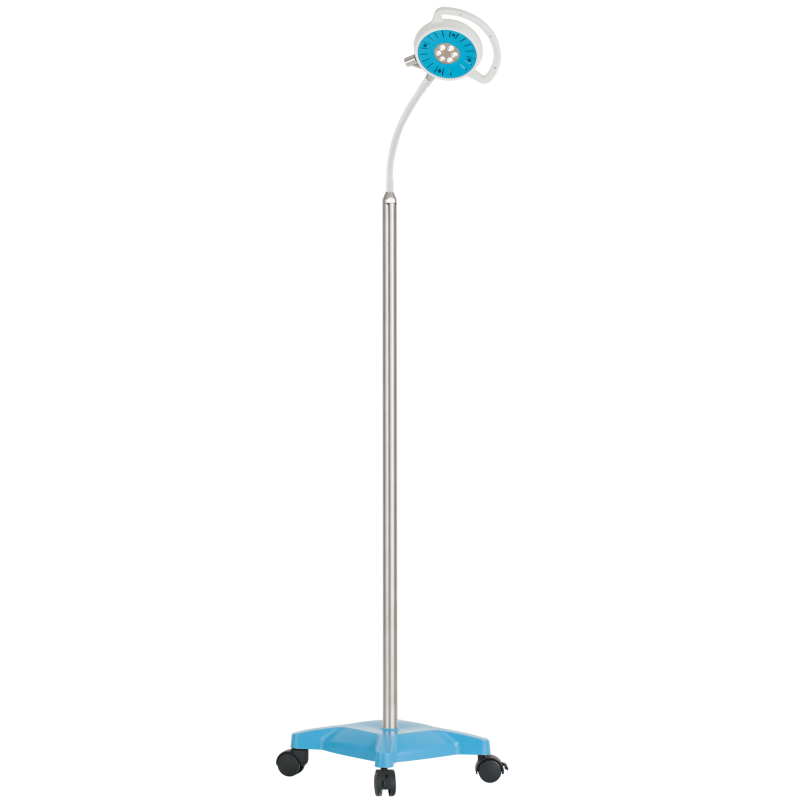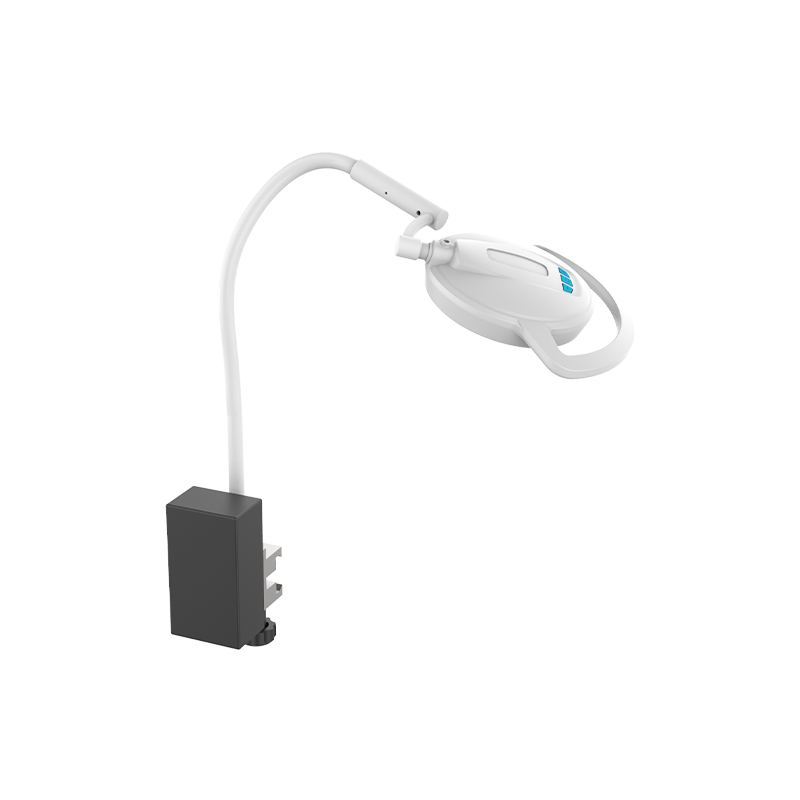
Importance of Surgical Lights above the Operating Table

Surgical lights above the operating table are indispensable for modern operating rooms today, as they directly influence the quality and safety of surgical procedures. Surgical precision largely depends on the operating field being optimally illuminated. Any shadow formation, insufficient light intensity, or incorrect color temperature can lead to misjudgments, which can have serious consequences for the patient. The correct positioning and light quality are therefore not just matters of comfort, but a critical component of patient safety and efficiency in the OR.

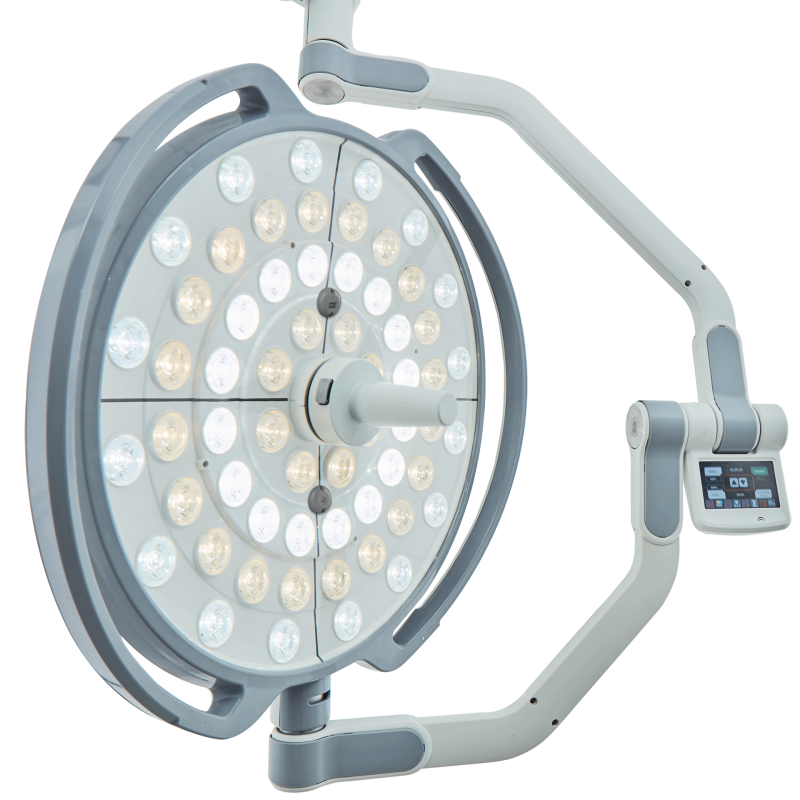
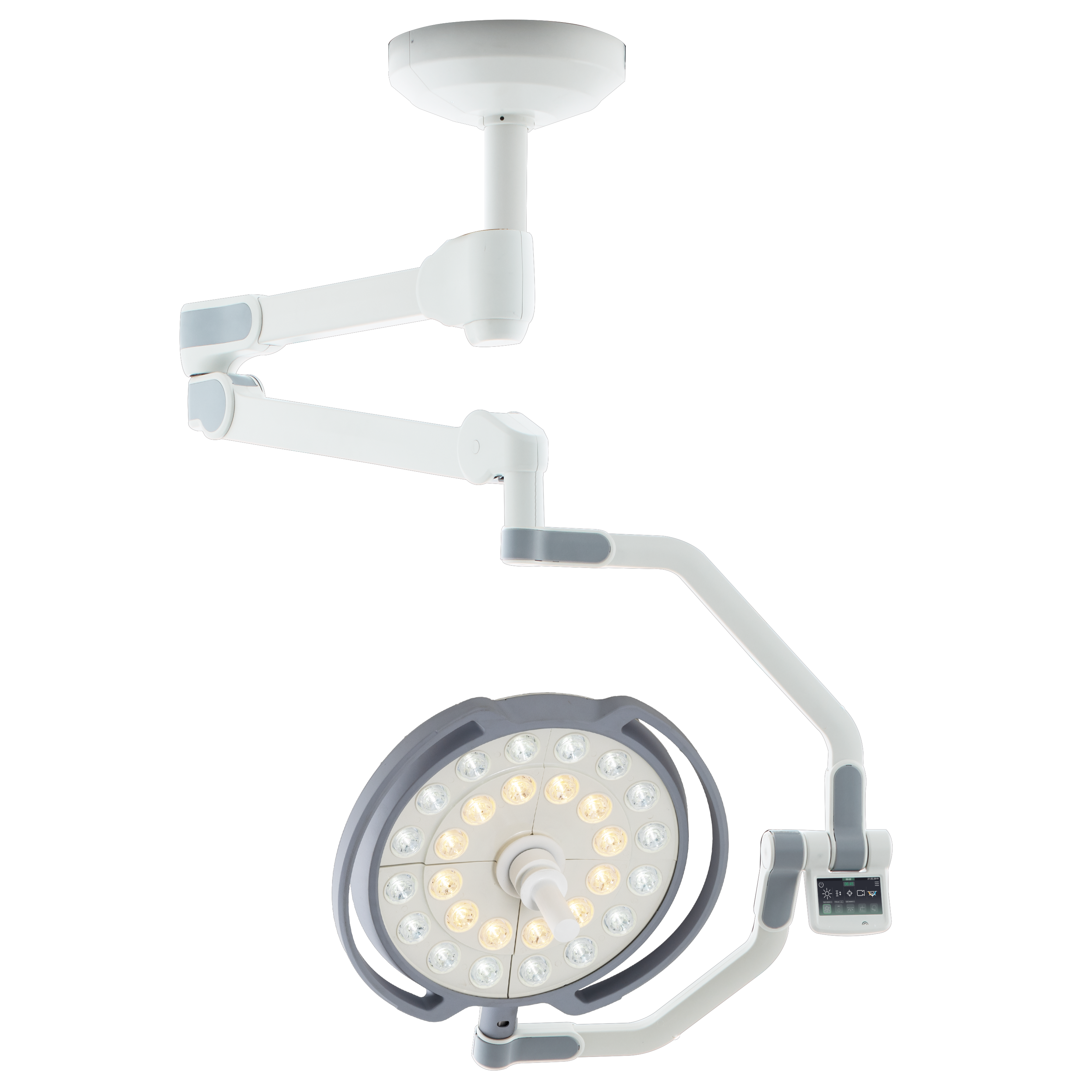
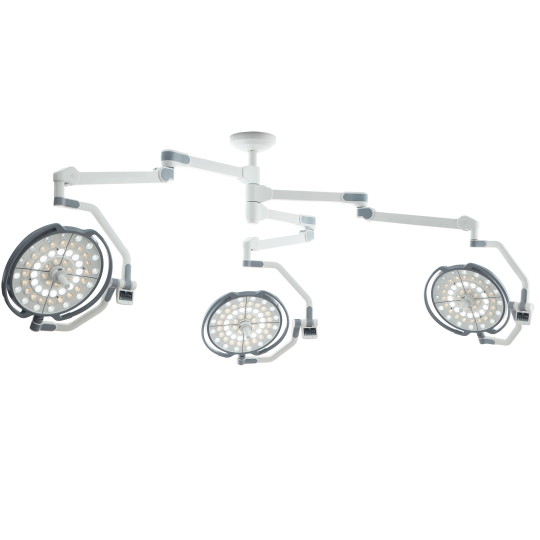
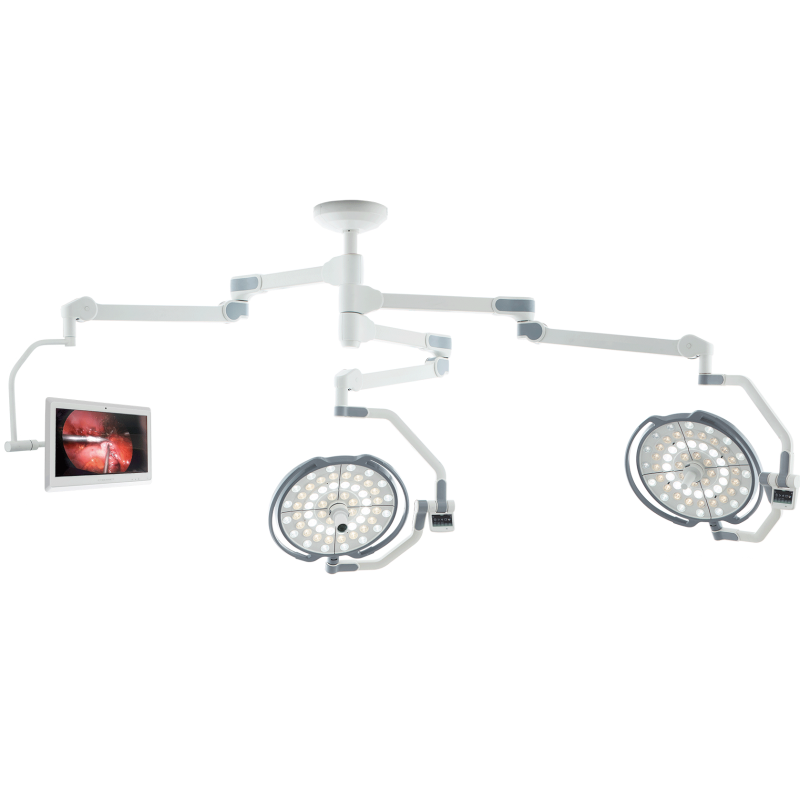
Manufacturers like Inspital GmbH develop surgical lights specifically for these high demands. Modern LED technologies play a central role in this. LEDs provide uniform light, reduce glare, and generate minimal heat compared to halogen lamps. This not only increases comfort for the OR staff but also minimizes the thermal load on the operating field. This is particularly important during long procedures or microsurgical operations, where even small temperature differences can affect tissue quality. Another advantage of surgical lights above the operating table is their flexibility. With rotatable, swiveling, and height-adjustable arms, the lights can be precisely positioned over the operating field. Intelligent control systems allow for stepless adjustment of light intensity and color temperature. This is crucial, especially for minimally invasive or specialized procedures where different lighting conditions are required. In addition, high color rendering ensures that tissues, organs, and surgical instruments are displayed true to life, which significantly increases surgical safety.

The integration of surgical lights into the overall concept of the operating room also plays a role. Lighting concepts are often planned in conjunction with room architecture, operating tables, and other equipment such as monitoring screens and surgical instruments to create a harmonious and efficient working environment. Well-thought-out lighting reduces fatigue, increases concentration, and enables the entire team to work precisely and efficiently. Especially in large clinics with multiple operating rooms, standardized, consistent light quality across operating tables is a decisive advantage for quality assurance. Inspital GmbH relies on combinations of innovative LED technology, ergonomic design, and smart control. The goal is to create surgical lights that not only provide light but also support the entire surgical process. The right lighting above the operating table thus ensures greater patient safety, more efficient operations, and a noticeable relief for medical personnel. Clinics, OR managers, and surgeons alike benefit from this modern solution, as it optimizes both the quality and economic efficiency of OR operations.

Technical Requirements and Functions of Modern Surgical Lights above Operating Tables

The technical requirements for surgical lights above the operating table are high and are determined by medical standards as well as the practical needs of surgeons. Every surgical light must meet several criteria simultaneously: high light intensity, homogeneous illumination, exact color rendering, low heat generation, easy handling, and energy efficiency. At the same time, it must be robust, durable, and low-maintenance, as surgical lights must function reliably day after day in critical situations.

A central technical feature is light quality. Surgical lights must reproduce tissue, blood, and surgical instruments true to life. LED technology optimally fulfills these requirements. Stepless dimming and adjustable color temperature allow the light to be individually adapted to the type of operation – from microsurgical procedures to plastic surgery, heart, or spinal surgeries. The color rendering index (CRI) of modern surgical lights is often above 95, ensuring that even the finest color nuances remain visible.

Shadow reduction is another essential criterion. Multiple, independent light sources or segments prevent hands, instruments, or other obstacles from casting shadows on the operating field. This enables uniform illumination and reduces visual strain for the OR team. Flexible positioning systems that allow rotation, swiveling, and height adjustments ensure that the light is precisely where it is needed, without obstructing the view of the patient or instruments.

An increasingly important feature is the integration of intelligent control systems. Modern surgical lights can be controlled via touch panels, remote controls, or directly via OR management systems. Intensity, color temperature, and segment control can be quickly adjusted, optimizing the workflow. This is particularly crucial for complex procedures where different lighting conditions are required. Some systems even store preferred settings for various operation types, so the light automatically adapts to the respective situation.

Energy efficiency and thermal properties are also crucial. LEDs generate only low heat, thus protecting OR staff and the operating field. At the same time, energy consumption is significantly reduced, which lowers both operating costs and the ecological footprint. The long lifespan of LEDs minimizes maintenance costs and the risk of failure.

Inspital GmbH combines all these technical requirements in its surgical lights to create lighting solutions that unite safety, precision, and ergonomics. Surgeons receive a tool that not only provides light but actively supports the success and efficiency of operations.

Advantages of LED Surgical Lights above the Operating Table

LED surgical lights have established themselves as an indispensable standard in modern operating rooms in recent years, offering numerous advantages over traditional light sources such as halogen or xenon lamps. One of the central advantages is the extremely long lifespan of LEDs. While conventional lamps need to be replaced regularly, high-quality LED lights often achieve more than 50,000 operating hours. For large hospitals and clinics, this means a significant reduction in maintenance effort, OR downtime, and operating costs. Reliability is particularly crucial in emergency situations: surgeons can rely on the surgical lights functioning perfectly at all times.

Another significant advantage is the low heat generation of LED surgical lights. Traditional light sources produce a lot of infrared and UV radiation, which can not only heat the operating area but also strain OR staff and the patient. LEDs emit hardly any heat, which increases thermal comfort for surgeons and OR assistants while minimizing the risk of sensitive tissues drying out during longer operations. Especially in microsurgical procedures or plastic surgery, this property is of great importance, as even small temperature differences can affect tissue reaction.

Energy efficiency is another decisive advantage. LEDs require significantly less energy to produce consistently high light intensity. This not only reduces operating costs but also contributes to sustainable energy savings, which is increasingly demanded in modern clinics. In combination with intelligent control systems, LEDs can be individually dimmed and programmed, so that only the light actually needed is used. This further saves electricity and extends the lifespan of the lights.

The light quality of LED surgical lights is particularly important for surgical use. High-quality LEDs offer excellent color rendering (CRI over 95), meaning that tissues, organs, blood, and surgical instruments are displayed true to life. This is crucial for precision in complex procedures and reduces the risk of misdiagnosis or inaccurate incisions. In addition, LED lights are flicker-free, which reduces eye strain for surgeons and supports concentration during long operations.

Furthermore, modern LED surgical lights offer high flexibility and ergonomics. Swiveling, rotatable, and height-adjustable mounts allow for precise positioning above the operating table. Pre-set programs or touch panel controls enable quick adjustment of light intensity, color temperature, and segmentation. This is particularly important for complex or minimally invasive procedures where different lighting conditions are needed for various phases of the operation. OR teams can thus optimally adjust their view at any time without interrupting the workflow.

An often underestimated advantage is the integration of LED surgical lights into modern OR management systems. Networked lighting systems allow for the storage of preferred settings for different types of operations, synchronization with cameras or monitors, and easy documentation of lighting parameters. This increases efficiency, improves predictability, and supports quality control in the clinic.

Ergonomics and Ease of Use of Surgical Lights above the Operating Table

The ergonomics and ease of use of surgical lights above the operating table are crucial for a smooth workflow in the operating room. Surgeons, OR assistants, and anesthesiologists often spend many hours in one position over the patient, and it is important that the lighting is flexible, easily adjustable, and reliable. A poorly positioned light can not only cast shadows but also cause eye fatigue and impair concentration. Modern surgical lights from Inspital GmbH therefore offer innovative mounting systems and operating options that specifically improve ergonomics.

Central elements of ergonomics are the height adjustability, swiveling, and rotation of the light arms. This allows for precise alignment of the light to the operating field, regardless of the surgeons’ position or the type of operation. Quick adjustment during an ongoing operation is also possible without the OR team having to touch the sterile field. Many models also offer segment control, where individual light modules can be regulated independently to avoid shadows even more precisely.

Ease of use is further enhanced by intuitive control systems. Touch panels, remote controls, or foot switches allow for stepless adjustment of light intensity, color temperature, and light field size. For complex procedures requiring different lighting in various phases, pre-set light programs can be directly accessed. This saves time and ensures a smooth workflow. The storage of individual settings for specific surgeons or operation types is also possible – an advantage that particularly improves workflow in large clinics.

Another aspect is glare-free and uniform light distribution. Ergonomically designed surgical lights prevent light from falling into the eyes of surgeons or assistants. At the same time, the operating field is uniformly illuminated, minimizing shadows on instruments or hands. This is of great importance, especially in microsurgical procedures or minimally invasive techniques.

Inspital GmbH focuses on medical ergonomics combined with modern LED technology in the design of its lights. LEDs generate less heat and flicker-free light, which reduces eye strain and physical fatigue. This combination of ergonomic design and intelligent technology not only improves the precision of surgeons but also significantly relieves the entire OR team.

In conclusion: ergonomics and ease of use are not just comfort features, but decisive factors for patient safety, efficiency, and quality in modern ORs. With the flexible and intuitive surgical lights from Inspital GmbH, lighting becomes an active supporter of the surgical process, which ultimately optimizes patient outcomes and staff job satisfaction.

Safety and Hygiene of Surgical Lights above the Operating Table

Safety and hygiene in modern operating rooms are not just regulations, but decisive factors for the success and quality of surgical procedures. Surgical lights above the operating table play a central role here: they must not only offer optimal visibility but also contribute to maintaining sterile procedures and minimizing infection risks. Every light installed above the operating table must meet the high demands of medical hygiene. This applies to the materials used as well as the construction, usability, and maintenance of the devices.

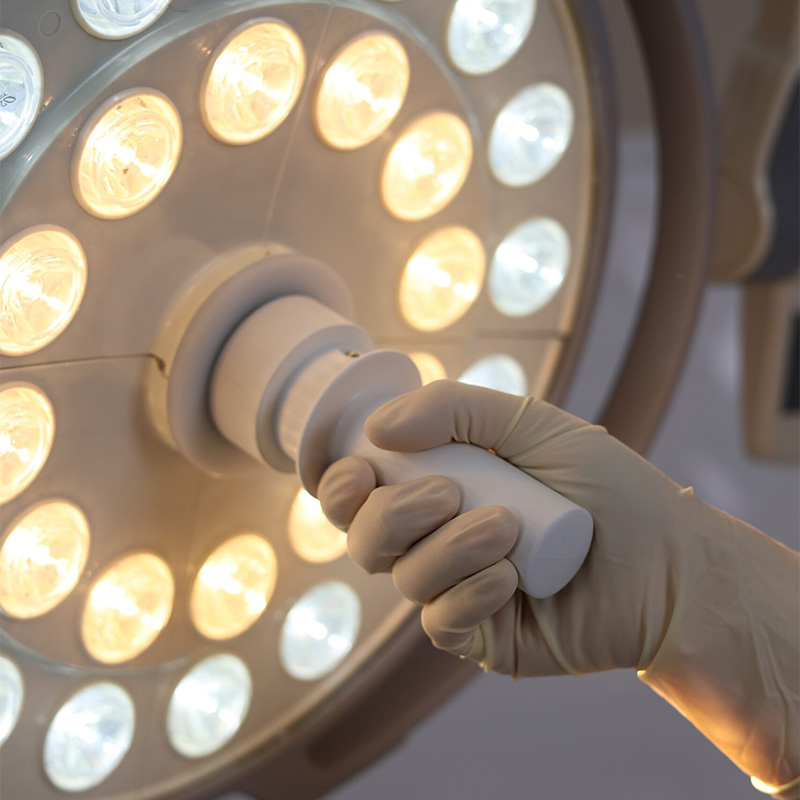
Inspital GmbH therefore relies on high-quality materials that are easy to clean and disinfect. Smooth surfaces, rounded edges, and minimalist designs prevent the accumulation of dust, germs, or blood residues. All operating components are designed so that they can be easily operated even with sterile gloves, which significantly reduces the risk of contamination of the operating field. In addition, the lights are designed so that they can be easily maintained and disinfected even after intensive use, without damaging the devices.

An important safety factor is thermal safety. Conventional halogen lamps generate high heat, which not only strains OR staff but can also negatively affect the operating field, for example, by drying out tissue. LEDs, on the other hand, develop only minimal heat, which increases thermal comfort for the OR team and protects sensitive tissue structures. This is particularly advantageous for long or complex operations.

Electrical safety also plays a central role. Surgical lights must comply with strict standards for medical electrical equipment, including protection against electric shock, overvoltage, short circuit, or equipment failure. Inspital GmbH develops its lights according to international standards and uses only certified components to ensure the highest operational safety. Many models feature redundant circuits or emergency backup systems, so that OR lighting remains reliable even in the event of power fluctuations or failures.

In addition to these fundamental safety and hygiene factors, ergonomic mounts and intelligent control systems also contribute to safety. The lights can be aligned quickly and precisely without interrupting the sterile field. At the same time, the well-thought-out design reduces the risk of unintentional collisions with instruments or OR personnel.

Furthermore, modern surgical lights rely on antimicrobial coatings and easily disinfectable surfaces, which have been specially developed for the medical sector. These technologies reduce the growth of bacteria, viruses, or fungi and thus support infection prevention. In combination with LED technology, which emits less heat and operates flicker-free, an operating environment is created that is safe, hygienic, and comfortable at the same time.

Areas of Application and Flexibility of Modern Surgical Lights above the Operating Table

Modern surgical lights above the operating table are more flexible and versatile than ever before and are used in almost all surgical specialties. Whether general surgery, orthopedics, gynecology, cardiac surgery, neurosurgery, or minimally invasive procedures – each discipline places specific demands on light intensity, illumination, color temperature, and positioning. Inspital GmbH therefore develops its surgical lights to be universally applicable, yet individually adaptable, to optimally meet the needs of the respective operation.

A key feature is flexible positioning. Swiveling, rotatable, and height-adjustable arms allow for precise alignment of the light to the operating field, regardless of patient position, operating table, or surgical technique. Segmented light fields allow parts of the light to be specifically dimmed or intensified, minimizing shadow formation and maximizing visibility of critical areas. This is of great importance, especially in microsurgical, plastic, or endoscopic procedures.

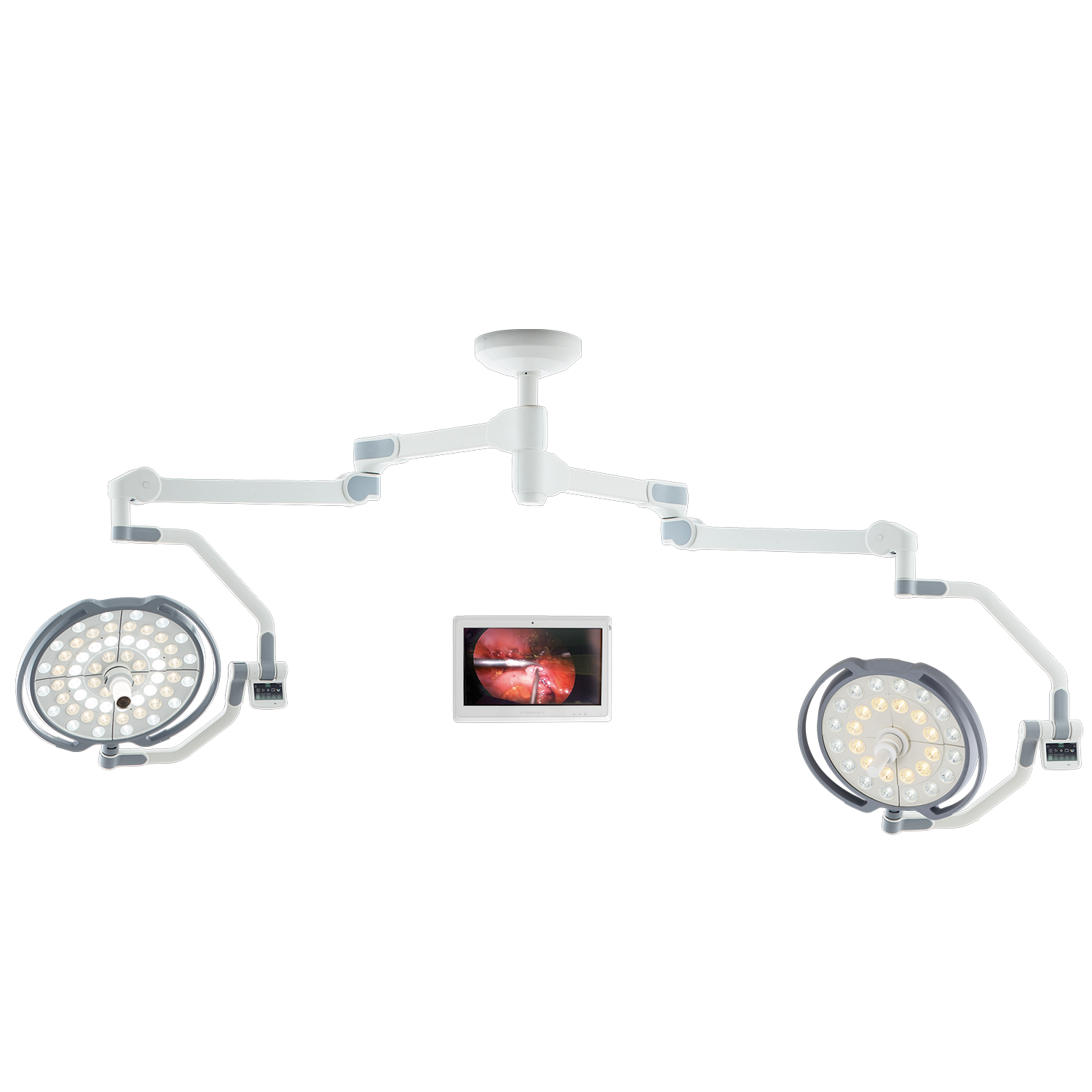
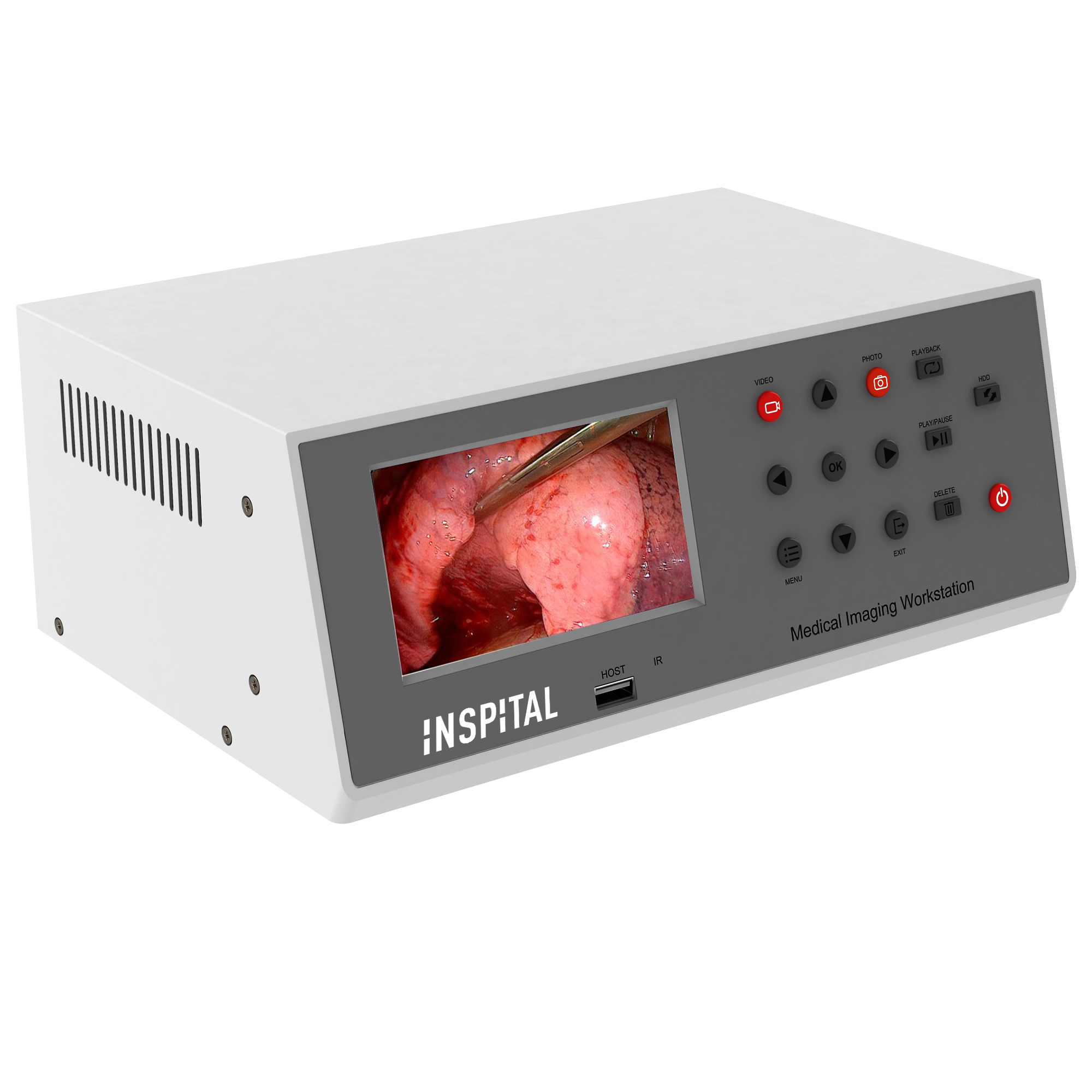
Furthermore, integration into digital OR systems enables intelligent light control. Networked lights can communicate with cameras, monitors, OR management software, or surgical documentation solutions. Light parameters can be automatically saved for specific operations and retrieved immediately when needed. This saves time, reduces errors, and increases efficiency in OR operations.

The versatility of modern surgical lights is also evident in the adaptability of light quality. Depending on the type of operation, warm or cool light can be selected. For high-precision procedures such as neurosurgery or microsurgery, particularly high color rendering is crucial, while plastic surgery benefits from optimal skin and tissue representation. Endoscopic or minimally invasive procedures often require focused, glare-free light that can be precisely directed to the operating field.

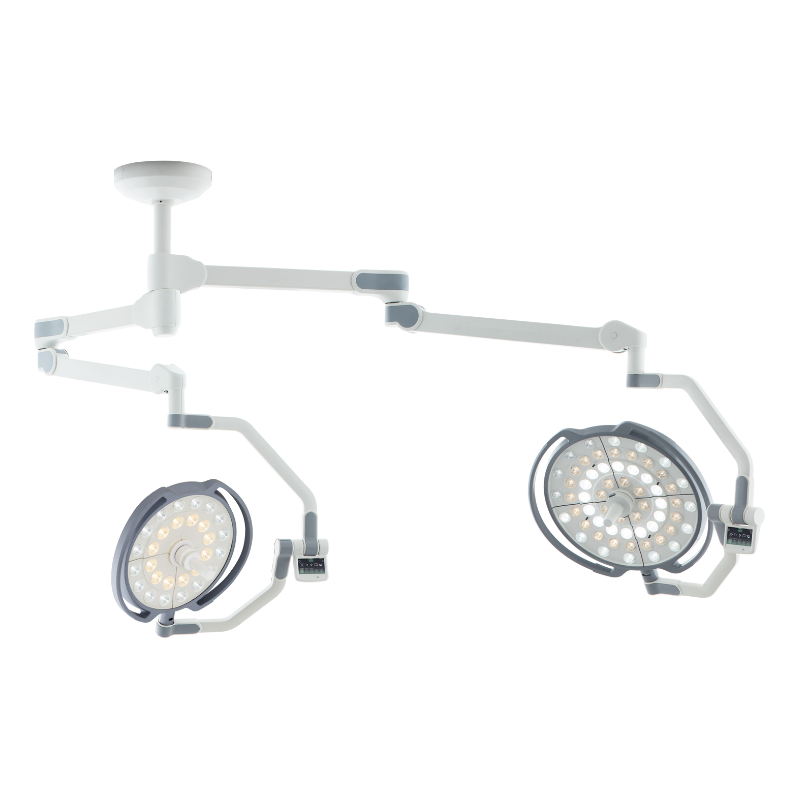
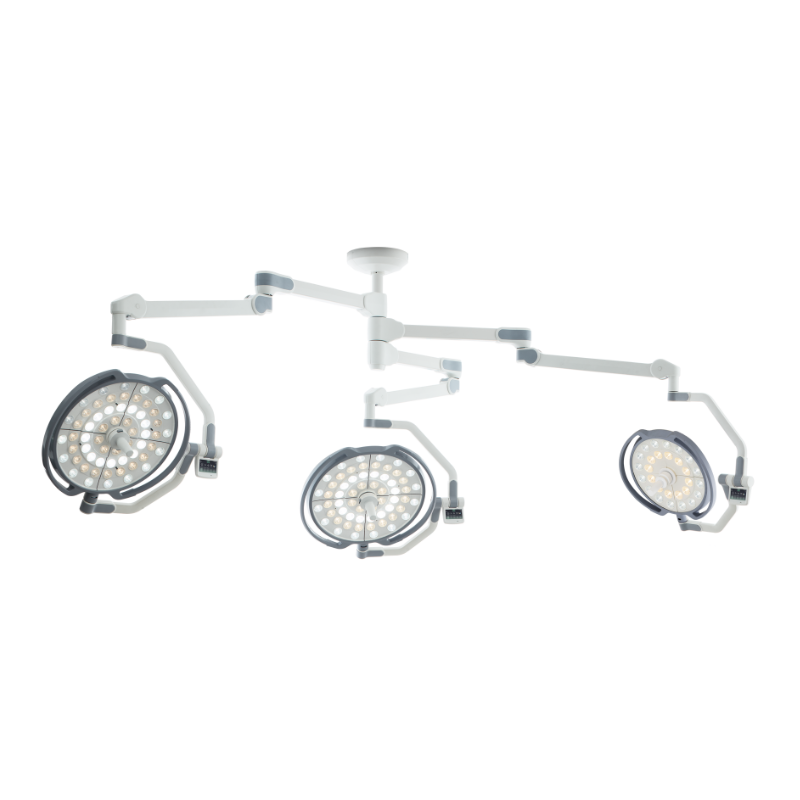
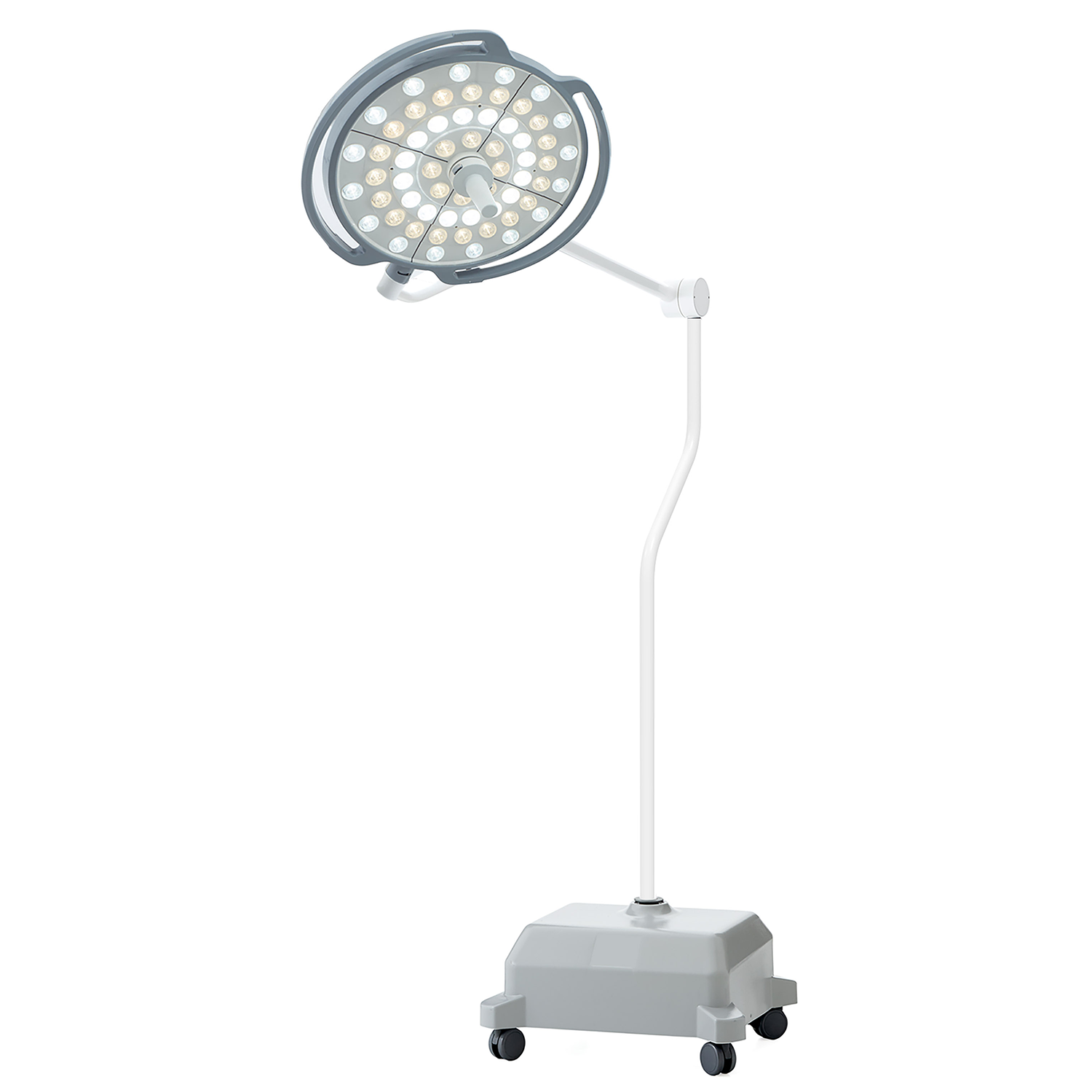
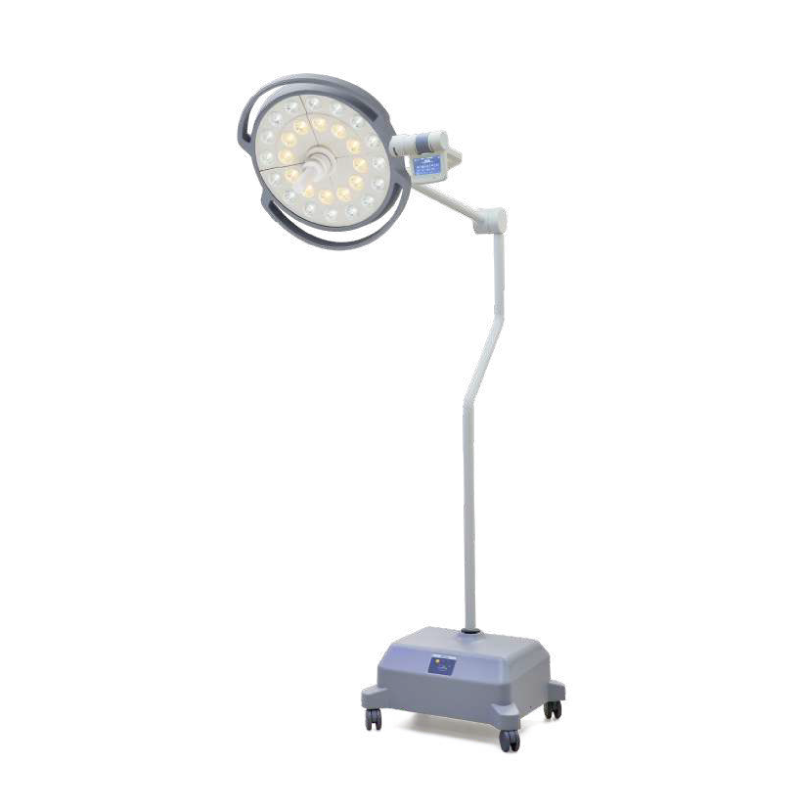
Another advantage is the adaptation to different OR setups. Whether small intervention rooms or large, multifunctional ORs – modern lights can be installed both on ceiling mounts and on flexible pendant systems. This ensures that the lights provide optimal lighting conditions in every operating room without restricting the freedom of movement of the OR team.

In conclusion, flexibility and versatility are key factors for the use of modern surgical lights above the operating table. Inspital GmbH combines LED technology, ergonomic design, and digital control to create lights that are universally applicable, individually adaptable, and at the same time efficient and safe in every operating room. This ensures that every operation is optimally illuminated, regardless of specialty or procedural complexity.

Future Prospects: Intelligent Surgical Lights

The future of surgical lights above the operating table lies in intelligence, networking, and automation. Modern technologies open up entirely new possibilities to dynamically adapt light, integrate data, and significantly increase efficiency in the operating room. Smart surgical lights can already automatically regulate light intensity, color temperature, and light field size – depending on the type of operation, patient type, or time of day. Sensors detect movements of surgeons, hands, or instruments and adjust the light field in real-time to minimize shadow formation and glare. This ensures constant, optimal visibility of the operating field, even in complex and dynamic situations.

Digitalization and networking play a central role in the further development of OR lighting. Networked surgical lights can communicate directly with cameras, monitors, OR management systems, or surgical documentation solutions. Light parameters can be automatically saved for specific operations and retrieved immediately when needed. This saves time, reduces errors, and increases predictability in OR operations. In addition, lighting data can be used for quality control and for later evaluation of procedures, which is a great advantage, especially for clinics with high standards or certification requirements.

Ergonomic innovations are another central trend. Future surgical lights will be lighter, more flexible, and more intuitive to operate. Touch panels, voice control, foot operation, or pre-set light profiles enable quick adjustment without interrupting the sterile field. At the same time, the strain on OR personnel is reduced by glare-free, flicker-free light and minimal heat emission. The combination of ergonomics and intelligent technology sustainably improves working conditions and increases surgeons’ concentration during long operations.

A particularly innovative concept is the use of adaptive lighting systems based on Artificial Intelligence (AI). Such systems can recognize the position of instruments, hands, or specific areas in the operating field in real-time and automatically adjust the light distribution. This ensures that critical zones are continuously optimally illuminated, while less relevant areas are dimmed to avoid glare. This not only increases precision but also minimizes risks and actively supports the OR team in complex procedures.

Inspital GmbH uses these technological trends to develop surgical lights that do more than just provide light: they become intelligent partners in the OR, combining safety, precision, and efficiency. The combination of high-quality LED technology, digital control, ergonomic design, and hygienic surfaces creates an operating environment that is optimally tailored to the requirements of modern surgery. Surgeons benefit from perfect visibility, OR teams from an efficient workflow, and patients from increased safety and the best possible treatment outcomes.

In summary: intelligent surgical lights above the operating table are the future of surgical lighting. They combine state-of-the-art technology, ergonomics, and safety into an integrated solution that actively supports the entire surgical process.