Mobile Surgical Light: Flexibility and Precision for Modern Surgical Practice

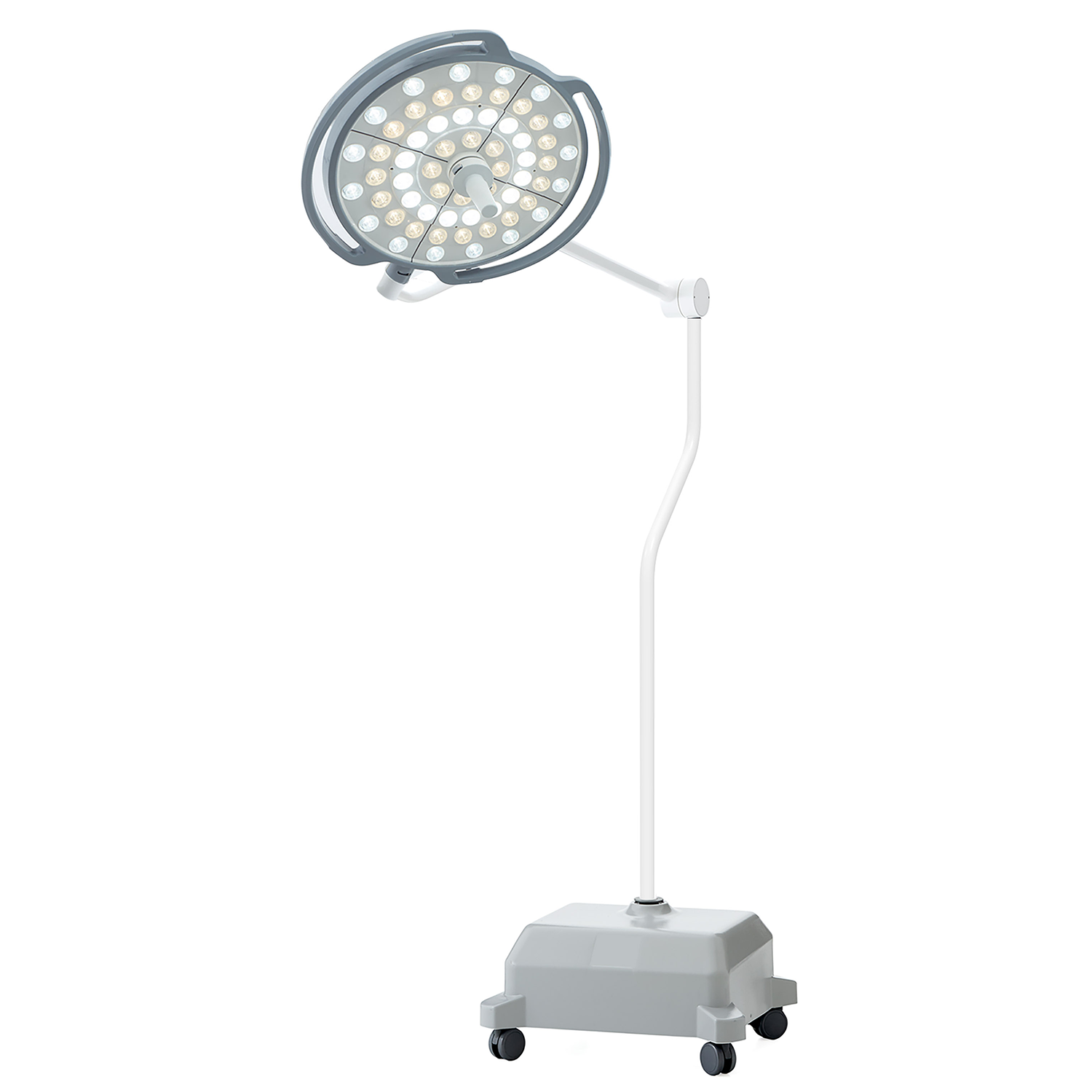
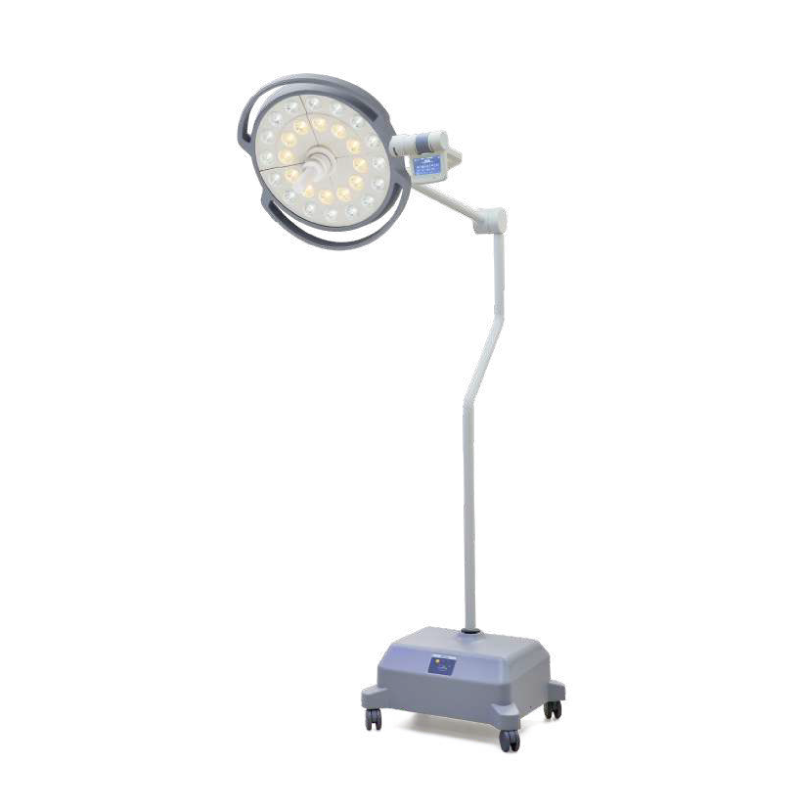
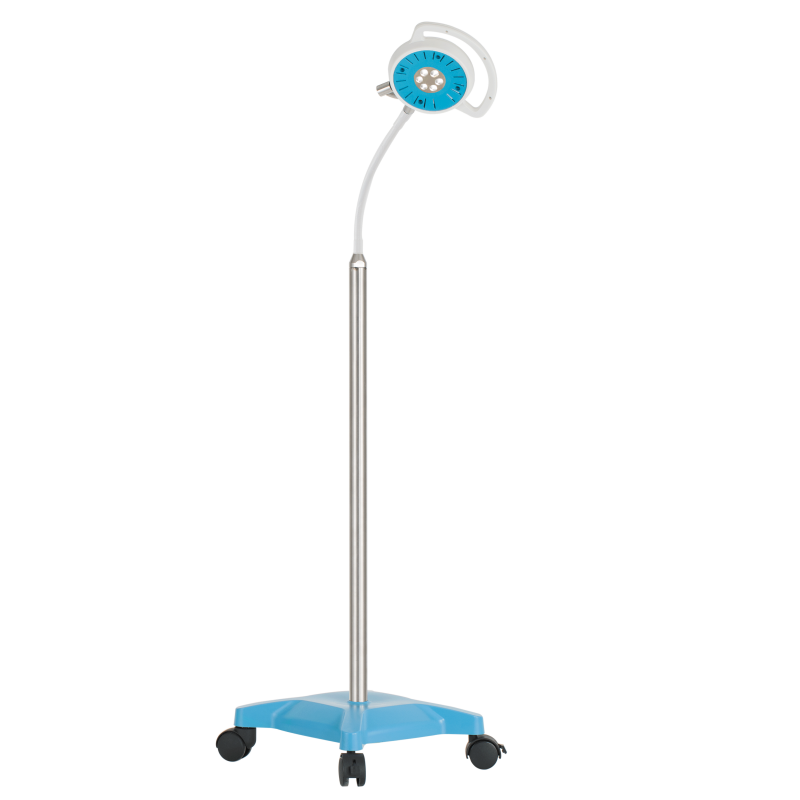
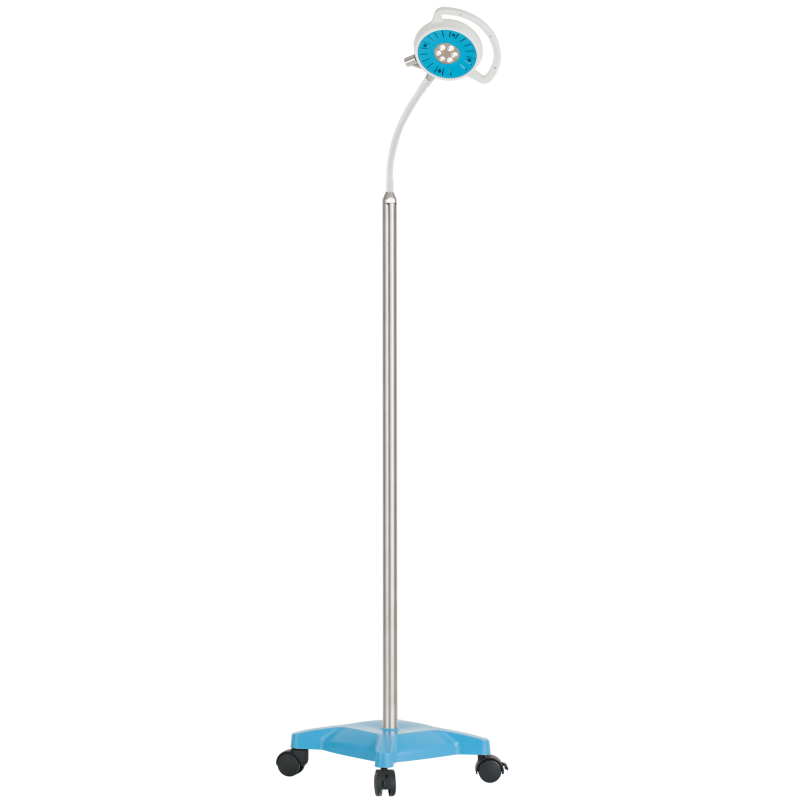
Mobile surgical lights are an essential instrument in modern clinics that require maximum flexibility and precise illumination. Unlike permanently installed ceiling lights, mobile systems offer the ability to position the light beam exactly where it is most needed during surgery. They are suitable for emergency and intensive care areas, as well as for minor procedures where patient transport and the operating area need to be flexibly arranged. This is particularly relevant for clinics, as mobile surgical lights significantly increase efficiency and safety in dynamic situations.

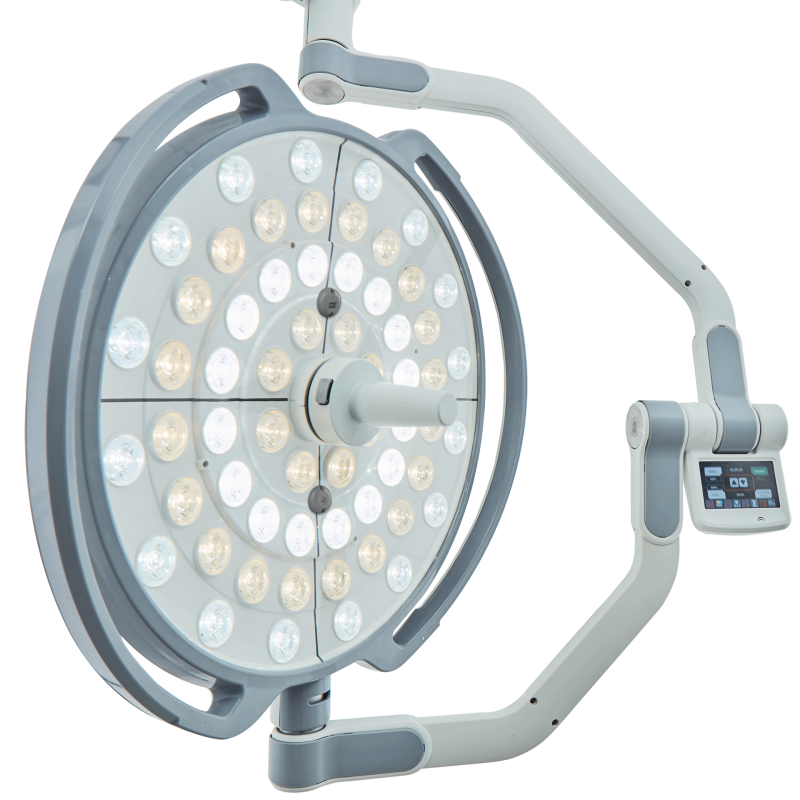
A mobile surgical light combines several technical requirements: it must provide high light intensity, enable shadow-free illumination, and offer realistic color rendering. Modern LED technology plays a crucial role here. LEDs deliver consistently bright light with low heat generation and a long lifespan. These properties are particularly important for medical personnel, as long procedures can be performed without interruption, without the light losing performance or the surgical team being burdened by heat. The ergonomics of mobile surgical lights is another central aspect. A precisely balanced arm allows for flexible positioning and smooth movement of the light head. Operation is intuitive via control units located on the head or base. This allows surgical staff to adjust light intensity and sometimes even color temperature in real time. The easy mobility also ensures that the light can be quickly moved between different rooms or locations without compromising sterility or safety requirements.

Hygiene also plays a major role in mobile surgical lights. The surfaces are smooth, easy to disinfect, and resistant to aggressive cleaning agents to minimize the risk of germ transmission. Compact designs with minimal joints and curves support efficient cleaning and prevent the accumulation of dust or dirt, which is particularly crucial in emergency situations. Another advantage of mobile surgical lights lies in their flexibility for various applications. In addition to classic surgical procedures, these lights can be used in intensive care, catheter labs, emergency areas, or even in mobile operating units. The adaptability of light intensity and position allows the light to be precisely adjusted to the patient’s anatomical conditions and the requirements of the procedure.

Technical Features and Performance of Mobile Surgical Lights

Mobile surgical lights are among the central illumination systems in clinics and emergency facilities, as they combine light quality, flexibility, and precision in one device. Unlike permanently installed ceiling lights, they must provide a uniformly illuminated surgical field regardless of room structure and patient position. The technical requirements for a mobile surgical light are therefore particularly high: light intensity, color rendering, low shadowing, and longevity play a crucial role in the safety and efficiency of surgical procedures. A decisive criterion is light intensity. High-quality mobile surgical lights achieve illumination levels of 100,000 to 160,000 lux. This high light output ensures that even the smallest anatomical structures remain visible and supports the precise execution of complex procedures. At the same time, the light must ensure uniform illumination to avoid strong contrasts or shadow formation that could impair the surgical team’s vision.

Color rendering is another crucial factor. Mobile surgical lights typically feature LED modules with a high color rendering index (CRI ≥ 95). This enables a true-to-life representation of tissue, blood vessels, and organ structures. Correct color rendering is particularly important in microsurgical procedures or minimally invasive operations where small differences in tissue color can be critical.

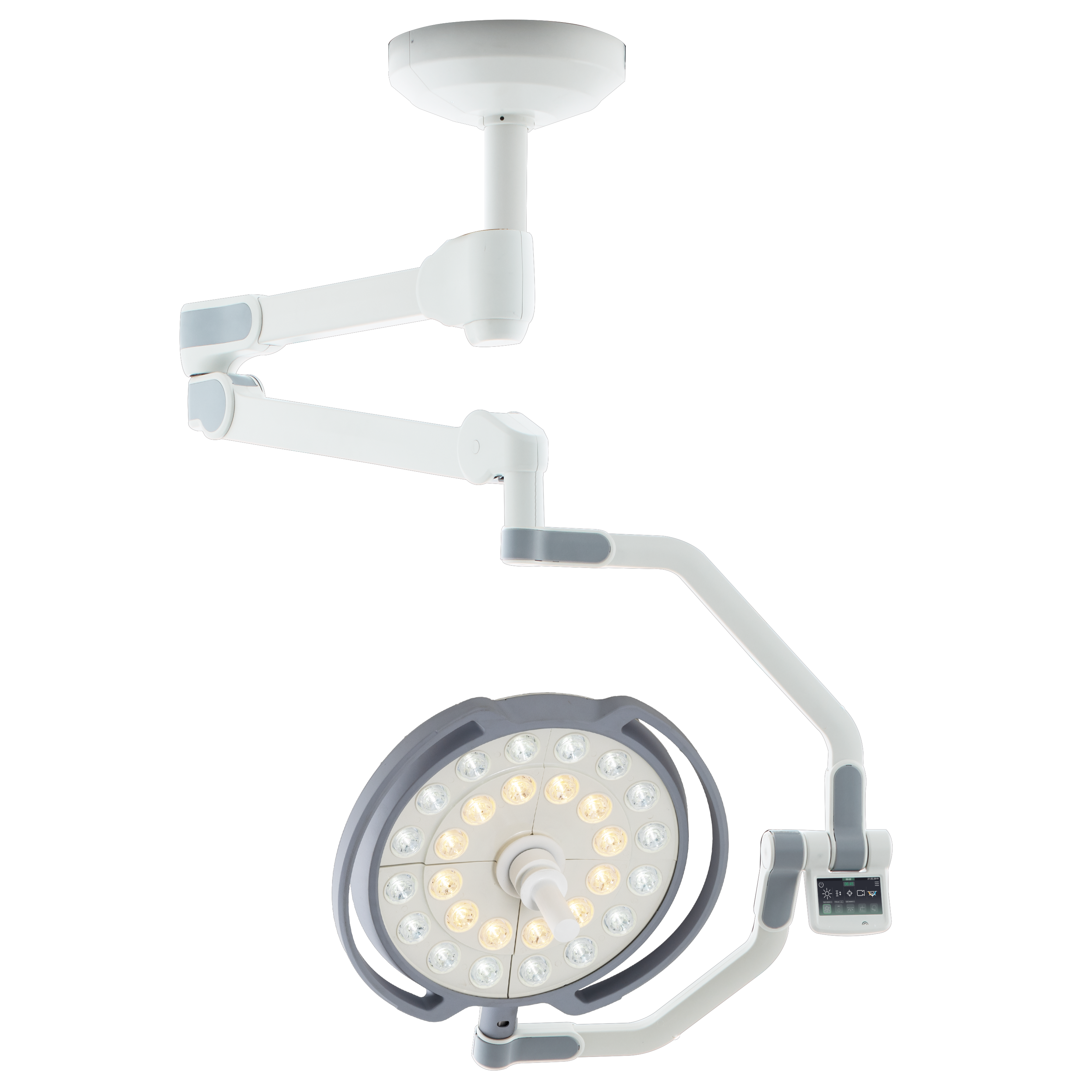
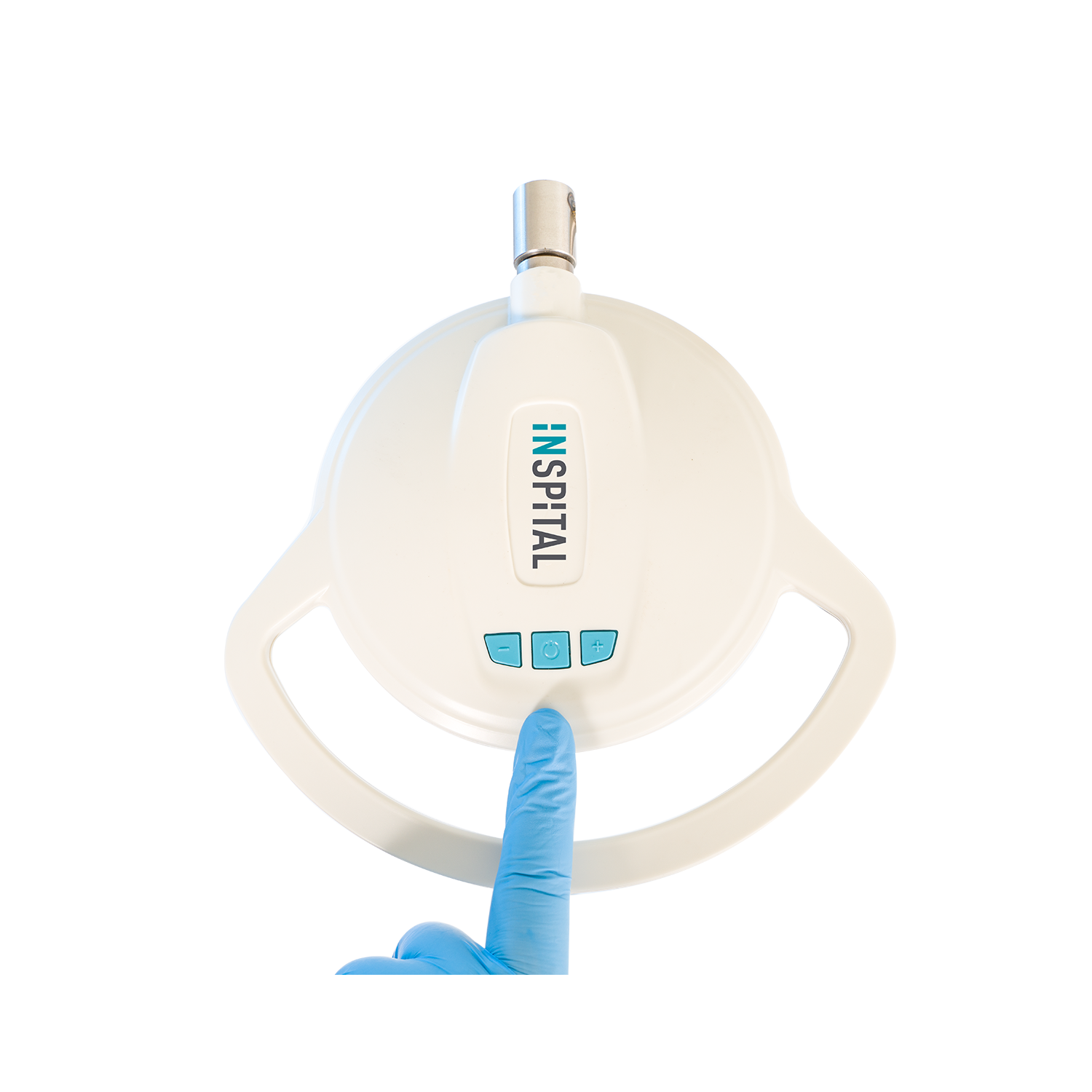
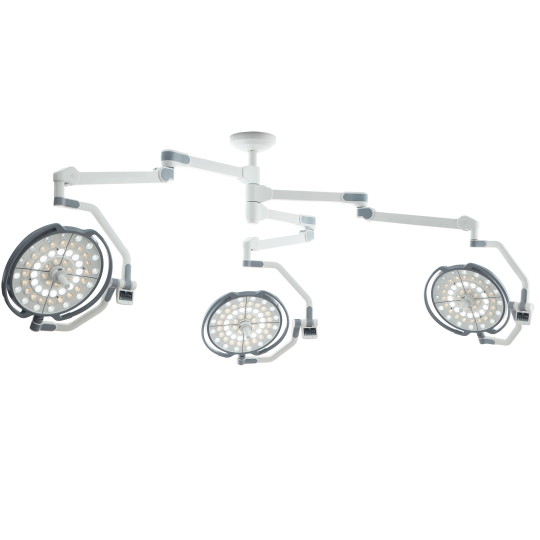
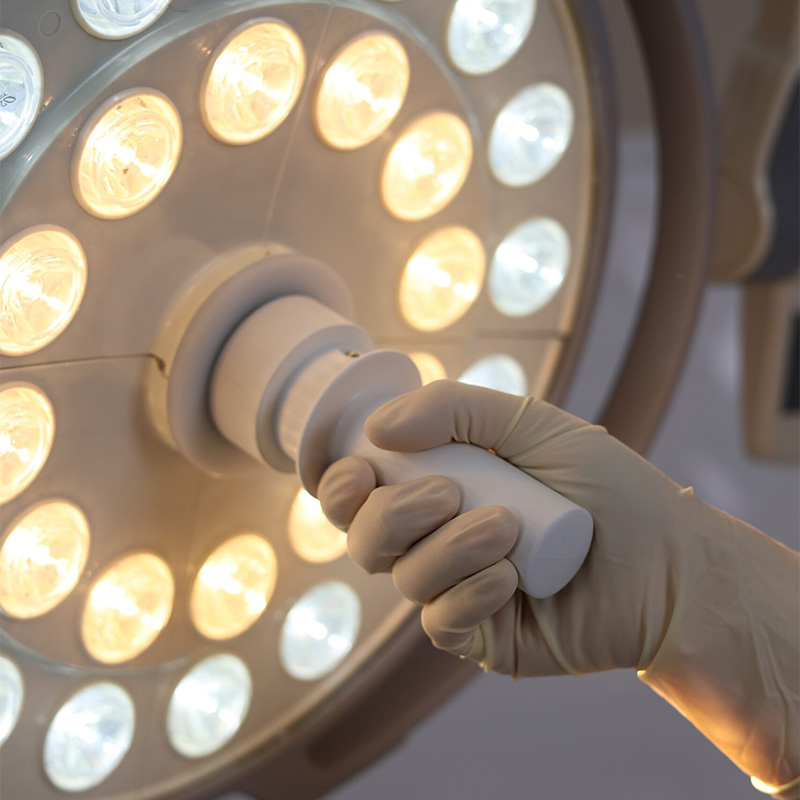
Modern mobile surgical lights rely on modular LED systems. Multiple LED modules are arranged to compensate for shadowing caused by hands, instruments, or other devices. This ensures shadow-free illumination from different angles and supports continuous visibility of the surgical field. At the same time, the modular technology allows for easy maintenance and replacement of individual components, extending the light’s lifespan. Ergonomic aspects are also central. A precisely balanced articulated arm ensures that the light head can be moved almost weightlessly while remaining stable in the desired position. Control units directly on the light head or base allow intuitive adjustment of light intensity and color temperature without the surgical staff having to leave the sterile zone. This ergonomics reduces physical strain and speeds up handling during dynamic procedures.

Energy efficiency also plays an important role. LED technology significantly reduces power consumption compared to conventional halogen lamps and generates less heat. This contributes to a pleasant working environment in the operating room and lowers operating costs. At the same time, the long lifespan of LEDs allows for low-maintenance use over many years.

Hygiene, Disinfection, and Safety Aspects of Mobile Surgical Lights

Hygiene and safety are central criteria for mobile surgical lights, as these devices are used directly in the operating area and often need to be transported between different rooms. Every movement of the light, every contact with hands or instruments, carries a potential risk of contamination. Therefore, mobile surgical lights must not only be technically powerful but also easy to clean and sterilizable to ensure patient safety.

A decisive factor is the surface quality. High-quality mobile surgical lights are made of smooth, low-porosity materials such as corrosion-resistant aluminum or high-quality plastic, which are resistant to aggressive disinfectants. Open joints or hard-to-reach areas are avoided to prevent the accumulation of germs. The smooth surface not only facilitates daily cleaning but also supports efficient disinfection between procedures, which is particularly crucial in emergency situations. Furthermore, aerodynamic designs of mobile surgical lights contribute to reducing air turbulence. In modern operating theaters, laminar airflow is often used to minimize germ contamination in the surgical field. Compact, rounded light heads do not disrupt the airflow, thereby reducing the risk of infection. At the same time, the design ensures that the light can be easily positioned between different surgical situations without compromising the sterile zone.

Electrical safety is another important aspect. As an active medical device, the mobile surgical light must be protected against short circuits, overvoltage, and failure of individual LED modules. High-quality devices feature redundant safety systems that monitor operation and detect malfunctions early. This increases operational safety and minimizes downtime, which can be critical in emergency situations.

Mechanical stability is also essential. The articulated arm of the light must be flexibly positionable but also vibration-free, so that the light beam remains constant during a procedure. Precisely balanced spring arms ensure that the surgical team can move the light almost weightlessly without it losing its position. This is particularly important for long or complex operations where a stable light source is indispensable. Ergonomic control systems also contribute to hygiene. Control elements on the light head or base are easily accessible and wipeable, allowing adjustments to be made without leaving the sterile zone. Some lights also offer programmable profiles for different light intensities, minimizing unnecessary manual intervention.

In summary, the mobile surgical light combines technical precision, ergonomic usability, electrical and mechanical safety, and hygienic design in one device. It not only enables optimal illumination but also ensures safe, sterilizable working conditions in dynamic operating environments. Manufacturers like Inspital GmbH develop these systems to the highest standards to ensure patient safety and the efficiency of surgical personnel in all situations.

Ergonomics and User Comfort of Mobile Surgical Lights

The ergonomics of mobile surgical lights play a crucial role in efficiency, precision, and safety in the operating room. In a dynamic environment where surgeons, assistants, and anesthetists work simultaneously, the lighting system must be flexible, intuitive to operate, and stable. Every movement of the light should be precisely controllable without affecting the surgical field or the sterile zone.

A central ergonomic feature is the articulated arm of the light. High-quality mobile surgical lights are equipped with balanced spring arms that allow for almost weightless movement of the light head. This enables quick, precise, and effortless positioning of the light source. At the same time, the stable construction ensures that the light beam remains unchanged during the procedure, which is particularly crucial for long operations. This combination of flexibility and stability significantly reduces the physical strain on surgical personnel.

Intuitive control is another important aspect. Control panels on the light head or at the base of the light allow for real-time adjustment of light intensity, color temperature, and light distribution. Some systems offer programmable profiles that can be preset for different types of operations. This allows recurring procedures to be performed more efficiently without the need for manual adjustments during the procedure. Freedom of movement in the operating room is also supported by the design of mobile lights. Compact, rounded light heads minimize physical obstruction for the surgical team and allow for the simultaneous use of other equipment such as cameras, monitors, or instrument carts. This optimized design keeps sight lines clear and does not compromise the sterile area.

Glare-free and uniform light distribution are also crucial for ergonomic work. Mobile surgical lights create a homogeneous light field without strong contrasts, which reduces visual fatigue for the surgeon. This is particularly important in microsurgical procedures or minimally invasive operations where precision depends on the smallest details. Furthermore, the mobility of the light supports ergonomics. In emergency situations or in multifunctional operating rooms, the light can be quickly moved between different positions or rooms. Easy-rolling castors, well-balanced arms, and intuitive control systems make transport simple and safe, without compromising the sterile environment.

Energy Efficiency and Sustainability of Mobile Surgical Lights

In modern clinics, energy efficiency and sustainability are becoming increasingly important – including for mobile surgical lights. Operating rooms are technically highly complex spaces where numerous devices are operated simultaneously. Energy-efficient lighting not only reduces electricity costs but also contributes to ecologically responsible clinic management. Mobile surgical lights must meet the highest demands for light quality, precision, and flexibility.

LED technology is now standard for mobile surgical lights. LEDs offer high light output with low energy consumption. They produce constant, shadow-free light and have a significantly longer lifespan than conventional halogen or xenon lamps. A modern LED light head achieves illumination levels of 100,000 lux or more, while energy consumption remains comparatively low. This makes the light particularly economical to operate, even with frequent use in emergency situations.

Another advantage of LED technology is its low heat generation. Mobile surgical lights produce less waste heat, which contributes to a more pleasant working environment in the operating room. At the same time, the risk of tissue desiccation during long procedures is minimized. In combination with optimized airflow in cleanroom operating theaters, this supports both comfort and hygienic safety.

Longevity and modular design further enhance sustainability. High-quality mobile surgical lights are made of durable materials such as aluminum alloys and robust plastic. Individual LED modules or control units can be replaced if necessary without having to replace the entire light. This significantly extends the lifespan, reduces waste, and lowers long-term operating costs.

In addition, intelligent control systems contribute to energy savings. Many mobile surgical lights feature dimmable LED modules, programmable light profiles, and automatic shut-off or standby functions when the light is not actively in use. This minimizes energy consumption without compromising the availability or quality of illumination. In multifunctional operating rooms, where mobile lights are moved between different procedures, this is a particularly important advantage.

The sustainability of the entire product is also considered. Smooth surfaces and resistant materials enable easy cleaning and reduce the need for chemical cleaning agents. Robust castors and joints ensure long service life, even with frequent movement between operating rooms or emergency departments.

In summary, the mobile surgical light, as a medical device, combines high energy efficiency, longevity, and sustainability with excellent light quality and flexibility.

Versatile Applications of Mobile Surgical Lights

Mobile surgical lights are primarily characterized by their versatility, making them an indispensable instrument in clinics and emergency situations. Unlike permanently installed lighting systems, they can be flexibly positioned and quickly adapted to different surgical situations. This makes them particularly valuable in multifunctional operating rooms, intensive care units, emergency departments, or mobile operating units.

A key advantage is their adaptability to various types of procedures. Mobile lights can be used for both minimally invasive procedures and complex open surgeries. Individually adjustable light intensity, color temperature, and light field size allow the surgical team to precisely tailor the illumination to the procedure. This ensures a clear view of tissue, blood vessels, and structures, even in hard-to-reach wound cavities. The mobility of the light also enables rapid deployment in emergency situations. In areas such as the emergency room, trauma room, or during accident care, the light can be easily moved between different treatment areas. Smooth-running castors, stable articulated arms, and intuitive control systems ensure that the light can be quickly, precisely, and reliably aligned without compromising the sterile environment.

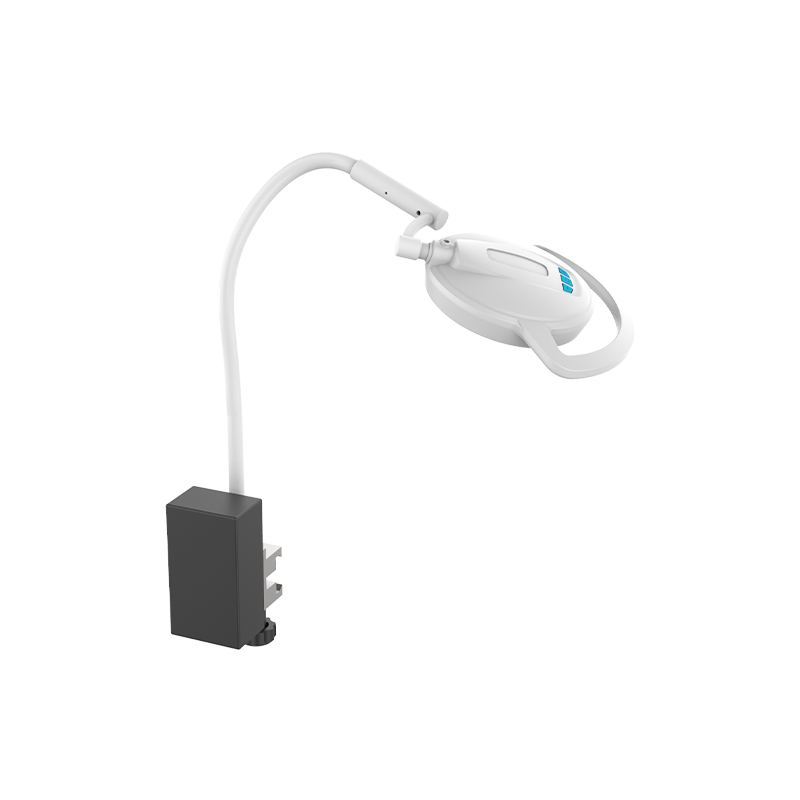
Mobile surgical lights also offer significant advantages in small operating rooms or temporary intervention zones. They do not require fixed ceiling installation, which is particularly beneficial in clinics with limited space or in mobile operating units. At the same time, they can be combined with other medical devices without restricting sight lines or freedom of movement.

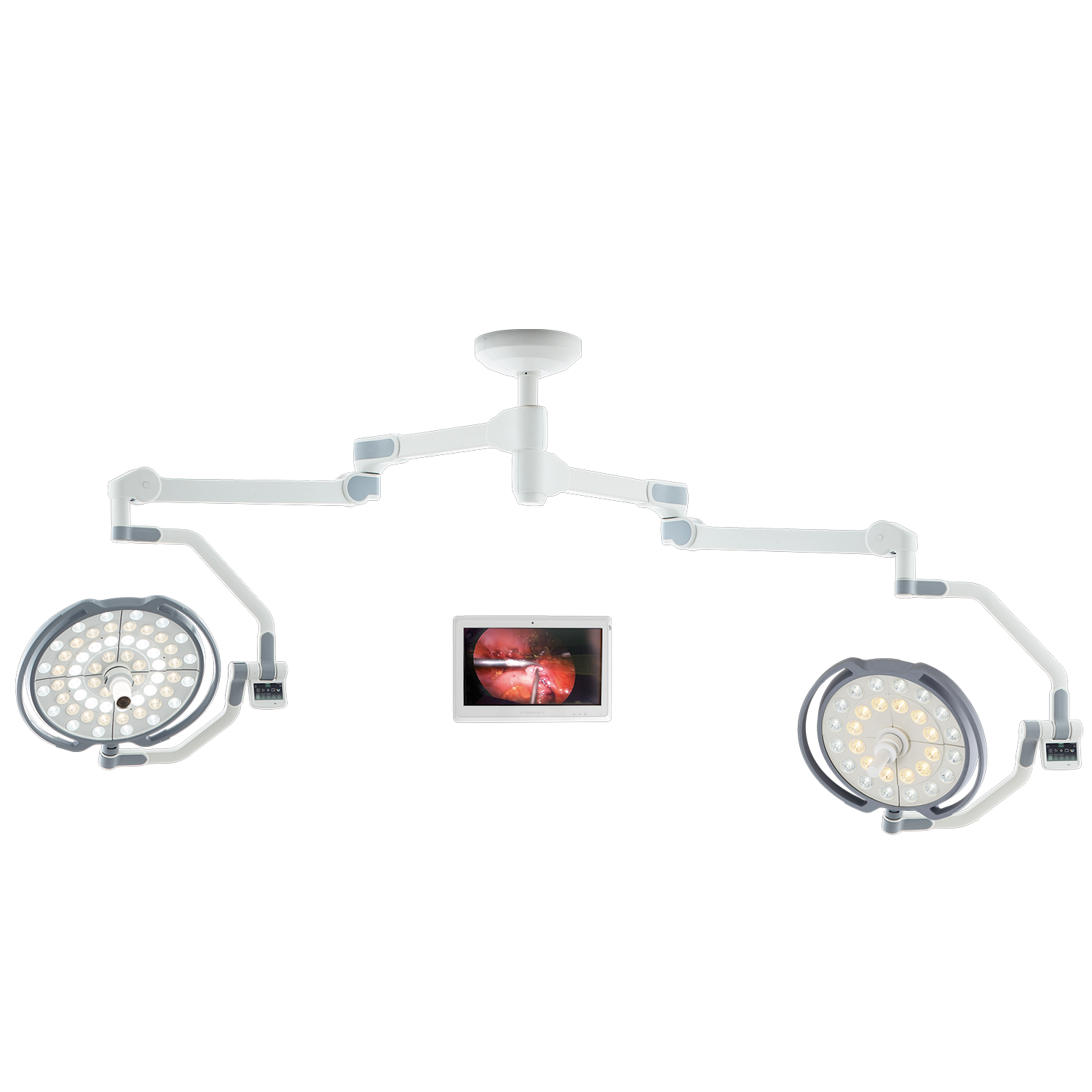
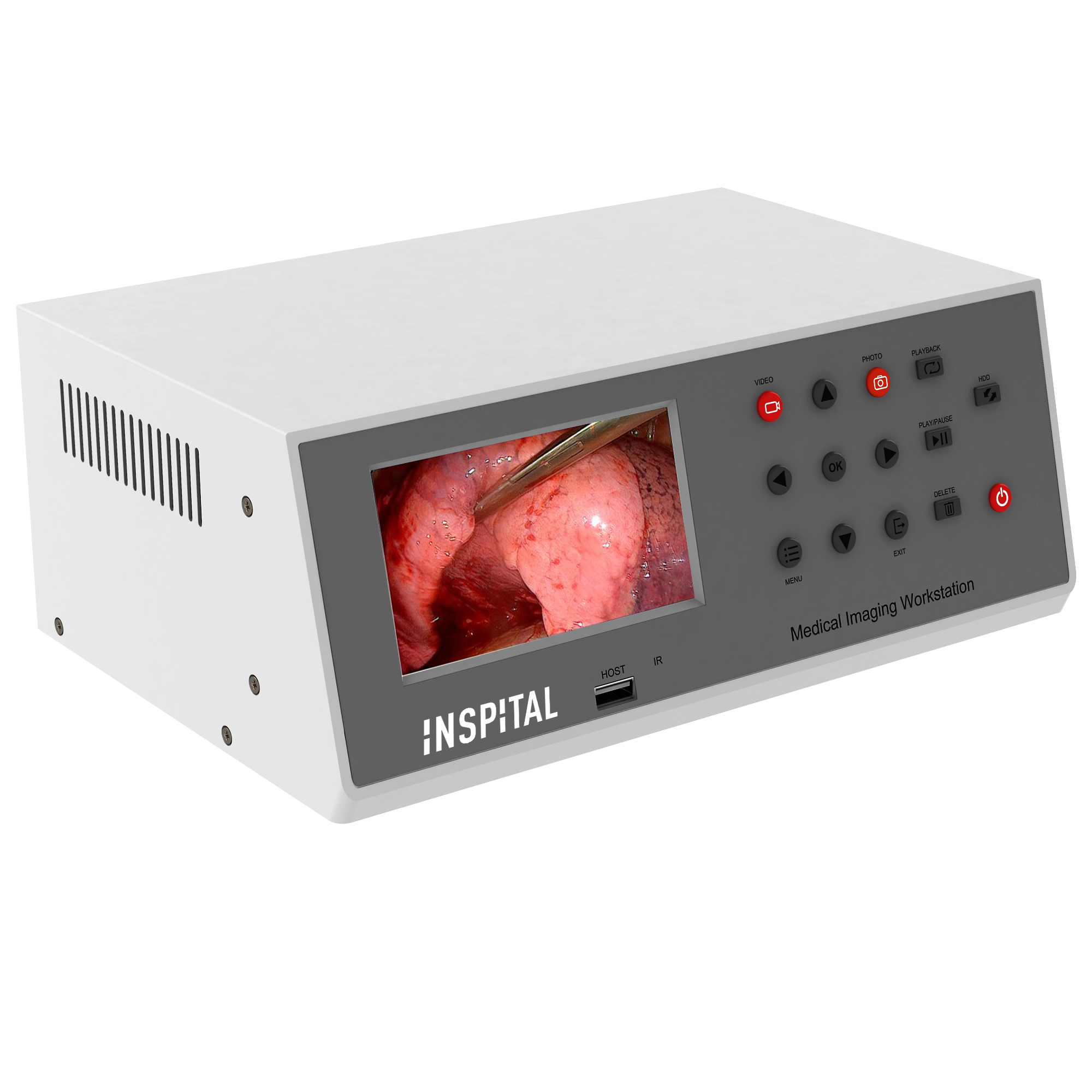
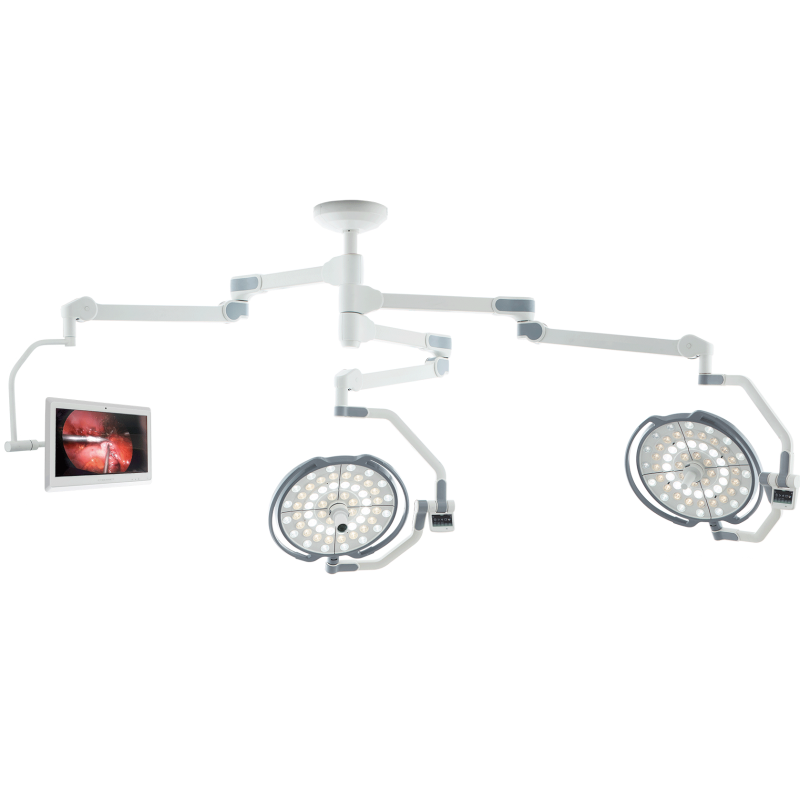
Modern systems also offer additional functions that further increase versatility. Some lights feature integrated cameras for documentation or telemedicine, dimmable LED modules for individual light adjustment, and programmable light profiles for different types of operations. Thus, the mobile surgical light becomes a multifunctional tool that not only provides light but also supports and documents workflows. The hygienic design of mobile surgical lights also contributes to their versatility. Smooth surfaces, wipeable control panels, and a compact design enable use in various surgical scenarios without complicating cleaning or sterilization processes. This is particularly relevant when the light is frequently moved between different stations.

The mobile surgical light is a universal tool for clinics that significantly improves the efficiency, safety, and quality of surgical procedures in a wide range of applications. Manufacturers like Inspital GmbH develop such systems to the highest standards to meet the demands of modern operating and emergency areas while ensuring long-lasting, reliable use.

Future Prospects and Innovations in Mobile Surgical Lights

Mobile surgical lights are at the forefront of continuous innovation to meet the demands of modern operating rooms. New technologies, improved LED systems, and digital integration enable further optimization of the performance, flexibility, and user-friendliness of these medical devices. The goal is to improve visibility in the operating room, enhance ergonomics for medical personnel, and simultaneously increase patient safety and efficiency. A central area of innovation is intelligent light control. Future mobile surgical lights could automatically adjust light intensity, color temperature, and light field size to the respective surgical situation. Sensors detect the position of the surgical field, the presence of personnel or instruments, and dynamically adjust the illumination. This helps avoid glare, optimize detail recognition, and reduce visual fatigue for the surgical team – especially during long procedures.

The further development of LED technology also brings significant advantages. New LEDs offer even higher color rendering, lower heat generation, and a longer lifespan. This allows the light to provide constant lighting conditions even during particularly long operations, without performance degradation. At the same time, energy consumption decreases, which reduces operating costs and supports sustainable clinic solutions.

Digital integration opens up additional possibilities. Mobile surgical lights can be networked with cameras, imaging, or navigation systems, allowing real-time information to be transmitted directly into the light field. Augmented reality applications, for example, could visualize relevant surgical information or guidelines, making procedures more precise and efficient. This also facilitates the documentation of procedures for training or quality purposes. Ergonomic innovations are also a focus. Future mobile surgical lights will be even more flexible, easier to operate, and more compact. Improved articulated and spring arm mechanisms enable precise positioning without additional strain on surgical personnel. This protects the sterile area and optimizes freedom of movement in the operating room.

Sustainability and resource conservation remain central development goals. High-quality materials, modular designs, and energy-efficient controls ensure that mobile surgical lights are durable and low-maintenance. Individual components can be replaced without having to replace the entire system, thereby reducing waste and minimizing environmental impact.