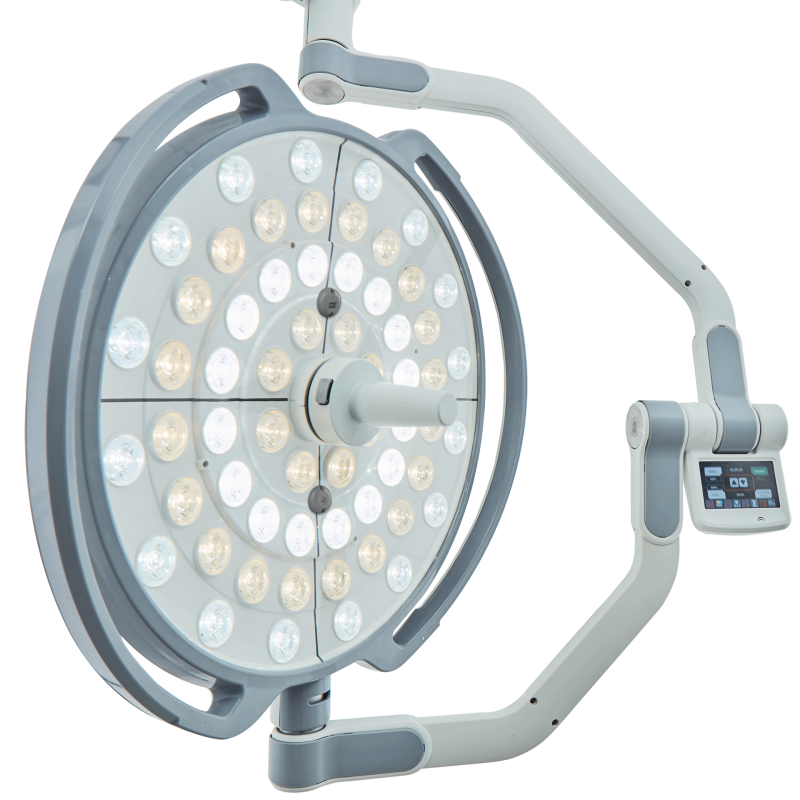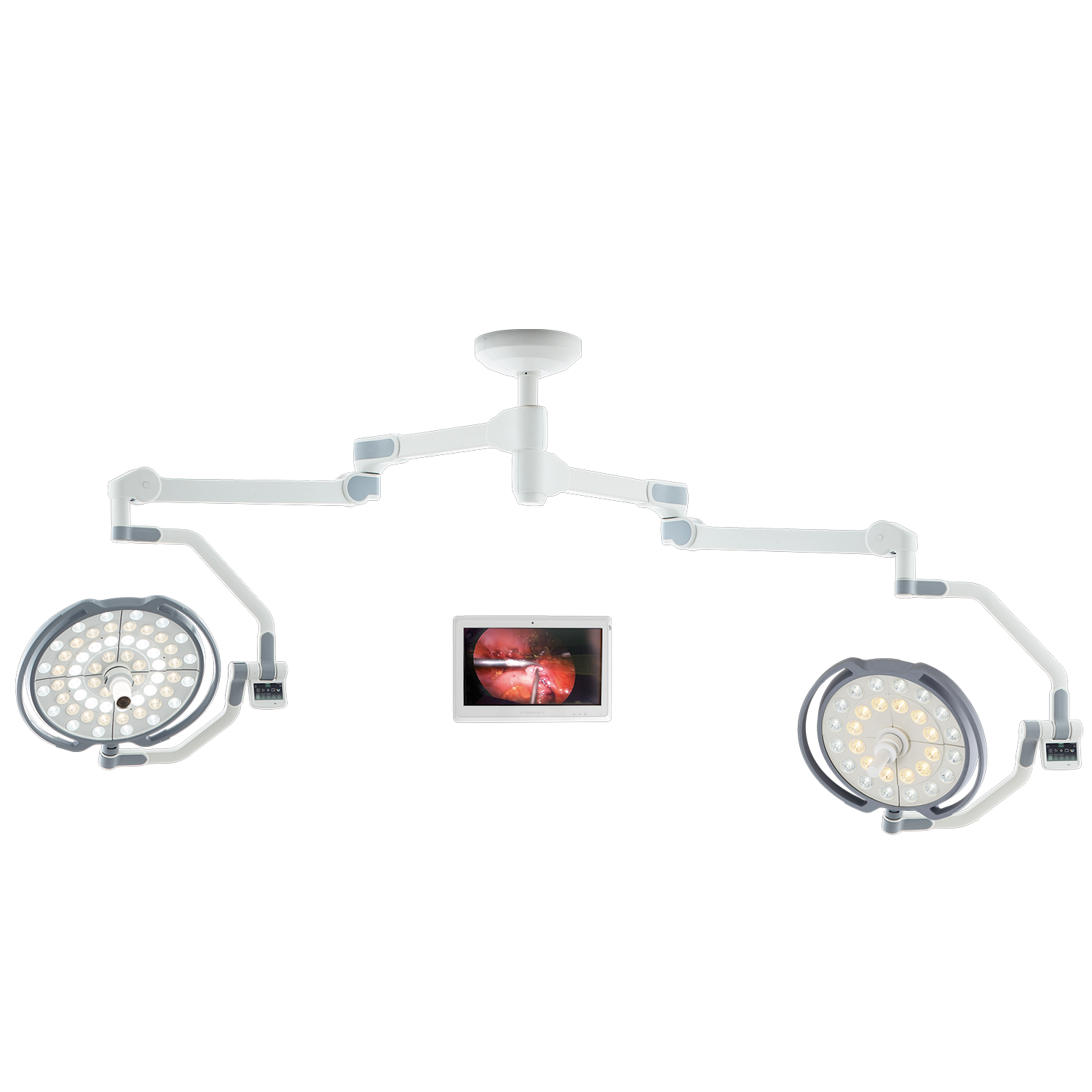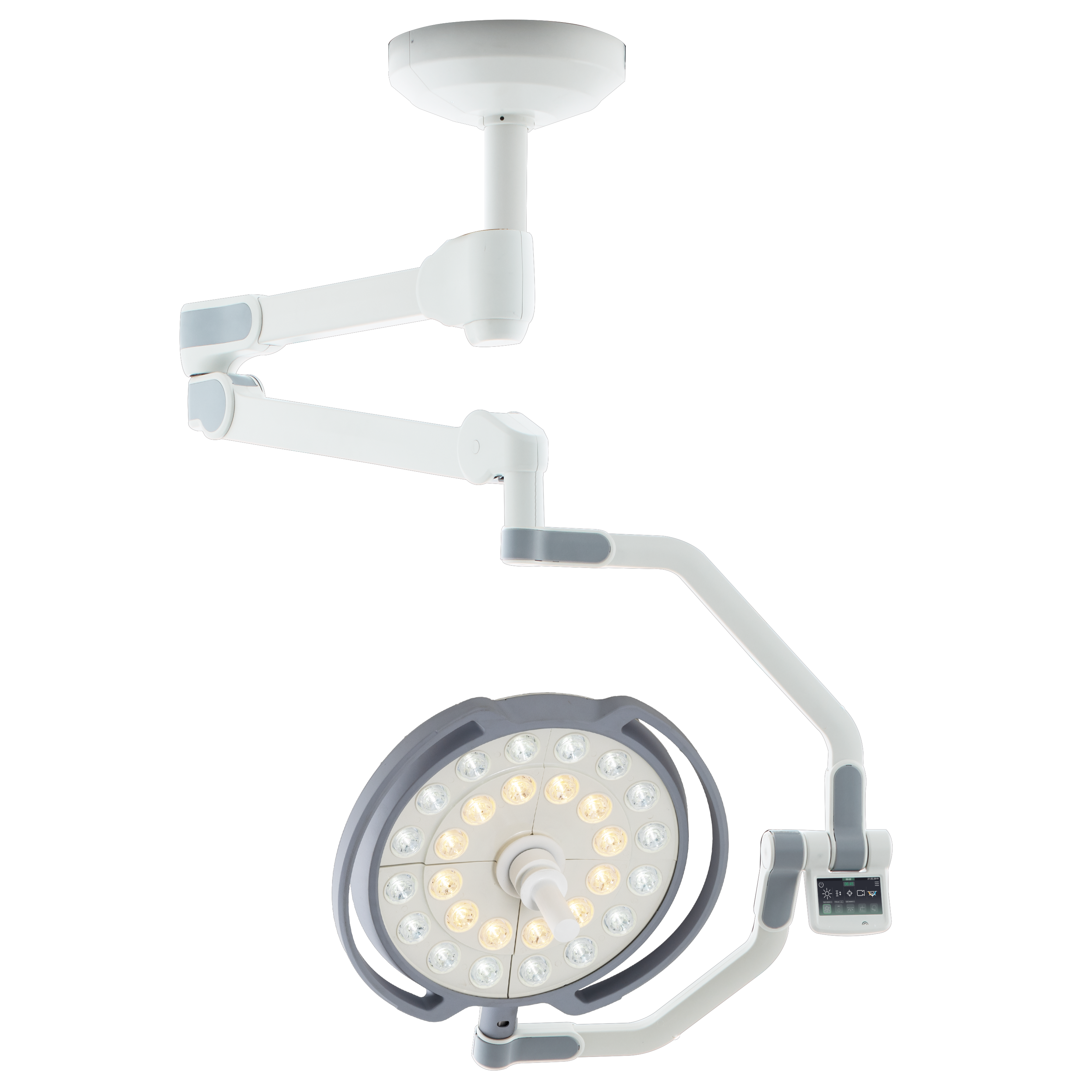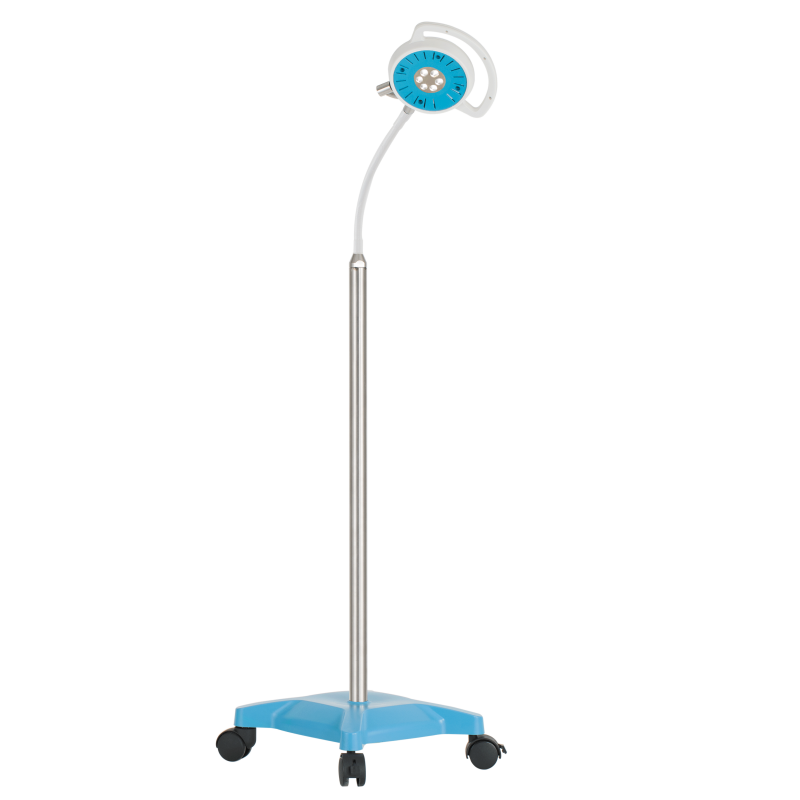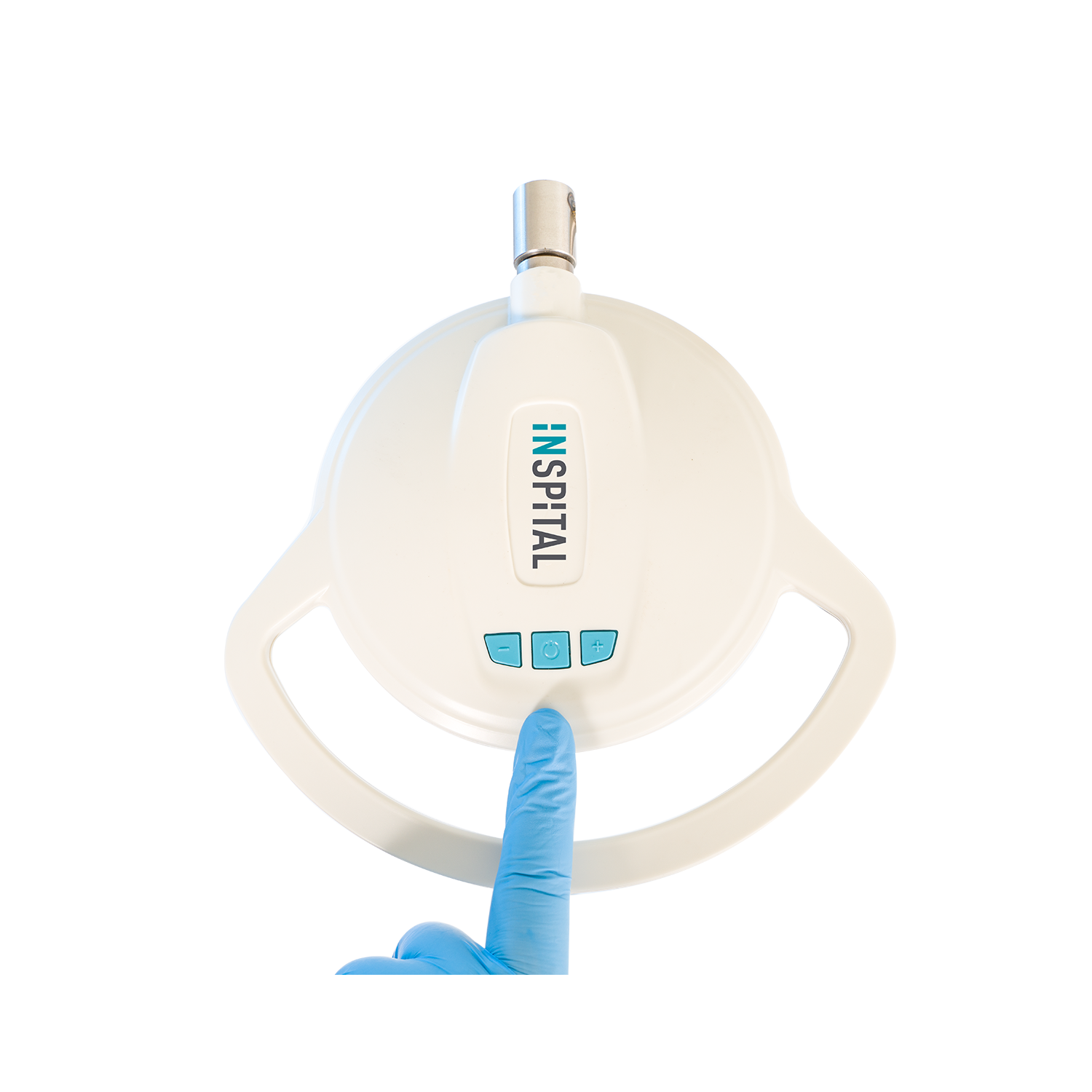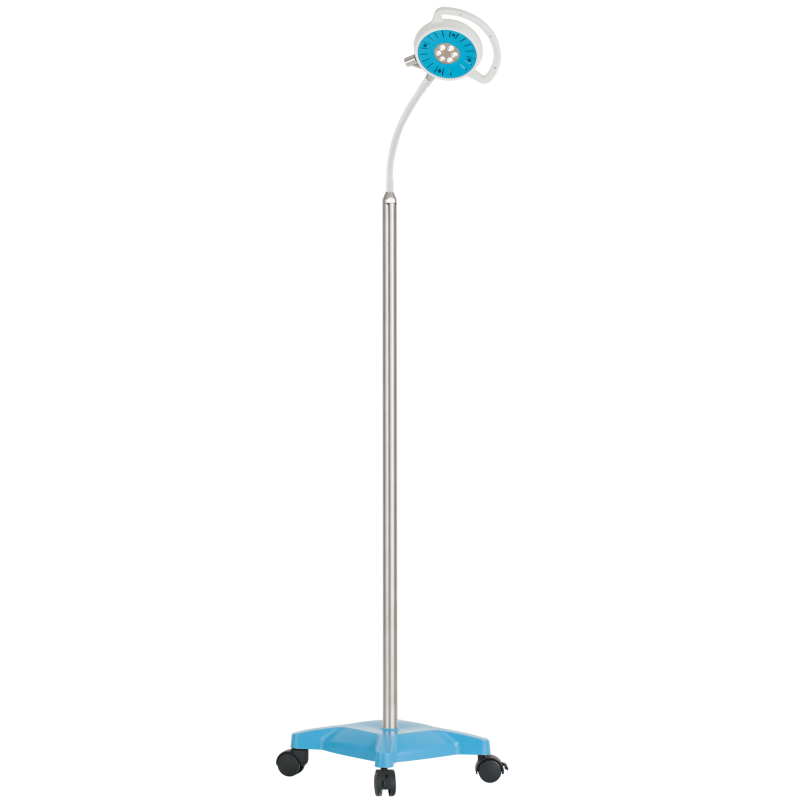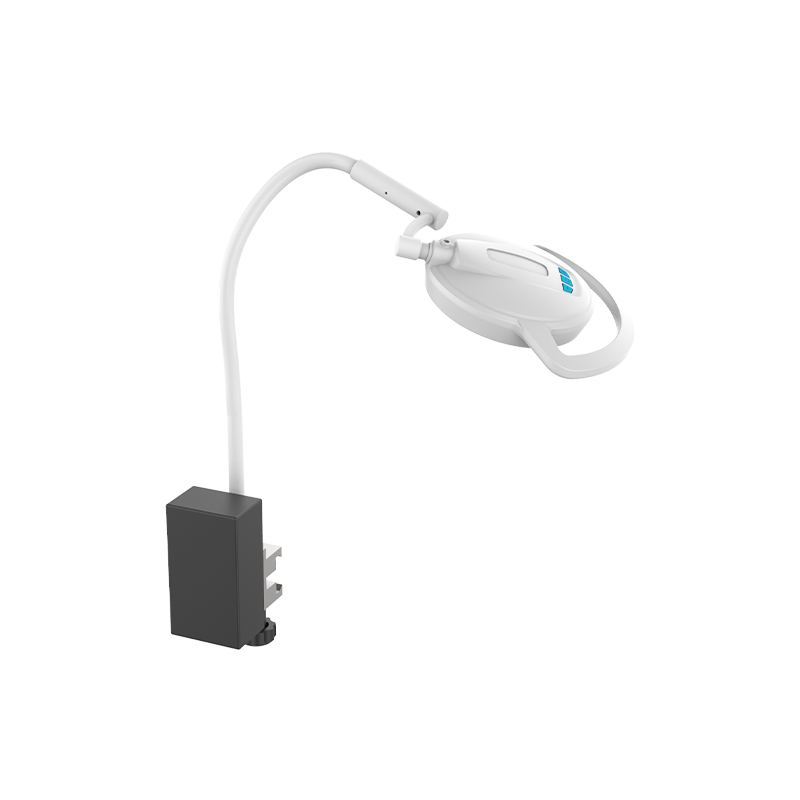
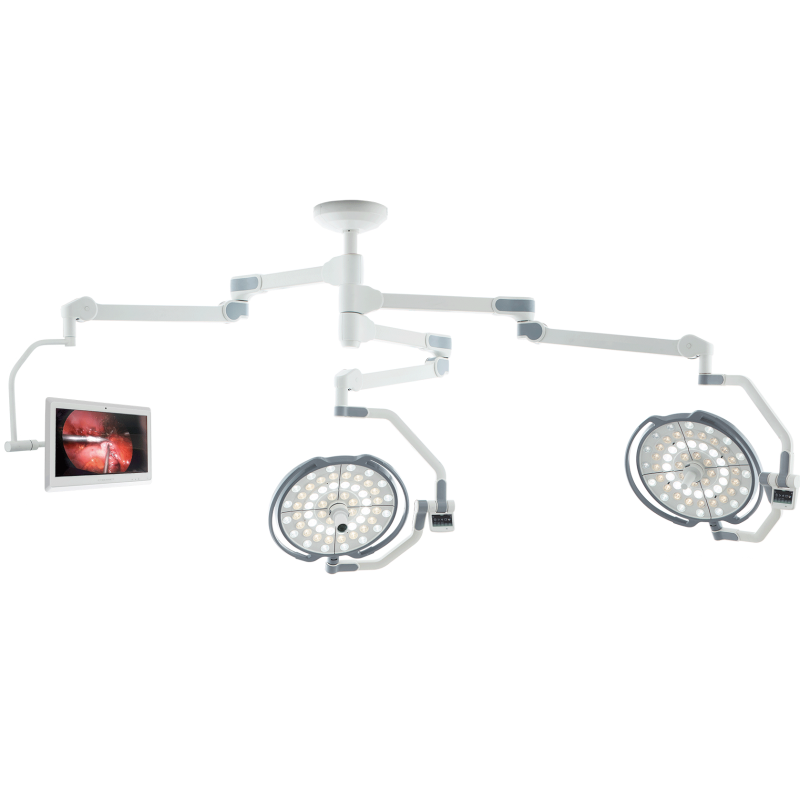
Dual-head surgical lights with camera and arm-mounted 27″ medical monitor LD20.53S
Prices visible to registered customers onlyDual-head surgical lights with camera and arm-mounted 27″ medical monitor LD20.53
Prices visible to registered customers onlyDual-head surgical lights with camera and wall-mounted 27″ medical monitor LD20.24S
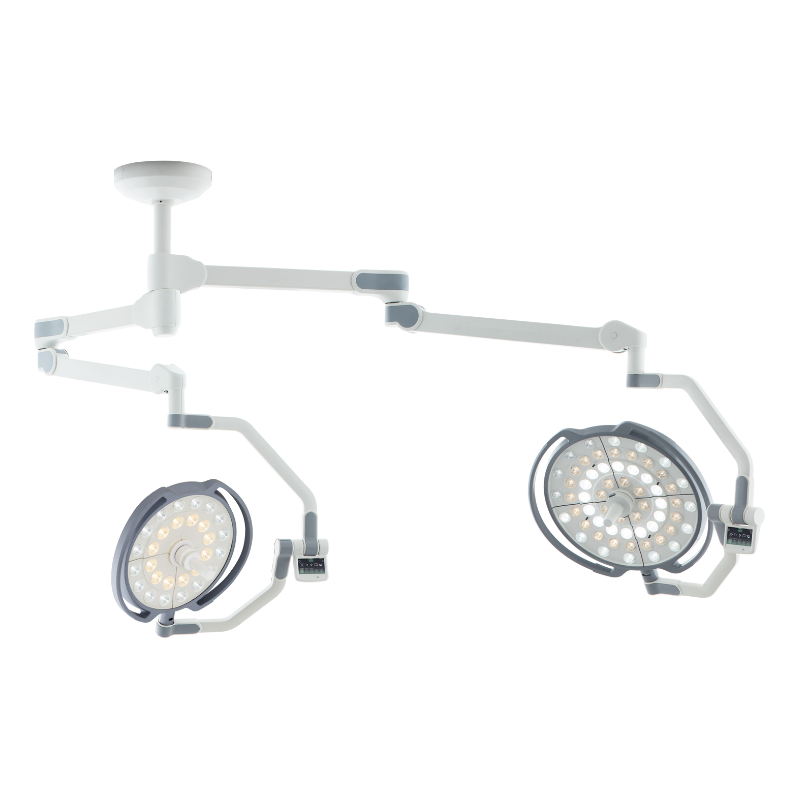
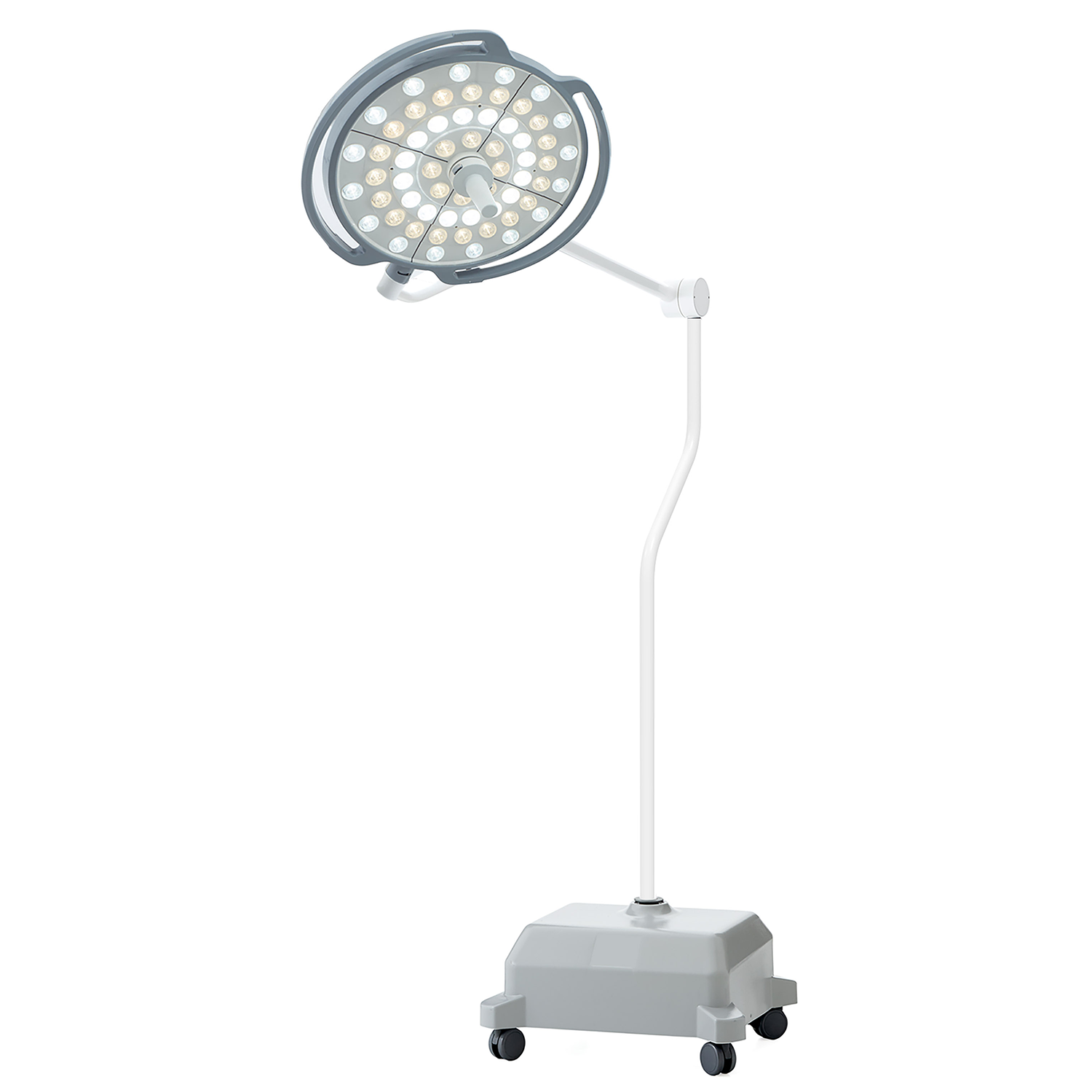
Prices visible to registered customers onlyDual-Head Surgical Light LD10.02S
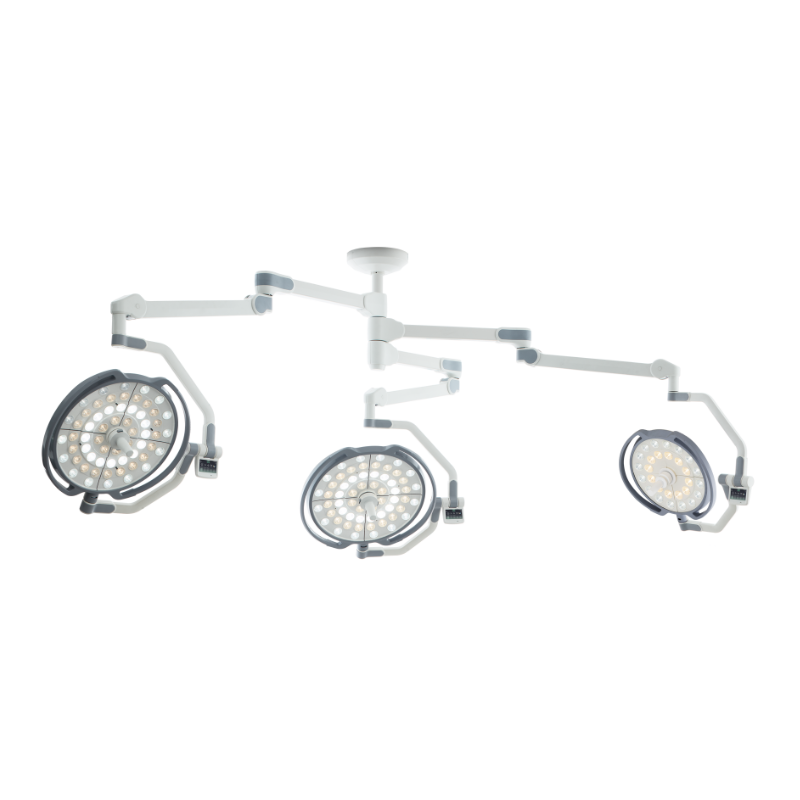
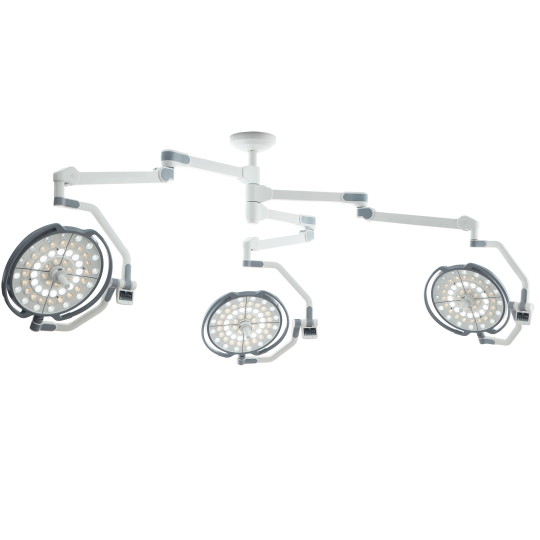
Prices visible to registered customers onlyThree-Headed Surgical Light LD10.03S
Prices visible to registered customers onlySingle-Head Surgical Light LD10.01S
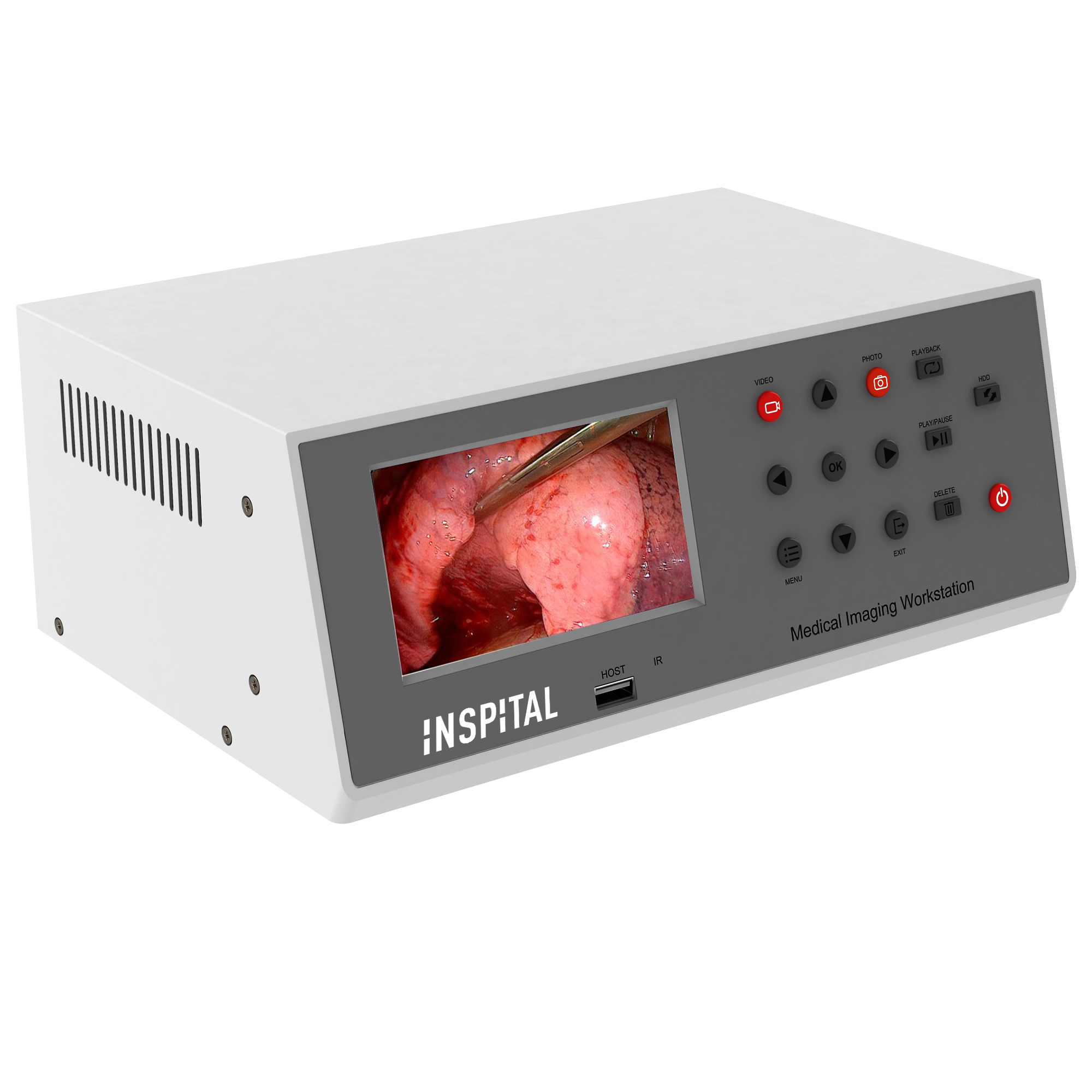
Prices visible to registered customers onlyMedical Imaging Recorder LD30.00
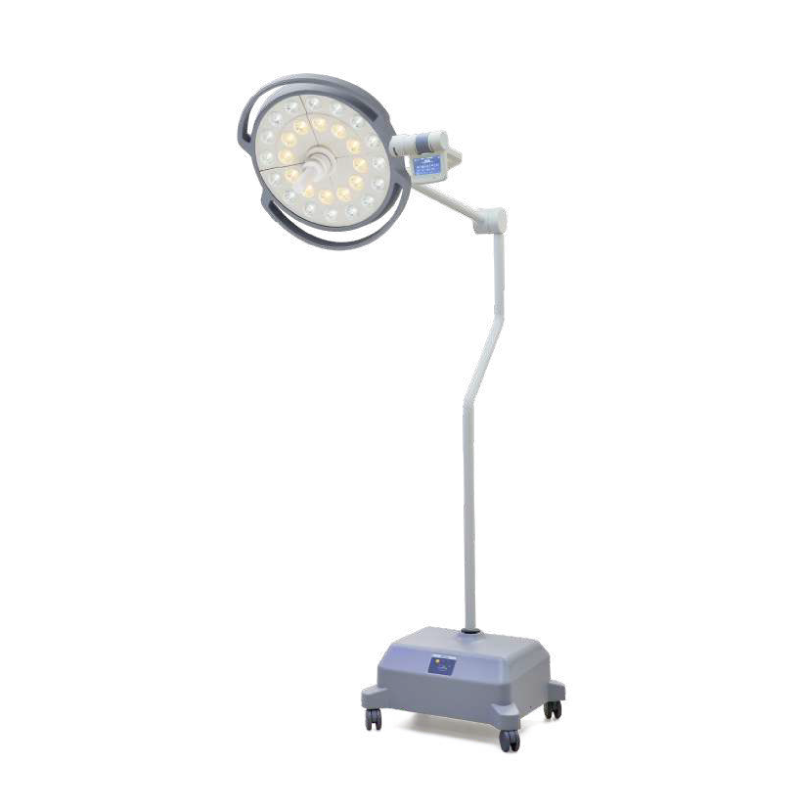
Prices visible to registered customers onlyMobile surgical light with battery LD05.06
Prices visible to registered customers onlyMobile surgical light, Satellite head with battery LD05.06S
Prices visible to registered customers onlyExamination Light LD02.05
Prices visible to registered customers onlyExamination Light LD02.08
Prices visible to registered customers onlyLED examination lamp, rail type LP10.05
Prices visible to registered customers onlyLED Surgical Light: Precision and Light Quality for Modern Operating Rooms
LED surgical lights have become an indispensable medical device in modern operating rooms. They provide precise, homogeneous illumination of the surgical field and improve visibility for surgeons and OR staff. Compared to conventional halogen or xenon lamps, LED surgical lights are characterized by their higher light output, low heat generation, and long service life. This not only enhances the quality of surgical procedures but also significantly improves working conditions in the OR.
A central feature of an LED surgical light is its light intensity. High-quality systems achieve illuminance levels of up to 160,000 lux, making even the smallest details in the surgical field visible. At the same time, the special arrangement of the LED modules achieves shadow-free illumination, so that hands, instruments, or equipment do not impair visibility. This is particularly important in microsurgical or minimally invasive procedures, where the smallest structures must be precisely recognizable. Color rendering also plays a crucial role in LED surgical lights. A high color rendering index (CRI ≥ 95) ensures that tissue, blood vessels, and organs are displayed true to life. This facilitates the assessment of blood flow, tissue structure, and pathologies, which in turn increases patient safety. Modern LED systems also allow adjustment of color temperature to accommodate different OR situations or the surgeon’s personal preferences.
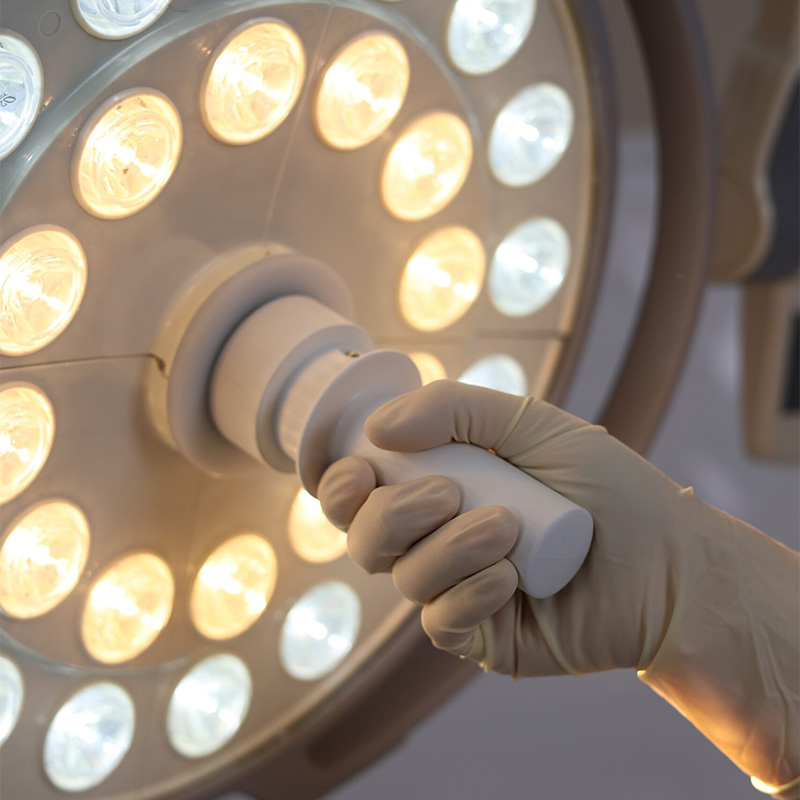
Ergonomic aspects are also central. LED surgical lights feature flexible articulated arms that enable precise positioning of the light cone. Intuitive controls on the lamp head or via central panels allow quick adjustment of light intensity and color temperature without having to leave the sterile zone. This reduces the physical strain on the OR team and optimizes workflows. In addition, LED surgical lights are designed to be particularly hygiene-friendly. Smooth surfaces, minimalist designs, and easily accessible cleaning surfaces enable efficient disinfection between procedures. At the same time, the low heat generation of the LEDs ensures that the surgical field does not dry out, which protects tissue quality during longer operations.
In summary, the LED surgical light combines precision, flexibility, hygiene, and ergonomics in one device. It is an indispensable tool for modern operating rooms that significantly supports the safety, efficiency, and quality of surgical procedures. Manufacturers such as Inspital GmbH develop their LED surgical lights to the highest standards to meet all the requirements of modern surgery while ensuring long-lasting and energy-efficient operation.
Technical Features and Performance of LED Surgical Lights
LED surgical lights are high-tech medical devices that must meet the highest demands for light quality, precision, and flexibility. In the operating room, optimal visibility of tissue, blood vessels, and organ structures is crucial for the success of surgical procedures. LED systems offer numerous technical advantages over traditional lighting methods and have therefore become the standard in modern hospitals.
A central performance factor is illuminance. High-quality LED surgical lights achieve light intensities of up to 160,000 lux, making even the smallest details in the OR field reliably visible. At the same time, specially arranged LED modules ensure that light is distributed homogeneously and shadow formation from hands, instruments, or other equipment is minimized. This shadow-free illumination is particularly important in microsurgical procedures or minimally invasive techniques. Color rendering is another crucial feature. A high color rendering index (CRI ≥ 95) ensures that tissue, blood, and organs are displayed true to life. This helps surgeons assess pathologies, detect bleeding, or evaluate blood flow. Modern LED surgical lights also allow adjustment of color temperature, so that light can be optimally adapted to different types of procedures or the surgeon’s individual preferences.
Another essential feature is depth illumination. LEDs are often combined in modular arrangements so that even deep-lying structures in the OR field are optimally illuminated. Precise lenses, reflectors, and optical correction systems ensure that light is focused and simultaneously evenly dispersed, minimizing shadows and ensuring an exact view of the surgical area. Ergonomics also plays a crucial role. LED surgical lights feature flexible, well-balanced articulated arms that enable simple and precise positioning. Intuitive controls directly on the lamp head or via central panels allow real-time adjustment of light intensity, light field size, and color temperature. This enables the OR team to optimally adjust the light to the needs of the procedure at any time without leaving the sterile zone.
Modern LED surgical lights are energy-efficient and low-maintenance. LEDs consume significantly less power than halogen lamps and have a long service life of up to 50,000 operating hours. Thanks to their modular design, individual LED modules can be replaced when worn without replacing the entire lamp, which reduces long-term operating costs.
Hygiene and Disinfection in LED Surgical Lights
The hygienic design of LED surgical lights is a crucial factor in modern operating rooms. As a medical device, these lights are in close proximity to the sterile OR field and must therefore meet the highest requirements for cleaning, disinfection, and infection control. An optimally designed LED surgical light not only supports visibility quality but also actively contributes to patient safety.
A central aspect is material selection. High-quality LED surgical lights consist of smooth, low-porosity surfaces that are resistant to aggressive cleaning and disinfection agents. Aluminum alloys, high-quality plastic, or coated metal surfaces prevent the accumulation of germs and enable efficient, repeatable cleaning between procedures. Open joints or hard-to-reach areas where dirt or microorganisms could accumulate are consistently avoided in high-quality devices. The shape of the lamp also supports hygiene. Rounded edges and compact lamp heads reduce air turbulence in the OR and facilitate laminar airflow, which minimizes microbial load in the surgical field. This is particularly crucial in cleanroom ORs, where controlled airflow is a central element of infection prevention. The operation of the LED surgical light also contributes to hygienic safety. Intuitive controls on the lamp head or via wipeable panels enable adjustments to light intensity, light field size, or color temperature without staff having to leave the sterile zone. Some systems offer programmable profiles that standardize recurring procedures, thereby minimizing the number of unnecessary touches.
Electrical and mechanical safety are also crucial for hygiene. High-quality LED surgical lights are designed so that no exposed cables, sharp edges, or moving parts complicate cleaning. Precisely balanced articulated arms ensure that the lamp remains stable in position, even when moved during the procedure. This prevents uncontrolled movements that could compromise the sterile field. In addition, the low heat generation of LEDs reduces the risk of damage to escaping fluids or sterile drapes. Unlike halogen lamps, LEDs generate hardly any heat, which protects the surgical field and reduces the need for additional protective measures.
In summary, the LED surgical light as a medical device combines light quality, ergonomics, and hygiene compliance in one device. It enables precise visibility, supports disinfection, and ensures that sterile work is guaranteed at all times. Manufacturers such as Inspital GmbH place great emphasis on materials, surfaces, and designs that meet the high requirements for safety and infection control in modern operating rooms. Thus, the LED surgical light becomes a central instrument that actively supports not only surgical precision but also patient safety.
Ergonomics and User-Friendliness of Modern LED Surgical Lights
The ergonomics of an LED surgical light is a crucial factor for efficient and safe surgical workflows. In an operating room, all components must be optimally coordinated—from the OR table to imaging systems to lighting. A modern LED surgical light supports the medical team not only through excellent light quality but also through intuitive operation, flexible positioning, and ergonomic design.
A central feature is the precisely balanced articulated arm. High-quality LED surgical lights are equipped with spring or gimbal joint systems that enable nearly weightless movement of the lamp head. This allows the OR team to align the light cone exactly on the surgical field without effort or disruptive readjustments. At the same time, mechanical stability ensures that the position remains constant even during longer procedures. This flexibility is indispensable, especially in complex operations with changing viewing angles.
The user interface also plays a central role in user-friendliness. Modern LED surgical lights feature integrated touch control panels on the lamp head or via central control units in the OR. Light intensity, color temperature, and light field size can be adjusted quickly and precisely without leaving the sterile zone. Some systems also allow the saving of individual light profiles for different types of operations. This increases efficiency, as recurring settings are automatically retrievable. Another ergonomic aspect is glare-free operation. LED surgical lights produce a homogeneous, shadow-free light field that reduces the visual strain on the surgeon. Uniform illumination without harsh contrasts minimizes eye fatigue—especially during long procedures. The ability to individually adjust color temperature additionally supports concentration and enables optimal differentiation of tissue structures.
The design of the lamp head also contributes to ergonomics. Slim, aerodynamic designs reduce air turbulence in the OR and support laminar airflow. At the same time, sight lines remain clear, so that additional devices such as cameras, monitors, or navigation systems can be easily integrated.
A compact design prevents the OR team from feeling restricted in their freedom of movement. Last but not least, ease of maintenance plays a role. LED modules with long service life reduce the need for replacement and minimize interruptions in daily hospital operations. The modular construction allows individual components to be replaced when needed without having to dismantle the entire system. The LED surgical light as a medical device combines ergonomic precision, intuitive operation, and modern design in one system.
Energy Efficiency and Cost-Effectiveness of Modern LED Surgical Lights
The LED surgical light stands not only for excellent light quality and surgical precision but also for high energy efficiency and long-term cost-effectiveness. In times of rising energy costs and growing demands for sustainable hospital structures, this aspect is becoming increasingly important. Modern operating rooms are technically complex environments with numerous power-intensive devices. Energy-efficient lighting therefore contributes significantly to reducing overall operating costs.
Compared to conventional halogen or xenon light systems, LED surgical lights consume significantly less energy. LEDs convert a large portion of the energy used directly into light, while older technologies lose a significant portion as heat. This efficiency not only leads to lower power consumption but also reduces heat generation in the OR. This reduces the need for additional air conditioning, which in turn saves energy and makes the room climate more comfortable for the OR team. Another economic advantage lies in the long service life of modern LED modules. High-quality LED surgical lights achieve operating times of up to 50,000 hours or more. This means years of use without frequent bulb changes. Unlike conventional lamps, which must be replaced regularly, LED technology significantly minimizes maintenance effort and downtime. For hospitals, this means high planning reliability as well as reduced service and spare parts costs.
The modular design of modern LED surgical lights also supports cost-effectiveness. Individual LED modules or electronic components can be replaced as needed without having to replace the entire system. This extends the lifespan of the investment and reduces material consumption and disposal costs. Especially in larger hospitals with multiple ORs, this advantage has a significant impact on overall operating costs. In addition, intelligent control systems contribute to increased efficiency. Dimming functions enable adjustment of light intensity to actual needs during the procedure. Standby modes or automatic shutdown functions prevent unnecessary energy consumption outside active OR times. Such functions support sustainable use without restricting the performance or availability of the lighting.
In addition to the economic component, the ecological aspect also plays a role. The long service life of LEDs reduces waste, and lower energy consumption reduces the hospital’s CO₂ emissions. Sustainability is increasingly becoming a strategic factor in healthcare, and energy-efficient LED surgical lights make an important contribution to this.
Digital Integration and Smart Functions of Modern LED Surgical Lights
The LED surgical light has evolved in recent years from a mere light source to an intelligent system within the digitally networked operating room. Modern hospitals are increasingly relying on integrated OR concepts in which lighting, imaging, documentation, and communication are seamlessly connected. In this environment, the LED surgical light plays a central role, as it not only provides optimal visibility but can also be actively integrated into digital processes.
An essential feature of modern systems is the integration of camera technology. Many LED surgical lights feature integrated HD or 4K cameras that transmit the surgical field in high resolution. This image data can be transmitted in real time to monitors in the OR, conference rooms, or lecture halls. This facilitates interdisciplinary collaboration and significantly improves medical education. At the same time, video recording enables precise documentation of surgical procedures for quality management or scientific purposes. LED surgical lights can be integrated into central control systems. Via touch panels or digital OR management systems, light intensity, color temperature, and light field size can be conveniently controlled. Some systems offer personalized user profiles that save individual settings. This allows the OR team to access preferred light parameters with just a few steps, saving time and standardizing workflows.
Another innovative area is sensor-based light control. Modern LED surgical lights can be equipped with motion sensors or intelligent assistance systems that automatically adjust the light field when the position of the surgical field changes. This ensures consistently optimal illumination without requiring manual intervention. This automation reduces distractions and supports concentration during complex procedures. Integration into hybrid operating rooms is also gaining importance. In combination with imaging techniques such as intraoperative X-ray or navigation systems, lighting must be precisely coordinated. LED surgical lights with digital interfaces enable coordinated control of all systems. This creates an integrated working environment in which light, image, and data interact optimally.
In addition to functional advantages, digital integration also contributes to maintenance reliability. Modern systems feature self-diagnostic functions that monitor operating data and provide early warning of possible malfunctions. This allows maintenance measures to be planned before failures occur. This predictive maintenance increases operational reliability and minimizes interruptions in OR operations. The LED surgical light is today an integral part of digital OR concepts. It combines excellent light quality with intelligent control, connectivity, and documentation capabilities.
Future Perspectives and Technological Development of the LED Surgical Light
The LED surgical light is in a continuous innovation process. Technological advances in LED development, digitalization, and materials research are steadily driving the further development of this central medical device. The goal is to further optimize surgical working conditions, increase patient safety, and at the same time improve efficiency and sustainability in daily hospital operations.
A significant future trend is adaptive lighting technology. Modern LED surgical lights could work even more situation-dependently in the future. Sensors and intelligent control systems make it possible to automatically adjust light intensity, color temperature, and light field size to the respective OR situation. For example, deeper wound cavities can activate stronger depth illumination, while a broader light field is useful for superficial procedures. This dynamic adjustment reduces manual intervention and supports a smooth workflow. The further development of the LED chips themselves also plays a central role. New generations offer even higher light output with simultaneously lower energy consumption. Improved color rendering indices enable even more precise representation of tissue and blood structures. At the same time, heat generation continues to decrease, which not only improves the OR climate but also protects sensitive tissue. The combination of high light quality and energy efficiency makes the LED surgical light a future-proof investment.
Another area of innovation is the integration of augmented reality technologies. In the future, relevant surgical information could be displayed directly in the field of view—such as navigation cues or anatomical reference data. In combination with imaging systems, highly precise, digitally supported working environments are created. The LED surgical light becomes an interface between light, imaging, and data processing. Ergonomic improvements are also the focus of future developments. Even lighter materials, optimized joint systems, and more compact designs increase freedom of movement in the OR. The goal is to further simplify handling while ensuring the stability of the light head. Intuitive operation remains essential so as not to impair the concentration of the OR team.
Sustainability will also play an increasingly important role. Long-lasting components, modular designs, and recyclable materials reduce the ecological footprint of modern LED surgical lights. At the same time, energy-efficient systems help reduce the overall energy consumption of hospitals. Sustainable medical technology is increasingly becoming a strategic factor in healthcare.