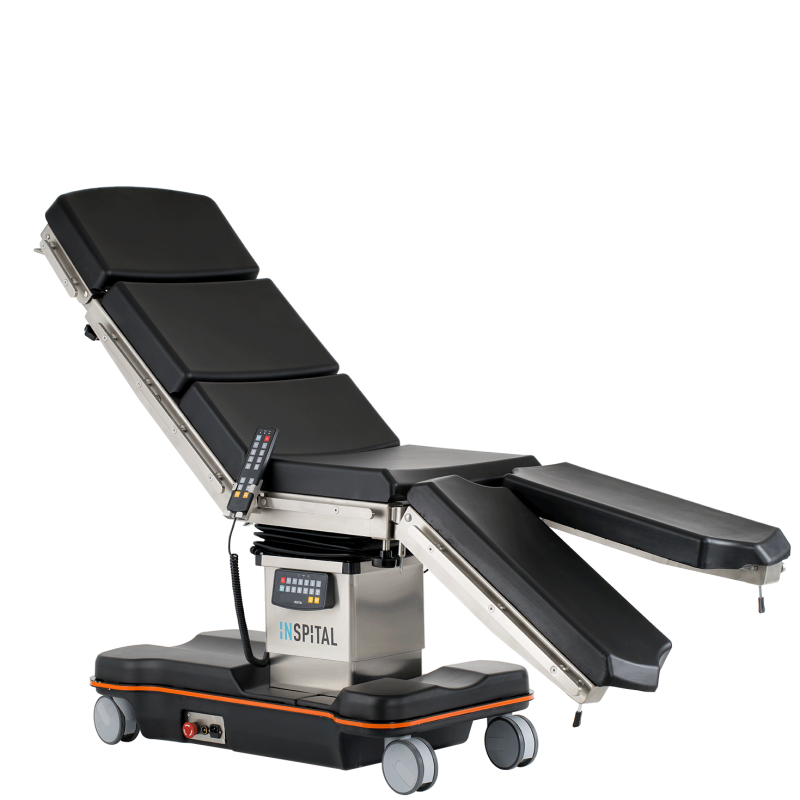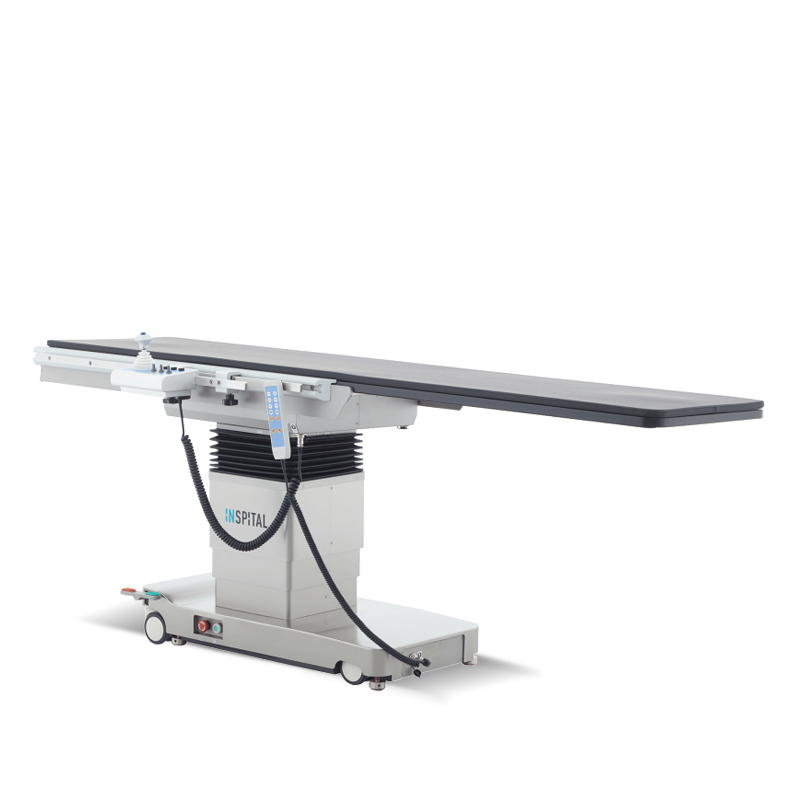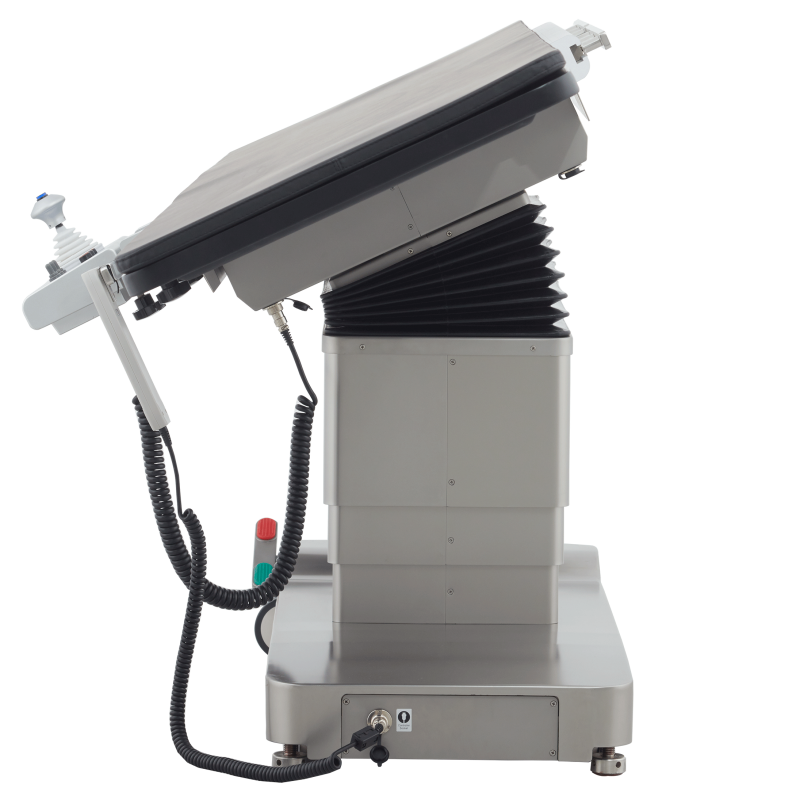
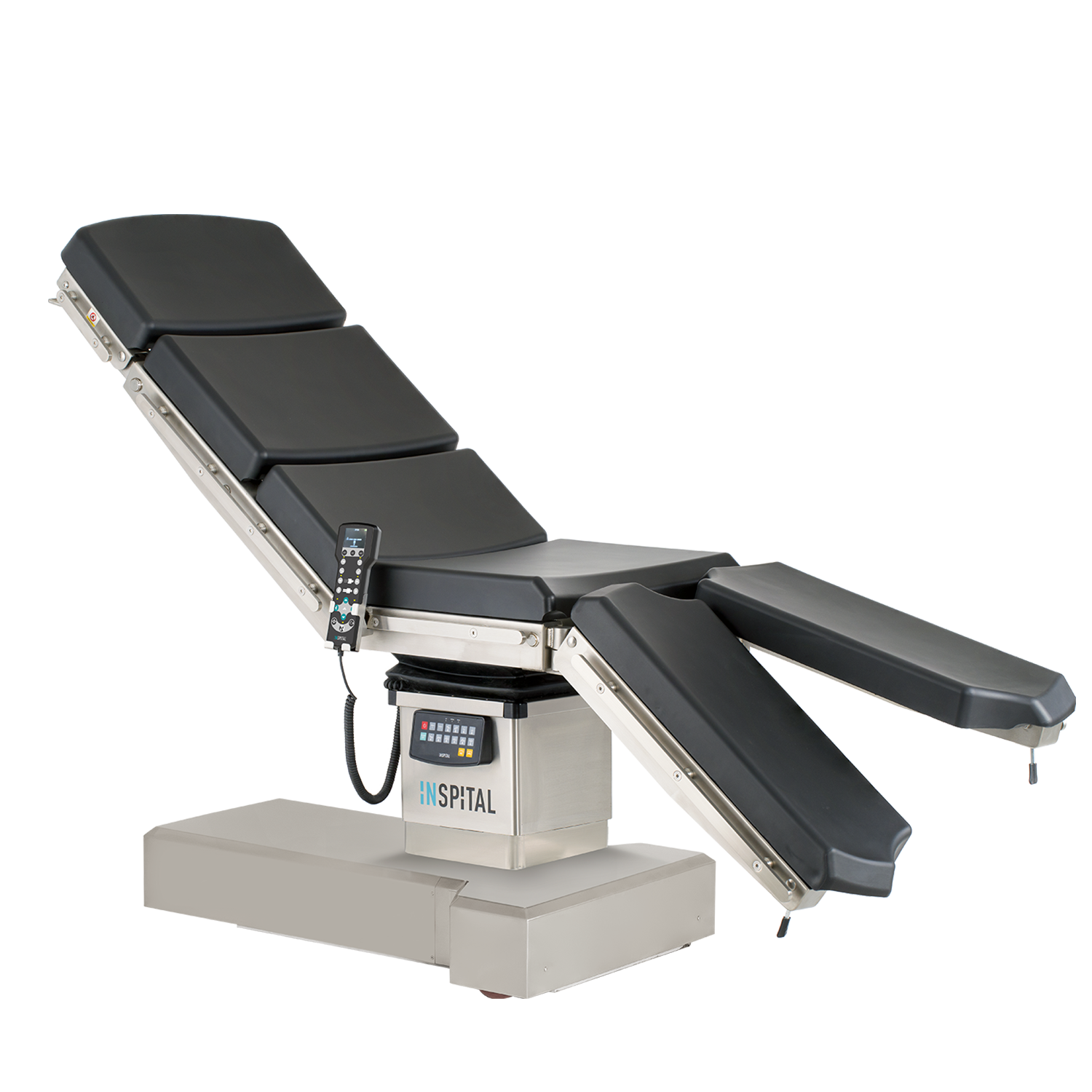
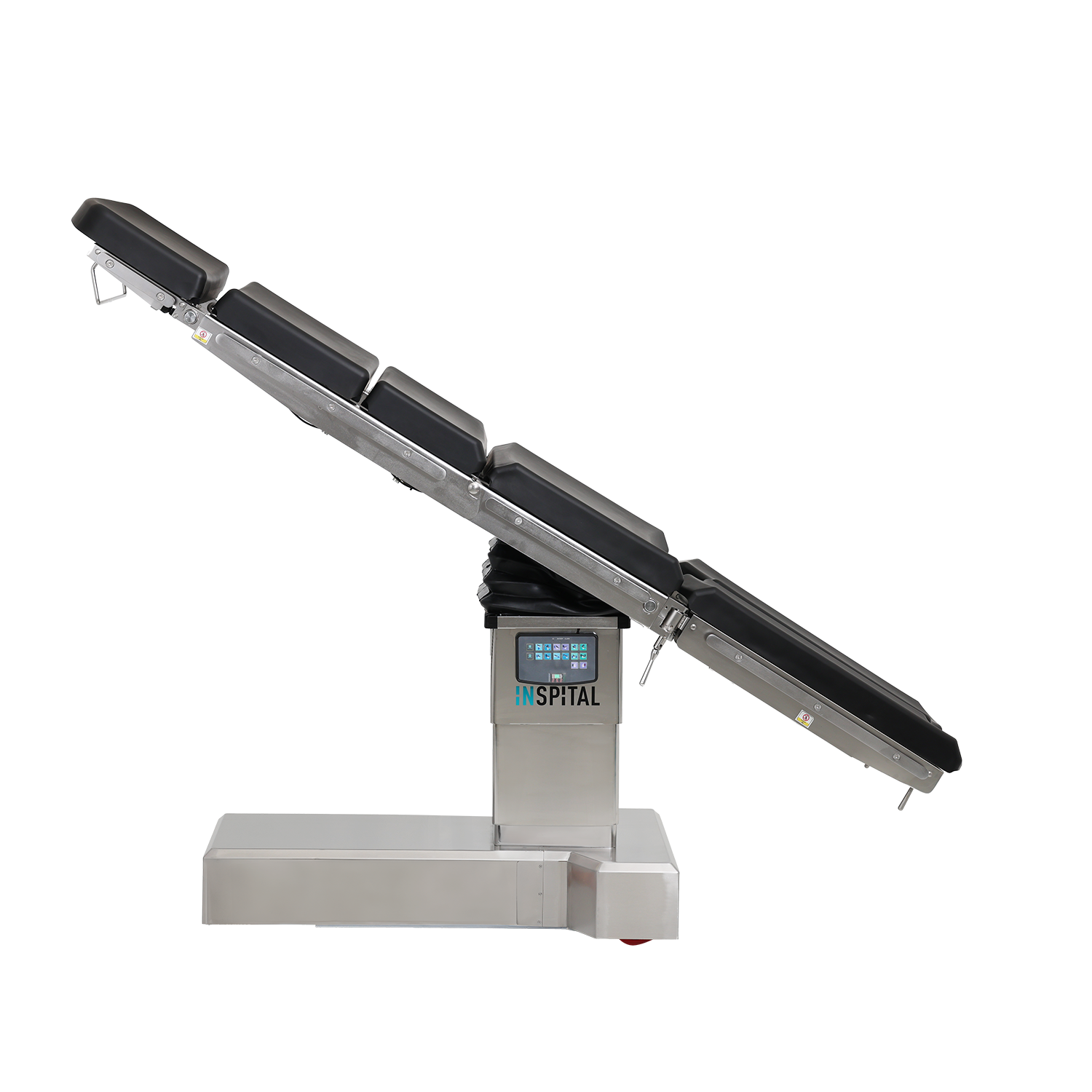
Operating Table OT80.20 NOVUS
Prices visible to registered customers onlyOperating Table OT80.25
Prices visible to registered customers onlyMobile Carbon Fiber Operating Table for Imaging Procedures C-Arm Imaging Table OT80.30
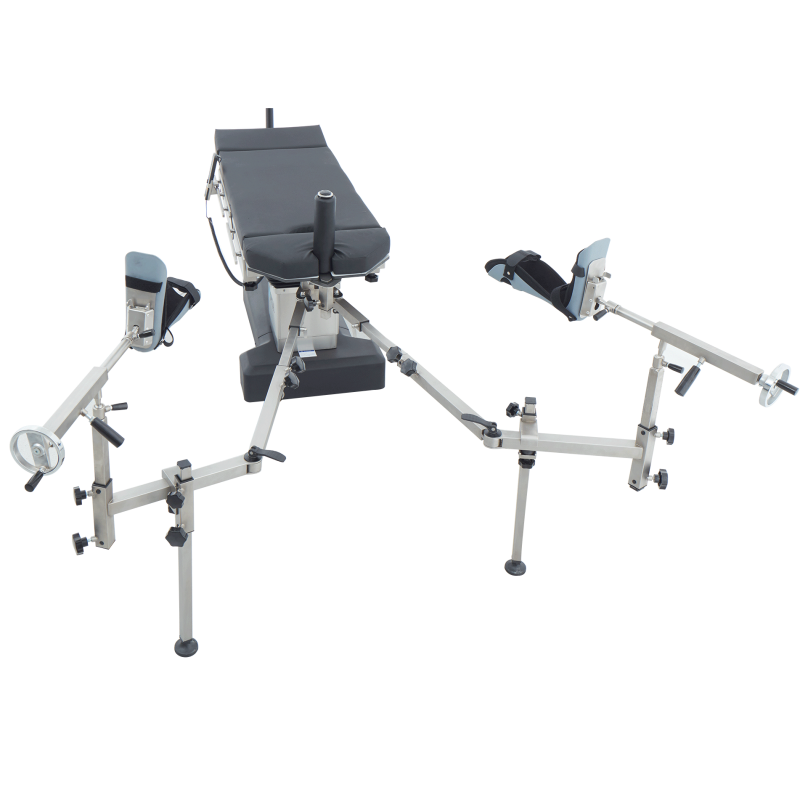
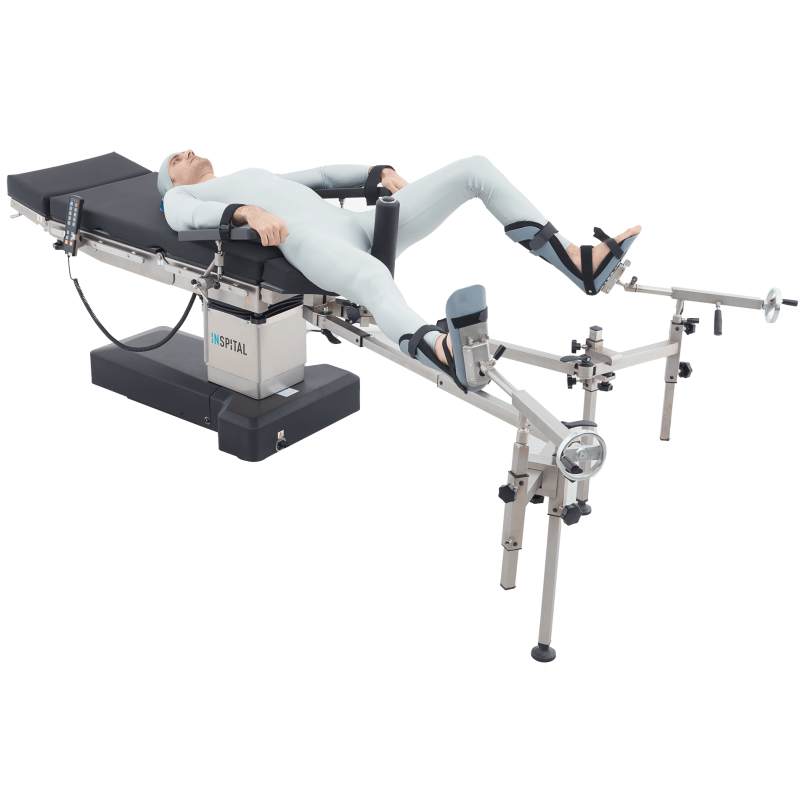
Prices visible to registered customers onlyOrthopedic Traction Set OT60.90
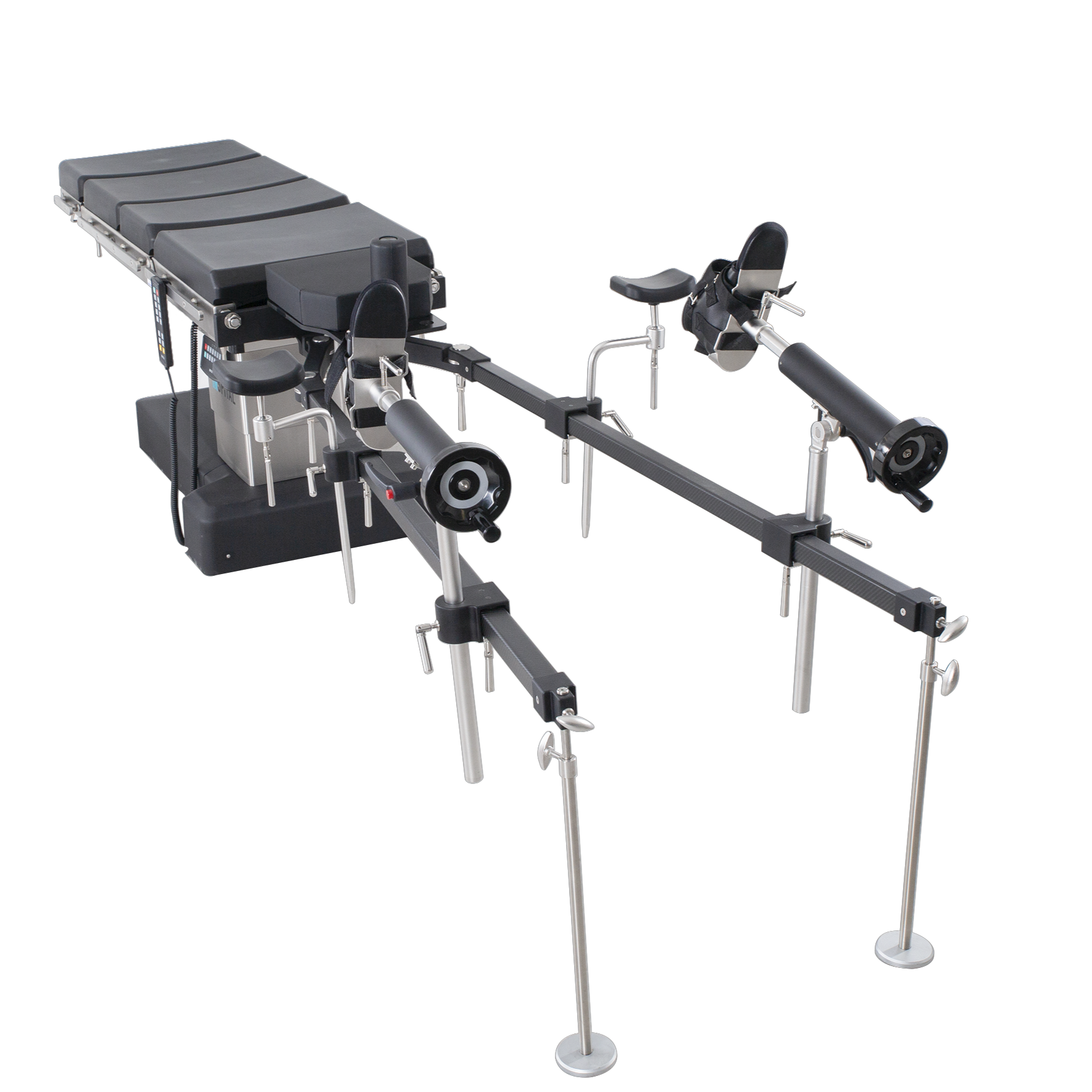
Prices visible to registered customers onlyTraction Set (Carbon Fiber) OT60.95
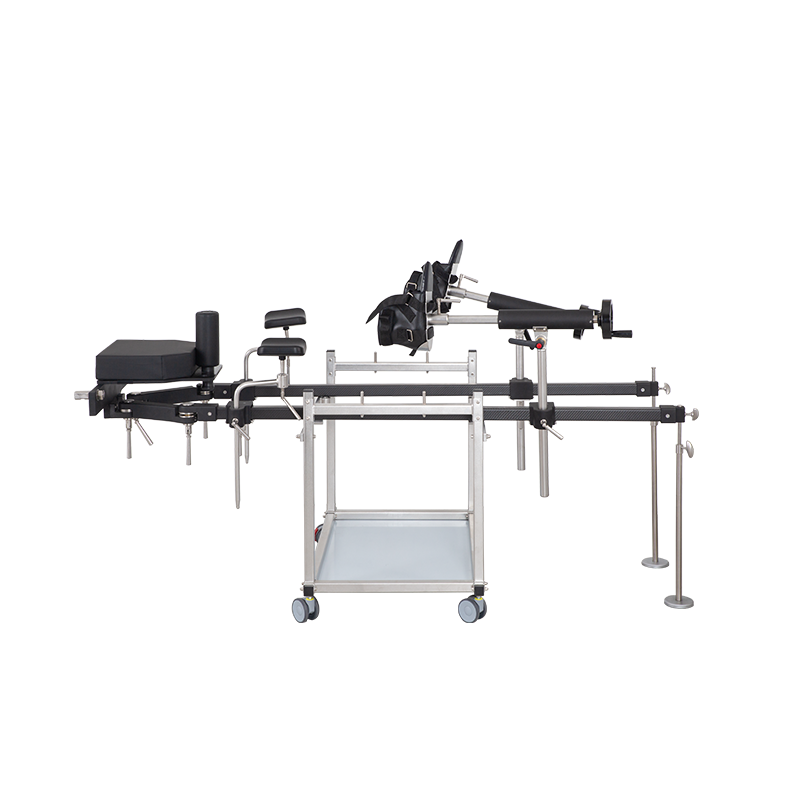
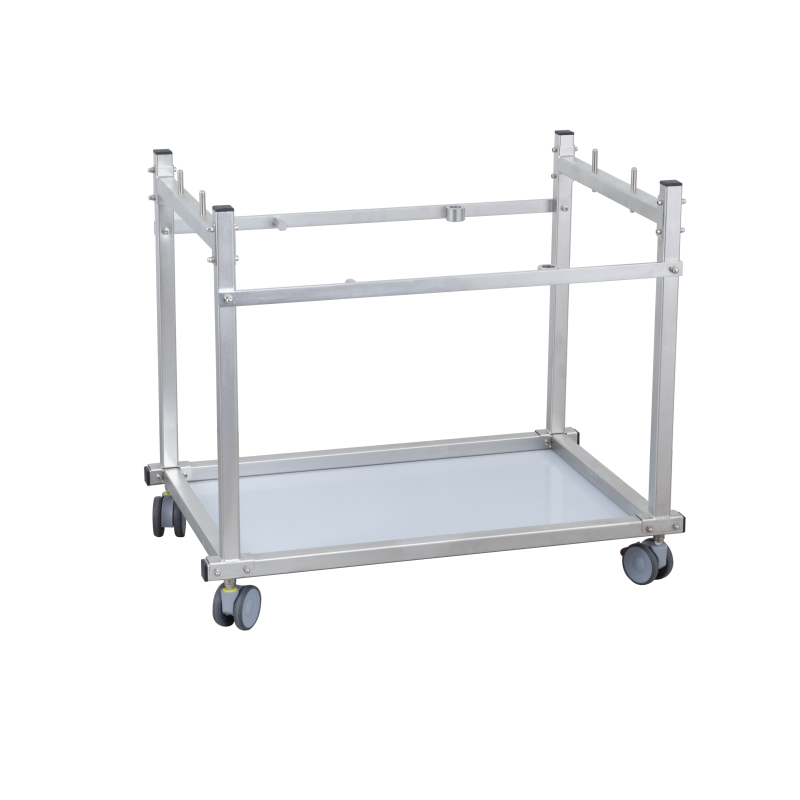
Prices visible to registered customers onlyCarbon Fiber Traction Trolley OT60.96
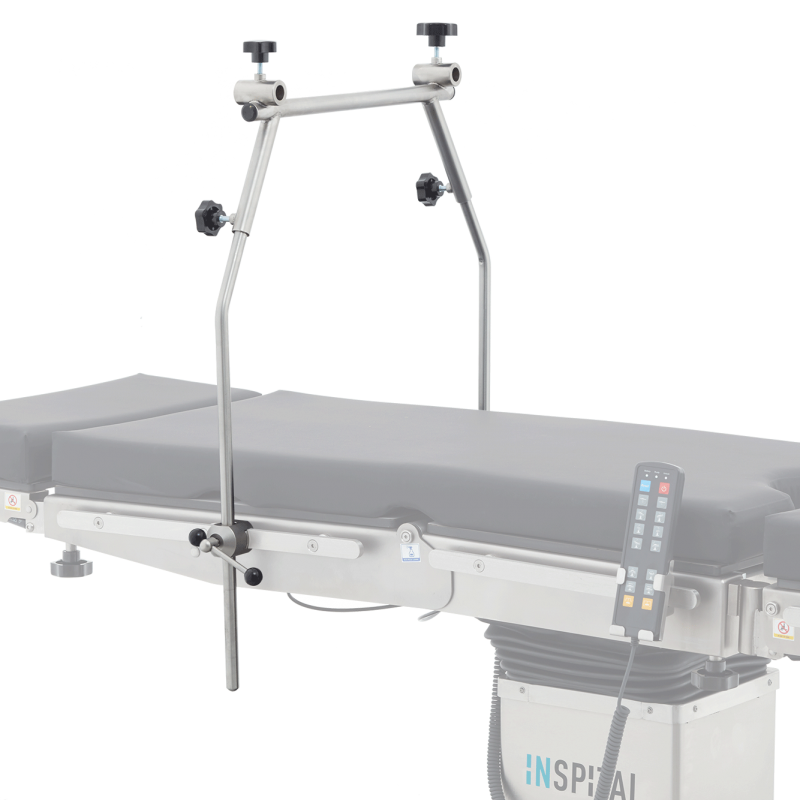
Prices visible to registered customers onlyCross Bar Adapter OT60.82
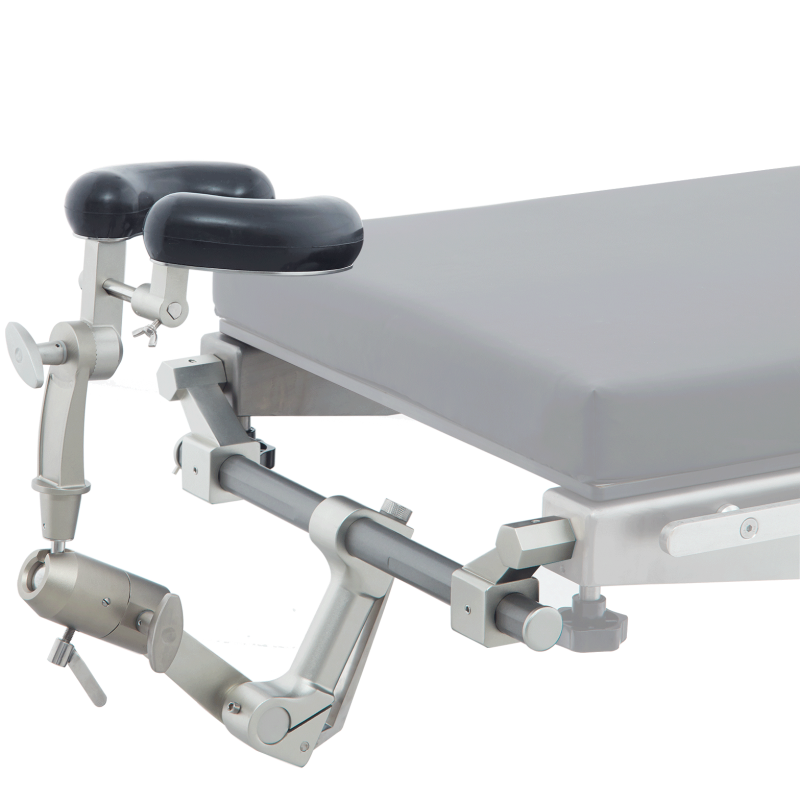
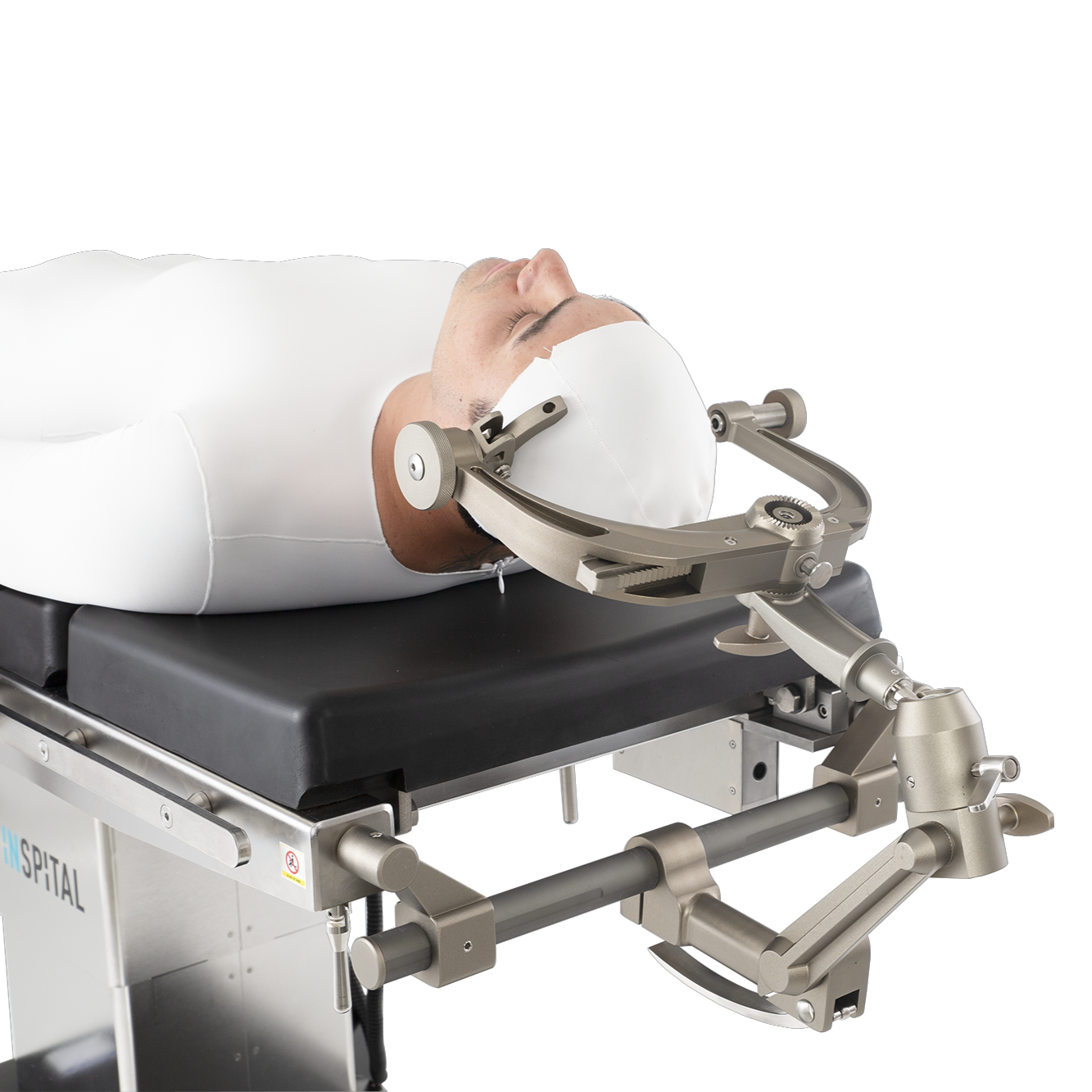
Prices visible to registered customers onlyNeurosurgical Head Rest with Pin & Horseshoe Head Rest OT60.80
Prices visible to registered customers onlyArthroscopy – Shoulder Support OT60.76
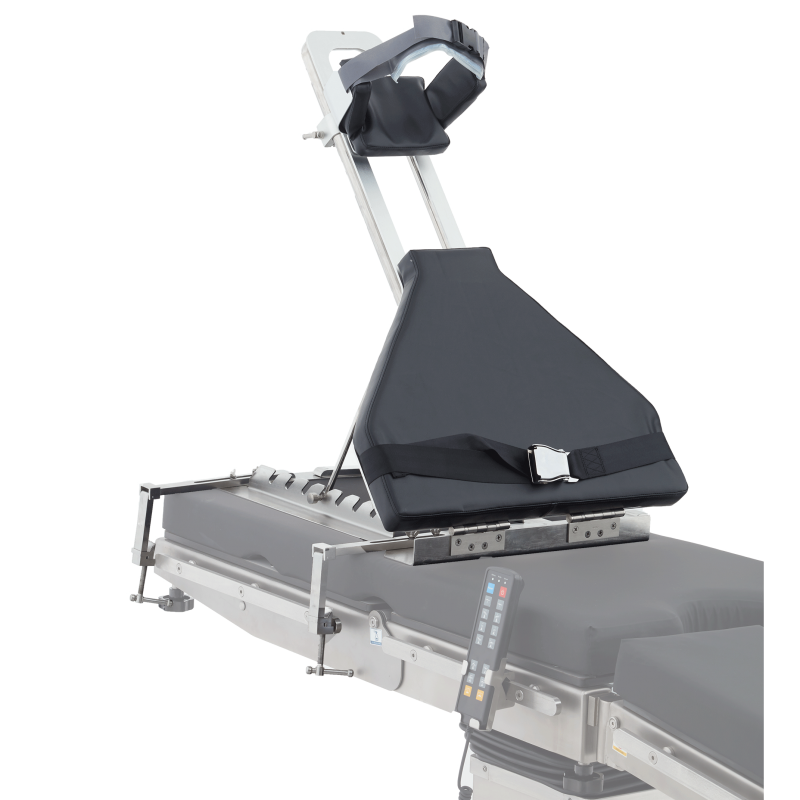
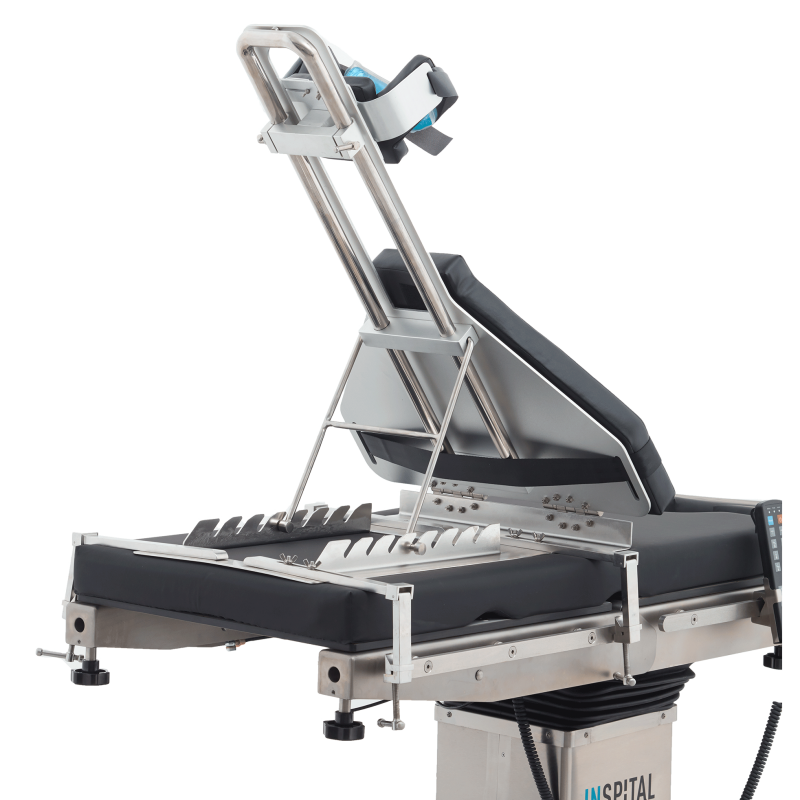
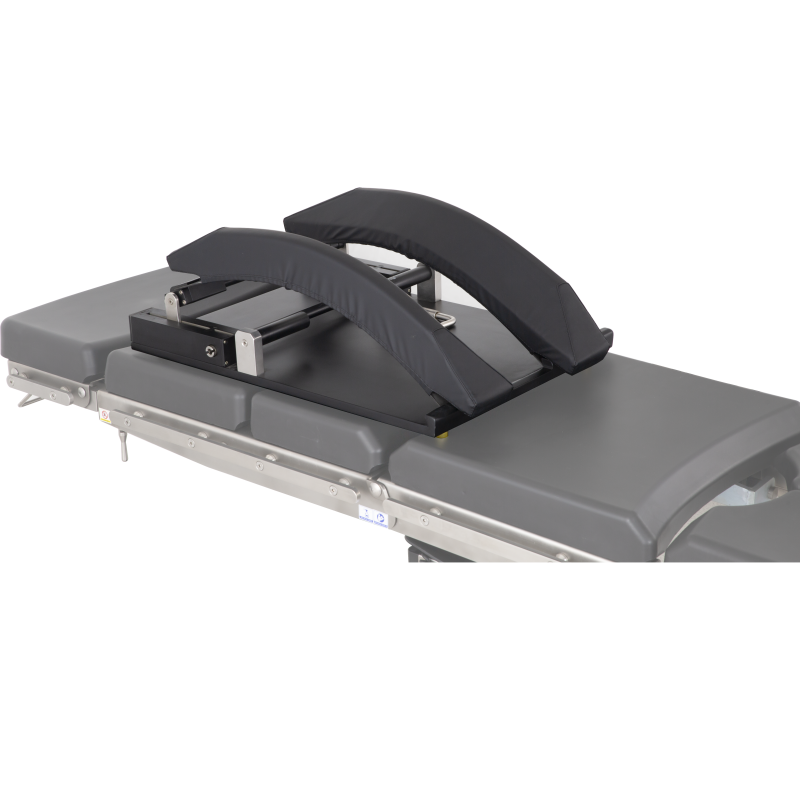
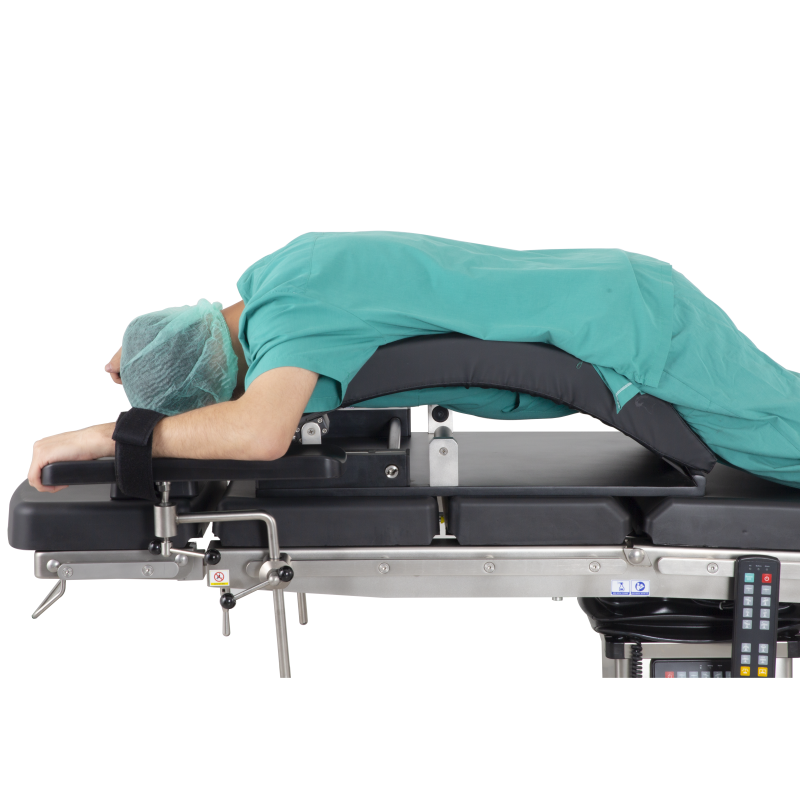
Prices visible to registered customers onlyRadiolucent Spine Frame OT60.35
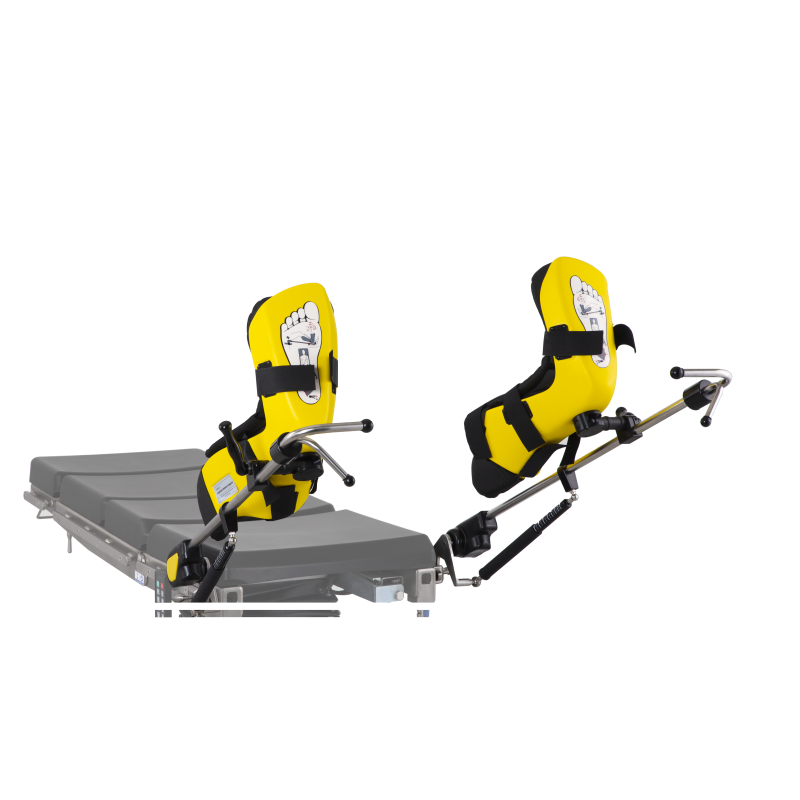
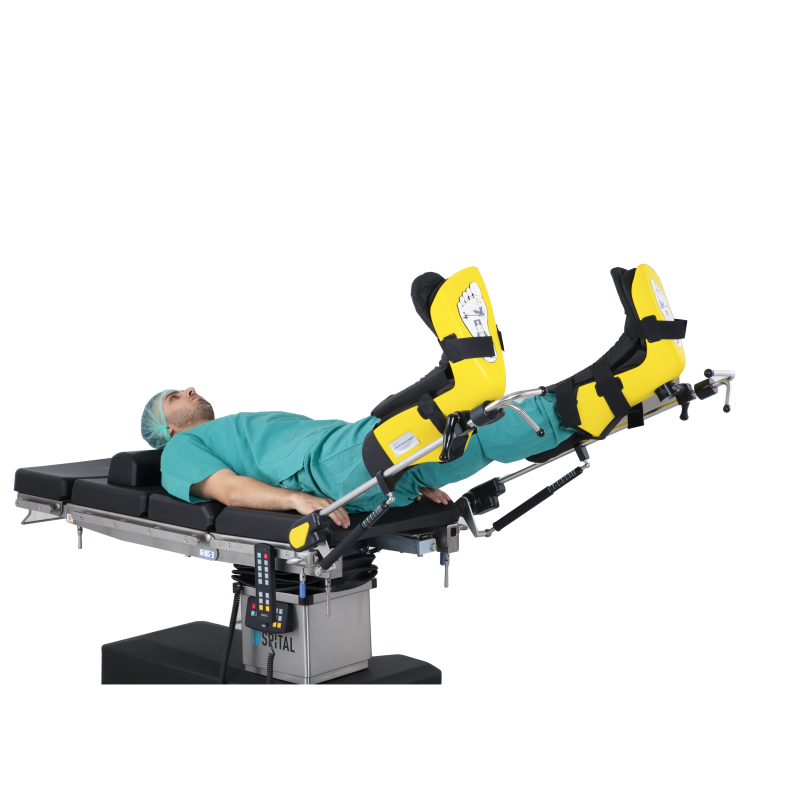
Prices visible to registered customers onlyLeg Positioning Boot OT60.77
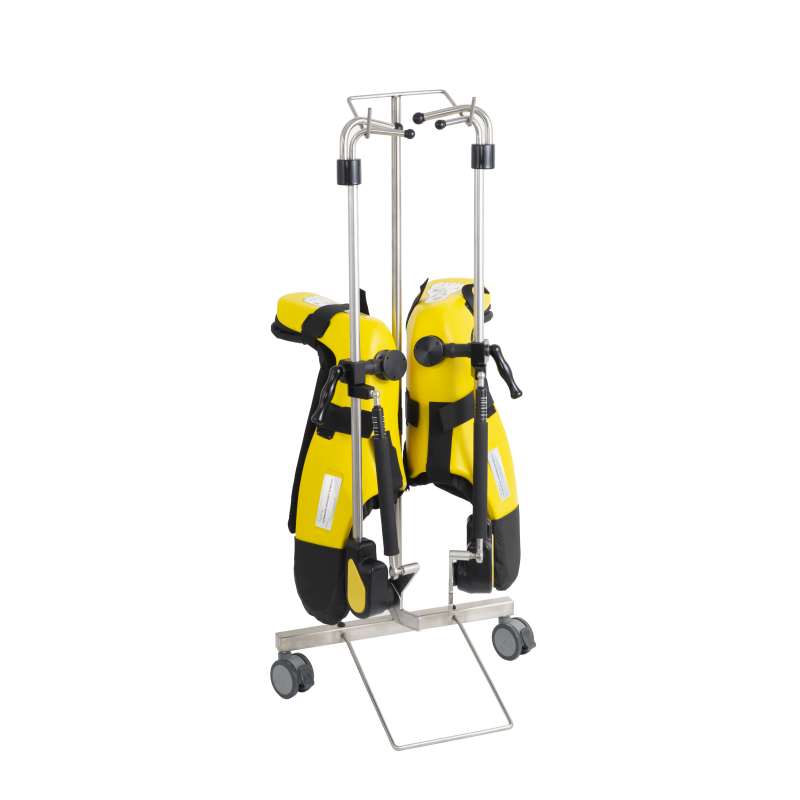
Prices visible to registered customers onlyTrolley for leg positioning boots OT60.78
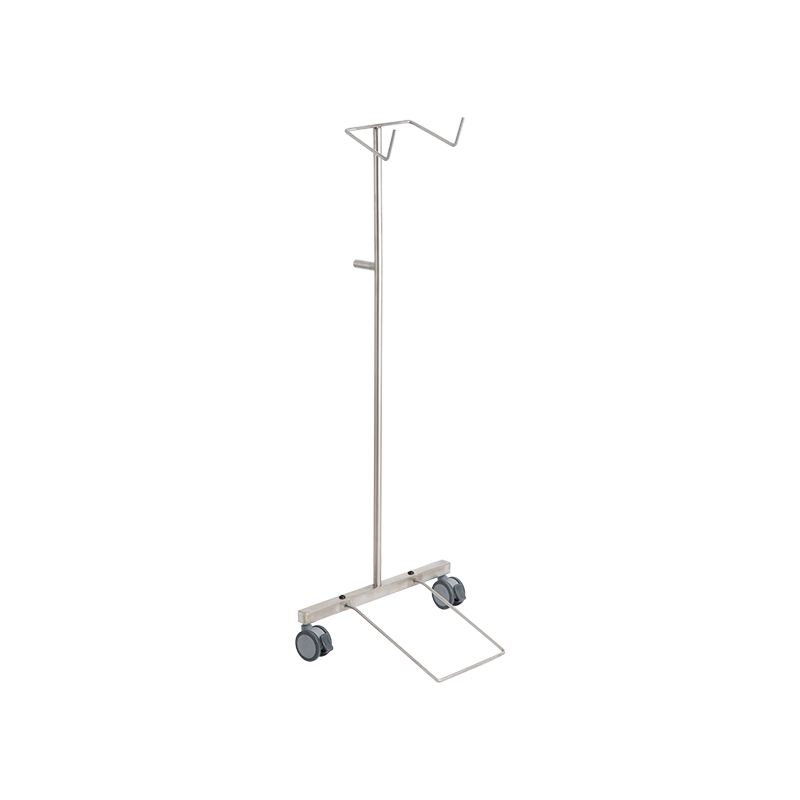
Prices visible to registered customers onlyIV stand, 2 hooks OT60.05
Prices visible to registered customers onlyAnesthesia Screen, Adjustable OT60.04
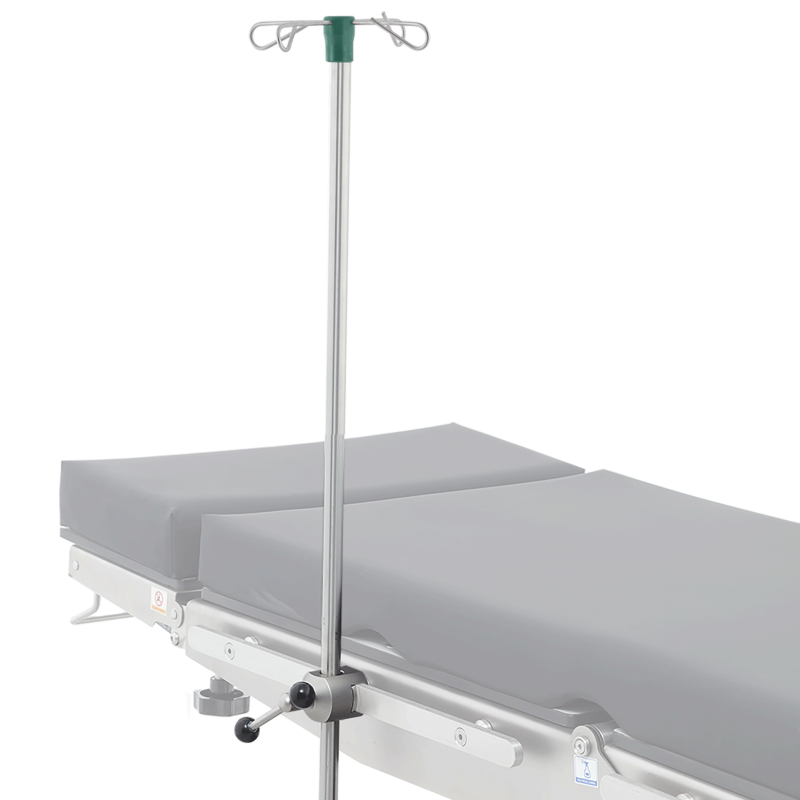
Prices visible to registered customers onlyIV Stand, 4 hooks OT60.06
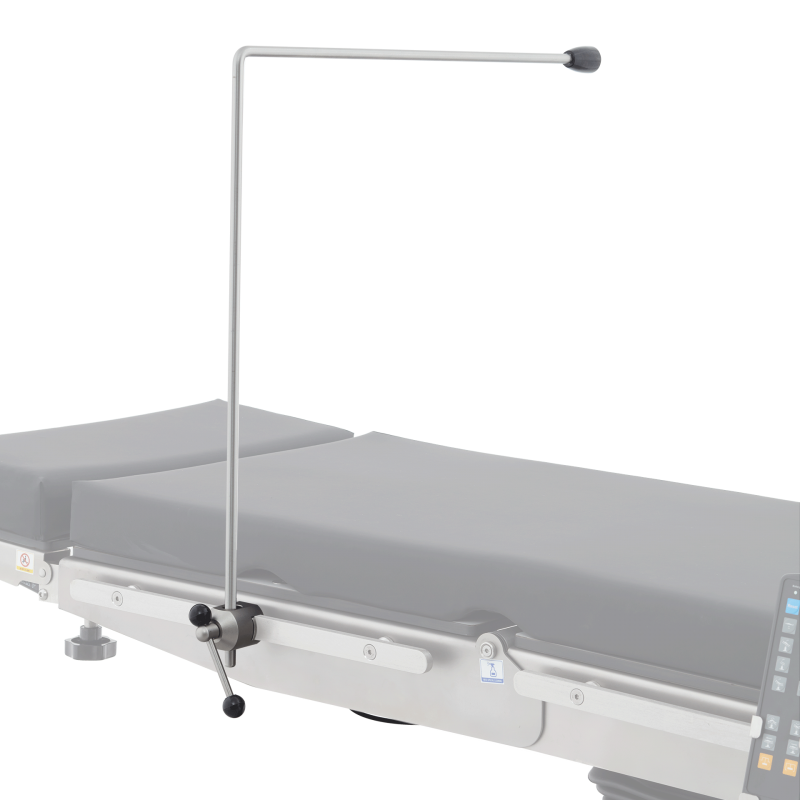
Prices visible to registered customers onlyAnesthesia screen OT60.03
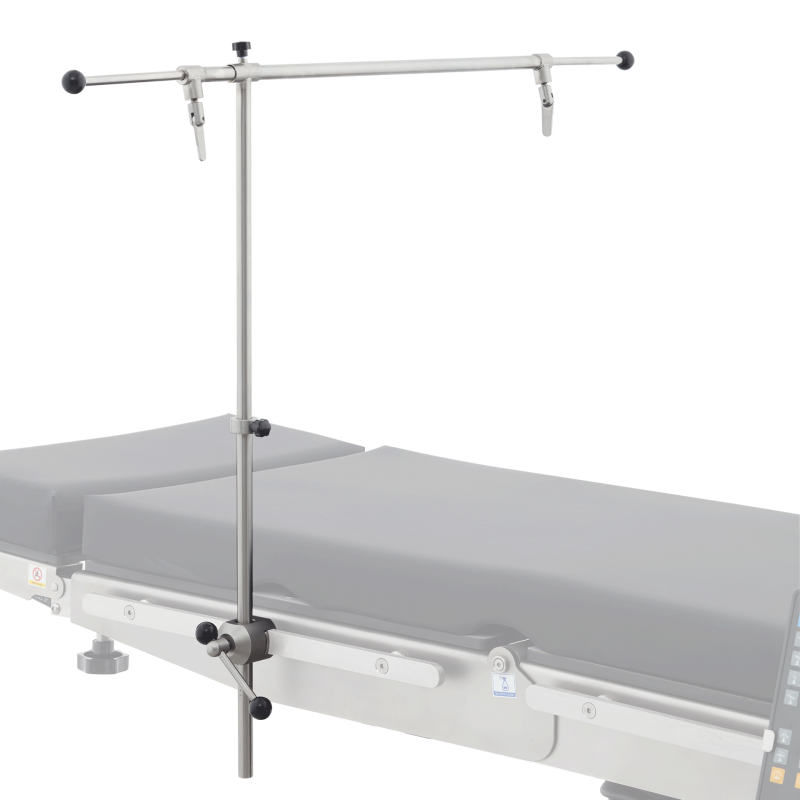
Prices visible to registered customers onlyClamp, rotatable OT60.17
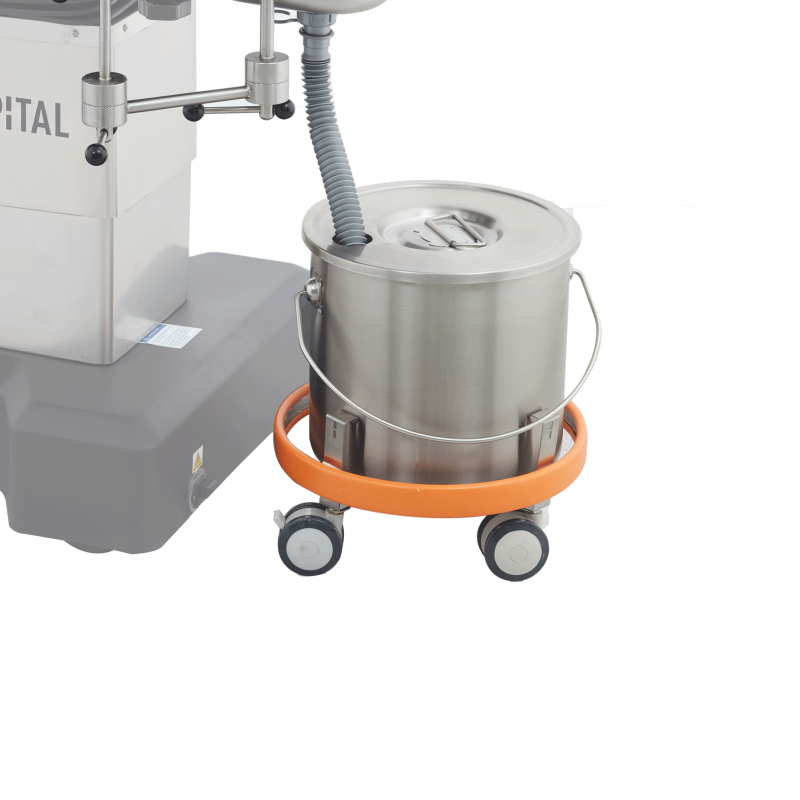
Prices visible to registered customers onlyWaste Bin OT60.14
Prices visible to registered customers onlyX-ray cassette tray OT60.31
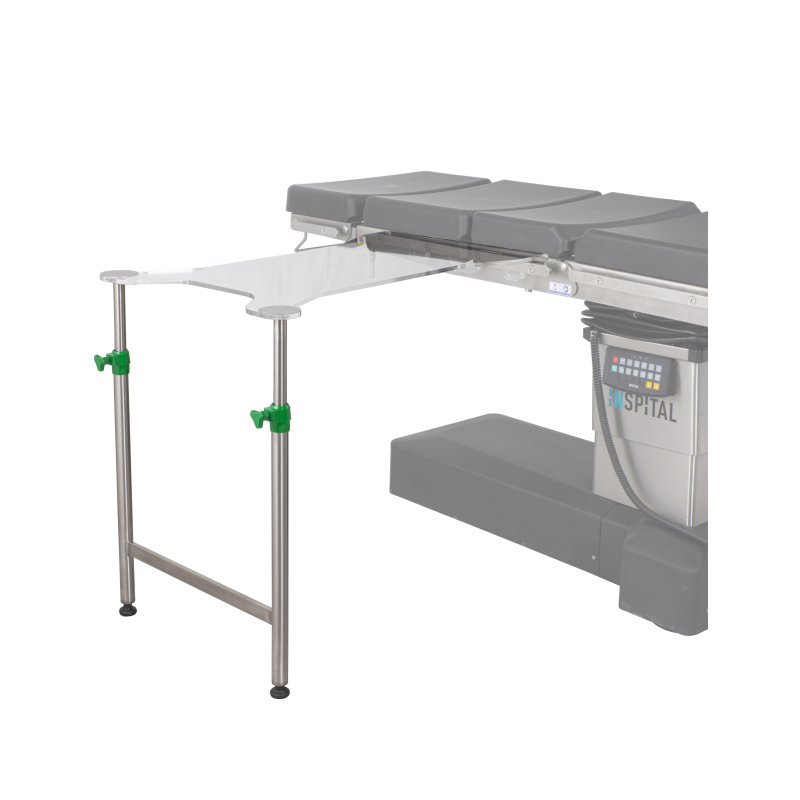
Prices visible to registered customers onlyRadiolucent Acrylic Armboard OT60.39
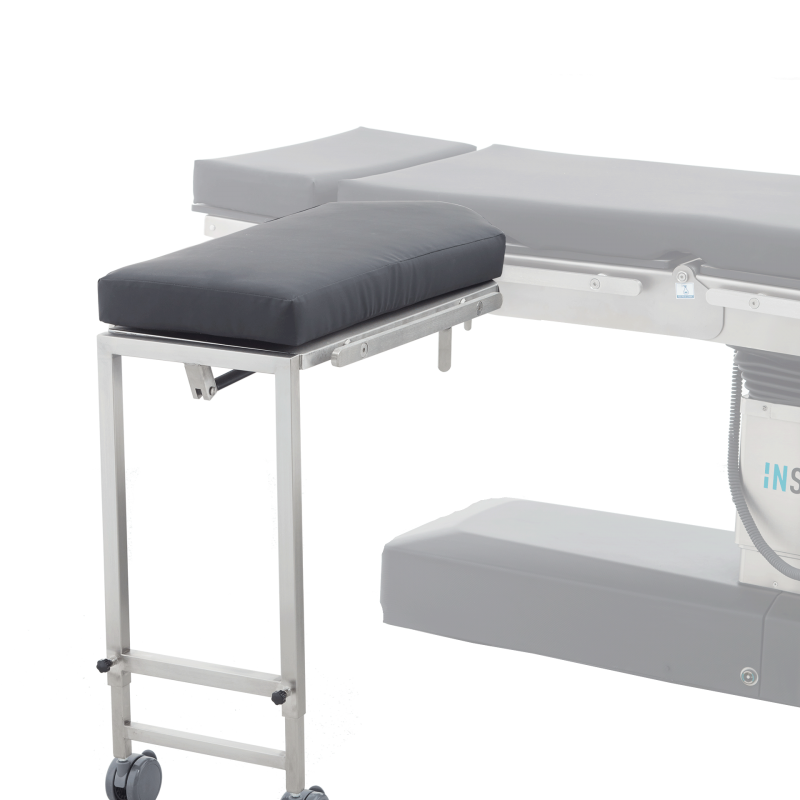
Prices visible to registered customers onlyArm Surgery Extension OT60.26
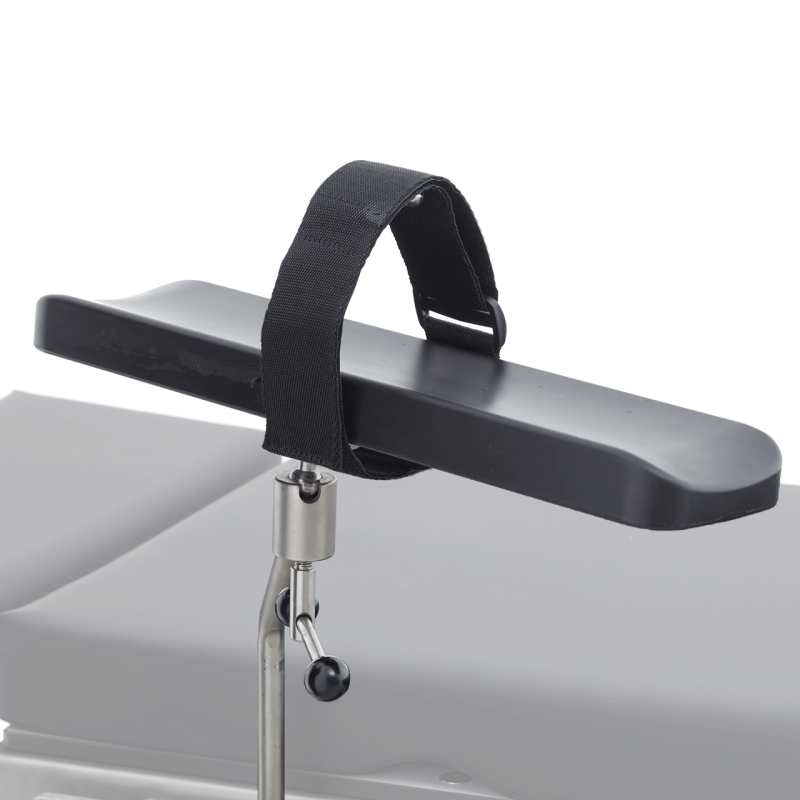
Prices visible to registered customers onlyArm Support, Single OT60.01
Prices visible to registered customers onlyWeinberger Hand Traction Set OT60.22
Prices visible to registered customers onlyArmrest extension OT60.89
Prices visible to registered customers onlyImportance of the correct preparation of an operating table in everyday clinical practice
The careful preparation of an operating table is an essential component of surgical planning and makes a significant contribution to patient safety, efficiency in the operating room, and the quality of the surgical outcome. In modern medical facilities, the structured preparation of the operating table is one of the standardized processes that must be carried out before each procedure. This involves not only hygienic aspects, but also technical, organizational, and ergonomic factors. Before the start of a procedure, the operating table is first checked for functionality. This includes checking the height adjustment, the tilt functions, and the mobility of individual table segments. Inspital operating tables are equipped with powerful electromechanical or electrohydraulic systems that enable precise and reliable positioning. An early functional test ensures that there are no technical interruptions during the operation.
Another important step is the selection of the appropriate table configuration. Depending on the specialist area – for example, general surgery, orthopedics, gynecology, or urology – different table segments or accessories must be prepared. Thanks to the modular design, Inspital operating tables can be flexibly adapted to the respective requirements. Leg plates, arm supports, or special positioning aids can be quickly assembled and positioned precisely. The ergonomic alignment also plays a crucial role. The table is preset to a working height that offers the surgical team optimal working conditions. This avoids unnecessary strain and supports a smooth procedure during the operation. In addition to the technical and organizational measures, hygienic preparation is of central importance. All surfaces must be thoroughly disinfected, and sterile covers are applied in accordance with clinical standards. The smooth, non-porous surfaces of Inspital operating tables significantly facilitate these processes and contribute to compliance with strict hygiene guidelines. The structured preparation of the operating table not only contributes to the safety of the patient, but also improves efficiency in the operating room. If all components are set up correctly, delays can be avoided and operating times can be optimized. Especially in facilities with a high patient throughput, this is an important factor for economical processes.
Overall, it is clear that the professional preparation of an Inspital operating table is a crucial component of modern OR processes. It combines technical reliability, hygienic safety, and ergonomic working conditions to create an optimal basis for successful surgical procedures.
Hygienic preparation of the operating table before each procedure
The hygienic preparation of an operating table is one of the most important measures for preventing nosocomial infections. Before each surgical procedure, it must be ensured that all surfaces of the operating table are completely cleaned and disinfected. This preparation is carried out according to defined clinical standards and is an integral part of quality management in the operating area.
First, the operating table is subjected to thorough wipe disinfection after previous use. All contact surfaces, table segments, side rails, and control elements are treated with approved disinfectants. Inspital operating tables are specially designed for this purpose and have smooth, seamless surfaces that enable quick and effective cleaning. Non-porous materials prevent the penetration of liquids and reduce the accumulation of microorganisms. After disinfection, a check is carried out for visible residue or damage. Upholstery is checked for integrity, as damaged surfaces can pose a hygienic risk. Inspital uses water-repellent and antibacterial upholstery materials that are easy to clean and offer a high level of patient comfort.
Another step in the preparation is the sterile covering of the operating table. Depending on the type of procedure, sterile drapes or disposable covers are used to ensure a low-germ environment. Care must be taken to ensure that all relevant areas are completely covered without restricting the mobility of the table segments. Accessories such as arm supports, leg holders, or extension systems must also be hygienically prepared. Thanks to the modular system of Inspital operating tables, these components can be easily dismantled and cleaned or sterilized separately. This makes it easier to comply with hygiene guidelines and also reduces preparation times.
The hygienic preparation ends with a final visual inspection by the OR staff. Only when all measures have been fully implemented is the table released for the next procedure. With their hygienic design and high-quality material selection, Inspital operating tables support medical facilities in maintaining the highest hygiene standards. The easy cleaning, quick preparation, and durable surfaces help to minimize the risk of infection and at the same time ensure efficient workflows in the OR.
Selection of the correct positioning during operating table preparation
The correct positioning of the patient is a central component of the preparation of an operating table and has a direct influence on access to the surgical area, patient safety, and the course of the procedure. Each surgical discipline requires specific positions that must be prepared before the patient is brought in.
The most common types of positioning include the supine position, the lateral position, the prone position, and special positions such as the lithotomy position or the Trendelenburg position. Inspital operating tables offer a variety of adjustment options for this purpose, with which the table segments can be precisely adjusted. Back, head, and leg segments can be positioned individually to create optimal conditions for the respective procedure. During preparation, the planned type of operation is first taken into account. The corresponding table segments are then adjusted and accessories are fitted if necessary. For gynecological or urological procedures, for example, leg supports are prepared, while extension systems can be used in orthopedics.
An important aspect is the avoidance of positioning damage. Pressure-sensitive areas of the body must be protected by suitable padding to avoid circulatory disorders or nerve damage. The pressure-relieving padding systems of Inspital operating tables support safe and comfortable positioning, even during longer operations. In addition, attention is paid during preparation to an ergonomic working height and optimal positioning for imaging procedures. The radiolucent table tops enable the use of C-arms without the patient having to be repositioned. The careful preparation of the positioning contributes decisively to avoiding complications and optimizing the surgical procedure. With their flexibility and precision, Inspital operating tables offer ideal conditions for safe and efficient patient positioning.
Preparing the operating table: Technical function check before using the operating table
Before each surgical procedure, a comprehensive technical function check of the operating table is required. This measure serves patient safety and ensures that all movement and control functions are reliably available during the operation. Preparation therefore always begins with a systematic check of the most important technical components. First, the power supply is checked. For mains-powered or battery-powered Inspital operating tables, it should be ensured that the power supply is stable and the battery is sufficiently charged. An uninterruptible power supply is particularly important in order to be able to carry out position changes without any problems, even during longer procedures.
In the next step, all movement functions are tested. These include height adjustment, the Trendelenburg and reverse Trendelenburg function, lateral tilt, and the adjustment of individual table segments. Inspital operating tables are characterized by powerful drive systems that enable smooth and precise movements. During the function check, care is taken to ensure that all movements are even and without unusual noises or delays. The controls are also checked. Whether wired control, hand control, or foot switch – all control units must function perfectly. Intuitive and reliable operation is crucial so that the OR team can react quickly during the procedure.
In addition, a visual inspection of the mechanical components is carried out. Fastenings, side rails, and locks are checked to ensure they are securely seated. Especially with modular Inspital operating tables, it is important that all segments are correctly engaged and securely connected.
Another important point is the verification of the maximum load capacity and stability. The table must not show any instability even with higher patient weights or extreme positioning. The technical function check is documented in many facilities and is part of quality and risk management. With their robust design and reliable technology, Inspital operating tables offer a high level of operational safety and support the OR team in their daily preparation.
Preparation of accessories and extensions for various specialist areas
The preparation of an operating table includes not only the basic settings, but also the selection and assembly of the appropriate accessories. Depending on the surgical discipline, the requirements differ considerably, which is why careful planning is necessary in advance. Inspital operating tables are designed as modular systems and offer a variety of expansion options that can be prepared individually.
For procedures in general surgery, arm supports and lateral supports are often required to ensure stable and safe positioning. In orthopedics and trauma surgery, extension systems or special holders for extremities are also used. These enable precise positioning and facilitate complex surgical procedures.
In gynecology and urology, leg supports are often prepared to enable a safe lithotomy position. Here, too, the advantage of the modular Inspital systems is evident, as the accessories can be assembled quickly and without tools. An important component of the preparation is the hygienic preparation of all accessory components. These must be cleaned, disinfected, or sterilized before being used in the OR. The high-quality materials of the Inspital accessories are designed for these requirements and offer a high level of resistance to disinfectants.
In addition, care is taken during preparation to ensure that all components are securely fastened and that the freedom of movement of the table is not restricted. A final function check ensures that the extensions are stable and that no adjustments are required during the operation. By preparing the accessories in a targeted manner, the OR procedure can be optimized and delays can be avoided. Thanks to their flexible system concept, Inspital operating tables offer the possibility of covering different specialist areas with just one table, which brings both organizational and economic advantages.
Ergonomic preparation of the operating table for optimal working conditions in the OR team
The ergonomic preparation of an operating table is a crucial factor for the performance and health of the entire operating team. Surgical procedures can take several hours and require the highest concentration as well as precise movements. An incorrect working height or unfavorable positioning of the patient can lead to physical overload, rapid fatigue, and long-term musculoskeletal complaints. Therefore, the ergonomic adjustment of the operating table is an integral part of the surgical preparation.
At the beginning of the preparation, the optimal working height is determined. This depends on the height of the main surgeon and the type of procedure. Inspital operating tables have a continuously variable height adjustment with a large adjustment range, so that both sitting and standing working positions can be ergonomically supported. A correctly adjusted height reduces the strain on the back, shoulders, and neck and enables a precise and relaxed surgical working method. In addition to the height, the positioning of the individual table segments also plays an important role. Back, head, and leg segments are adjusted so that the surgical field is optimally accessible without the OR team having to work in unfavorable body postures. Especially in minimally invasive or microsurgical procedures, an exact alignment is crucial to ensure stable hand guidance and a good view of the surgical area.
The placement of accessories is also taken into account as part of the ergonomic preparation. Arm supports, instrument tables, or additional holders should be positioned so that they are easily accessible and do not restrict the team’s freedom of movement. The lateral standard rails of the Inspital operating tables enable flexible and secure attachment of various components, allowing the workplace to be individually adapted. Another important aspect is the operability during the operation. Inspital operating tables have intuitive control systems that enable quick position adjustments without leaving the sterile working area or interrupting the surgical flow. Wireless hand controls or foot controls also contribute to ergonomic use.
The ergonomic preparation of the operating table thus contributes significantly to the quality of work, the ability to concentrate, and the long-term health of the medical staff. With their flexible adjustability, easy operation, and stable construction, Inspital operating tables offer optimal conditions for ergonomic and efficient working conditions in the modern operating room.
Efficient OR organization through standardized preparation of the operating table
A structured and standardized preparation of the operating table is a central component of efficient processes in the operating area. In modern hospitals and outpatient OR centers, numerous procedures must be coordinated every day. Short changeover times, a high level of process reliability, and optimal use of resources are crucial. The systematic preparation of the operating table makes a significant contribution to meeting these requirements.
The planning is carried out in advance of a procedure based on the OR program. This determines which positioning is required, which accessories are needed, and which technical settings must be made. Inspital operating tables support this planning with their modular design and their versatile application possibilities. A single table can be prepared for different specialist areas without the need for complex conversions.
In the next step, the hygienic and technical preparation is carried out according to defined checklists. Standardized procedures ensure that no important points are overlooked. These include the disinfection of all surfaces, the function check of the movement mechanisms, and the assembly of the required accessories. Thanks to the sophisticated design and the easily accessible components, Inspital operating tables can be prepared particularly quickly and efficiently.
The prepared positioning is then checked again before the patient is brought into the OR. A correct presetting reduces repositioning and adjustments during the operation, which saves time and minimizes the risk of errors. At the same time, this improves communication within the OR team, as all participants work with a clearly defined initial situation.