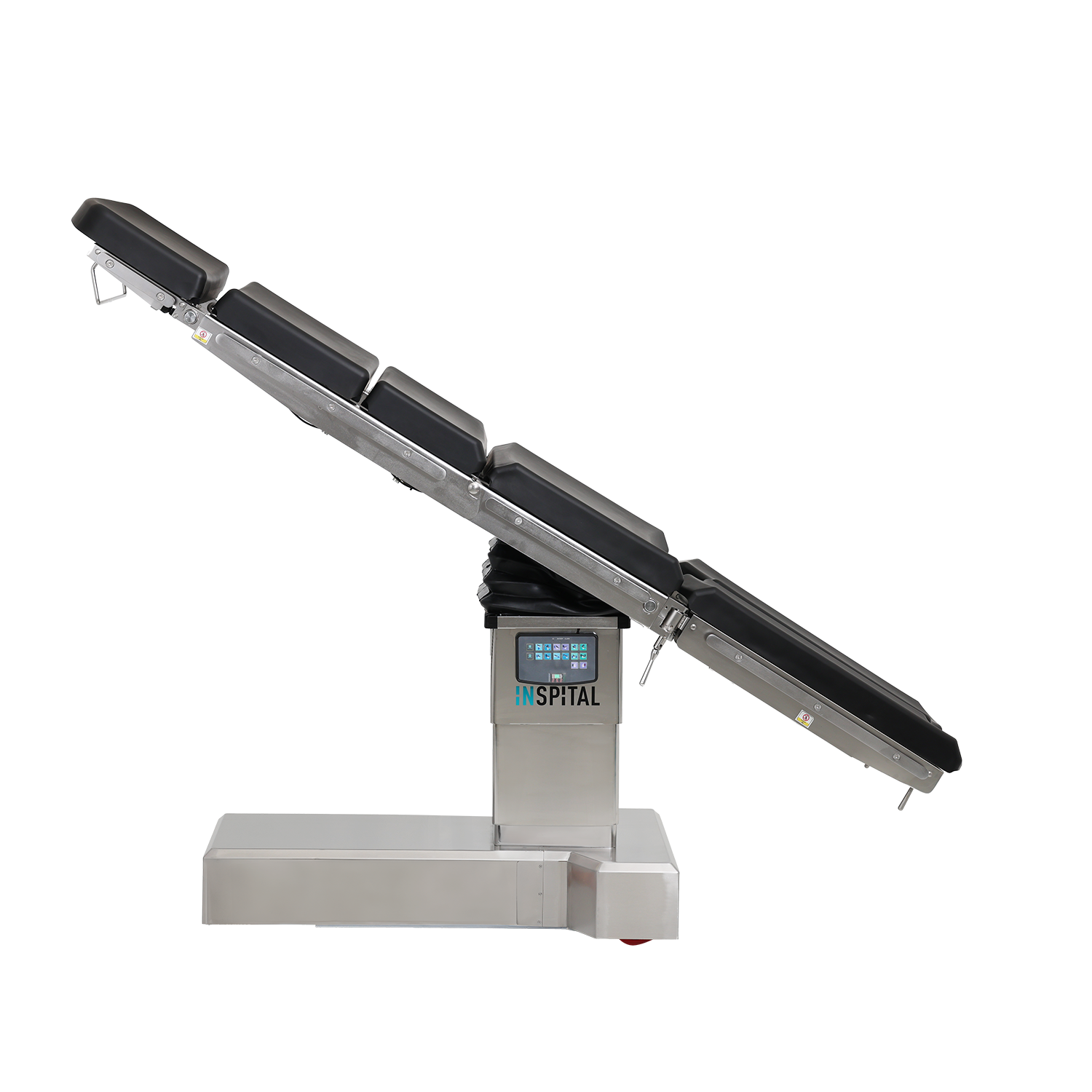
The central role of the patient operating table in modern operating rooms

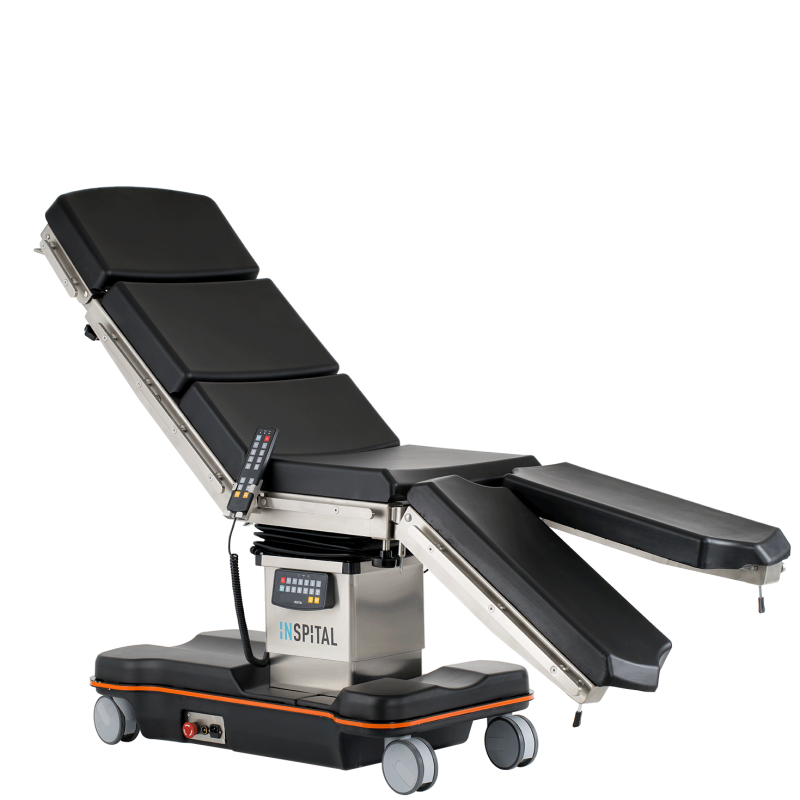
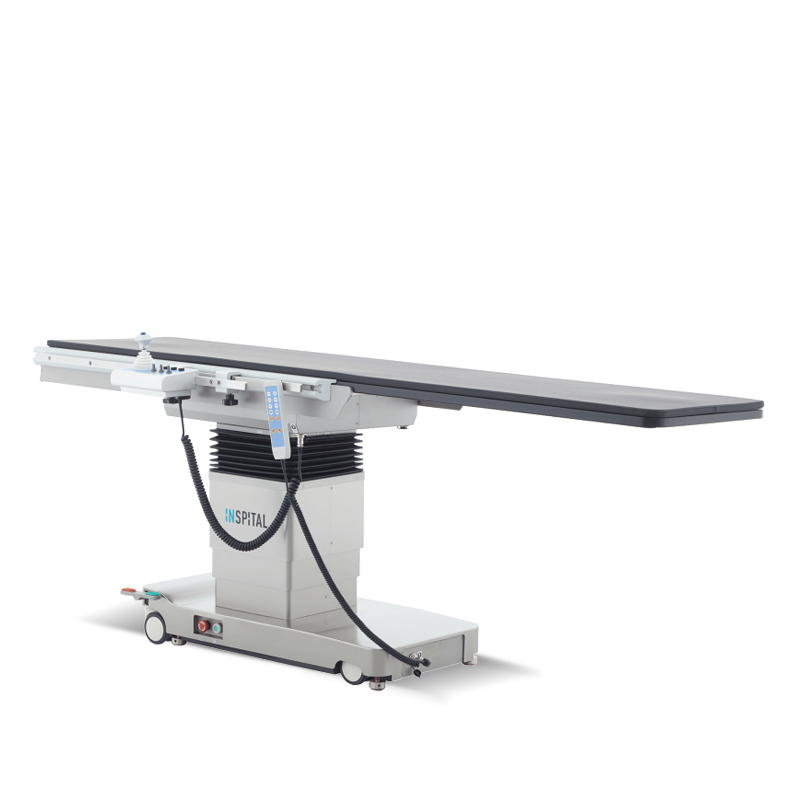
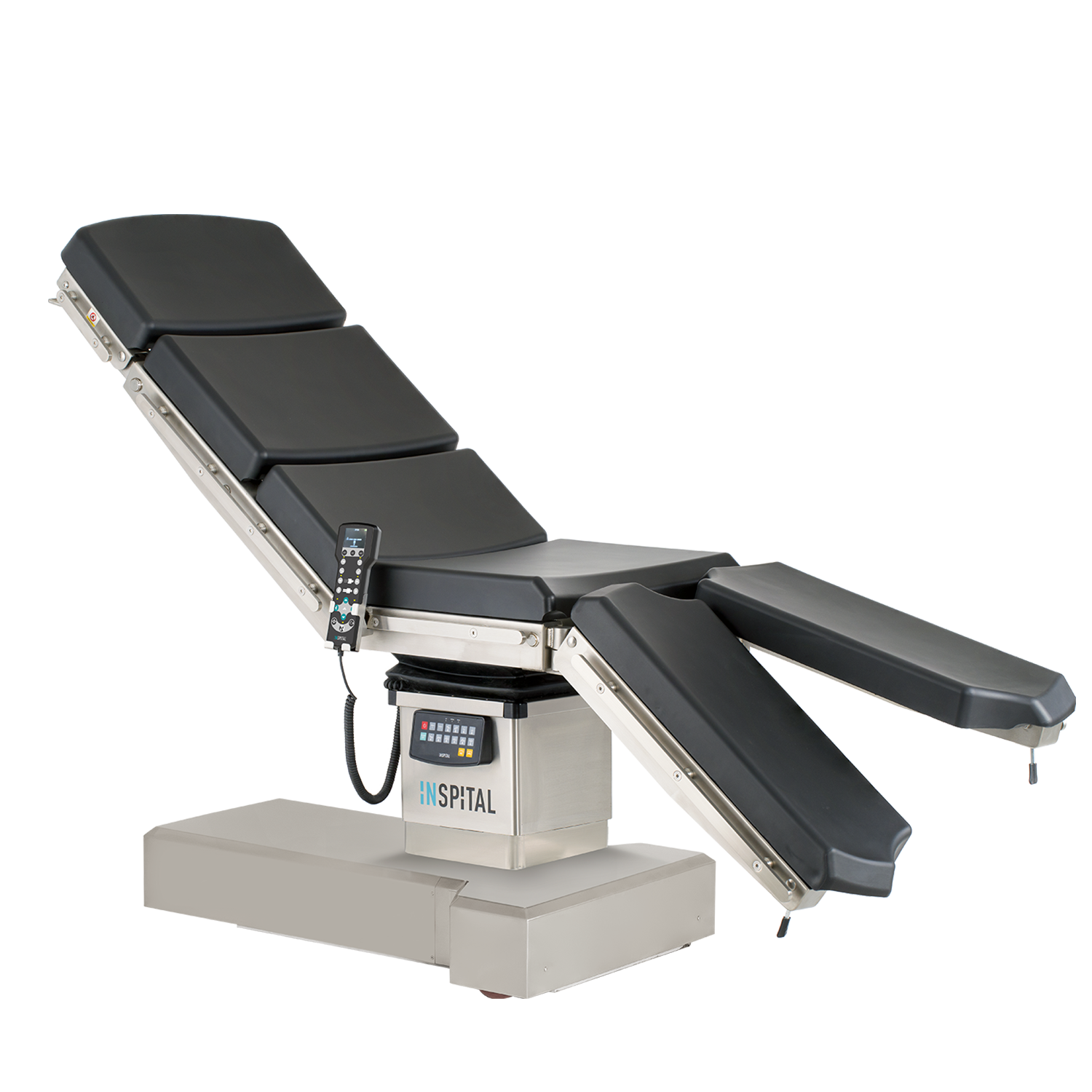
The patient operating table is the centerpiece of every operating room. It is far more than a simple surface to lie on: it ensures safe patient positioning, supports the OR team during precise procedures, and makes a decisive contribution to efficiency and hygiene. In modern hospitals, the demands on operating tables are constantly increasing—they must be flexible, stable, ergonomic, and easy to clean. Inspital GmbH offers patient operating tables that meet exactly these requirements while also being designed for state-of-the-art technology, modular customization, and high safety.

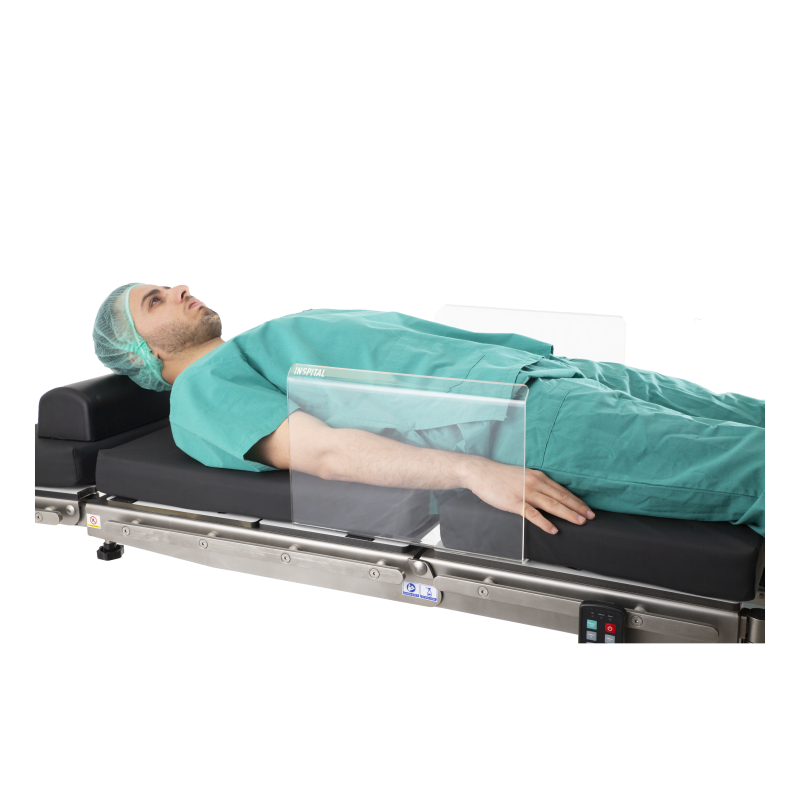
A key aspect is safe and stable patient positioning. During surgery, patients often spend several hours on the operating table, sometimes in unusual positions such as Trendelenburg or supine with tilt. Stable, ergonomic positioning prevents pressure ulcers, nerve damage, or circulatory issues and therefore directly contributes to patient safety. High-quality padding and adjustable segments ensure the patient is positioned comfortably while the surgeon still has optimal access to the surgical field. In addition, ergonomics for OR staff plays a crucial role. Surgeons, anesthetists, and assisting staff often stand at the table for hours and must work with precision. A patient operating table with stepless height and tilt adjustment significantly reduces physical strain. Back pain and muscle tension are avoided, concentration remains high, and the entire team can work more efficiently. Inspital GmbH places great emphasis on ergonomic solutions that can be individually adapted to different body sizes and procedures.

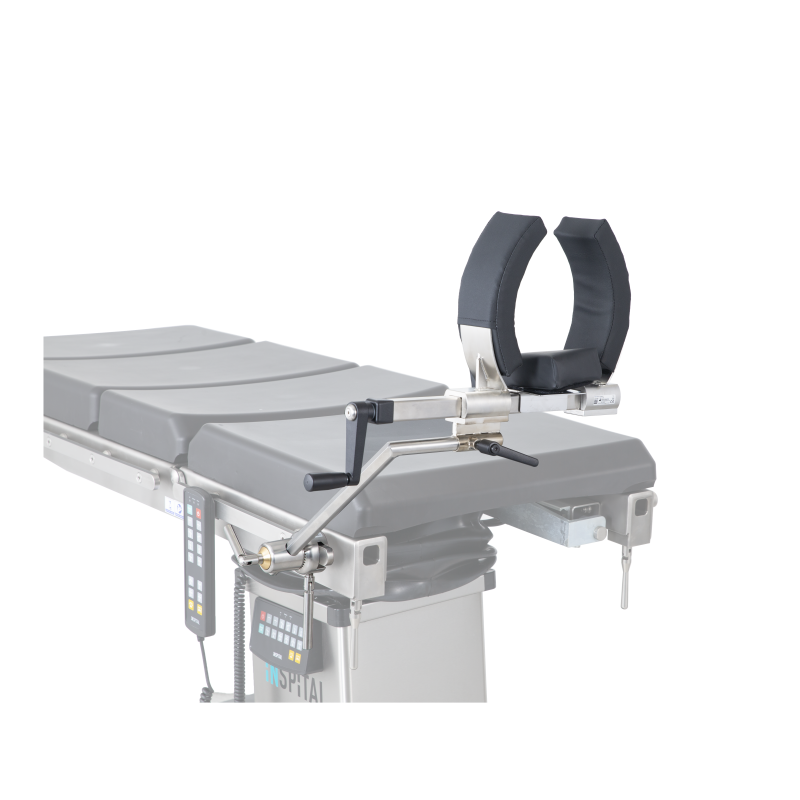
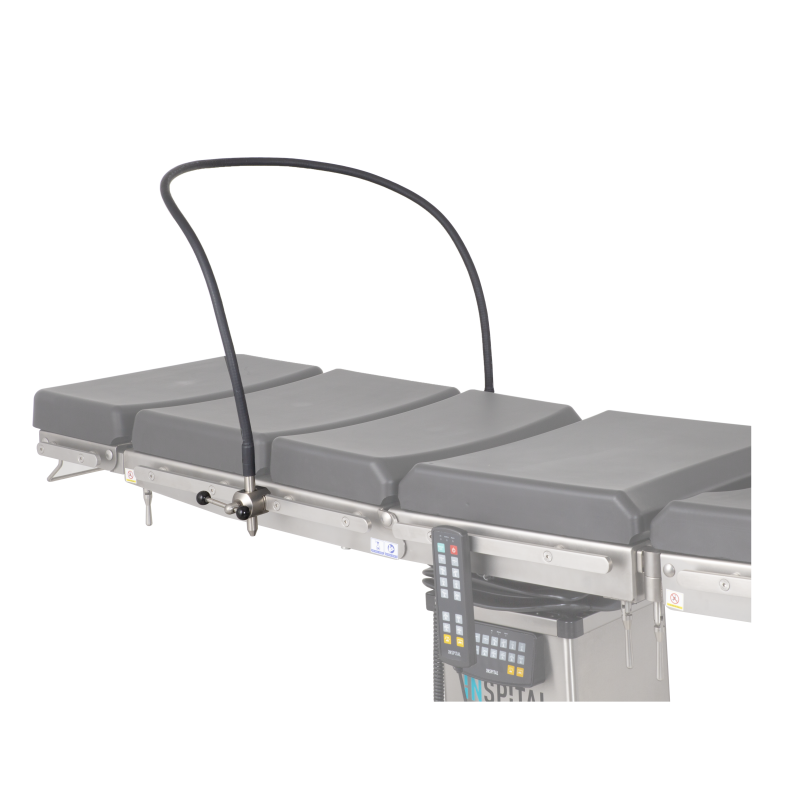
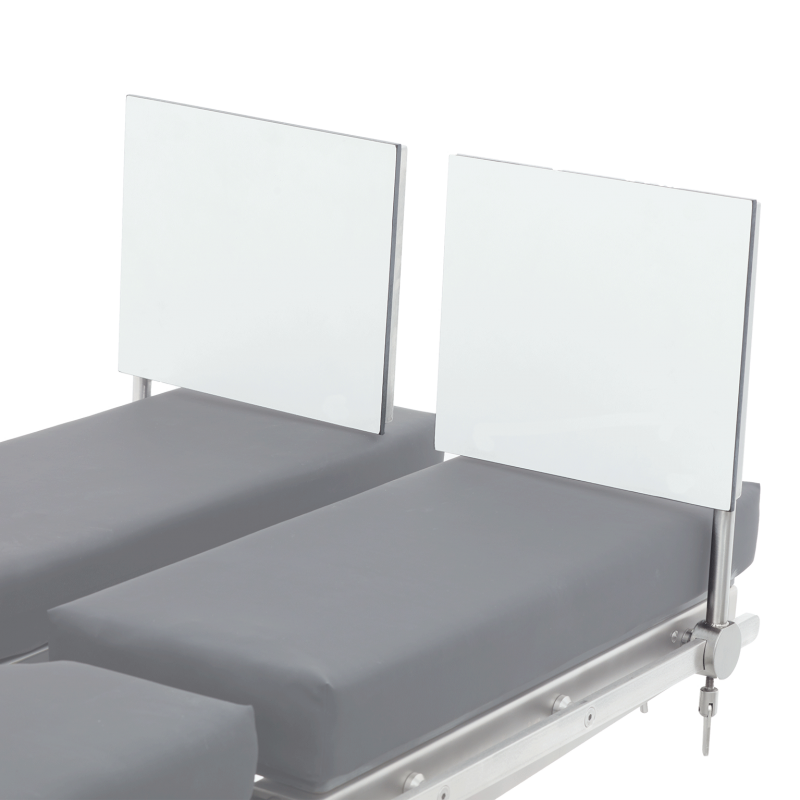
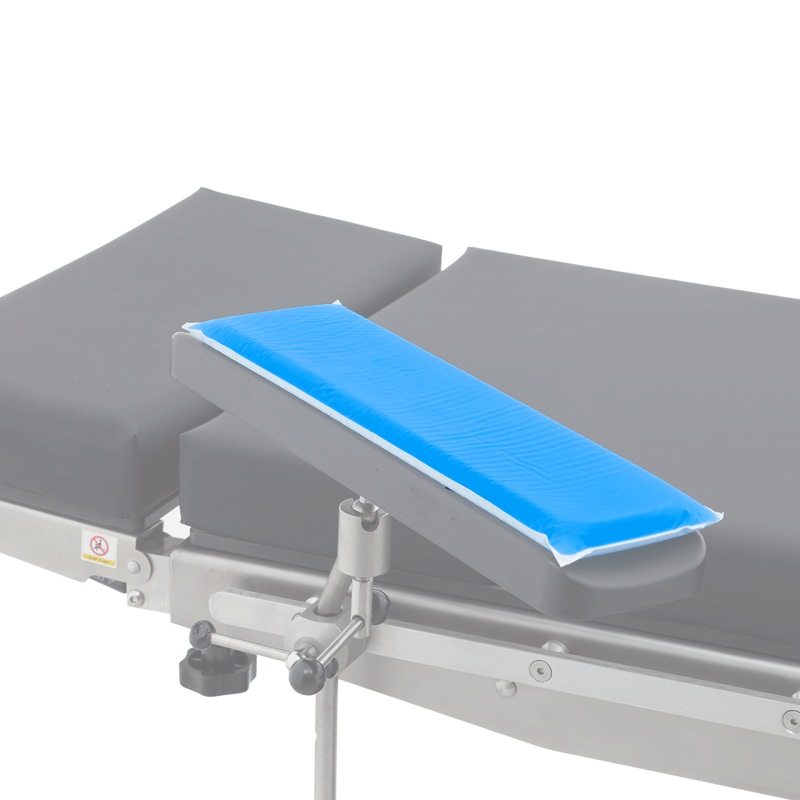
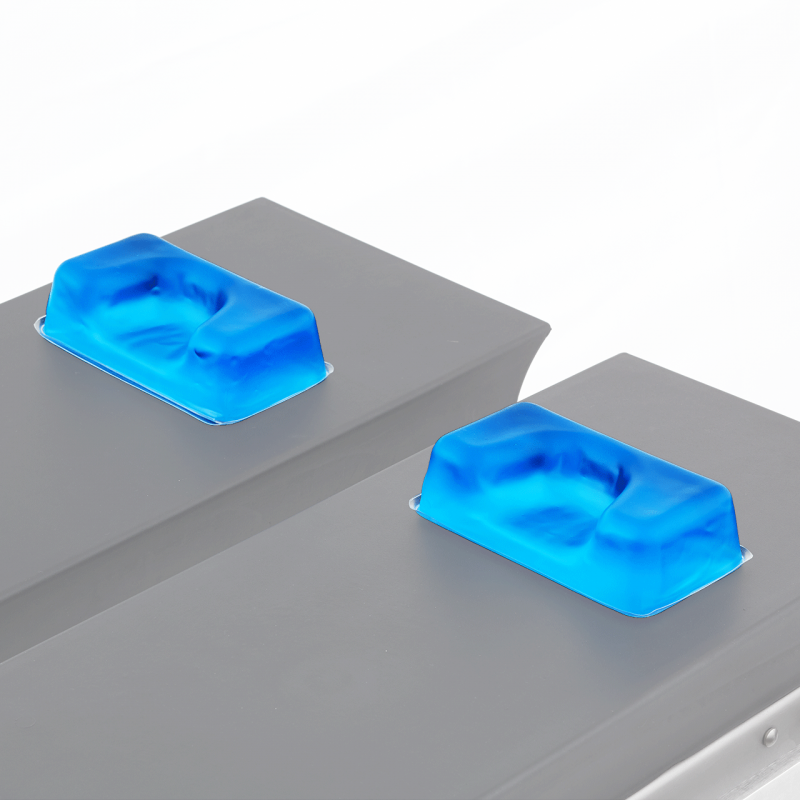
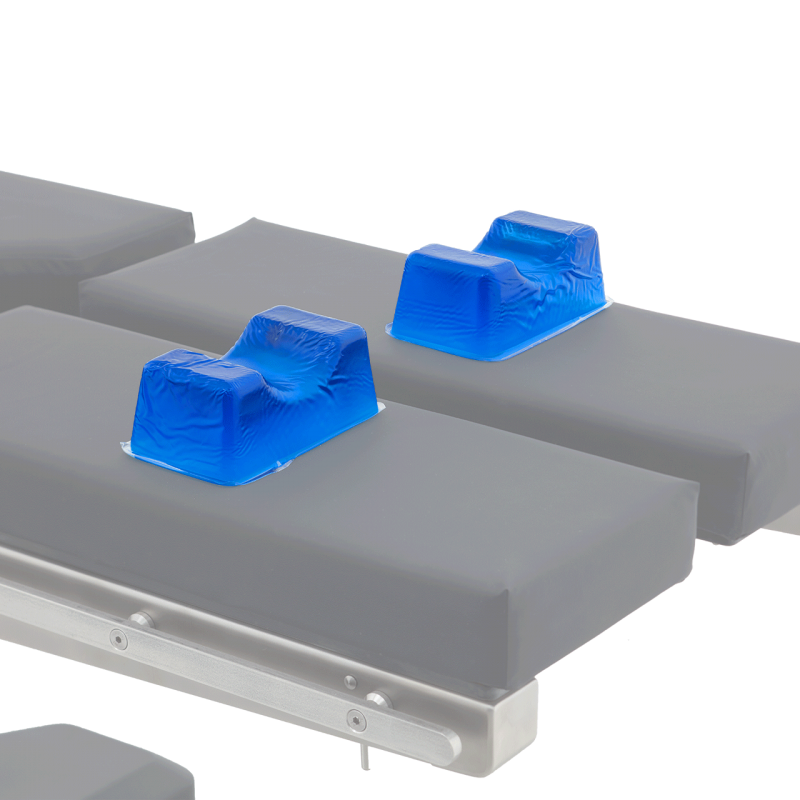
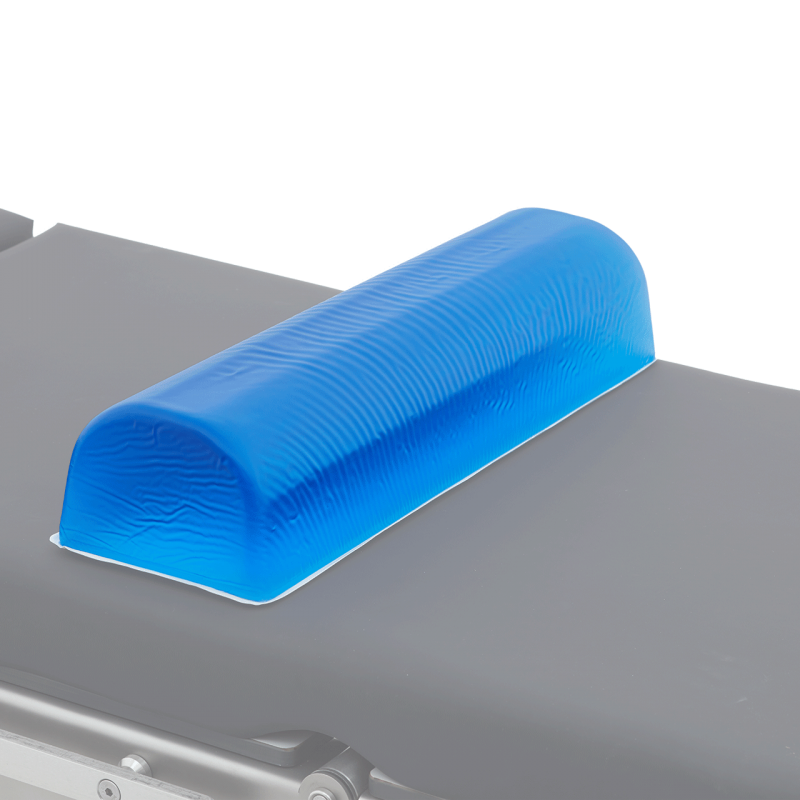
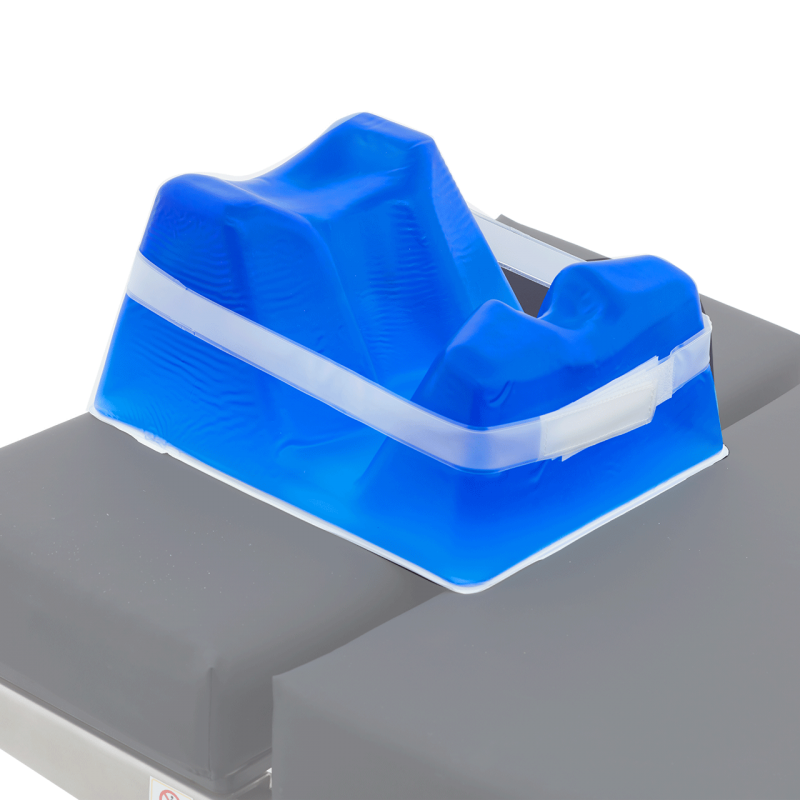
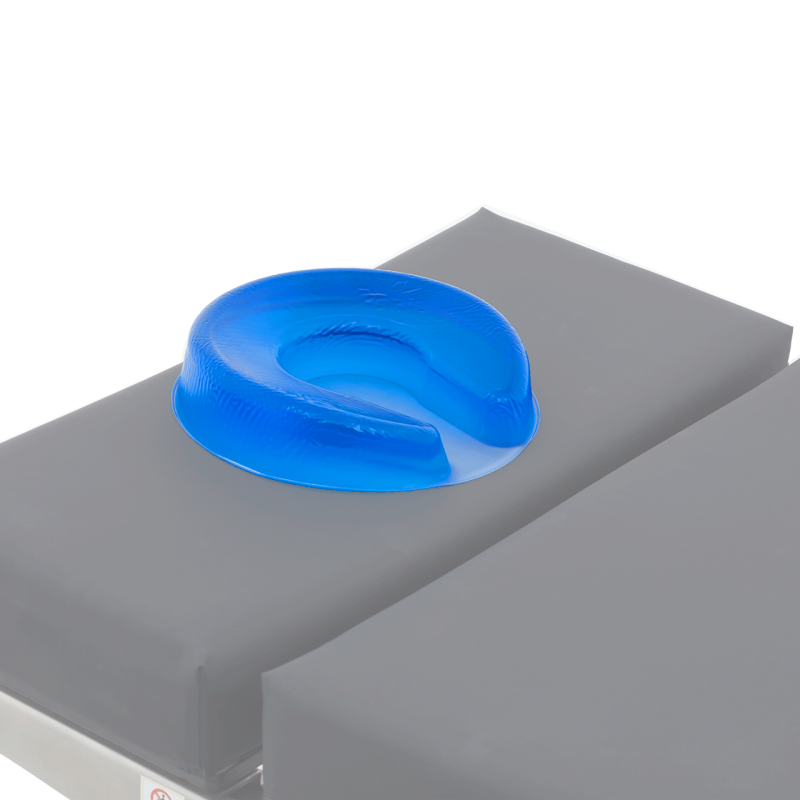
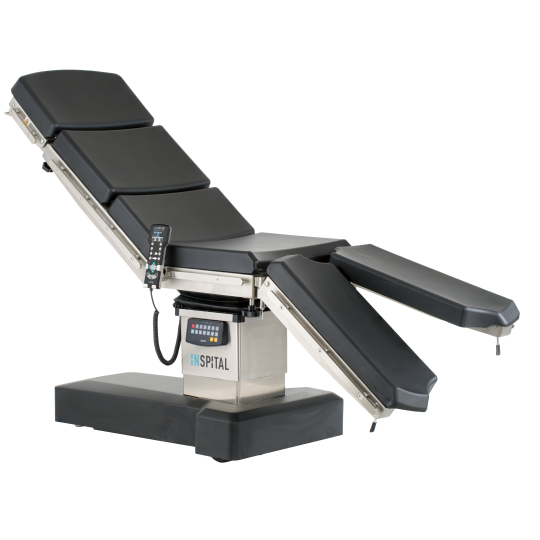
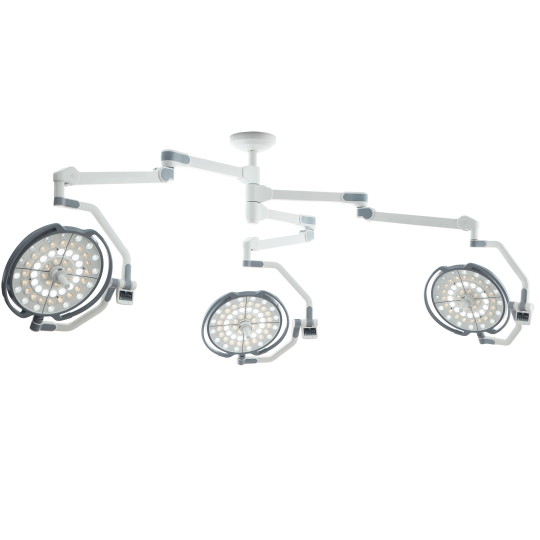
Another key element is the table’s flexibility. Every procedure is unique and requires different positioning. Modern patient operating tables from Inspital GmbH have a modular design: head, arm, torso, and leg segments can be adjusted independently or exchanged. This enables precise adaptation to the specific procedure and the patient, regardless of size, weight, or special requirements. For minimally invasive procedures, orthopedic surgery, or neurosurgical interventions, this adaptability is indispensable. The integration of accessories and technology is also a must today. Arm supports, head pads, leg supports, or positioning aids can be attached or removed quickly without compromising stability. Modern tables can also be integrated into digital OR systems, for example to network with surgical lights, monitors, or surgical accessories. This makes processes more efficient, and the OR team benefits from an optimized workflow.

Another decisive factor is hygiene and cleaning. Patient operating tables come into direct contact with patients and must be easy to disinfect to minimize infection risks. Inspital GmbH relies on wipe-clean, antimicrobial materials that are durable and resistant to disinfectants. This keeps tables dimensionally stable, hygienic, and functional even after frequent use. Overall, it is clear that the patient operating table plays a key role in the operating room. With stable positioning, ergonomic adjustment, flexible modules, technical accessories, and hygienic materials, it sets the course for safe, efficient, and successful surgeries. Tables from Inspital GmbH combine these characteristics and offer hospitals a long-term, reliable, and modern solution for daily OR operations.

Technical features and functional scope of the patient operating table

Modern patient operating tables are highly advanced medical devices that go far beyond a simple surface to lie on. They combine precision, flexibility, and ergonomics to optimize both patient comfort and the work of the OR team. Inspital GmbH offers patient operating tables designed for state-of-the-art technology, modular customization, and high safety standards—ideally meeting the requirements of modern operating rooms.

One of the key features is electric height adjustment. Surgeons and OR staff can set the table precisely to the desired height to improve working posture and reduce physical strain. Stepless adjustment makes it possible to achieve the optimal position for any type of surgery, whether minimally invasive surgery, orthopedic procedures, or neurosurgical operations. In addition, many models from Inspital GmbH offer programmable memory functions, allowing frequently used positions to be recalled at the push of a button. This saves time and significantly increases efficiency in everyday OR work.

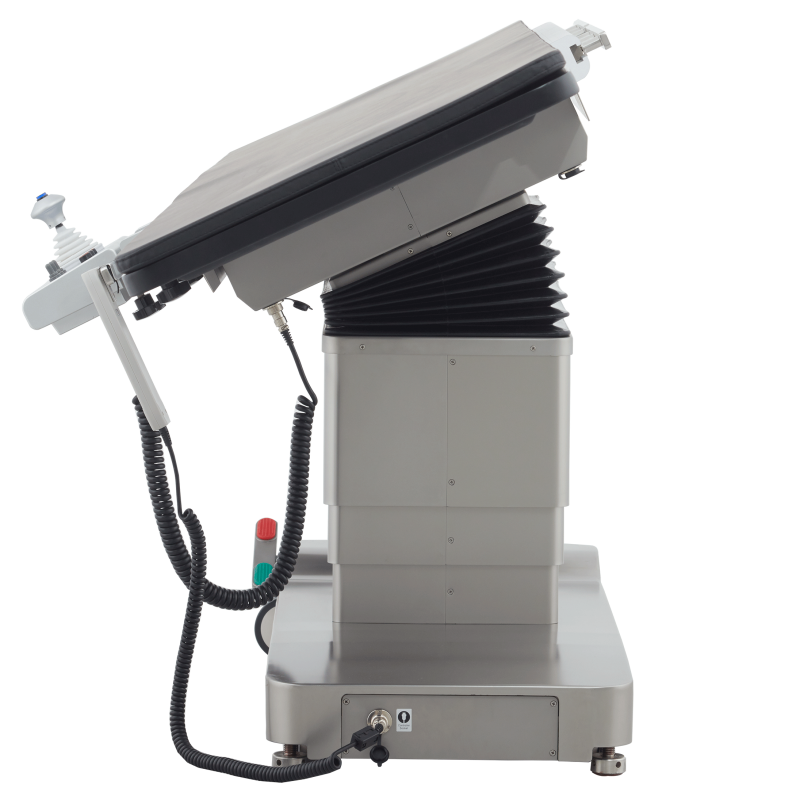
Another technical highlight is the tilt and angulation options. Patient operating tables can be set to Trendelenburg, reverse Trendelenburg, lateral tilt, or supine positions. This flexibility is crucial for optimizing access to the surgical field, supporting circulation, and keeping the patient comfortably positioned at the same time. Stepless, smooth movements ensure that changes in table position do not disrupt either OR staff or sterile workflows.

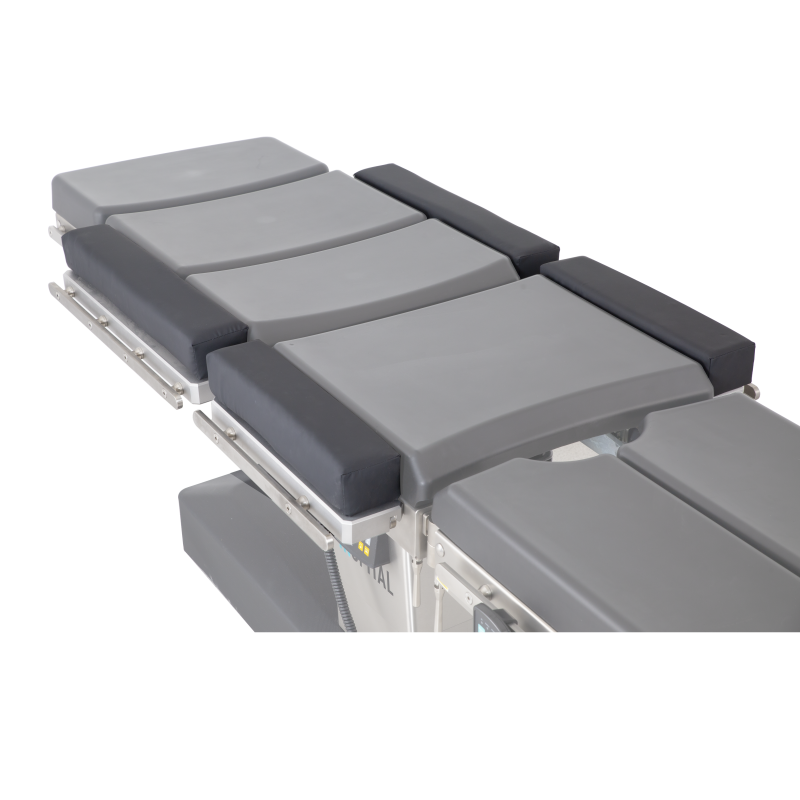
The modular design is another important advantage. Head, arm, torso, and leg segments can be individually adjusted, expanded, or exchanged. This allows patient operating tables to be quickly adapted to different patient types, procedure types, and special requirements. This modularity reduces the need to keep multiple table types on hand and significantly increases versatility.

Safety features are also a top priority. Non-slip surfaces, overload sensors, stable locking systems, and emergency shut-offs ensure that patients remain safely positioned at all times. Even in the event of a power failure, many tables can be manually moved into a safe position, minimizing the risk of accidents in the OR. Inspital GmbH places great emphasis on these safety features to ensure the highest standards in patient care and OR safety.

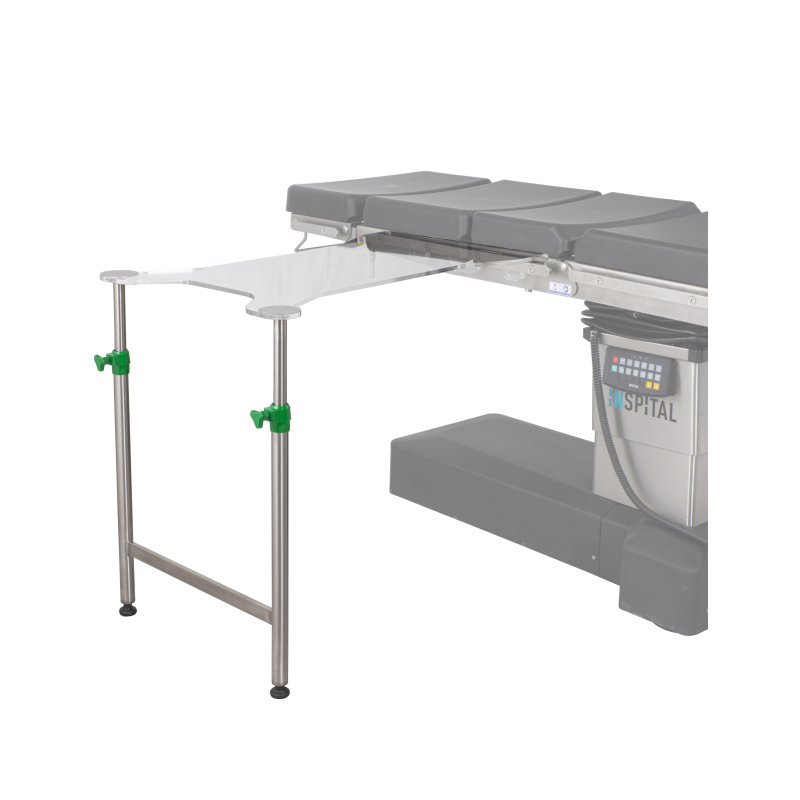
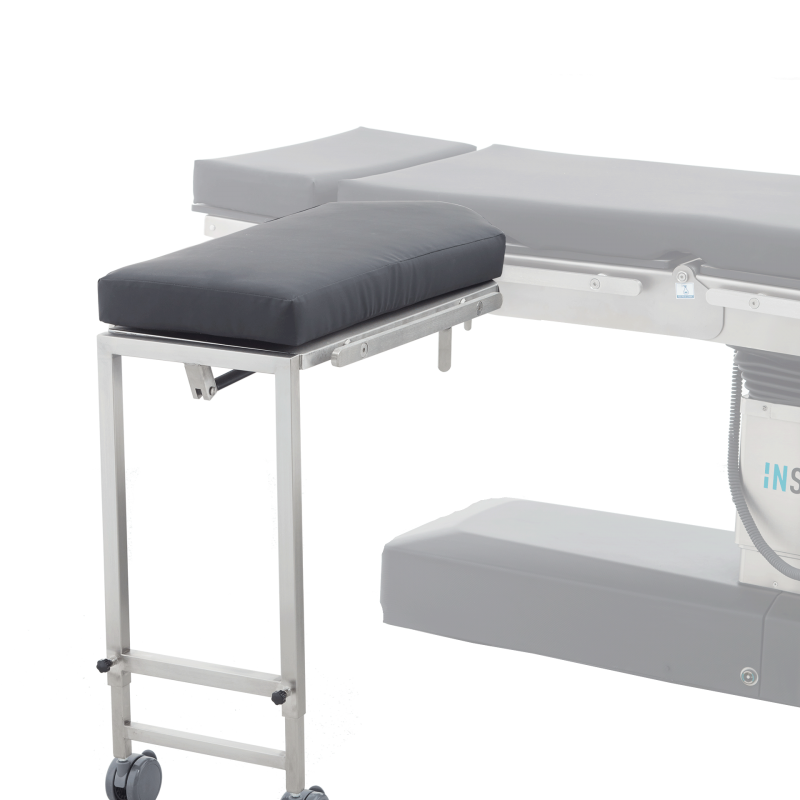
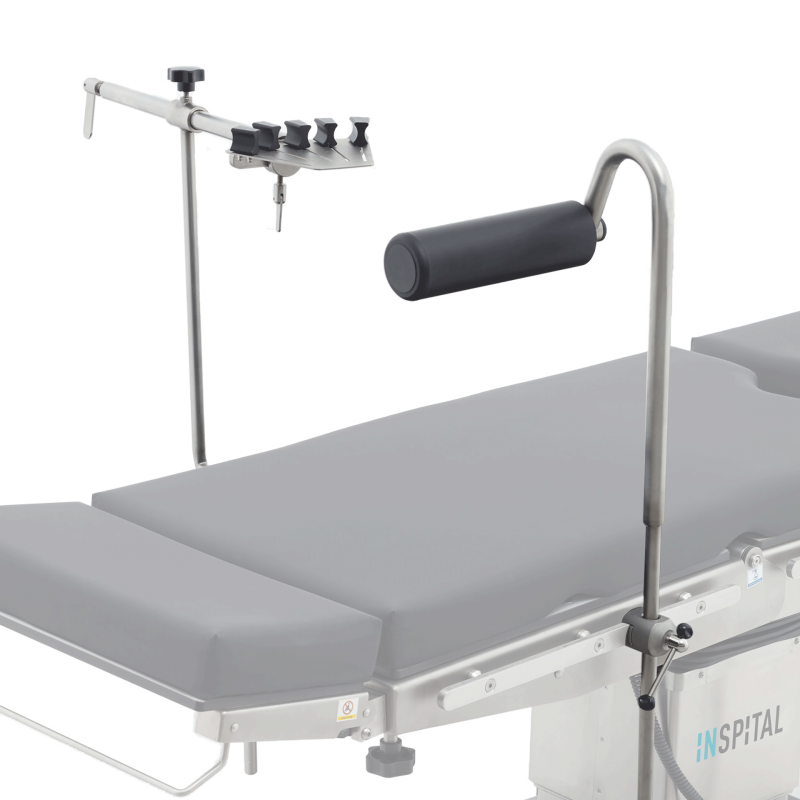
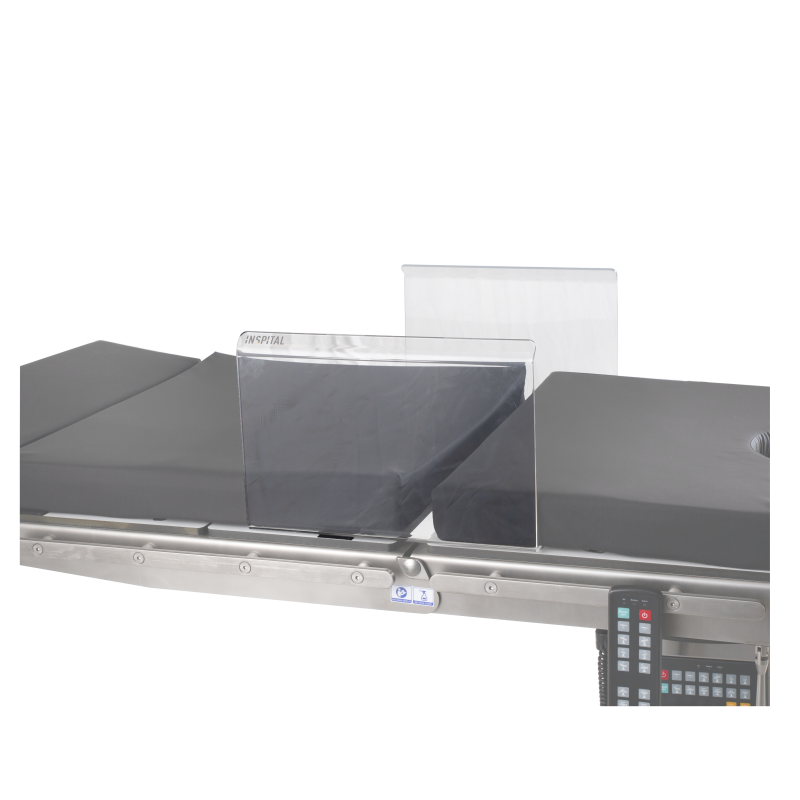
In addition, accessory integration enables individual customization. Arm supports, head pads, leg supports, or special positioning aids can be attached or removed easily. Some models also offer interfaces to surgical lights, monitors, or surgical equipment, enabling seamless integration into digital OR systems. This simplifies workflows, saves time, and increases precision during surgical procedures.

Last but not least, material selection plays a central role in functionality and durability. Inspital GmbH uses medical foam with pressure-relieving padding, wipe-clean and antimicrobial covers, and sturdy steel frames. This combination ensures high load capacity, hygiene, easy cleaning, and a long service life—key factors for daily OR operations.

Ergonomics and comfort for patients and OR staff

The ergonomics of a patient operating table are crucial for the success of surgical procedures and the patient’s comfort. An operating table must be designed not only to ensure patient safety, but also to support OR staff workflows. Inspital GmbH develops tables that combine both aspects, placing particular emphasis on flexible adjustment options, stable support, and pressure-relieving positioning.

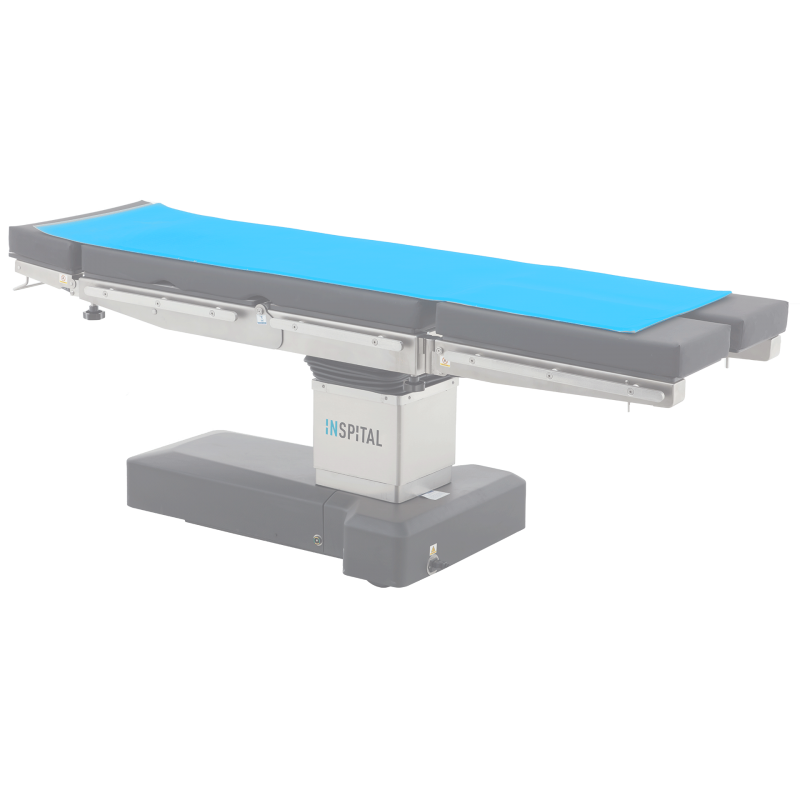
For patients, correct positioning during surgery is essential. During longer procedures, incorrect positioning can lead to pressure ulcers, circulatory issues, or nerve damage. High-quality padding that adapts to body contours and ergonomic segmentation of the head, torso, arms, and legs ensure patients lie comfortably without compromising surgical access. Inspital GmbH uses durable, wipe-clean materials that are pressure-relieving, hygienic, and hard-wearing.

Ergonomics for the OR team is just as important. Surgeons, anesthetists, and assisting staff often spend several hours at the table. A patient operating table with stepless adjustment of height, tilt, and position reduces physical strain and increases precision during surgical maneuvers. A table height that can be optimally adapted to the surgeon’s body size ensures a healthy working posture, minimizes fatigue, and supports concentration throughout long procedures.

In addition, flexible positioning improves comfort for OR staff. Electric controls enable quick adjustments without interrupting sterile workflows. Trendelenburg, reverse Trendelenburg, or lateral tilts can be set smoothly, optimizing access to the surgical field without placing unnecessary strain on patients. The modular design allows individual adaptations so that different procedures can be performed with the same table without compromising comfort or ergonomics.

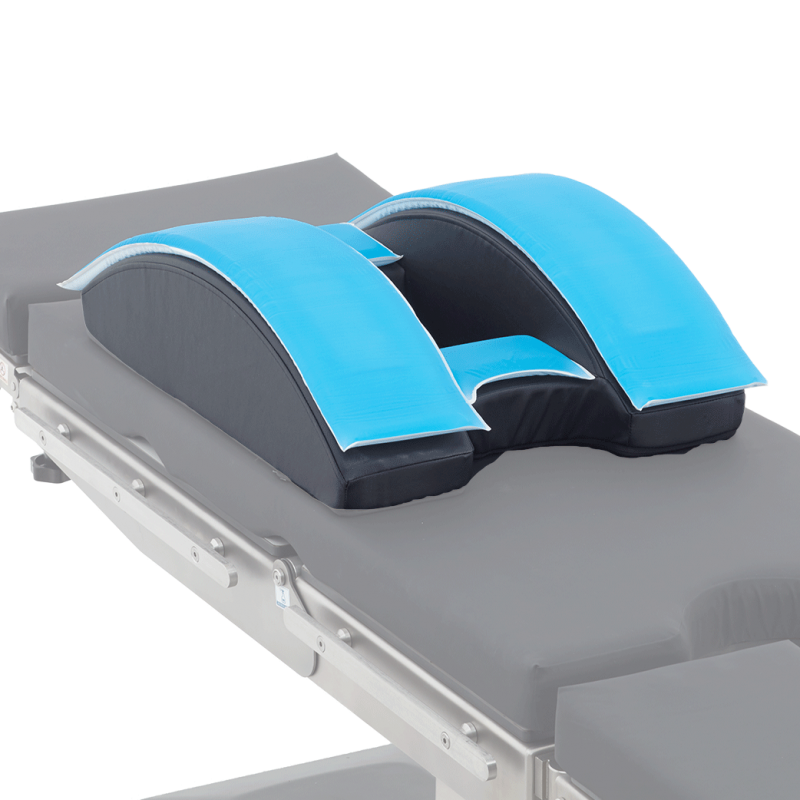
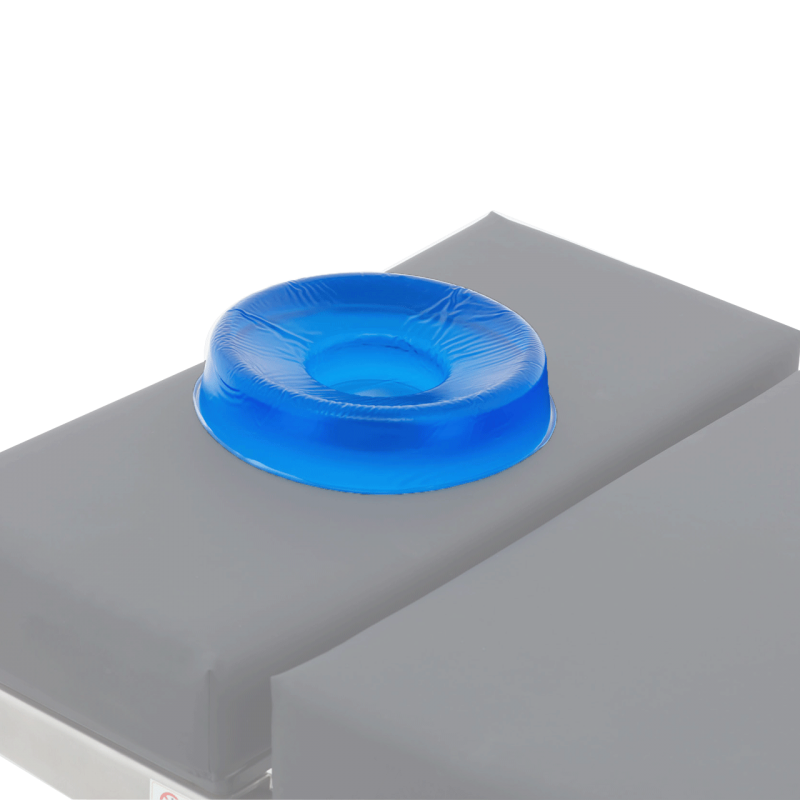
Another aspect is the integration of ergonomic aids. Arm supports, head pads, leg supports, and positioning aids can be attached or repositioned quickly to maximize both patient comfort and surgical access. This flexibility reduces risks and supports precise surgery while the patient remains stable and comfortably positioned.

Material selection also plays an important role in comfort and ergonomics. Inspital GmbH uses padding made of pressure-relieving medical foam and antimicrobial covers that are breathable, hygienic, and durable. The stable base frames ensure the table remains steady even during complex movements and with heavier patients, ensuring safety and comfort at the same time.

Overall, it is clear that ergonomics and comfort in patient operating tables are closely linked. Tables from Inspital GmbH combine flexible adjustment, modular segments, pressure-relieving padding, and ergonomic height adjustment. This improves patient positioning, reduces physical strain on OR staff, and increases efficiency in the operating room. The result is an environment where safety, precision, and well-being are equally ensured—a key factor for successful procedures and satisfied patients.

Hygiene, cleaning, and maintenance of the patient operating table

Hygiene and easy maintenance are key requirements for a patient operating table. In operating rooms, these tables come into direct contact with patients, blood, bodily fluids, and surgical accessories. Every surface must therefore be easy to clean, resistant to disinfectants, and antibacterial. Inspital GmbH develops its patient operating tables precisely to these standards, enabling hospitals to ensure the highest safety and hygiene standards in OR operations.

A decisive factor for hygiene is material selection. Inspital GmbH uses wipe-clean, antimicrobial surfaces that allow thorough disinfection without damaging the padding or frame. The padding is pressure-relieving, durable, and resistant to commonly used chemical cleaning agents. This not only ensures patient safety, but also extends the table’s service life by preserving materials and functionality.

The design structure of modern operating tables further supports cleaning. Seamless padding, smooth surfaces, and removable table segments prevent dirt or fluids from collecting in crevices. Especially modular segments such as head, arm, torso, and leg modules can be removed individually and cleaned thoroughly, ensuring even hard-to-reach areas can be kept hygienic. This well-thought-out design saves time in daily OR work and minimizes infection risks.

In addition to daily cleaning, regular maintenance is also an important aspect of the patient operating table’s reliability. Electrical components, motors, and controls must be checked regularly to ensure flawless operation. Inspital GmbH designs tables so that maintenance points are easily accessible and key safety mechanisms such as emergency shut-offs or overload sensors can be checked without difficulty. This ensures safety and efficiency remain guaranteed even after intensive use.

Another advantage of hygienic, maintenance-friendly tables is the reduction of downtime. Tables that are easy to clean and maintain can be put back into service more quickly, making OR operations more efficient. Hospitals save time, resources, and costs while simultaneously increasing patient safety.

The integration of accessories also affects hygiene and maintenance. Removable arm supports, head supports, or leg supports can be cleaned easily or replaced. Inspital GmbH places great importance on accessories being robust, easy to disinfect, and compatible with the main frame to ensure hygiene, comfort, and safety.

Inspital GmbH combines wipe-clean, antimicrobial materials, modular and easy-to-clean segments, and maintenance-friendly electrical systems to enable safe, hygienic, and efficient OR operations. Hospitals benefit from lower infection risks, durable tables, and optimized processes—a clear advantage for patients, staff, and daily OR operations.

Flexibility and customization options of the patient operating table

Flexibility is one of the most important characteristics of a modern patient operating table. No surgical procedure is the same: different operations, patient types, body sizes, and positioning requirements call for a system that can be adjusted quickly, precisely, and comfortably. Inspital GmbH develops patient operating tables that combine maximum adaptability with high stability and ergonomics to ensure both patient comfort and operative efficiency.

A key aspect of flexibility is modular segmentation. Head, torso, arm, and leg segments can be adjusted independently or exchanged. This enables precise positioning for a wide range of procedures—from minimally invasive operations to orthopedic or neurosurgical interventions. Thanks to this modularity, hospitals can use the same table for different patients and procedure types, eliminating the need to purchase multiple table types.

In addition, modern patient operating tables offer electric control and stepless positioning. Height adjustment, tilt, Trendelenburg, or reverse Trendelenburg positions can be set precisely at the push of a button. This saves time, reduces errors, and allows surgeons to position the patient optimally without interrupting sterile workflows. Especially in high-volume operating rooms, this flexibility is a decisive advantage, as quick adjustments significantly improve the surgical workflow.

The integration of accessories further expands customization options. Removable arm supports, head pads, leg supports, or positioning aids can be attached or removed easily. This increases patient comfort, improves ergonomics for OR staff, and ensures every position can be optimally matched to the specific procedure. Inspital GmbH ensures accessories are robust, safe, and easy to handle.

Another advantage is programmable functionality. Recurring positioning setups for specific procedures can be saved and recalled at the push of a button. This reduces time and the potential for errors and ensures positioning is standardized, precise, and reproducible. Especially in hospitals with high patient throughput, this is a significant efficiency benefit.

Flexibility is also evident in adapting to patients of all sizes and weight classes. Tables from Inspital GmbH are stable enough to position heavier patients safely, while also being finely adjustable to position smaller or particularly sensitive patients comfortably. This versatility increases the range of applications and significantly eases the day-to-day work of the OR team.

Overall, it is clear that flexibility and customization options are the backbone of a modern patient operating table. Inspital GmbH offers tables that are modular, electrically adjustable, programmable, and compatible with accessories. Hospitals benefit from efficient workflows, safe patient positioning, and a comfortable working environment for the OR team—sustainably improving the quality of surgical procedures.

Durability, maintenance, and cost-effectiveness of the patient operating table

The durability of a patient operating table is a decisive factor for hospitals. Operating tables are subjected to daily stress: they must support heavy patients, remain stable for hours, withstand repeated movements, and still be cleaned hygienically. At the same time, the table should be a long-term investment that ensures cost-effectiveness, efficiency, and safety for many years. Inspital GmbH develops tables that meet exactly these requirements by combining modern technology, robust materials, and maintenance-friendly designs.

A key factor for durability is material quality. Inspital GmbH relies on sturdy steel frames, durable motors, and pressure-relieving padding made of medical foam. The covers are wipe-clean, antimicrobial, and resistant to disinfectants, so they retain their shape, stability, and hygienic properties even after frequent use. This combination ensures a long service life even under intensive OR operation.

The maintenance-friendly design further contributes to durability. Electrical components, motors, and controls are easily accessible and modular. Individual segments or components can be replaced or repaired without major effort. This reduces downtime, saves costs on expensive repairs, and ensures OR operations can be maintained continuously. Regular maintenance intervals, as recommended by Inspital GmbH, ensure long-term functionality and maximum safety.

Another advantage of durable tables is life-cycle cost-effectiveness. High-quality materials, modular design, and maintenance-friendly constructions mean hospitals need to replace equipment less often. At the same time, programmable functions and modular adaptations reduce the need for multiple table types. These factors lower long-term costs, increase return on investment, and improve efficiency in the operating room.

Load capacity and stability also play an important role. Inspital GmbH develops tables that can safely position patients across different weight classes without sacrificing precision or mobility. Even with intensive use, the tables remain reliable and stable, which not only increases patient safety but also strengthens the OR team’s confidence in the equipment.

In addition, the combination of robust materials, flexible modularity, and easy maintenance ensures the tables can be used reliably even in hospitals with high patient throughput and frequent surgeries. Durability and maintenance-friendliness are therefore not just technical features, but decisive factors for the cost-effective operation of an operating room.

In summary, durability, maintenance, and cost-effectiveness are inseparably linked. Inspital GmbH offers patient operating tables that impress with high-quality materials, stable construction, maintenance-friendly modules, and durable electronics. Hospitals benefit from long-lasting, reliable, and flexible tables that make OR operations more efficient, reduce costs, and ensure safety and comfort for patients and staff at the same time. This makes the patient operating table a sustainable investment for modern operating rooms.

Future outlook and innovations for the patient operating table

The future of the patient operating table lies in innovative technology, smart connectivity, and intelligent ergonomics. Modern operating rooms are increasingly evolving into digitalized environments in which efficiency, precision, and patient safety are interconnected.

A central focus is on digital control and sensor technologies. Future operating tables could automatically determine the optimal positioning for patients based on weight, body shape, and the OR team’s position. Sensors could, for example, detect pressure points and adjust the table segments accordingly to minimize the risk of pressure ulcers or nerve damage. This increases patient comfort and supports the OR team during precise procedures without requiring manual adjustments.

In addition, programmable and automated functions are becoming increasingly important. Recurring positions for specific surgeries can be saved, recalled, and even synchronized in combination with other OR devices. In the future, tables can be integrated into networked OR systems so that lighting, monitors, and surgical accessories automatically respond to the table’s position. Inspital GmbH is working on solutions that enable this digital integration seamlessly, making workflows faster, safer, and more efficient.

Another area of innovation concerns ergonomic and modular improvements. Future patient operating tables are expected to be even more precisely adaptable to different patients, for example through automatic segment adjustment for the head, torso, arms, and legs. At the same time, operation will become more intuitive for OR staff, for example via touchscreens, wireless remote controls, or voice control. This reduces physical strain, saves time, and supports consistently high precision during complex surgeries.

Materials and hygiene will also continue to evolve. New antibacterial and easy-to-clean materials that are also breathable and pressure-relieving are intended to make patient operating tables even more durable, comfortable, and hygienic. Inspital GmbH is focusing on sustainable materials that remain robust over the long term while also reducing the ecological footprint.

Last but not least, sustainability and energy efficiency are playing an increasingly important role. Future operating tables will operate more energy-efficiently, be designed for longer service life, and offer a modular structure that simplifies maintenance and component replacement. This conserves resources, reduces operating costs, and makes the operating table a sound investment both economically and ecologically.

Overall, the future outlook for the patient operating table is a combination of digital intelligence, automated ergonomics, modular flexibility, and sustainable design. Inspital GmbH develops tables that not only offer the highest levels of patient comfort, safety, and efficiency, but also future-proof OR operations. Intelligent sensors, automated positioning, ergonomic segments, and connected systems will make patient operating tables indispensable, highly advanced tools in every operating room—benefiting clinical staff and patients alike.