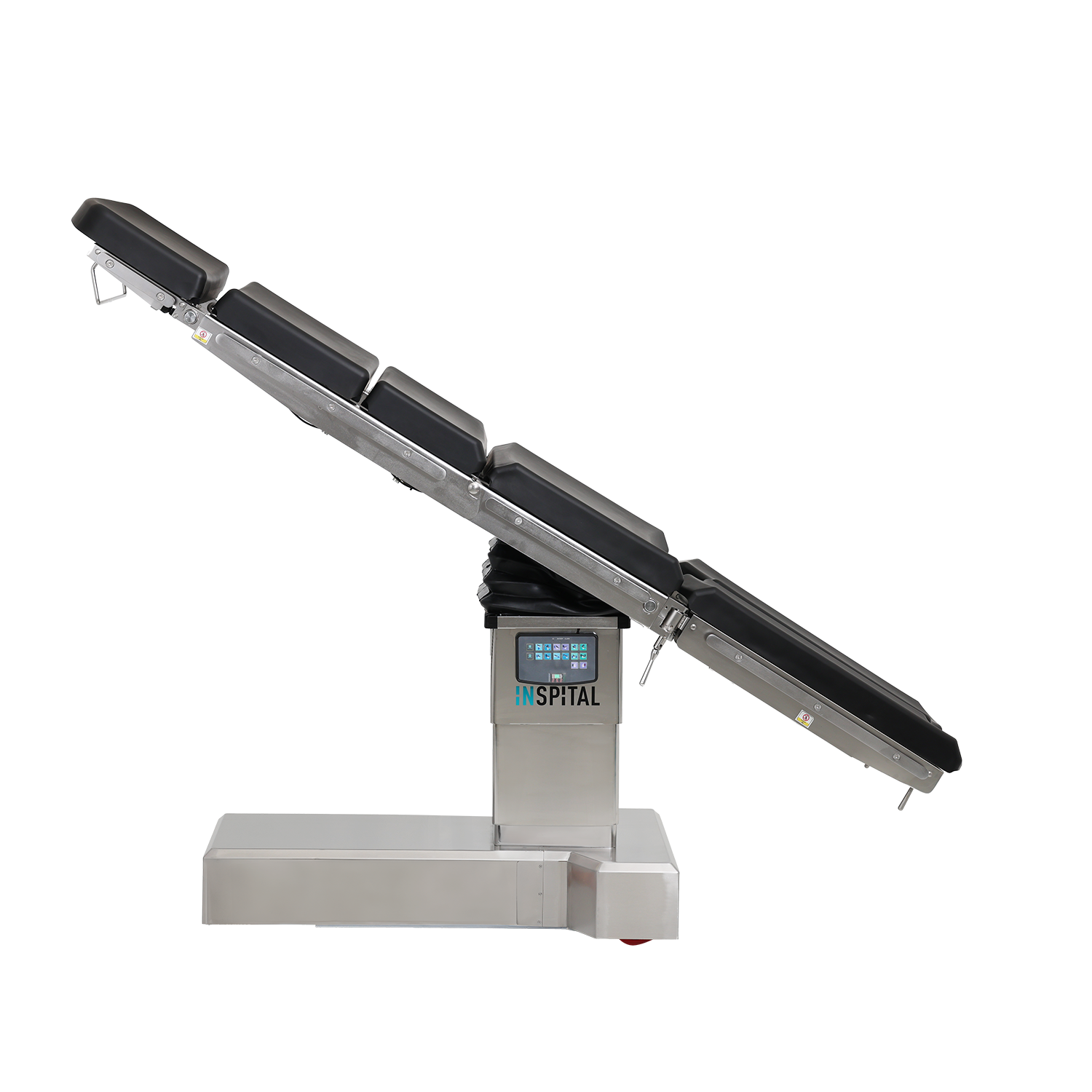
Fundamentals of Operating Table Structure – Significance for Modern Operating Rooms

The structure of an operating table is a central component of any surgical environment and plays a crucial role in the success of surgical procedures. A modern operating table must not only guarantee maximum stability, but also offer the highest flexibility, ergonomic adjustability, and hygienic safety. Especially in the context of modern clinics and outpatient surgery centers, the modular design is becoming increasingly important. Manufacturers like Inspital rely on innovative technologies that take into account both the requirements of surgeons and the needs of nursing staff and patients.

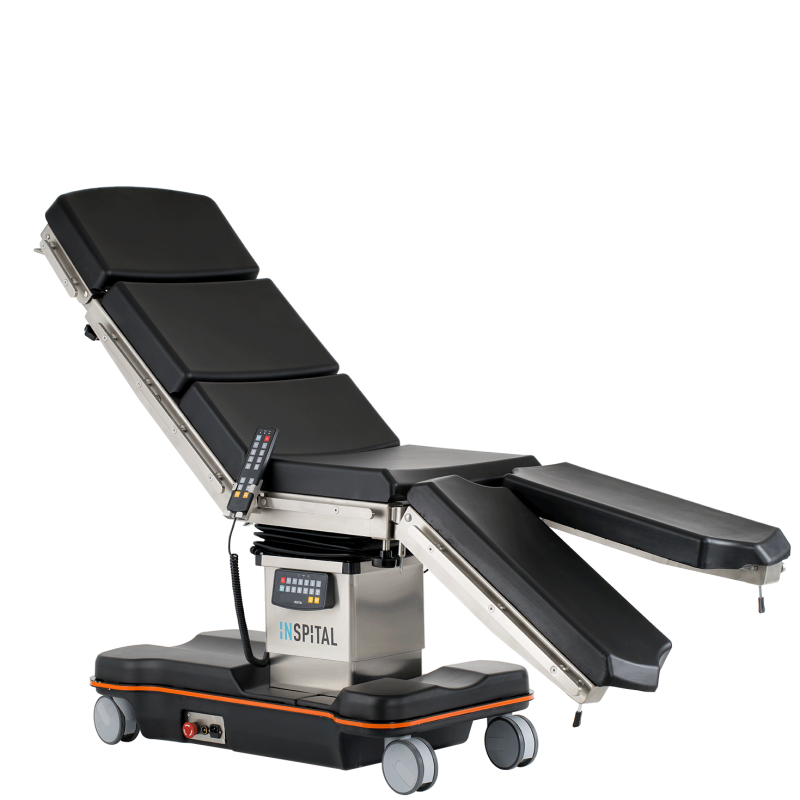
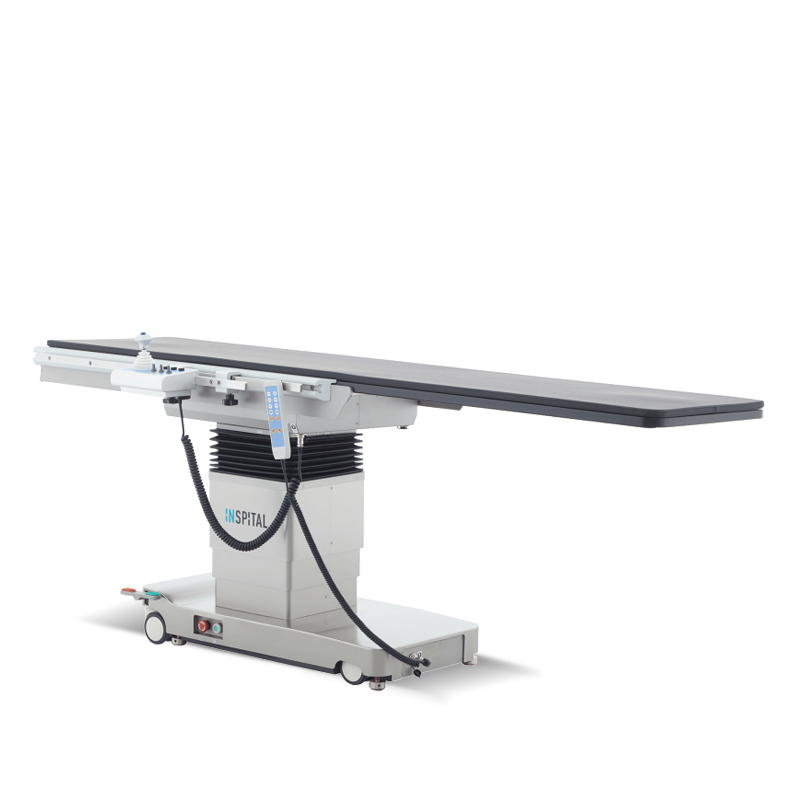
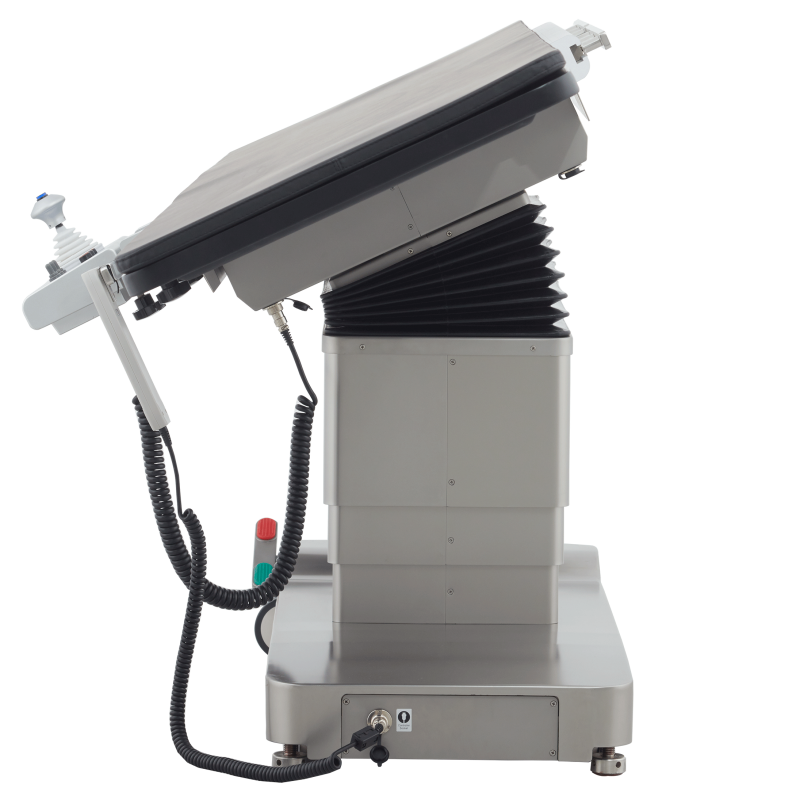
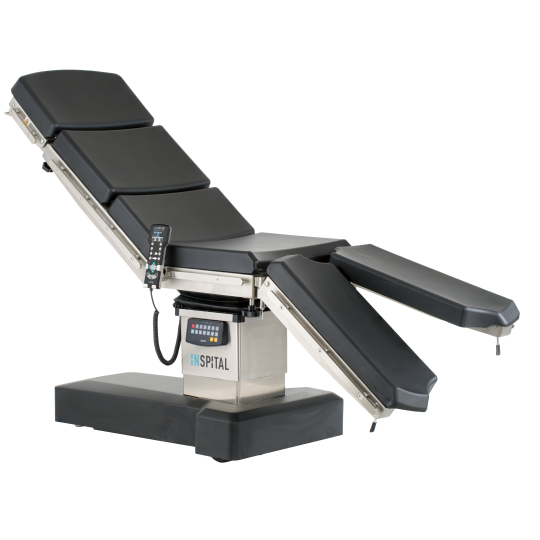
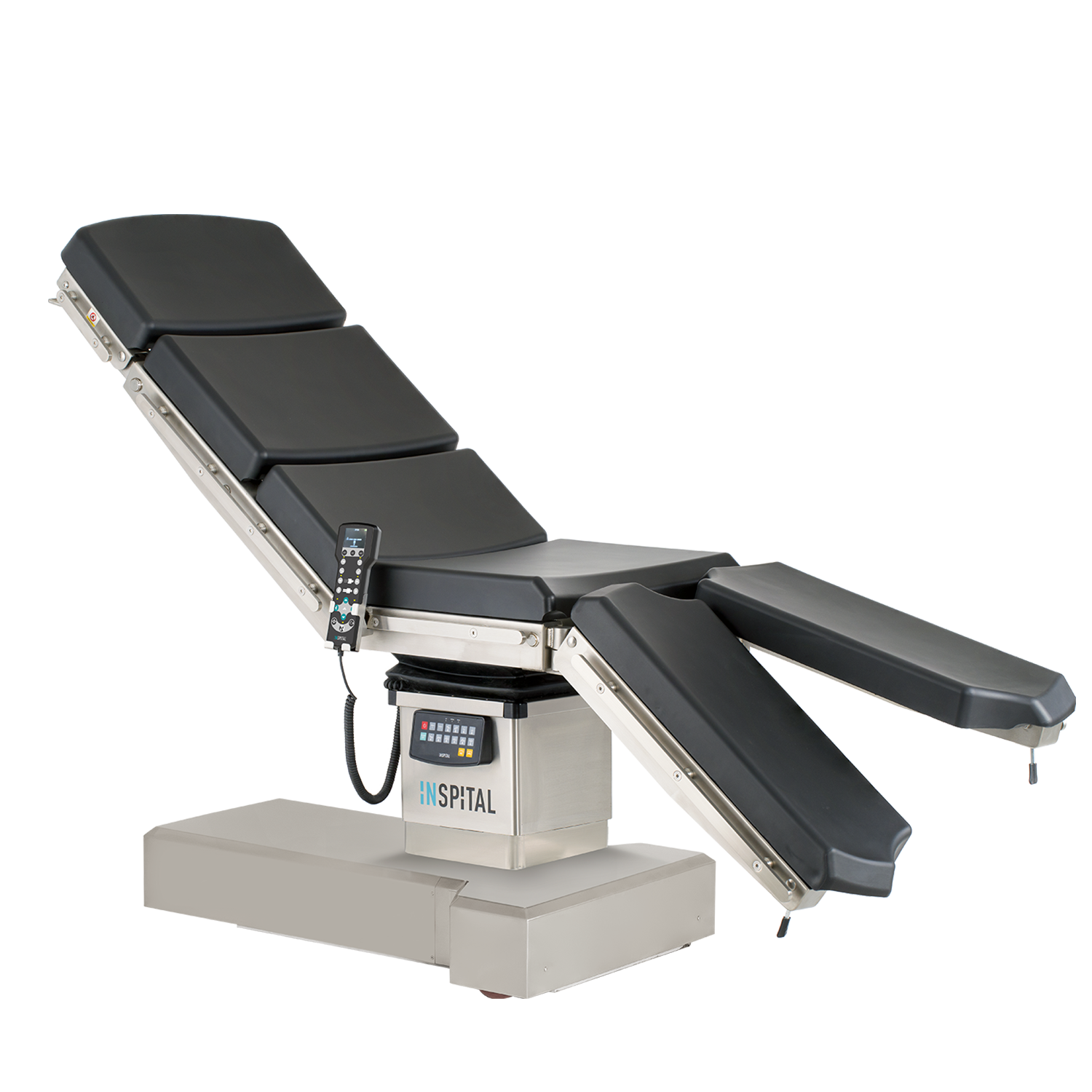
Basically, the structure of an operating table consists of several main components: the stable base, the column, the table top with modular segments, and the control system. The base ensures a secure footing and is often equipped with an electro-hydraulic or electro-mechanical system that enables height adjustments and positioning. The column connects the base with the table top and takes over the power transmission for movements such as Trendelenburg or lateral inclinations. A crucial feature of modern Inspital operating tables is the segmented table top. This consists of various elements such as head section, back section, seat section, leg plates, and optional extensions. This modular structure allows the table to be optimally adapted to different surgical disciplines – from general surgery to orthopedics to urology or gynecology. The ability to adjust or replace individual segments significantly increases efficiency in everyday operating room use. In addition to functionality, the choice of materials also plays an important role. Inspital relies on high-quality, X-ray transparent materials that enable optimal imaging during intraoperative diagnostics. At the same time, smooth, seamless surfaces ensure easy cleaning and contribute to compliance with strict hygiene standards.

Ergonomic operation is also an essential component of the structure. Modern operating tables have intuitive control systems that function either wired or wirelessly. This allows positions to be adjusted quickly and precisely without interrupting the workflow. The structured and well-thought-out structure of an Inspital operating table thus contributes significantly to patient safety, efficiency in the operating room, and relief for medical personnel. In a time of increasing demands on quality and cost-effectiveness, a high-quality operating table represents a long-term investment in the performance of a medical facility.

Modular Table Tops in Focus – Flexibility Through the Inspital Operating Table Structure

Today, a modern operating table must do significantly more than just provide a stable support surface for the patient. In particular, the modular design of the table top plays a central role when it comes to adaptability to different surgical requirements. The structure of an Inspital operating table is specifically designed to combine maximum flexibility with the highest stability.

The table top consists of several segments that can be individually adjusted or replaced. Typically, the structure includes a head segment, a back module, a pelvic or seat section, and separate leg plates. These individual elements enable precise positioning of the patient for a wide variety of procedures. Especially in complex operations, exact positioning is crucial to create optimal access conditions for the surgical team. Inspital relies on ergonomically shaped segments with X-ray transparent properties for its operating tables. This enables unrestricted use of imaging techniques such as C-arms during the operation. The continuous X-ray transparency of the table top is of great importance, especially in trauma surgery, orthopedics, and minimally invasive surgery.

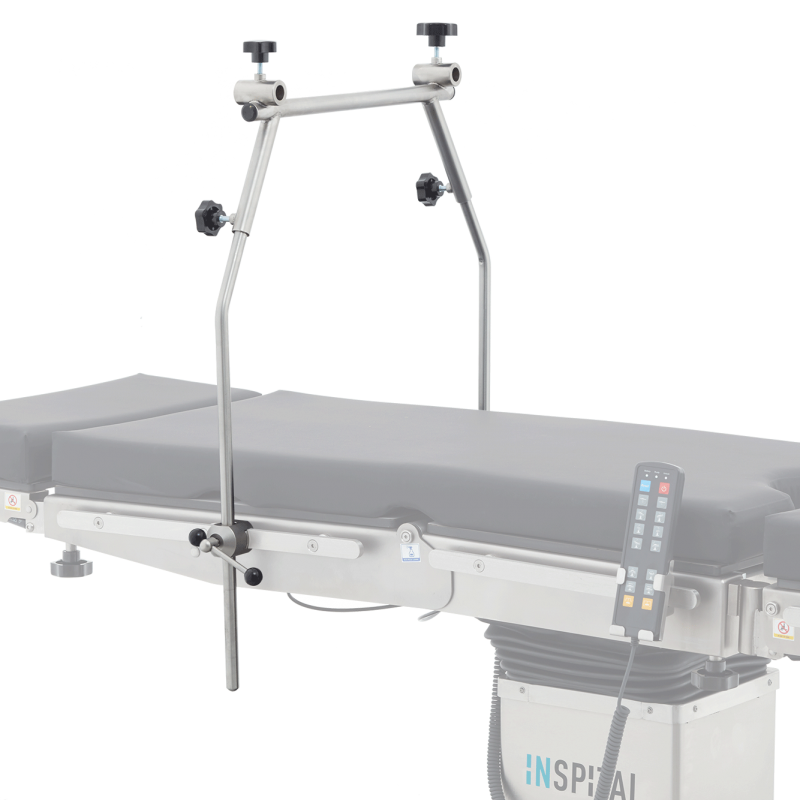
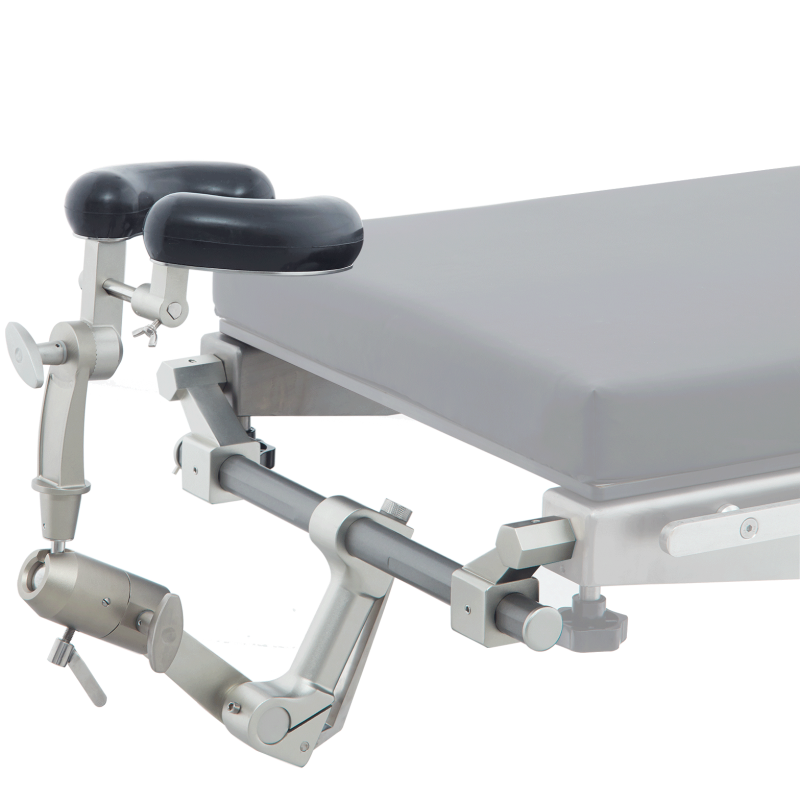
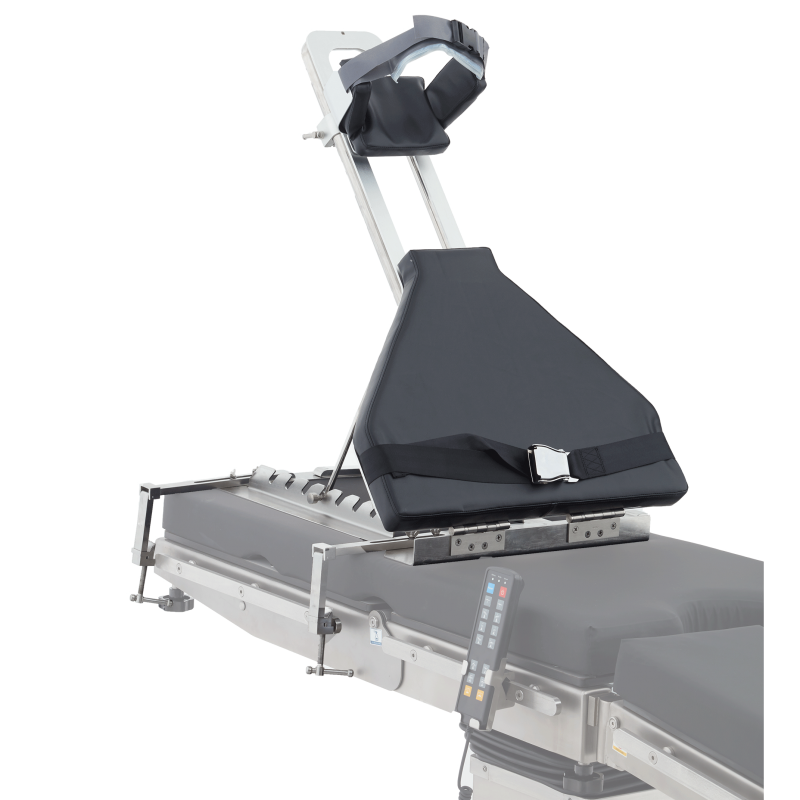
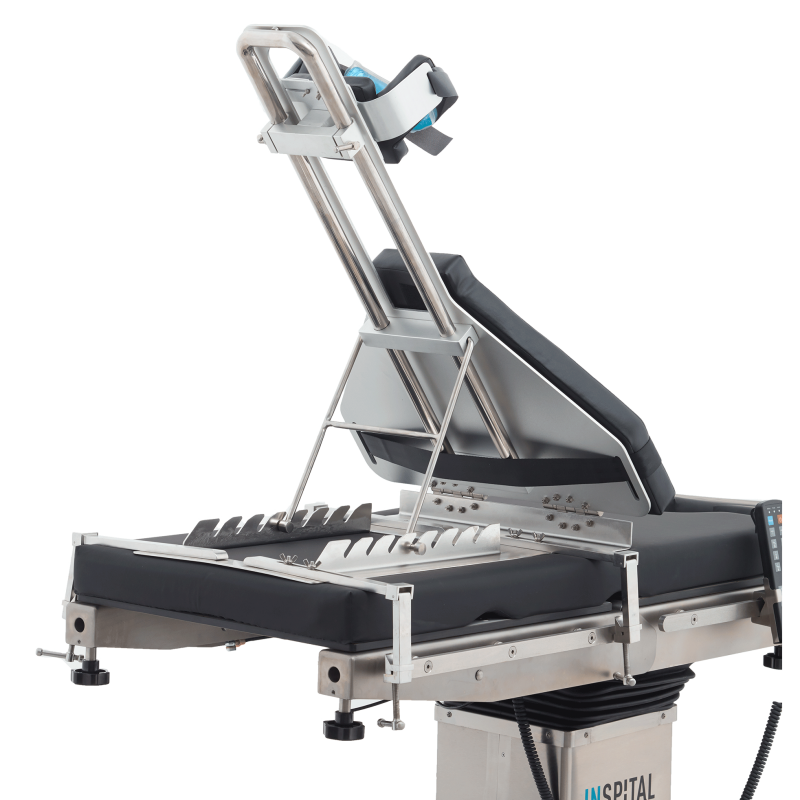
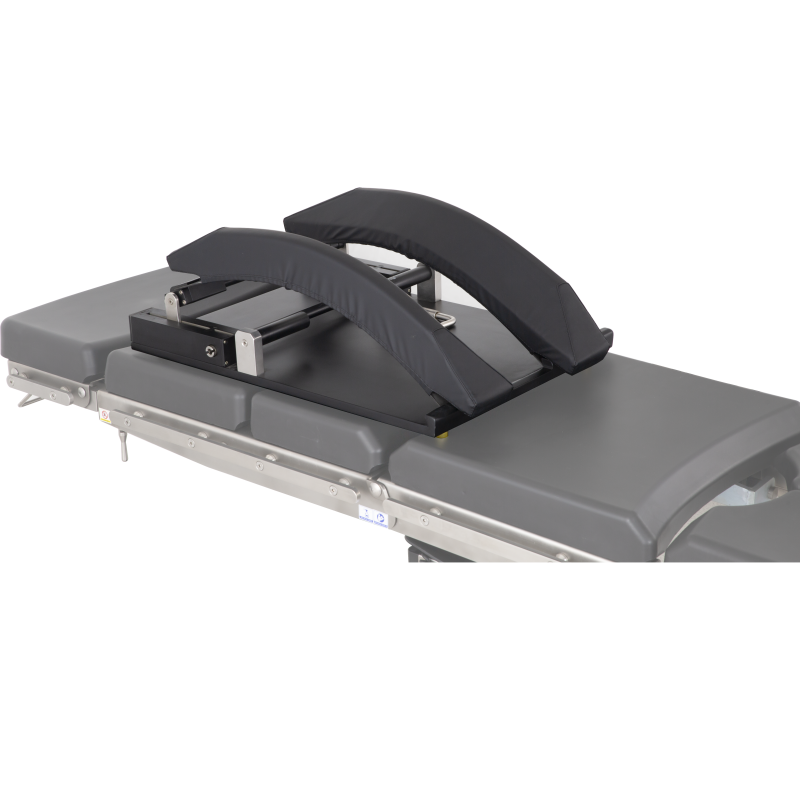
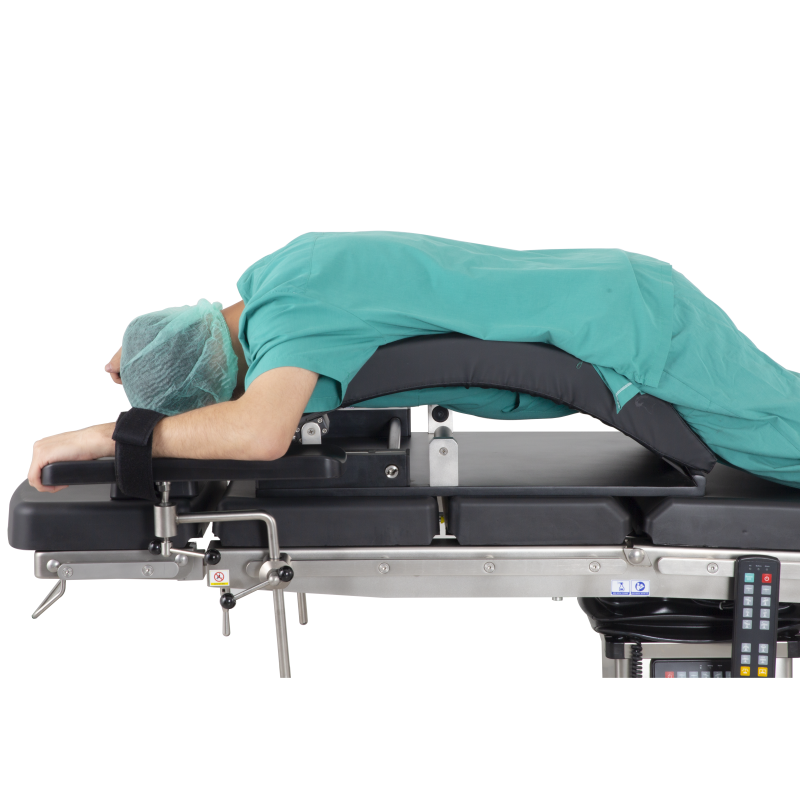
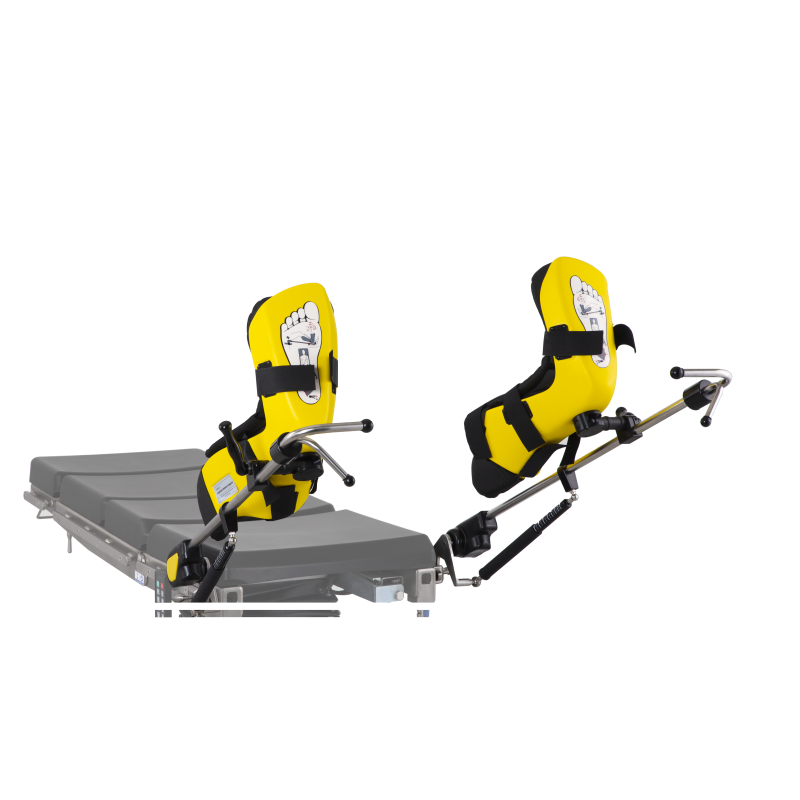
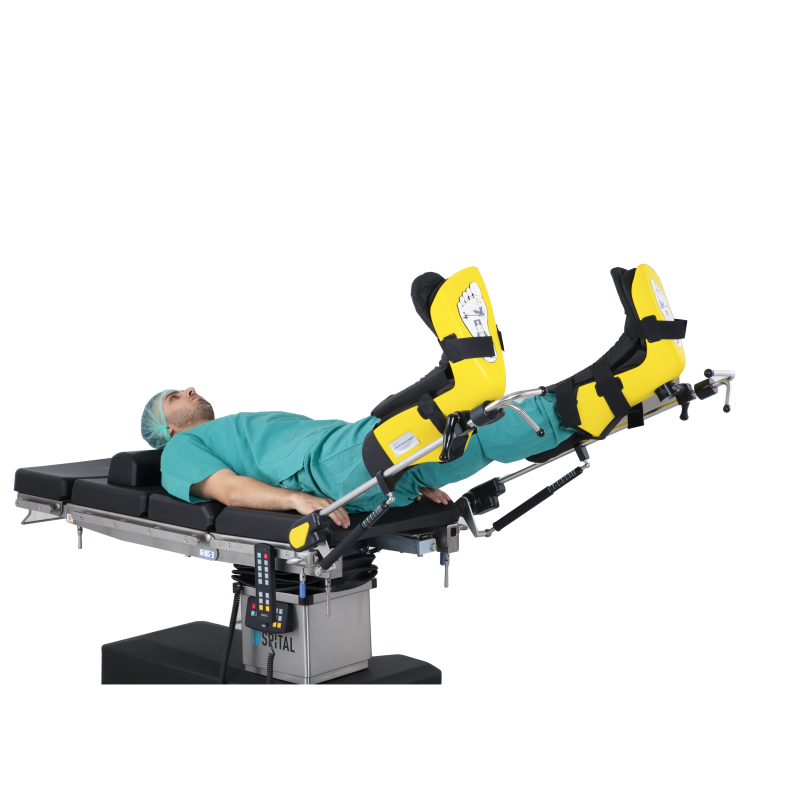
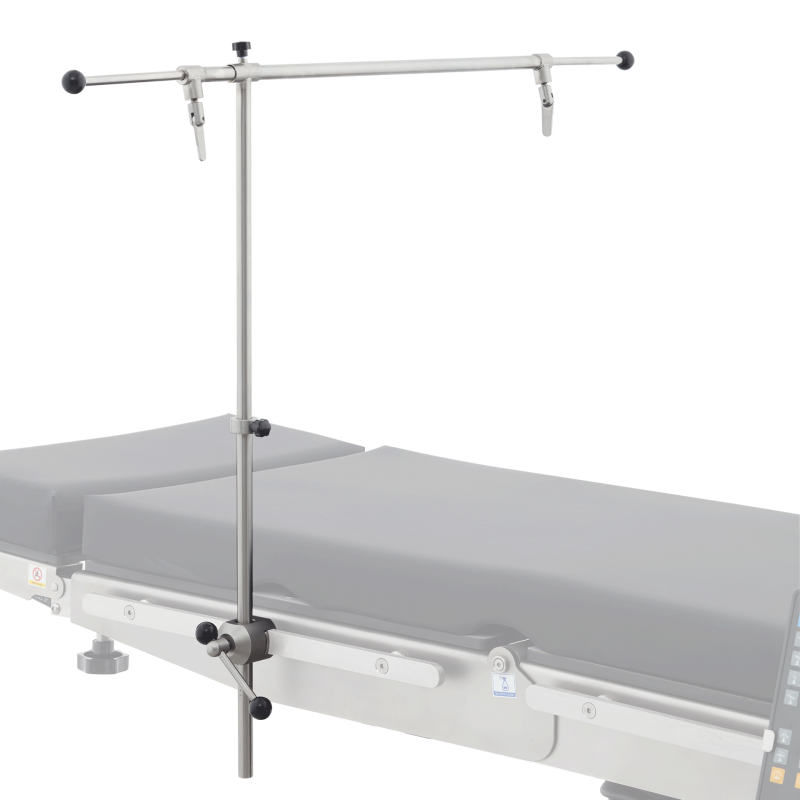
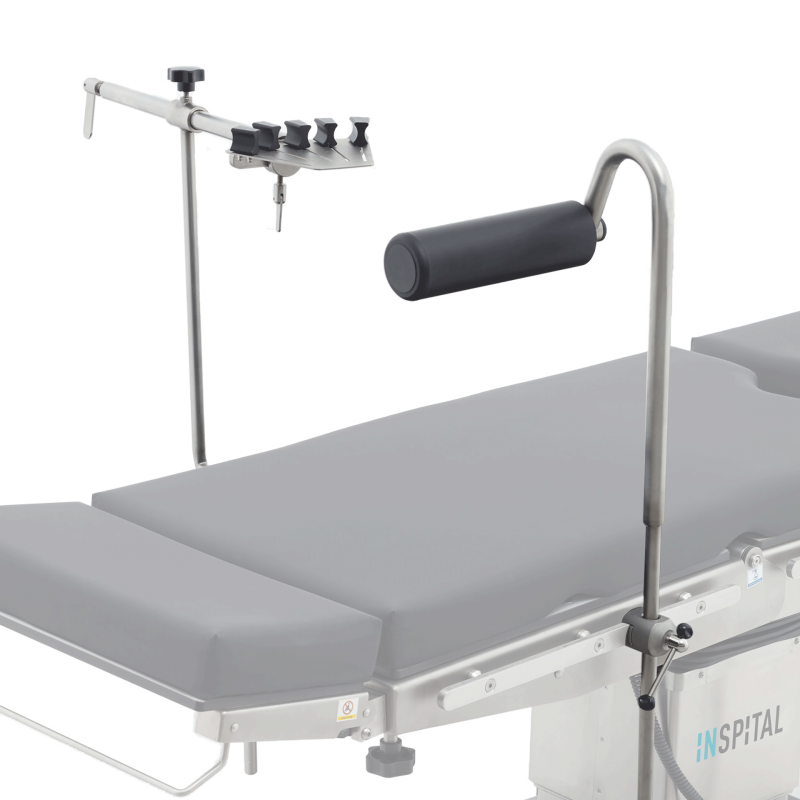
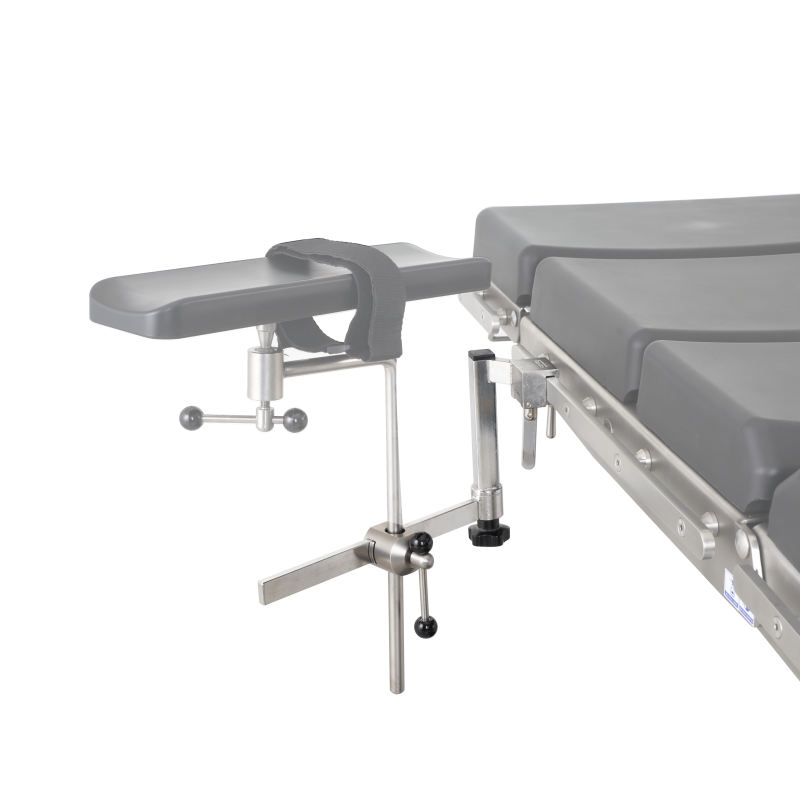
Another advantage of the modular structure is the expandability. Inspital offers a variety of optional accessories and extensions that can be used depending on the specialist area. These include shoulder supports, leg supports, armrests, or special positioning systems for bariatric patients. This modular system allows a single operating table to be used for several specialist disciplines, which reduces investment costs in the long term.

Stability is also guaranteed despite the modular design. The individual segments are robustly connected to each other and carry high loads without losing precision or safety. At the same time, the structure enables fast changeover times between different procedures, which improves the operating room throughput. Last but not least, the modular structure contributes to hygiene. The smooth surfaces and the easy disassembly of individual components facilitate cleaning and disinfection. This is an important factor in avoiding nosocomial infections.

Height Adjustment and Positioning – Technical Components in the Inspital Operating Table Structure

Precise height adjustment and positioning are essential features of a modern operating table. The technical structure of an Inspital operating table is designed to optimally support surgical procedures and at the same time create ergonomic working conditions for the entire OR team.

The centerpiece of the system is the central column, which is equipped with a powerful electro-hydraulic or electro-mechanical drive. This technology enables stepless height adjustment so that the table can be individually adapted to the surgeon’s height and the requirements of the respective procedure. An ergonomic working height reduces physical strain and prevents long-term health problems for medical personnel. In addition to height adjustment, the Inspital operating table offers numerous other positioning options. These include Trendelenburg and reverse Trendelenburg positioning, lateral inclinations, and adjustment of individual table segments. These functions are particularly important for surgical disciplines such as visceral surgery, gynecology, or urology, where different positioning positions facilitate access to the surgical area.

The control is via user-friendly controls that are available either wired or wirelessly. Inspital attaches great importance to intuitive operating concepts so that positions can be adjusted quickly and safely. Some models also have memory functions that allow frequently used positions to be saved and recalled at the touch of a button. Another important aspect in the structure is the high load-bearing capacity. Inspital operating tables are designed for different patient weights and offer sufficient stability even for bariatric patients. At the same time, powerful motors ensure that position changes are smooth and without jerky movements, which increases patient safety.

The technical structure is also impressive with regard to integration into modern OR environments. The tables are compatible with imaging systems and enable optimal positioning for intraoperative diagnostics. Through the combination of powerful drive technology, precise control, and high stability, the structure of an Inspital operating table ensures that surgical teams can work efficiently and ergonomically. This contributes significantly to the quality and safety of surgical procedures.

Hygienic Requirements for the Structure of an Inspital Operating Table

Hygiene is one of the most important factors in the operating room, as even the smallest impurities can increase the risk of postoperative infections. The structure of an operating table must therefore be designed in such a way that it meets the highest hygienic standards and at the same time enables rapid and efficient reprocessing between procedures. Inspital takes these requirements into account as early as the development phase and relies on sophisticated design solutions that are specially designed for everyday medical use.

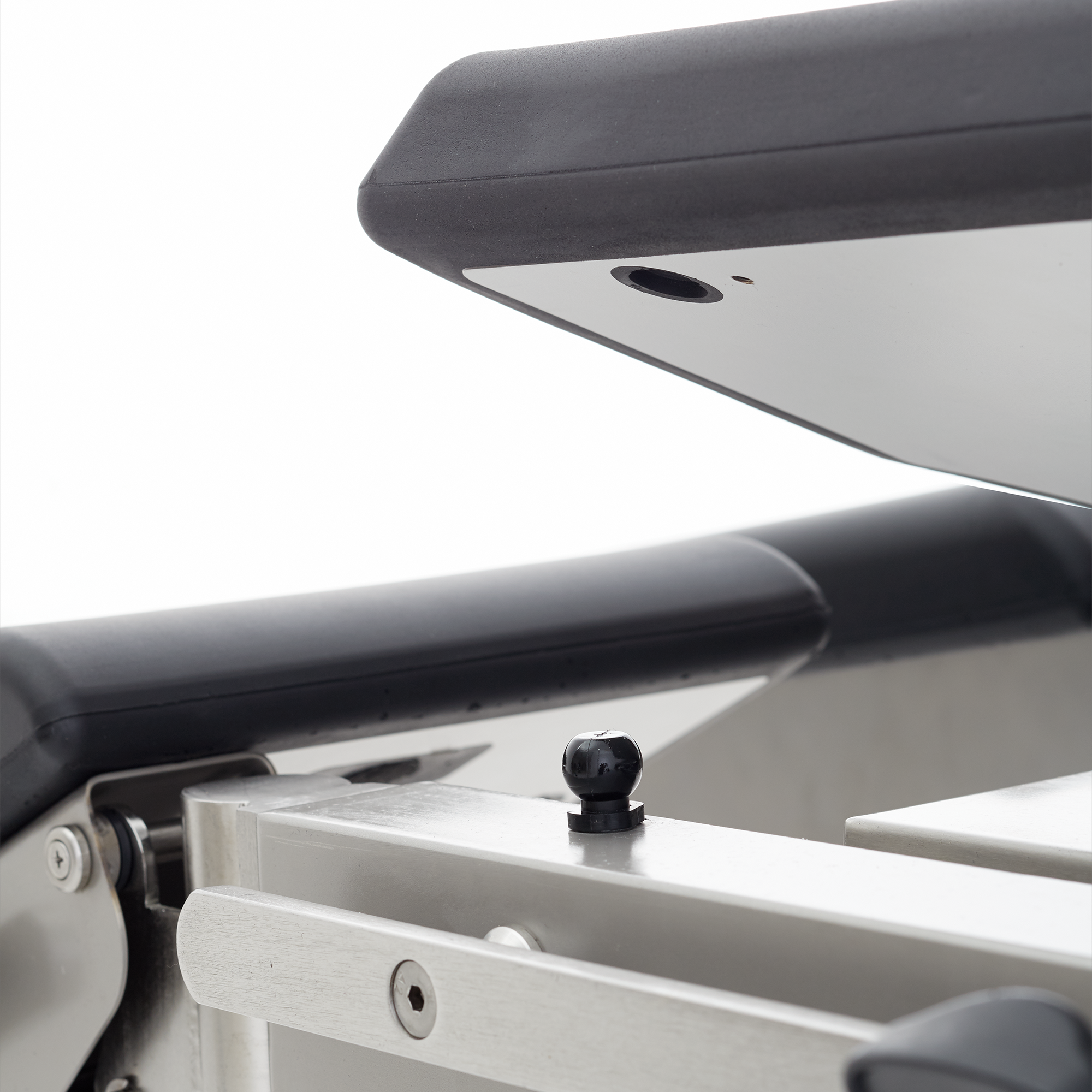
A central component of the hygienic structure is the use of high-quality, resistant materials. The surfaces of Inspital operating tables are made of corrosion-resistant and chemical-resistant materials that retain their quality even with regular use of disinfectants. Smooth, non-porous surfaces prevent the penetration of liquids and reduce the accumulation of germs, blood, or tissue residues. Another important aspect is the construction without unnecessary joints or hard-to-reach gaps. Inspital attaches great importance to a closed design of the column and the base so that no areas are created that are difficult to clean. This facilitates daily wipe disinfection and supports clinics in complying with strict hygiene guidelines.

The modular structure of the table top also contributes to hygienic safety. Individual segments can be removed and cleaned or disinfected separately if required. This flexibility is a great advantage, especially in specialist areas with an increased risk of contamination, such as trauma surgery or visceral surgery. The upholstery systems of Inspital operating tables are also specially developed for medical use. They consist of water-repellent, antibacterial materials and have sealed seams. This allows them to be cleaned and dried quickly without moisture penetrating the material. At the same time, they ensure a high level of patient comfort during longer procedures.

In addition, the hygienic structure also supports efficient workflows. The quick and easy cleaning reduces the changeover times between operations and increases the availability of the operating room. This is of great importance, especially in facilities with high patient throughput. Through the combination of hygienic design, high-quality materials, and modular construction, Inspital operating tables meet the requirements of modern hospitals and OR centers. The well-thought-out structure not only contributes to infection prevention but also supports economical and efficient processes in everyday clinical practice.

Ergonomics and Patient Safety in the Inspital Operating Table Structure

In addition to technical functions and hygienic properties, ergonomics play a crucial role in the structure of an operating table. An optimally designed operating table not only improves the working conditions for medical personnel but also contributes significantly to the safety and well-being of the patient. Inspital develops its operating tables with a clear focus on ergonomic efficiency and maximum stability.

For the OR team, a flexible adjustment of the working height is particularly important. Different body sizes, different surgical disciplines, and changing types of procedures require precise height adjustment. Inspital operating tables enable stepless adjustment so that surgeons and assistant personnel can work in a physically relieving position. This reduces fatigue and prevents long-term musculoskeletal complaints. The mobility of the table segments also contributes to ergonomic working. Back, leg, and head sections can be adjusted individually so that the patient can be positioned optimally. This improves access to the surgical area while avoiding unnecessary strain on the medical team.

Another important factor is patient safety. The stable construction of Inspital operating tables ensures that maximum stability is guaranteed even with complex positioning or higher patient weights. Powerful drive systems enable gentle and smooth movements, minimizing the risk of positioning damage or unwanted movements. The padding also plays a central role. Inspital uses pressure-relieving materials that reduce the risk of pressure sores or nerve damage during long operations. At the same time, the anatomically adapted shape ensures safe and comfortable positioning. Additional safety functions such as locking mechanisms, emergency stop systems, or overload protection further increase operational safety. Intuitive controls enable a quick response if a change of position is required during the operation.

Through the combination of ergonomic construction, stable design, and modern safety functions, the structure of an Inspital operating table offers optimal conditions for medical personnel and patients alike. This not only contributes to the quality of the treatment but also improves the efficiency and safety in the entire OR area.

Accessories and Extensions – Individual Adaptation of the Inspital Operating Table

A modern operating room places high demands on flexibility and versatility. The structure of an operating table should therefore not only fulfill the basic functions but also enable individual adaptation to different surgical disciplines. Inspital pursues a modular system concept for this purpose, which is supplemented by an extensive range of accessories and extensions.

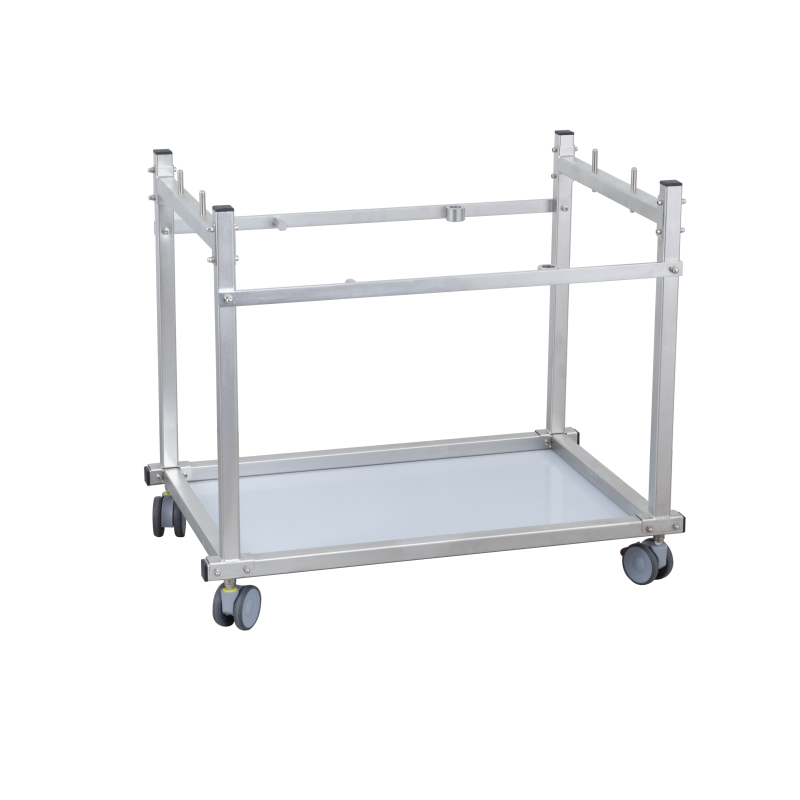
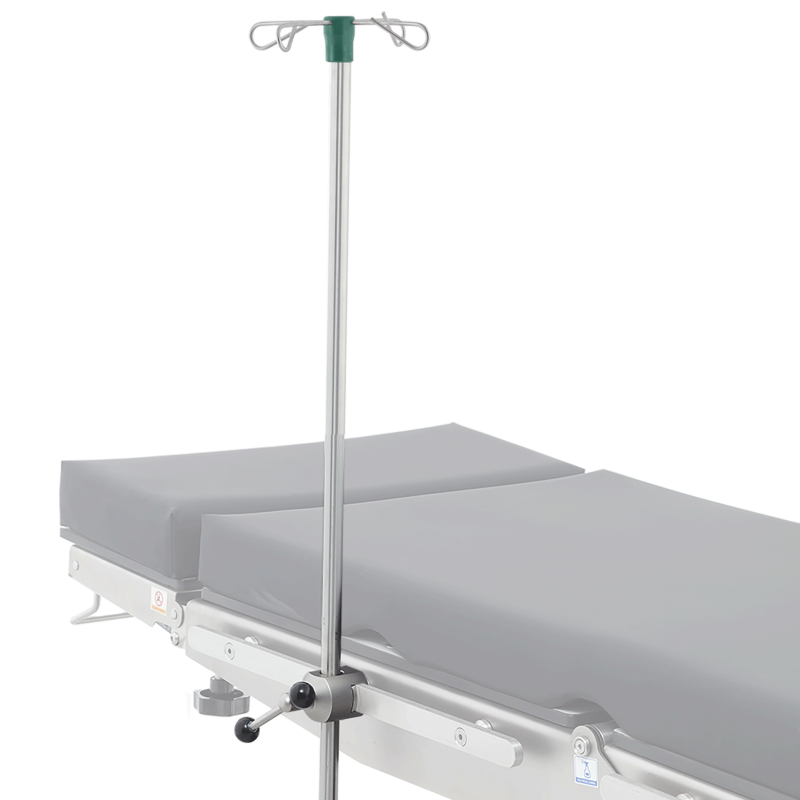
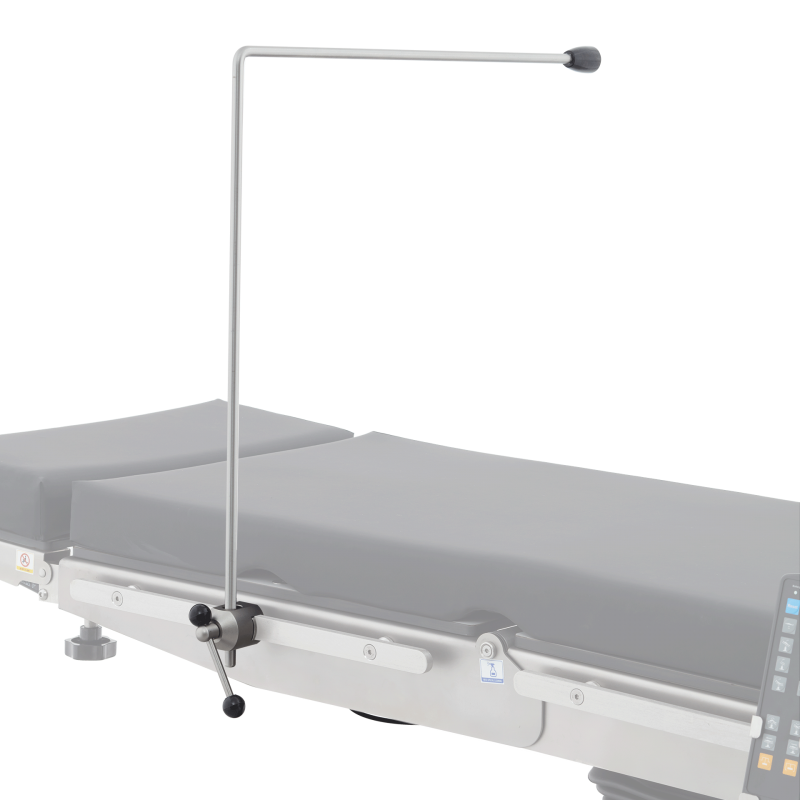
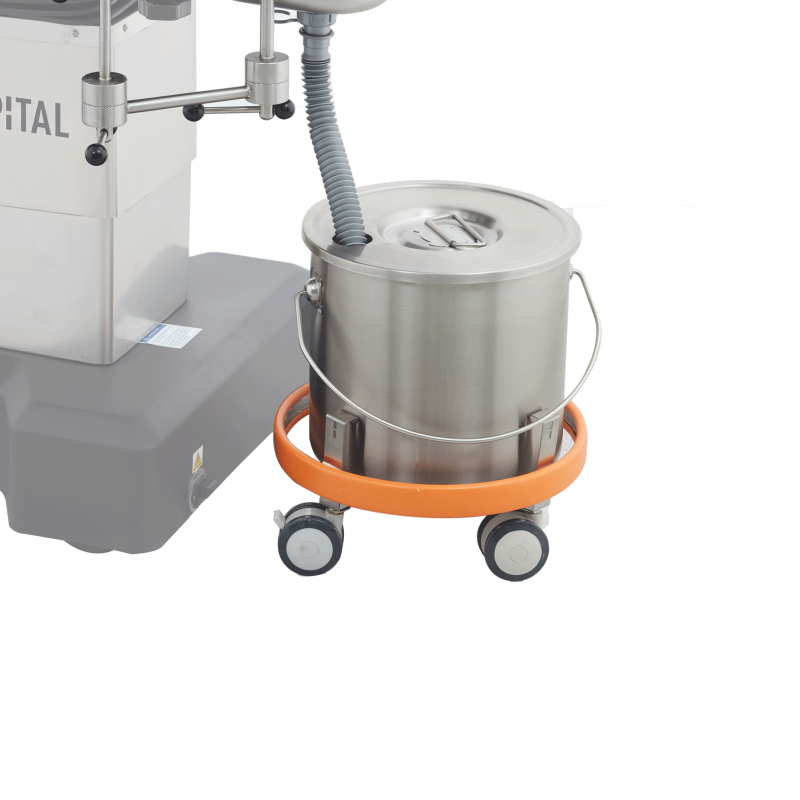
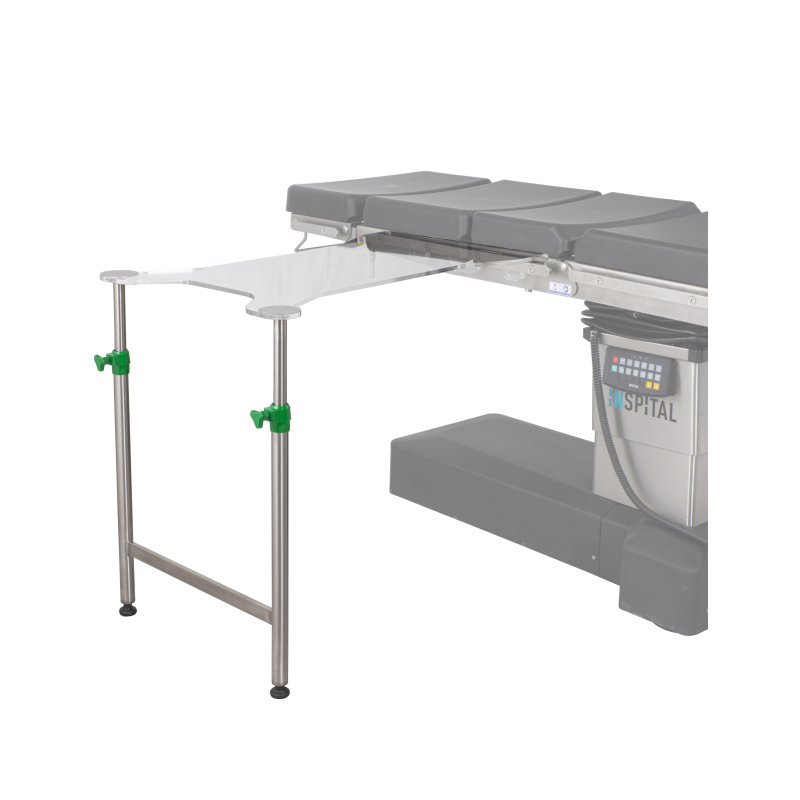
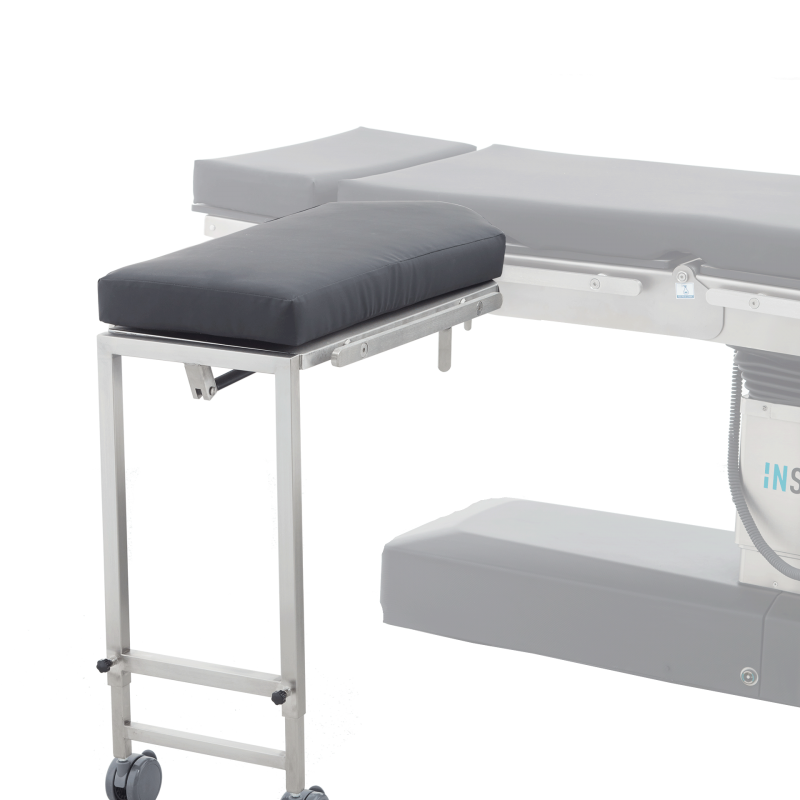
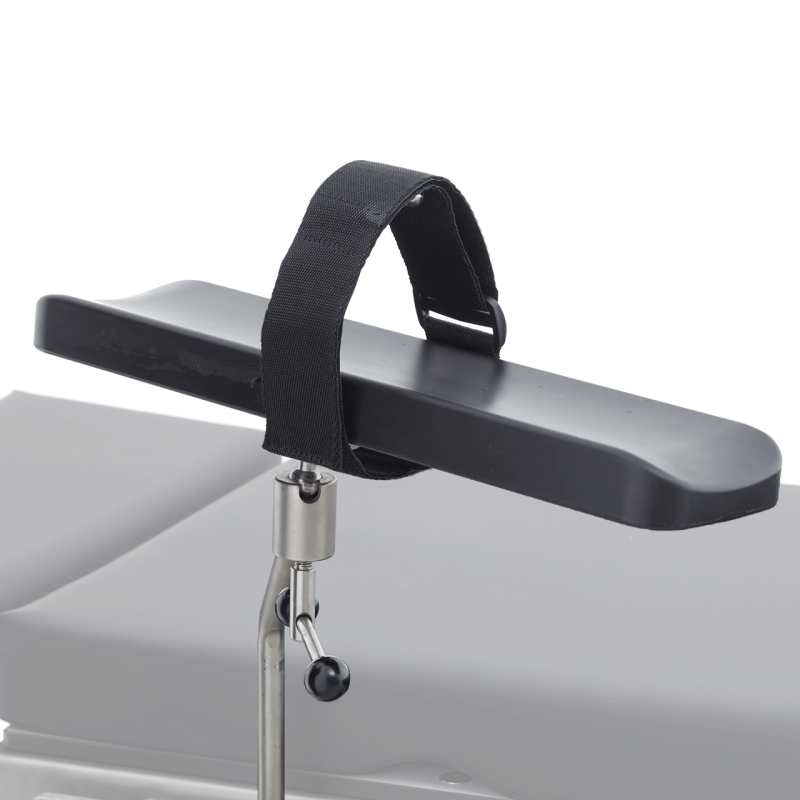
The basis of every Inspital operating table is a universal platform that can be quickly adapted to different areas of application with additional components. The most important accessories include armrests, leg supports, shoulder supports, and lateral extension rails. These enable precise positioning and ensure optimal working conditions for a wide variety of procedures.

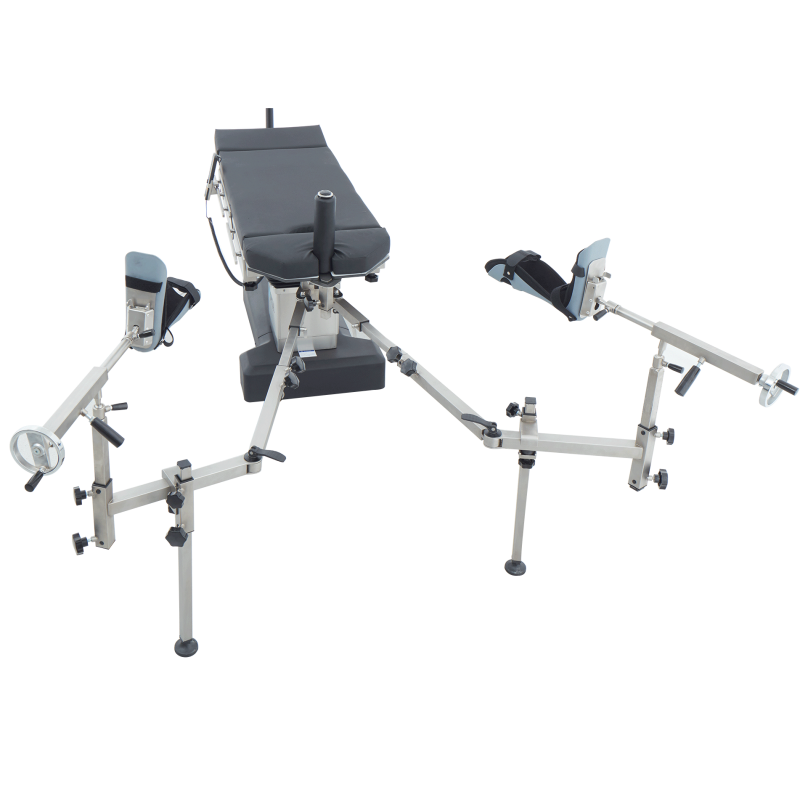
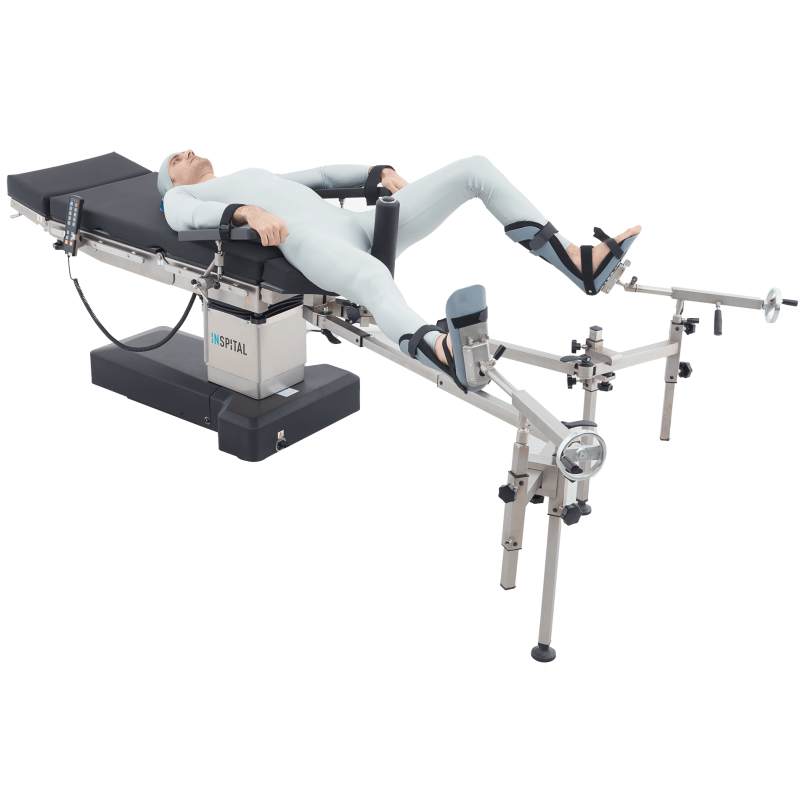
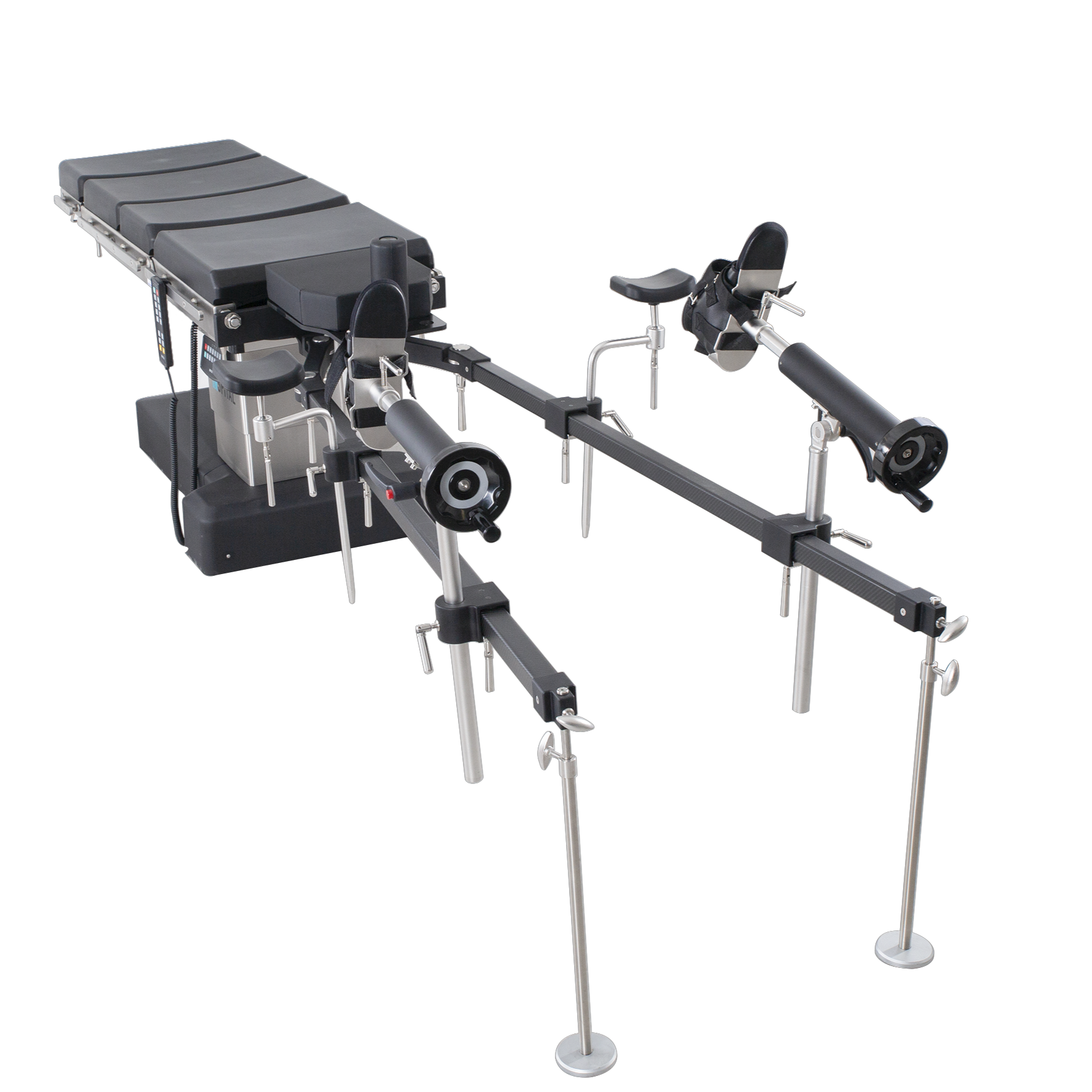
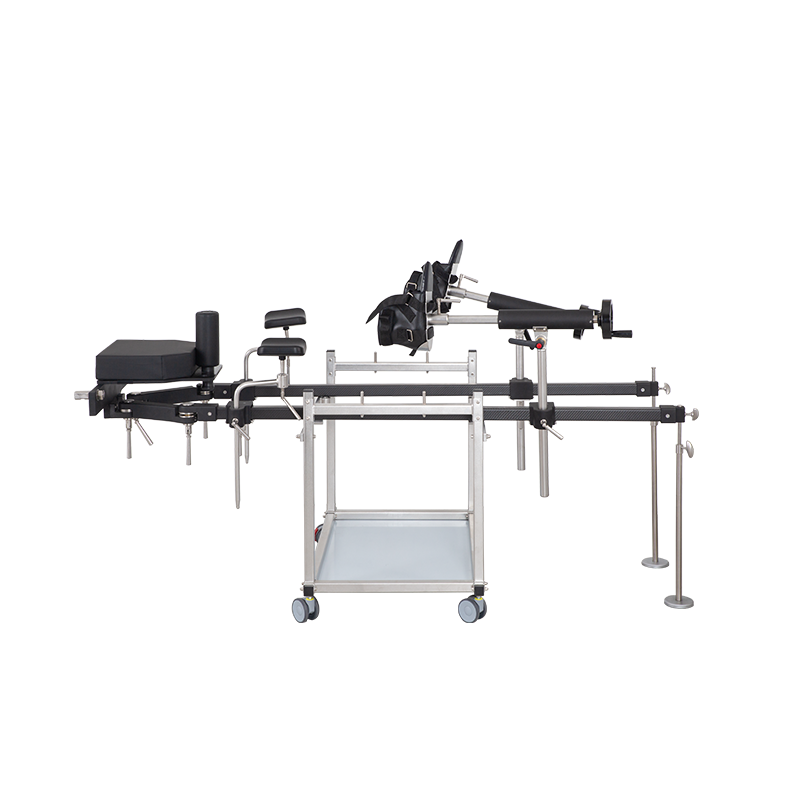
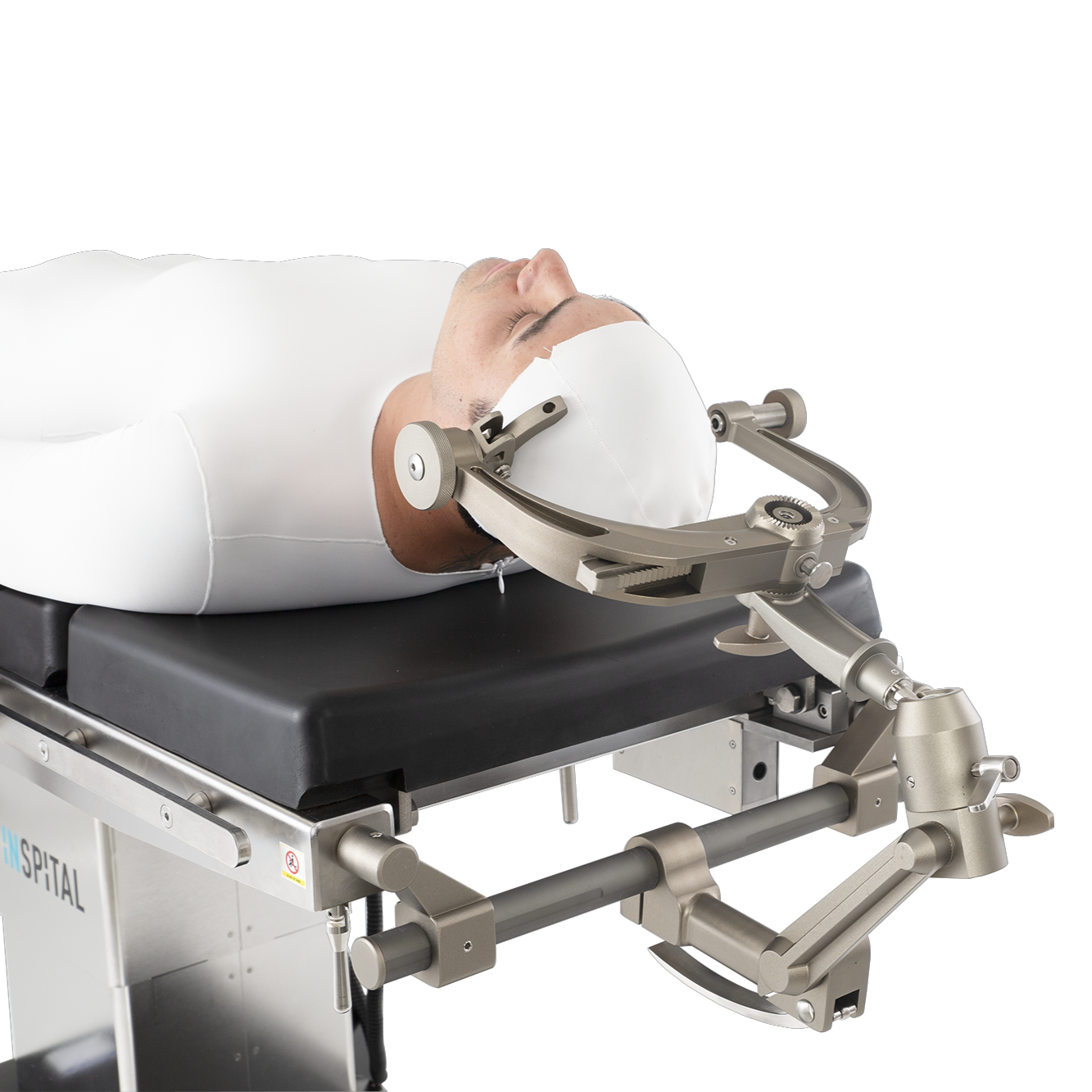
For orthopedics and trauma surgery, Inspital offers special extension systems that enable precise positioning of the extremities. In gynecology and urology, leg supports and special positioning systems are used to ensure a safe and comfortable patient position. Suitable extensions are also available for minimally invasive procedures, which support optimal use of imaging systems. Another advantage of the modular structure is the adaptability to different patient groups. Inspital offers solutions for bariatric patients with increased load-bearing capacities as well as special components for pediatric surgery. This allows a single operating table to be used for a broad range of treatments.

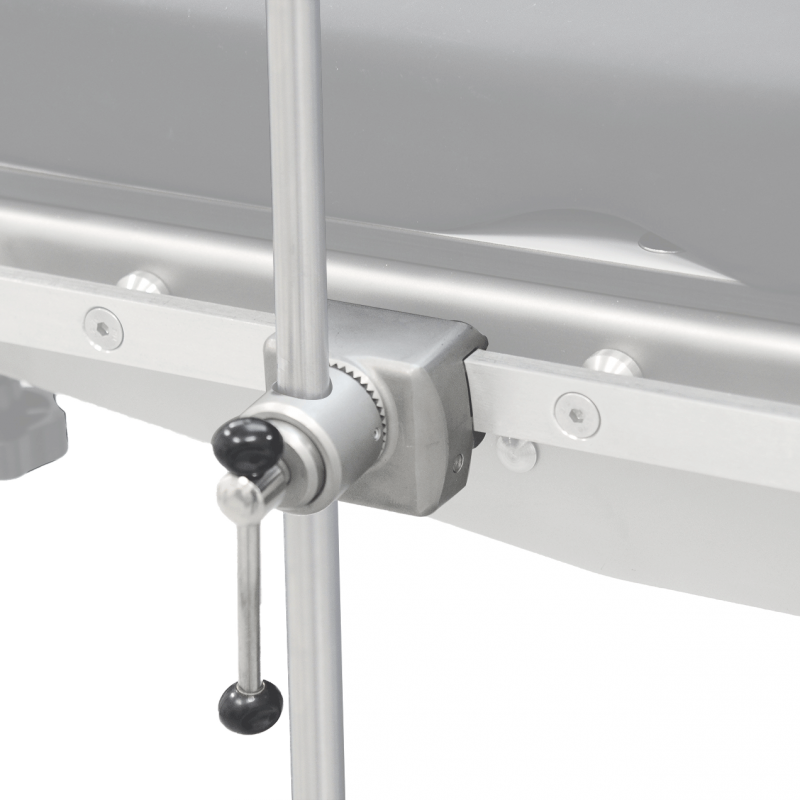
The accessories are designed so that they can be assembled or disassembled quickly and without tools. This reduces the set-up times between procedures and supports an efficient OR workflow. At the same time, stable fastening systems guarantee maximum safety during the operation. The modular concept also offers economic advantages. Instead of purchasing several specialized operating tables, clinics can flexibly expand their Inspital systems and adapt them to new requirements. This saves investment costs and increases the long-term usage options.

Cost-Effectiveness and Future Security Through a Well-Thought-Out Inspital Operating Table Structure

When selecting an operating table, economic factors play a crucial role in addition to technical properties and functionality. Hospitals and outpatient OR centers are increasingly under pressure to plan investments efficiently while ensuring the highest medical quality. The structure of Inspital operating tables is therefore specifically designed for longevity, flexibility, and long-term cost-effectiveness.

An essential aspect is the robust construction. Inspital uses high-quality materials and durable drive systems that have been developed for intensive continuous use in everyday clinical practice. The stable design reduces wear and tear and minimizes downtime, which has a positive impact on operating costs.

The modular structure also contributes to cost-effectiveness. Individual components or accessories can be added or replaced as required without having to purchase a completely new operating table. This enables adaptation to new medical requirements or additional specialist areas without incurring high investment costs.

Another advantage is the multifunctionality. Inspital operating tables are designed so that they can be used for various surgical disciplines. This reduces the number of specialized tables, and existing resources can be used more efficiently.

The simple maintenance and the good accessibility of technical components facilitate service work and shorten downtimes. At the same time, energy-efficient drive systems ensure economical operation in daily use.

In addition, the future-oriented structure offers a high degree of compatibility with modern OR technologies, especially in the field of imaging. X-ray transparent table tops and flexible positioning options enable the use of current and future diagnostic systems.

Through the combination of longevity, modular expandability, and versatile application options, Inspital operating tables represent a sustainable investment. The well-thought-out structure supports medical facilities in working economically without compromising on quality, safety, or functionality.