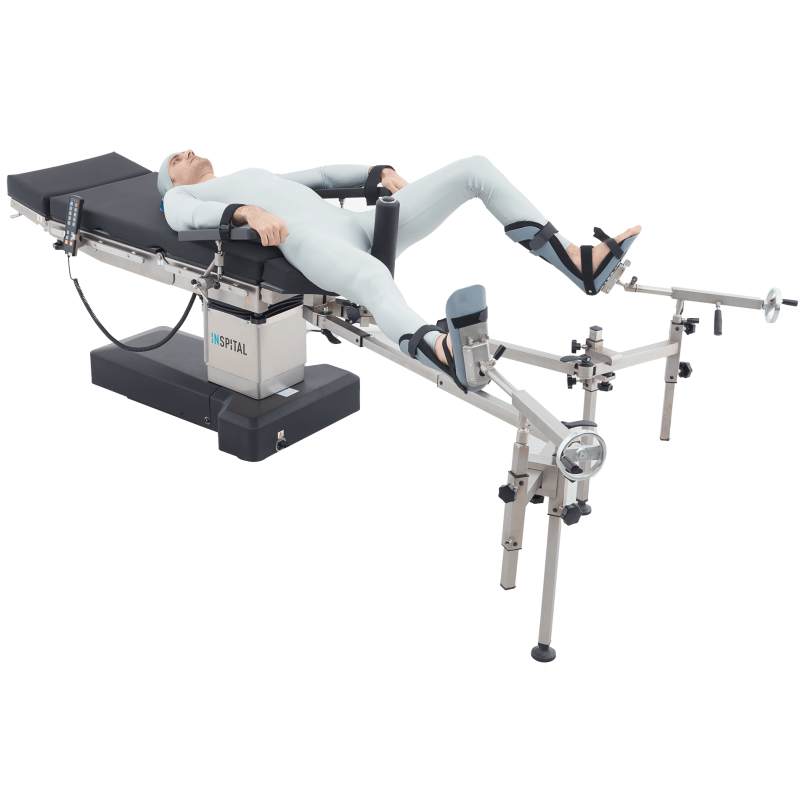
Specialist operating table manufacturer: The importance of positioning aids on the operating table

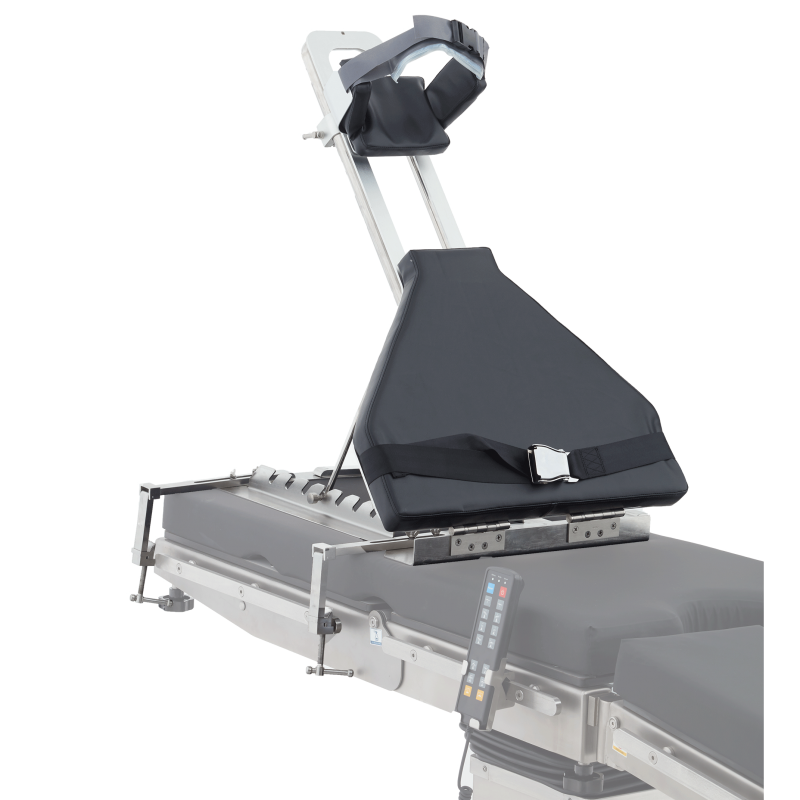
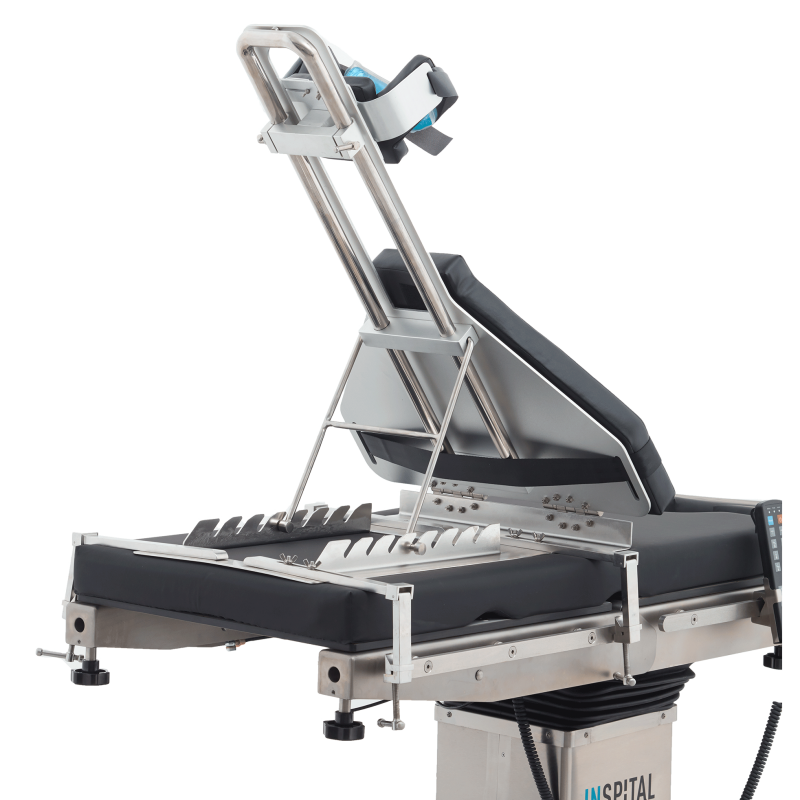
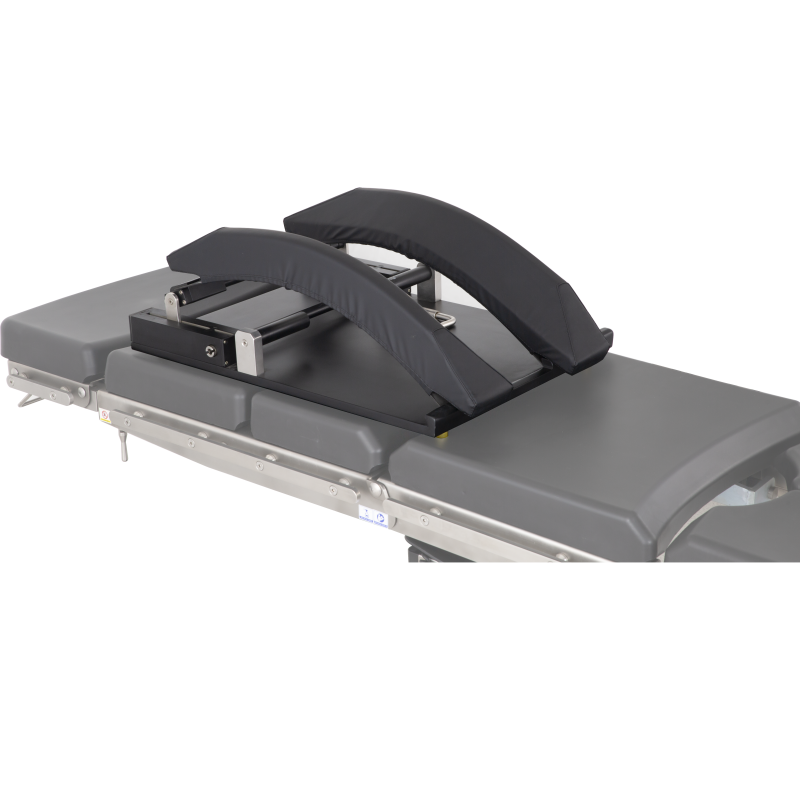
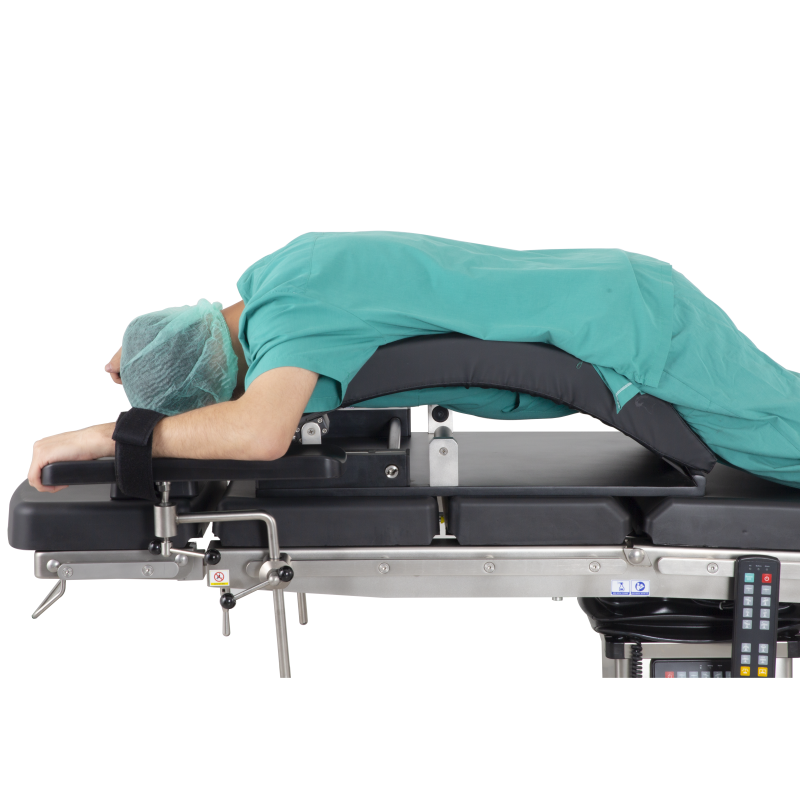
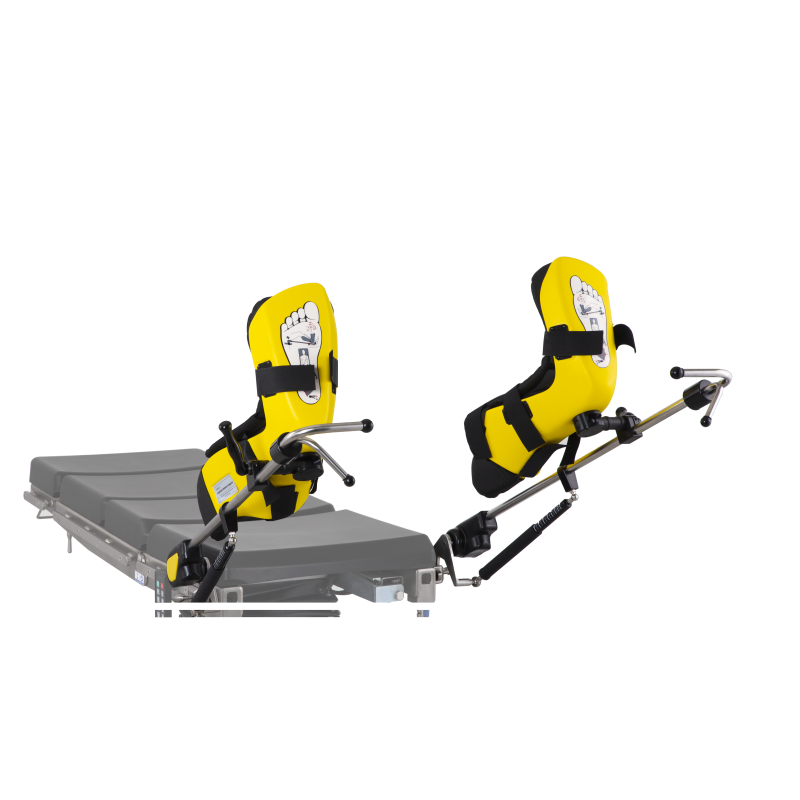
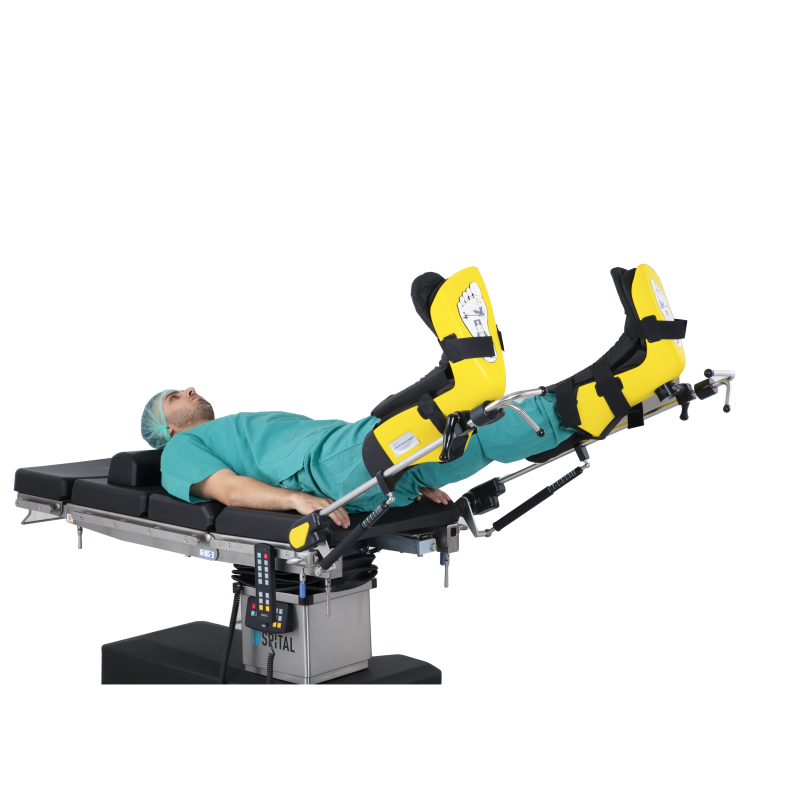
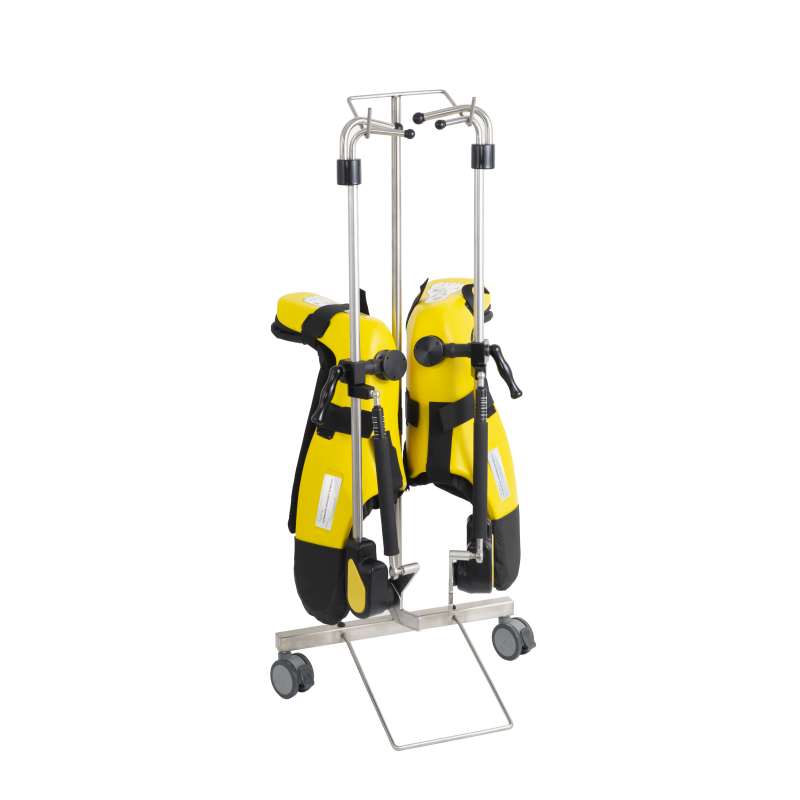
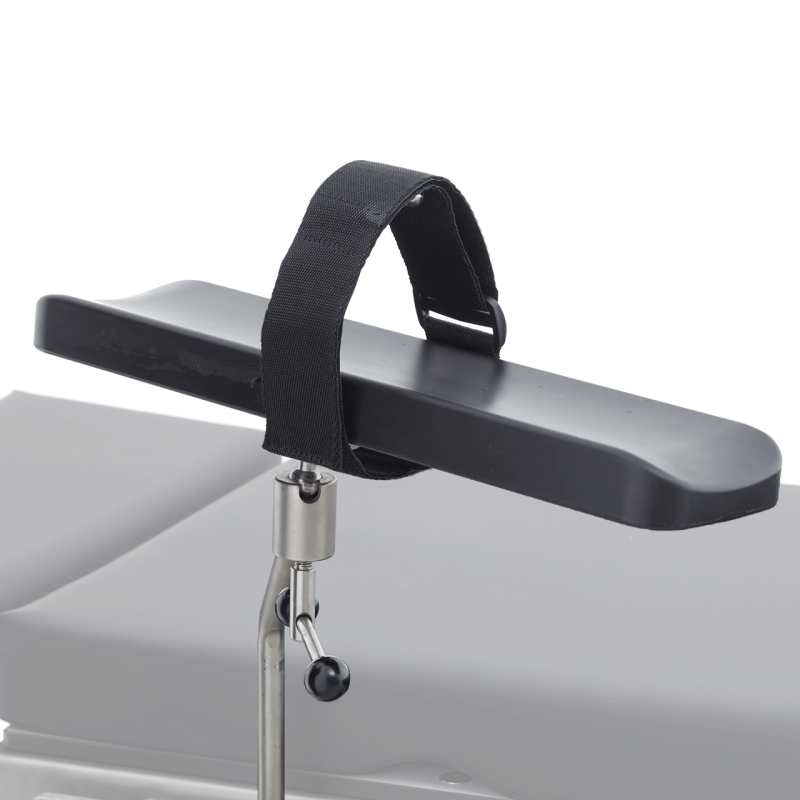
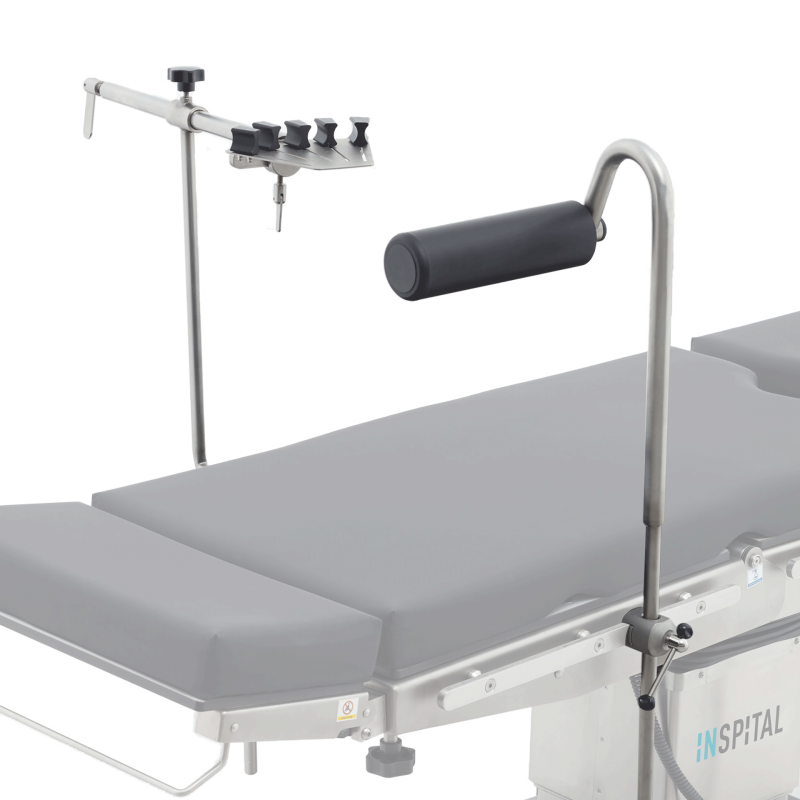
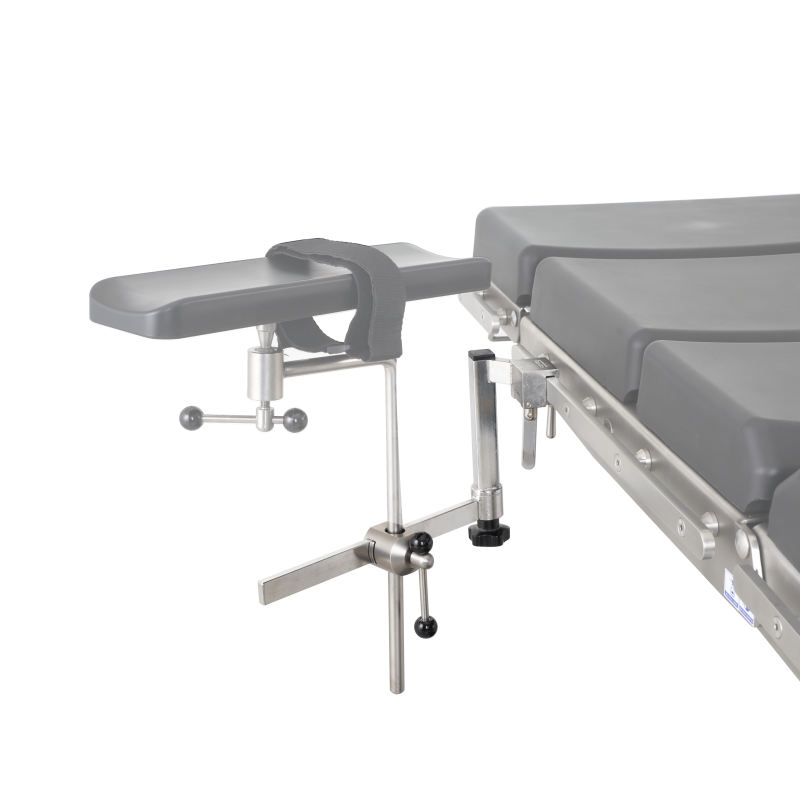
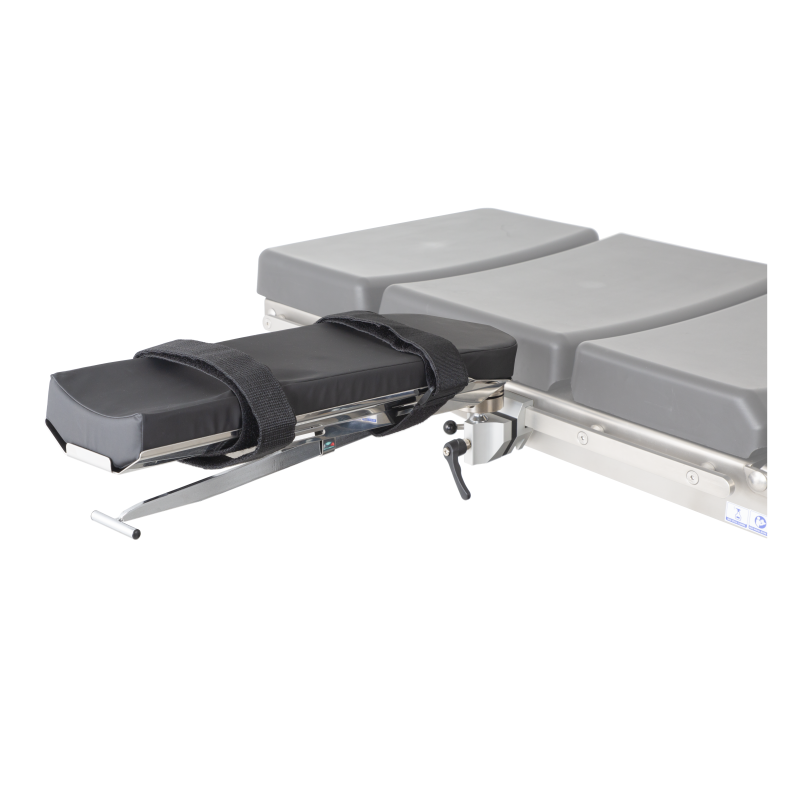
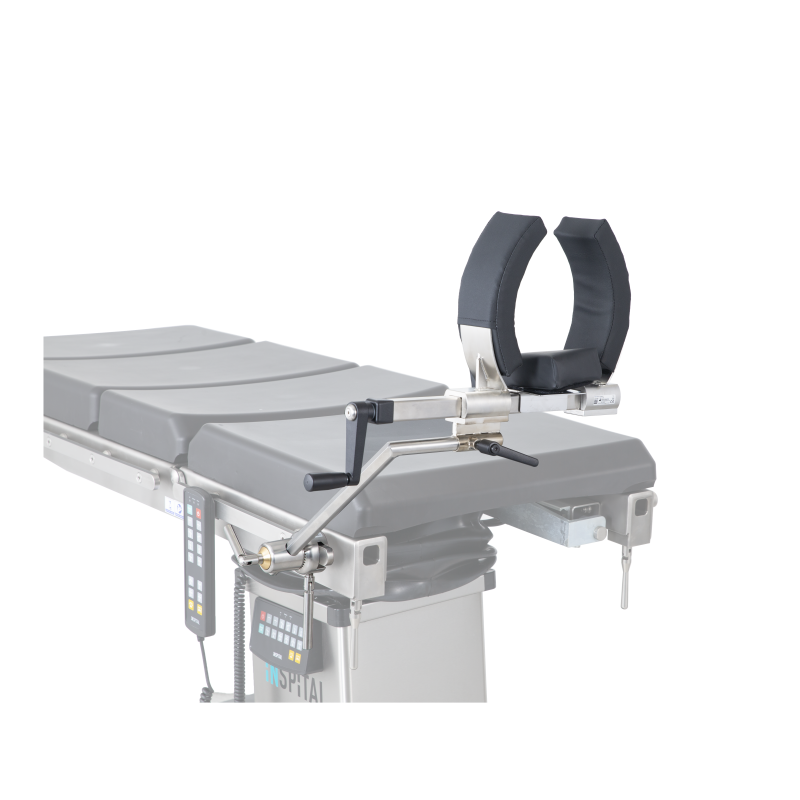
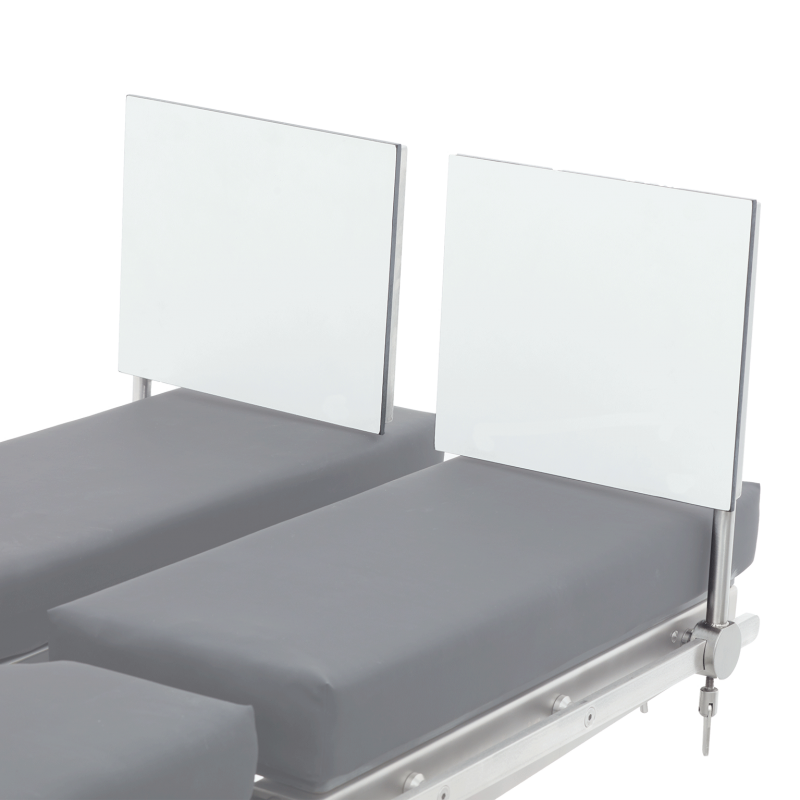
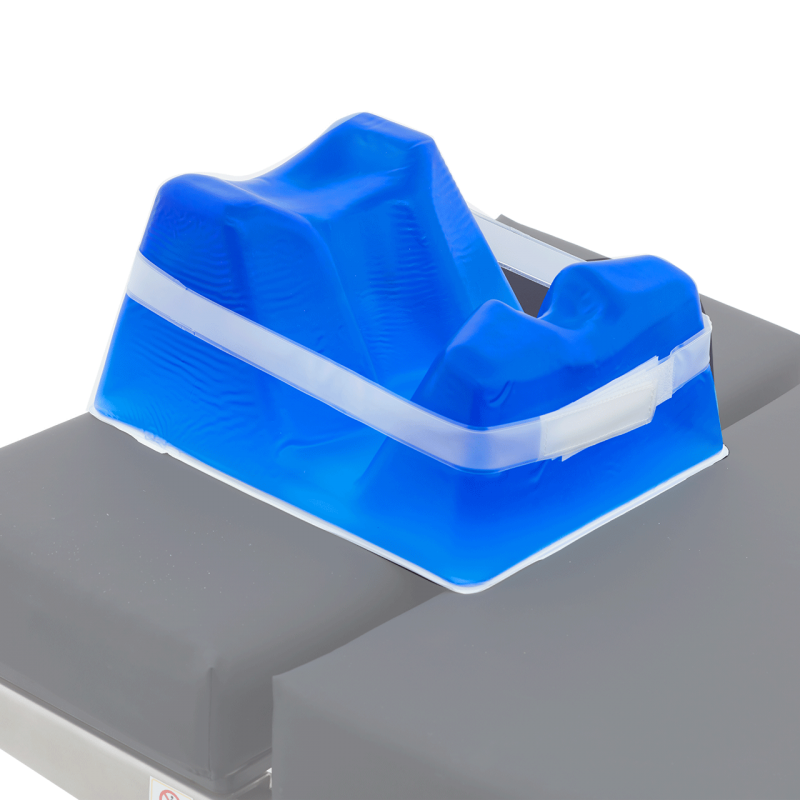
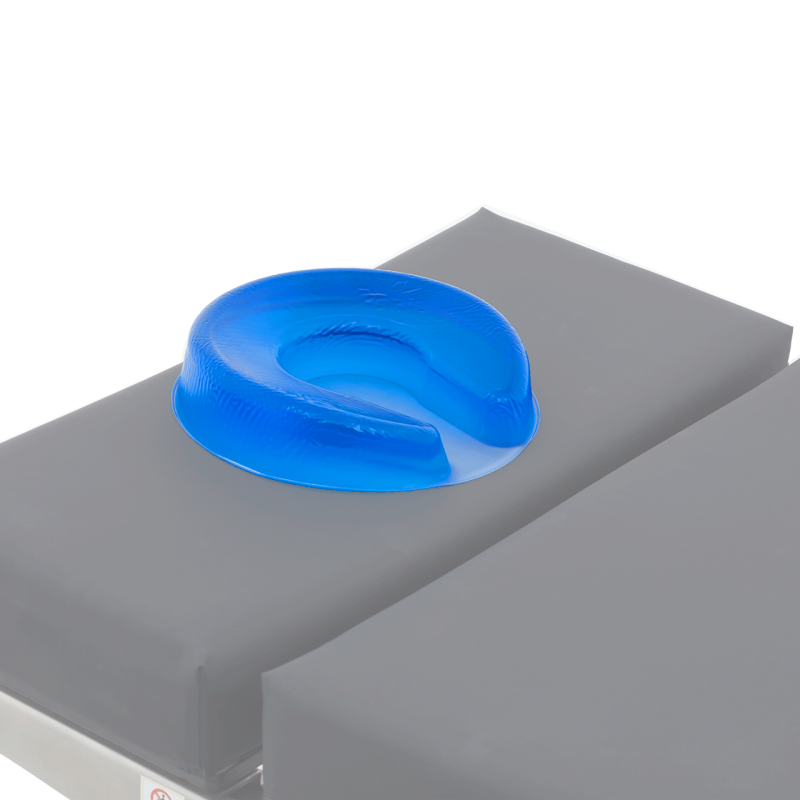
Positioning aids for the operating table are an indispensable part of modern surgical workflows and play a key role in safety and efficiency in the operating room. The term operating table positioning aids refers to all accessory and system components used to position the patient securely, anatomically correctly, and gently during a surgical procedure. These include, among other things, pads, arm supports, head supports, leg supports, and special fixation systems. Without these aids, many operations could hardly be performed with the required precision and safety.

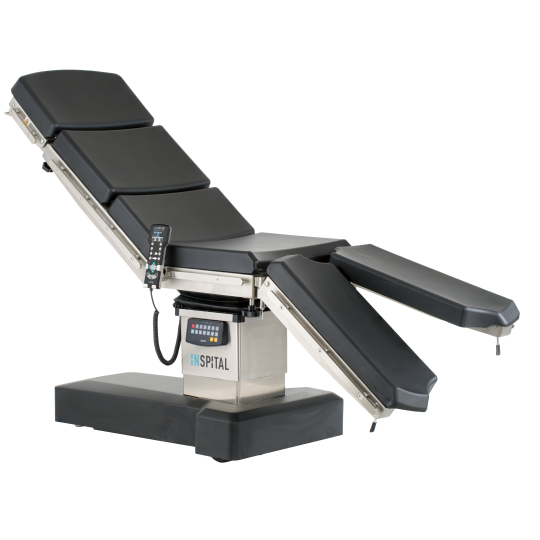
The most important task of positioning aids is to protect the patient from pressure sores, nerve damage, and improper loading. Especially during long procedures, even pressure distribution is crucial to avoid complications such as pressure ulcers or circulatory disorders. Modern operating tables are therefore designed to be combined with different positioning aids to allow individual adaptation to the specific procedure. Inspital GmbH takes these requirements into account when developing its operating table systems and offers compatible solutions for various medical specialties. Another important aspect is stability during surgery. Positioning aids ensure that the patient remains securely fixed even during tilting, rotation, or complex surgical positions. This is particularly important in orthopedics, gynecology, and trauma surgery. A high-quality system consisting of an operating table and positioning aids enables the OR team to focus fully on the surgical procedure without having to constantly readjust.

In addition, positioning aids improve ergonomic conditions for medical staff. Correct patient positioning provides better access to the surgical field and reduces unnecessary physical strain on surgeons and assisting staff. In the long term, this helps reduce fatigue and increase precision in the OR. Modern positioning systems must also meet high hygiene requirements. They must be easy to clean, disinfectable, and resistant to intensive use. In everyday hospital practice, this is a decisive factor for infection prevention. Inspital GmbH therefore relies on materials and designs that enable easy cleaning while also being durable. It can be said that positioning aids on the operating table are an essential part of modern medical technology. They combine patient safety, ergonomic working conditions, and efficient OR workflows in one system, forming the basis for successful surgical procedures.

Operating table positioning aids: Materials and padding systems

The selection and quality of materials play a crucial role in operating table positioning aids, as they directly affect patient safety, treatment comfort, and hygienic conditions in the operating room. Modern OR systems today no longer consist only of simple pads or rigid support elements, but of highly developed, medically tested components specifically designed for continuous use in everyday clinical practice. Especially in combination with a modern operating table, as used in the environment of Inspital GmbH, material quality and padding technology are key quality features.

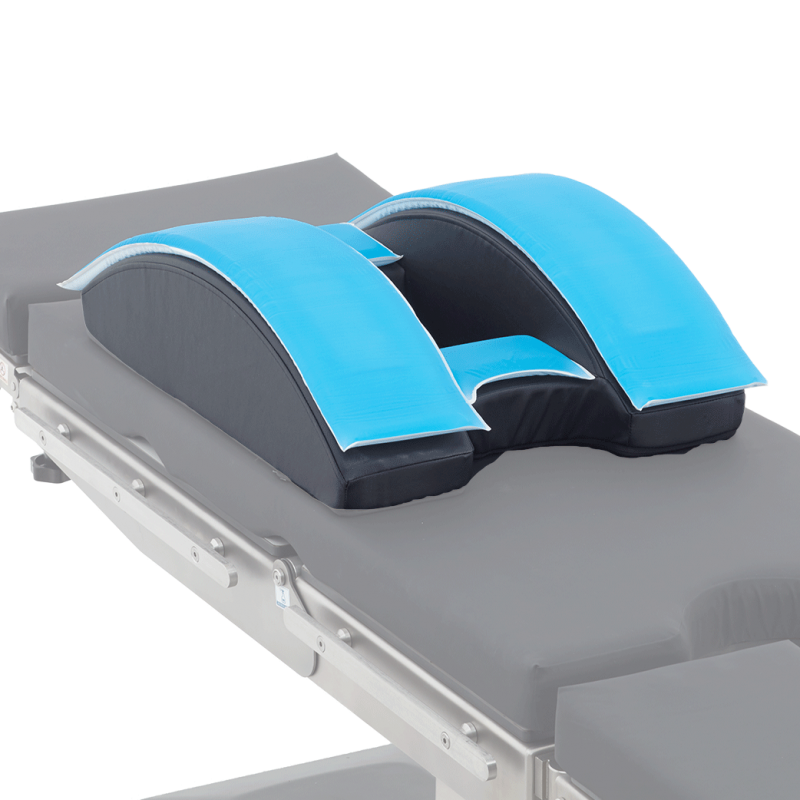
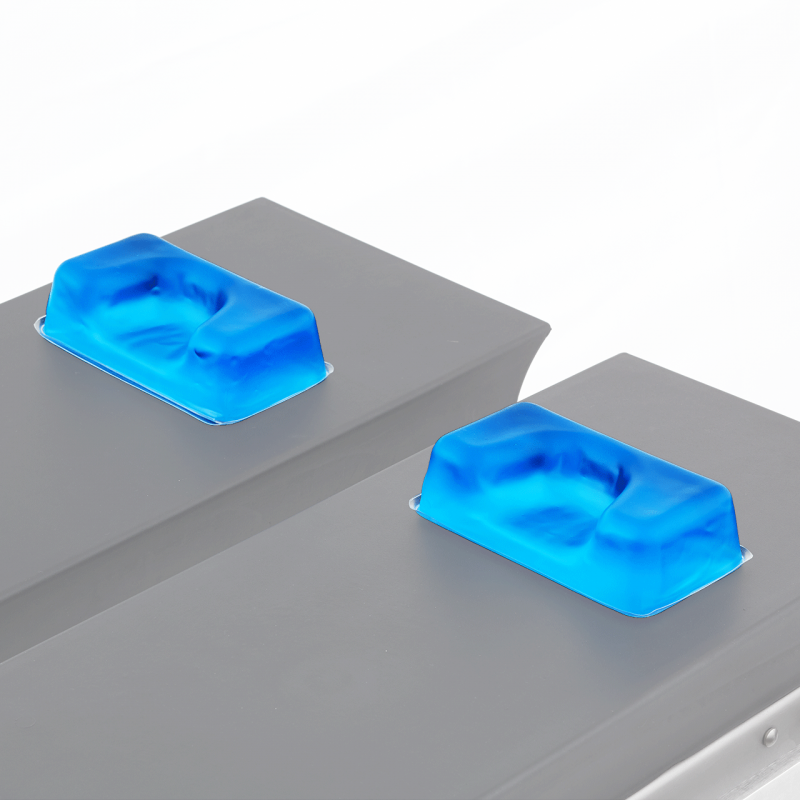
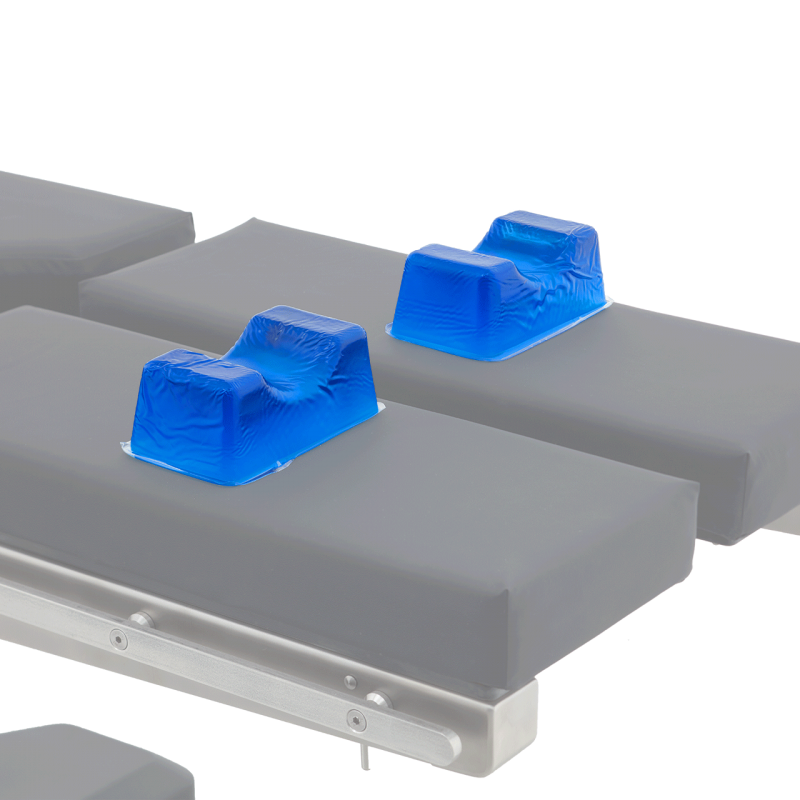
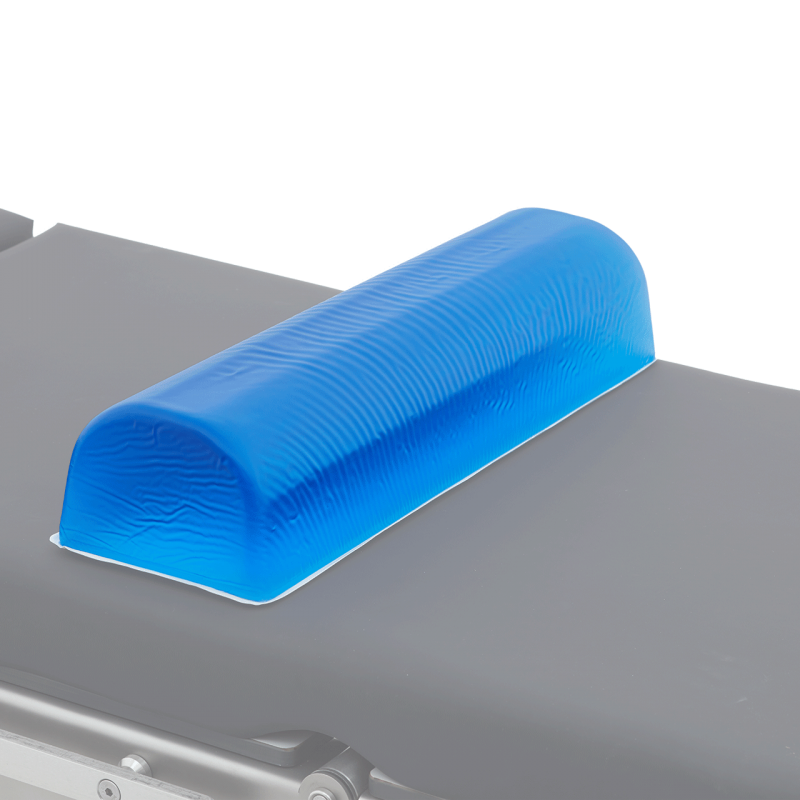
An important component of modern positioning aids is ergonomically shaped padding systems that support the patient’s body evenly. The aim is to avoid pressure peaks and significantly reduce stress on sensitive areas such as the heels, sacrum, elbows, or head. Special viscoelastic foams or multilayer padding structures are often used, adapting individually to the body shape. These materials respond to pressure and temperature, ensuring even load distribution throughout the entire duration of the procedure.

In addition to pressure relief, stability is another key factor. Positioning aids must reliably keep the patient in the intended position, even during tilting, rotational movements, or complex surgical positioning. Therefore, the pads are combined with robust support systems that enable secure fixation to the operating table. A professional operating table manufacturer ensures that these connection systems are compatible, stable, and also quick to adjust so as not to slow down OR workflows.

Another essential aspect is hygiene. Positioning aids used in the OR must be able to be cleaned and disinfected daily without the material losing its properties. For this reason, fluid-repellent and disinfectant-resistant surfaces are preferred in medical technology. These prevent germs from penetrating and make cleaning much easier. At the same time, the materials must be resistant to mechanical stress, as they are regularly repositioned and loaded.

The durability of the materials also plays a major economic role. Clinics rely on positioning aids that function reliably for many years without losing quality. High-quality foams and coatings ensure that neither deformation nor material fatigue occurs. Inspital GmbH takes these requirements into account when developing compatible systems and focuses on durable, practice-oriented solutions.

In addition, modular padding systems are becoming increasingly important. Different surgical specialties require different positioning methods, making flexible adjustment options essential. Whether supine, lateral, or special positioning in orthopedics or gynecology, modern positioning aids must be versatile and quick to adapt.

Operating table positioning aids: Safety aspects and fixation systems

A key element of modern operating table positioning aids is patient safety throughout the entire surgical procedure. Especially in complex surgical situations where the operating table is tilted, rotated, or brought into special positions, positioning aids must reliably prevent the patient from moving unintentionally. This is exactly where advanced fixation systems come into play, ensuring stable yet gentle positioning.

Modern fixation systems consist of a combination of mechanical holding elements, strap systems, and modular locking components. These are connected directly to the operating table and enable secure positioning of the patient in almost any surgically required position. A key aspect is quick adjustability. In everyday OR practice, it must be possible to adjust positioning aids without losing time, as any delay can affect the entire workflow.

A professional operating table manufacturer therefore ensures that fixation systems are not only stable but also intuitive to use. Inspital GmbH takes these requirements into account in the development of compatible systems that combine easy handling with high safety. Particularly important is avoiding pressure and shear forces, which could lead to tissue damage if fixation is improper. High-quality positioning aids are therefore designed to stabilize the body evenly without overloading individual areas.

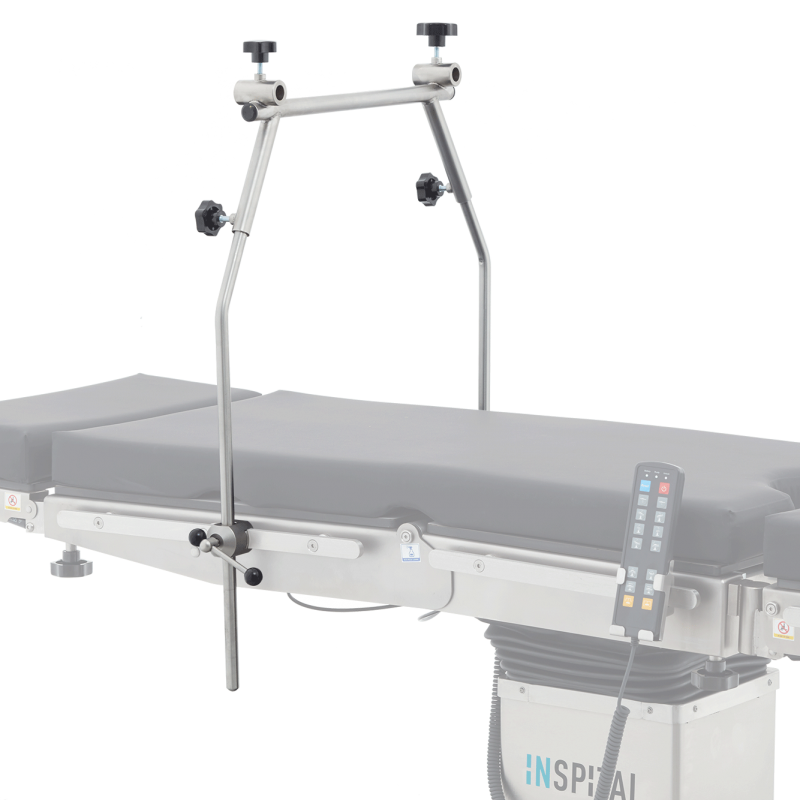
In addition to mechanical safety, anatomical adaptability also plays a major role. Every patient has different physical characteristics, which is why flexible systems are needed that can be adjusted individually. This applies in particular to head, arm, and leg fixations, which must be positioned differently depending on the procedure. Modern operating table positioning aids offer modular solutions that can be adapted to different body sizes and surgical scenarios.

Another important safety aspect is avoiding mispositioning. Even small deviations in positioning can have significant effects on treatment success in certain procedures. Therefore, fixation systems are developed to enable precise and reproducible positioning. This increases not only safety but also efficiency in the OR, as corrections during the procedure are minimized.

Material stability also plays a decisive role. Fixation elements must withstand high loads and also be able to be disinfected regularly without losing functionality. High-quality materials such as reinforced plastics and metal connecting elements ensure that the systems remain reliable even under intensive use.

Ergonomics for the OR team through operating table positioning aids

Ergonomic design of the working environment in the operating room is a decisive factor for the quality and safety of surgical procedures. Operating table positioning aids not only contribute to optimal patient positioning, but also have a direct impact on physical relief and the working methods of the entire OR team. Well-planned positioning reduces strain, improves accessibility, and supports precise surgical work over longer periods.

A key ergonomic advantage of modern positioning aids is improved access to the surgical field. With correctly used pads, supports, and fixation systems, the patient can be positioned so that surgeons and assisting staff can work without unnecessary physical strain. This reduces unfavorable postures such as excessive bending, stretching, or twisting, which can lead to long-term health issues for medical staff. Modern operating table systems, such as those used in the environment of Inspital GmbH, enable precise coordination between table position and positioning aids. This allows the patient’s height, tilt, and alignment to be adjusted exactly to the needs of the surgical team. This flexibility is particularly important for long and complex procedures, as it significantly reduces fatigue.

Another important aspect is time savings in OR workflows. Ergonomically optimized positioning aids enable quick and intuitive patient positioning. This reduces preparation time before surgery and ensures a smoother process throughout the entire procedure. A professional operating table manufacturer therefore ensures that all components are logically designed and easy to operate.

Collaboration within the OR team is also improved by ergonomic positioning systems. When the patient is stable and optimally positioned, everyone involved can focus better on their respective tasks. This increases not only efficiency but also safety, as fewer corrections are needed during the procedure. In addition, reducing physical strain plays an important role in the long-term health of OR staff. Repeated strain from unfavorable working positions can lead to musculoskeletal disorders. Ergonomically optimized positioning aids help minimize these risks and create a more sustainable working environment. They are an integral part of ergonomic OR design and make a significant contribution to improving workflows, reducing strain, and safeguarding the quality of surgical procedures in the long term.

Hygiene standards and cleaning of operating table positioning aids

In everyday clinical practice, hygiene and infection prevention play a central role, especially in the operating room. Operating table positioning aids must therefore meet the highest hygiene requirements, as they are in direct contact with the patient and can potentially come into contact with blood, bodily fluids, and disinfectants during every operation. The requirements for materials, design, and care properties are correspondingly strict and clearly defined.

An important aspect is the selection of suitable surface materials. Modern positioning aids are manufactured with smooth, non-porous, and fluid-repellent coatings. These prevent germs from penetrating and make cleaning much easier. At the same time, the materials must be resistant to aggressive disinfectants that are regularly used in the OR. A high-quality operating table manufacturer ensures that these properties are taken into account already during development to guarantee long-term hygienic safety.

In addition to surfaces, the design of positioning aids also plays an important role. Open cavities, hard-to-reach edges, or complicated connections can make cleaning more difficult and thus pose a hygiene risk. That is why modern systems are designed to have as few dirt traps as possible and to be fully disinfectable. For compatible systems, Inspital GmbH relies on clear, functional designs that enable fast and effective cleaning.

Another key point is regular reprocessing in clinical workflows. Positioning aids must be thoroughly cleaned and disinfected after each use without causing delays in OR operations. Therefore, it is important that components are easy to disassemble and reassemble. This reduces time and ensures an efficient material cycle within the clinic.

Resistance to mechanical stress is also crucial for hygiene. Positioning aids are used, adjusted, and loaded multiple times every day. If materials are damaged in the process, cracks or surface changes can occur that make hygienic cleaning more difficult. High-quality products are therefore designed to maintain their smooth, closed structure even under intensive use.

In addition, standardization of hygiene concepts is becoming increasingly important. Clinics rely on uniform processes to ensure that all operating table positioning aids are cleaned to the same high standards. This improves not only safety but also efficiency across OR management. Overall, it is clear that hygiene for operating table positioning aids is a complex interplay of material selection, design, and clinical processes, which makes a decisive contribution to patient safety and the quality of modern operating rooms.

Modularity and areas of use of operating table positioning aids across different specialties

The requirements for modern operating table positioning aids are extremely diverse in today’s medicine, as surgical procedures take place across a wide range of specialties and each requires specific positioning methods. This is exactly why modularity plays a decisive role. A flexible system of positioning aids makes it possible to adapt the operating table quickly and precisely to different surgical requirements without needing completely new systems. Inspital GmbH takes this versatility into account when developing compatible operating table solutions and accessory systems.

In general surgery, the focus is primarily on universal positioning solutions. Patients are usually positioned supine, with flexible pads and fixation systems providing stability and comfort. In this area, operating table positioning aids must be especially quick to adjust, as multiple procedures often take place one after another and OR workflows must be efficient. Modular systems enable rapid changeover between operations.

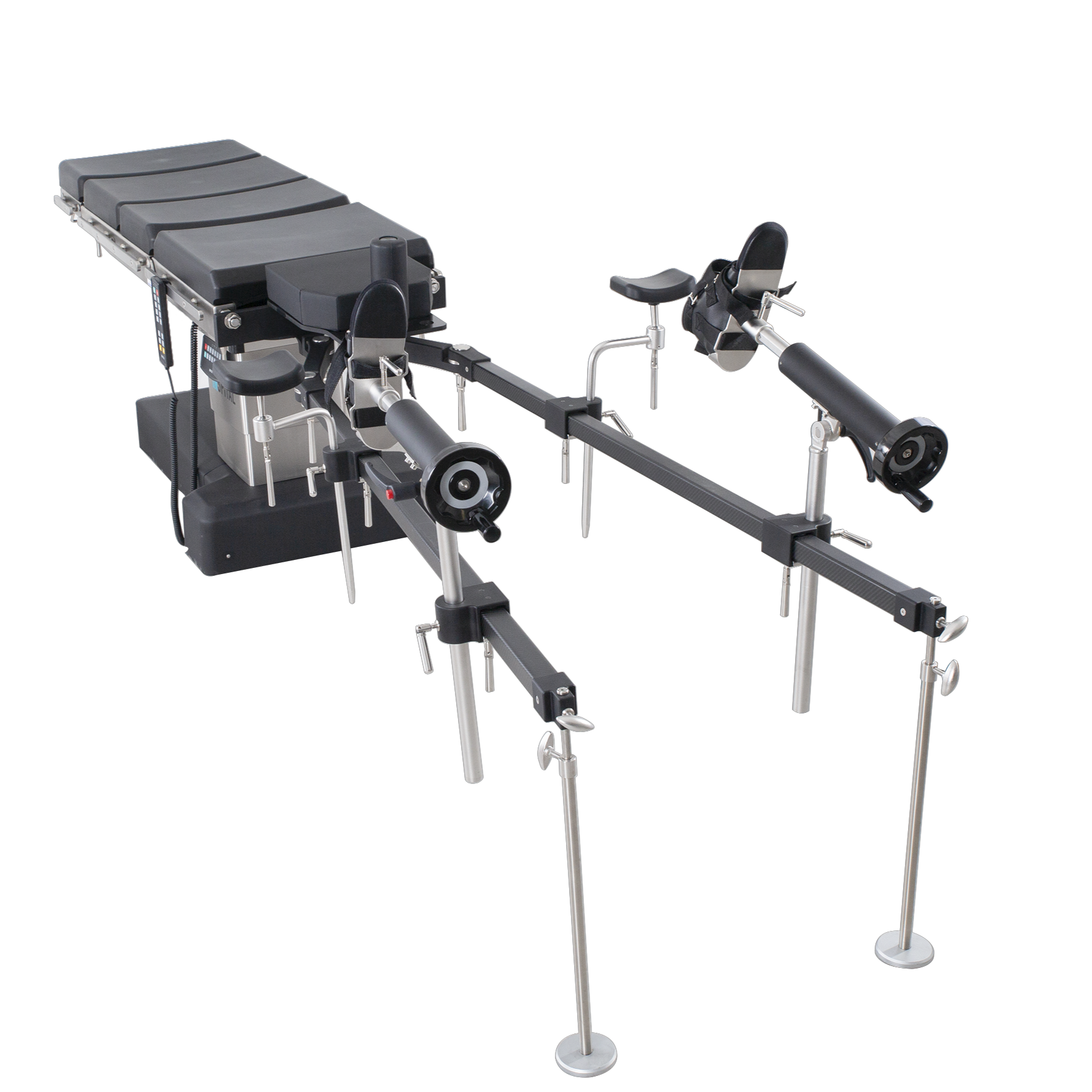
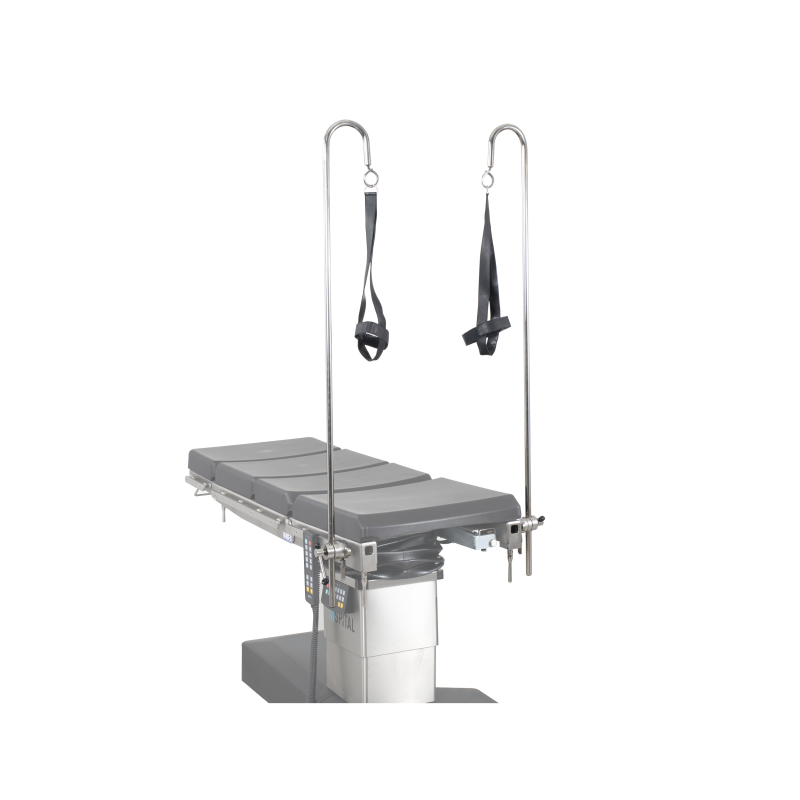
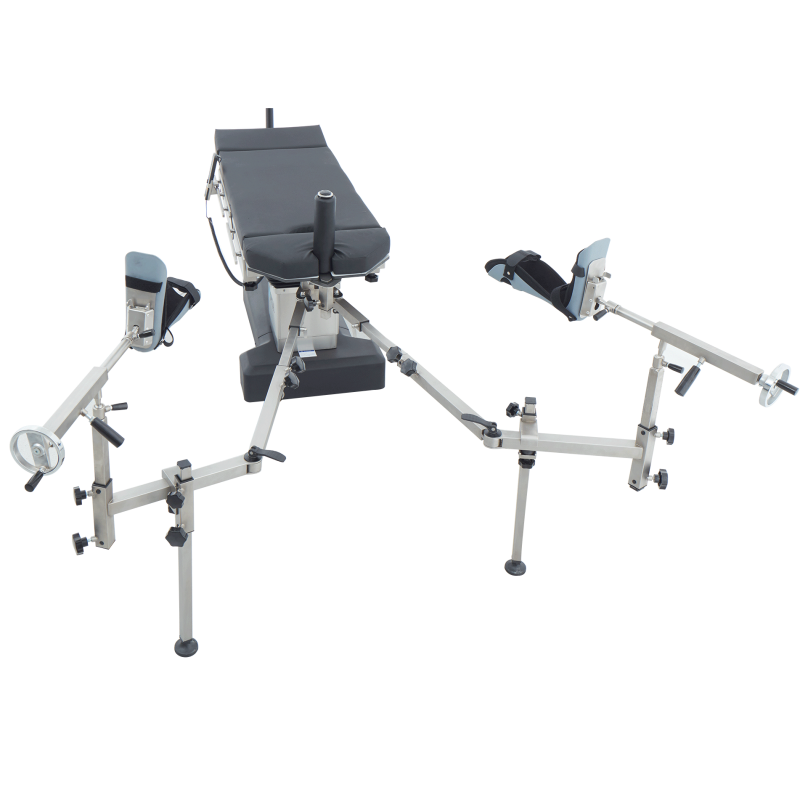
In orthopedics and trauma surgery, requirements increase significantly, as complex positioning is often necessary. This includes lateral positioning, extreme flexion, or special traction positioning. Here, positioning aids must not only stabilize but also be able to absorb high forces that arise during reduction or fixation. A modular system allows different traction devices and support elements to be combined flexibly to ensure precise adaptation to the respective procedure.

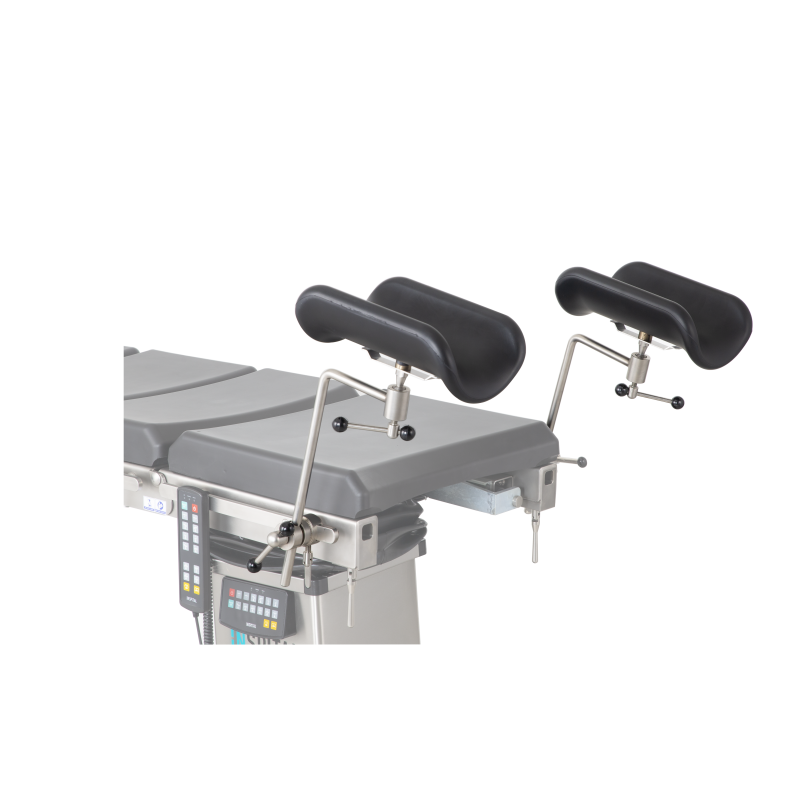
Specialized positioning aids also play an important role in gynecology and urology. These specialties often require the lithotomy position or modified supine positions in which legs, pelvis, and upper body must be positioned precisely. Special leg holders, pelvic supports, and finely adjustable fixation systems are used here. The modularity of operating table positioning aids ensures that these components can be attached quickly and fixed securely.

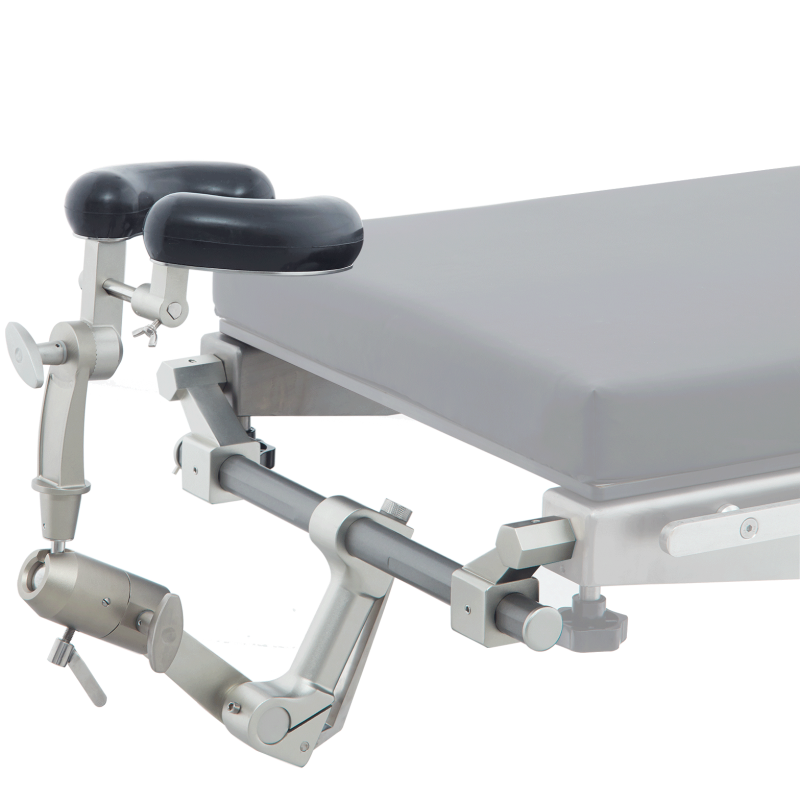
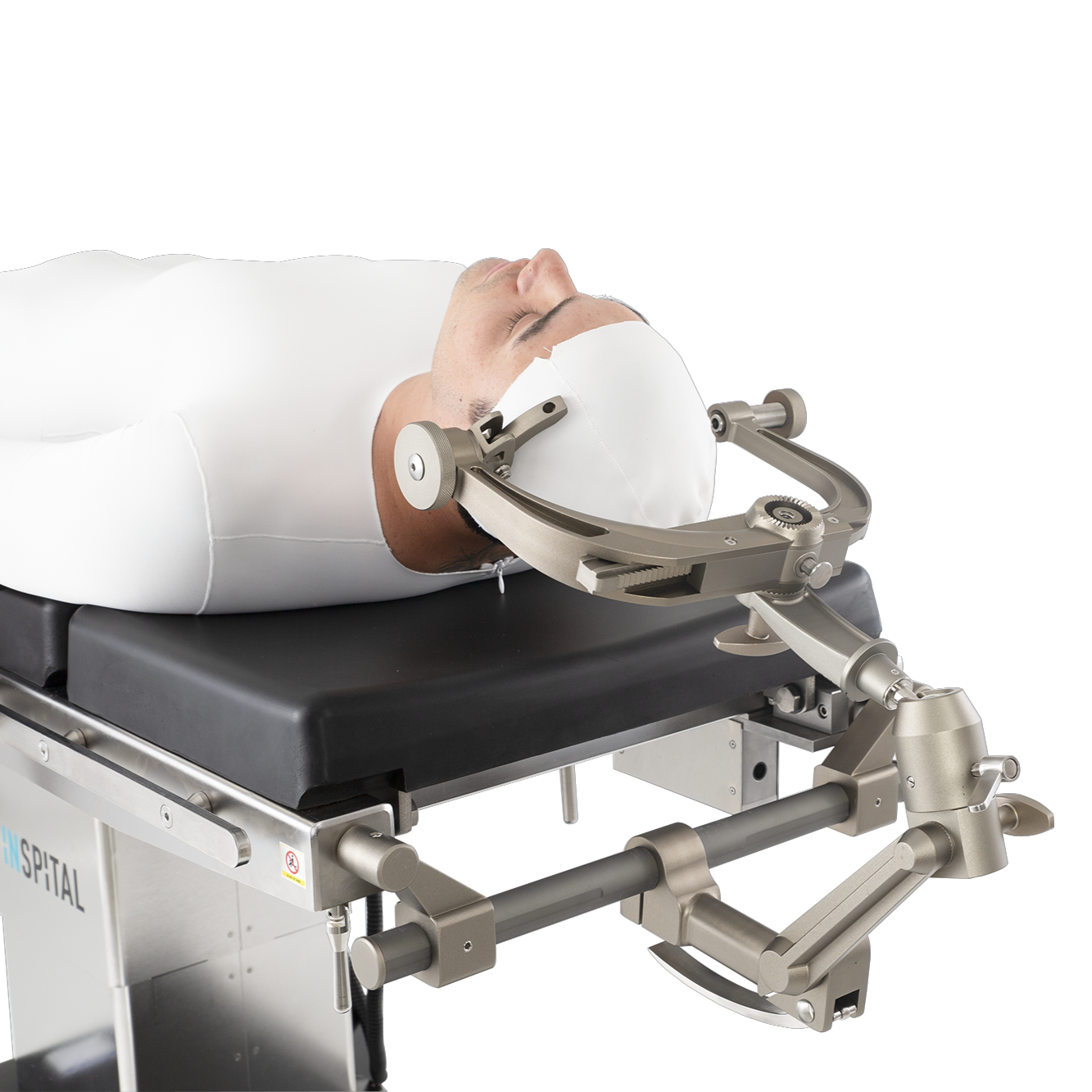
In neurosurgery and spine surgery, particularly stable and precise positioning is crucial. Even the smallest movements can affect the procedure. Therefore, special head and torso supports are used to ensure absolute fixation. At the same time, the operating table must remain compatible with imaging procedures to enable intraoperative control. Modular systems provide the necessary flexibility between stability and technical integration.

Another advantage of modular positioning aids is economic efficiency. Clinics can cover different specialties with a standardized system without having to purchase separate equipment for each discipline. This not only reduces costs but also greatly simplifies storage and maintenance. It enables flexible adaptation to different medical requirements while supporting efficiency, safety, and cost-effectiveness in everyday clinical practice.

Further development and the future of operating table positioning aids

The development of modern operating table positioning aids is closely linked to technological progress in medical technology. While positioning aids used to be viewed mainly as simple mechanical support elements, today they have evolved into highly functional, modular, and patient-specific system components. Future development is clearly moving toward even greater individualization, digitalization, and integration into complex OR systems.

A key trend is the increasing integration of positioning systems with digital OR technologies. Modern operating rooms increasingly use image-guided procedures, navigation technologies, and robot-assisted support systems. For these technologies to function optimally, operating table positioning aids must enable extremely precise and reproducible patient positioning. Even the smallest deviations can affect the accuracy of digital systems. Therefore, future positioning systems will be designed even more for millimeter-accurate stability and repeatability. Another important development area is intelligent material technology. New foams, hybrid materials, and adaptive padding systems are expected to be able to dynamically adapt to body pressure and temperature. This can further optimize pressure distribution during a procedure, reducing the risk of positioning injuries even more. At the same time, materials are being developed that are even more resistant to disinfectants and offer a longer service life under intensive clinical use.

Ergonomics will also continue to play a central role. Future positioning aids should not only protect the patient but also support the OR team’s workflow even more. This includes intuitive quick-change systems, automated positioning aids, and even more flexible modular designs. A modern operating table manufacturer will use these developments to make the entire OR process more efficient and safer. Another aspect is increasing standardization and interoperability. In modern clinics, different devices, operating tables, and accessory systems must be seamlessly compatible with one another. Positioning aids are therefore increasingly being developed with standardized interfaces and fastening systems to ensure maximum flexibility in everyday OR practice. This not only makes it easier to integrate new technologies, but also reduces training effort and sources of error.

Sustainability is also becoming more important. Clinics are increasingly focusing on durable, repairable, and resource-efficient products. Operating table positioning aids are therefore designed to be used for many years, with individual components replaceable instead of having to replace complete systems.