


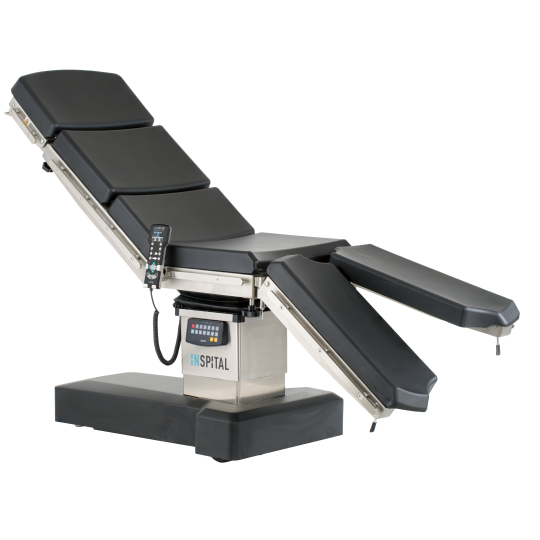
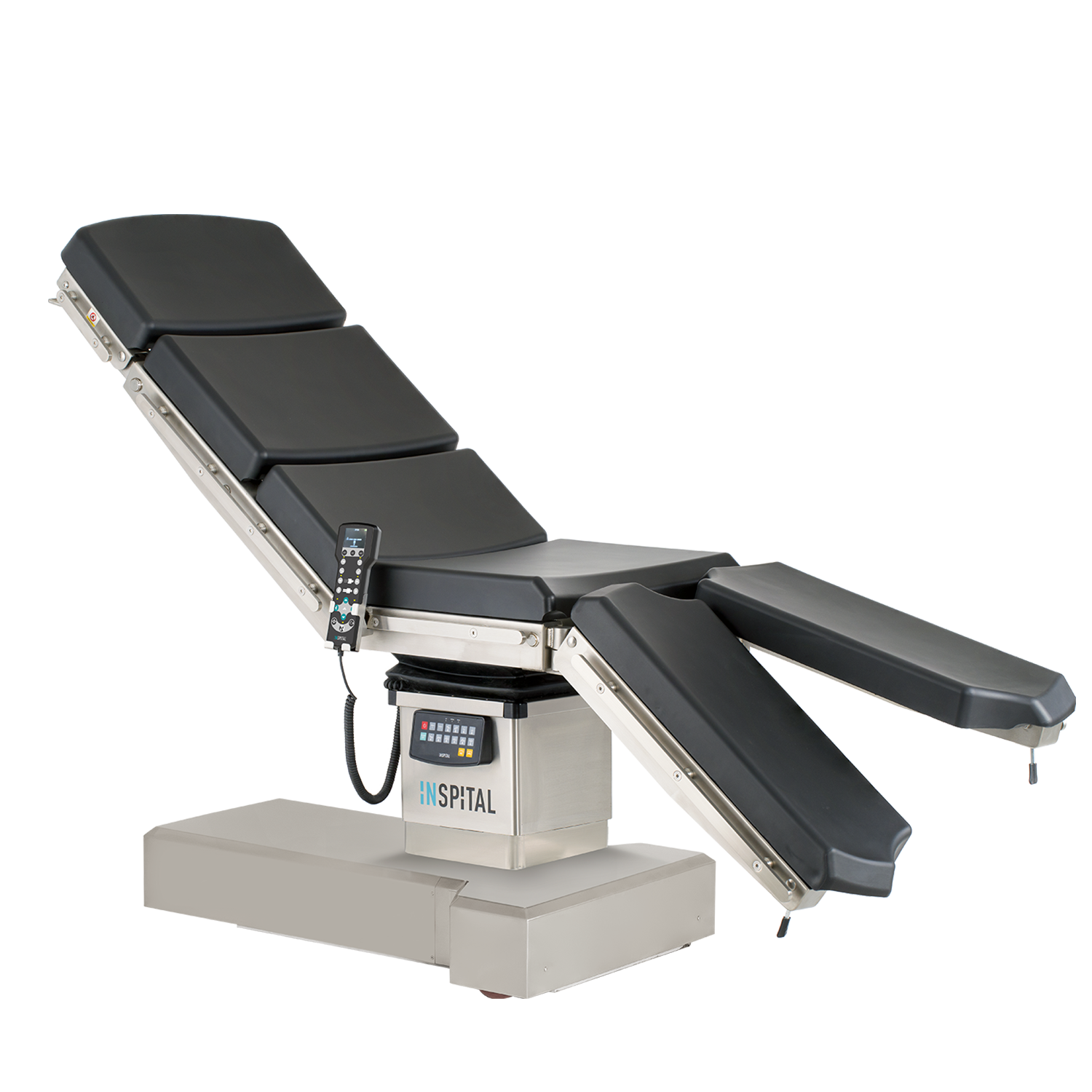
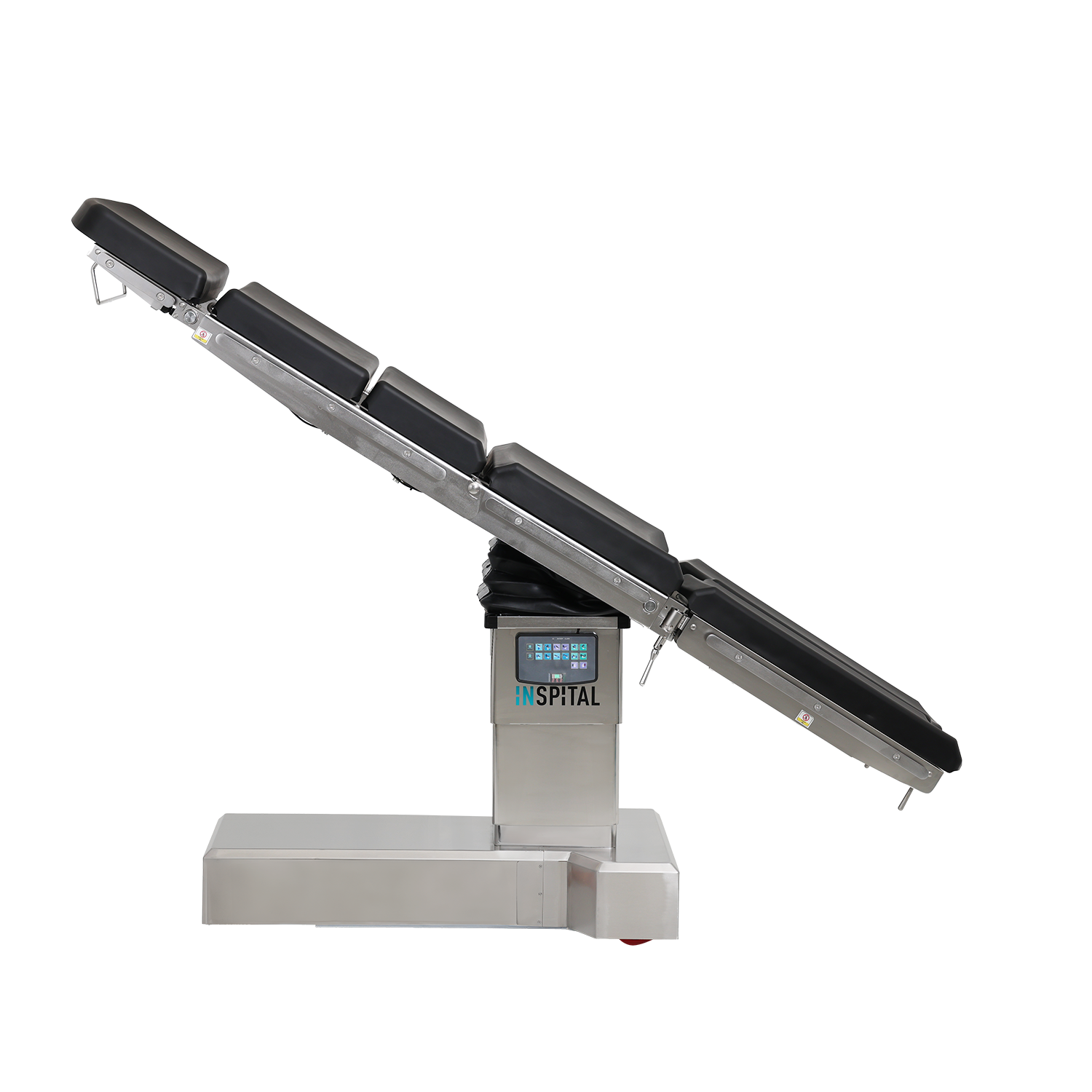
Operating Table OT80.20 NOVUS
Prices visible to registered customers only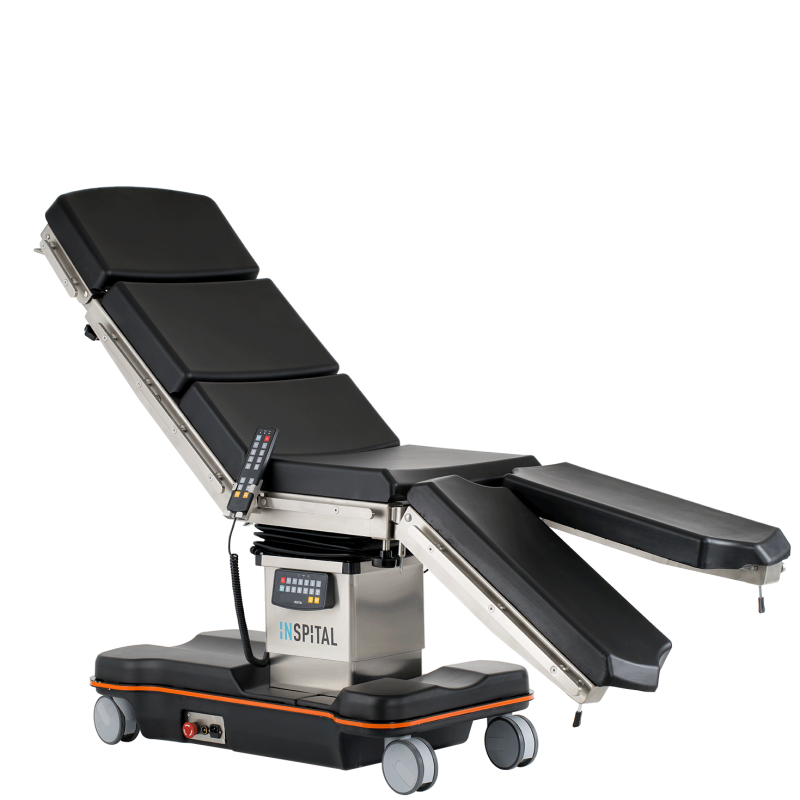
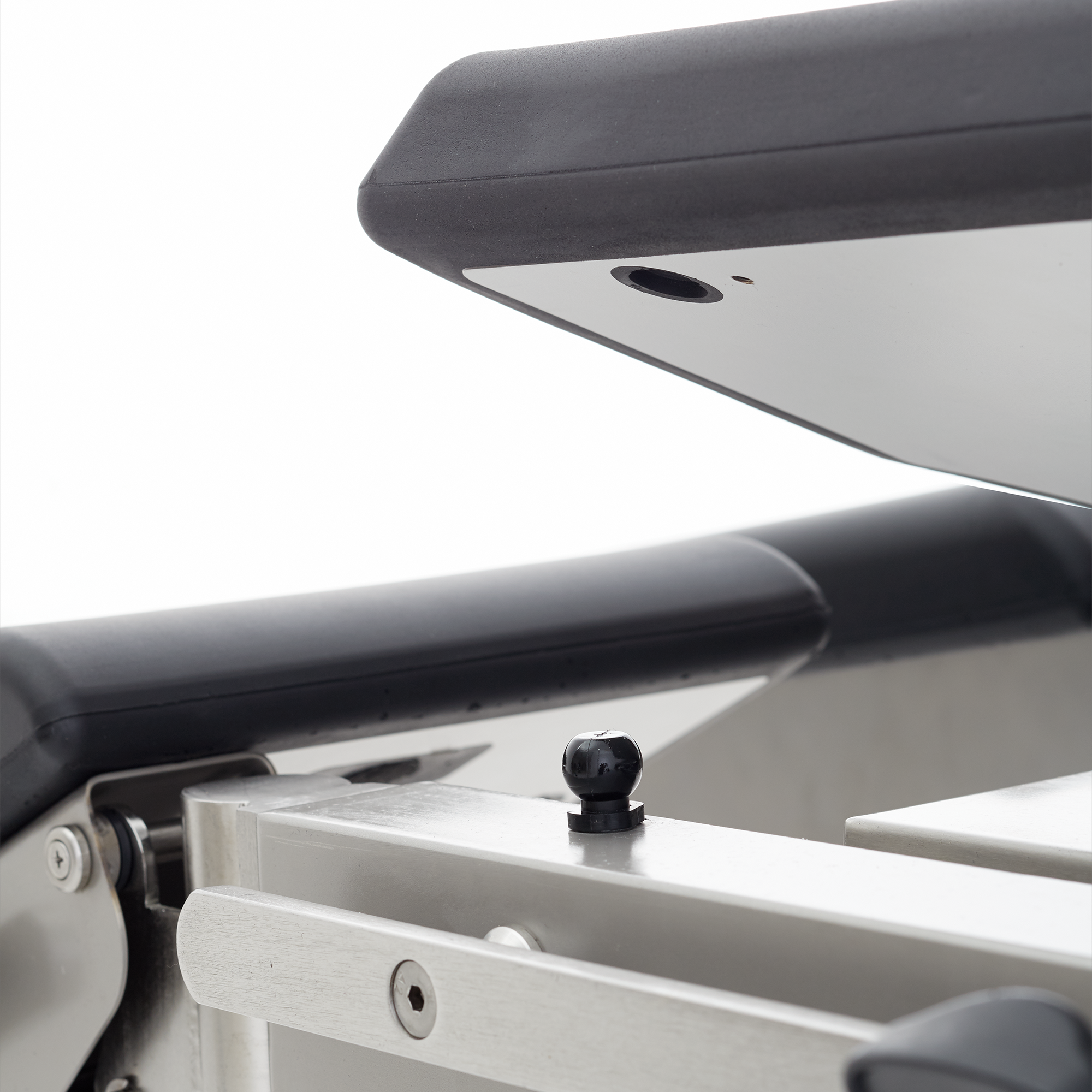
Operating Table OT80.25
Prices visible to registered customers only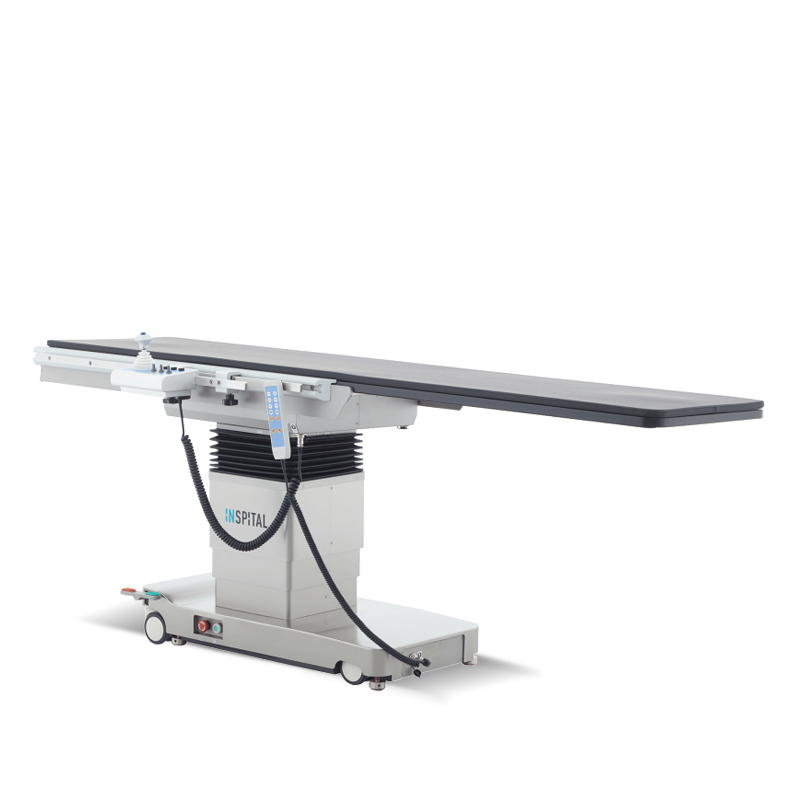
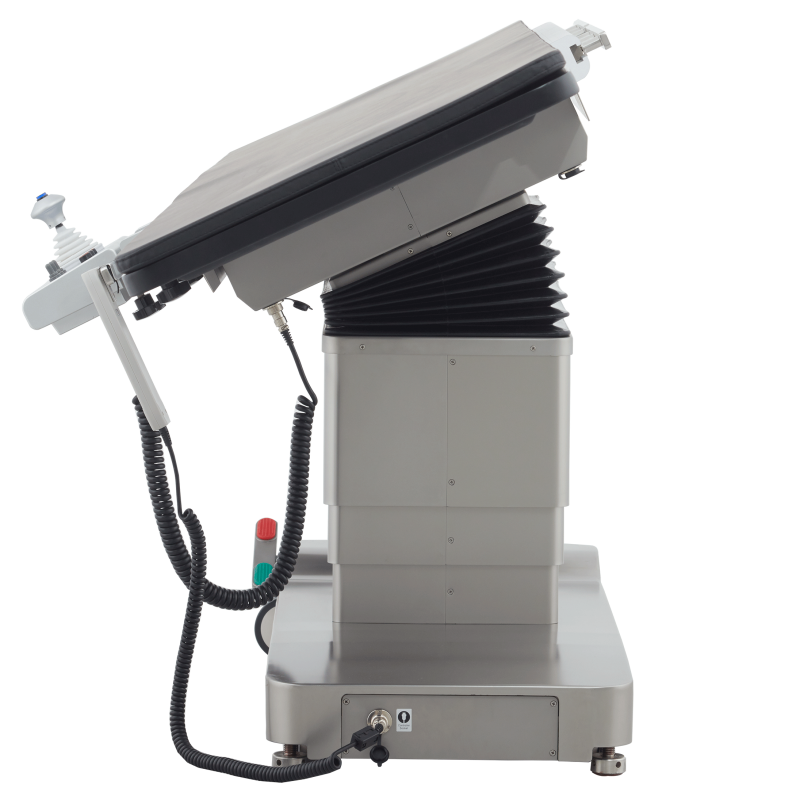
Mobile Carbon Fiber Operating Table for Imaging Procedures C-Arm Imaging Table OT80.30
Prices visible to registered customers onlyOperating Table Maintenance for Maximum Safety
Regular operating table maintenance is a key component of safe clinic and practice operations. Operating tables are subjected to high loads every day and must function reliably at all times. Even the smallest technical defects can disrupt the OR procedure or pose a safety risk to patients and medical personnel. Professional maintenance ensures that all mechanical and electrical components work perfectly.
Operating table maintenance includes checking height adjustment, tilt functions, locking mechanisms, electrical drives, and controls. The stability of the base frame and the condition of the cushions and surfaces also play an important role. Regular inspections allow signs of wear to be detected and rectified early on, before failures occur. Another important aspect of operating table maintenance is compliance with hygiene standards. Defective surfaces or damaged cushions can make cleaning difficult and increase the risk of infection. Professional maintenance ensures that all materials remain intact, easy to clean, and suitable for OR use. In addition, regular operating table maintenance contributes to maintaining the value of your medical equipment. Tables that are well-maintained have a significantly longer service life and cause fewer unplanned repair costs. At the same time, downtimes are reduced, which is crucial, especially in highly frequented OR areas.
For clinics and practices, professional maintenance means not only more safety but also planning reliability. Fixed maintenance intervals allow costs to be better calculated and the OR operation remains stable. Anyone who wants to work efficiently in the long term should therefore rely on structured and professional operating table maintenance.
Regular Operating Table Maintenance in Everyday Clinical Practice
In daily clinical operations, operating table maintenance is indispensable. Operating tables are among the most heavily used medical devices in the OR. They must function precisely, be quickly adjustable, and offer maximum stability at the same time. Regular maintenance ensures that these requirements are permanently met. Operating table maintenance includes both technical and safety-related inspections. This includes checking all moving parts, electrical components, controls, and safety systems. The maximum load-bearing capacity and the uniform mobility of the table segments are also checked. The aim is to identify and rectify possible defects at an early stage.
A frequently underestimated advantage of operating table maintenance is the relief it provides to medical personnel. A well-maintained table is precise to operate, responds reliably to control commands, and enables ergonomic working. This reduces stress in the OR and contributes to smooth procedures. In addition, maintenance plays an important role in complying with legal requirements. Medical facilities are obliged to have their equipment checked regularly. Documented operating table maintenance supports the fulfillment of these requirements and offers security during inspections or audits.
In the long term, a structured maintenance strategy reduces operating costs. Instead of expensive emergency repairs, minor defects can be rectified early on. Integrating operating table maintenance into everyday clinical practice increases operational safety, extends the service life of the equipment, and ensures trouble-free OR operation.
Operating Table Maintenance and Legal Requirements
Operating table maintenance is not only important from a technical point of view, but also from a legal perspective. Medical facilities are subject to strict legal requirements when it comes to the safety and functionality of medical devices. Regular maintenance is therefore essential to meet the legal requirements.
As part of operating table maintenance, all safety-relevant functions are checked and documented. These include mechanical stability, electrical safety, emergency stop functions, and perfect operability. Complete documentation is particularly important as it serves as proof in the event of inspections or incidents. Another important point is liability. If operating table maintenance is neglected, technical defects can occur that endanger patients or staff. Regular maintenance reduces this risk considerably and creates legal certainty for operators of clinics and practices.
Manufacturer recommendations also play an important role in operating table maintenance. Many manufacturers specify clear maintenance intervals and test scopes that should be adhered to in order not to lose warranty claims. Professional maintenance ensures that these requirements are met. In summary, operating table maintenance is an essential component of quality assurance in the medical field. It not only ensures safe operation but also supports compliance with legal requirements and protects facilities from unnecessary risks.
Advantages of Professional Operating Table Maintenance
Professional operating table maintenance offers numerous advantages over irregular or improper inspections. Expert technicians recognize even the smallest deviations and can intervene in a targeted manner before major damage occurs. This increases operational safety and reduces long-term costs.
As part of operating table maintenance, all relevant components are systematically checked. These include drive systems, hydraulics, electronics, mechanical connections, and upholstery. This comprehensive inspection ensures that the table is ready for use at all times. Another advantage of professional operating table maintenance is the extension of service life. Regularly maintained operating tables remain functional for longer and need to be replaced less often. This protects the budget and ensures sustainable use of the existing equipment.
The predictability also speaks in favor of professional maintenance. Fixed maintenance intervals minimize downtimes and allow maintenance to be specifically integrated into the OR schedule. This leaves ongoing operations largely unaffected. Anyone who relies on professional operating table maintenance invests in safety, efficiency, and long-term economy. Especially in sensitive areas such as the OR, reliability is crucial – and this begins with professional maintenance.
Operating Table Maintenance to Extend Service Life
Regular operating table maintenance is crucial to significantly extend the service life of medical equipment. Operating tables are complex systems consisting of mechanical, electrical, and sometimes hydraulic components. These components are subject to heavy use in everyday OR operations and are subject to natural wear and tear. Without targeted maintenance, this can lead to malfunctions or premature equipment failure.
As part of professional operating table maintenance, all moving parts are checked, adjusted, and lubricated if necessary. Electrical drives and controls are tested to ensure that height adjustments, tilt functions, and positioning work precisely. These regular checks allow minor wear to be detected and rectified early on, before it causes major damage.
Another important aspect of operating table maintenance is the condition of the surfaces and cushions. Damaged or porous materials can not only impair hygiene but also the comfort and safety of patients. Maintenance and timely repairs keep the materials functional and hygienically flawless. In the long term, consistent operating table maintenance also pays off economically. Tables that are well-maintained need to be repaired or replaced less often. This reduces investment costs and increases operational safety at the same time. In addition, the table remains technically at a high level for years.
Anyone who wants to use their medical equipment sustainably should establish operating table maintenance as an integral part of equipment care. It not only ensures function but also protects the investment and guarantees reliable use in everyday OR operations.
Costs, Intervals, and Planning of Operating Table Maintenance
Operating table maintenance is an important component of technical planning in clinics and practices. Many operators wonder what costs are involved and at what intervals maintenance makes sense. As a general rule, regular maintenance is significantly less expensive than unplanned repairs or a complete equipment failure.
The costs for operating table maintenance depend on various factors, including the model, age of the table, technical equipment, and intensity of use. Electrically operated operating tables with multiple functions usually require more frequent and extensive maintenance than simple manual models. Nevertheless, maintenance costs can be planned well if fixed intervals are observed. Annual operating table maintenance is usually recommended, and at shorter intervals if used intensively. These regular inspections allow wearing parts to be replaced in good time and malfunctions to be avoided. This significantly reduces the risk of failures during OR operations.
A major advantage of planned maintenance is better organization. Maintenance appointments can be scheduled outside of OR hours so that ongoing operations are hardly affected. At the same time, clear documentation is created, which is important both for internal quality processes and for external inspections.
Operating Table Maintenance as Part of Quality Assurance
Operating table maintenance is a central component of quality assurance in medical facilities. A perfectly functioning operating table forms the basis for safe procedures, precise work, and efficient processes in the OR. Maintenance therefore means not only technical control but also responsibility towards patients and staff. As part of operating table maintenance, all safety-relevant functions are checked and documented. This documentation is an important component of internal quality management systems and provides evidence during audits or official inspections. At the same time, it is ensured that the table always meets the applicable medical and technical requirements.
Maintenance is also of great importance for OR staff. A reliably functioning operating table facilitates ergonomic working, reduces physical strain, and minimizes stressful situations during a procedure. Operating table maintenance thus contributes directly to job satisfaction and efficiency. In addition, a consistent maintenance strategy strengthens the trust of patients. Visibly well-maintained and technically flawless equipment conveys professionalism and high-quality standards. In sensitive areas such as the OR, this trust is a decisive factor.
Anyone who integrates operating table maintenance firmly into their quality assurance processes creates a stable basis for safe, efficient, and sustainable OR operations.