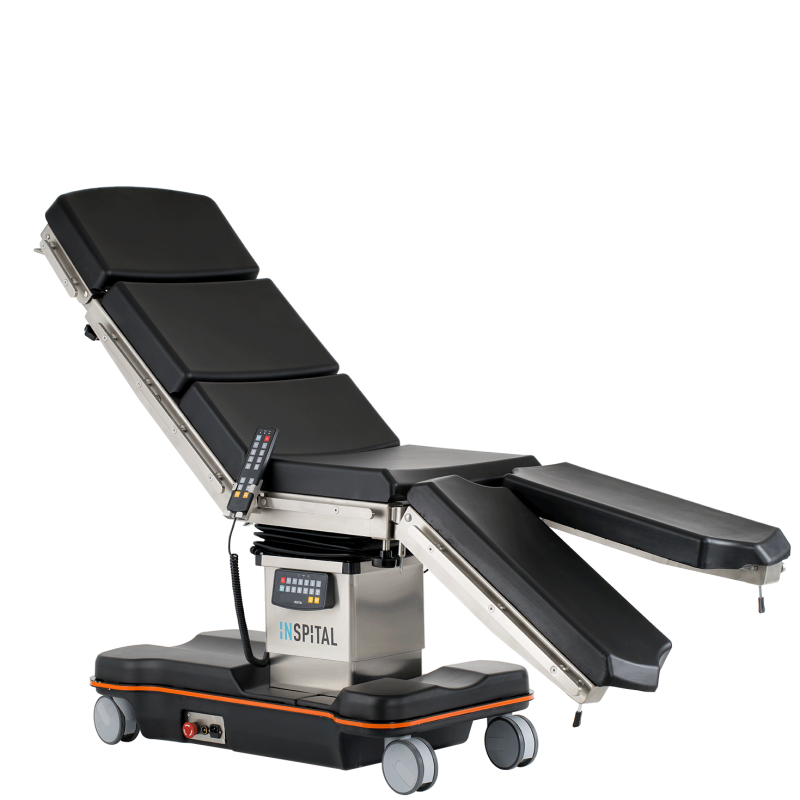
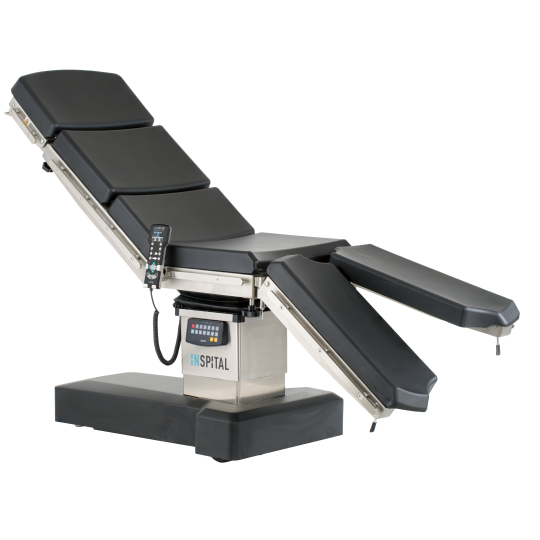
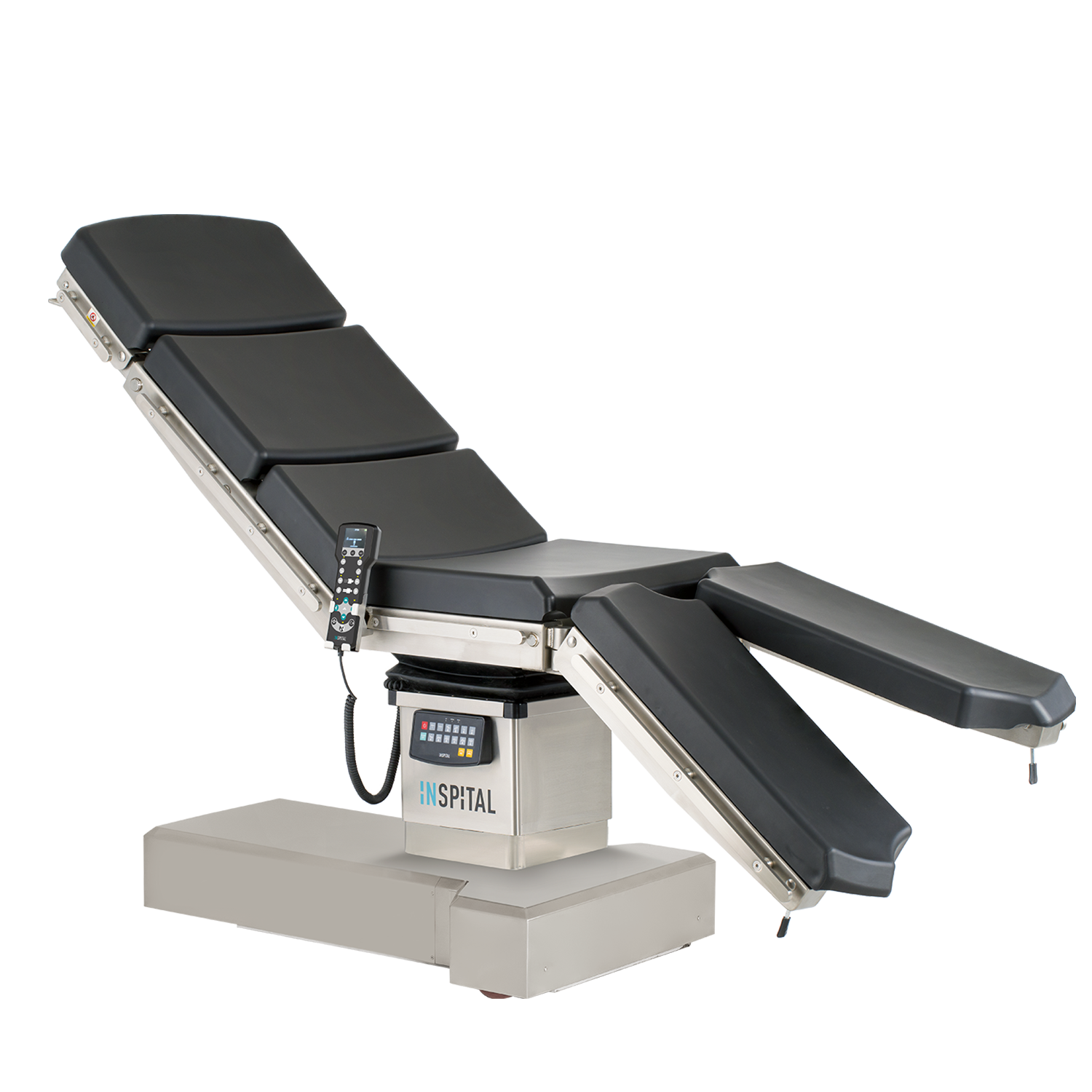
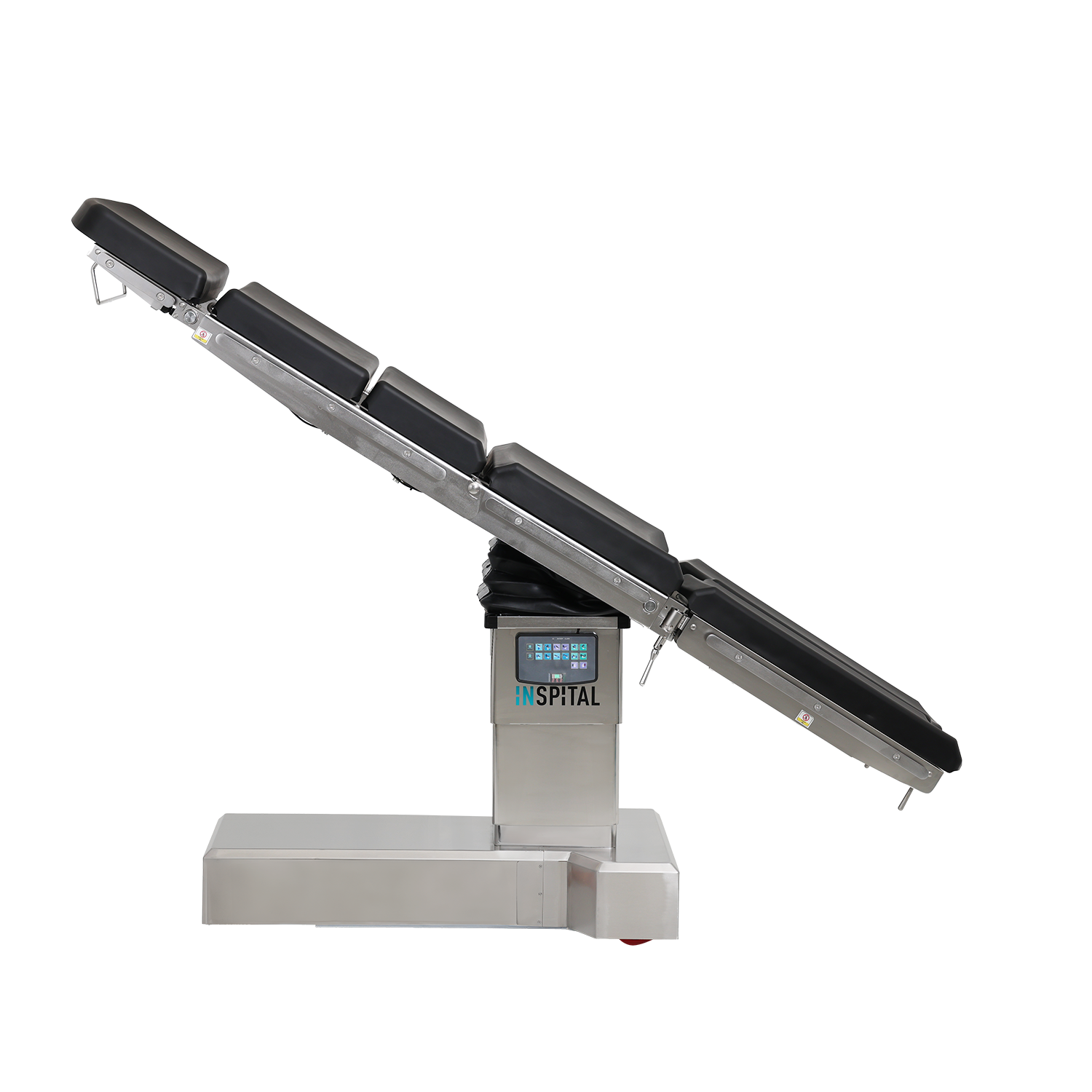
Operating Table OT80.20 NOVUS
Prices visible to registered customers onlyOperating Table OT80.25
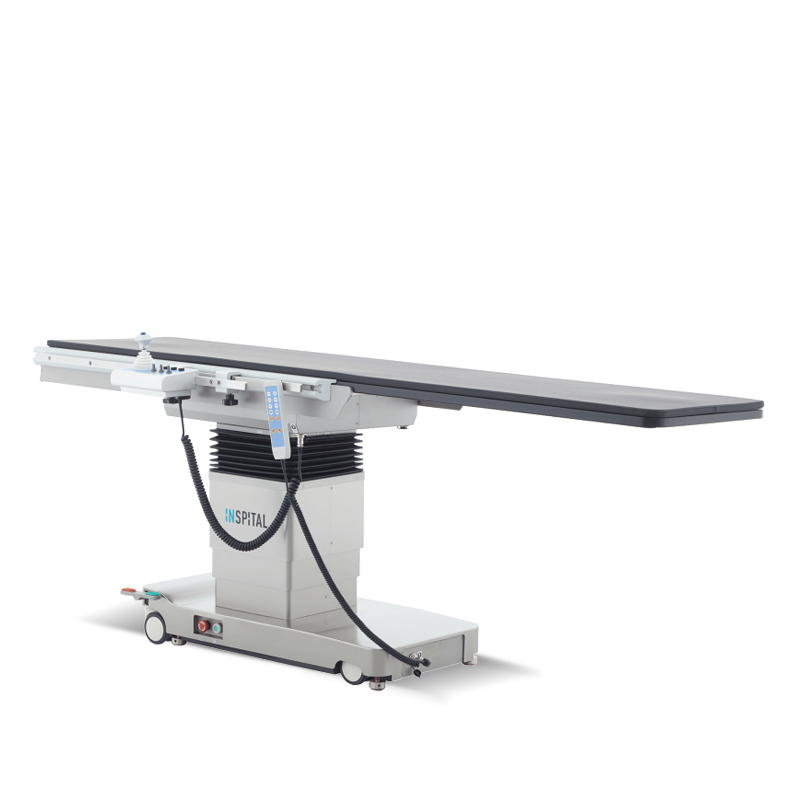
Prices visible to registered customers onlyMobile Carbon Fiber Operating Table for Imaging Procedures C-Arm Imaging Table OT80.30
Prices visible to registered customers onlyX-ray cassette tray OT60.31
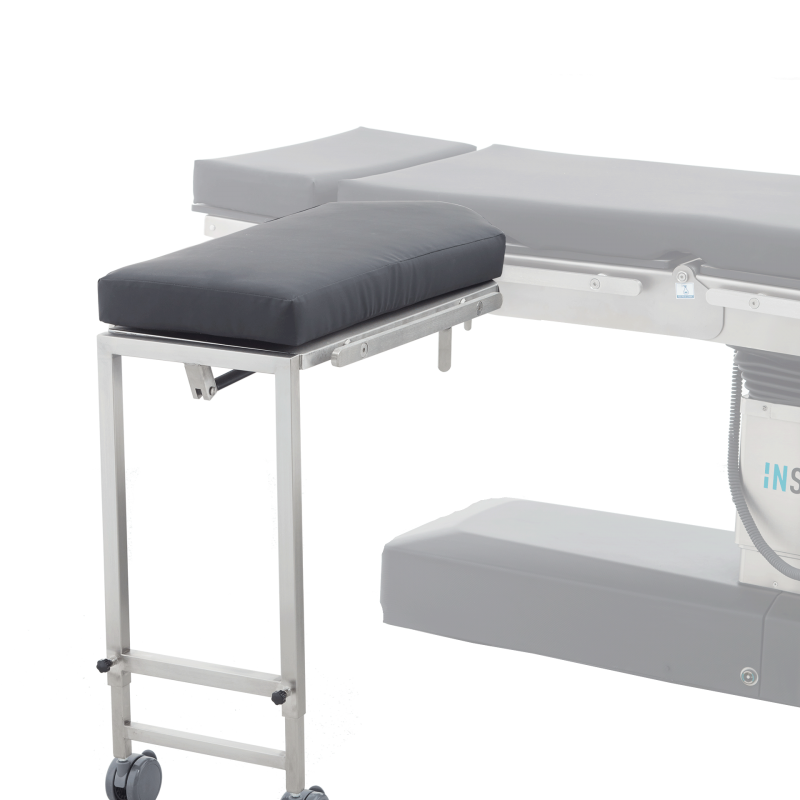
Prices visible to registered customers onlyRadiolucent Acrylic Armboard OT60.39
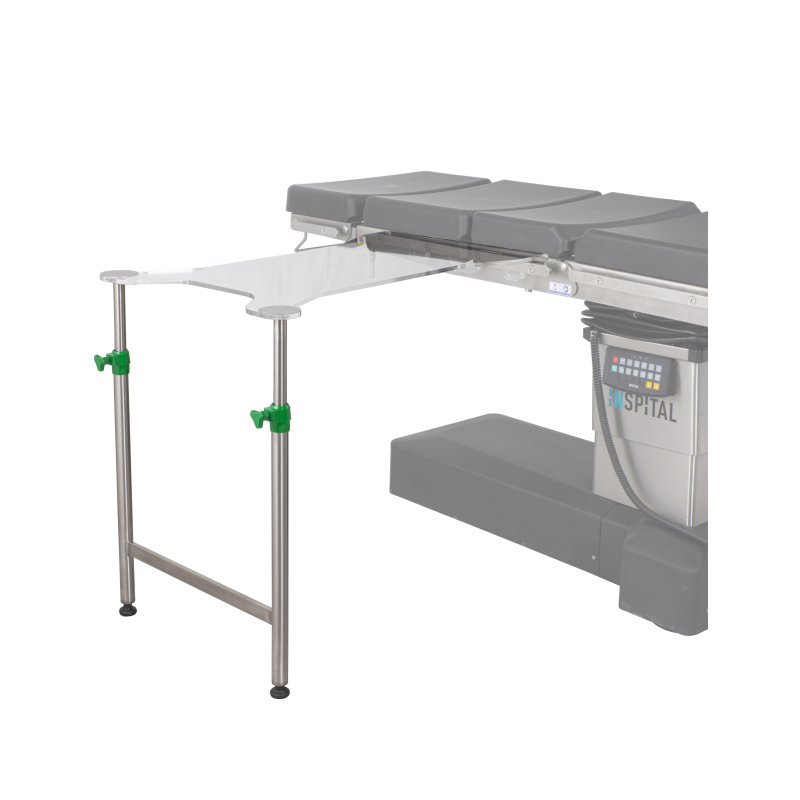
Prices visible to registered customers onlyArm Surgery Extension OT60.26
Prices visible to registered customers onlyWeinberger Hand Traction Set OT60.22
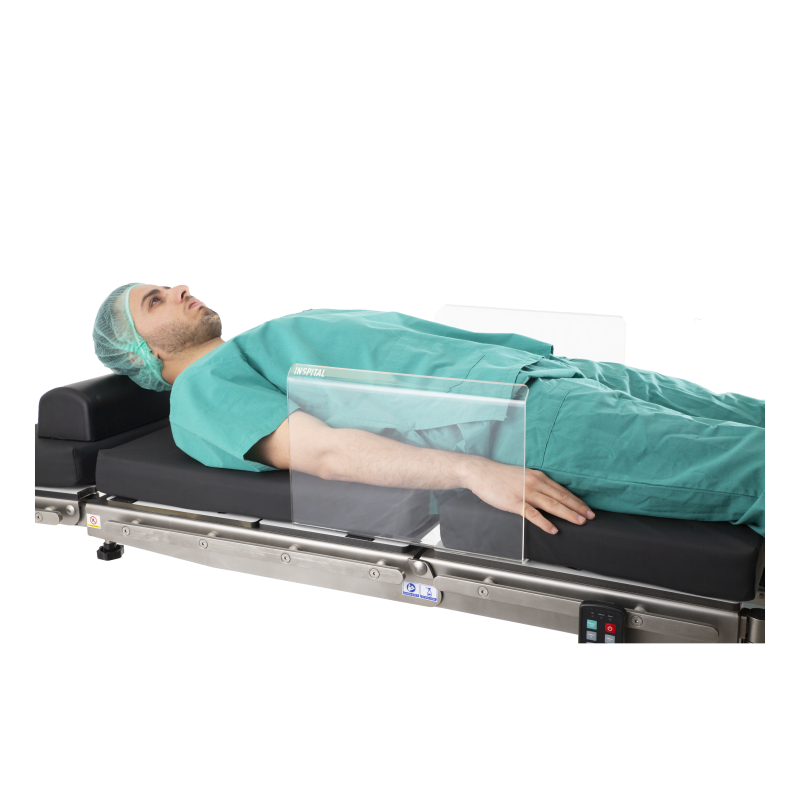
Prices visible to registered customers onlyArm Protector, Polycarbonate OT60.75
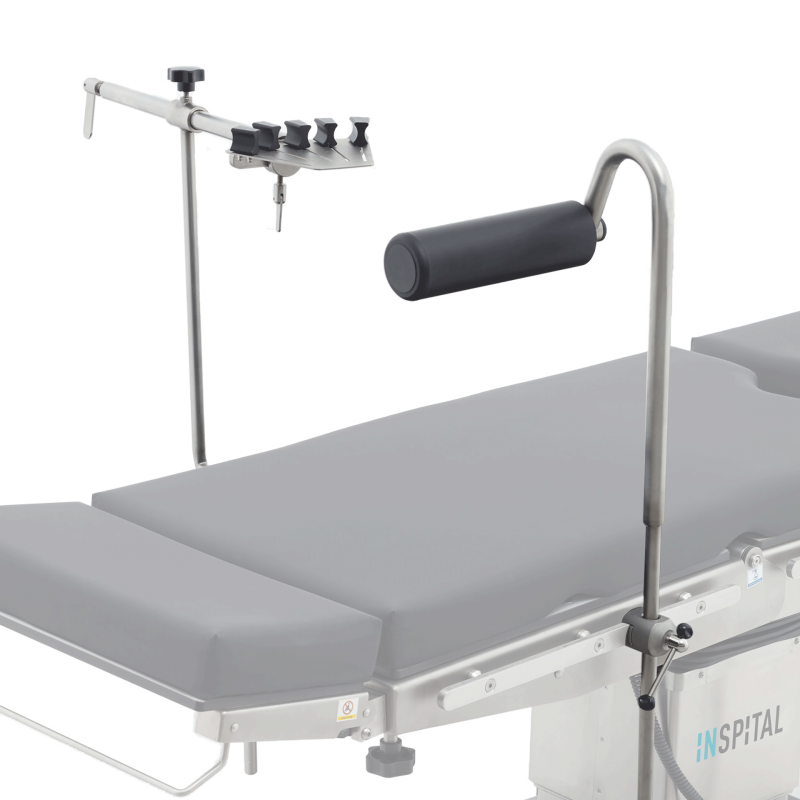
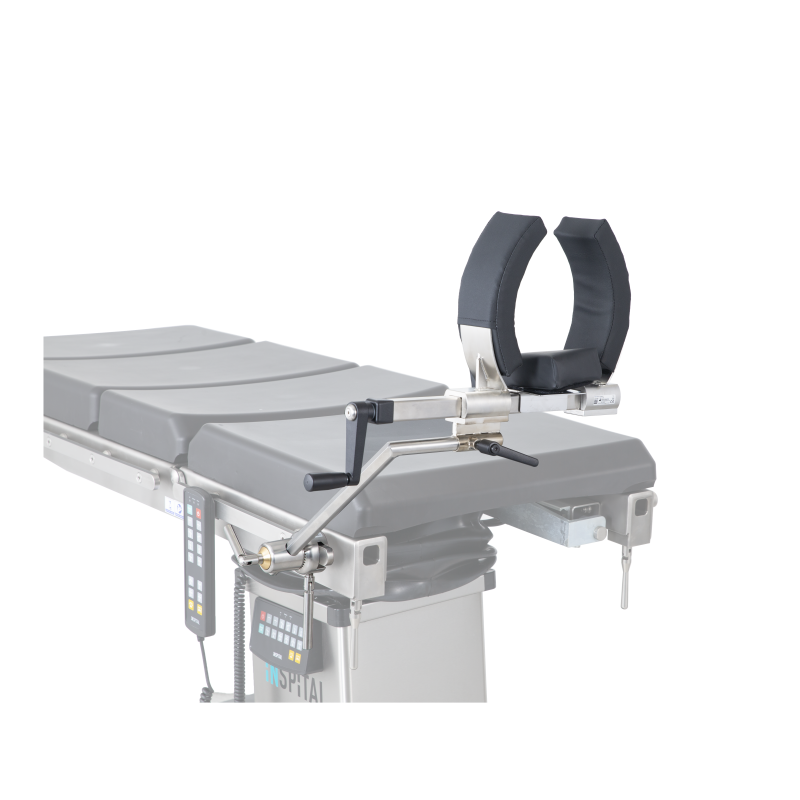
Prices visible to registered customers onlyArthroscopic Leg Holder System OT60.86
Prices visible to registered customers onlyLumbar Cushion OT60.61
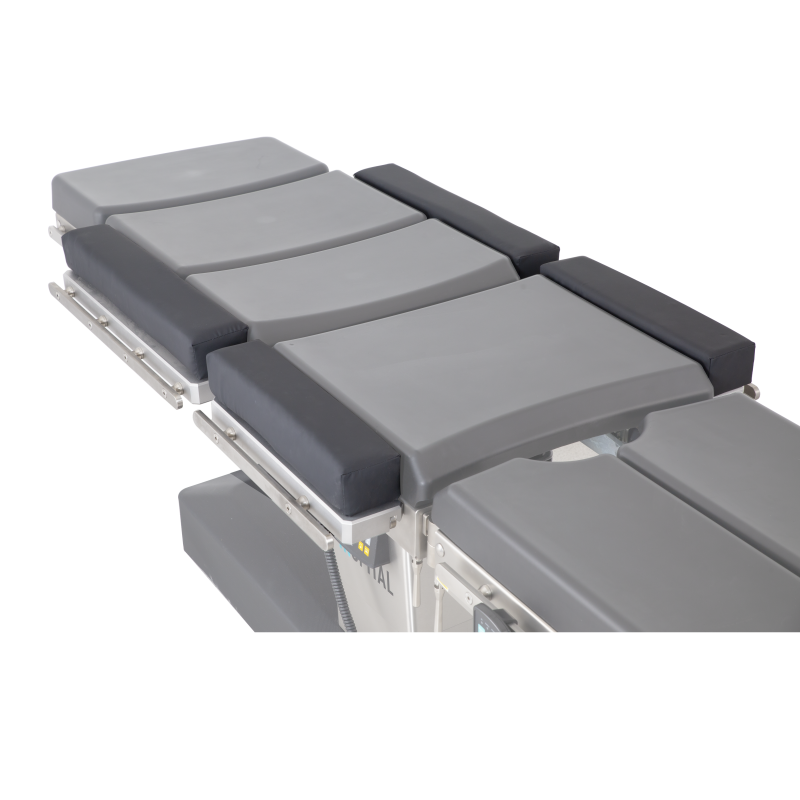
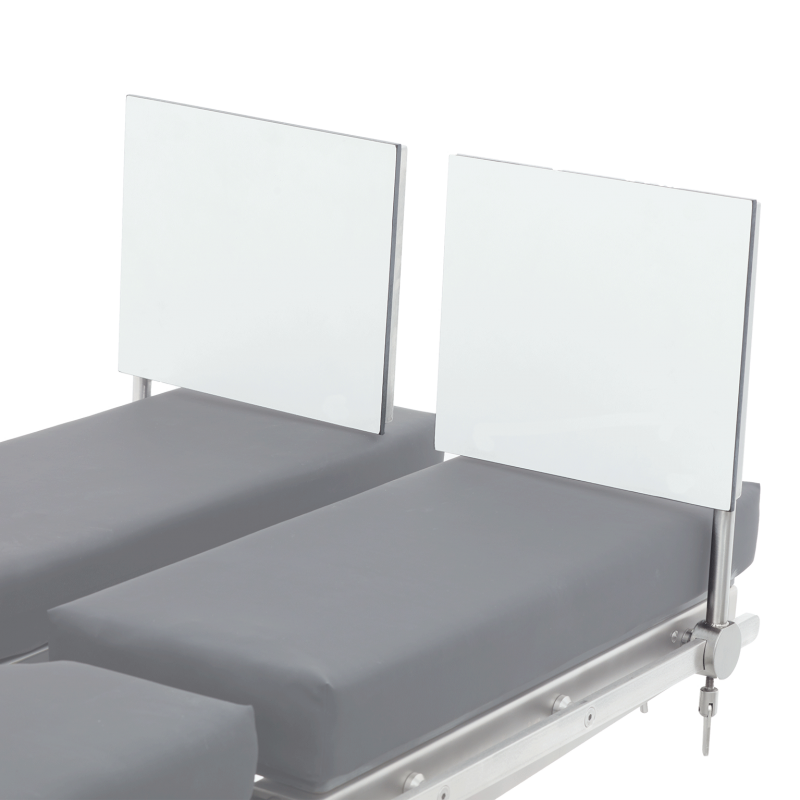
Prices visible to registered customers onlyExtension segments OT60.88
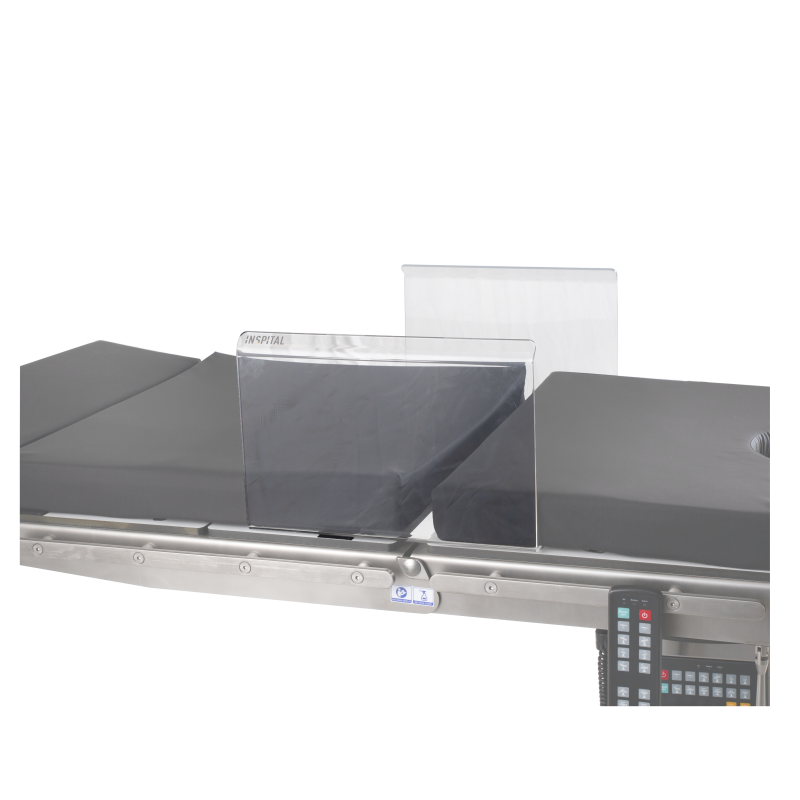
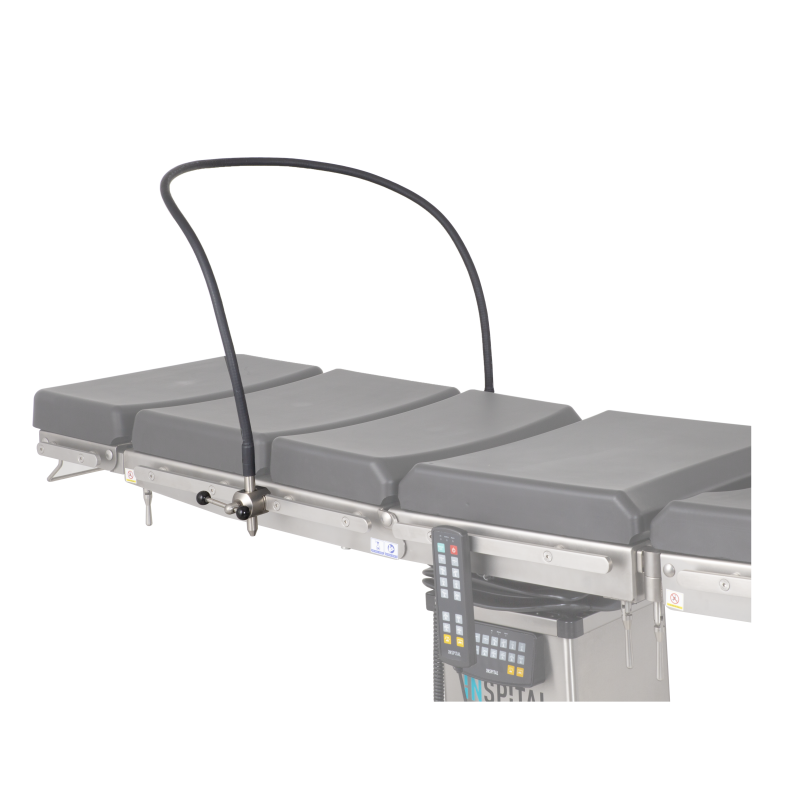
Prices visible to registered customers onlyFlexible Anesthesia Screen OT60.83
Prices visible to registered customers onlyFoot Support Plate OT60.19
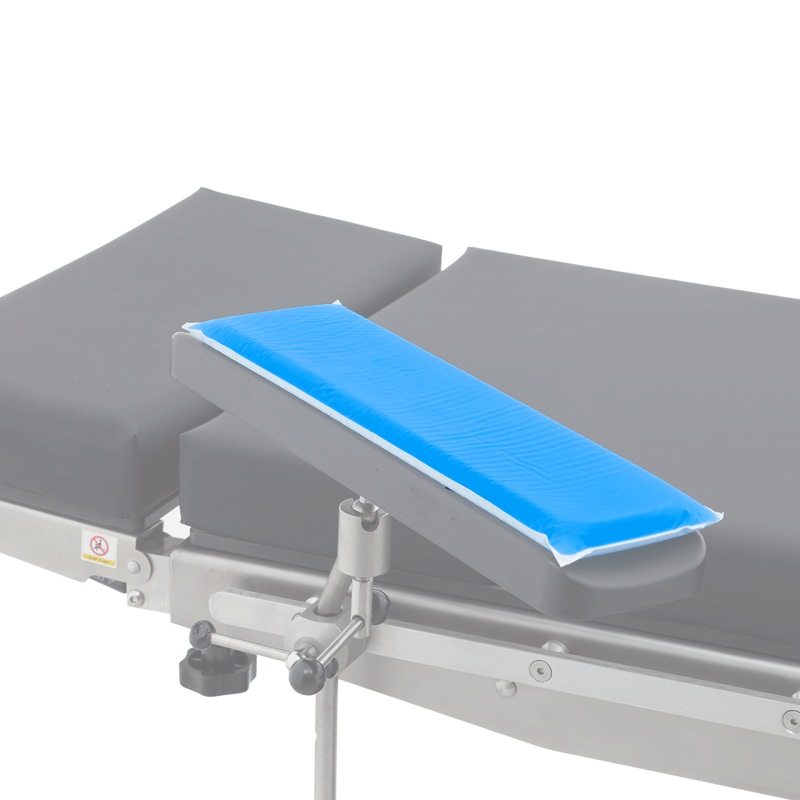
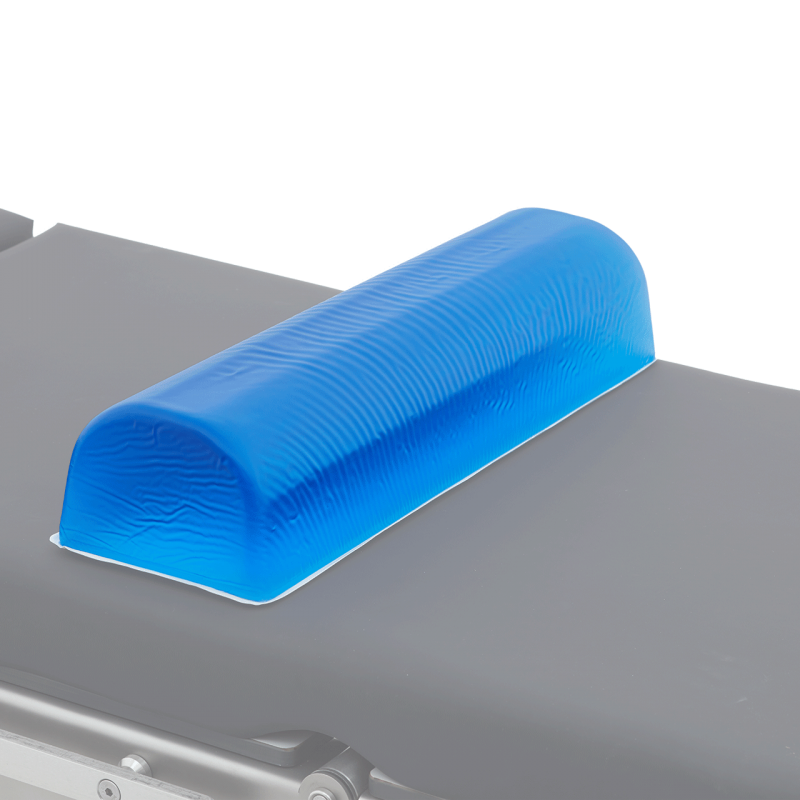
Prices visible to registered customers onlyGel Armrest Pad OT60.54
Prices visible to registered customers onlyGel Heel Pad OT60.59
Prices visible to registered customers onlyGel Foot/Ankle Pad OT60.58
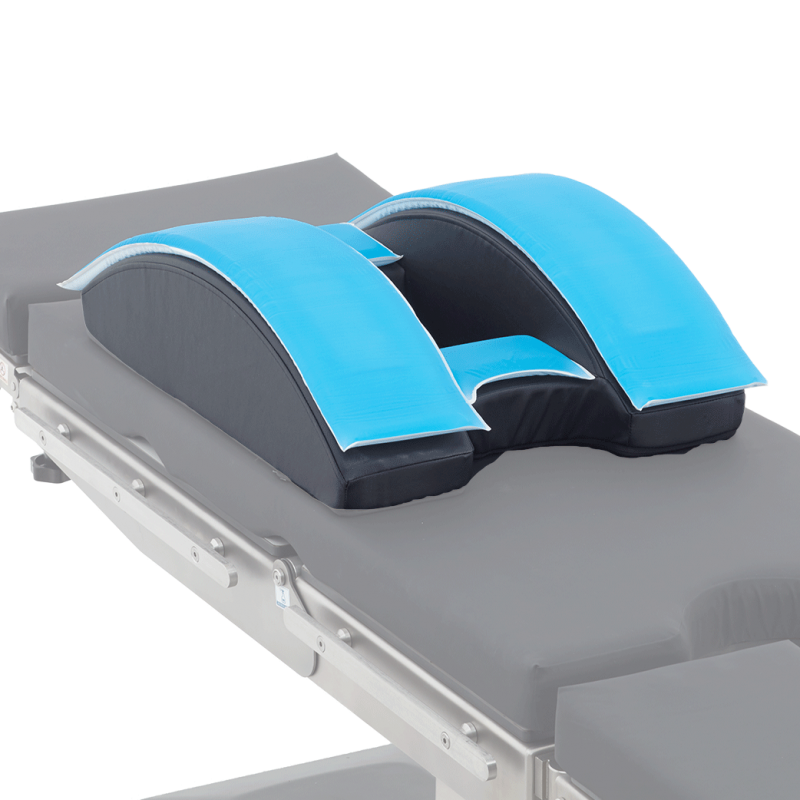
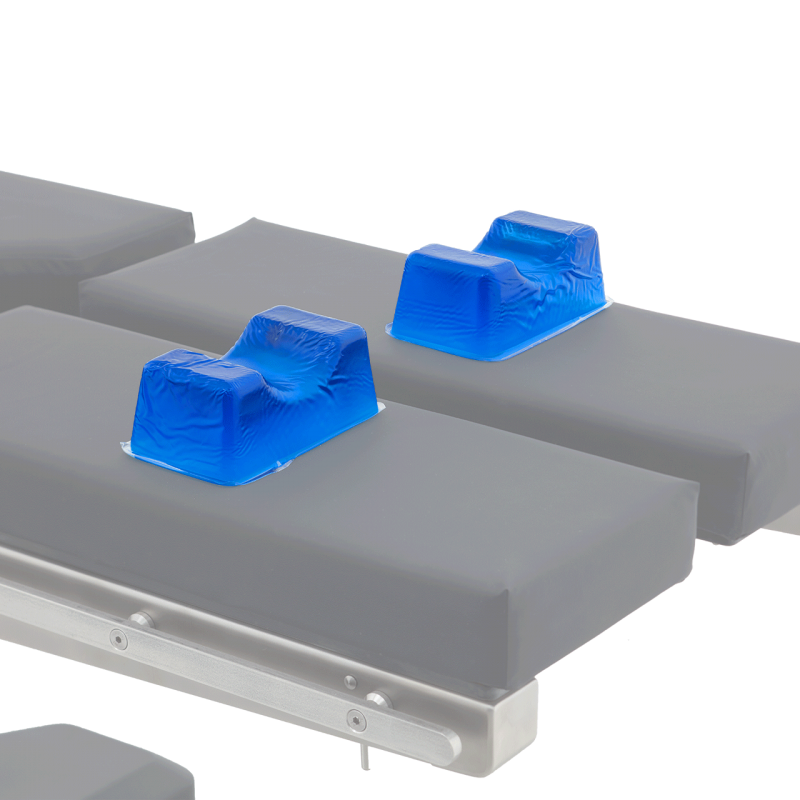
Prices visible to registered customers onlyGel Chest Roll with Flat Base, Adult OT60.55
Prices visible to registered customers onlyGel Chest Roll with Flat Bottom, Pediatric OT60.56
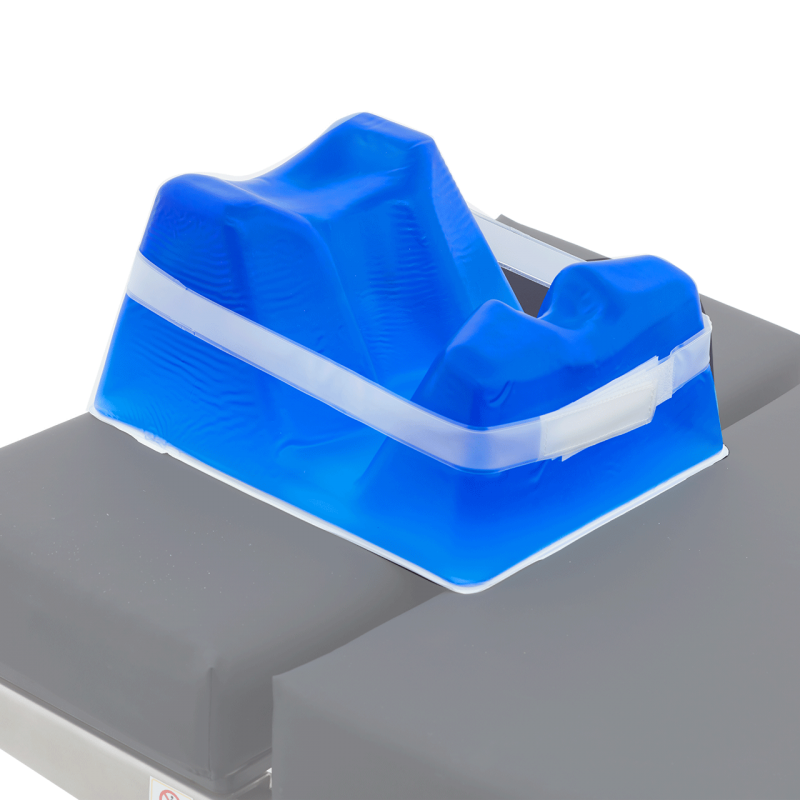
Prices visible to registered customers onlyGel Headrest, lying, OT60.57
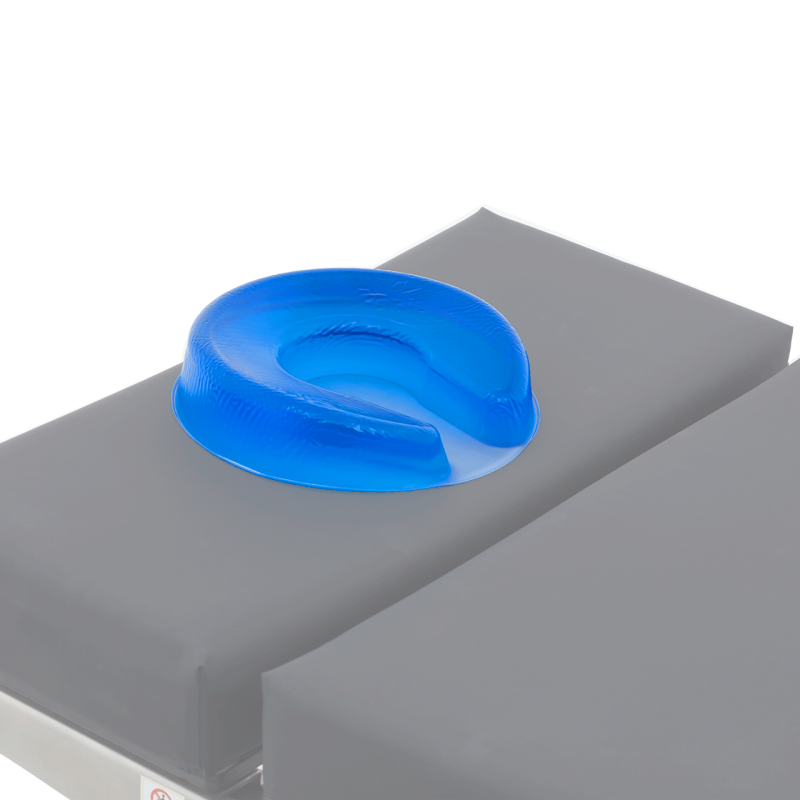
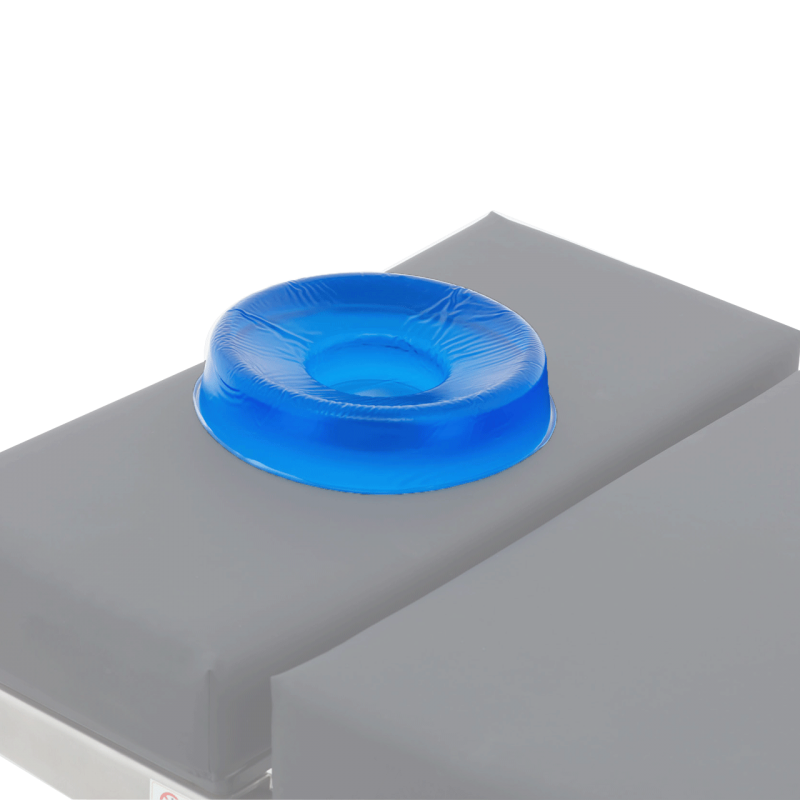
Prices visible to registered customers onlyGel Head Ring Open, Adult OT60.52
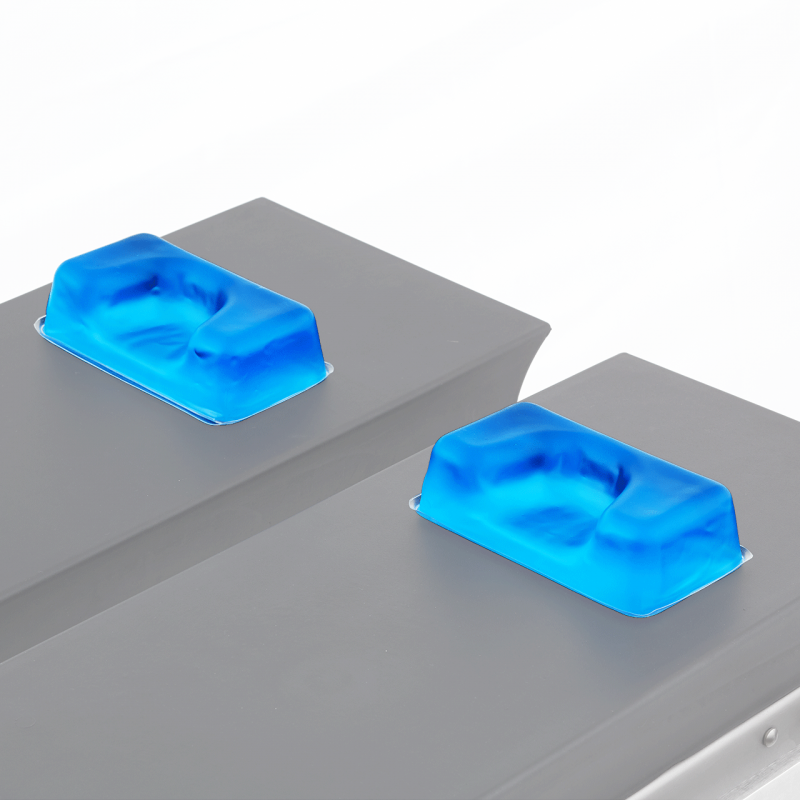
Prices visible to registered customers onlyGel Head Ring Open, Pediatric OT60.53
Prices visible to registered customers onlyGel Head Ring, Adult OT60.50
Prices visible to registered customers onlyGel Head Ring, Pediatric OT60.51
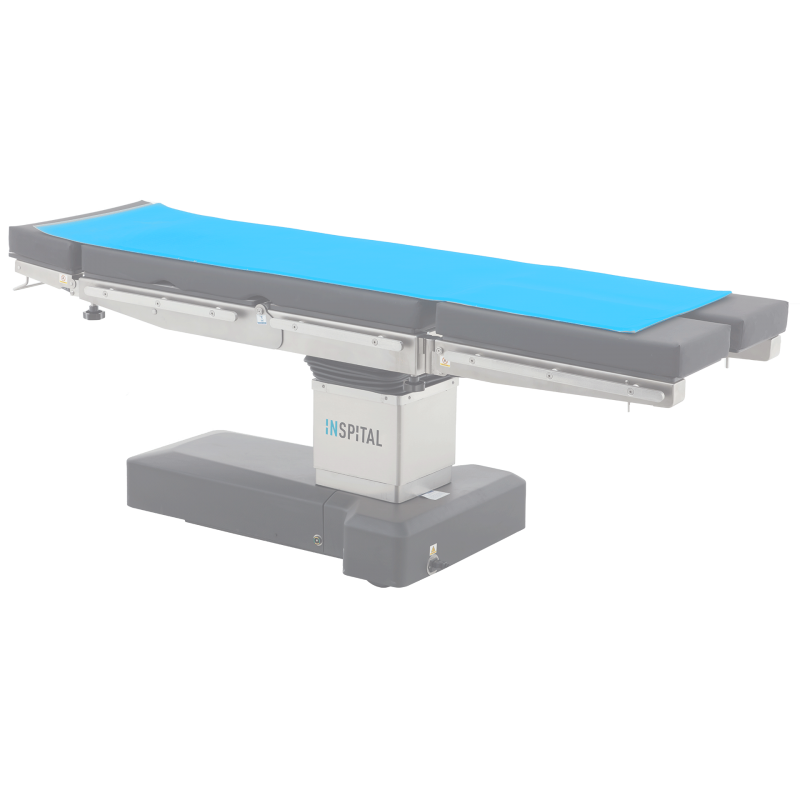
Prices visible to registered customers onlyGel surgical table pad, adult OT60.62
Prices visible to registered customers onlyOperating table images as visual support in everyday clinical practice
Operating table images play an important role in medical settings because they make complex workflows, positioning techniques, and technical functions visually easy to understand. In hospitals, training institutions, and operating departments, such images are used not only to show equipment, but above all to support medical staff in planning, performing, and following up on surgical procedures. Inspital GmbH provides operating tables whose design and functionality are often also used in medical imaging and visual documentation.
A key application of operating table images is illustrating patient positioning. Depending on the procedure, patients must be positioned in specific ways, for example supine, lateral, or in the Trendelenburg position. Images help depict these positions correctly and make them easy to follow. Especially for medical staff in training or new OR team members, visual representations are an indispensable tool for quickly learning standardized workflows and implementing them safely. In addition, operating table images enable a precise depiction of an OR table’s technical functions. Height adjustment, tilt angles, or the position of individual segments can often be understood much more clearly visually than through text alone. This makes day-to-day handling easier and helps the OR team adapt the table optimally to the respective procedure. Particularly for complex interventions that require multiple adjustments, images provide quick orientation.
Another important aspect is interdisciplinary communication in the hospital. Surgeons, anesthesiologists, and nursing staff must work closely together to ensure smooth processes in the OR. Operating table images serve as a shared visual basis for coordinating positioning strategies or device settings. Clear depictions help prevent misunderstandings and make workflows more efficient. Images are also highly relevant in medical documentation. They can be used to record specific positioning methods or technical settings and analyze them later. This is particularly important for quality assurance and the further development of OR processes. Inspital GmbH develops operating tables whose clear structure and modular design support precise, traceable documentation. Last but not least, operating table images help improve patient safety. Correct positioning is crucial to avoid complications such as pressure sores, nerve damage, or circulatory problems. Visual representations help medical staff implement these requirements consistently and maintain oversight even during complex procedures.
In summary, operating table images are an important tool in everyday clinical practice. They support training, improve communication in the OR, make technical functions easier to use, and contribute to patient safety. Combined with the well-designed solutions from Inspital GmbH, they provide practical and effective support for modern surgical processes.
Depicting positioning types with operating table images
Operating table images are particularly valuable when it comes to correctly depicting different patient positions. In surgery, precise patient positioning is a fundamental prerequisite for a successful procedure. Different types of surgery require specific positions that ensure both optimal access to the surgical site and patient safety. Inspital GmbH develops operating tables that support these requirements with flexible adjustment options and can be clearly represented in medical images.
One of the most common positioning types is the supine position, which is used for many standard procedures. Operating table images show the body’s even alignment as well as the positioning of the head, arms, and legs. This visual depiction helps OR staff implement the position correctly while avoiding pressure points. The use of pads and positioning aids can also be clearly illustrated with images.
Another important position is the lateral position, which is used in particular for thoracic surgery or orthopedic procedures. Operating table images illustrate the patient’s stable fixation and the necessary support provided by special positioning systems. Correct spinal alignment and securing against slipping are crucial to avoid complications. Visual representations provide clear guidance for the medical team.
The Trendelenburg position and its reverse form, the reverse Trendelenburg position, are also common applications in the OR. The patient is placed in a tilted position to facilitate access to certain organs or influence blood circulation. Operating table images show these tilts very clearly and help users better understand the exact angles and settings. Especially for complex procedures, this visual support is of great importance.
Specialized positions such as the lithotomy position or specific positions for minimally invasive procedures can also be effectively conveyed through images. These positions require precise coordination of table segments, padding, and accessories. The modular design of modern operating tables, such as those offered by Inspital GmbH, enables flexible adjustment that can be clearly and understandably shown in images.
In addition to depicting the position itself, securing the patient is also an important component. Operating table images show how belt systems, arm supports, or leg holders are correctly used to ensure stability. This is particularly important during longer procedures, where even small movements can lead to complications.
Another advantage of images is their use in education and training. Medical staff can learn from realistic depictions how to perform different positions correctly. This reduces sources of error and increases safety in everyday OR practice.
The importance of operating table images for OR education and training
Operating table images are highly valued in medical education and training. Especially in the operating room, where precision, teamwork, and standardized workflows are crucial, visual representations serve as an effective learning tool. They help make complex processes understandable and transfer theoretical knowledge into practical application. Inspital GmbH develops operating tables whose clear structure and versatile adjustment options make them particularly well suited for such visual training concepts.
In the training of medical professionals—especially OR nurses, anesthesia technologists, and junior doctors—understanding correct patient positioning is a core component. Operating table images make it possible to depict different positioning types realistically and teach their correct implementation. Using images, learners can see how individual table segments must be adjusted and which aids are used for stabilization.
A major advantage of images is their clarity and repeatability. While hands-on exercises are often time-limited, visual representations can be reviewed again at any time. This makes learning easier and helps correct workflows stick. Especially for complex positions or rare procedures, operating table images provide valuable support because they can always serve as a reference.
Images also play an important role in the simulation of OR workflows. In training situations or simulation centers, realistic scenarios are often run through to improve teamwork in the OR. Operating table images help prepare and visualize these scenarios. For example, they show the patient’s starting position or the necessary table settings for a specific procedure.
In addition, visual representations support the standardization of processes. In modern hospitals, it is important that workflows are clearly defined and implemented consistently. Operating table images can be included in training materials or guidelines, helping ensure that everyone works to the same standards. This reduces sources of error and increases safety in the OR.
Another aspect is international comprehensibility. Medical staff often work in international teams where different languages are spoken. Images offer a clear advantage here because they can be understood regardless of language barriers. Operating table images make it possible to convey important information quickly and unambiguously without extensive translations.
Images also remain relevant for experienced staff. They serve as a refresher and point of reference, especially with new equipment or changed workflows. For example, when a new operating table is introduced, visual representations can help staff quickly become familiar with the functions and adjustment options. Inspital GmbH supports this process with clearly structured, practical designs that integrate well into training materials.
Last but not least, operating table images help deepen understanding of relationships in the OR. They show how positioning, technology, and surgical access are connected and how changes in position can affect the course of a procedure. This holistic understanding is crucial for safe and successful surgical performance.
Operating table images therefore make an important contribution to education and ongoing professional development in the medical field. They promote understanding, improve communication, and support the safe use of modern OR technology in everyday clinical practice.
Operating table images to support interdisciplinary collaboration in the OR
In the modern operating room, different medical disciplines work closely together. Surgeons, anesthesiologists, OR nurses, and technical staff must coordinate their workflows precisely to ensure a safe and efficient procedure. In this complex environment, operating table images play an important role because they serve as a visual basis for communication and planning. Inspital GmbH develops operating tables whose clear structure and flexible adjustability enable transparent and easy-to-understand depiction in such images.
A key advantage of operating table images is the shared visualization of workflows. Before a procedure, the team can use images to discuss the planned patient position and define the necessary OR table settings. This creates a consistent starting point and reduces the risk of misunderstandings. Especially for complex operations involving multiple specialties, clear coordination in advance is essential.
Visual representations can also play a role during the procedure. Operating table images are used, for example, in training or as reference material to quickly review certain positions or settings. This is particularly helpful when adjustments are needed or when new team members are integrated into the workflow. Clear visual orientation supports smooth collaboration in the OR.
Another important aspect is coordination between surgery and anesthesia. The patient’s position affects not only access to the surgical site, but also monitoring and care provided by anesthesia. Operating table images help make these relationships visible and align the requirements of both areas. This ensures that both surgical and anesthesiological needs are optimally taken into account.
In addition, visual representations contribute to the optimization of workflows. When everyone involved has a clear picture of the desired position and OR table settings, preparations can be carried out faster and more efficiently. This reduces the time between individual steps and contributes to smooth processes in the operating room. Inspital GmbH supports this with operating tables that are intuitive to use and flexibly adjustable.
Operating table images also make an important contribution to error prevention. Clear depictions of positions and workflows allow potential issues to be identified early and avoided. For example, images can be used to check whether all necessary restraints are correctly applied or whether the positioning meets medical requirements. This increases safety for the patient and the entire OR team.
Another advantage is the option of documentation and debriefing. After a procedure, operating table images can be used to analyze the workflow and identify opportunities for improvement. This is particularly important in the context of quality management and internal training. Visual representations make workflows easier to understand and optimize.
Overall, operating table images promote interdisciplinary collaboration in the OR in many ways. They create a shared basis for understanding, support planning and execution of procedures, and contribute to safety and efficiency. Combined with the well-designed solutions from Inspital GmbH, they create optimal conditions for successful collaboration in the modern operating room.
Operating table images for patient safety and quality control
Operating table images play a central role in ensuring patient safety and quality control in the operating room. Correct patient positioning is a decisive factor in preventing complications such as pressure ulcers, circulatory disorders, or nerve damage. At the same time, operating table images are used to document workflows and standards and to drive continuous process improvement. Inspital GmbH manufactures OR tables whose clear segmentation, flexible adjustment options, and modular design make them ideal for precise visual documentation.
An important aspect is the preventive visualization of risks. Operating table images show how patients are correctly positioned, how arm and leg supports are attached, and which padding should be used. These depictions help the medical team identify and minimize potential hazards in advance. Especially for longer procedures or special positions, this can be crucial to reduce strain on the patient.
In addition, images contribute to the standardization of processes. By visually documenting recurring positions and settings, clinics can ensure that all procedures are performed according to the same quality guidelines. This is particularly relevant in larger hospitals where multiple OR teams use the same equipment. Operating table images help ensure compliance with standards and protocols and detect deviations early.
Another advantage of images is their role in education and continuing training. Junior doctors, nurses, or new team members can learn correct handling of an OR table more quickly using visual representations. This reduces the risk of errors during the procedure and ensures that patients are positioned optimally from the outset. Operating table images serve as a practical teaching tool that directly links theoretical knowledge with application in the OR.
Operating table images are also a valuable tool for documentation and follow-up. After surgery, images can be used to review positioning methods, table positions, and the use of aids. This supports not only quality management, but also internal analysis and continuous workflow optimization. Clinics can identify weak points and implement targeted improvements.
A particularly relevant aspect is the integration of images into digital systems. Modern OR tables from Inspital GmbH can be combined with documentation software or digital guidelines. Operating table images can be inserted directly into electronic patient records or training materials. This enables standardized, traceable documentation that is accessible at any time and further increases patient safety.
Finally, operating table images also help improve communication between OR team members. They create a shared visual basis on which decisions can be made. For example, an image can show which position is optimal for a procedure, and everyone involved immediately knows how the table needs to be set. This promotes collaboration, reduces sources of error, and increases efficiency throughout the procedure.
Operating table images in research, development, and clinical optimization
Operating table images are not only valuable in everyday OR practice and training, but also play a central role in research, development, and clinical optimization of surgical workflows. Modern operating rooms are highly complex environments in which technical equipment, medical standards, and patient safety must be aligned. Visual depictions of OR tables, positioning, and accessories help researchers, developers, and clinical staff analyze processes, improve them, and implement innovative solutions. Inspital GmbH offers tables whose modular design and flexible adjustment options enable precise and clear representation in images.
A key area of application is clinical research into positioning and access strategies. In surgical studies or evaluations of new surgical techniques, operating table images can document how patients are positioned and how table segments or accessories affect access to the surgical site. Such visual analyses allow conclusions to be drawn about ergonomic improvements, efficiency gains, and patient safety. Images make it easier to recognize complex relationships and make data-driven decisions.
In addition, images play an important role in the development of new OR tables and accessories. Designers and medical device engineers can use images to see how existing tables are used, which positions are frequently applied, and where improvements are possible. Visual data helps optimize the design of segments, pads, positioning aids, or accessories in an ergonomic and practical way. Inspital GmbH uses these insights to develop tables that meet both surgeons’ requirements and patients’ needs.
Another focus is quality assurance and optimization of existing workflows. Operating table images can be analyzed to review process steps in the OR, such as correct patient fixation or table adjustment during specific procedures. This visual review supports continuous improvement, minimizes errors, and ensures consistent implementation of standards across all operating rooms in a clinic.
Images are also an important tool in the training of clinical research teams. Using visual representations, staff can see how different table configurations respond to different patient types and procedures. This promotes a deeper understanding of the relationships between positioning, ergonomic adjustment, and surgical access, and increases both research quality and safety in the OR.
Operating table images are also helpful for simulation studies and training for new surgical techniques. In combination with modular, flexibly adjustable tables, virtual or practical scenarios can be depicted realistically. Researchers and clinical staff can test different positioning options, identify risks, and improve the efficiency of new methods. Inspital GmbH supports this approach with tables that are precisely adjustable and visually easy to follow.
Overall, operating table images demonstrate their high value in research, development, and clinical optimization. They support workflow analysis, the development of new solutions, quality assurance, and the training of medical teams. Combining clear images with the flexible, modular OR tables from Inspital GmbH creates a system that enables innovative, safe, and patient-friendly surgical processes and continuously improves them.
Digital use and future perspectives of operating table images
Operating table images are increasingly evolving into a digital tool that goes far beyond traditional depiction in the OR. In modern hospitals, images are used not only for training, documentation, and quality assurance, but are also integrated into digital systems to optimize workflows and support innovative technologies. Inspital GmbH focuses on OR tables that are modular, adjustable, and digitally compatible, so their images can be used in a wide range of applications.
A key trend is the integration of images into digital OR systems. Images of operating tables can be embedded directly into electronic patient records, digital training platforms, or OR planning software. This makes it possible to visually document positioning types, table positions, and accessories and retrieve them at any time. It simplifies procedure planning, supports communication between different specialties, and increases patient safety because every step is traceable.
In addition, 3D visualization of operating tables opens up new perspectives. Three-dimensional images or digital models make it possible to view table segments, positioning aids, and padding interactively. Surgeons and nursing staff can make virtual adjustments before the patient is actually positioned. This reduces sources of error, saves time, and contributes to precise, patient-friendly positioning. Inspital GmbH develops tables whose modular design makes this 3D representation particularly clear and realistic.
Another area is digital training and simulation. Operating table images are increasingly used in e-learning platforms, virtual reality simulations, or interactive training programs. Medical staff can practice positioning, table movements, and the use of accessories in virtual scenarios without burdening patients. This increases the team’s safety and competence in the OR and enables practical training under realistic conditions.
Analysis and optimization of workflows also benefits from digital images. By combining images, sensor data, and software, table movements, positions, and patient positioning can be documented and evaluated. Clinics can review processes, identify bottlenecks, and introduce improvements. Operating table images serve as the central visual reference that makes technical and ergonomic data easy to understand.
Another future aspect is integration into connected operating rooms. Operating table images can be linked with OR lights, monitors, surgical equipment, and robotic systems. This allows positions to be automatically adjusted or visualized before the procedure begins. It increases efficiency, reduces potential errors, and improves team coordination.
Digital images also open up the possibility of international standardization. Clinics worldwide can use consistent visual representations to understand positioning guidelines, table configurations, and safety measures. Operating table images thus contribute to harmonizing workflows and quality assurance on a global level.
Last but not least, digital operating table images are a tool for research and innovation. They enable the development of new positioning techniques, the analysis of ergonomic challenges, and the optimization of table designs. Inspital GmbH uses these images to continuously improve its tables, increase patient safety, and make OR workflows more efficient.
It is clear that operating table images are indispensable in the digital future of the OR. They support planning, training, simulation, process optimization, and innovation.