


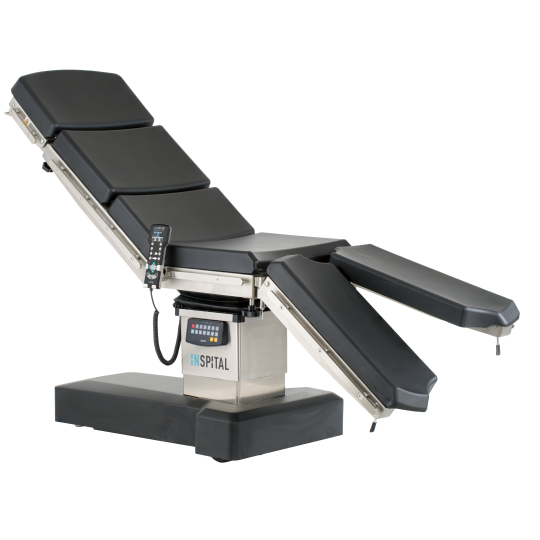
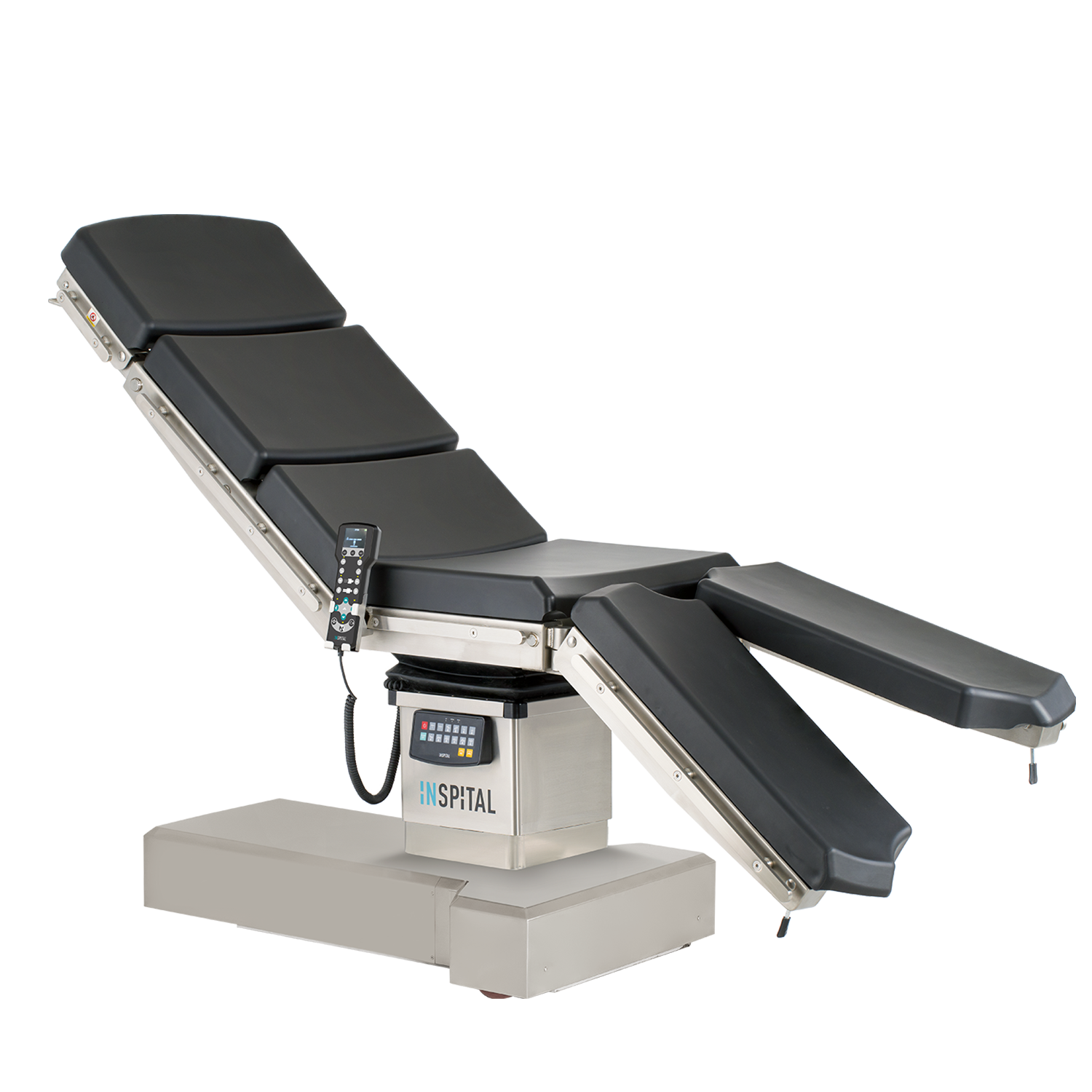
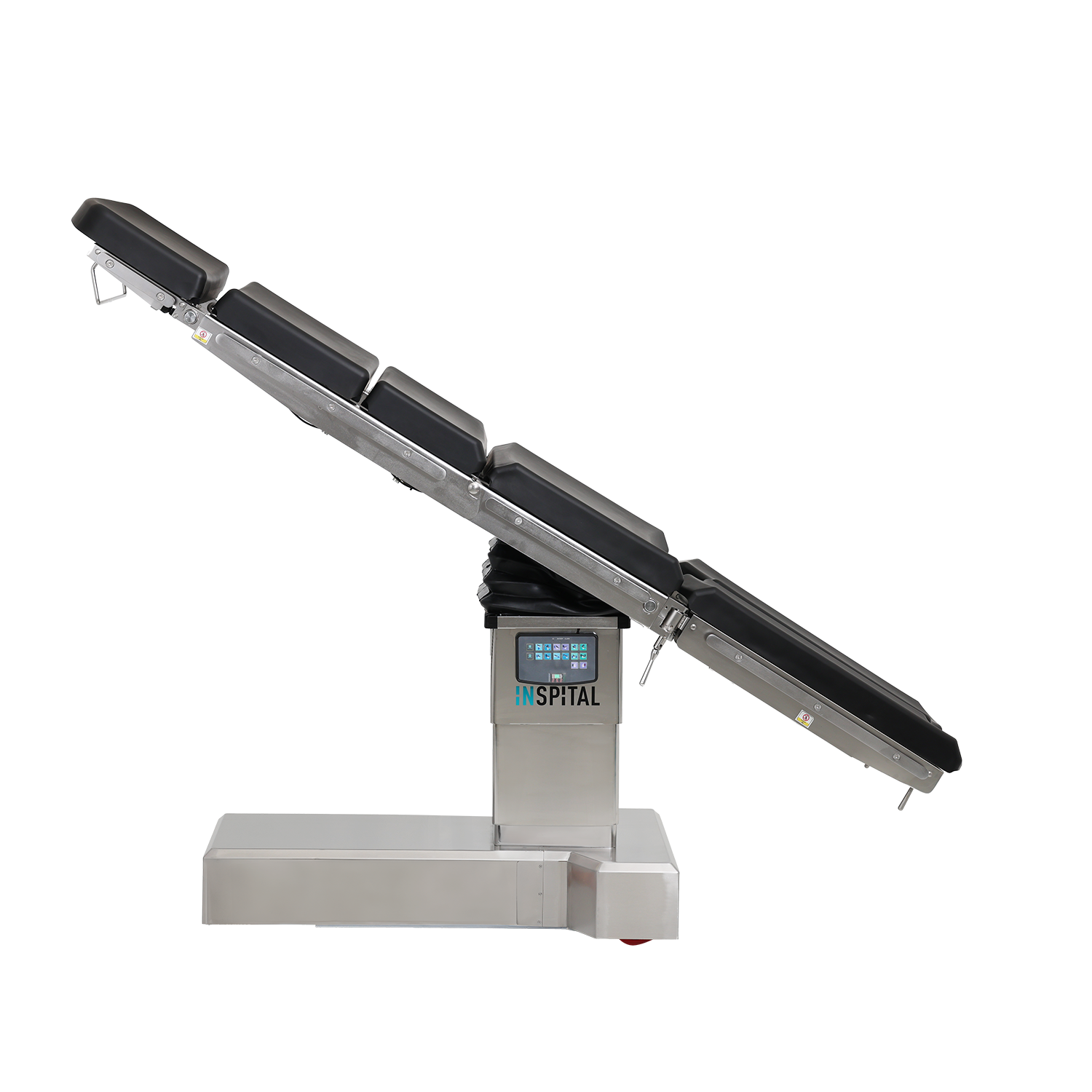
Operating Table OT80.20 NOVUS
Prices visible to registered customers only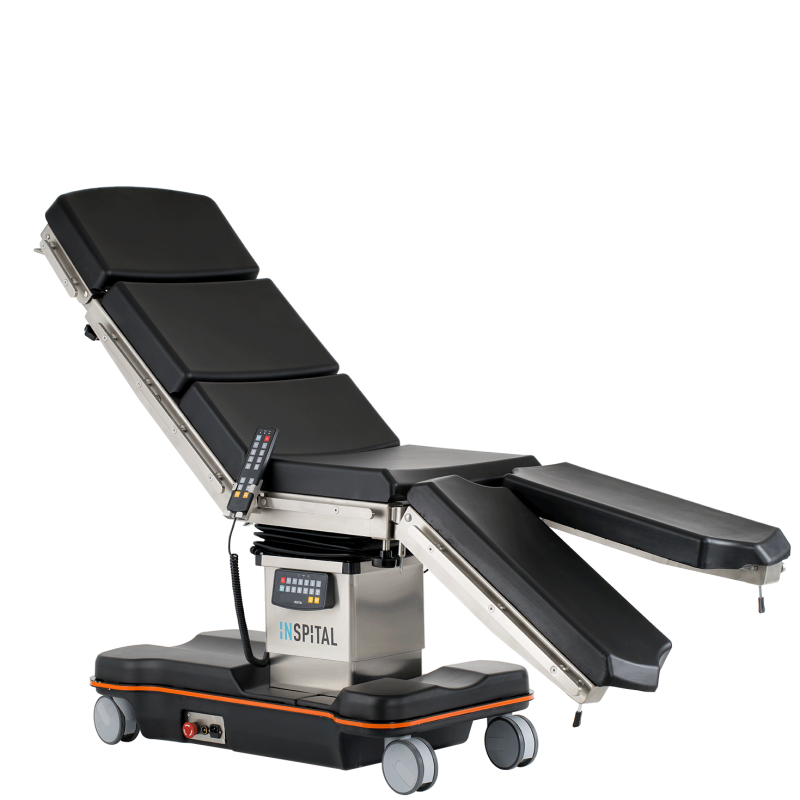
Operating Table OT80.25
Prices visible to registered customers only
Mobile Carbon Fiber Operating Table for Imaging Procedures C-Arm Imaging Table OT80.30
Prices visible to registered customers onlyIntroduction to the Cost Structure of Operating Tables
The acquisition of an operating table is a significant investment for clinics, outpatient surgical centers, and practices. The costs of an operating table are influenced by numerous factors that extend far beyond the initial purchase price. Especially with high-quality, modular systems like Inspital operating tables, it is crucial to consider the total costs over the device’s lifecycle.
Key factors include technical design, material quality, functional diversity, and accessory options. Inspital operating tables are made from durable materials that are corrosion and chemical resistant. While this impacts the acquisition costs, it also ensures a long service life and minimal maintenance requirements. High-quality tabletops, robust columns, and powerful drive systems also contribute to the overall costs but offer significant added value in terms of patient safety and ease of use. Another cost factor is the modular components. Inspital operating tables can be equipped with various segments, extension systems, and positioning aids. This flexibility allows for use in different surgical disciplines but increases the acquisition costs compared to simple standard tables. At the same time, this multifunctionality reduces the need to purchase multiple specialized tables, which is economically beneficial in the long run.
Technical innovations also influence the cost structure. Electric height adjustment, Trendelenburg functions, radiolucent tabletops, or intuitive control systems increase initial investment costs but improve workflow and ergonomics for the surgical team. This equipment is essential, especially for minimally invasive or image-guided procedures. In addition to the purchase price, follow-up costs also play a role. These include maintenance, spare parts, regular functional checks, and potential updates to control systems. Inspital offers durable components and service concepts for its operating tables that minimize maintenance efforts and make operating costs predictable. Finally, factors such as training for surgical staff, accessory purchases, and potential adaptations for specific specialties must also be considered. The overall view shows: an Inspital operating table is not just a purchase, but a long-term investment in safety, efficiency, and flexibility in the operating room.
Factors Influencing the Cost of an Inspital Operating Table
The cost of an operating table depends on several central factors. For Inspital operating tables, functionality, modularity, material quality, and technology play a particularly crucial role. These factors determine both the acquisition price and the long-term operating costs.
One of the most important cost drivers is the table’s features. Basic functions such as height adjustment, Trendelenburg, and anti-Trendelenburg positioning are standard, while additional functions like wireless controls, memory functions, or special accessory systems increase the price. Inspital operating tables offer a modular system here, allowing clinics to specifically choose functions relevant to their specialties. Material selection also influences the price. Inspital uses radiolucent tabletops, which enable the use of C-arms and other imaging procedures during surgery. At the same time, the column and base are made of robust, corrosion-resistant material. High-quality materials increase acquisition costs but ensure a long service life and low maintenance costs.
Another factor is modularity. Inspital operating tables can be flexibly adapted with extensions such as armrests, leg holders, extension systems, or special positioning elements. This versatility initially increases acquisition costs but reduces the need to purchase multiple tables for different specialties. Therefore, the modular design is economical in the long run. Technical innovations, such as electro-hydraulic or electro-mechanical drives, memory functions, ergonomic controls, and safety systems, also affect the price. They increase the investment outlay but ensure faster setup times, ergonomic working conditions, and higher patient safety.
Finally, external factors such as service offerings, warranty options, training, and scope of delivery influence the total costs. Inspital offers individually tailored service packages that cover maintenance and functional checks, making operating costs predictable. A careful analysis of these factors helps clinics find the economically optimal solution.
Comparison Between Standard and Premium Operating Tables: Costs and Added Value
When planning the acquisition of an operating table, hospitals, clinics, and outpatient surgical centers face the decision of whether a standard table or a premium operating table is the better choice. This decision influences both the initial investment costs and long-term economic efficiency. Inspital offers premium operating tables, which have higher acquisition costs compared to simple standard models, but are significantly more economical in the long run due to their technical characteristics, flexibility, and durability.
Standard operating tables are often limited to basic functions such as height adjustment and simple segment adjustment. They often consist of simpler materials that are less resistant to chemical cleaning agents or heavy use in daily clinical practice. While this lowers the initial acquisition price, long-term costs increase due to more frequent maintenance, spare part requirements, or a shorter lifespan. Furthermore, standard tables are usually optimized for only individual surgical specialties, meaning additional tables may be necessary for other disciplines, further increasing the total investment.
Inspital’s premium operating tables, on the other hand, rely on high-quality materials, modular design, ergonomic operation, and modern technical functions. Electro-hydraulic or electro-mechanical drive systems enable precise height and position adjustment. Radiolucent tabletops allow for intraoperative use of imaging systems like C-arms without the need to reposition the patient. While these additional functions increase the purchase price, they offer significant advantages for operational efficiency, patient safety, and the surgical team’s working comfort.
Another decisive factor is modularity. Inspital premium operating tables can be individually adapted to specific procedures with accessories such as arm and leg supports, shoulder rests, or extension systems. This flexibility means that one table can be used for multiple specialties, saving long-term costs for additional tables.
Long-Term Investment Costs and Lifecycle Costs of Operating Tables
When considering the costs of an operating table, it is not the pure acquisition price that is decisive, but the lifecycle costs. These include all expenses incurred over the lifespan of a table, including maintenance, spare parts, service, training, and potential expansions. Inspital operating tables are characterized by a well-thought-out design and high-quality materials that reduce long-term operating costs and make the investment sustainably economical.
A central element of lifecycle costs is the durability of materials and mechanics. Inspital operating tables are made of corrosion-resistant, chemical-resistant materials. The robust base, stable column, and durable tabletops ensure reliable function for many years. This minimizes failures, repairs, and the need for spare parts, which lowers long-term costs. Modularity also plays a central role. Inspital tables can be expanded over time with accessories such as armrests, extension systems, or special positioning aids without having to purchase a new table. This flexibility reduces the need for additional acquisitions, especially in clinics with multiple specialties. A multifunctional table can cover different surgical disciplines, significantly reducing lifecycle costs per unit of use.
Maintenance and service are further relevant factors. Inspital offers standardized service packages that include regular functional checks, software updates for control systems, and spare parts supply. This planning security helps avoid unforeseen costs. Training for the surgical team is also offered, so operating errors can be reduced and the table’s lifespan can be optimally utilized.
Another component of the long-term cost analysis is energy consumption. Electro-hydraulic or electro-mechanical drives are designed to be energy-efficient and contribute to reducing operating costs. At the same time, they increase the precision and safety of position adjustment, which indirectly reduces costs for potential complications. In addition, lifecycle costs can be reduced by minimizing OR changeover times. Inspital operating tables can be quickly adjusted to various positioning requirements and specialties. This reduces downtime between procedures, which improves the utilization of operating rooms and increases economic efficiency.
Overall, an Inspital operating table offers long-term economic efficiency despite higher acquisition costs. The combination of durable construction, modular expandability, maintenance-friendly technology, and efficient use ensures that the total operating costs over the lifespan can be significantly lower than with inexpensive standard tables.
Influence of Accessories and Extensions on Operating Table Costs
Accessories and extensions are crucial factors for the total cost of an operating table. Inspital operating tables have a modular design and can be individually adapted to different specialties with a wide range of accessories. While this initially increases acquisition costs, it has a positive long-term effect on economic efficiency, as multiple types of procedures can be covered with just one table.
Common extensions include armrests, leg holders, shoulder supports, extension systems, and special positioning aids. For orthopedics and trauma surgery, extension systems are necessary to precisely position extremities, while in gynecology and urology, leg holders are used for lithotomy positioning. The assembly of these components on Inspital tables is tool-free, which reduces setup times and makes surgical procedures efficient.
The choice of accessories directly influences the price. High-quality additional modules made of durable, disinfectant-resistant materials increase acquisition costs but ensure stability, safety, and hygienic standards. At the same time, clinics save money in the long run, as multifunctional accessories mean fewer tables need to be purchased.
Another influencing factor is adaptation to imaging procedures. Inspital offers radiolucent tabletops and accessory solutions that enable intraoperative diagnostics without the need to reposition the patient. Investing in this technology increases initial costs but reduces operative interruptions and complications, thereby indirectly lowering costs. The detachability of accessories also plays a role. Easily cleanable and quickly replaceable components facilitate hygienic reprocessing between operations. This saves personnel resources and reduces downtime, which also lowers lifecycle costs.
The strategic selection of accessories allows clinics to tailor the operating table precisely to their requirements without incurring unnecessary costs. Inspital tables thus offer an economical solution that optimally combines flexibility, safety, and efficiency.
Operating Table Costs: Economic Efficiency Through Multifunctional Operating Tables
Multifunctionality is a decisive aspect for the economic efficiency of operating tables. Inspital operating tables can be used for various surgical disciplines such as orthopedics, trauma surgery, gynecology, urology, or general surgery. A multifunctional table replaces several specialized tables, thereby significantly reducing acquisition and operating costs.
The modular design allows for quick conversion between procedures. Table segments, extension systems, and positioning aids can be assembled or exchanged without tools. This shortens setup times and increases efficiency in the OR. Especially in clinics with high patient throughput, this flexibility positively impacts economic efficiency.
Furthermore, multifunctionality helps ensure that investments pay off in the long term. New specialties, additional operating rooms, or changed procedural requirements can be covered with an existing table. The need to purchase additional tables is largely eliminated.
Another economic advantage is the reduction of inventory costs. Instead of maintaining several specialized tables and spare parts, a well-planned set of accessories and spare parts is sufficient for a multifunctional Inspital table. This not only saves money but also space and logistical effort.
Finally, multifunctionality ensures increased utilization of operating rooms. Shorter changeover times, flexible application possibilities, and the integration of modern techniques such as imaging or minimally invasive procedures increase efficiency and reduce idle times. This boosts the profitability of the entire OR area. Through the combination of modular design, technical versatility, and ergonomic usability, Inspital operating tables thus offer a sustainable economic solution for modern medical facilities.
Overall Assessment: Cost-Benefit Analysis for Inspital Operating Tables
The decision for an operating table is a significant investment for every clinic, hospital, and outpatient surgical center. Not only the acquisition costs play a role, but especially the long-term economic efficiency, the benefits for the surgical team, patient safety, and the system’s flexibility. Inspital operating tables offer a well-thought-out concept in this regard, justifying the higher acquisition price through a variety of advantages over the device’s lifespan. A comprehensive cost-benefit analysis shows that these premium operating tables are economically viable both in the short and long term.
A central point of the analysis is the durability and robustness of the tables. Inspital relies on high-quality materials, corrosion- and chemical-resistant surfaces, and robust drive systems that function reliably for years, even with intensive clinical use. This minimizes maintenance, reduces downtime, and lowers the cost of spare parts. While standard tables often require major repairs or replacement after a few years, Inspital tables pay for themselves through their lifespan and low susceptibility to faults.
Another essential factor is flexibility and multifunctionality. An Inspital operating table can be used for numerous surgical specialties through modular extensions and accessories such as arm and leg supports, extension systems, or radiolucent tabletops. This reduces the need to purchase multiple specialized tables, saving both investment costs and storage capacity. Clinics thus benefit from a single, versatile system that can cover various types of procedures.
Operational efficiency is further increased by intuitive operation, quick assembly of accessories, and stepless positioning. Memory functions and electro-hydraulic control allow positions to be repeated faster, which reduces changeover times between operations and increases the utilization of operating rooms. Higher efficiency directly leads to cost savings, as OR resources are optimally utilized and personnel time is used more effectively.
Patient safety and ergonomics also have a long-term impact on the cost-benefit balance. Pressure-relieving pads, gentle movements, and stable construction reduce the risk of positioning injuries. At the same time, the ergonomic design of the table supports the surgical team in avoiding physical strain and working precisely. Fewer complications and higher quality of operations indirectly lower costs through shorter hospital stays and fewer follow-up treatments.
Not to be overlooked are Inspital’s service and maintenance packages, which enable predictable operating costs. Regular functional checks, spare parts supply, and staff training ensure smooth operations and minimize unforeseen costs. Clinics thus receive a reliable overall system that can be operated efficiently and economically for years to come.