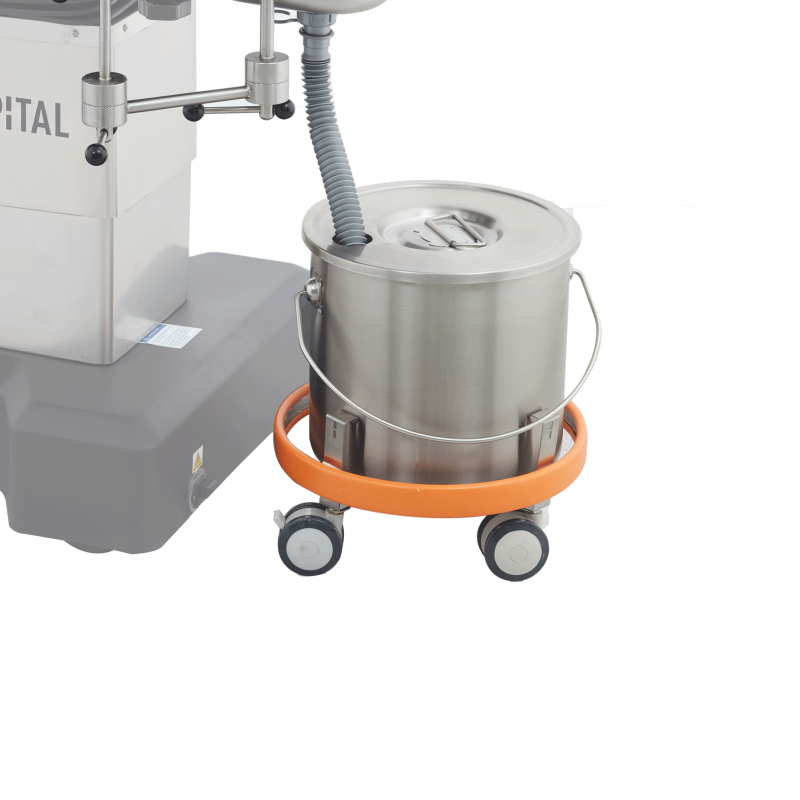
The Central Importance of the Hospital Operating Table

The hospital operating table is the central element of every operating room. It forms the foundation for safe, precise, and efficient surgical procedures and is therefore an indispensable tool in modern clinics. The requirements for an operating table in a hospital are very high today: it must safely position patients of all sizes and weight classes, enable surgical procedures of all kinds, ensure patient comfort, and simultaneously support the ergonomics of the medical staff. Inspital GmbH develops hospital operating tables that meet all these criteria and stand out through innovative technology, robust materials, and flexible adjustment options.

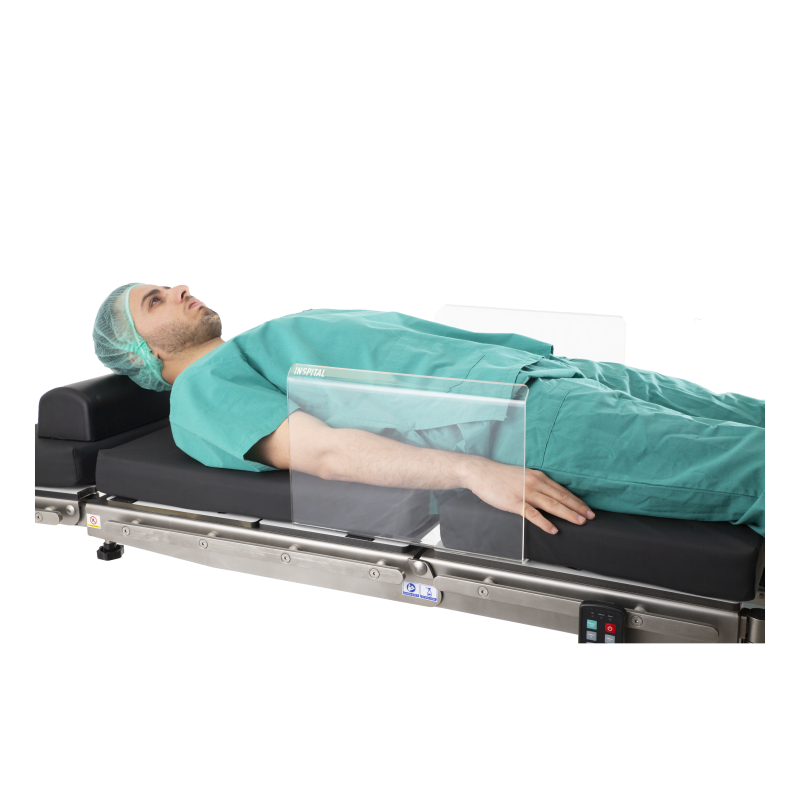
A crucial aspect is patient safety. During operations, patients often spend several hours in a lying position, sometimes in unusual or tilted positions required for specific procedures, such as Trendelenburg or reverse Trendelenburg. A stable operating table prevents the patient from slipping, minimizes the risk of pressure sores, nerve damage, or circulatory disorders, and thus ensures safe positioning throughout the entire operation. High-quality padding and segmented lying surfaces adapt to the body contour, which significantly increases patient comfort without impairing accessibility for the surgical team. Ergonomics for the OR staff is another crucial factor. Surgeons, anesthesiologists, and nursing staff often have to work precisely for hours, which can lead to physical strain, muscle tension, and fatigue without ergonomic support. Hospital operating tables from Inspital GmbH offer stepless height adjustment, tilt and tip options that can be adapted to the height and position of the treating personnel. This reduces physical strain, increases concentration, improves precision during procedures, and supports efficient workflows in the operating room.

Furthermore, the flexibility of the operating table plays a major role. Different operations require different positioning and adjustments, both for minimally invasive procedures and for orthopedic or neurosurgical operations. Hospital operating tables from Inspital GmbH are modularly designed, so that head, torso, arm, and leg segments can be individually adjusted or exchanged. This modular design allows one table to be used for different patient types and procedure types, eliminating the need to purchase multiple table types. Another important point is the integration of technical accessories. Modern hospital operating tables can be equipped with armrests, head and leg supports, and positioning aids that can be quickly attached or removed depending on the procedure. Many models can also be integrated into digital OR systems, so that lighting, monitors, and surgical equipment are optimally coordinated with the position of the table. This improves the efficiency of the OR team and supports precise work.

Also, hygiene and easy cleaning are indispensable factors. Hospital operating tables come into direct contact with patients and must be easy to disinfect to minimize infection risks. Inspital GmbH uses washable, antimicrobial materials that are durable and resistant to disinfectants. Seamless padding, smooth surfaces, and removable segments facilitate thorough cleaning and ensure that hygiene in the OR is maintained at all times. In summary, the hospital operating table is far more than a lying surface. It combines safety, flexibility, ergonomics, comfort, hygiene, and technical functions in one device. With tables from Inspital GmbH, clinics benefit from stably positioned patients, efficient workflows, comfortable ergonomics for the OR staff, and the highest patient safety. A modern hospital operating table thus forms the foundation for successful operations and a smooth process throughout the entire operating room.

Technical Features and Equipment of the Hospital Operating Table

Modern hospital operating tables are far more than simple lying surfaces. They are highly developed medical devices that combine precision, stability, flexibility, and ease of operation. Inspital GmbH develops hospital operating tables that fully meet these requirements and are simultaneously designed for durability, safety, and ergonomics. The technical design and equipment of these tables play a crucial role in the successful execution of surgical procedures.

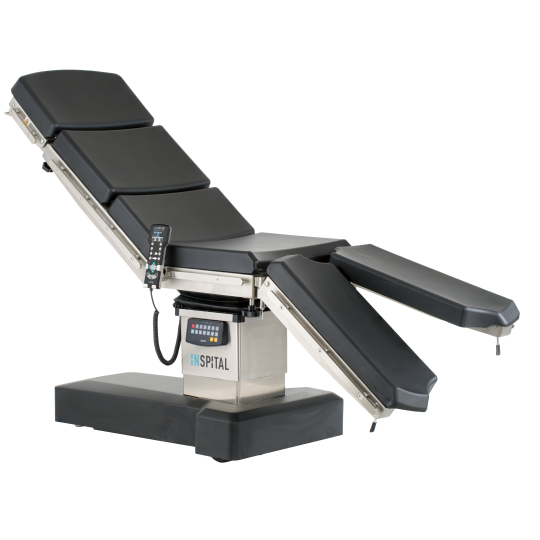
A central feature of modern hospital operating tables is the electric control of height and tilt. Height adjustment, tilt, Trendelenburg or reverse Trendelenburg positions can be adjusted steplessly. This allows the OR team to set the optimal position for each procedure and simultaneously improve ergonomics for surgeons and assistant staff. In many models from Inspital GmbH, these positions are programmable, so that frequently used settings can be recalled at the touch of a button, saving time and increasing efficiency in the OR.

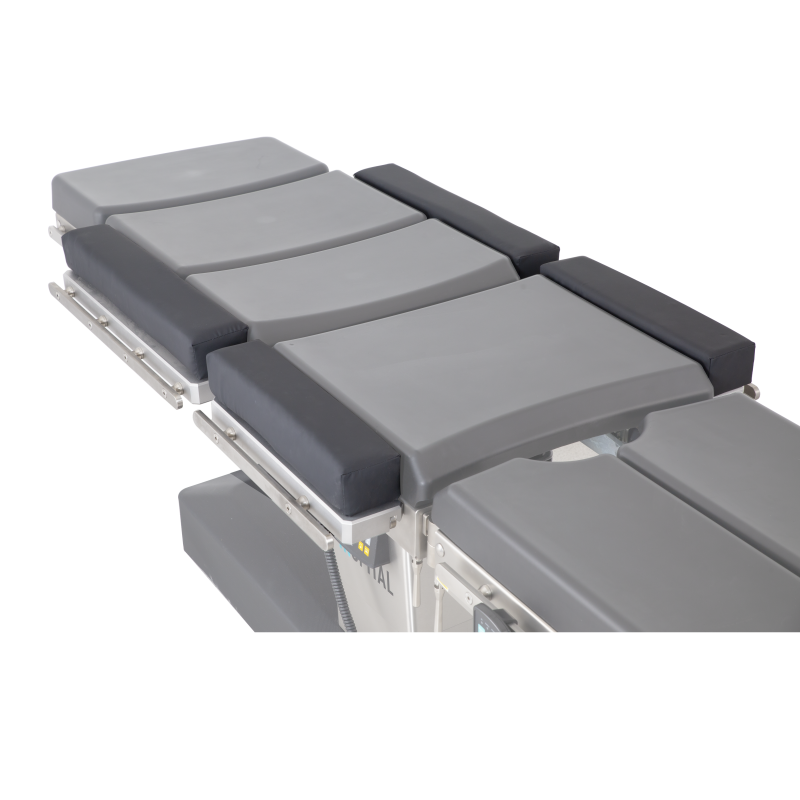
Another technical highlight is the modular design. Head, arm, torso, and leg segments can be adjusted or exchanged independently of each other. This enables adaptation to different operations, patient types, and positioning requirements. Clinics therefore need fewer different table types, while the same table can be used flexibly for various procedures. Modularity also increases ease of maintenance, as individual components can be quickly replaced if needed.

Furthermore, hospital operating tables are equipped with extensive safety mechanisms. Non-slip surfaces, overload sensors, stable locks, and emergency shutoffs ensure that patients are safely positioned at all times. Even in the event of a power failure or technical problems, many models can be manually brought into a safe position, minimizing the risk of accidents in the OR. Inspital GmbH places great emphasis on these safety features, which reliably support patient care.

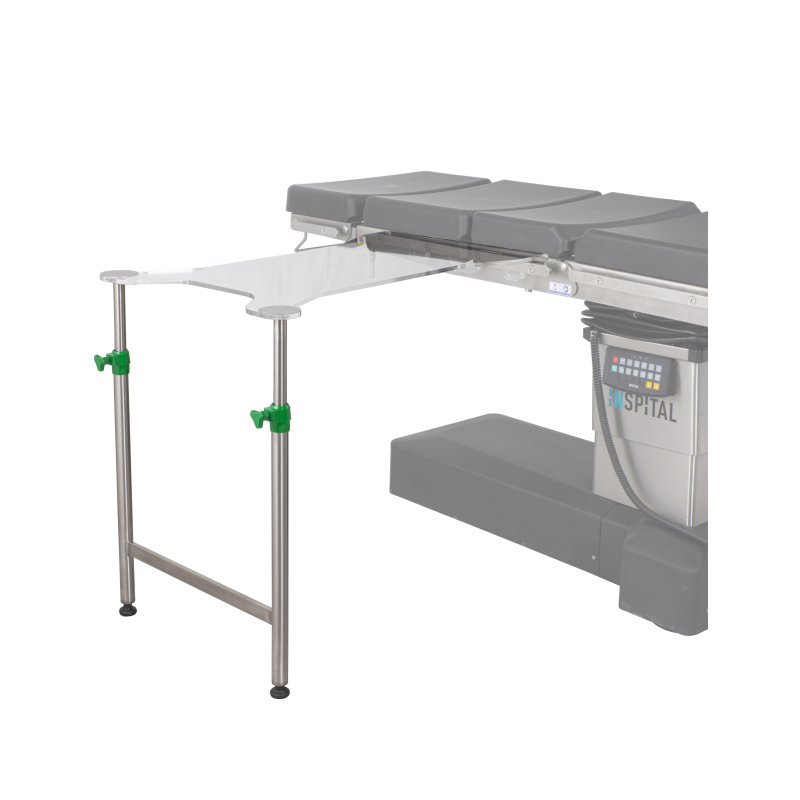
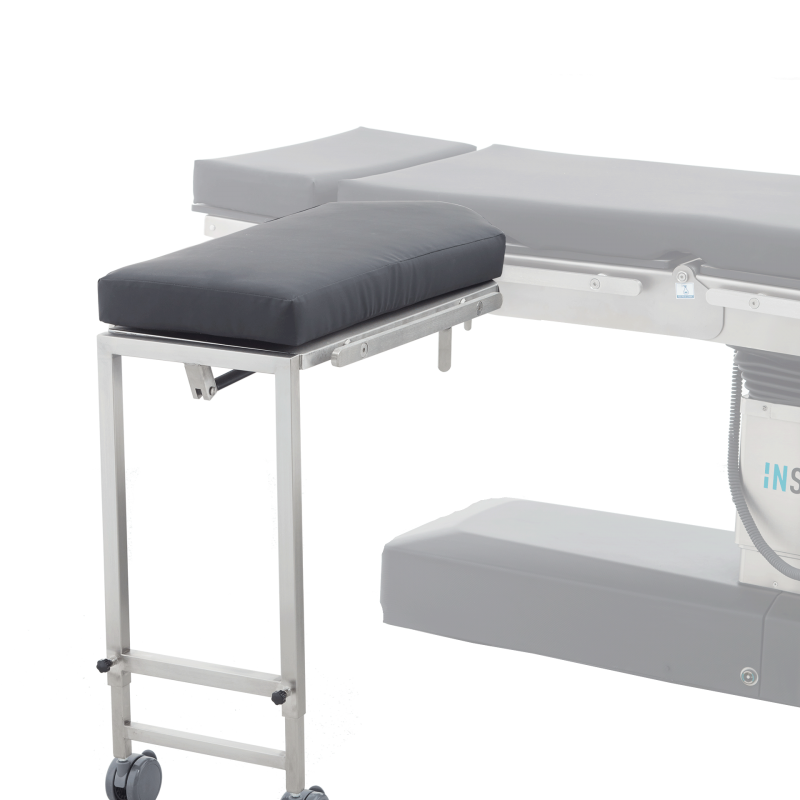
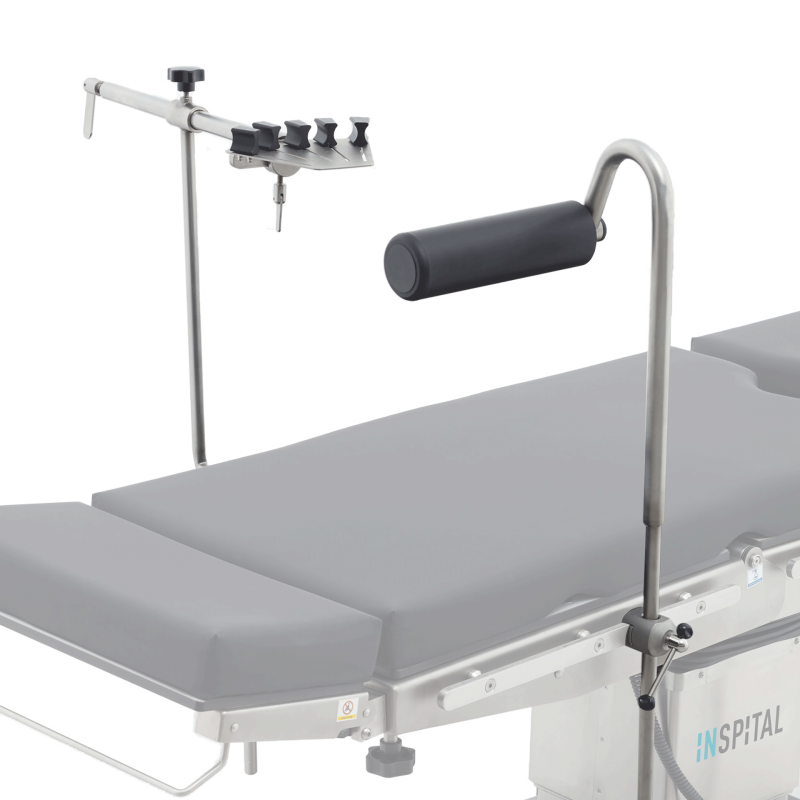
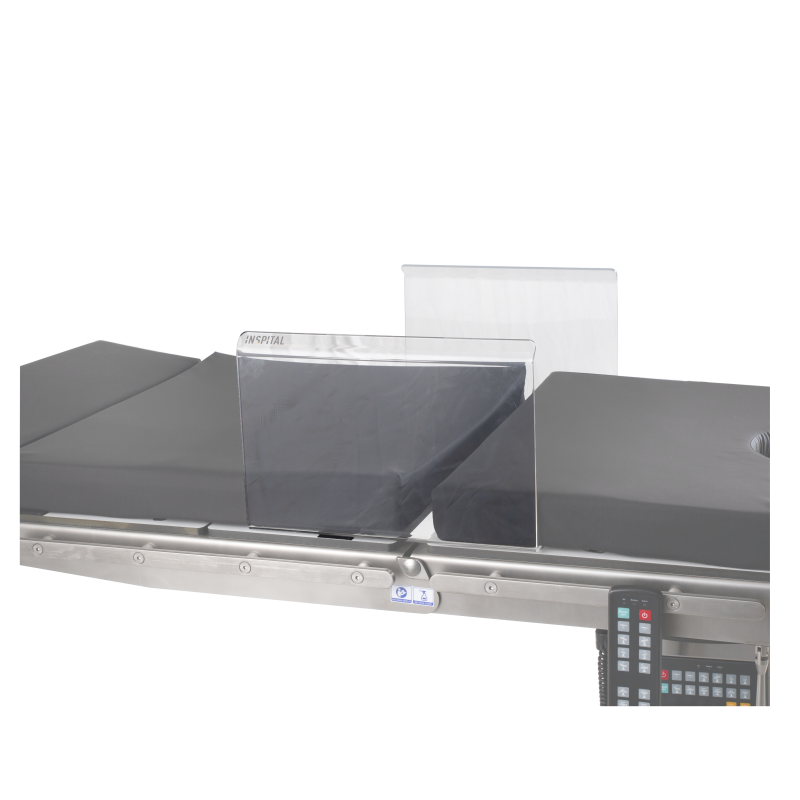
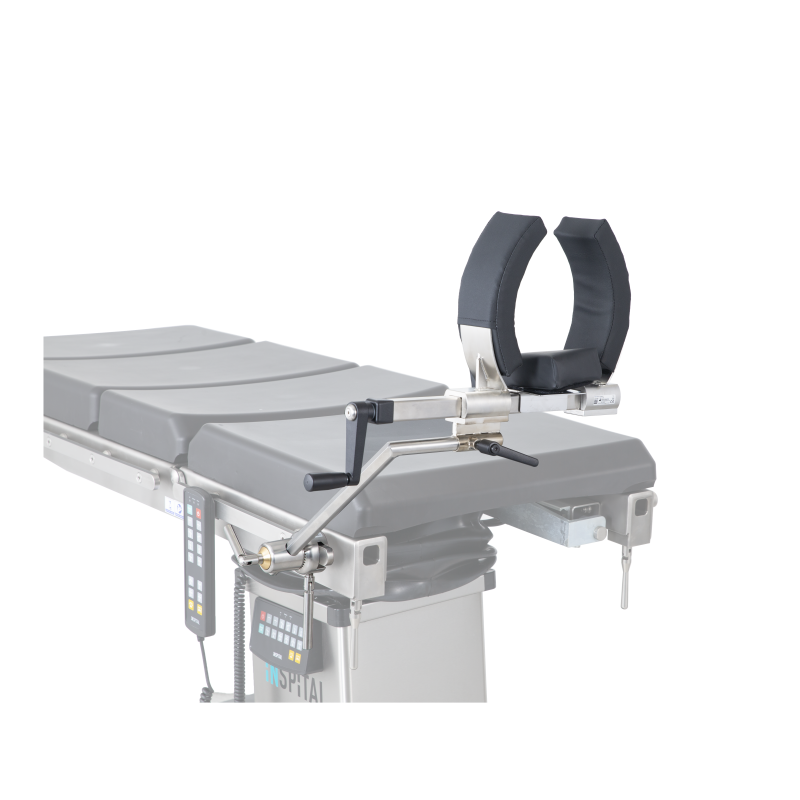
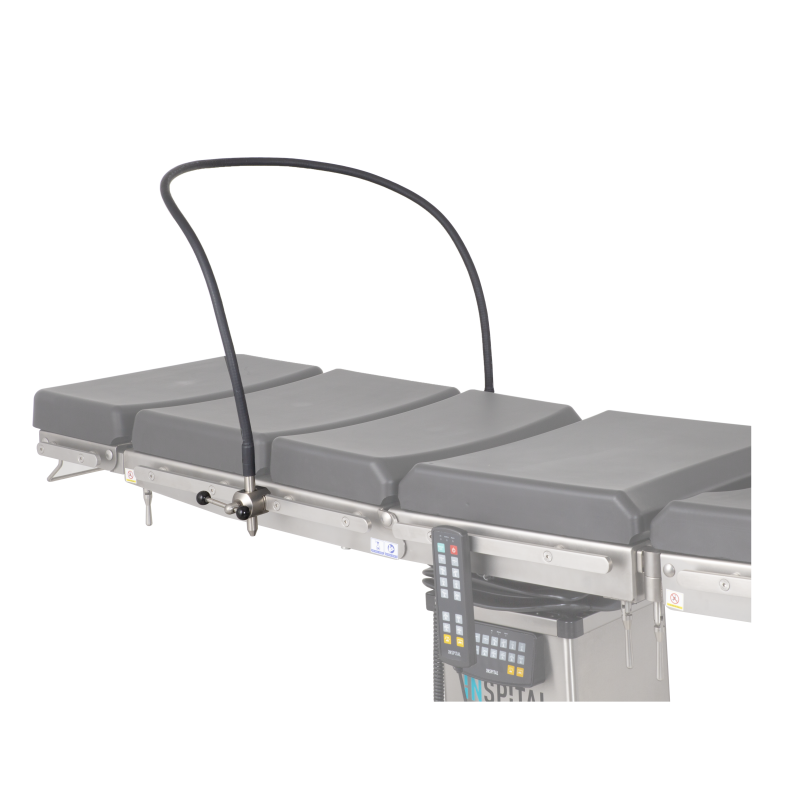
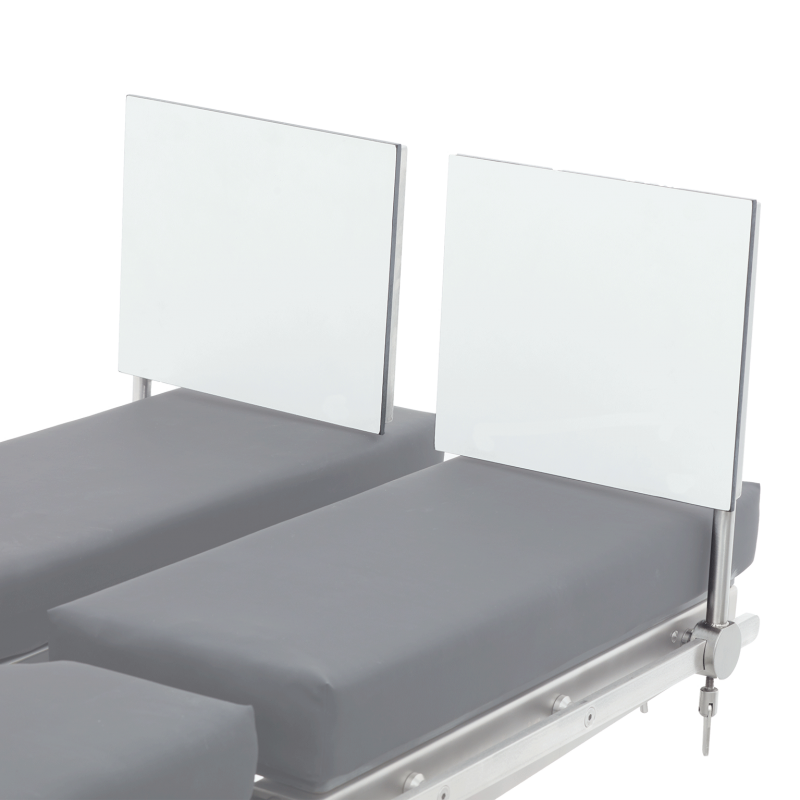
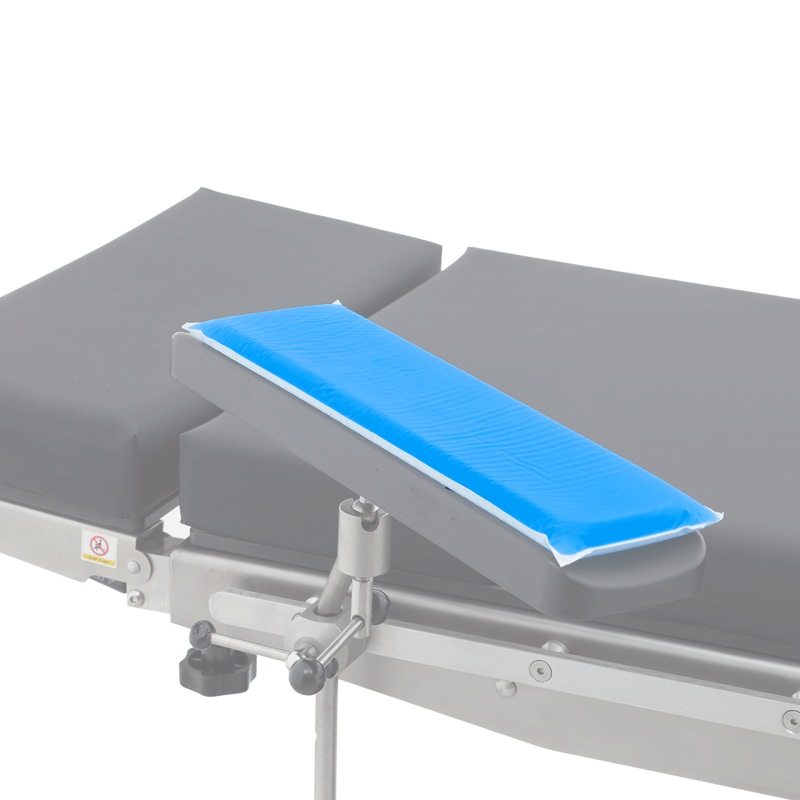
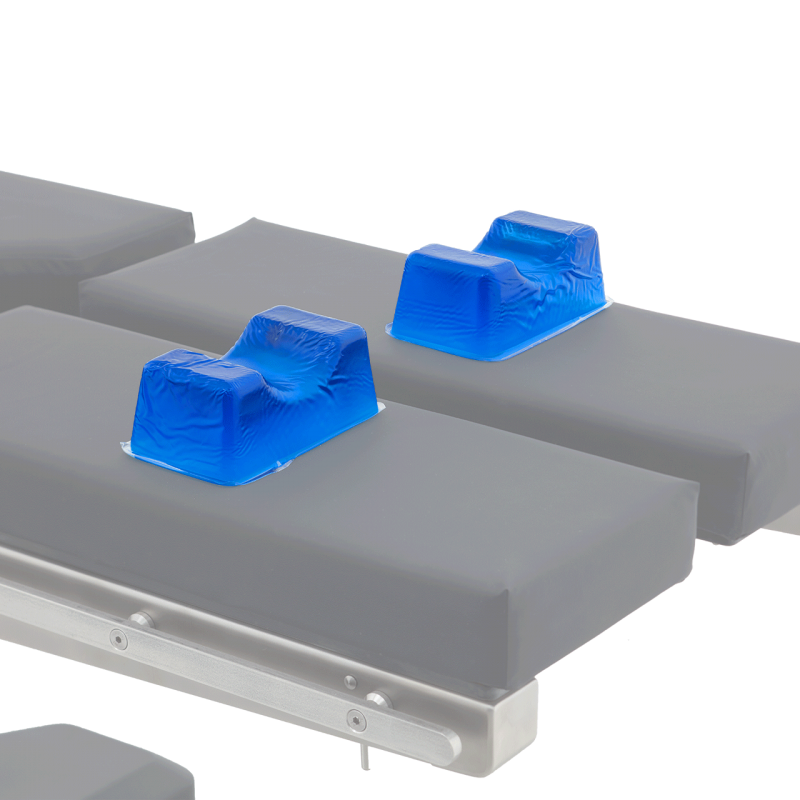
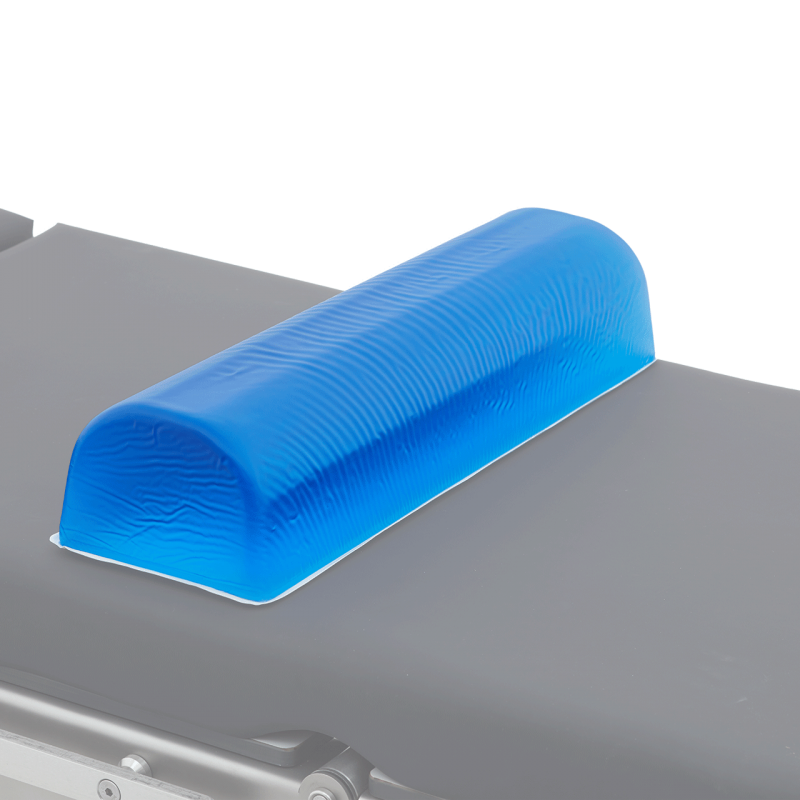
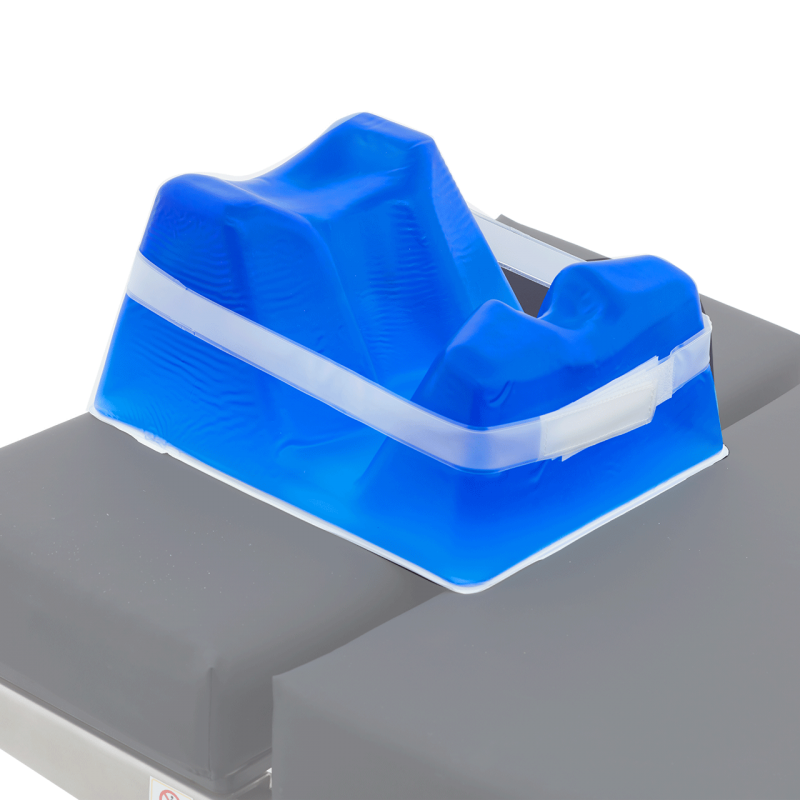
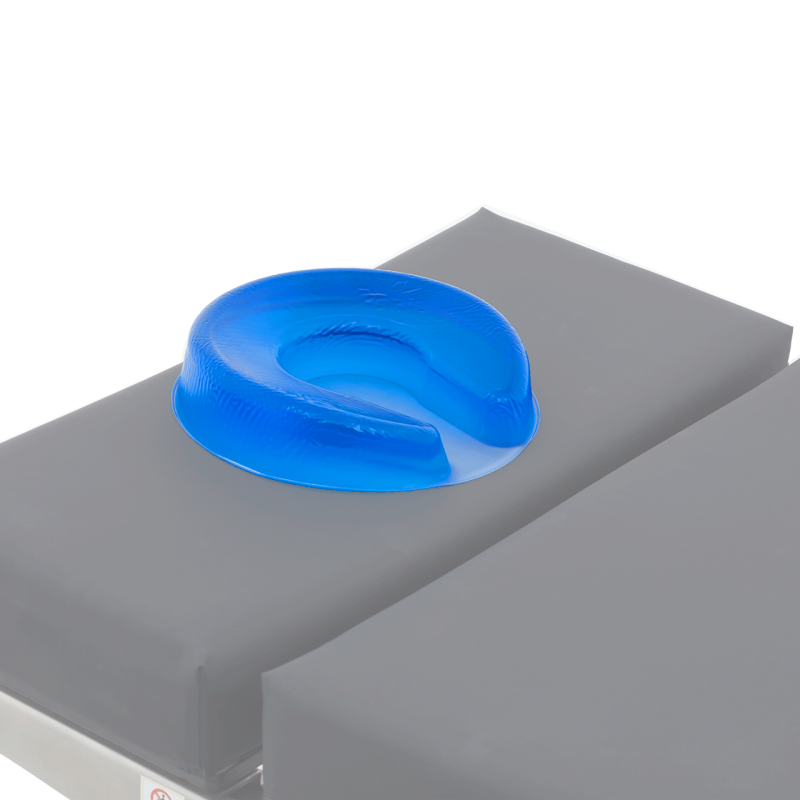
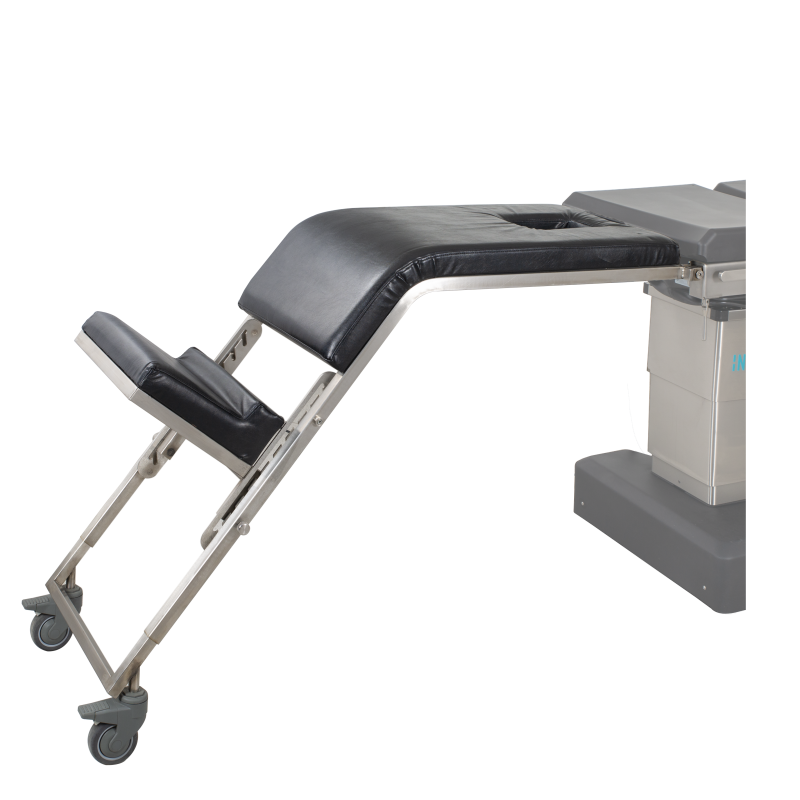
The integration of accessories is another advantage. Armrests, head cushions, leg supports, or special positioning aids can be easily attached or removed without compromising stability. Some models offer interfaces for integrating OR lights, monitors, or surgical equipment. Thus, the table becomes a central element of the digital and networked OR, optimizing the workflows of the team and supporting the precision of surgical procedures.

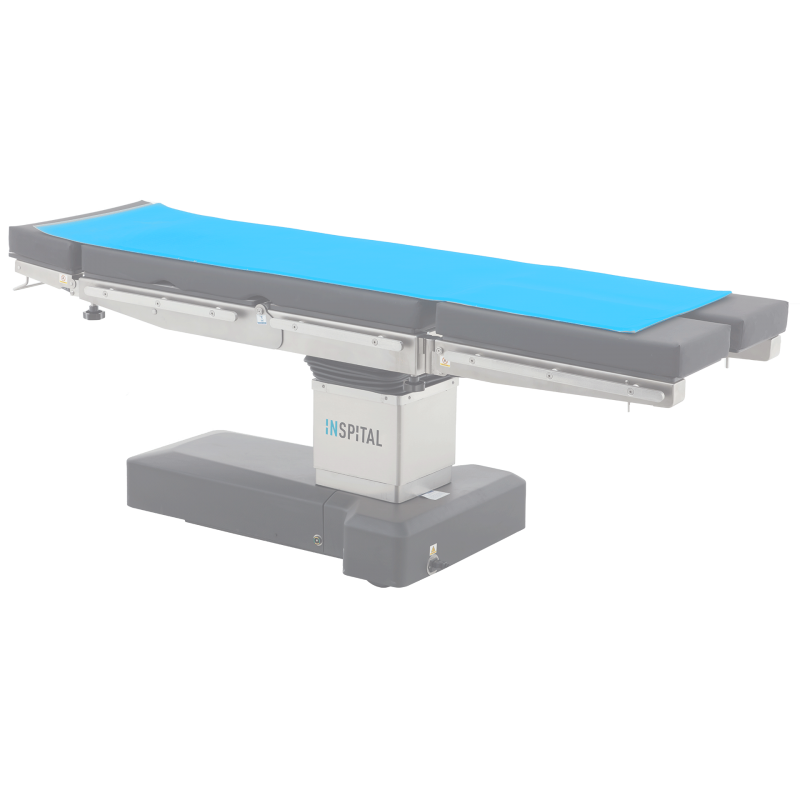
The choice of materials also plays a crucial role. Inspital GmbH uses high-quality medical foams for padding, washable and antimicrobial covers, and stable steel frames. These materials ensure durability, hygiene, and load capacity, even with frequent use and intensive cleaning. They contribute to making the table safe, stable, and comfortable for both staff and patients.

In summary, the technical equipment and functionality of a hospital operating table form the foundation for successful and efficient operations. Inspital GmbH combines electric control, modular segments, extensive safety mechanisms, accessory integration, and high-quality materials into a flexible, durable, and reliable system. Clinics thereby benefit from optimally positioned patients, ergonomic support for the OR staff, and a smooth, safe process in the operating room.

Ergonomics and Patient Comfort with the Hospital Operating Table

The ergonomics of a hospital operating table play a crucial role for both patients and OR staff. An operating table must be designed so that it positions patients stably, safely, and comfortably while simultaneously providing surgeons, anesthesiologists, and nursing staff with an ergonomic working environment. Inspital GmbH develops hospital operating tables that meet these requirements and optimally combine patient comfort, safety, and efficient workflows in the OR.

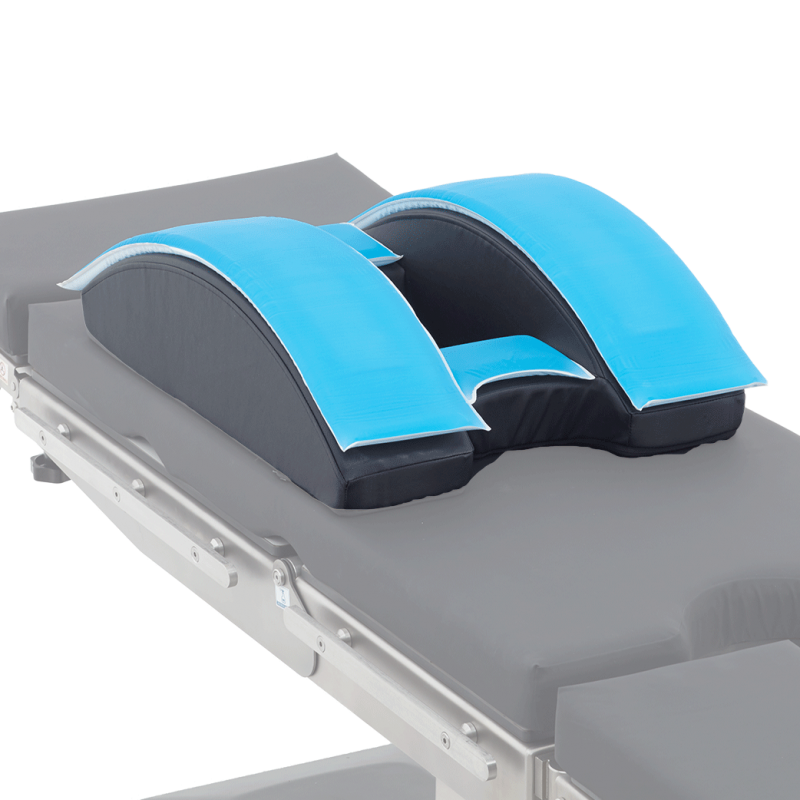
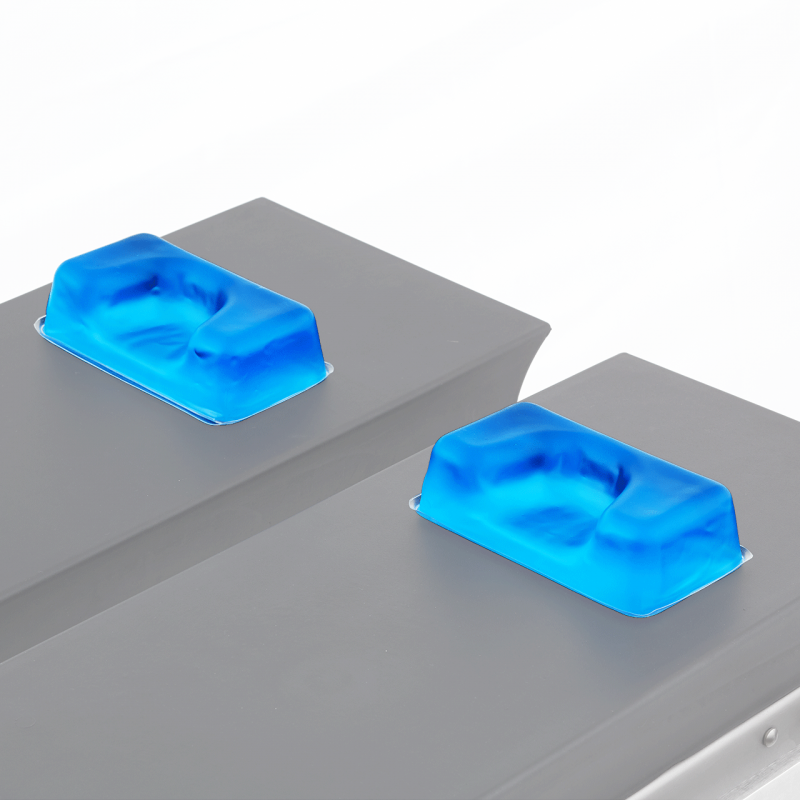
For patients, proper positioning during an operation is particularly important. Longer procedures, sometimes lasting several hours, require precise positioning to avoid pressure sores, nerve damage, or circulatory disorders. Modern operating tables feature pressure-relieving padding that adapts to the body contour while being hygienic and easy to clean. Segmented lying surfaces for head, torso, arms, and legs enable individual adjustments, so that each patient is optimally positioned, regardless of size or weight. Ergonomics for the OR staff is equally crucial. Surgeons and nursing staff often stand in stressful positions for hours. Hospital operating tables from Inspital GmbH can be adjusted steplessly in height, tilt, and tip. This allows staff to adopt a healthy posture, back pain and muscle tension are reduced, and concentration is maintained throughout the entire operation. Ergonomic table positioning thus directly contributes to more precise procedures and a more efficient process in the OR.

Another feature that combines ergonomics and comfort is the flexible adaptation to different types of operations. Trendelenburg or reverse Trendelenburg positions, lateral tilts, or special positioning for minimally invasive procedures can be easily adjusted. The movements are smooth and controlled, so that patients are not unnecessarily stressed and sterile processes are not interrupted. This is particularly an advantage in high-traffic operating rooms, as quick adjustments are possible without compromising comfort or safety.

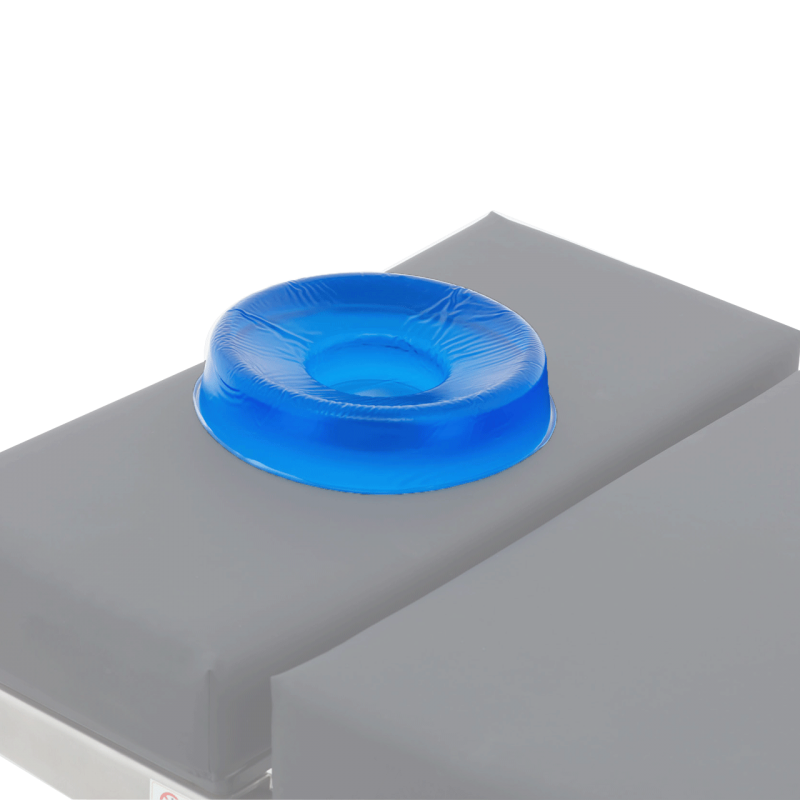
Also, the integration of accessories increases comfort. Headrests, arm and leg supports, positioning aids, or special cushions can be quickly attached or removed depending on the procedure. The modular design allows the table to be precisely adapted to the needs of the patient and the requirements of the OR team. This supports precise work, increases patient comfort, and reduces risks during the operation. The choice of materials also plays an important role for comfort and ergonomics. Inspital GmbH uses durable, pressure-relieving foam padding and breathable, antimicrobial covers. Stability and robustness of the frame ensure that safety and positioning are maintained even during complex movements and higher patient loads.

In summary, ergonomics and patient comfort are closely linked and contribute decisively to the quality of operations. Hospital operating tables from Inspital GmbH offer flexible positioning options, pressure-relieving padding, modular segments, and ergonomic height and tilt adjustment. This creates a safe, comfortable environment for patients and supports surgeons and the OR team in precise, efficient procedures. An ergonomic and comfortable hospital operating table is thus a central factor for successful operations and satisfied patients.

Hygiene, Cleaning, and Maintenance of the Hospital Operating Table

Hygiene is essential in hospitals, especially in the operating room. The hospital operating table comes into direct contact with patients and is therefore a central point for infection prevention. Cleanliness and easy disinfection are crucial to minimize the risk of postoperative infections and ensure the highest safety standards. Inspital GmbH develops hospital operating tables that meet the highest hygienic standards and simultaneously enable easy maintenance and care.

A central aspect of hygiene is the choice of materials. Inspital GmbH uses washable, antimicrobial surfaces for padding and frames that are resistant to disinfectants. These materials retain their stability and shape even after numerous cleaning cycles. The surfaces are designed so that they quickly and completely repel liquids, blood, or other contaminants, thereby minimizing the risk of infection.

The design structure of modern hospital operating tables also supports hygienic handling. Seamless padding, smooth surfaces, and removable segments prevent dirt or liquids from accumulating in hard-to-reach areas. Head, arm, torso, and leg modules can be removed if necessary and thoroughly disinfected. This thoughtful design saves time during cleaning and ensures that the operating table is always ready for use. Also, ease of maintenance is crucial for long-term operation. Electrical components, controls, and motors are easily accessible, so that regular inspections and minor repairs can be carried out without great effort. This reduces downtime and ensures that the operating table functions reliably at all times. Inspital GmbH designs its tables so that maintenance work can be carried out quickly and easily, thereby increasing efficiency and safety in OR operations.

Another advantage of hygienic tables is the reduction of downtime and costs. Tables that are easy to clean and maintain can be put back into operation for surgeries more quickly. This saves time, minimizes interruptions in OR operations, and provides economic benefits, as expensive replacement purchases are reduced. The integration of accessories and additional modules is also designed for hygiene and easy care. Removable armrests, head or leg supports can be easily cleaned or replaced if necessary. Inspital GmbH ensures that accessory parts are robust, easy to disinfect, and compatible with the main frame to consistently maintain hygienic standards.

Inspital GmbH combines washable, antimicrobial materials, modular segments, and easily accessible technical components to ensure safe, clean, and durable operation. Clinics benefit from lower infection risks, more efficient workflows, and high reliability of the operating table—for patient safety, OR staff, and the entire hospital organization alike.

Flexibility and Adjustment Options of the Hospital Operating Table

Flexibility is one of the decisive features of a modern hospital operating table. No surgical procedure is the same: different operations, patients of different sizes and weight classes, and special positioning requirements demand a system that can be adjusted quickly, precisely, and comfortably. Inspital GmbH develops hospital operating tables that combine maximum adaptability with stability, ergonomics, and patient comfort.

A central aspect of flexibility is the modular design. Head, torso, arm, and leg segments can be adjusted or exchanged independently of each other. This enables precise positioning for a wide variety of operations, from minimally invasive procedures to orthopedic operations to complex neurosurgical procedures. Clinics can use the same table for multiple types of operations, eliminating the need to purchase multiple table types and increasing cost-effectiveness.

The electric control contributes significantly to flexibility. Height adjustment, tilt, Trendelenburg and reverse Trendelenburg positions can be adjusted steplessly, allowing the table to adapt to the individual needs of patients and the OR team. Especially in high-traffic ORs, this function enables quick, precise adjustments without interrupting sterile processes. This saves time and reduces potential sources of error.

Additionally, programmable positions increase ease of operation. Recurring settings for frequently performed procedures can be saved and recalled at the touch of a button. This standardizes positioning, speeds up the preparation of operations, and ensures that the OR team always finds optimal conditions. Clinics thereby benefit from efficient processes and consistently high quality of patient positioning.

Also, the integration of accessories contributes to flexibility. Armrests, head and leg supports, and special positioning aids can be quickly mounted or removed. The modular design allows these aids to be precisely adapted to the operation, the patient, and the OR team. Thus, different procedures can be carried out efficiently, safely, and in a patient-friendly manner.

The load capacity and versatility of modern hospital operating tables enable use for patients of all sizes and weight classes. Inspital GmbH develops tables that safely position both heavier patients and comfortably position smaller, more delicate patients. This significantly increases the range of applications and ensures that a table can be used flexibly and reliably for many years.

Finally, flexibility also supports integration into networked OR systems. Modern hospital operating tables can be synchronized with OR lights, monitors, and surgical accessories, so that positions adjust automatically and the workflow is optimized. Inspital GmbH places emphasis on ensuring that its tables are both technically and ergonomically flexible to meet the increasing demands of modern operating rooms.

Overall, flexibility and adjustment options are central characteristics of a hospital operating table. Tables from Inspital GmbH combine modular segments, electric control, programmable positions, accessory integration, and load capacity into a system that optimally unites patient positioning, OR team ergonomics, and efficiency. This makes every procedure safer, more precise, and more comfortable, and clinics benefit from long-term versatility and cost-effectiveness.

Durability, Maintenance, and Cost-Effectiveness of the Hospital Operating Table

The durability of a hospital operating table is of crucial importance for clinics. Operating tables are exposed to intensive daily use: they carry heavy patients, must remain stable for hours, are frequently cleaned and disinfected, and must simultaneously function precisely and reliably. A long service life and easy maintenance are therefore central factors that improve not only safety and efficiency in the OR but also cost-effectiveness for the hospital. Inspital GmbH develops hospital operating tables that optimally combine these requirements.

A key factor for durability is material quality. Inspital GmbH uses stable steel frames, high-quality motors, durable padding, and washable, antimicrobial covers. This combination ensures that tables retain their shape, stability, and functionality even after years of use. The padding is pressure-relieving, comfortable, and simultaneously resistant to frequently used disinfectants, significantly extending the service life of the table.

The maintenance-friendly design is another advantage. Electrical components, motors, and controls are modularly designed and easily accessible. Individual segments can be replaced or repaired without taking the table out of service. This easy maintenance reduces downtime, saves costs, and ensures that the operating table is always reliably ready for use.

A modern OR system must also be economically efficient. Due to the modular design and flexibility of the table, a single model can be used for many different operations. Clinics therefore need fewer table types, save acquisition costs, and reduce administrative effort. Programmable positions and quick adjustment options increase efficiency during operations, so that time and resources are optimally utilized.

The load capacity and stability also play a central role for durability and cost-effectiveness. Inspital GmbH develops tables that can safely position patients of different sizes and weight classes without sacrificing precision or comfort. This ensures that tables can be used reliably for many years, even with high patient throughput and intensive use.

Furthermore, durable tables have a positive effect on maintenance costs. Robustly built tables require fewer repairs, wear out more slowly, and retain their functions over a long period. In combination with easy-to-clean surfaces and modular components, workload and maintenance costs are significantly reduced.

Hospital operating tables from Inspital GmbH stand out through high-quality materials, robust construction, modular segments, and durable electronics. Clinics thereby benefit from reliable, durable, and cost-effective use that both optimizes patient care and sustainably improves efficiency and safety in the OR area. A durable hospital operating table is thus not just a technical device, but a long-term investment in quality, safety, and economic efficiency.

Future Perspectives and Innovations of the Hospital Operating Table

The future of the hospital operating table lies in the combination of cutting-edge technology, intelligent networking, and ergonomic innovation. Operating rooms are increasingly developing into digitalized, networked environments where efficiency, precision, and patient safety go hand in hand. Inspital GmbH continuously works on innovative solutions to make hospital operating tables even more powerful, flexible, and comfortable while optimizing OR operations.

A central trend is the integration of sensors and digital controls. Future operating tables could automatically determine the optimal positioning for patients based on body weight, body shape, and position of the OR team. Sensors detect pressure points, monitor patient stability, and automatically adjust table segments. This minimizes the risk of pressure sores or nerve damage, increases patient comfort, and supports surgeons in precise procedures without the need for manual adjustments.

Furthermore, programmable and automated functions are becoming increasingly important. Recurring positions for frequently performed operations can be saved and recalled at the touch of a button. In the future, operating tables could also be integrated into networked systems, so that lighting, monitors, surgical equipment, and even surgical robots automatically respond to the table position. This optimizes workflows, saves time, and reduces potential sources of error.

Also, ergonomic design is being further developed. Future tables will be adapted even more precisely to different patients and procedures, for example through individually adjustable head, torso, arm, and leg segments. At the same time, modern operating concepts facilitate handling: touchscreens, wireless controls, or voice-controlled functions enable the OR staff to operate the table efficiently without disturbing the sterile environment.

The material technology also plays an important role in future planning. Inspital GmbH uses durable, antibacterial, breathable, and pressure-relieving padding that is simultaneously hygienic and easy to clean. These materials increase comfort and safety for patients and contribute to the durability of the operating table while reducing the ecological footprint.

Another area of innovation is sustainability and energy efficiency. Future operating tables should work energy-efficiently, be constructed more durably, and be modularly designed to simplify maintenance and replacement of components. This lowers operating costs, conserves resources, and makes the operating table a sustainable investment for modern hospitals.

In summary, the future of the hospital operating table will be characterized by digital intelligence, automated ergonomics, modular flexibility, and sustainable construction. Inspital GmbH develops tables that combine patient comfort, safety, precision, and efficiency at the highest level. Networked systems, intelligent sensors, programmable positions, and ergonomic adjustment options make the hospital operating table an indispensable, future-proof tool in every modern OR.