Medical Technology for Hospitals in the Ruhr Region: Why Full-Service Providers Are Becoming Increasingly Important

The Ruhr region is one of Europe’s largest metropolitan areas and has an exceptionally dense hospital landscape. Cities such as Essen, Dortmund, Bochum, Duisburg, Gelsenkirchen, Oberhausen, Herne, Mülheim an der Ruhr, and Hagen are home to numerous acute care hospitals, specialized clinics, university hospitals, and medical care centers. Together, they treat several million patients annually and are among the most important pillars of the German healthcare system. At the same time, nearly all facilities face similar challenges: rising patient numbers, increasing specialization of medical services, stricter legal requirements, shortage of skilled professionals, and the continuous need for modern medical technology.

Against this backdrop, a hospital’s technical infrastructure is becoming increasingly important. Modern medicine is hardly conceivable without high-performance medical technology. Whether in the operating room, intensive care unit, central sterile supply, or emergency department—nearly every clinical area relies on dependable medical systems. It is no longer just about individual devices, but about the interaction of numerous components that must be optimally coordinated. This development is particularly evident in the operating room. Here, operating tables, surgical lights, ceiling supply units, medical gas supply, surgical suction systems, stainless steel furniture, and numerous other products work together as an integrated overall system. Even the smallest disruptions can affect workflows. That is why hospitals in the Ruhr region increasingly value high-quality, durable, and standards-compliant solutions that can be reliably integrated into daily clinical operations.

Economic aspects are also playing an increasingly important role. Hospital operators must plan investments for the long term while ensuring that new systems meet future requirements. Modern medical technology should therefore not only be technically capable, but also easy to maintain, energy-efficient, and flexible in use. In addition, there are regulatory requirements of the European Medical Device Regulation (MDR), which present both manufacturers and operators with new challenges. For these reasons, the procurement process is also changing. While in the past individual products from different manufacturers were often combined, today many hospitals prefer a holistic approach. They are looking for companies that not only deliver high-quality medical devices, but can also offer complete solutions for operating rooms and clinical infrastructure. This development is currently shaping many modernization and new construction projects in the Ruhr region and forms the foundation for future-proof hospital care.

Modern Operating Rooms Place New Demands on Medical Technology and Hospital Planning

The operating room is one of the most technically demanding areas of a hospital. Here, medical precision, ergonomic workflows, the highest hygiene standards, and reliable technical infrastructure must work together seamlessly at all times. Hospitals in the Ruhr region are therefore continuously investing in the modernization of their OR areas to meet the increasing demands of modern medicine. It is no longer just about purchasing new equipment. Rather, the focus today is on planning a holistic system that optimally connects all components of an operating room.

Medical development is advancing rapidly. Minimally invasive procedures, robot-assisted surgery, high-resolution imaging, and digital documentation systems are fundamentally changing daily work in operating rooms. At the same time, requirements for hygiene, patient safety, and ergonomics are increasing. A modern OR must therefore not only be technically capable, but also flexible enough to easily integrate future developments. For hospital operators, this means that investments must be planned as long-term as possible. The most important components of a modern operating room today include high-performance operating tables, high-quality surgical lights, modular ceiling supply units, medical gas supply, surgical suction systems, and functional stainless steel furniture. Each of these components fulfills its own function, yet all systems must work together perfectly. Only in this way can efficient workflows be created while ensuring the highest safety standards.

That is precisely why many hospitals in the Ruhr region are increasingly choosing manufacturers who can offer several of these product areas from a single source. A coordinated portfolio not only facilitates technical planning, but also reduces interfaces between different manufacturers. Maintenance, documentation, and service can often be organized more efficiently as a result. At the same time, medical professionals benefit from uniform operating concepts and a harmoniously coordinated work environment. One company that pursues this holistic approach is Inspital GmbH, headquartered in Neuss in North Rhine-Westphalia. The company offers a broad portfolio of solutions for modern operating rooms and patient care. These include operating tables, surgical lights, ceiling supply units, surgical suction systems, medical stainless steel furniture, surgical scrub stations, and other OR accessories. This allows numerous central components of an operating room to be planned from a coordinated product system.

Geographic proximity to the Ruhr region is an additional advantage for many hospitals. From Neuss, hospitals in Essen, Dortmund, Bochum, Duisburg, Oberhausen, or Gelsenkirchen can be reached quickly. This facilitates personal project meetings, technical coordination, and service calls during and after commissioning of new systems. Especially in complex hospital projects, this close collaboration between manufacturer, specialist planners, and hospital operators plays an important role. In addition to product quality, regulatory requirements are also becoming increasingly important. Medical devices must comply with applicable European regulations and be developed under clearly defined quality standards. Hospitals are therefore increasingly paying attention to working with manufacturers who operate according to international quality management systems and provide their products in accordance with the requirements of the European Medical Device Regulation (MDR). In this way, they create a secure foundation for long-term investments in their medical infrastructure.

The development of modern operating rooms clearly shows that medical technology today is far more than the sum of individual devices. Only the interaction of all components enables efficient workflows, supports medical teams in daily clinical practice, and creates the conditions for high-quality patient care. That is why more and more hospitals in the Ruhr region are relying on holistic solutions that combine functionality, quality, and future security.

What Medical Technology Is Essential for Modern Hospitals in the Ruhr Region Today

The requirements for hospitals have changed significantly in recent years. Medical facilities today must not only ensure safe patient care, but also work efficiently, economically, and with a future-oriented approach. A decisive foundation for this is high-performance technical equipment. Especially in central functional areas such as operating rooms, intensive care units, emergency departments, and examination rooms, modern medical technology is indispensable. For hospitals in the Ruhr region, this means that selecting suitable medical systems represents a strategic decision. Due to the high number of hospitals and diverse medical specializations in the region, there are different requirements for technical equipment. While university hospitals often perform highly complex treatment methods and specialized surgical procedures, regional hospitals need flexible and reliable systems that enable broad medical use.

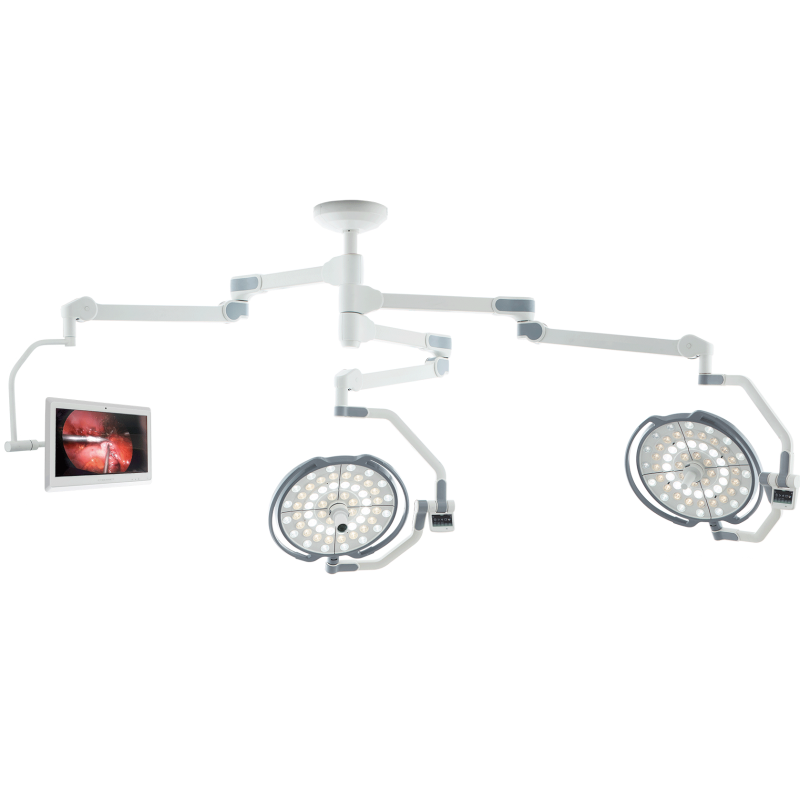
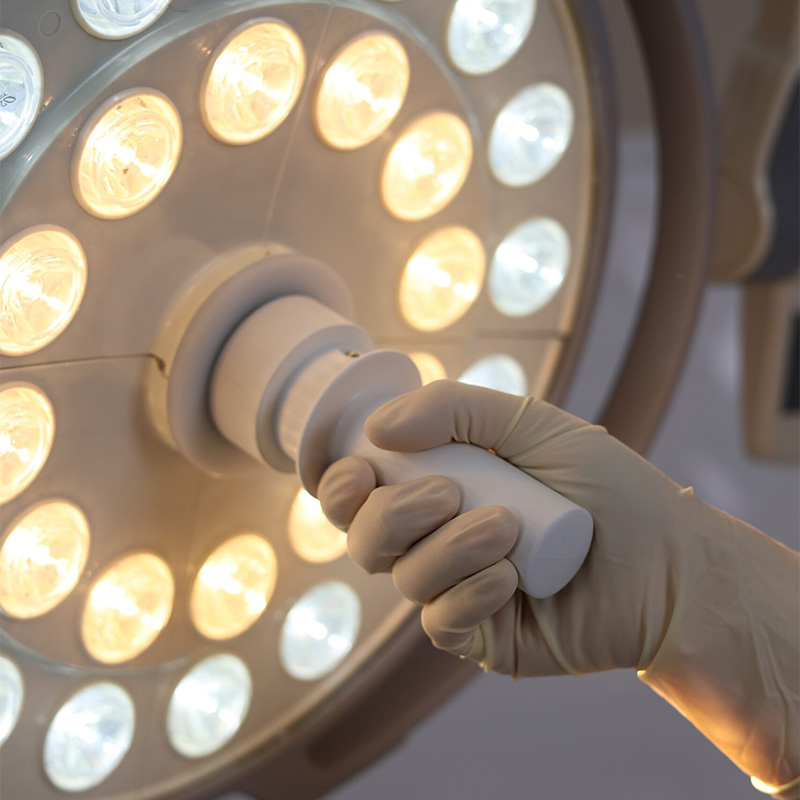
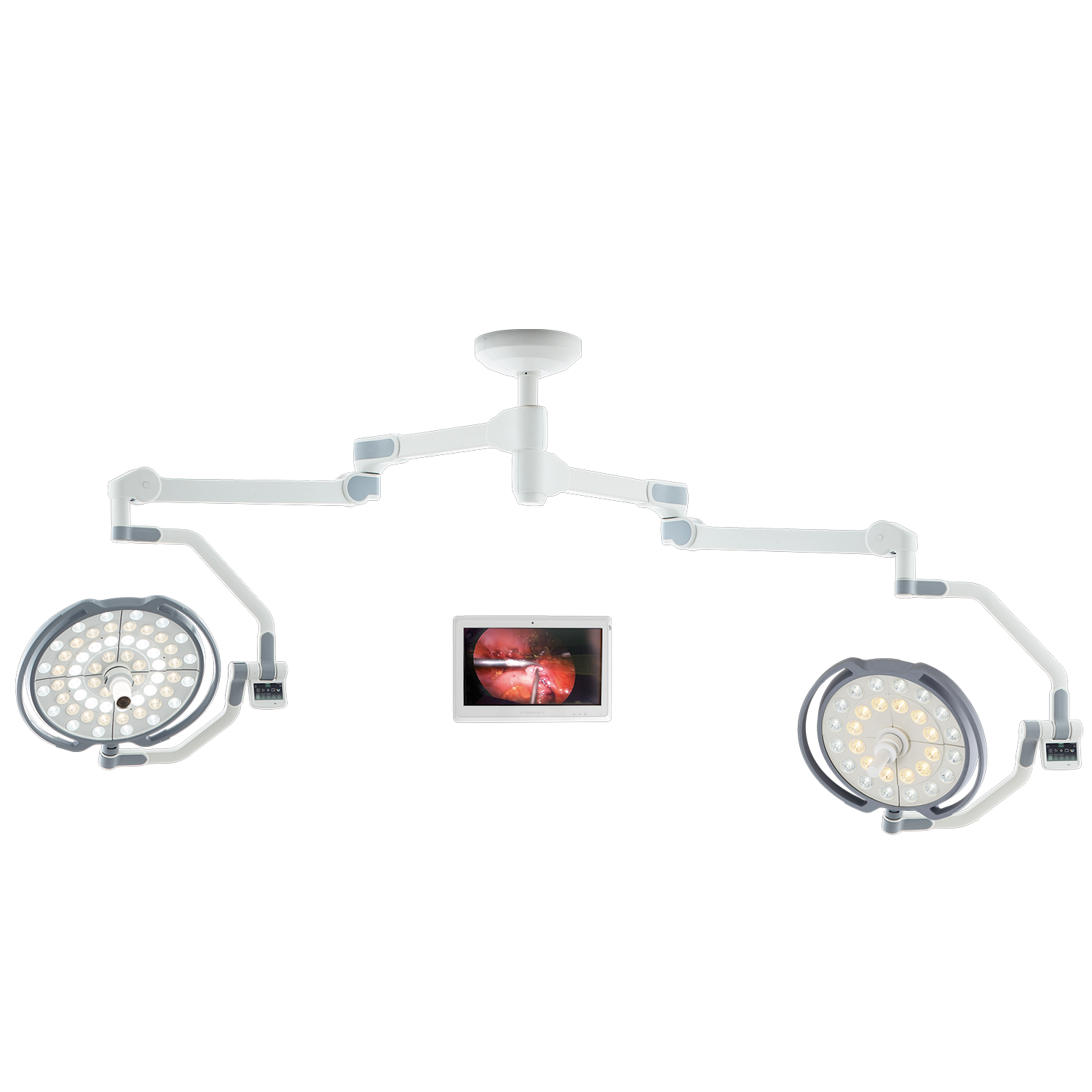
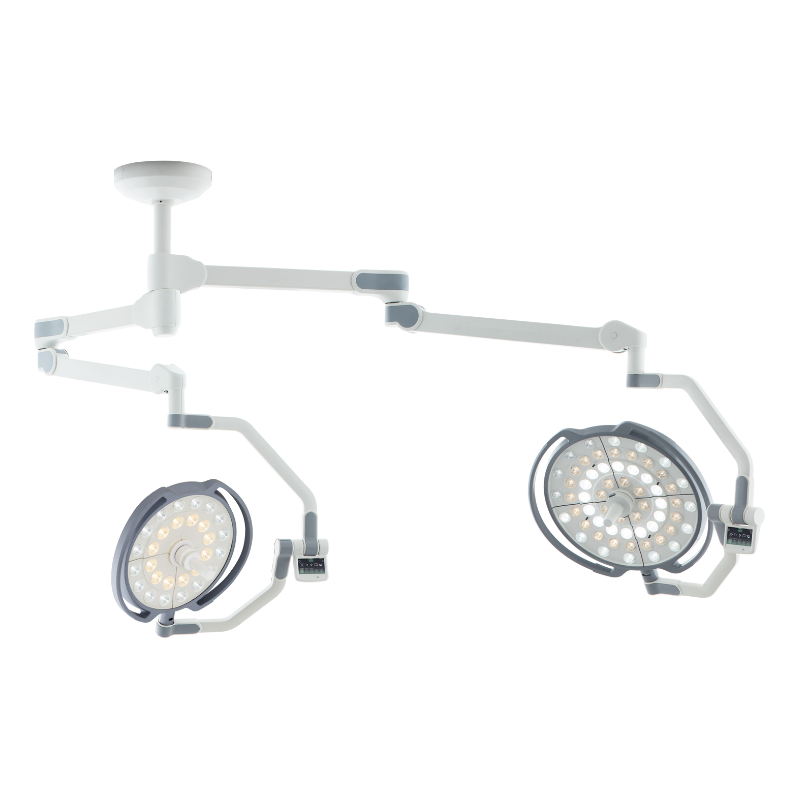
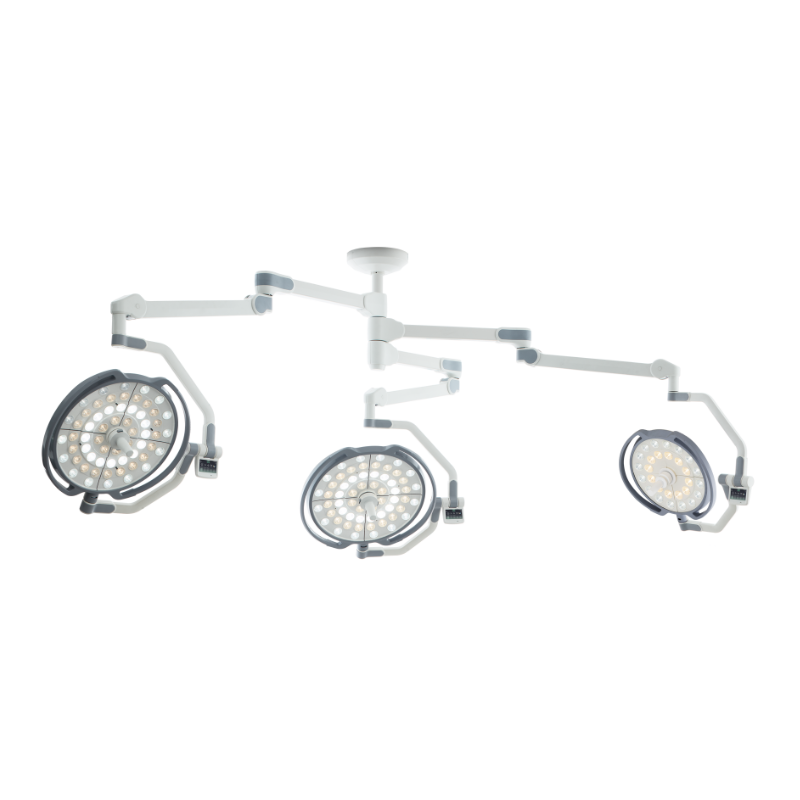
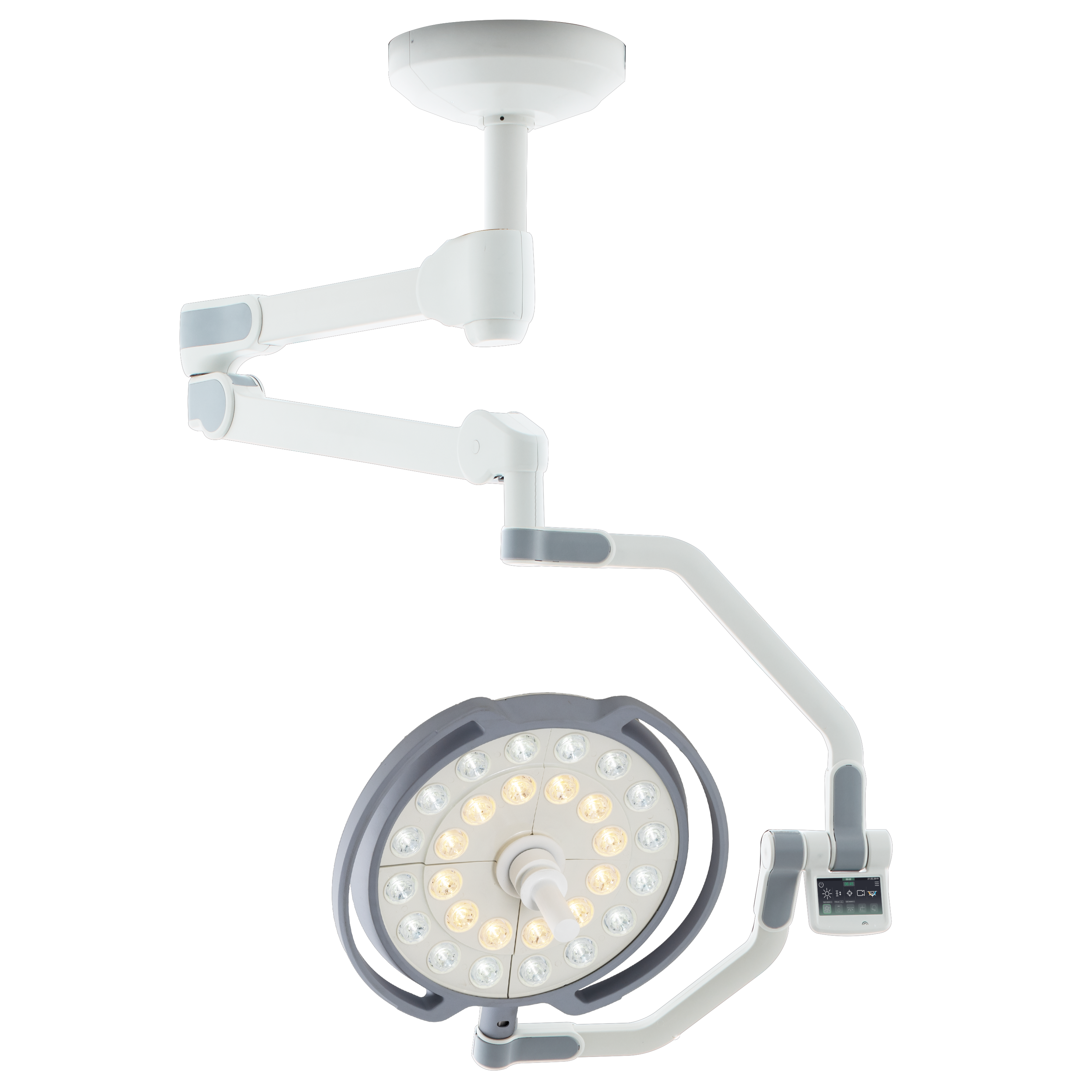
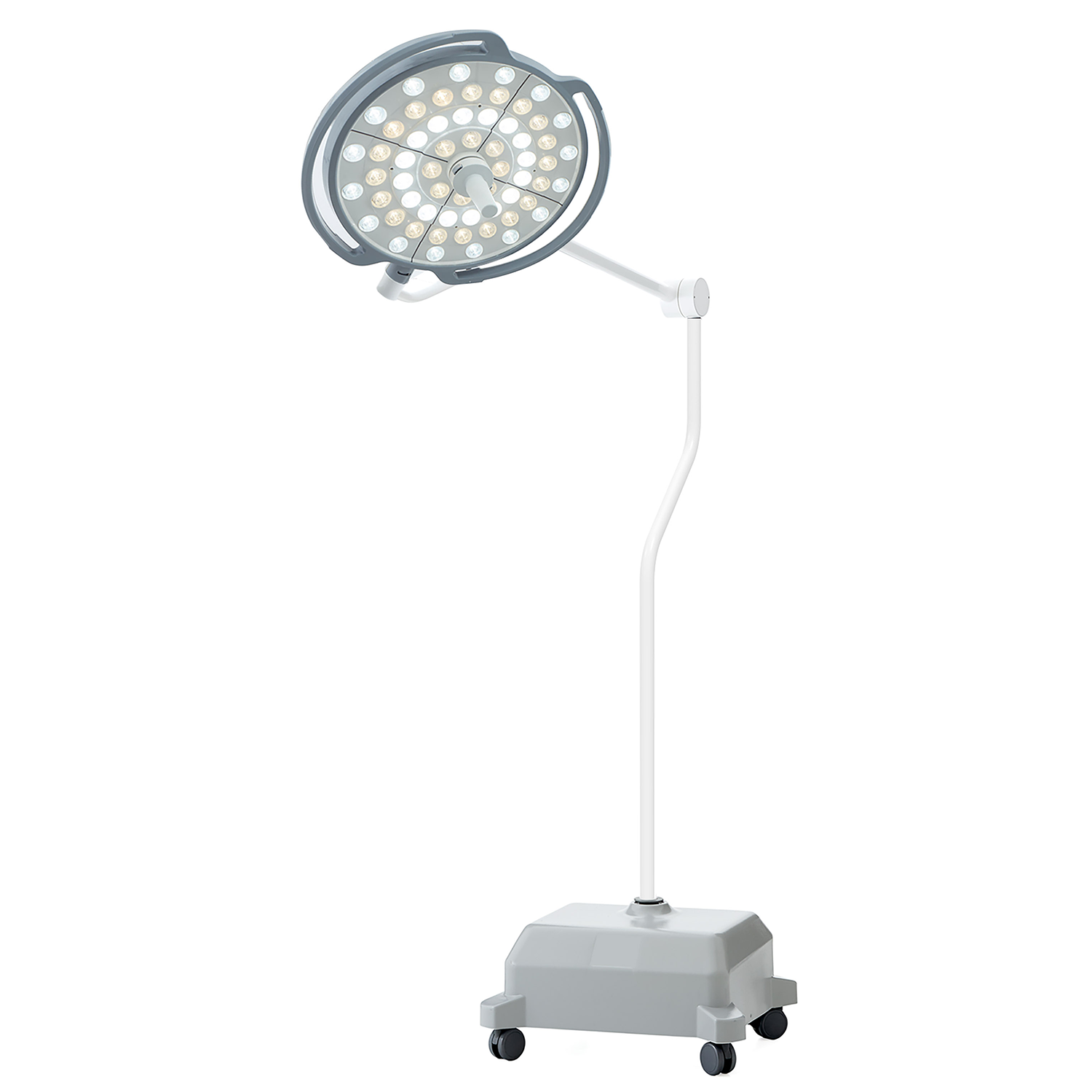
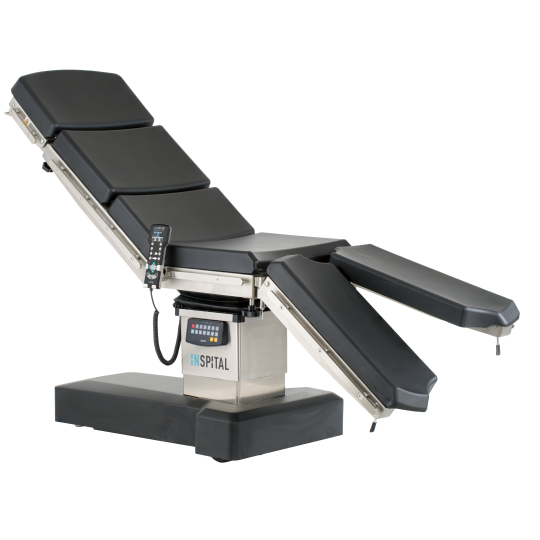
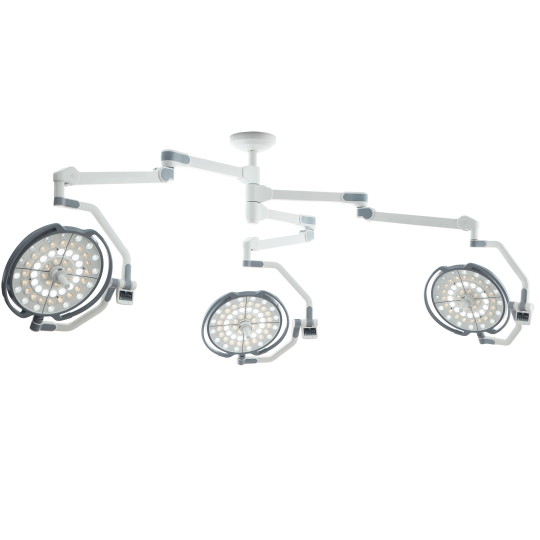
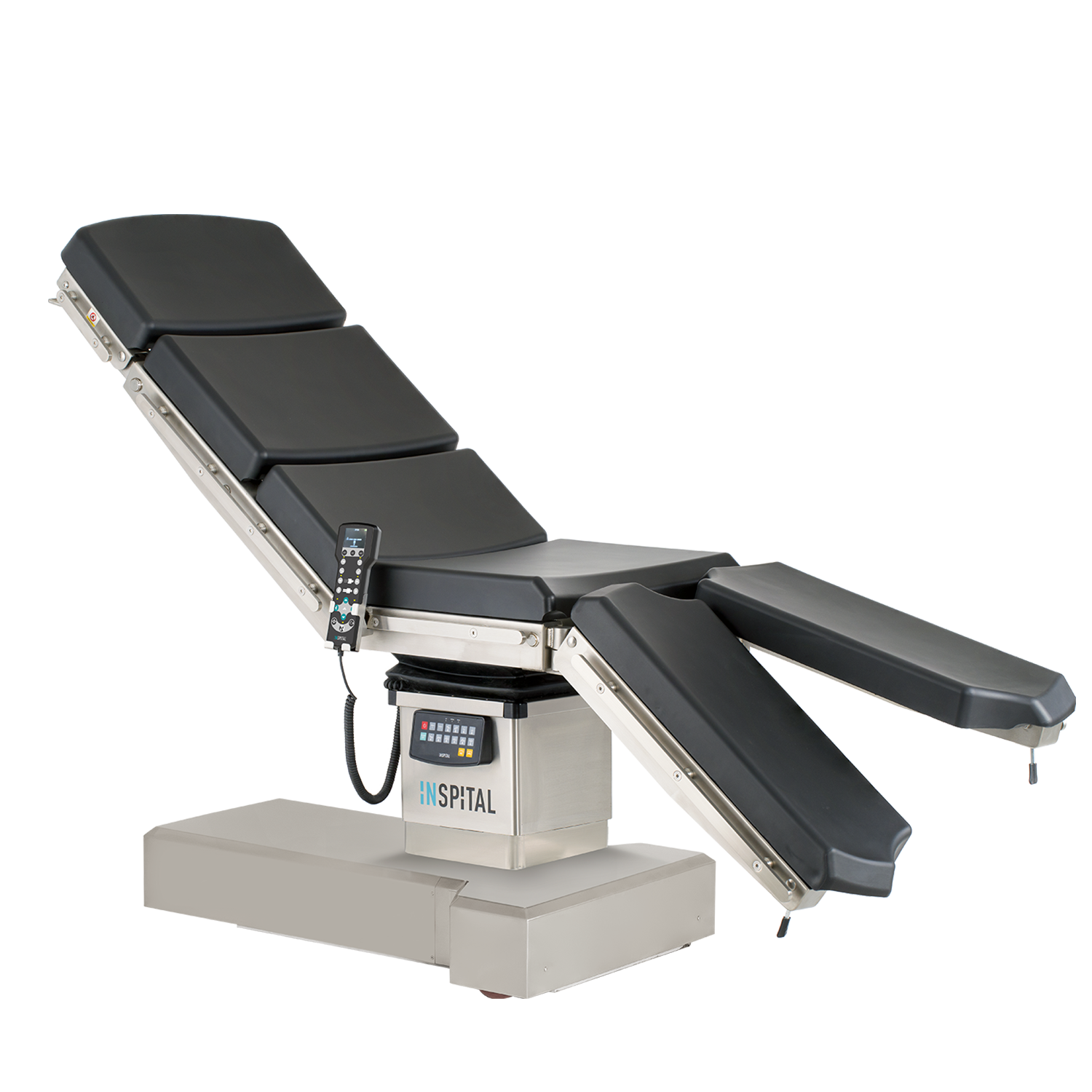
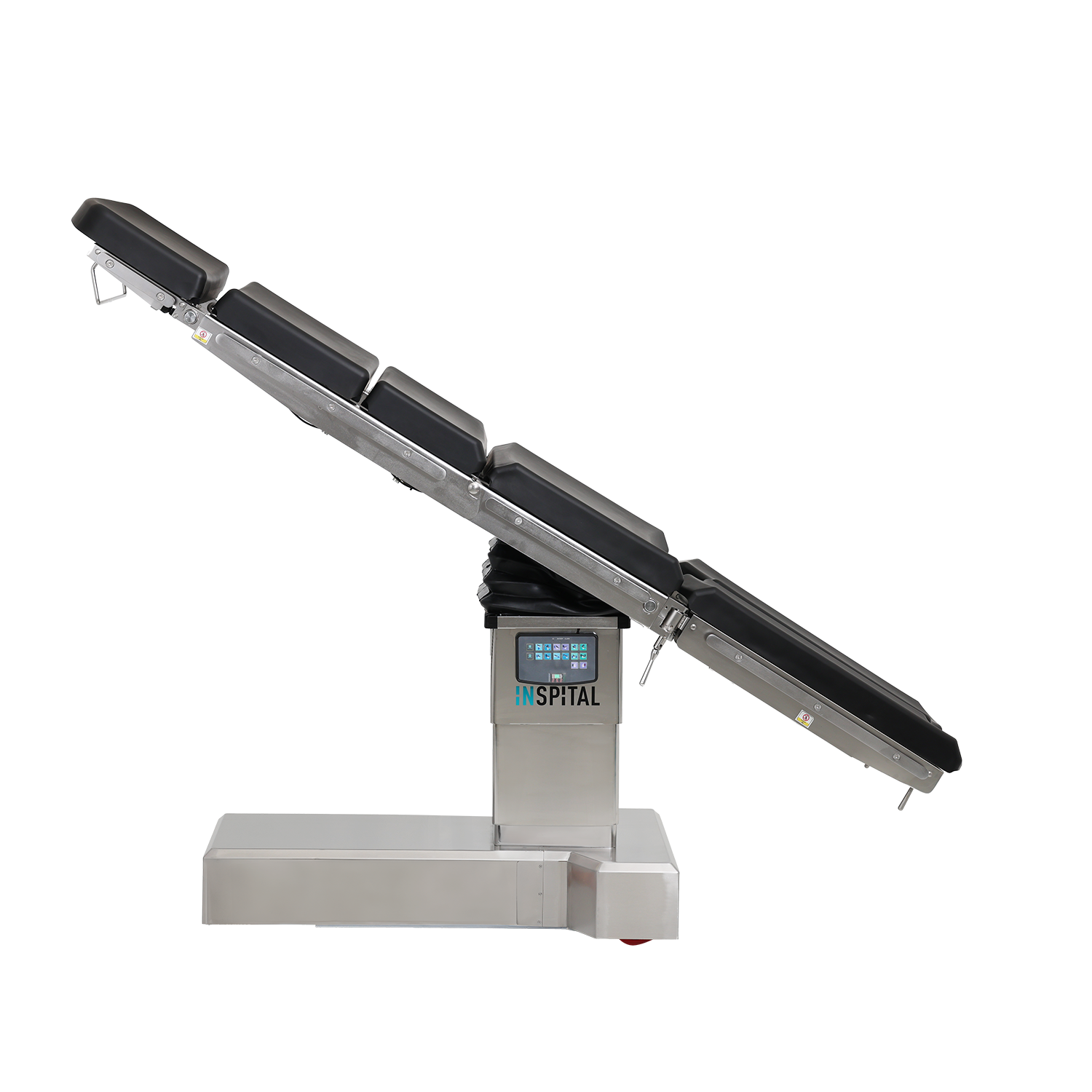
A central component of modern OR infrastructure is operating tables. They form the foundation of nearly every surgical procedure and must meet the highest requirements for stability, flexibility, and ergonomics. Modern operating tables enable different positioning options and thereby support various surgical specialties. Depending on the area of use, they must be precisely adjustable and meet the requirements of modern surgical procedures. Another important area is surgical lights. Optimal illumination of the surgical field is essential for surgical teams. Modern surgical lights must provide high light quality, enable shadow-free illumination as much as possible, and be ergonomically operable. This is not just about technical performance values, but also about improving working conditions for medical personnel during long procedures.

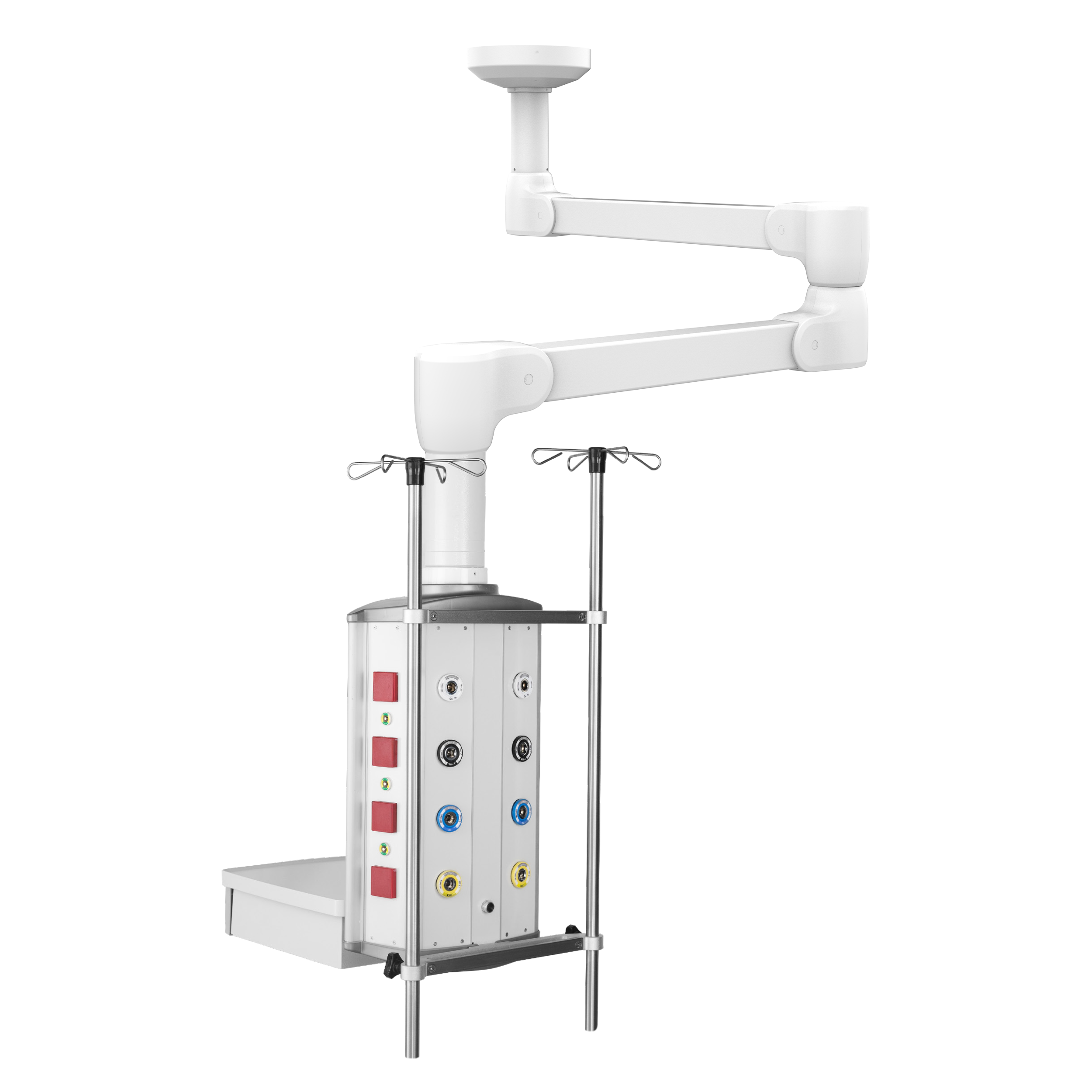
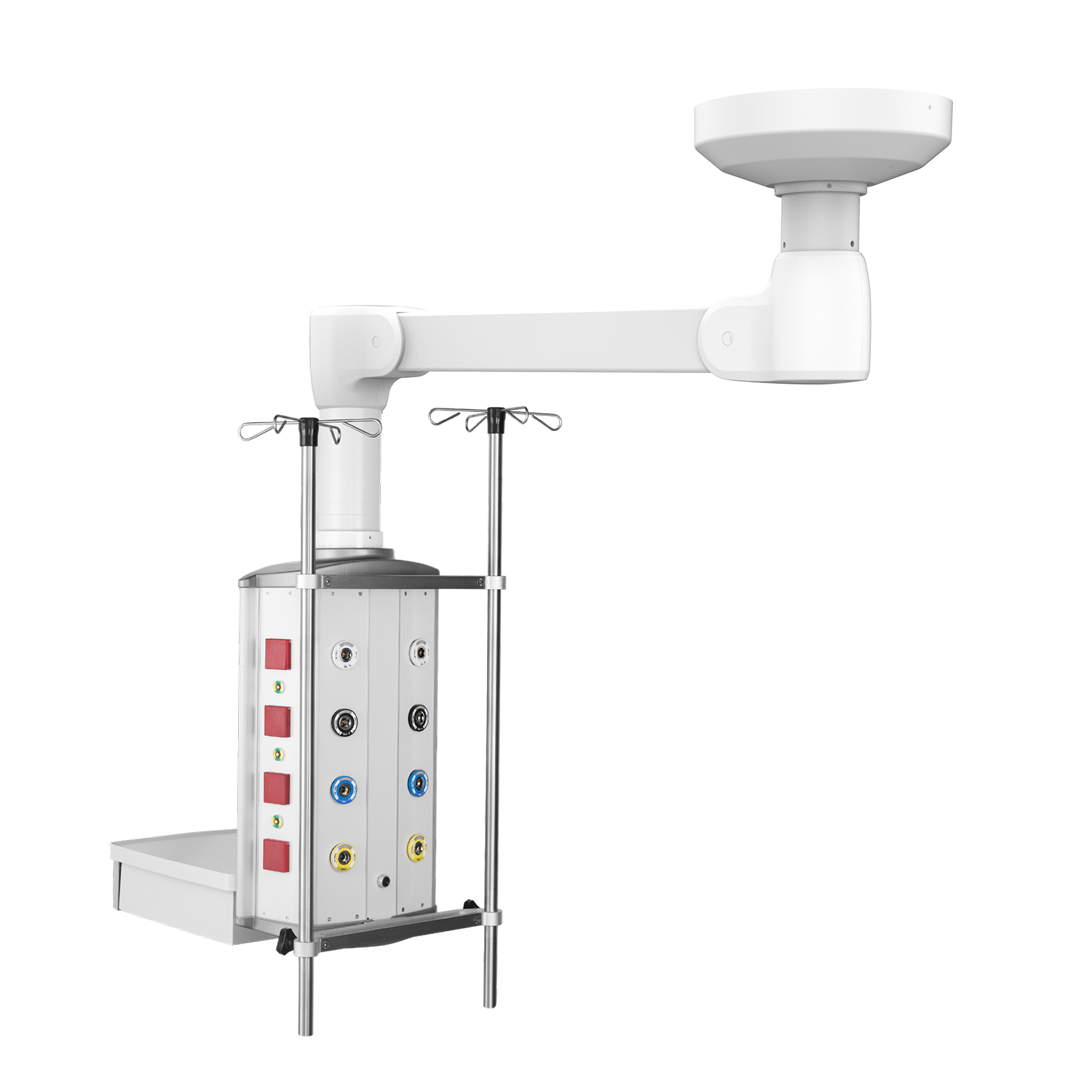
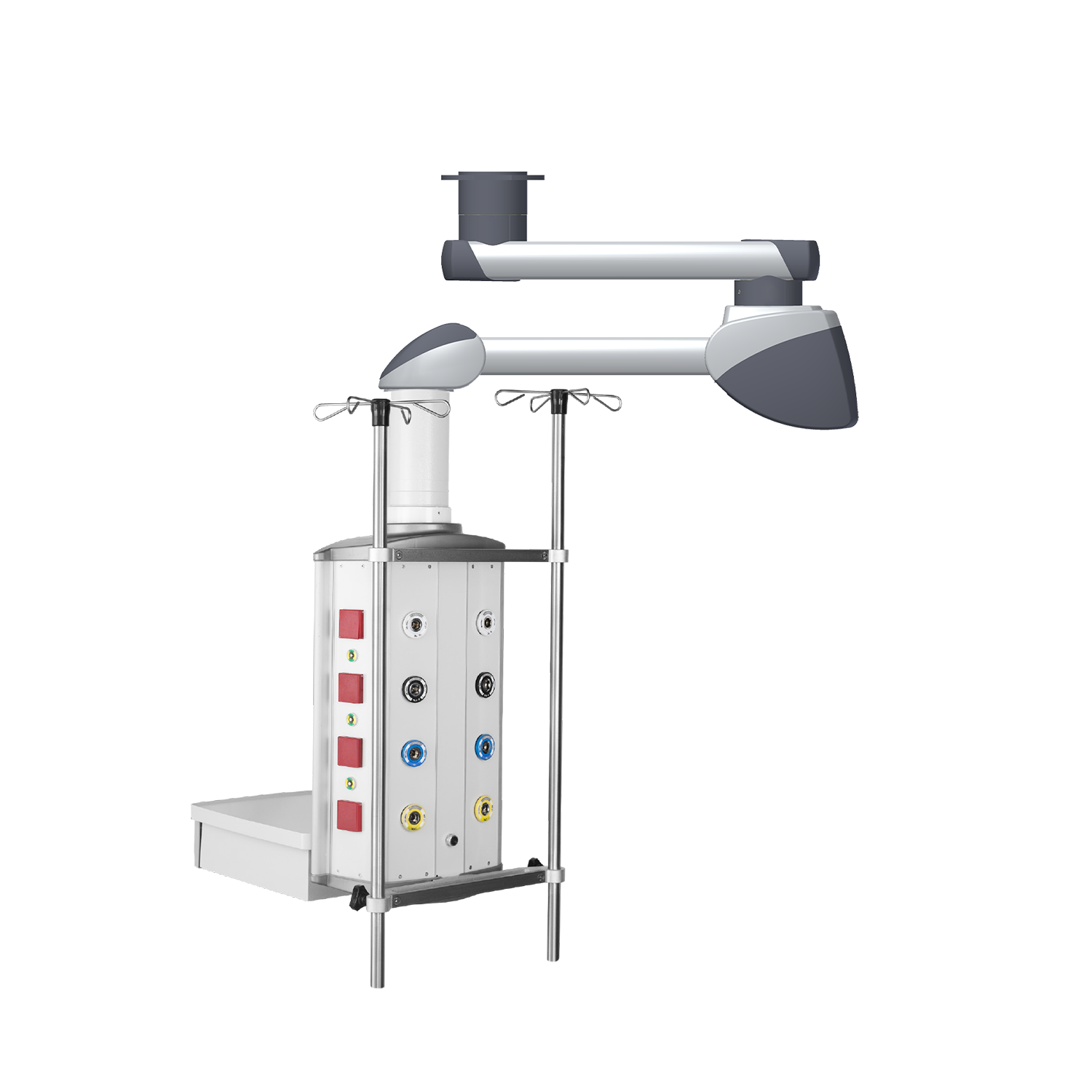
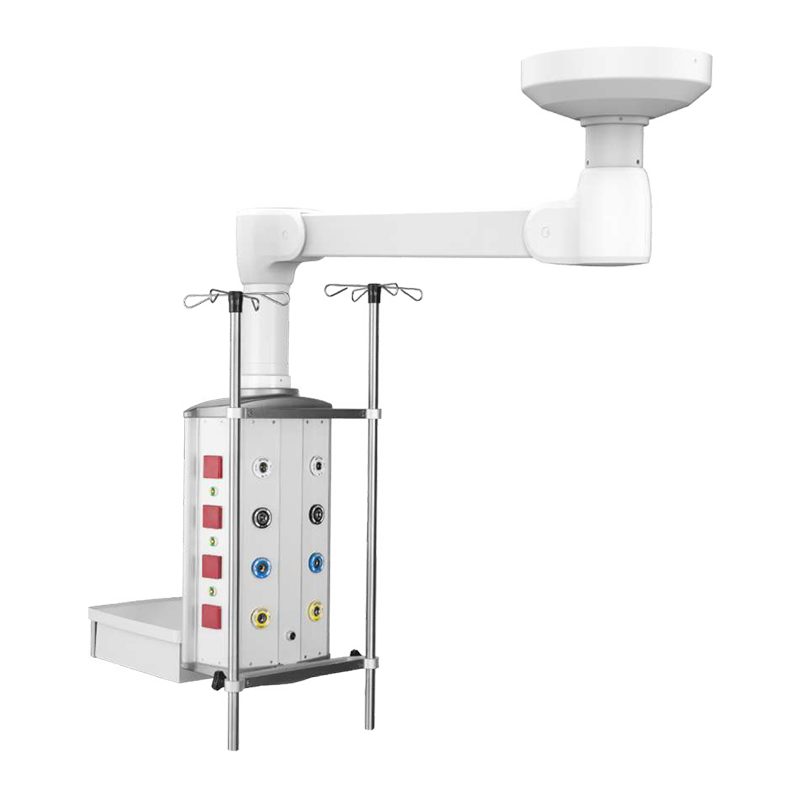
Equally important are ceiling supply units (CSU). These systems perform a central supply function in the operating room by providing medical gases, electrical connections, data connections, and other equipment in a structured manner. By integrating them into the ceiling, the floor area remains clear and the surgical team’s freedom of movement is improved. Especially in new construction and modernization projects, modular supply systems play an important role because they can be flexibly adapted to different room concepts.

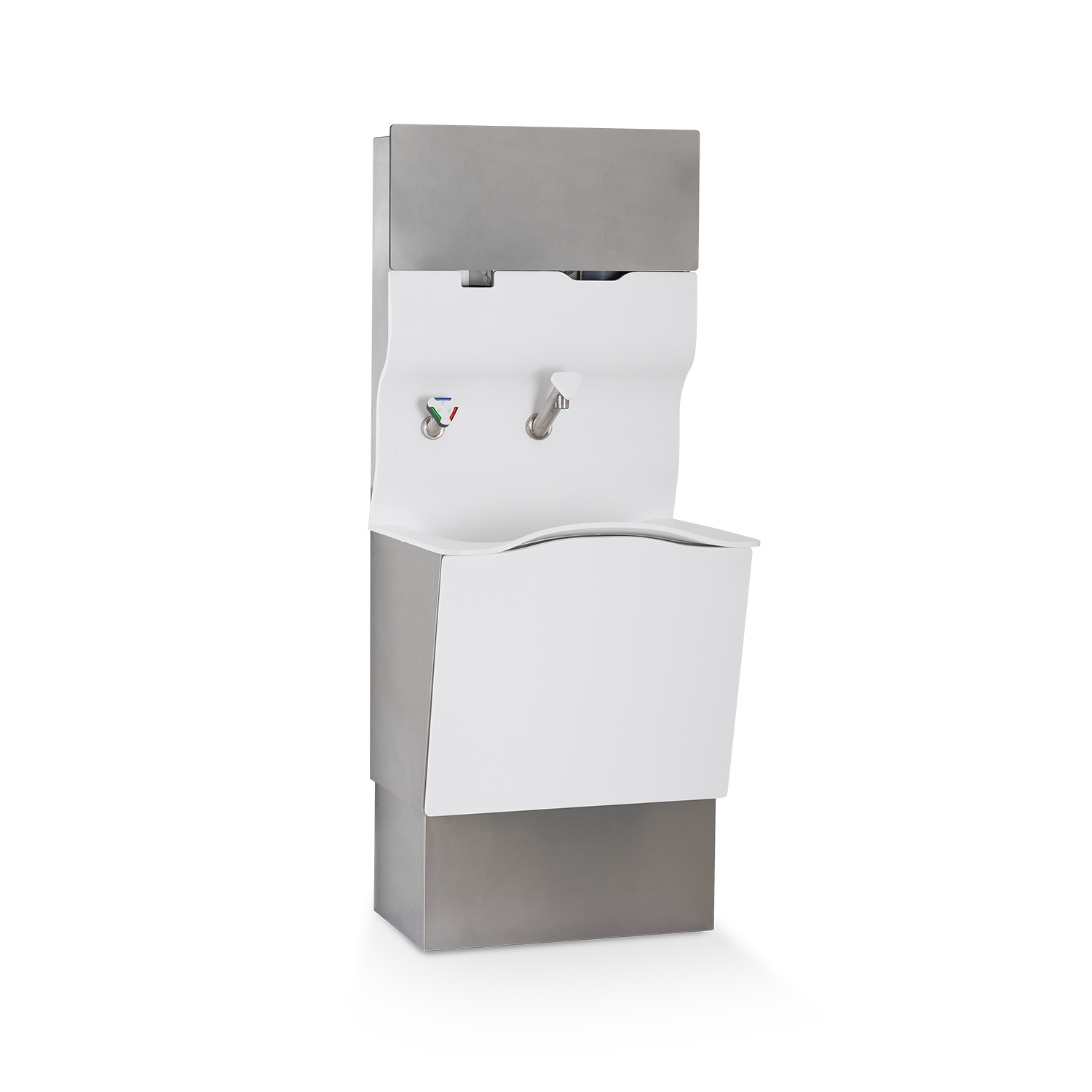
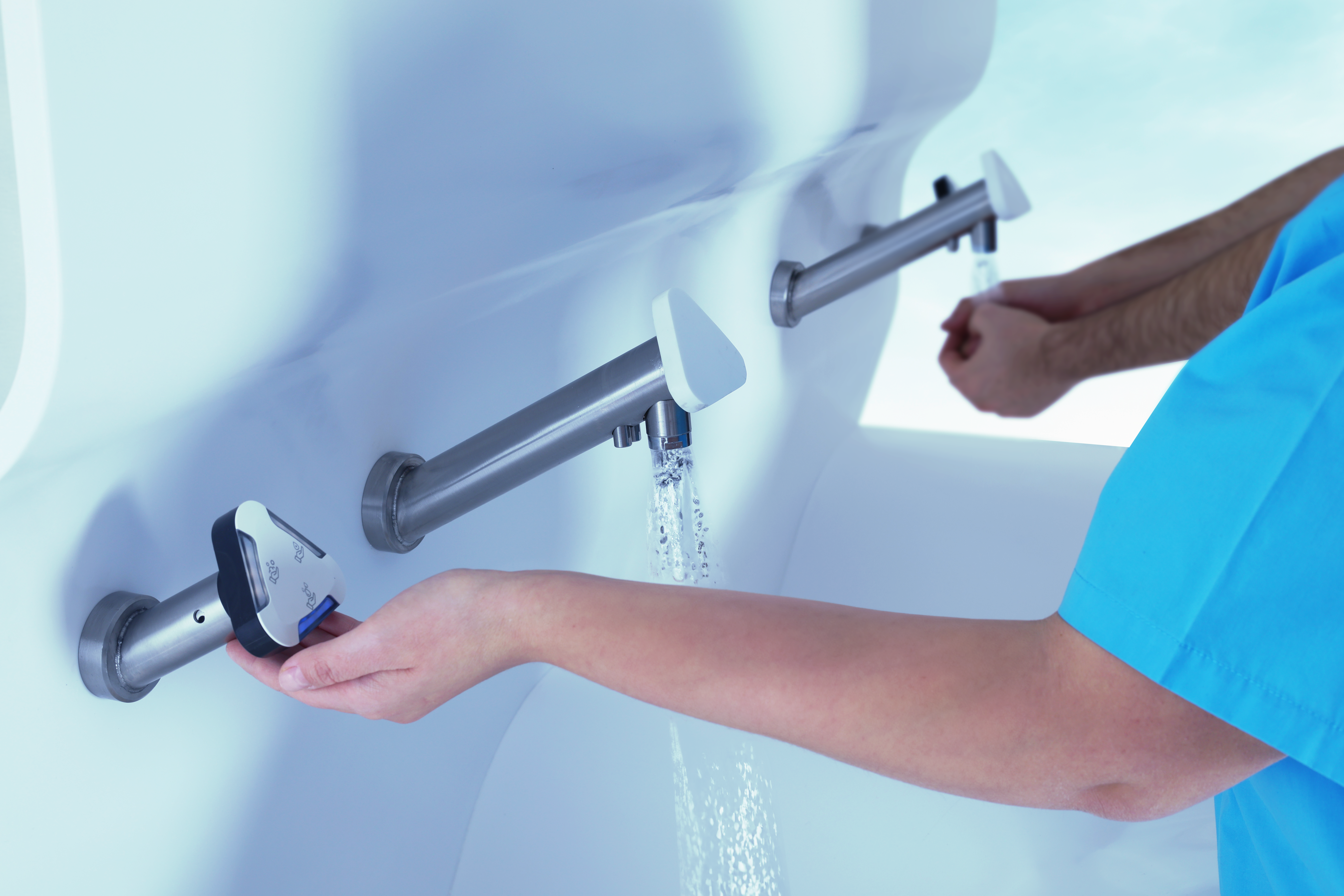
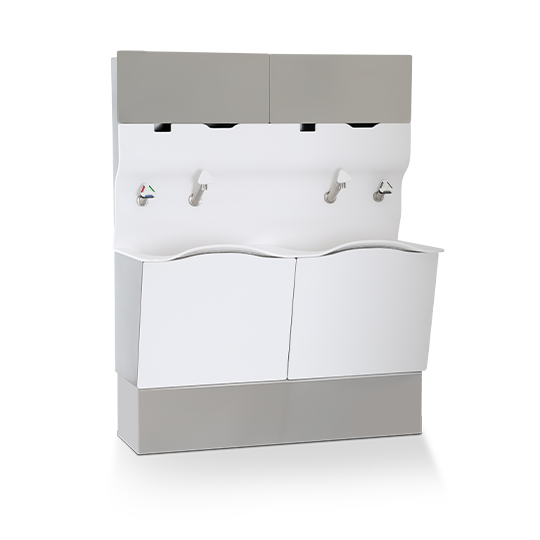
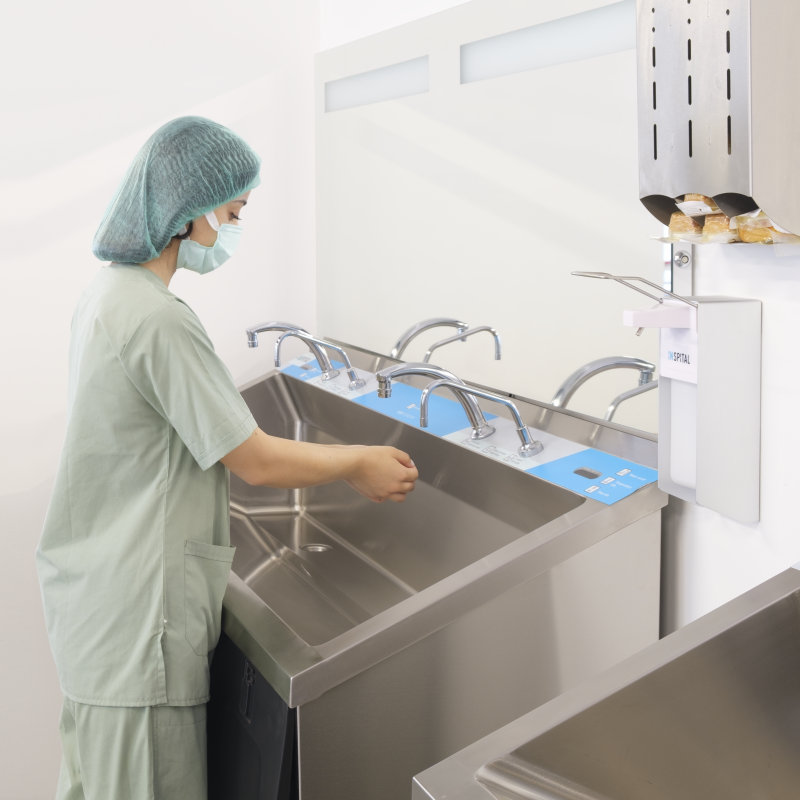
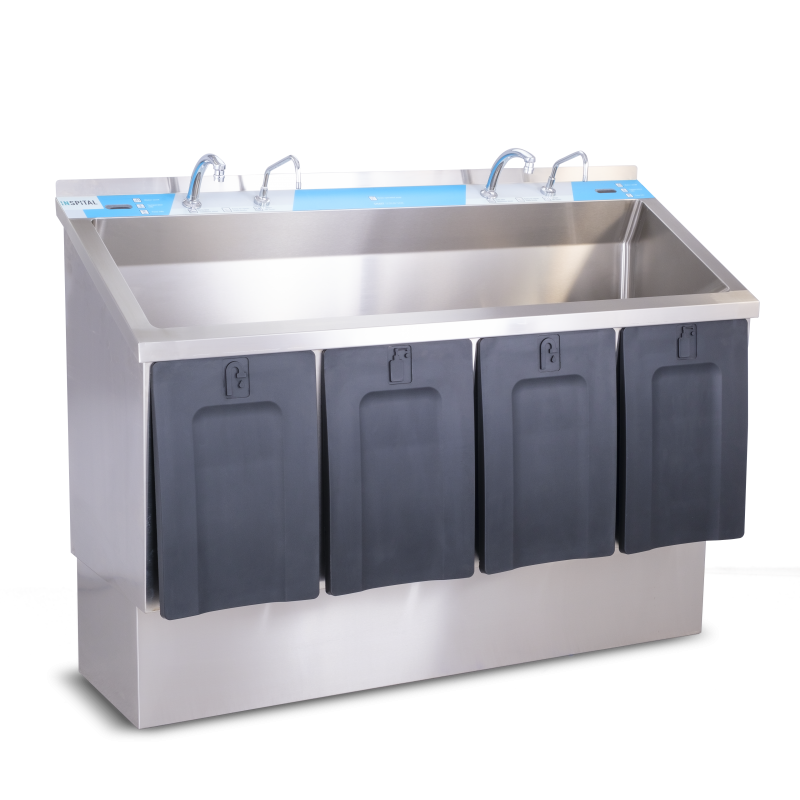
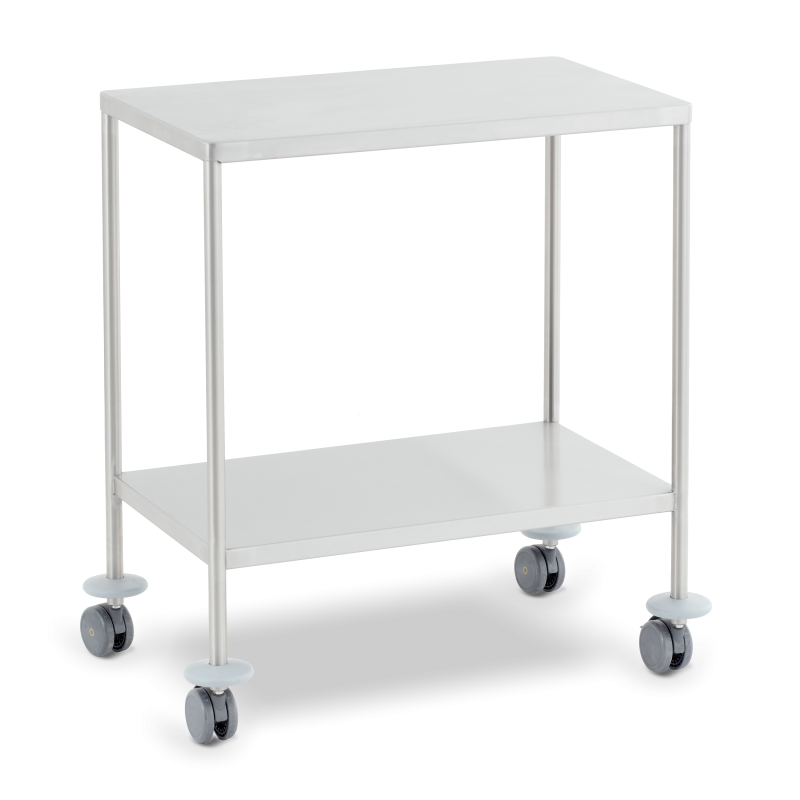
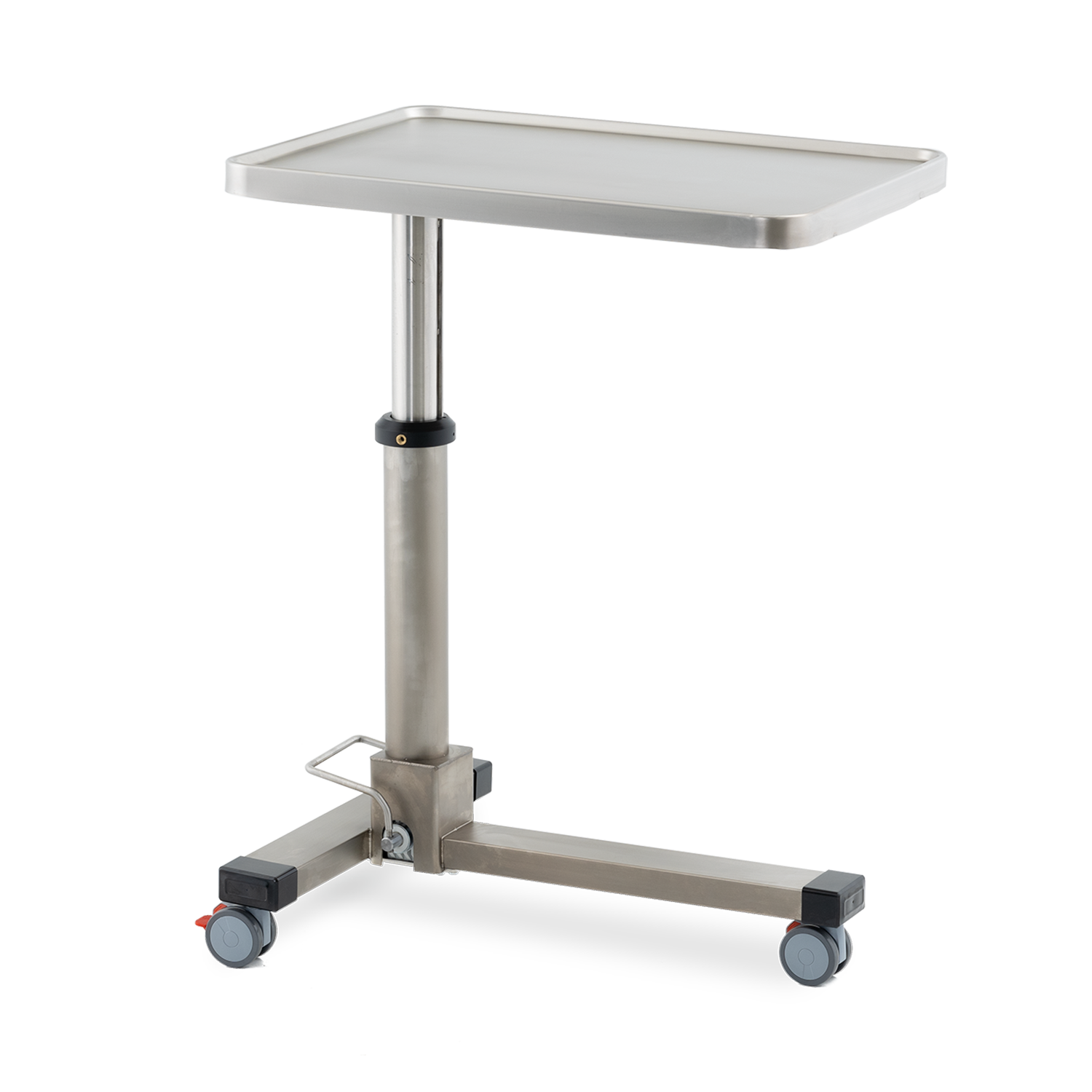
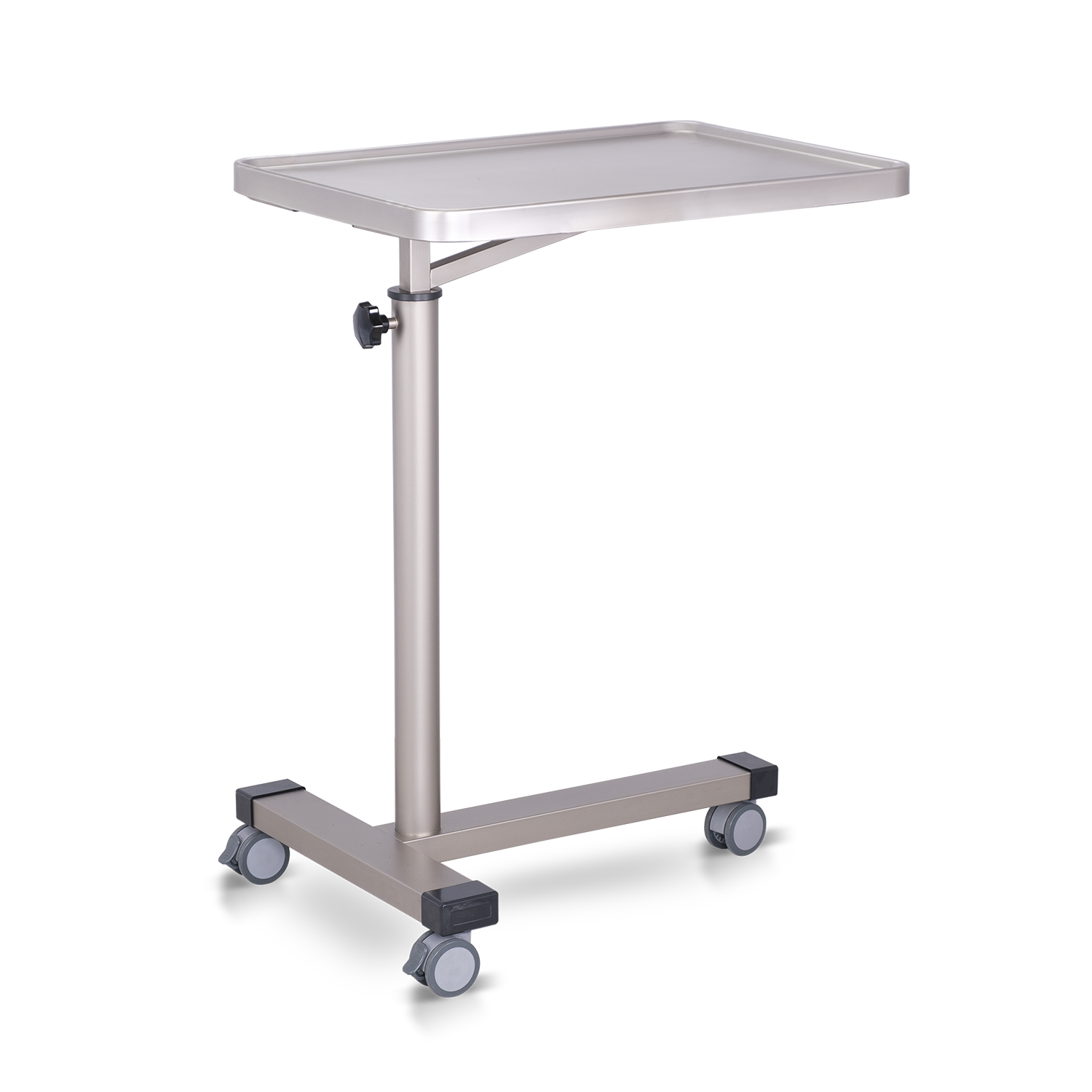
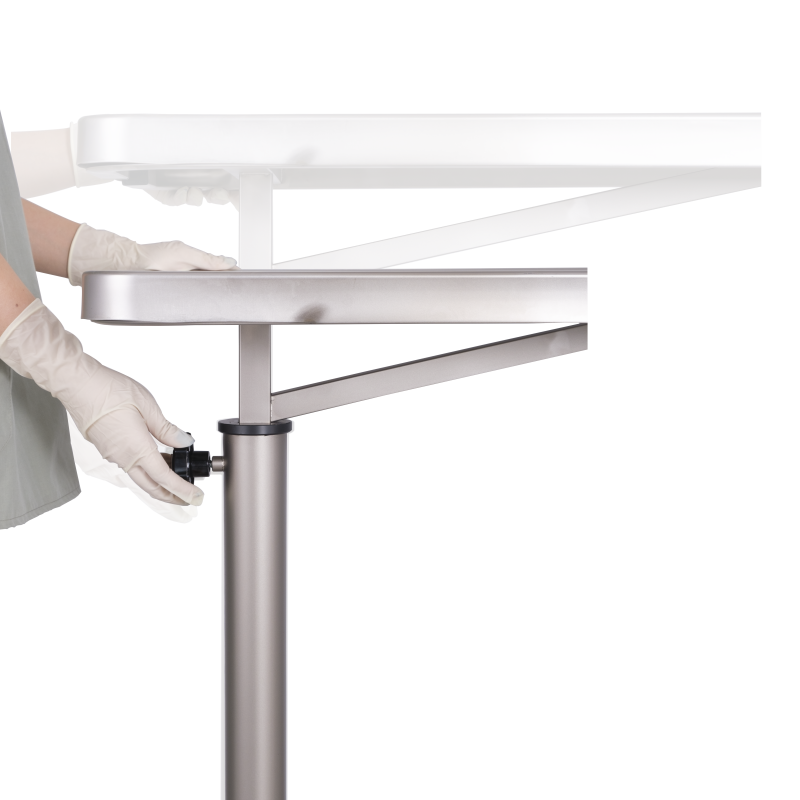
Hygienic infrastructure is also an essential component of modern hospital technology. Surgical scrub stations and medical stainless steel furniture support the high requirements for hygiene and cleaning in sensitive areas. Materials, surfaces, and constructions must be designed to enable safe and efficient use in daily clinical practice. Especially in operating areas, well-thought-out hygiene concepts are a central component of patient safety. One provider that covers several of these product areas is Inspital GmbH from Neuss. The company develops and distributes solutions for operating rooms and patient care. These include operating tables, surgical lights, ceiling supply units, surgical suction systems, and medical stainless steel furniture. Through this broad portfolio, hospitals can plan numerous components of their OR infrastructure with coordinated products.

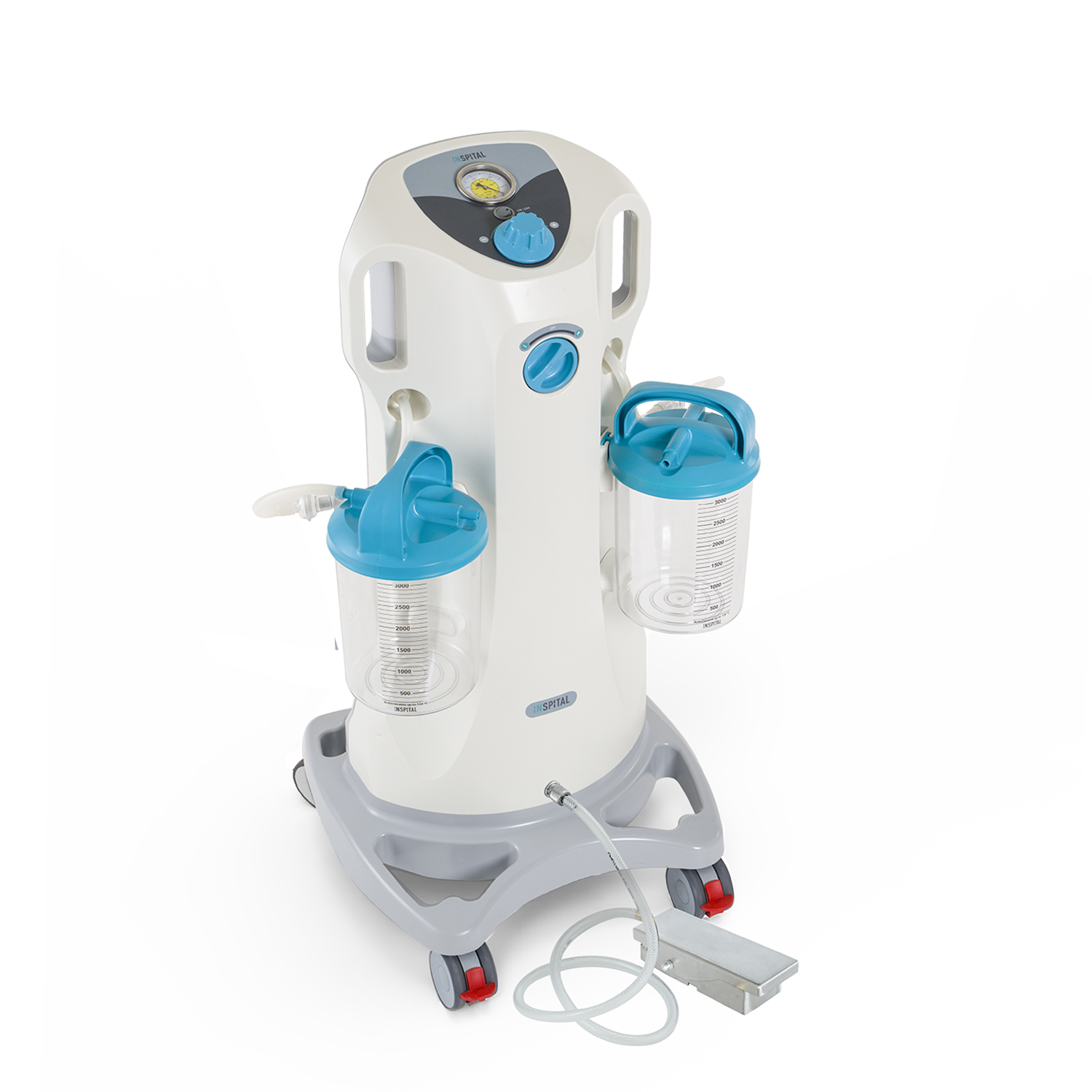
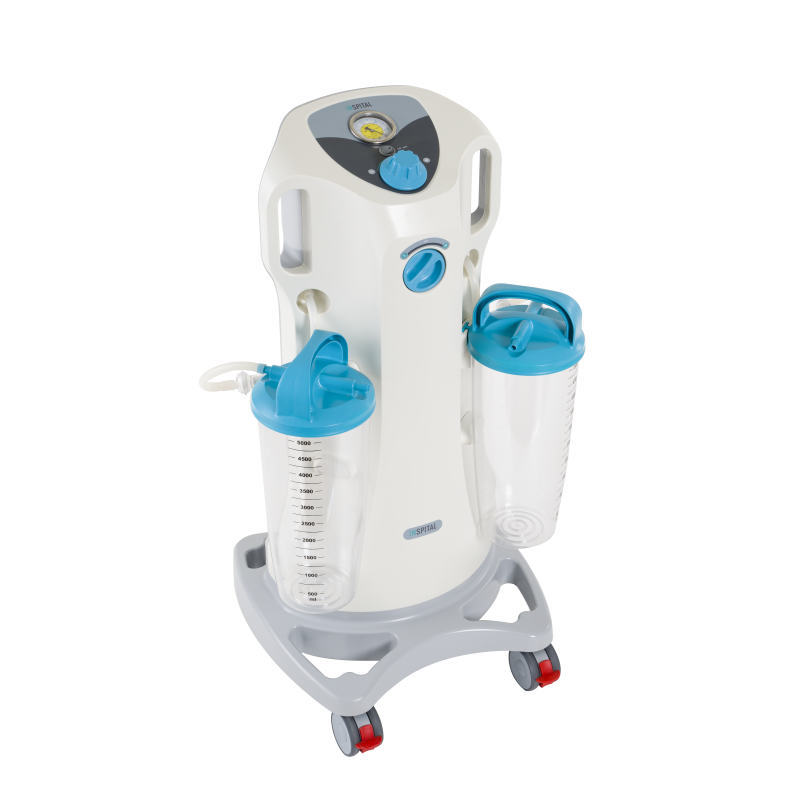
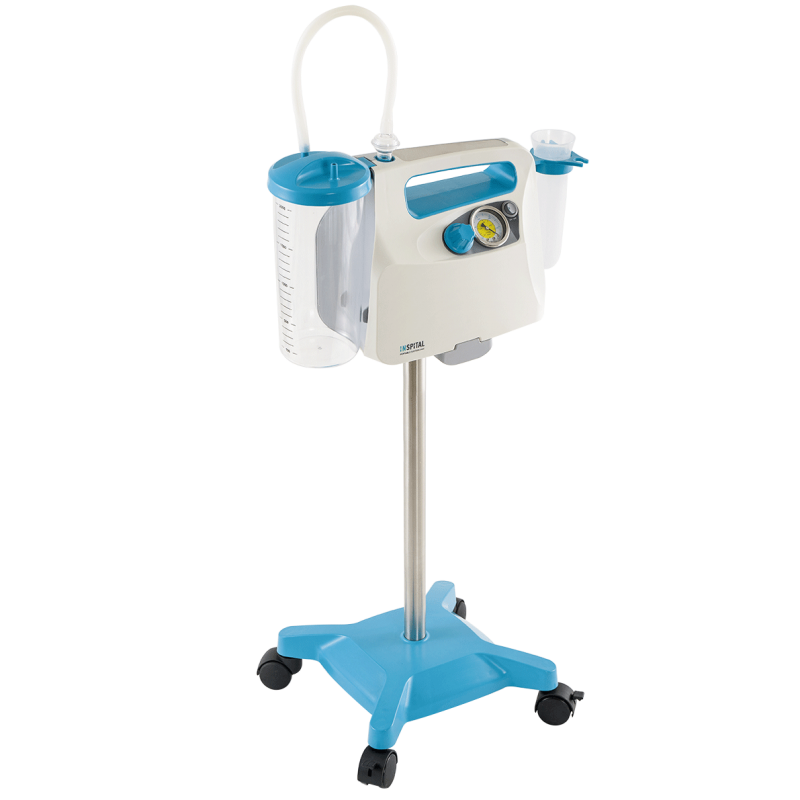
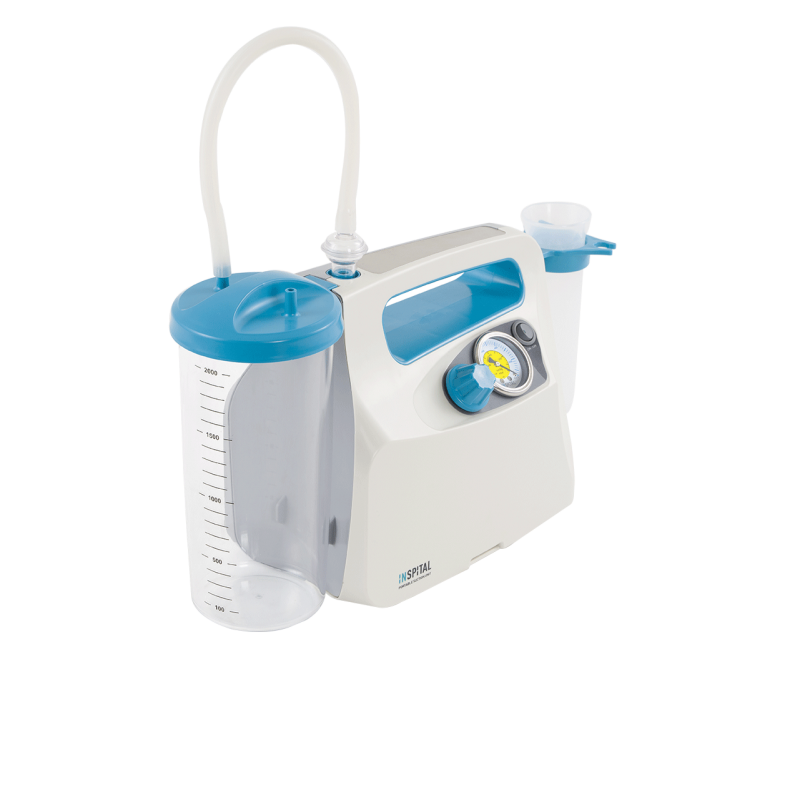
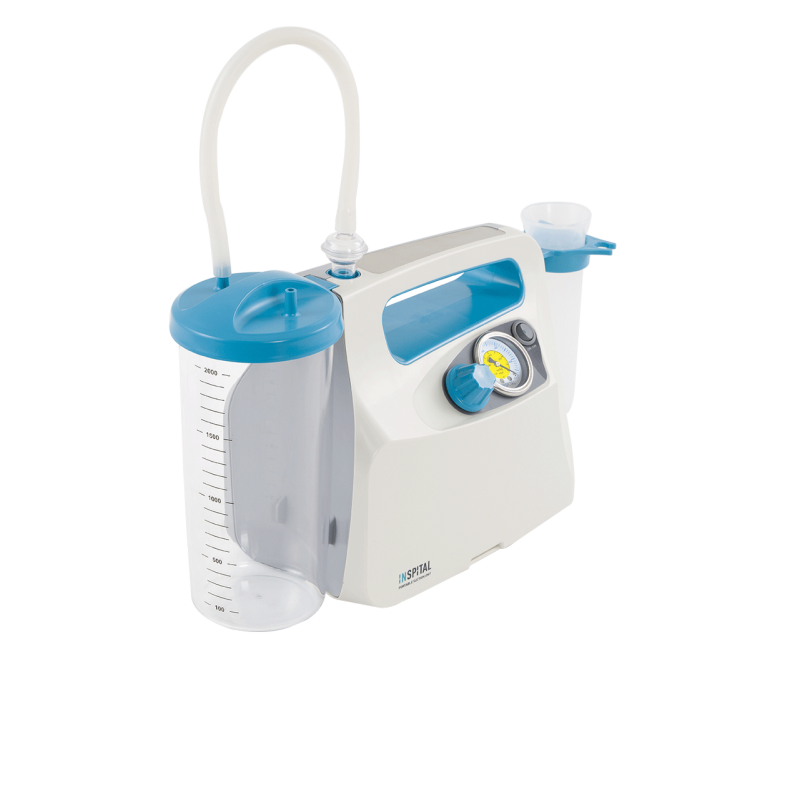
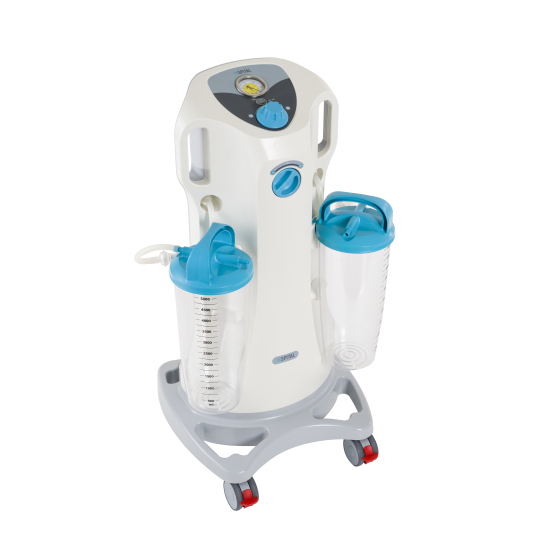
An example of modern supply solutions are the modularly configurable ceiling supply units from Inspital, which help organize medical connections and supply systems ergonomically in the operating room. Especially in complex OR planning, flexible infrastructure is crucial, as medical requirements can change over the years. In addition, surgical suction systems play an important role in daily OR operations. They support medical teams in the safe removal of fluids and enable structured workflow during surgical procedures. Reliability, ease of use, and hygienic construction are essential requirements for modern systems.

The development shows: medical technology for hospitals in the Ruhr region today consists of a complex interaction of different product groups. Successful hospital projects therefore require not only individual high-quality components, but well-thought-out overall solutions that combine technical requirements, medical processes, and economic aspects. Manufacturers with a broad portfolio can support hospitals in aligning their infrastructure efficiently and safely for the long term.

Why Full-Service Providers of Medical Technology Are Becoming Increasingly Important for Hospital Projects in the Ruhr Region

Planning and equipping a hospital is one of the most complex tasks in healthcare. Especially in new construction, expansion, or comprehensive modernization projects, numerous technical, medical, and organizational requirements must be considered simultaneously. For hospitals in the Ruhr region, this means that selecting suitable medical technology manufacturers plays a crucial role. Hospitals are therefore increasingly relying on full-service providers who not only deliver individual products, but offer holistic solutions for operating rooms and medical functional areas. The reason for this development lies in the increasing complexity of modern hospital technology. An operating room today consists of numerous interconnected systems. In addition to operating tables and surgical lights, ceiling supply units, medical suction systems, surgical scrub stations, stainless steel furniture, and other components are part of the technical equipment. If these products are sourced from different manufacturers, additional coordination processes arise. Different points of contact, various maintenance concepts, and divergent technical documentation can complicate planning and subsequent operation.

A full-service provider, on the other hand, pursues an integrated approach. Individual products are offered within a coordinated portfolio and can be aligned with each other during the planning phase. This creates greater planning security for hospitals. Specialist planners, architects, and medical technology departments can work with a central point of contact and coordinate technical requirements more efficiently. This approach is particularly relevant for new OR construction or extensive modernization projects in the Ruhr region. Many hospitals face the task of adapting existing structures to modern medical requirements. Not only must technical standards be met, but aspects such as ergonomics, hygiene, energy efficiency, and long-term maintainability must also be considered. A manufacturer with a comprehensive portfolio can better integrate these various requirements into a unified concept.

A particular advantage of a coordinated product portfolio lies in the combination of different systems. For example, operating tables and ceiling supply units can be considered together during room planning. This allows workflows to be optimized and gives medical teams an environment designed for efficient processes. Early coordination is also an important factor when integrating additional components, such as surgical lights or accessory systems.

For hospitals in the Ruhr region, long-term support is also crucial. Medical technology is not just purchased, but used for many years. That is why hospitals need reliable partners who can offer technical support, spare parts supply, and service in addition to product delivery. Especially in critical areas such as operating rooms, fast and competent support is an important component of a successful medical technology concept.

In addition to technical competence, quality standards also play a central role. Medical devices are subject to strict regulatory requirements. Manufacturers must establish comprehensive quality processes and ensure that their products comply with applicable legal requirements. Certified quality management systems such as ISO 13485 are an important component of the medical technology industry and create trust among hospitals and users. The increasing demand for complete solutions shows that the role of medical technology manufacturers has changed. Today, they are no longer just suppliers of individual products, but are increasingly becoming strategic partners in the planning and implementation of modern hospital projects. For hospitals in the Ruhr region, this approach offers the opportunity to design their medical infrastructure more efficiently, safely, and sustainably for the long term.

Quality Standards, MDR, and Certifications: What Hospitals Look for When Selecting Medical Technology Manufacturers

When equipping modern hospitals, quality, safety, and regulatory requirements play an increasingly important role. Especially in the field of medical technology, products can have a direct impact on patient safety, the working conditions of medical professionals, and the reliability of clinical processes. That is why hospitals in the Ruhr region are increasingly paying attention when selecting suitable manufacturers to ensure that products not only convince technically, but are also developed and manufactured according to recognized quality standards.

A central term in this context is the Medical Device Regulation (MDR) (EU) 2017/745. The European Medical Device Regulation places high demands on manufacturers of medical devices and pursues the goal of ensuring the safety and performance of medical products within the European Union. For manufacturers, this means extensive obligations—from product development through technical documentation to post-market surveillance. For hospitals in the Ruhr region, MDR compliance is an important decision criterion when procuring medical infrastructure. Especially for long-term investments such as surgical lights, operating tables, or ceiling supply units, operators want to ensure that the products used comply with current regulatory requirements. After all, these systems are often used for many years and must function reliably in the long term.

In addition to the MDR, a certified quality management system plays a crucial role. The ISO 13485 standard is internationally recognized as an important quality standard for companies that develop, manufacture, or distribute medical devices. It establishes requirements for processes such as product development, risk management, manufacturing, testing, and documentation. For hospitals, a manufacturer working according to ISO 13485 offers additional security, as structured quality processes are firmly anchored in the company. Product traceability is also becoming increasingly important. Manufacturers must be able to document in a traceable manner how products were developed, tested, and manufactured. These requirements not only serve to comply with legal requirements, but also support safety in daily clinical practice. Should a technical question arise, for example, clear documentation and service processes are crucial for a quick solution.

Inspital GmbH from Neuss works according to its own statements with certified quality management systems and offers medical devices in accordance with applicable European requirements. The company develops solutions for operating rooms and patient care, including operating tables, surgical lights, ceiling supply units, surgical suction systems, and other products for medical facilities. Especially for products for the operating room, quality is a decisive factor. An operating table, for example, must not only be stable and precisely adjustable, but also function reliably over long periods of use. A surgical light must enable safe illumination while meeting the requirements of modern OR workplaces. Ceiling supply units, in turn, must enable reliable provision of medical media while being flexibly adaptable to different room concepts.

In addition to certifications and regulatory requirements, continuous product development is also important. The requirements for hospitals are constantly changing. New surgical procedures, changed workflows, and increasing demands for hygiene and ergonomics mean that medical technology manufacturers must continuously optimize their solutions. For hospitals in the Ruhr region, collaboration with qualified manufacturers represents an important foundation for safe and future-proof infrastructure projects. Certifications and regulatory standards create a reliable basis, but do not replace the importance of experience, technical know-how, and close collaboration between manufacturer and hospital.

Modern medical technology thus arises from the interaction of several factors: high-quality products, tested quality processes, regulatory security, and a long-term partnership. It is precisely this combination that is crucial when hospitals want to plan and modernize their OR areas and medical functional rooms sustainably.

Regional Proximity and Long-Term Service: Why Support from Medical Technology Partners Is Crucial for Hospitals in the Ruhr Region

Selecting a suitable medical technology manufacturer does not end with the delivery and installation of a product. Especially in the hospital sector, long-term collaboration is crucial, because medical systems are used daily and must function reliably for many years. For hospitals in the Ruhr region, technical support from the manufacturer therefore plays an important role in addition to product quality. Hospitals are among the most complex operating environments. Especially in sensitive areas such as operating rooms, intensive care units, or procedure rooms, technical systems must be available at all times. A failure or malfunction can not only have organizational consequences, but also affect clinical workflow. That is why hospitals expect from medical technology manufacturers not only high-quality products, but also competent contacts for maintenance, service, and technical support.

Especially in larger projects, such as the construction of a new OR area or the modernization of existing hospital structures, close collaboration between manufacturer, planners, and hospital operators is particularly important. Already in the planning phase, numerous questions must be answered: What technical requirements exist? How can workflows be optimized? Which products fit the spatial situation? How can the infrastructure be used flexibly in the long term? A manufacturer who is involved in these processes early on can contribute their technical knowledge in a targeted manner and help develop suitable solutions. This applies especially to complex systems such as ceiling supply units, which must be individually adapted to room concepts, medical requirements, and the working methods of hospital staff.

Inspital GmbH, headquartered in Neuss, offers hospitals and medical facilities solutions for various areas of OR and hospital infrastructure. Due to its geographic location in North Rhine-Westphalia, there is good accessibility to numerous hospital locations in the Ruhr region. Hospitals in cities such as Essen, Dortmund, Bochum, Duisburg, or Gelsenkirchen can therefore benefit from short communication channels and direct collaboration.

An important component of long-term customer support is also the technical qualification of partners and service personnel. Inspital offers, for example, a Partner Technical Service Training Program, in which technical partners receive comprehensive training on various product areas. The goal of such training is to ensure reliable installation, maintenance, and technical support of the systems. Especially for internationally deployed medical technology products, a professional service network plays an important role. Hospitals need the assurance that technical questions can be answered quickly and necessary maintenance work is carried out professionally. A good service organization contributes significantly to extending the service life of medical systems and ensuring their reliable operation.

In addition to technical service, spare parts supply is also an important aspect. Medical facilities often invest in their equipment for the long term. That is why they expect from manufacturers that products are not only available at the time of purchase, but are also supported for many years. A sustainable partnership between hospital and manufacturer is therefore based on trust, technical competence, and continuous support. For hospitals in the Ruhr region, this means: when selecting a medical technology partner, the price of a product should not be the only consideration. Rather, what matters is the complete service package of quality, consulting, installation, training, and service. A manufacturer who accompanies hospitals throughout the entire product lifecycle creates long-term security and supports facilities in operating their medical infrastructure efficiently and reliably.

Especially in a region with such a high density of healthcare facilities as the Ruhr region, it becomes clear that modern medical technology does not consist only of innovative products. Only through competent support, coordinated processes, and long-term collaboration does an infrastructure emerge that permanently meets the requirements of modern hospitals.

Future-Proof Medical Technology for Hospitals in the Ruhr Region: Holistic Solutions for Modern Healthcare

Medical care is in a state of continuous change. New treatment methods, increasing demands for patient safety, and advancing digitalization are fundamentally changing the way hospitals work. For hospitals in the Ruhr region, this development means that their technical infrastructure must be regularly reviewed and further developed. Modern medical technology is a decisive factor in ensuring safe, efficient, and high-quality patient care in the future.

The challenges for hospitals are diverse. On the one hand, existing buildings and functional areas must be modernized; on the other hand, new construction projects create new opportunities for future-oriented hospital planning. Operating areas are particularly at the center of attention, as they are among the most important and technically demanding areas of a hospital. Here, numerous systems must function reliably together while being flexible enough to accommodate future medical developments. A future-proof operating room therefore requires more than individual high-quality products. What matters is the interaction of various components such as operating tables, surgical lights, ceiling supply units, surgical suction systems, and hygienic furnishing solutions. Only when these systems are optimally coordinated can efficient workflows be created and medical teams be optimally supported.

For hospitals in the Ruhr region, collaboration with experienced medical technology manufacturers is therefore becoming increasingly important. They are looking for partners who not only offer individual products, but can develop comprehensive solutions for modern hospital infrastructure. In addition to technical quality, factors such as consulting, planning competence, regulatory security, and long-term service also play an important role.

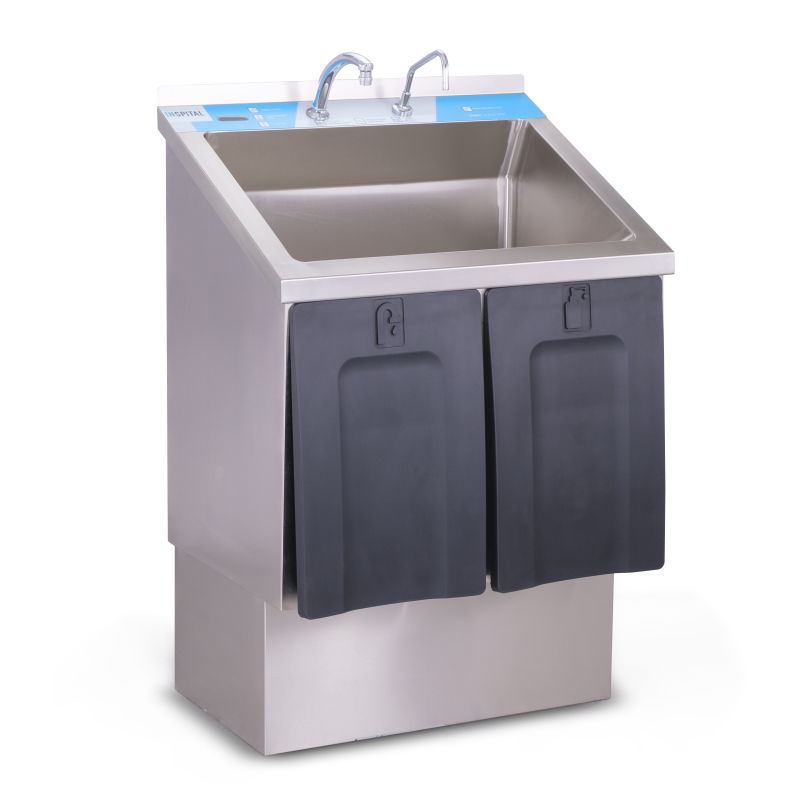
An example of modern OR infrastructure are the modularly configurable ceiling supply units from Inspital. These enable structured integration of medical supply media and support ergonomic design of the operating room. Especially in new construction or extensive modernization projects, flexible infrastructure is important, as medical requirements can change over time. The development of products for daily clinical use also shows that medical technology today is increasingly viewed holistically. An example of this is the single washbasin SK61.10 developed by Inspital, which was awarded the Red Dot Award: Product Design 2026. The renowned design award honors products that combine functionality, design, and user orientation. The award shows that even seemingly everyday components of hospital infrastructure can create added value in the clinical environment through thoughtful design. For hospitals in the Ruhr region, choosing a suitable medical technology partner represents a long-term strategic decision. The technical equipment of a hospital area often accompanies operators for many years. That is why reliable products, transparent quality processes, and continuous support are crucial criteria.

The future of hospital care will be shaped by flexibility, efficiency, and even stronger integration of technical systems. Manufacturers who understand these requirements and can offer holistic solutions will become increasingly important for hospitals. It is not just about providing modern equipment, but about developing infrastructure concepts together with hospitals that meet the medical requirements of today and tomorrow.