Interdisciplinary Collaboration in Medical Technology

Share Article:
Modern medical technology stands at the intersection of medicine, engineering, and technology. Without close interdisciplinary collaboration between doctors, engineers, and technicians, it would be impossible to develop innovative solutions that are functional, safe, and efficient. An excellent example of this cooperative approach is the Inspital operating light system, which was specifically designed for use in surgical environments.

Contents

Why is interdisciplinary collaboration so important in medical technology?

The development of medical devices requires close coordination between various specialized fields. Physicians contribute their knowledge of anatomical, physiological, and clinical requirements. Engineers ensure the technical implementation and efficiency of solutions. Technicians, in turn, take care of the maintenance and implementation of the devices to ensure their longevity and smooth operation.
Without this interdisciplinary collaboration, many medical devices would not only function theoretically but also be efficiently and intuitively used by doctors in daily practice. It not only improves patient care but also reduces potential sources of error and increases the efficiency of treatments.

Inspital Operating Lights as an Example of Interdisciplinary Collaboration

The development of medical devices requires close coordination between various specialized fields. Physicians contribute their knowledge of anatomical, physiological, and clinical requirements. Engineers ensure the technical implementation and efficiency of solutions. Technicians, in turn, take care of the maintenance and implementation of the devices to ensure their longevity and smooth operation.
Without this interdisciplinary collaboration, many medical devices would not only function theoretically but also be efficiently and intuitively used by doctors in daily practice. It not only improves patient care but also reduces potential sources of error and increases the efficiency of treatments.

Inspital Operating Lights as an Example of Interdisciplinary Collaboration
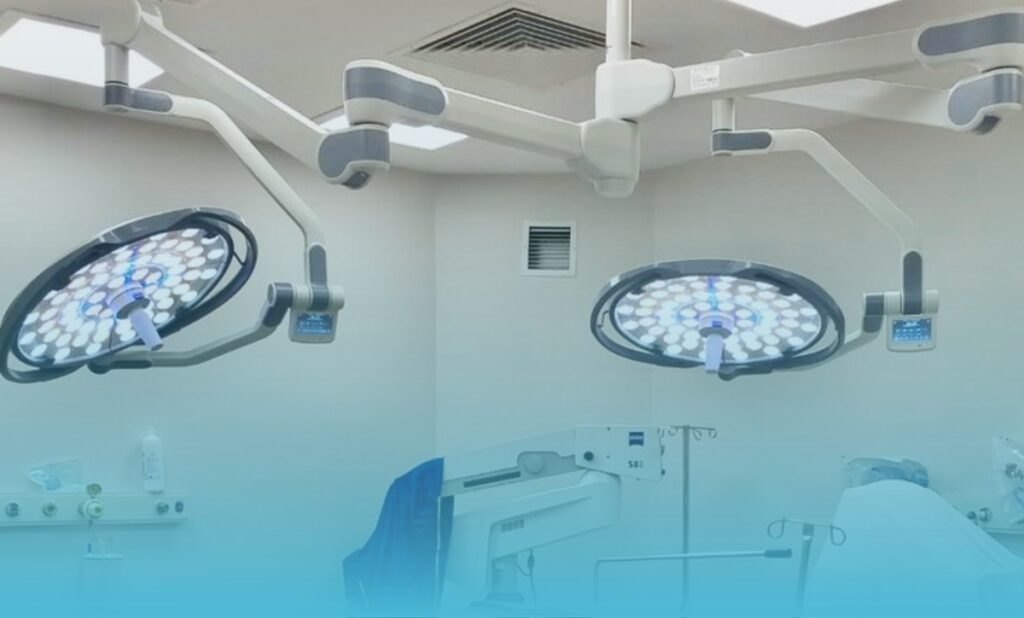
One of the best examples of this synergy is the development of Inspital operating lights. They are essential for surgical procedures and directly influence the visibility conditions and thus the success of an operation. Without precise illumination, the smallest details in the operating field can be overlooked, increasing the risk of complications.

The Role of Physicians
Surgeons and medical professionals define the requirements for an ideal operating light. Aspects such as light intensity, shadow-free illumination, color temperature, and adaptability to different surgical scenarios are crucial. Lighting that is too bright or too weak can impair vision, while insufficient adaptability can lead to limitations during a procedure.

The Role of Engineers
Based on these requirements, engineers develop innovative technologies to ensure optimal illumination. This involves developing cutting-edge LED technologies, ergonomic design, and control systems that meet the surgeons' needs. A central challenge is to achieve uniform illumination without disturbing shadow formation. Modern Inspital operating lights also offer smart control functions that allow adjusting light intensity and color temperature individually for each procedure.

The Role of Technicians
After development, technicians are responsible for the installation and maintenance of the lights. They ensure that the system functions flawlessly even after prolonged use and that downtime is minimized. Regular maintenance ensures that the light sources deliver their full performance and that no sudden technical defects occur that could jeopardize an operation. Additionally, technicians train medical staff in the use of the technology to ensure efficient use in the operating room.

Advantages of Interdisciplinary Collaboration

The close cooperation between physicians, engineers, and technicians brings a multitude of benefits:

Conclusion: Collaborative Development for Better Patient Care

The interaction between doctors, engineers, and technicians is the key to successful development of medical devices. Without interdisciplinary collaboration, many innovations would be inconceivable. Inspital focuses precisely on this, developing cutting-edge medical technology in close cooperation with professionals from various disciplines.
The close coordination between different specialized areas ensures that new technologies are both practically applicable and efficient and reliable. Only through this integrative approach can medical technology continue to make progress and sustainably improve the quality of patient care.
Would you like to learn more about how innovative medical technology is created?

Contact us and discover how Inspital shapes the future through interdisciplinary medical technology!

Current News

Academy

Here, everything revolves around knowledge and continuing education.

News Press

Here you will find current news about trade fairs, congresses, PR and other relevant topics.