Importance of Medical Technology Manufacturers for OR Equipment
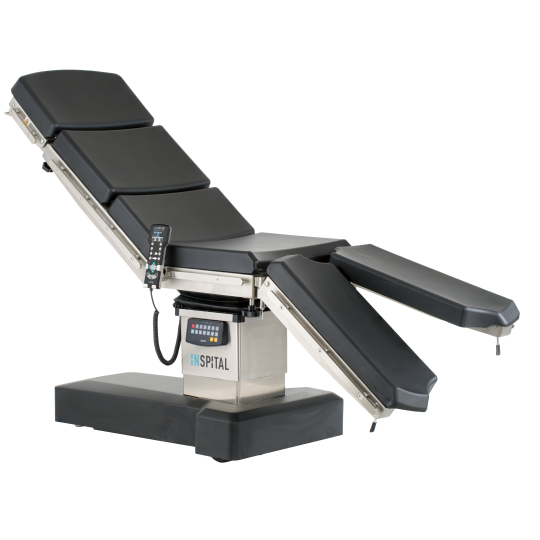
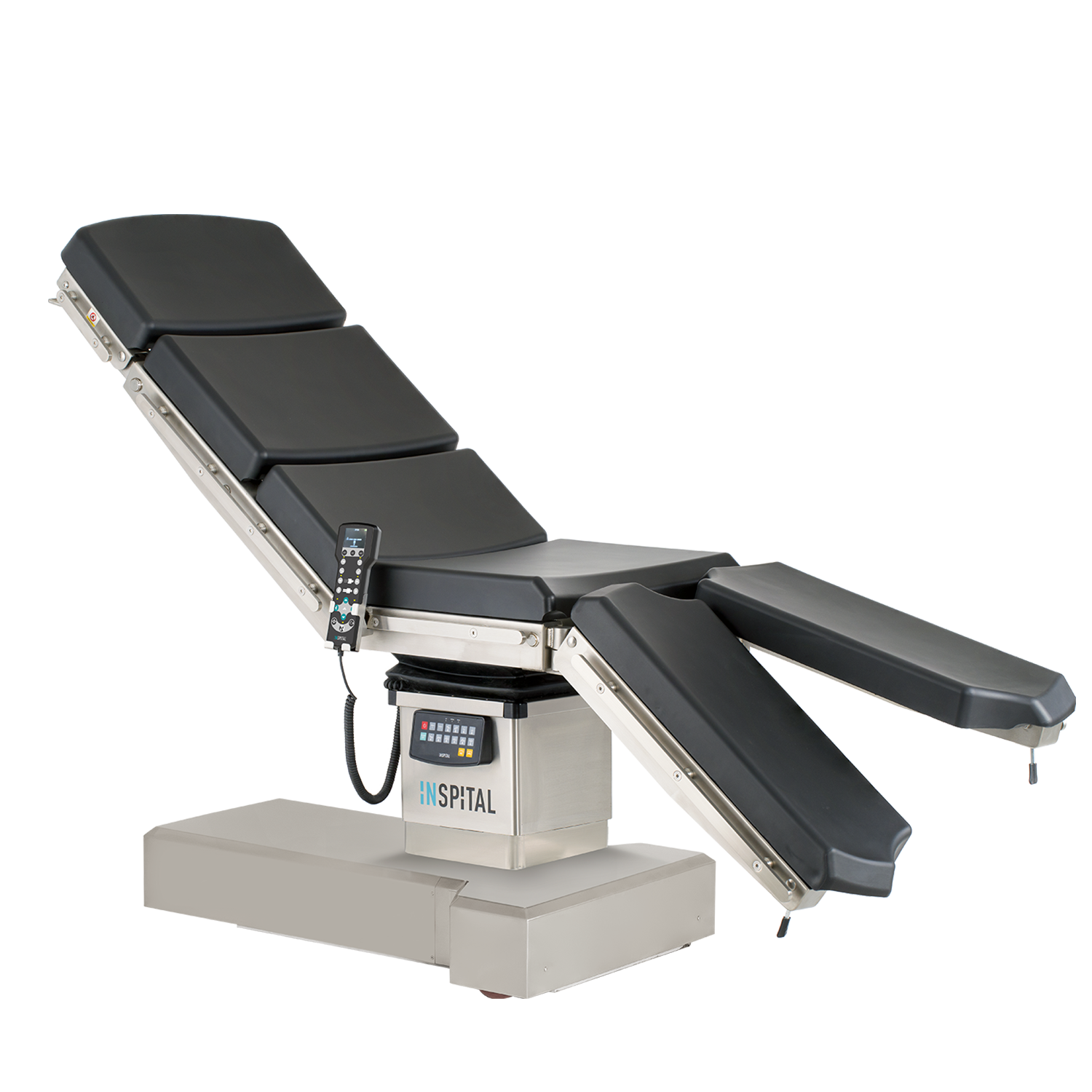
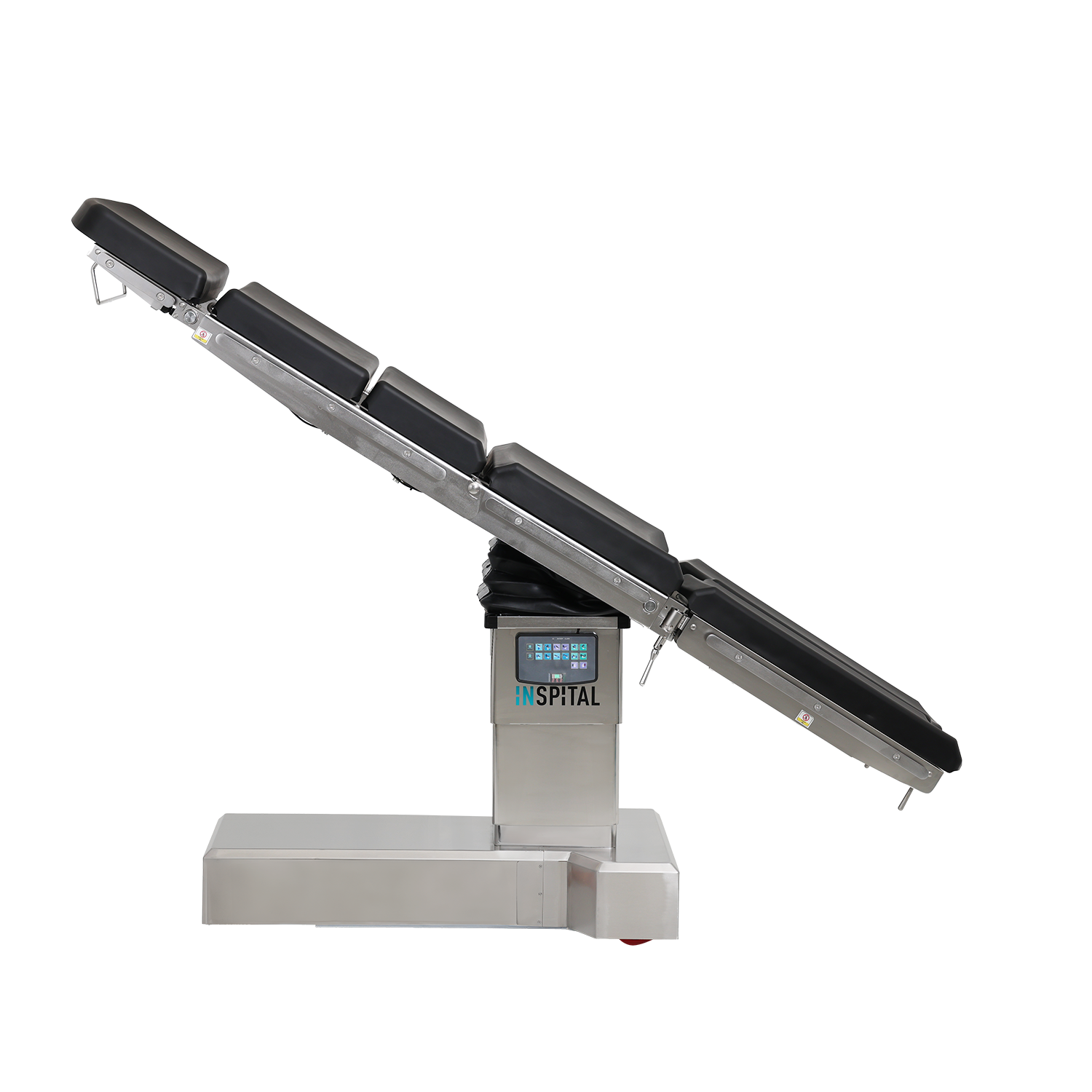
Operating Table OT80.20 NOVUS
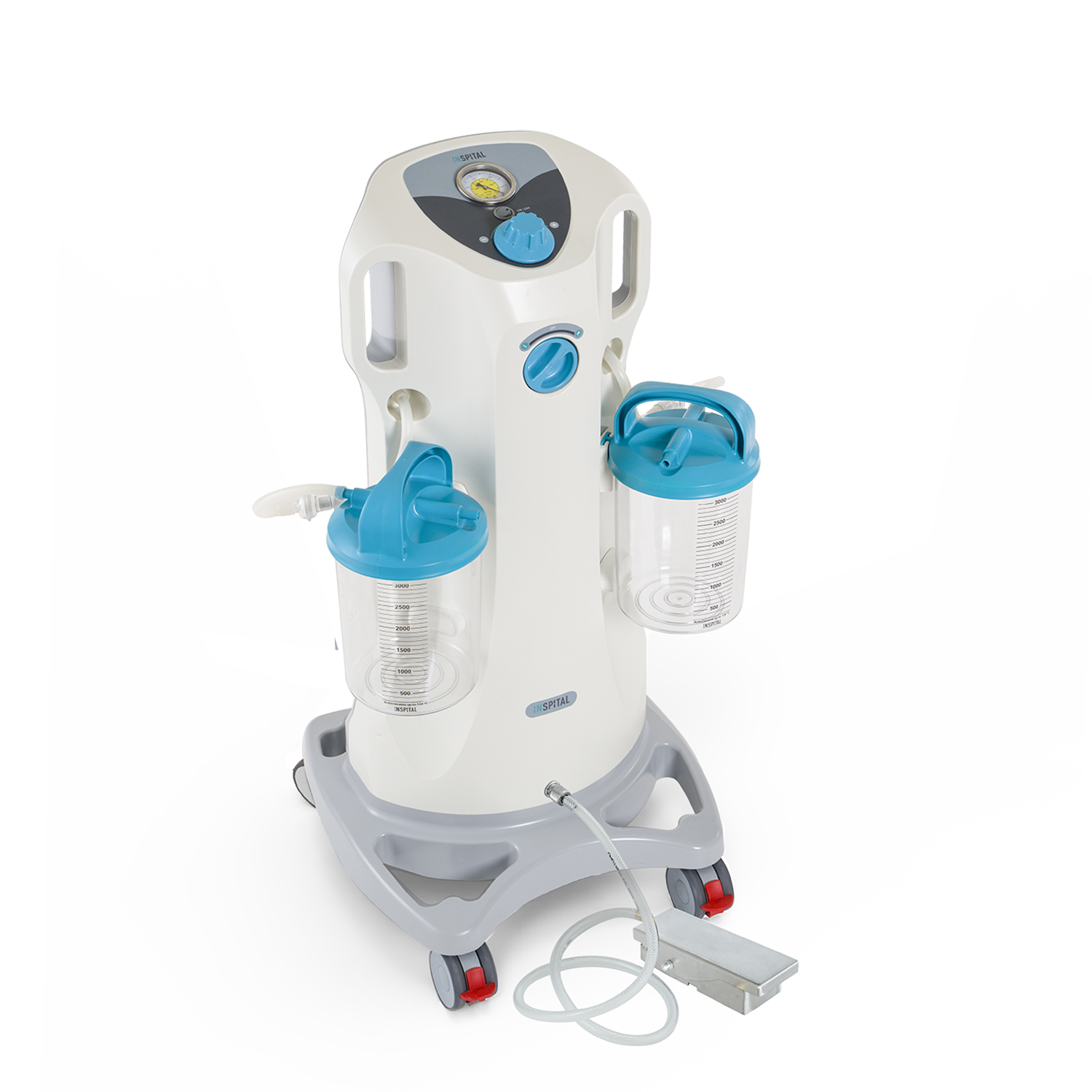
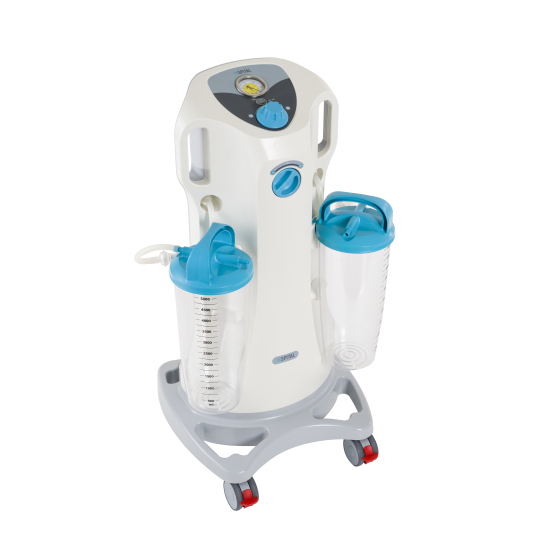
Prices visible to registered customers onlySurgical Suction Machine SU60.05
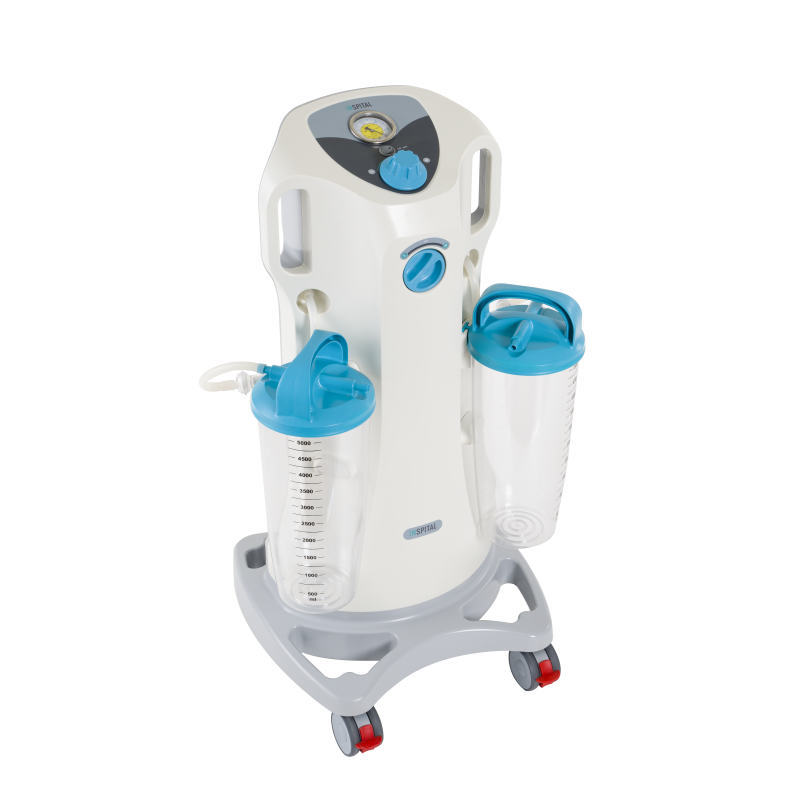
Prices visible to registered customers onlySurgical Suction Unit SU60.10
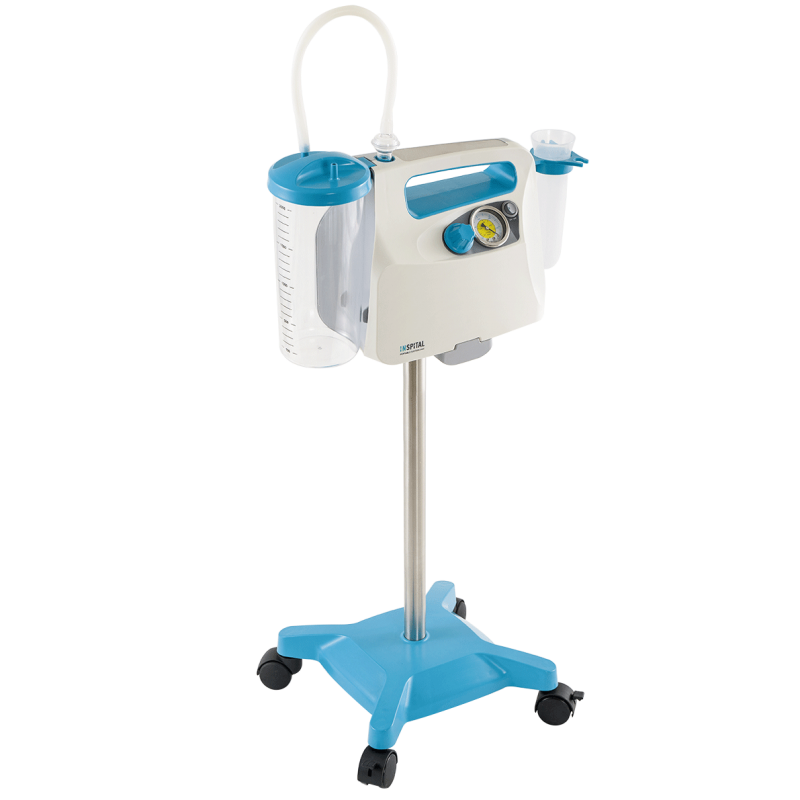
Prices visible to registered customers onlyPortable Suction Unit SU60.06T
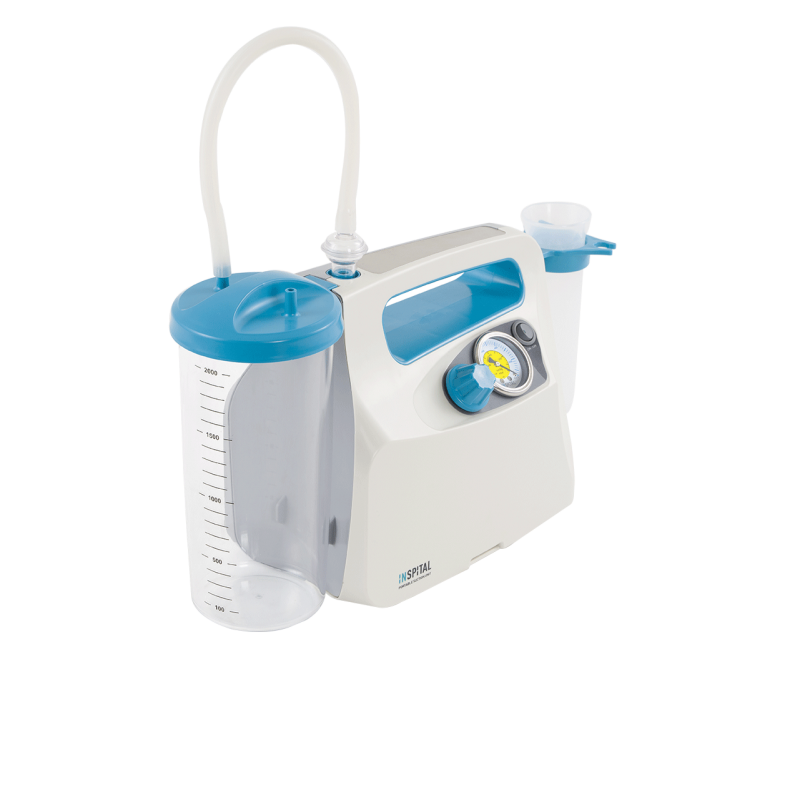
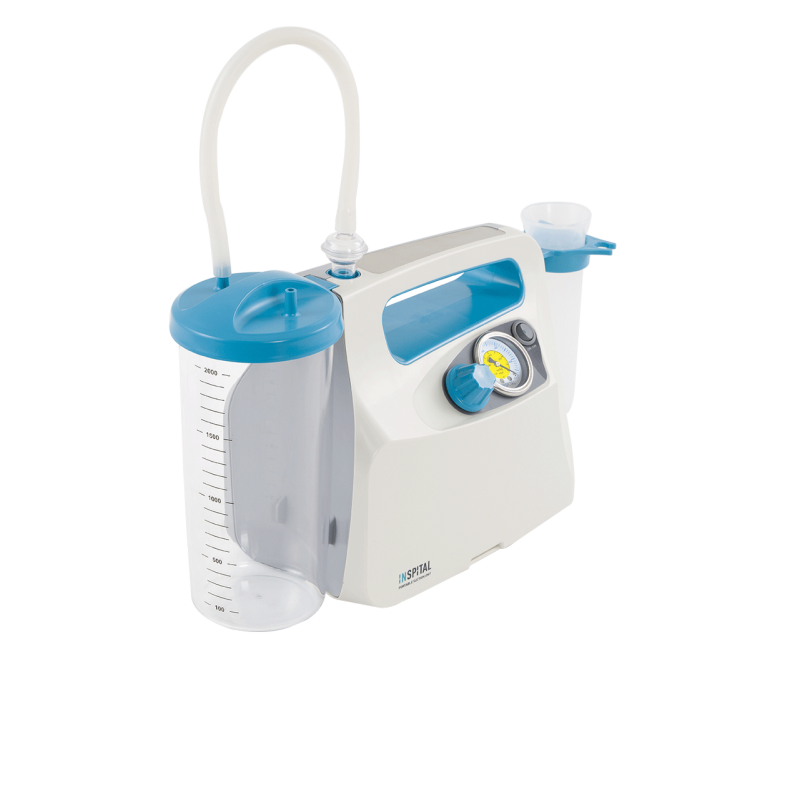
Prices visible to registered customers onlyPortable Suction Unit SU60.06
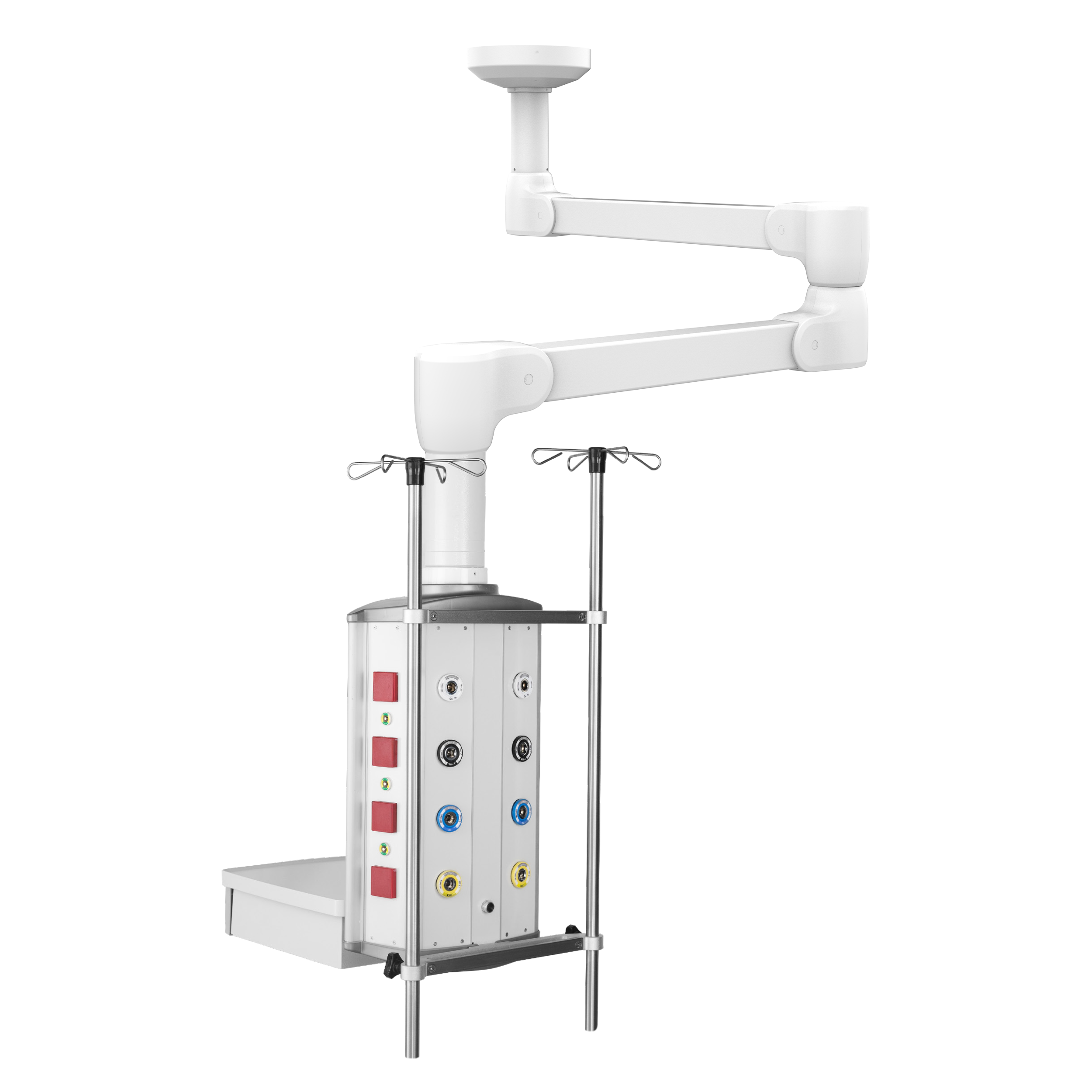
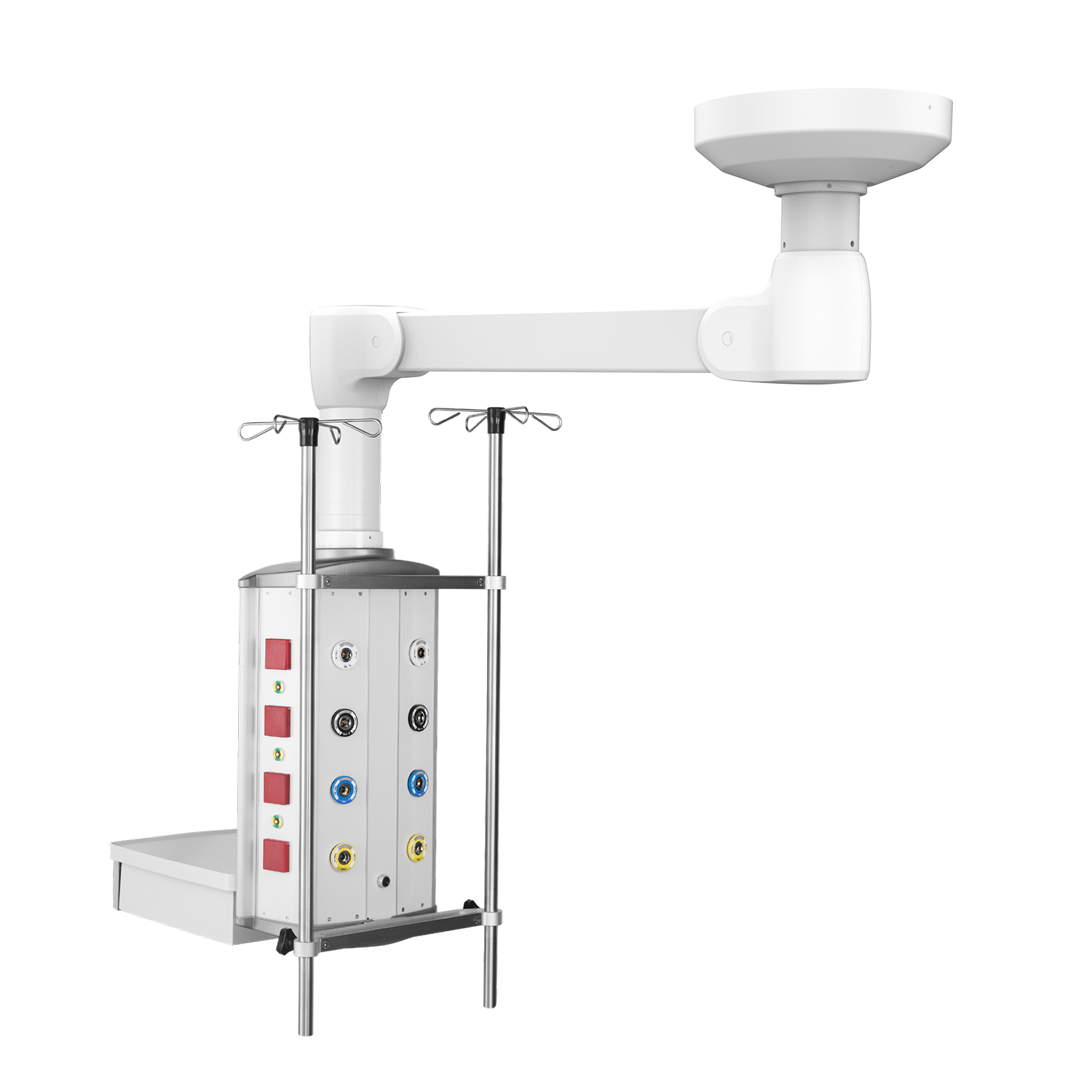
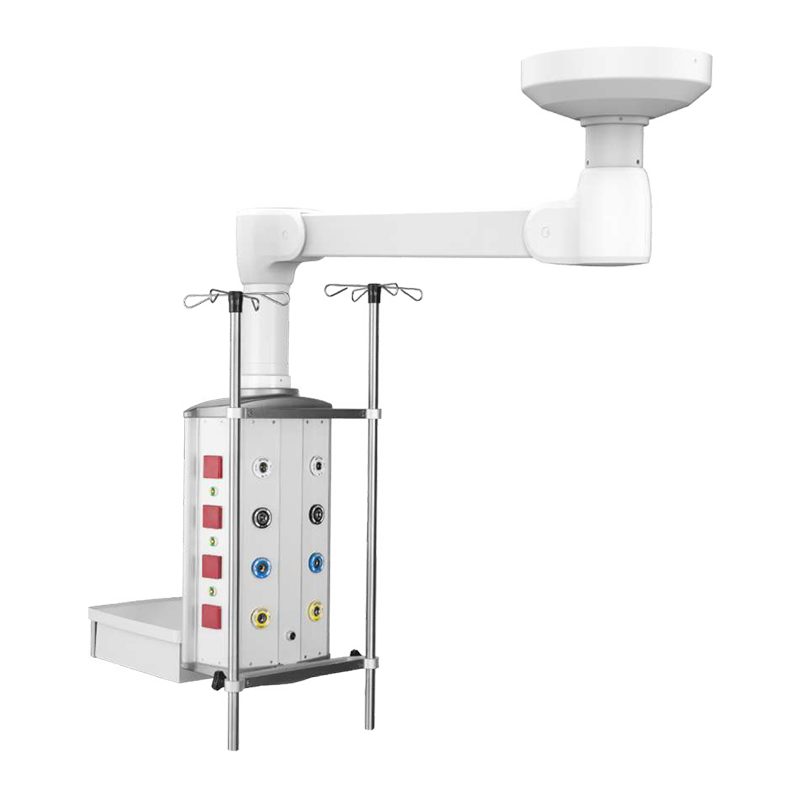
Prices visible to registered customers onlyCeiling supply unit with double joint FX40.20V
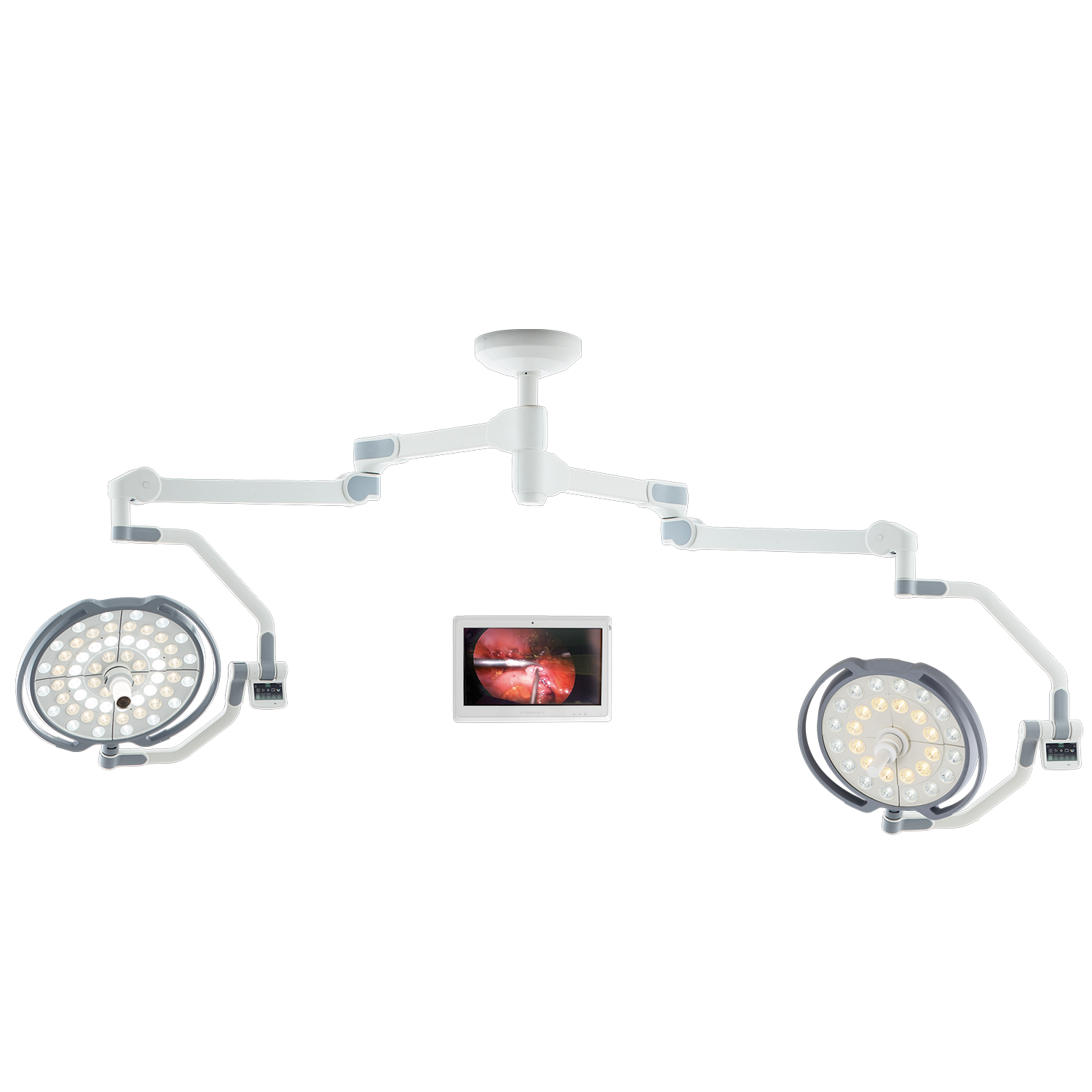
Prices visible to registered customers onlyDual-head surgical lights with camera and arm-mounted 27″ medical monitor LD20.53S
Prices visible to registered customers onlyDual-head surgical lights with camera and wall-mounted 27″ medical monitor LD20.24S
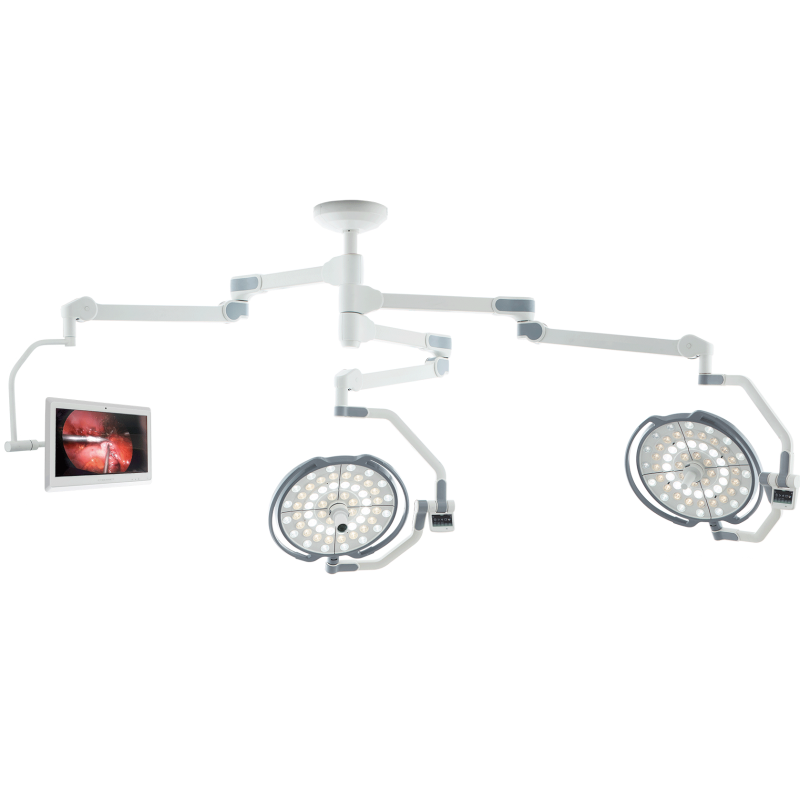
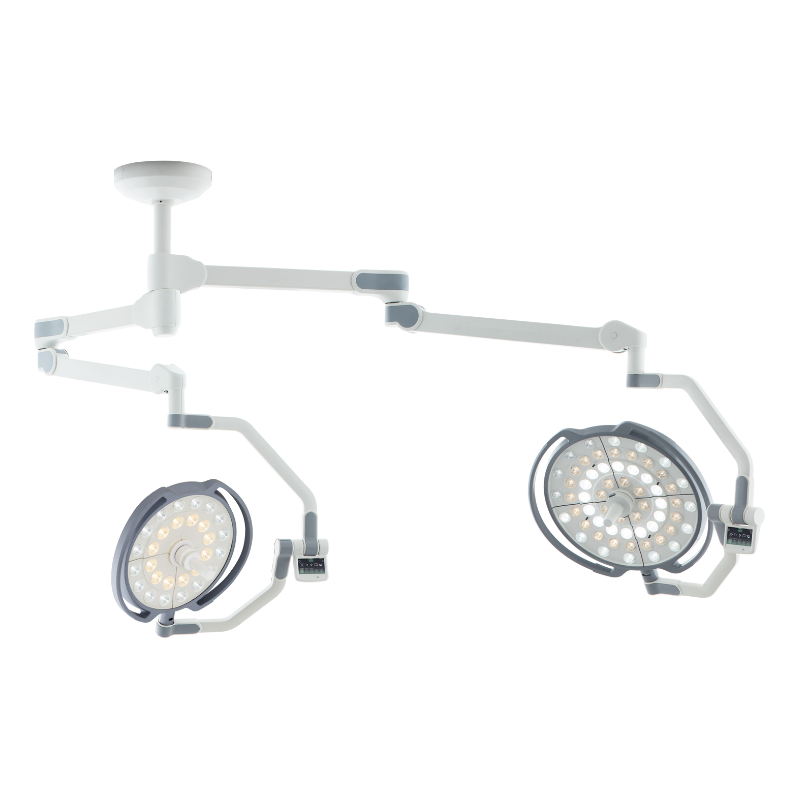
Prices visible to registered customers onlyDual-Head Surgical Light LD10.02S
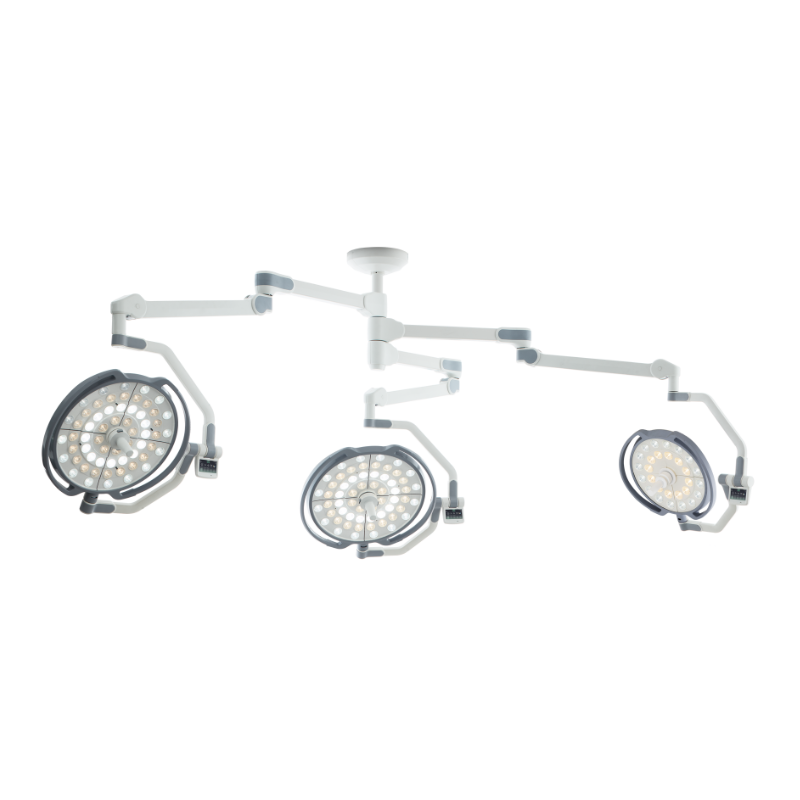
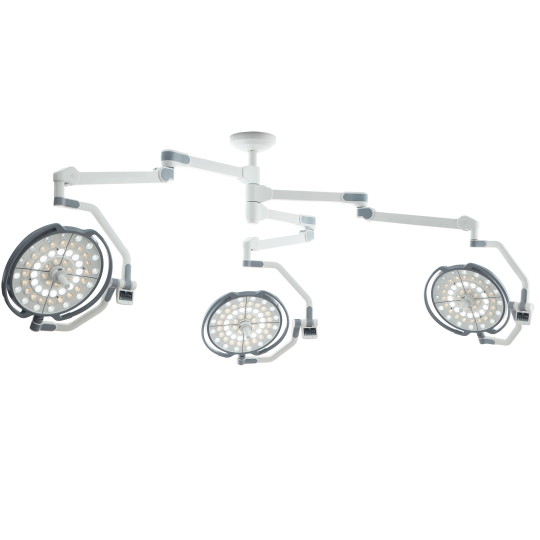
Prices visible to registered customers onlyThree-Headed Surgical Light LD10.03S
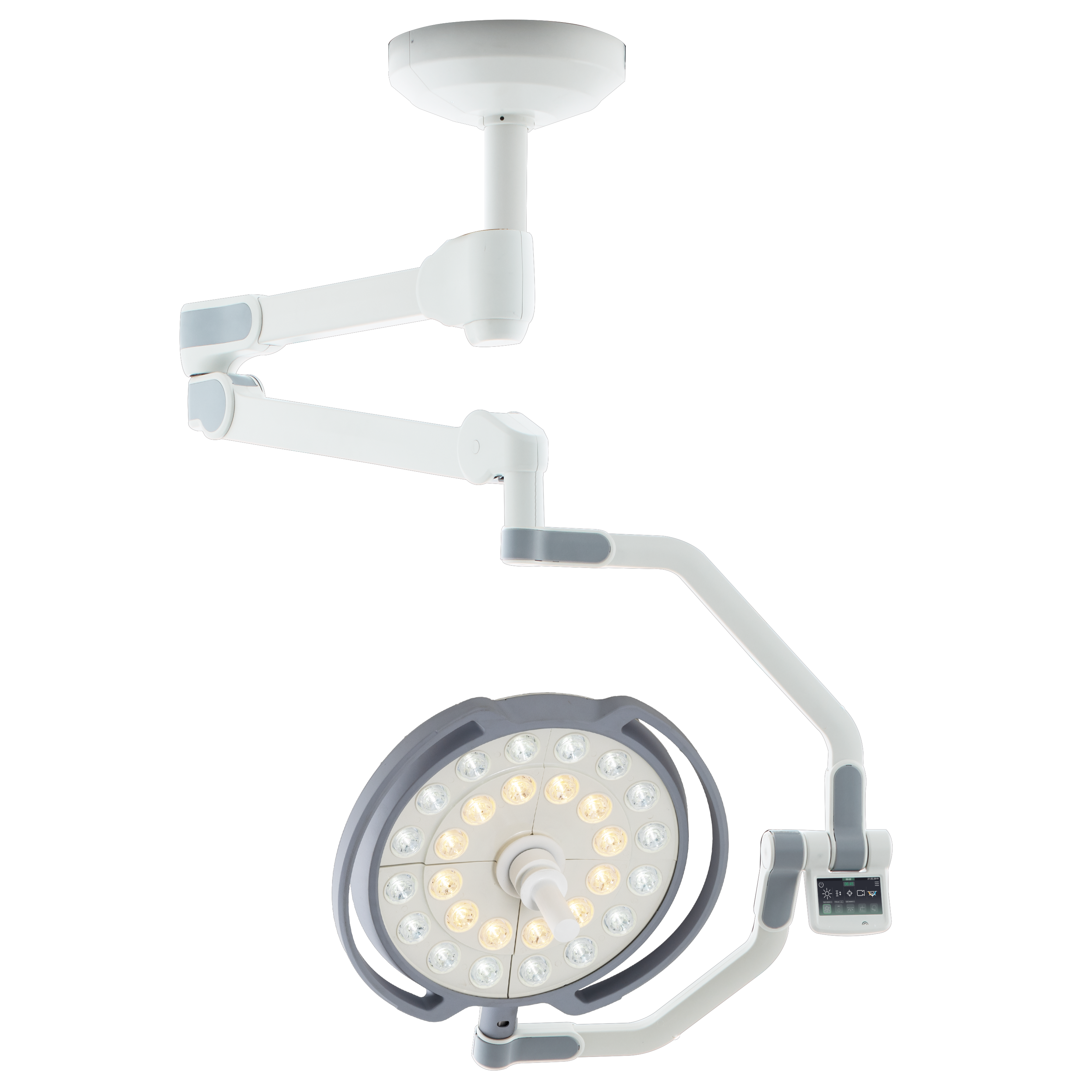
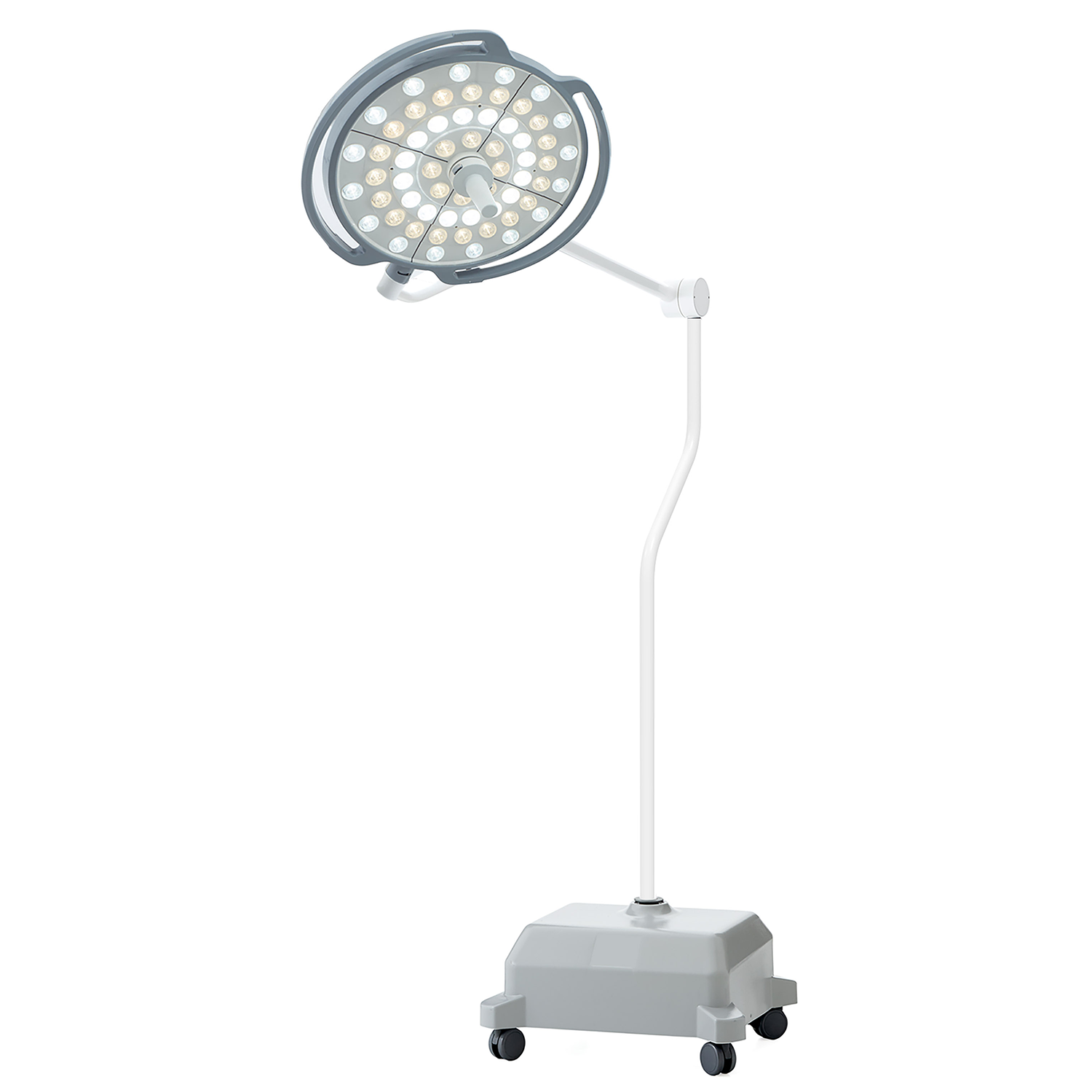
Prices visible to registered customers onlySingle-Head Surgical Light LD10.01S
Prices visible to registered customers onlyCeiling service unit with single joint FX40.10V
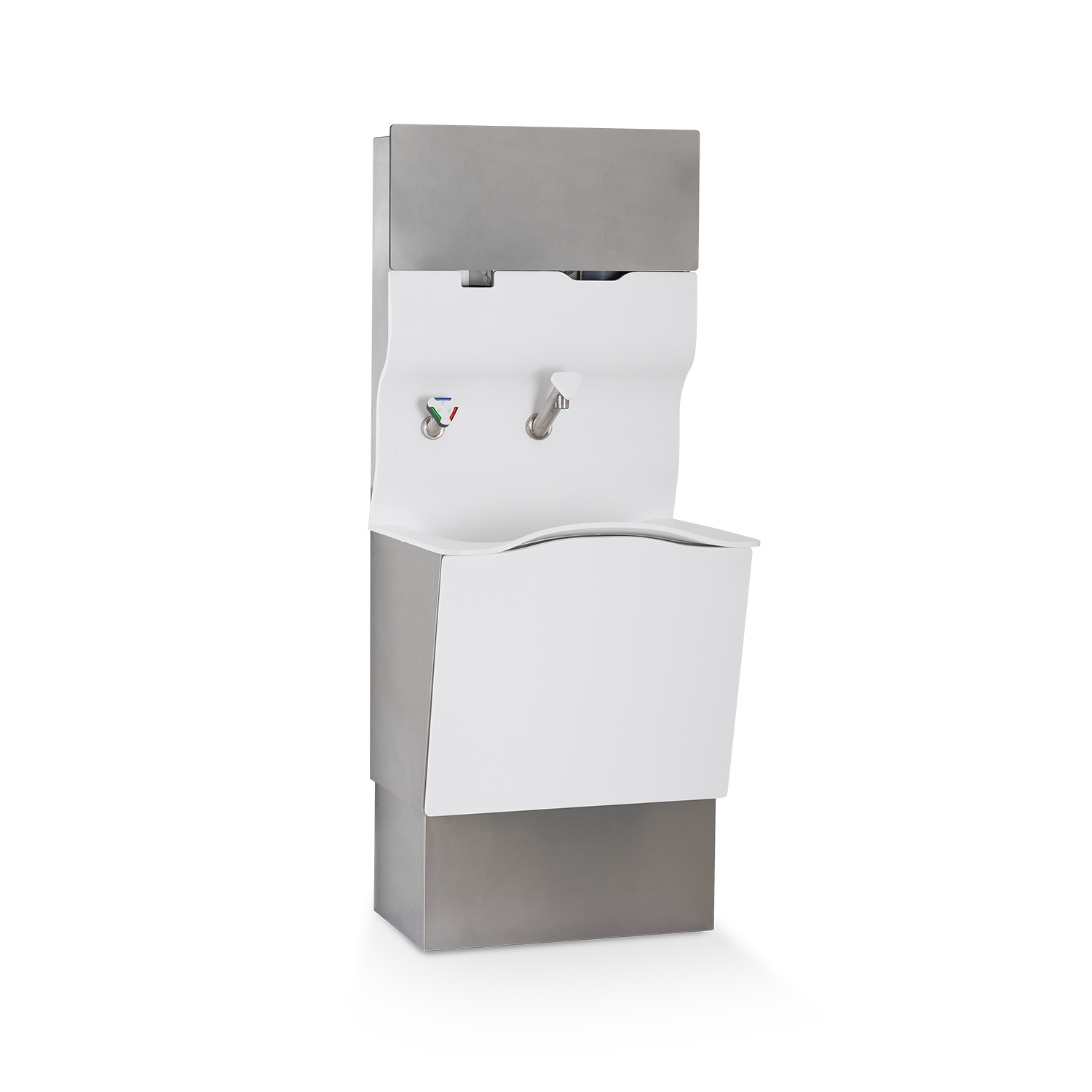
Prices visible to registered customers onlySingle washbasin SK61.10
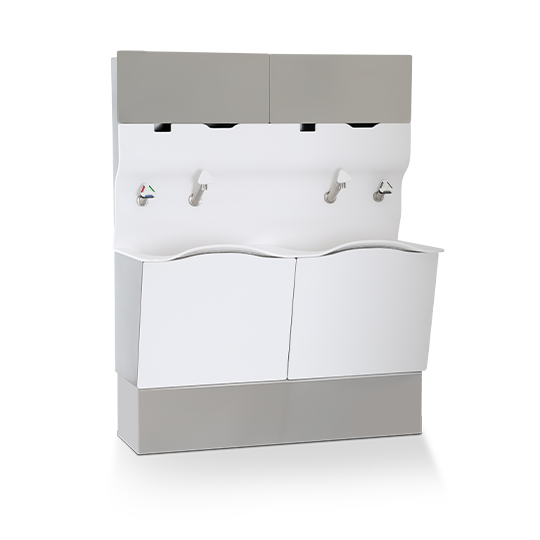
Prices visible to registered customers onlyDouble Sink SK61.20
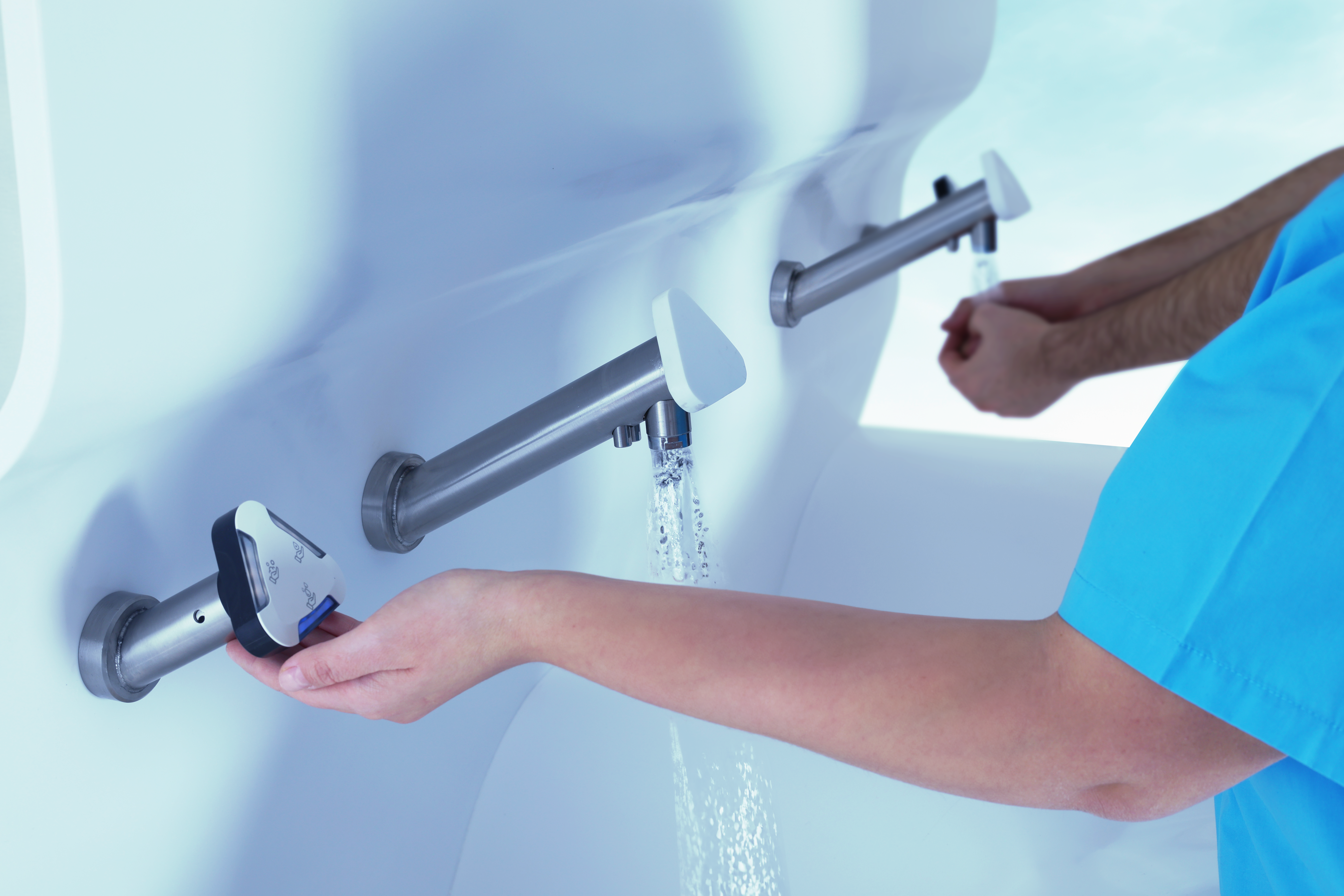
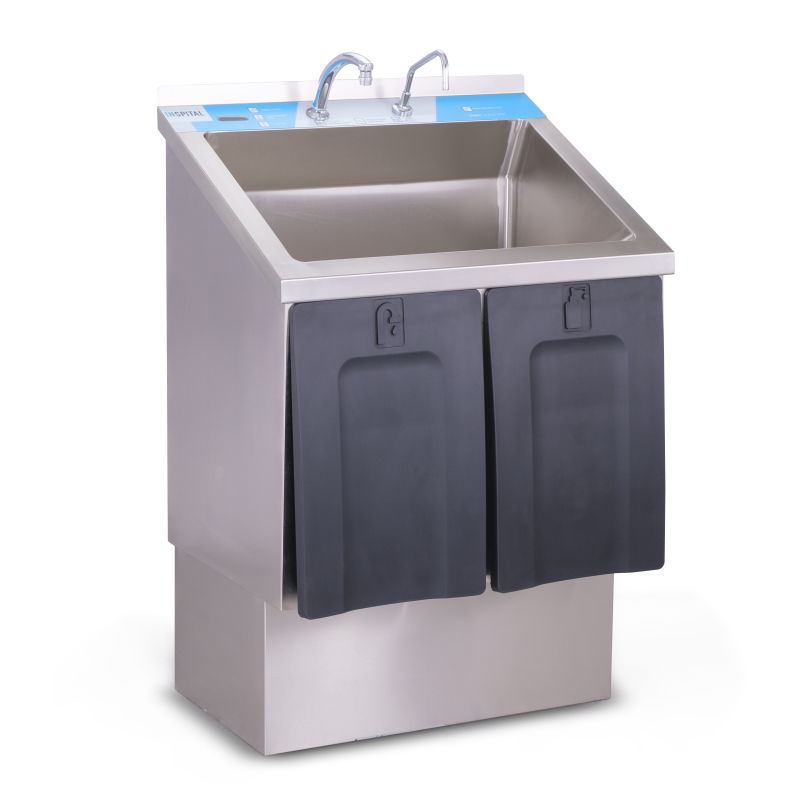
Prices visible to registered customers onlySingle Scrub Sink SK60.10
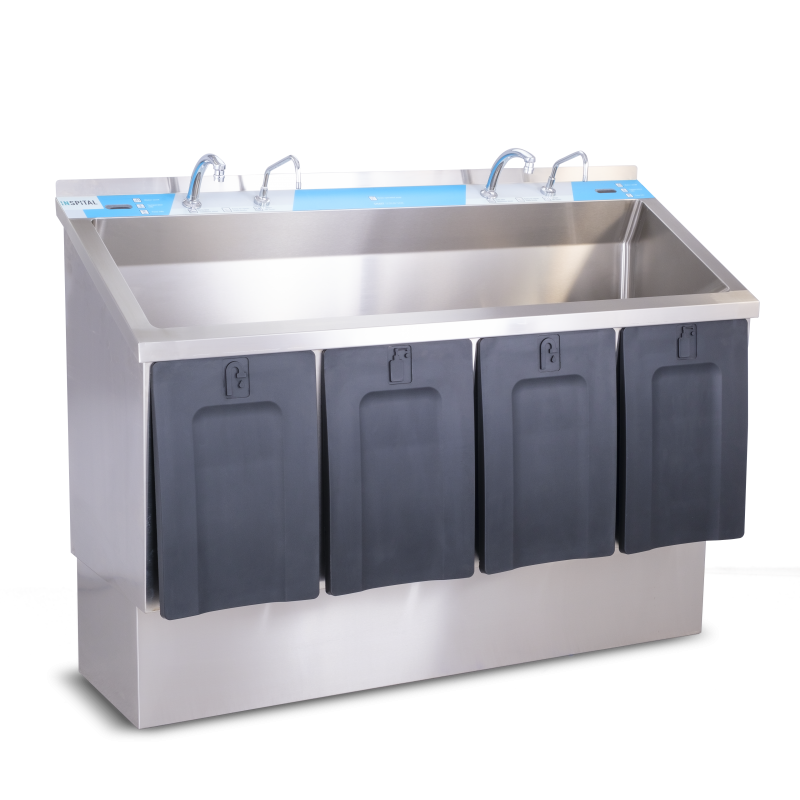
Prices visible to registered customers onlyDouble Scrub Sink SK60.20
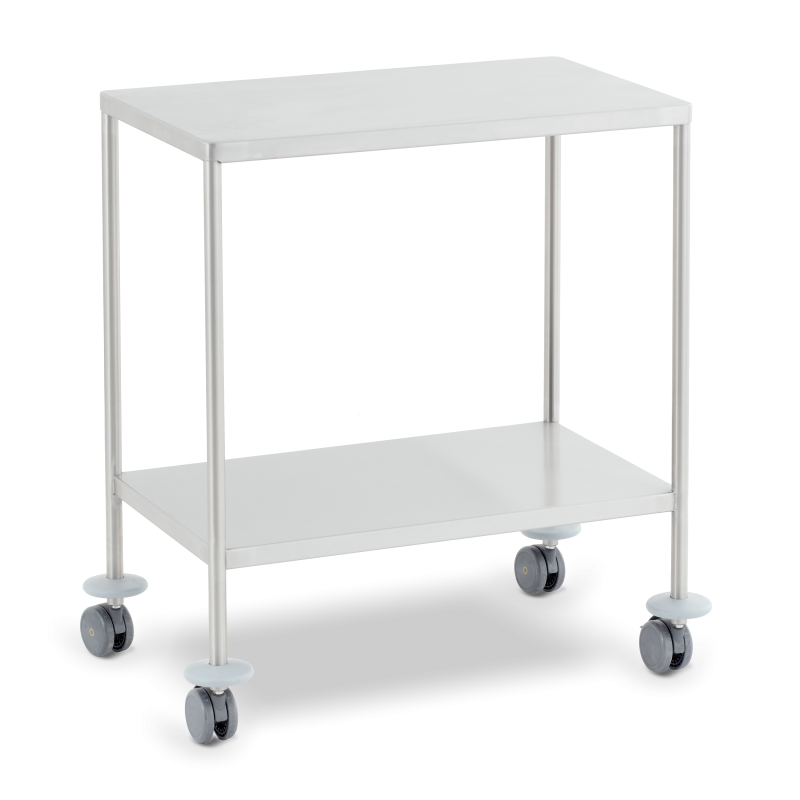
Prices visible to registered customers onlyInstrument Trolley AB00.21
Prices visible to registered customers onlyInstrument Trolley AB00.22
Prices visible to registered customers onlyInstrument Trolley AB00.23
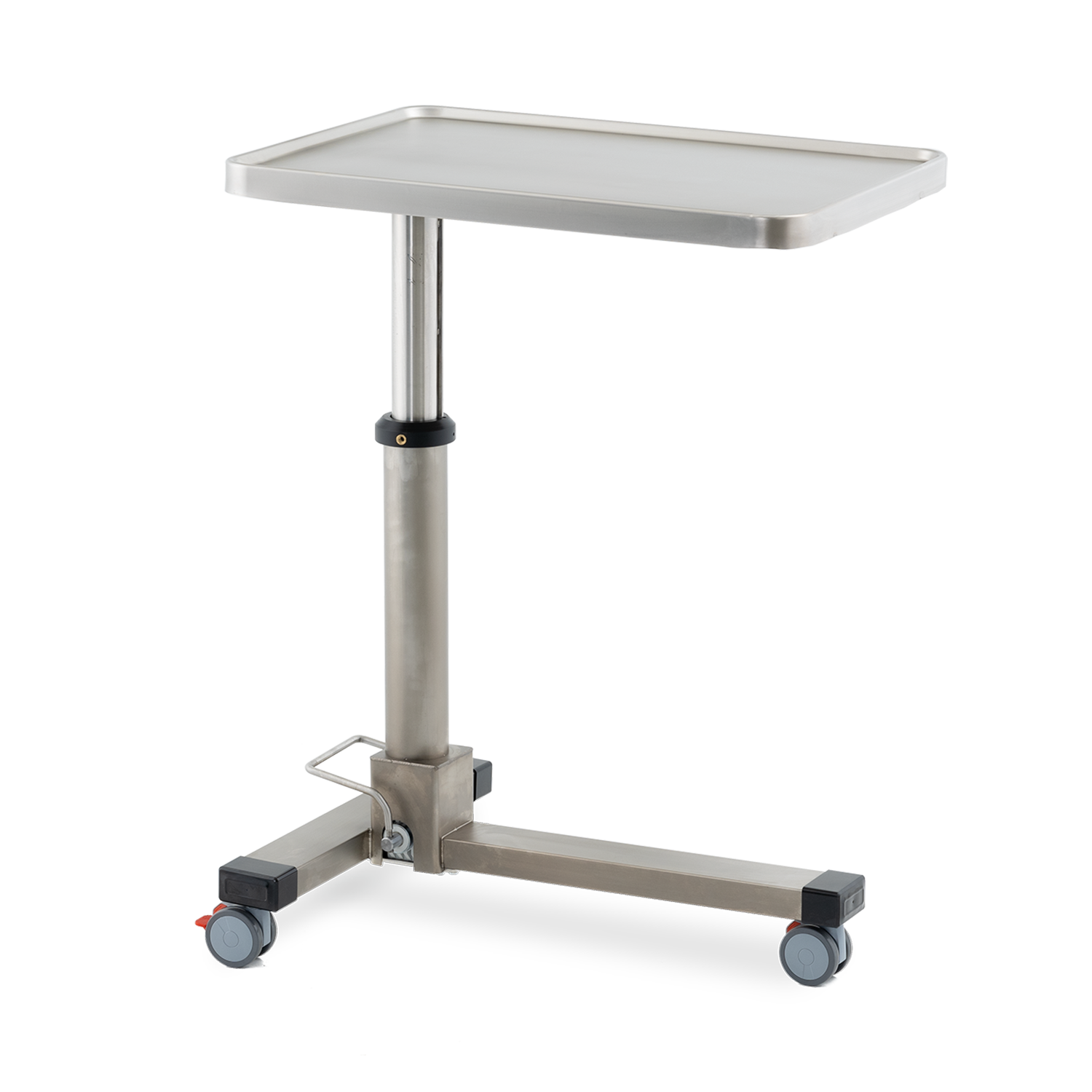
Prices visible to registered customers onlyHydraulic Mayo Table MS10.51
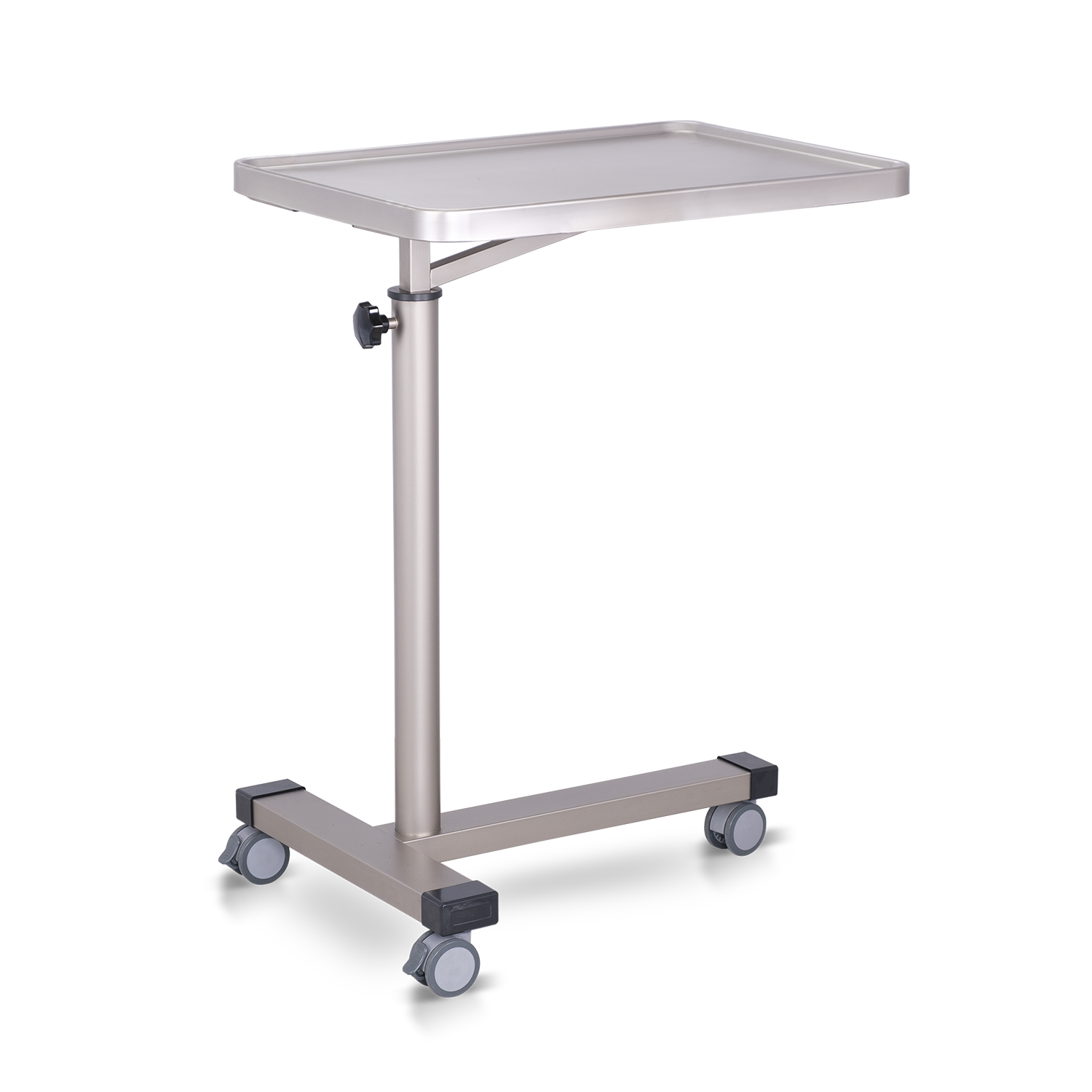
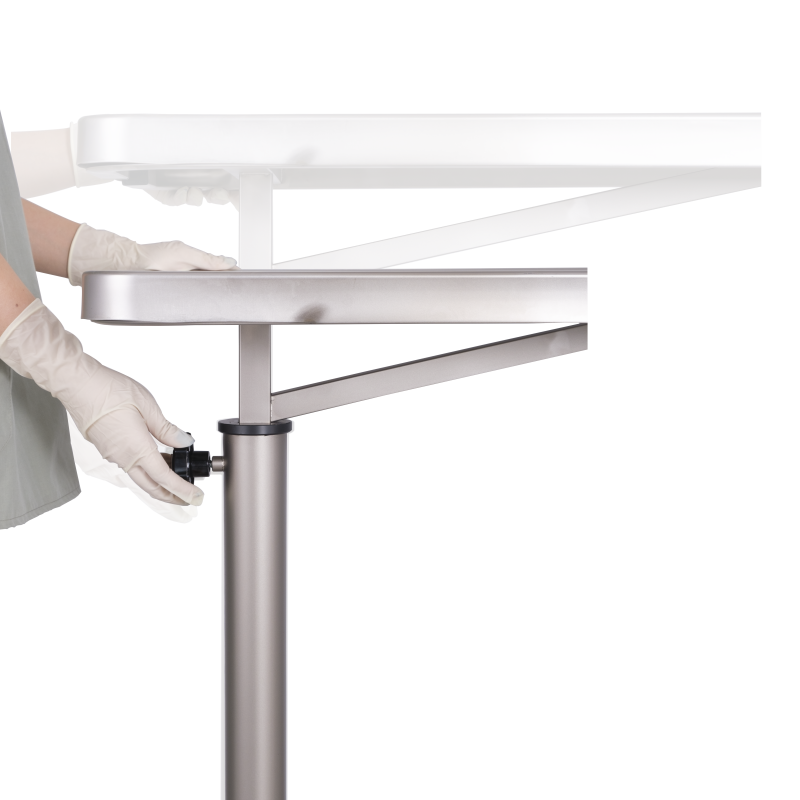
Prices visible to registered customers onlyMechanic Mayo Table MS10.50
Prices visible to registered customers onlyPortable Suction Unit SU60.08
Prices visible to registered customers onlyMobile surgical light with battery LD05.06
Prices visible to registered customers onlyMobile surgical light, satellite head with battery LD05.06S
Prices visible to registered customers onlyImportance of Medical Technology Manufacturers for OR Equipment
Medical technology manufacturers play a central role in equipping modern operating rooms. The OR is one of the most complex and technically demanding areas of a hospital, as a wide variety of systems must work together precisely. These include, among others, operating tables, lighting systems, surgical instrument tables, power supply units, and digital control and documentation systems. The quality of OR equipment directly influences patient safety and the efficiency of medical procedures. Therefore, medical technology manufacturers not only develop individual devices but increasingly integrated system solutions that are coordinated with each other. This development is particularly important in modern hospital structures where processes are standardized and digitally networked.
A crucial factor is the reliability of the systems used. In the OR, technical devices are used daily under high load, often for many hours. A high-quality medical technology manufacturer must therefore develop systems that function stably over time and show no loss of performance even under demanding conditions. Another important aspect is integration into existing hospital infrastructures. Modern operating rooms are no longer isolated spaces but part of a digital network. Imaging systems, OR lights, and patient monitoring must communicate with each other. Medical technology manufacturers must therefore develop solutions that are compatible with these systems and enable a smooth workflow. Inspital GmbH develops precisely such OR equipment systems, designed for stability, integration, and long-term clinical use. The focus is on modular solutions that can be flexibly adapted to different OR requirements.
Requirements for OR Equipment from Medical Technology Manufacturers
The requirements for medical technology manufacturers in the field of OR equipment have fundamentally changed in recent years. Hospitals today no longer expect just functional individual devices, but fully integrated systems that support and optimize the entire surgical process. This development is the result of increasing efficiency demands, growing technical complexity, and an increasing focus on patient safety in clinical practice. A central criterion for selecting OR equipment is the long-term reliability of the systems used. Operating rooms are among the most heavily utilized areas of a hospital, where technical devices are used daily for many hours. Medical technology manufacturers must therefore develop solutions that function consistently and stably even under high load and show no loss of performance. Even the smallest technical malfunctions in the OR can have significant consequences, which is why stability is considered a fundamental prerequisite.
In addition to reliability, the flexibility of the systems also plays a crucial role. Modern hospitals perform a variety of different procedures, each with specific requirements for OR equipment. A system must therefore be able to adapt quickly and efficiently to different surgical scenarios. This adaptability not only increases efficiency but also the utilization of existing infrastructure. Another important aspect is ergonomics within the OR. Surgical teams often work for extended periods under high physical and mental stress. Medical technology manufacturers must therefore develop systems that support an ergonomically optimal working environment. This includes flexible adjustment options, a well-thought-out arrangement of devices, and an intuitive operating structure that does not interrupt the workflow.
Integration into existing hospital infrastructures is also a decisive factor. Modern operating rooms consist of a multitude of networked systems that must communicate with each other. Imaging, monitoring, lighting, and workstation systems must work together seamlessly to ensure a smooth workflow. Medical technology manufacturers therefore face the challenge of making their systems compatible and future-proof. Inspital GmbH develops OR equipment specifically designed for these complex requirements in inpatient clinical operations. The focus is on stable, modular, and long-term usable solutions that can be flexibly integrated into different OR structures.
Another point that is gaining increasing importance is the maintainability of the systems. Hospitals need solutions that can be quickly checked and maintained without causing long downtimes. Systems that are easily accessible and efficient to maintain contribute significantly to the economic efficiency and planning reliability of OR operations. In addition, digitalization plays an increasingly important role. Modern OR equipment must be able to support digital processes and integrate into existing IT structures. This enables better documentation, more efficient control, and greater transparency throughout the entire surgical process.
Overall, it is clear that the demands on medical technology manufacturers in the field of OR equipment today go far beyond mere functionality. They encompass stability, flexibility, ergonomics, integration, and digital future-proofing – factors that together determine the quality and usability of a system in clinical practice.
Integration of Modern OR Equipment into Clinical Structures
The integration of modern OR equipment into existing clinical structures is a decisive factor for the efficiency and safety of surgical procedures. In today’s hospitals, the operating room is no longer an isolated space but part of a complex system in which various technical components are closely networked. Medical technology manufacturers therefore face the task of developing solutions that seamlessly integrate into these structures while ensuring high technical performance.
An essential component of this integration is the technical networking of individual systems. Modern operating rooms include a variety of devices, including operating tables, lighting systems, imaging units, and monitoring technologies. These systems must be able to communicate with each other to enable a smooth workflow during a surgical procedure. A lack of or insufficient integration can lead to delays and significantly impair efficiency. Furthermore, spatial integration plays an important role. The arrangement of devices in the OR must be designed to ensure short distances, clear work structures, and optimal accessibility. A well-thought-out placement of OR equipment helps to avoid unnecessary movements and to focus the medical staff’s concentration on the procedure.
Another aspect is the functional integration into existing work processes. Surgical procedures are often complex and require precise coordination between different team members. Medical technology manufacturers must therefore develop systems that support these processes and do not hinder them. Intuitive operating concepts and clearly structured control systems are of central importance here. Inspital GmbH develops OR equipment specifically designed for seamless integration into modern hospital structures. Particular emphasis is placed on compatibility, flexibility, and long-term system capability.
Digital integration is also becoming increasingly important. Many hospitals rely on central control systems that connect various devices. OR equipment must therefore be able to be integrated into such systems and process data in real time. Another important point is scalability. Hospital structures are constantly evolving, which means that technical equipment must also remain adaptable. Modular systems that can be expanded offer clear advantages here.
Overall, it is clear that the integration of modern OR equipment represents a central challenge for medical technology manufacturers. Only systems that can be technically, spatially, and functionally integrated into existing structures can be successfully used in clinical practice in the long term.
Economic Efficiency of OR Equipment in Hospitals
The economic efficiency of OR equipment is a decisive factor for hospitals when selecting medical technology manufacturers. While in the past the purchase price was primarily in focus, today the perspective has significantly broadened. Clinics are increasingly analyzing the total costs over the entire life cycle of a system, as this is where the true economic efficiency is determined. This approach includes not only the investment but also maintenance, operating costs, downtimes, and the long-term usability of the systems.
A key economic factor is the lifespan of OR equipment. Devices in the operating area are exposed to intensive daily use and must function reliably for many years. Systems made of high-quality materials and featuring robust construction reduce the need for replacement investments in the long term. As a result, higher acquisition costs often pay for themselves over the period of use.
Another decisive point is the intensity of maintenance. In a hospital environment, every technical malfunction is associated with organizational effort and potential costs. Especially in the OR, failures can lead to delays or even the cancellation of procedures. Medical technology manufacturers must therefore develop systems that are low-maintenance and at the same time ensure high operational reliability. Short maintenance times and easy accessibility of technical components are decisive advantages. Efficiency in daily operation also significantly influences economic efficiency. OR equipment that enables quick adjustments and supports the workflow helps to optimize operating times and increase the utilization of OR capacities. This is particularly important in large hospitals, where operating rooms play a central role in overall economic performance.
Another important aspect is the flexibility of the systems. Medical technology that can be used in various surgical specialties increases the utilization rate and reduces the need for specialized individual devices. This allows hospitals to use their investments more efficiently and at the same time standardize technical equipment. Inspital GmbH develops OR equipment with a clear focus on long-term economic efficiency. Systems are designed to be not only technically powerful but also efficiently usable in daily operation. Longevity, modular expandability, and stable performance are central to this.
Planning reliability also plays an important role. Reliable systems enable stable OR planning and reduce unplanned interruptions. This directly affects the efficiency of the entire hospital operation and improves the utilization of existing resources. In addition, the aspect of energy efficiency is gaining increasing importance. Modern OR equipment is developed to reduce energy consumption while maintaining high performance. This not only contributes to cost reduction but also supports sustainable hospital concepts.
Digitalization and Technological Development in the OR
Digitalization has fundamentally changed the operating room in recent years and presents medical technology manufacturers with new challenges. OR equipment today is no longer just mechanically or functionally driven, but increasingly part of a networked, digital system. This development means that devices must not only work reliably but also be able to process and exchange data and integrate into existing IT structures.
A central component of this development is the networking within the OR. Modern surgical environments consist of a multitude of technical systems that must communicate with each other. These include imaging, monitoring, lighting, and workstation systems. Functional networking ensures that information is available in real time and processes can be controlled efficiently.
Another important aspect is the central control of systems. Many hospitals today rely on integrated control units that can operate multiple devices simultaneously. This reduces complexity in the OR and enables a uniform operating structure. For medical technology manufacturers, this means that their systems must be compatible and easily integrable.
Data acquisition and documentation are also playing an increasingly important role. During a surgical procedure, numerous data are generated that can be used for tracking, analysis, and quality assurance. OR equipment must therefore be able to collect and transmit this data in a structured manner.
Inspital GmbH develops solutions specifically geared towards this digital development. The focus is on systems that can be integrated into modern hospital structures while providing a stable technical foundation.
Another important point is the future viability of digital systems. Hospitals invest for the long term, which means OR equipment must be designed to support future technological developments. Modular systems and expandable software solutions offer clear advantages here.
Despite increasing digitalization, user-friendliness remains a decisive factor. Systems must be designed to remain intuitive to operate and not overwhelm medical personnel with technical complexity. Clear user guidance helps to avoid errors and increase efficiency.
In addition, data security plays an important role. Medical data is sensitive and must be protected accordingly. Medical technology manufacturers must therefore ensure that their systems comply with current security requirements and operate reliably. It is clear that digitalization has permanently changed the OR. Medical technology manufacturers must develop systems that are not only technically powerful but can also be integrated into an increasingly networked and data-driven environment.
Ergonomics and Working Conditions in OR Equipment
Ergonomics is a central factor in the development and selection of OR equipment and is gaining increasing importance in modern hospital operations. While technical performance was long in the foreground, today the focus is increasingly on the human element. Surgical teams work with high concentration and often for many hours, which is why the design of the workplace has a direct impact on efficiency, precision, and safety.
A decisive aspect of ergonomic OR equipment is optimal patient positioning. Systems must be designed so that the patient can be positioned stably and flexibly at the same time. This allows better access to the operating area and simultaneously reduces the physical strain on medical personnel. Precise positioning is not only crucial for surgical success but also for the long-term safety of the patient.
The working posture of the OR team also plays a central role. Surgeons and assisting personnel often work in static positions, which can lead to physical discomfort if ergonomics are insufficient. Modern OR equipment therefore offers flexible adjustment options that allow individual setting of height, tilt, and position. This helps to reduce fatigue and maintain concentration over longer periods.
Another important factor is the arrangement of devices in the OR. Ergonomically designed workstations enable short distances and a clear structure, so that all necessary instruments and systems are quickly accessible. This reduces unnecessary movements and supports a smooth workflow during the procedure. Especially in complex operations where multiple team members work simultaneously, a well-thought-out arrangement is crucial.
The usability of the systems also contributes to ergonomics. Intuitive control concepts enable medical personnel to operate devices quickly and safely without interrupting the workflow. This is particularly important in situations where quick adjustments are required.
Inspital GmbH develops OR equipment with a clear focus on ergonomic requirements in clinical practice. The goal is to provide systems that are both technically powerful and optimally tailored to the needs of medical personnel. An additional advantage of ergonomic systems is long-term health prevention. By reducing physical strain, typical complaints in surgical practice, such as back or joint problems, can be minimized. This contributes not only to staff satisfaction but also to long-term performance in hospital operations.
The psychological component must also not be underestimated. A clearly structured and ergonomically optimized workplace creates a calmer working environment that reduces stress and improves concentration. This directly affects the quality of surgical procedures. The modern OR combines technical functionality with human requirements and plays a decisive role in sustainably improving working conditions, efficiency, and safety in the operating room.
Future and Further Development of OR Equipment
The future of OR equipment will be significantly shaped by technological innovations, increasing efficiency demands, and the growing use of digital systems. Medical technology manufacturers face the challenge of developing solutions that not only meet current requirements but are also adaptable and future-proof in the long term.
A central trend is the increasing networking of all systems in the operating room. While many devices already communicate with each other today, this development will continue to advance in the future. The goal is to create a fully integrated system in which all components work synchronously and exchange information in real time. This enables more precise control of surgical procedures and simultaneously improves efficiency in OR operations.
Another important aspect is automation. Modern OR equipment will increasingly take over functions that were previously controlled manually. These include, for example, position adjustments or the synchronization of various devices. This automation reduces sources of error and contributes to greater process reliability.
Modularity will also play an even greater role in the future. Hospitals need flexible systems that can be adapted to different requirements. OR equipment must therefore be designed so that it can be expanded and adapted without having to replace complete systems. This increases economic efficiency and improves long-term planning.
Inspital GmbH develops OR equipment with a clear focus on these future requirements. Modular designs, digital integration, and long-term usability are central to the development.
Another trend is the increasing use of data in the OR. Modern systems continuously collect information about processes, devices, and procedures. This data can be used to analyze processes and continuously improve them. This creates a new level of efficiency enhancement that goes beyond pure technology.
Sustainability will also play a greater role in the future. Hospitals are increasingly focusing on energy-efficient systems and durable materials to reduce operating costs and conserve resources. Medical technology manufacturers must therefore develop solutions that are both economically and ecologically sound.
Another important point is user-friendliness. Despite increasing technical complexity, systems must remain easy and intuitive to operate. This is the only way to ensure that medical personnel work efficiently and can fully concentrate on the surgical procedure.
The future of OR equipment will be characterized by integration, digitalization, and flexibility. Systems are evolving from individual devices to intelligent, networked solutions that actively contribute to improving medical processes and setting new standards in hospital operations.