


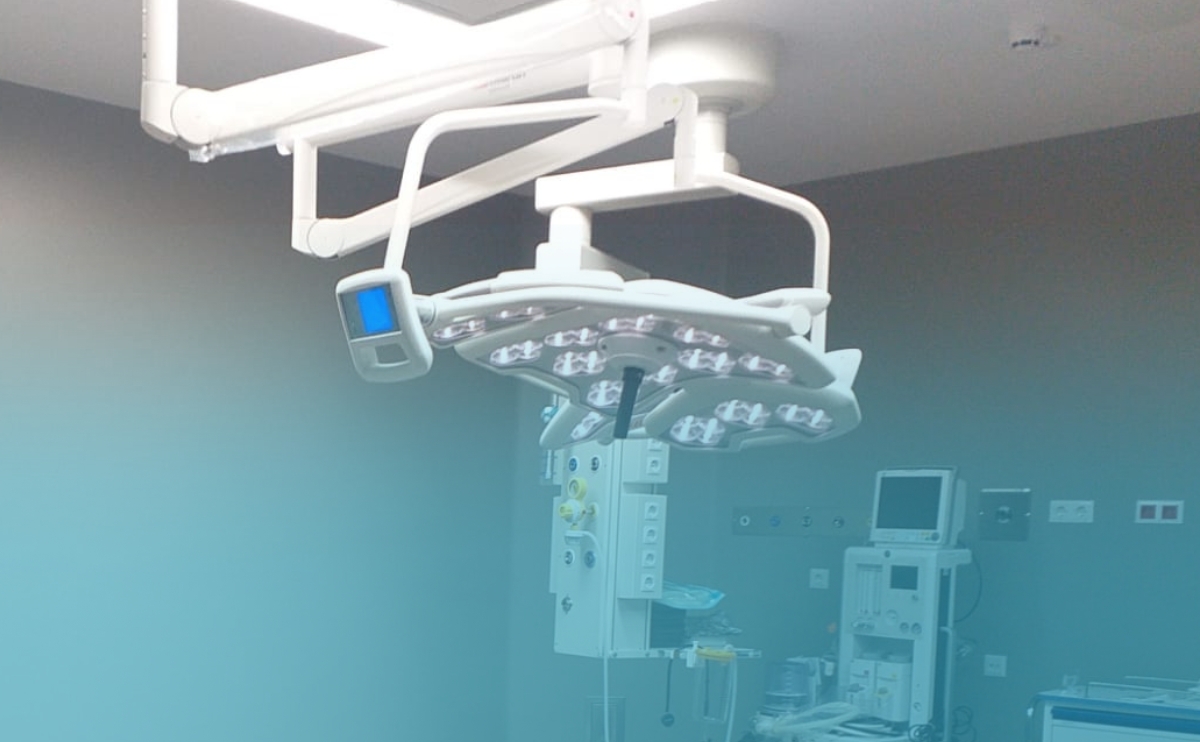

The History of Surgical Lamps
Light plays a crucial role in the operating room and influences the success of procedures. In the past, surgeons relied on daylight or simple mirrors to illuminate the operating area. With the introduction of electricity in the 19th century and later halogen lamps in the 1950s, lighting improved significantly. In the 1960s, halogen lamps provided more intense light but also caused eye fatigue. Nowadays, LED lamps dominate, consuming less energy, generating less heat, and offering surgeons a clear view – an important step in the continuous development of surgical lighting.
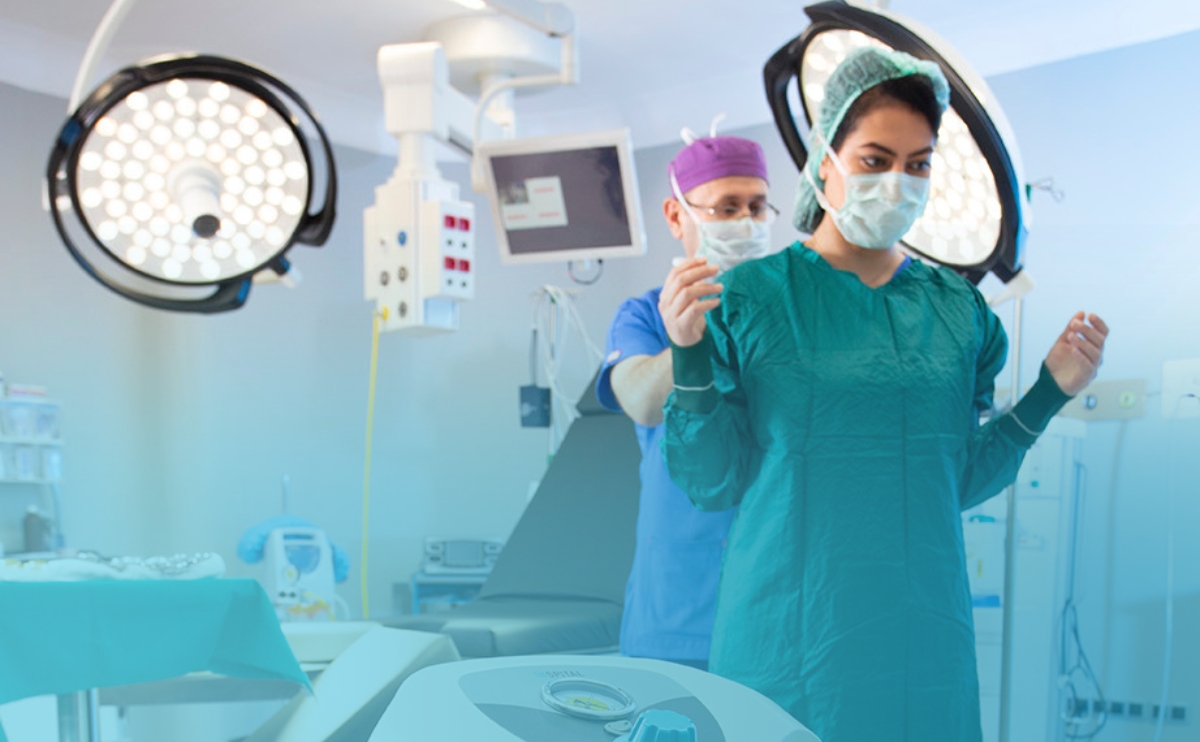
Emergency surgeries: Which equipment is essential? Devices that must not be missing in emergency operating rooms
In emergency situations, every second counts. Severely injured patients or life-threatening complications must be treated in the shortest possible time - often under enormous time pressure and challenging conditions. A well-equipped emergency operating room can make the difference between life and death in such moments.
But which devices are indispensable for performing emergency operations efficiently, safely, and successfully? In this article, we take a look at the essential equipment of an emergency operating room and show how Inspital offers the optimal solution for these critical areas of application with its high-quality medical technology.
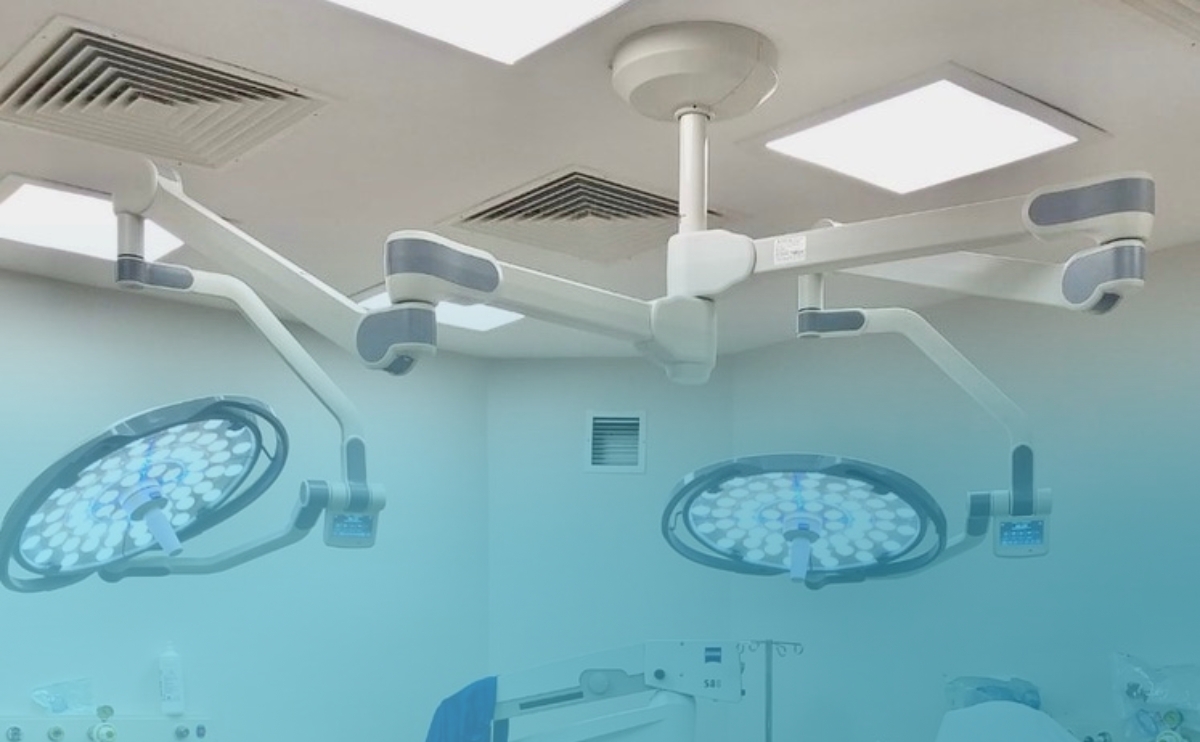
The Importance of Adjustable Lighting Intensity in Surgery
Surgeons need tools that adapt to their fast-paced work. In the operating room, one of these tools is the surgical light with adjustable illumination intensity. This feature allows surgeons to adjust the brightness according to the requirements of each individual procedure or specific needs within an operation - similar to how a chef needs variable heat for different dishes.
Optimal visibility is essential during surgical procedures; without adequate lighting, even experienced hands could fail. Operating room lights must offer both flexibility and precision, enabling clear vision in critical moments when every second counts and the outcome depends on clearly discernible details.
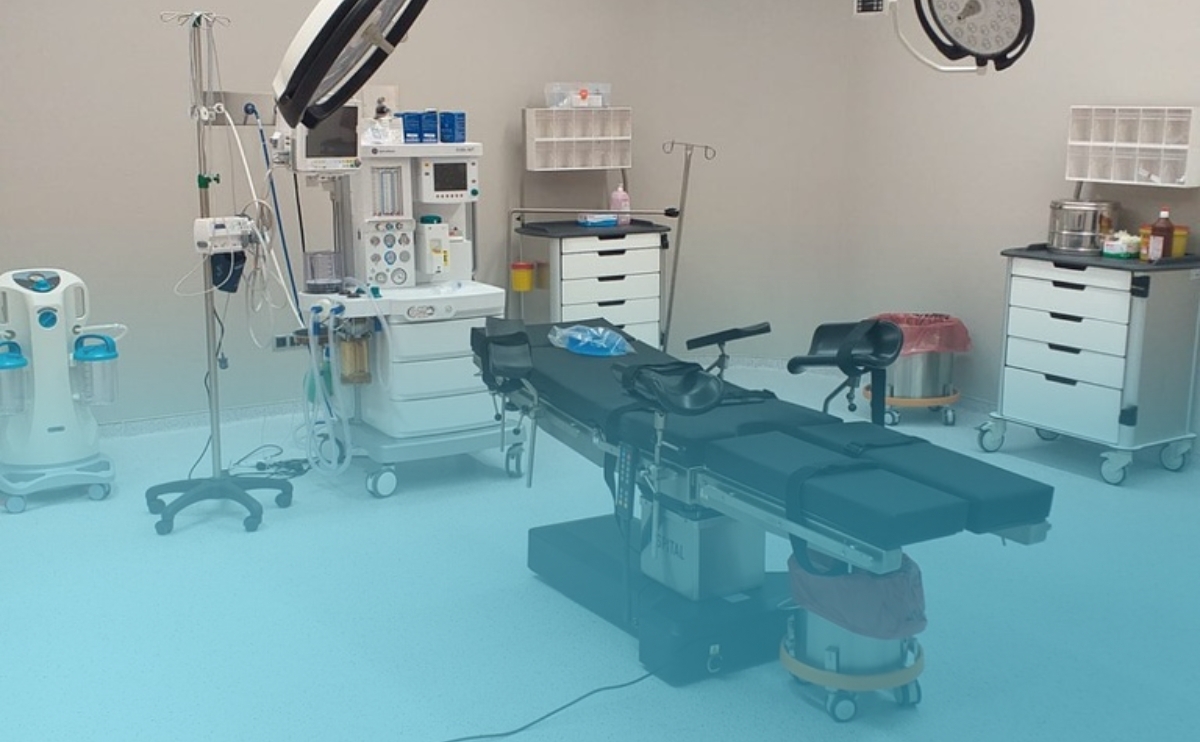
More Order and Safety in the OR: How Operating Tables and Modern Equipment Ensure Efficiency
A well-organized operating room is essential for the success of surgical procedures. Every movement must be precise, medical staff must be able to move freely, and all equipment must be optimally positioned. In this highly sensitive environment, operating tables play a central role - they must be flexible, stable, and ergonomically designed to offer the best possible comfort to both the patient and the surgical team. Complementary equipment such as surgical lights and well-thought-out supply structures contribute significantly to efficiency and safety in the operating room.
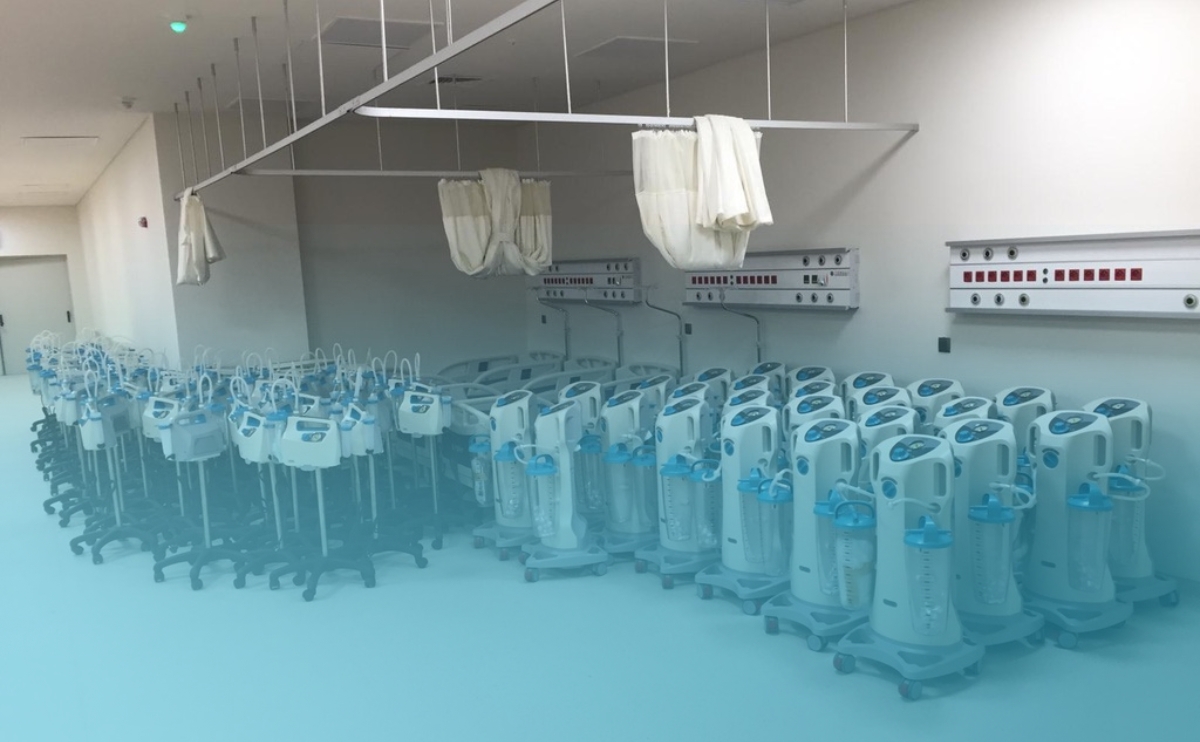
Mobile Medical Technology: How Portable Devices Are Changing Healthcare
In recent years, mobile medical technology has brought about a remarkable change in healthcare. Portable devices enable both patients and medical professionals to monitor and analyze health data in real-time, leading to proactive and personalized care. This advancement has not only increased efficiency but also significantly improved the quality of patient care.
As a leading provider of medical technology, Inspital has recognized this development and offers a wide range of high-quality, portable solutions. In this article, you will learn how mobile medical technology is changing the healthcare industry, what benefits it offers, and which products Inspital has specifically developed for these requirements.
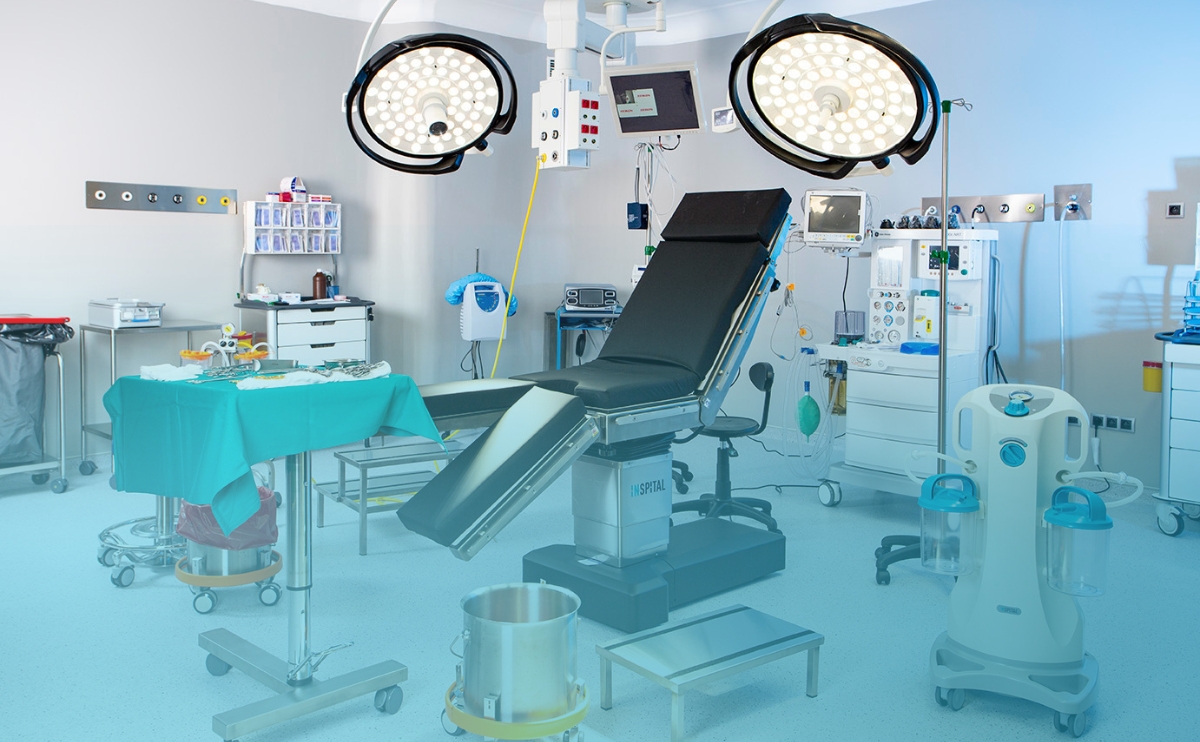
Mobile operating tables: More flexibility in the operating room – advantages, areas of application, and differences from stationary operating tables.
Modern operating rooms are highly complex work environments where efficiency, ergonomics, and patient safety are top priorities. Operating tables play a central role, not only ensuring patient comfort but also influencing the work methods of the surgical team. Mobile operating tables, in particular, offer high flexibility and are a sensible alternative to stationary operating tables in many medical fields. But what are the differences, and what advantages do mobile operating tables offer in daily clinical practice?
Patient Warming Systems: Why Temperature Management During Surgery Is So Important
During surgery, the precision of the medical team is paramount - but a often underestimated factor for surgical success is the patient's body temperature. Studies show that even mild hypothermia during a surgical procedure increases the risk of complications, slows healing, and increases the risk of infection.
To prevent this, modern clinics rely on patient warming systems. But why is temperature management in the operating room so important and what solutions are available?
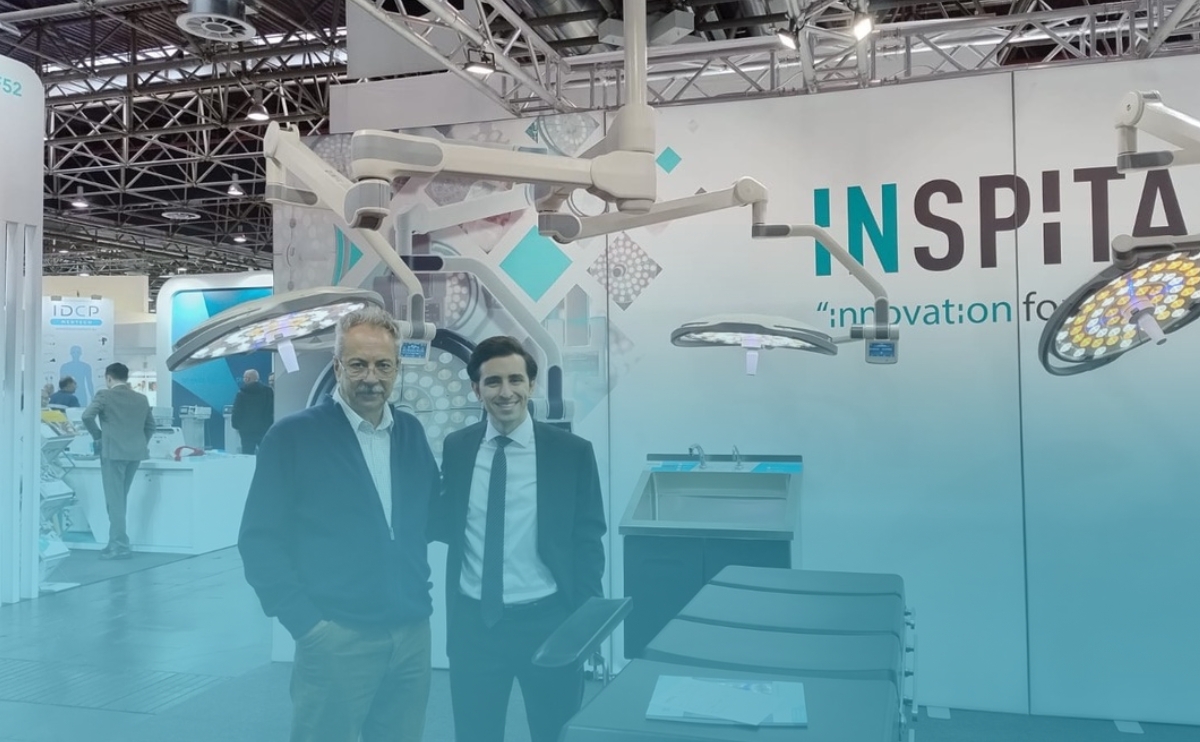
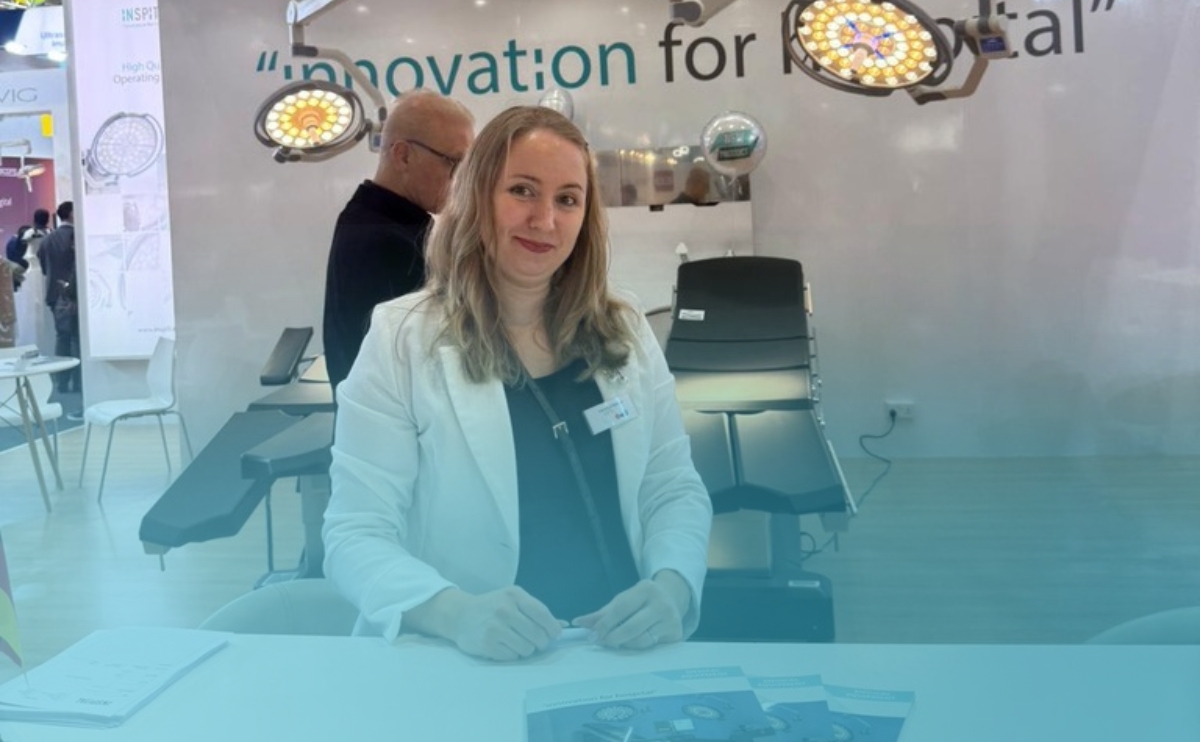
Inspital at Trade Fairs and Congresses: Get to Know Us!
The medical sector is developing rapidly, and with it, the demands for modern hospital solutions are growing. Inspital, as a leading provider of medical technology, is always at the cutting edge and will be presenting itself at major international trade fairs in 2024 and 2025.
Whether in Dubai, Düsseldorf, or at national congresses - as a company, we use these platforms not only to showcase our latest developments but also to promote exchange with professionals and actively shape the future of medical technology.
In our blog post, we share our experiences and inform you about the innovations in the world of medical technology.
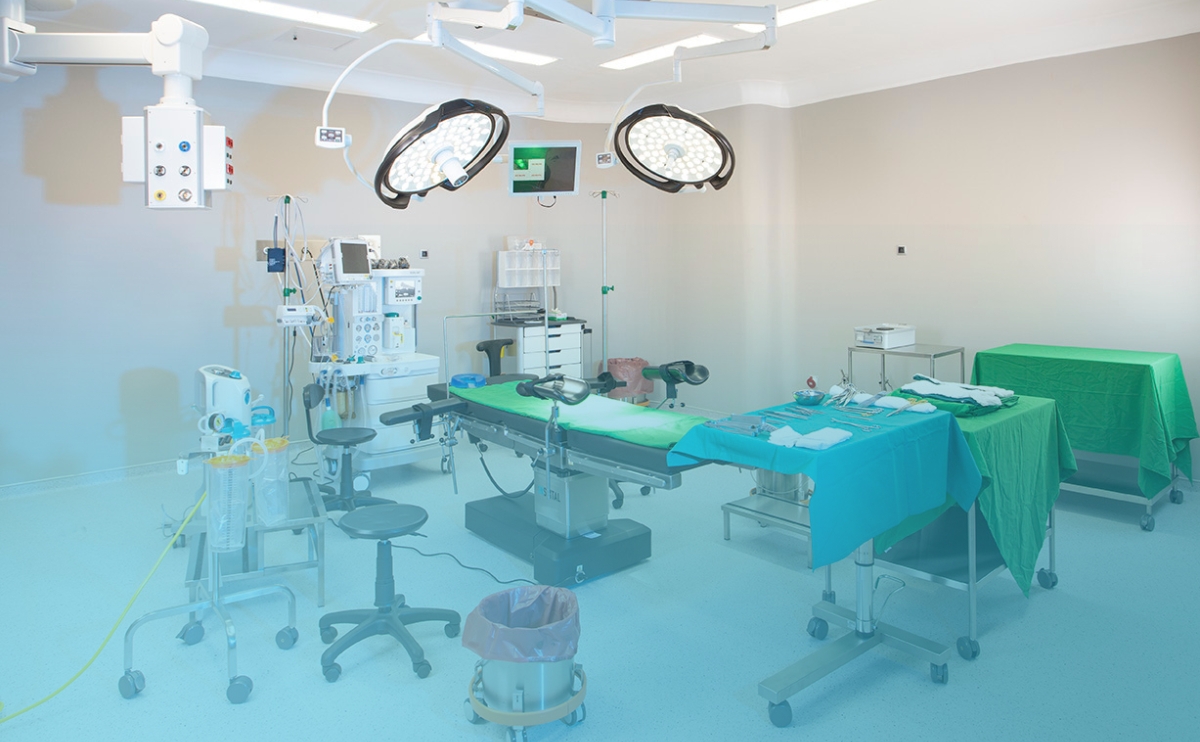
The Optimal Design of an Operating Room: Best Practices
The design of an operating room (OR) is a crucial factor for the efficiency and safety of surgical procedures. A well-thought-out OR not only enables smooth medical processes but also contributes to reducing infection risks, improving staff ergonomics, and enhancing patient well-being. Modern medical technology offers numerous possibilities for optimizing an OR, from innovative lighting systems to hygienic materials and digitally networked workstations.
In this article, you will learn what to consider when planning and designing an operating room and which best practices improve safety and efficiency.
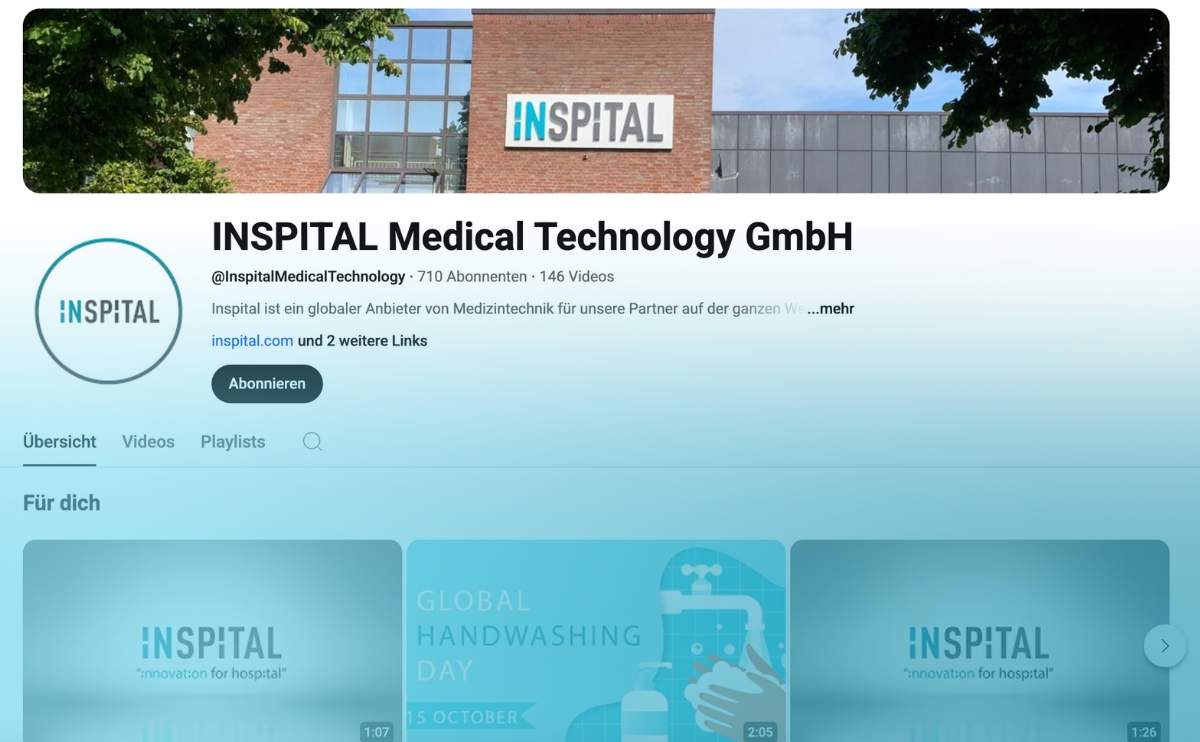
Inspital on YouTube: Instructions for our products and valuable news!
In an increasingly digital world, it is essential for companies to present their products and services not only in catalogs or at trade fairs but also to make them accessible online to a broad target audience. We at Inspital have also recognized this trend and are increasingly focusing on digital communication. A central component of this strategy is Inspital's official YouTube channel, which offers interested parties from the healthcare industry deep insights into modern medical technology.
Whether detailed product presentations, application videos, or company presentations – on our YouTube channel, we offer a variety of informative and high-quality produced content. Here, medical professionals, hospital managers, and technical purchasers can understand in just a few minutes how Inspital's innovative solutions work and what added value they offer for everyday clinical use.