Operating Tables for Various Medical Fields: What Are the Differences?
- Operating room
Contents
General Surgery: Versatility in the OR
General surgery covers a broad spectrum of surgical procedures and places correspondingly high demands on the surgical equipment used. This includes operations on the abdominal cavity, hernia operations, appendectomies, and numerous other standardized and complex procedures. Because very different procedures are performed in this specialist area, operating tables must be particularly flexible and versatile.
A high degree of adjustability, various positioning options, and a stable construction are crucial in order to meet both surgical requirements and patient comfort. Modern operating tables for general surgery enable precise adaptation to different surgical positions, thus supporting efficient workflows and the safe execution of procedures.
Important Requirements:
- Electric height adjustment for optimal working height
- Various positioning options for prone, supine, and lateral positions
- Stable and non-slip padding for patient comfort
- Radiolucent table tops for use with imaging procedures
Our suitable solution from Inspital:
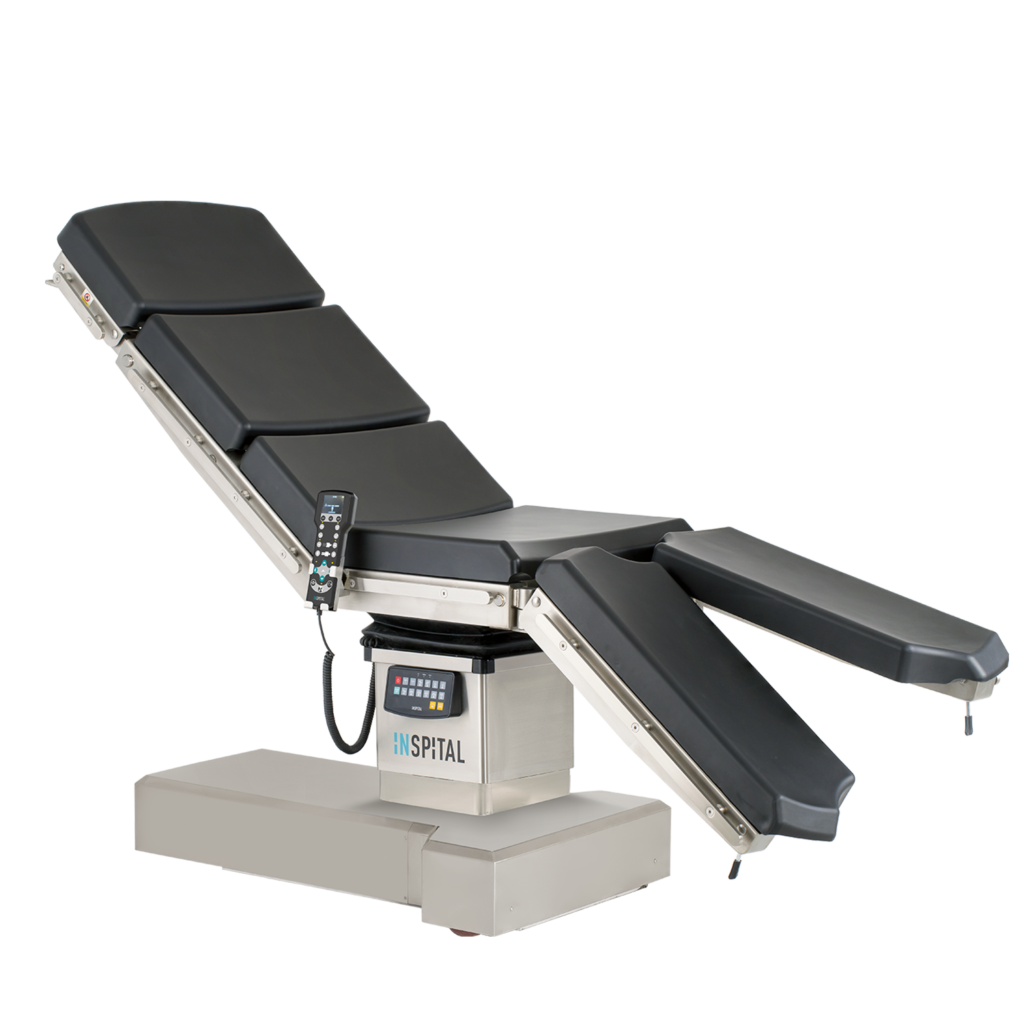
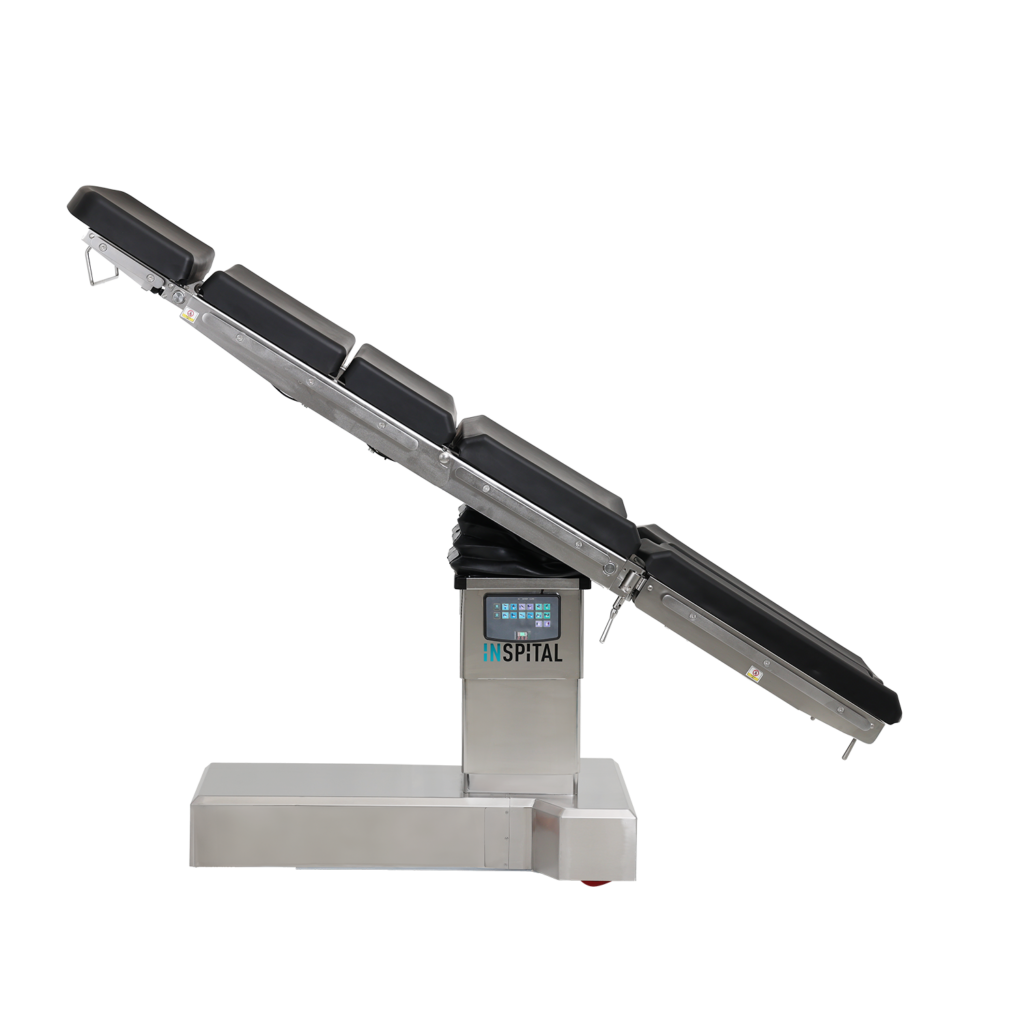
Modular Operating Table
The OT80.20 is a state-of-the-art operating table characterized by its versatility. It offers numerous adjustment options for different surgical procedures and is particularly stable. The radiolucent table top also allows the use of C-arms for intraoperative imaging.

Orthopedics: Procedures on the Musculoskeletal System
Orthopedic surgery deals with the diagnosis, treatment, and surgical care of diseases and injuries of the musculoskeletal system. This includes joint replacement operations, such as knee or hip prostheses, fracture treatments, arthroscopic procedures on the shoulder and knee, and complex reconstruction procedures for tendon and ligament injuries.
Many of these procedures require exact positioning of the affected extremities to enable precise work and optimize the chances of healing for the patient. Therefore, special fixation systems, height-adjustable operating tables, and stable positioning are of central importance. Modern orthopedic operating tables offer flexible adjustment options that guarantee safe positioning during different procedures and at the same time enable surgeons to work ergonomically. This contributes decisively to patient safety, the reduction of complications, and a smooth surgical procedure.
Important Requirements:
- Options for precise fixation of arms and legs
- Stable support for heavy loads (e.g., during endoprosthesis procedures)
- Integrated radiolucency for use with C-arms
- Electric and mechanical fine adjustment for precise positioning
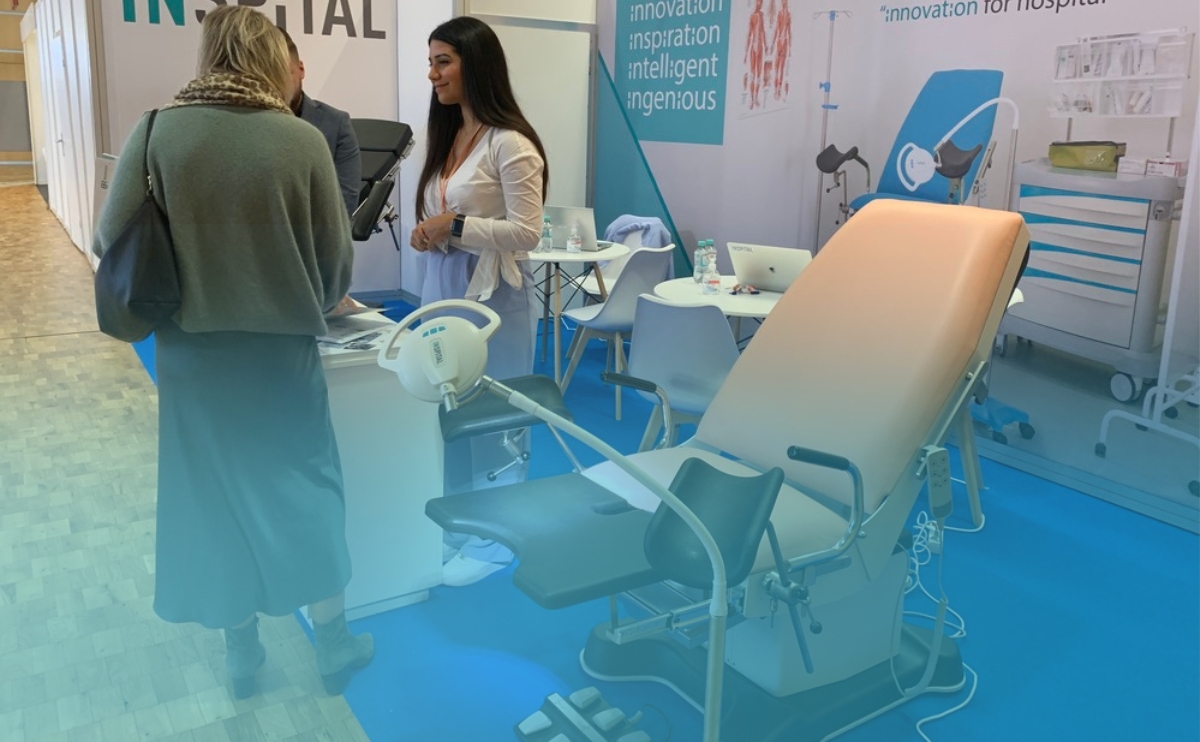
Gynecology: Comfort and Accessibility in the Pelvic Area
Gynecology deals with the prevention, diagnosis, and surgical treatment of diseases of the female reproductive system. The most frequent procedures include cesarean sections, hysterectomies, ovarian operations, and minimally invasive procedures such as laparoscopic procedures. Many of these operations require precise positioning of the patient in order to both optimize access to the surgical field and guarantee the safety and comfort of the patient.
Gynecological operating tables must therefore enable simple, fast, and flexible positioning, including adjustable back and leg supports and secure fixation. At the same time, an optimal view of the surgical field is essential for the surgeon, especially in minimally invasive procedures in which the smallest structures must remain visible. Modern gynecological operating tables also offer functions such as hydraulic or electrical height and tilt adjustment in order to improve the working conditions for the surgical team and enable ergonomic execution of the procedures. Stable and versatile positioning not only contributes to patient safety, but also supports a smooth, efficient surgical procedure.
Important Requirements:
- Special leg supports for the lithotomy position
- Easy and quick adjustment mechanisms
- Ergonomic design for maximum patient comfort
- Hygienic materials for easy cleaning
Neurosurgery: Stability for Microscopic Precision
Neurosurgery is one of the most demanding surgical disciplines. It deals with operations on the brain, spinal cord, and peripheral nervous system. Since many of these procedures are performed under a microscope, extremely precise patient positioning is crucial. Even the slightest movements can affect the surgical outcome.
Important Requirements:
- Extremely finely adjustable headrests for stable positioning
- Vibration-free construction for maximum precision
- Absolute movement stability for microsurgery
- Possibility to integrate intraoperative imaging
Urology: Integrated Imaging for Endoscopic Procedures
Urology deals with the prevention, diagnosis, and treatment of diseases of the urinary tract and the male reproductive organs. Frequent procedures in this specialist area include bladder and kidney operations, prostate procedures, stone removals, and tumor operations. Many of these procedures are now performed minimally invasively, using endoscopes, lasers, or other specialized instruments, in order to shorten the healing time and reduce complications. Therefore, a urological operating table must meet special requirements: It should enable optimal positioning of the patient, at the same time offer good accessibility for endoscopes, laser devices, and other surgical instruments, and be radiolucent in order to support intraoperative imaging.

Important Requirements:
- Radiolucent table top for use with C-arms
- Integrated leg holders for comfortable patient positioning
- Compatibility with urological endoscopes and lasers
- Hygienic, easy-to-clean materials
Conclusion: The right operating table for every medical discipline
The choice of the right operating table is a decisive factor for the success of surgical procedures, the ergonomics of the surgical team, and the safety of the patients. A modern operating table must not only be flexible and stable, but also meet the specific requirements of the respective specialist discipline – from general and visceral surgery to orthopedics and gynecology, and on to urology and neurosurgery.
With its versatile portfolio, Inspital Medizintechnik offers innovative operating tables that are specially tailored to the needs of the various specialist areas. Thanks to flexible positioning options, stable construction, and advanced functions, these tables enable precise patient positioning, an optimal view of the surgical field, and the efficient execution of a wide variety of procedures. In this way, they support not only the success of the treatment, but also the work safety and ergonomics for the medical personnel.
Our team of experts at Inspital will advise you competently in the selection of the right operating table for your clinic or practice. We analyze your individual requirements, take specific surgical procedures into account, and help you to find a tailor-made solution that meets the highest safety and quality standards. Contact us to learn more about our innovative operating tables and to secure the ideal equipment for your facility!
Operating Table OT80.20 NOVUS
Prices visible to registered customers onlySurgical Suction Unit SU60.05
Prices visible to registered customers onlySurgical Suction Unit SU60.10
Prices visible to registered customers onlyPortable Suction Unit SU60.06T
Prices visible to registered customers onlyCurrent News
- Gas Systems, Hospital Management, Inspital Medical Technology
- Hospital Management, Inspital Medical Technology, OR Light
- Hospital Management, Inspital Medical Technology, Stainless Steel
News Press
Here you will find current news about trade fairs, congresses, PR and other relevant topics.